
Search
- "Ac'cent: Crystals of 99+% Pure Monosodium Glutamate" Product Package, 1947-1955 - Monosodium glutamate (MSG) was first prepared in 1908 by Japanese chemist Dr. Kikunae Ikeda to achieve the distinctive umami taste found in sea kelp. American manufacturers began importing it for use in the late 1920s to meet demand from the military and pre-packaged food industries. In 1947, the first U.S. brand -- Ac'cent -- was introduced to bring MSG to home kitchens.
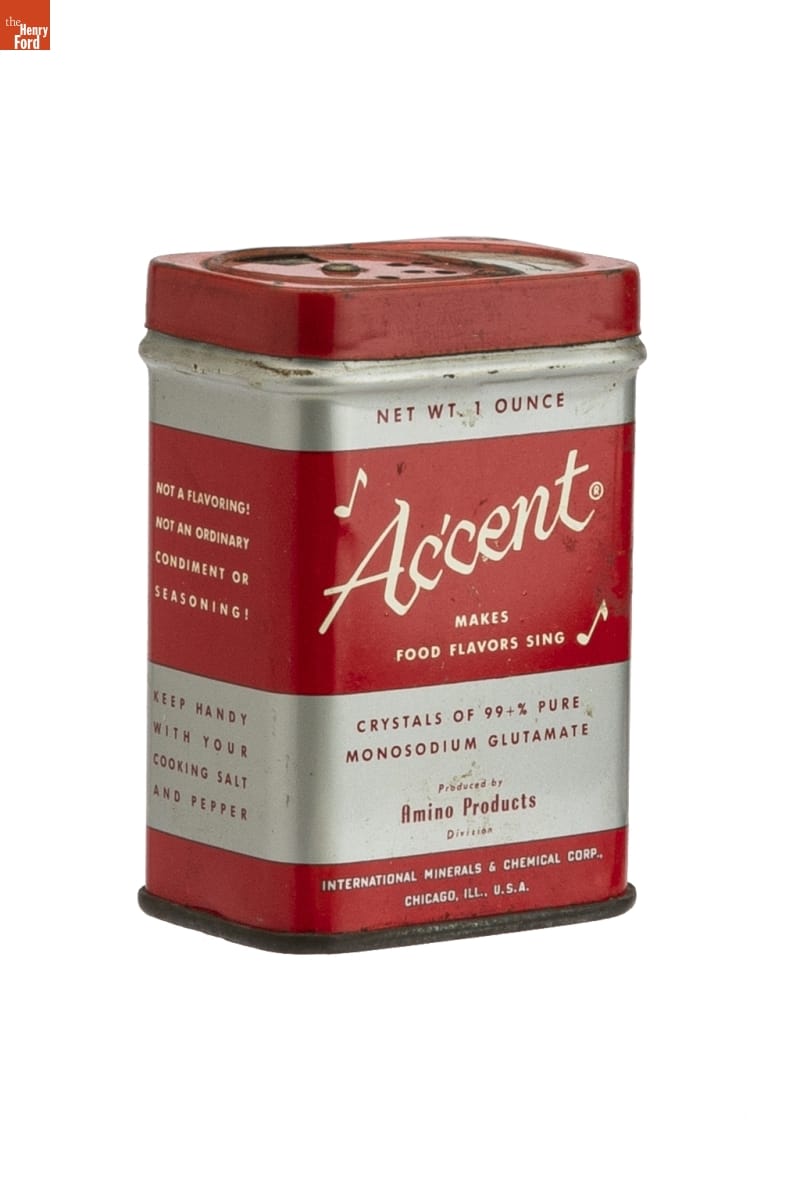
- 1947-1955
- Collections - Artifact
"Ac'cent: Crystals of 99+% Pure Monosodium Glutamate" Product Package, 1947-1955
Monosodium glutamate (MSG) was first prepared in 1908 by Japanese chemist Dr. Kikunae Ikeda to achieve the distinctive umami taste found in sea kelp. American manufacturers began importing it for use in the late 1920s to meet demand from the military and pre-packaged food industries. In 1947, the first U.S. brand -- Ac'cent -- was introduced to bring MSG to home kitchens.
- Tea Canister, 1873-1885 - Before products like coffee, tea, and spices were individually packaged with company labels and logos grocers dispensed them from metal bins and canisters. These large tin containers were not only a convenient storage place that kept products dry, but their colorful painted, printed, and stenciled decorations provided an attractive display on the store's shelves and counters.
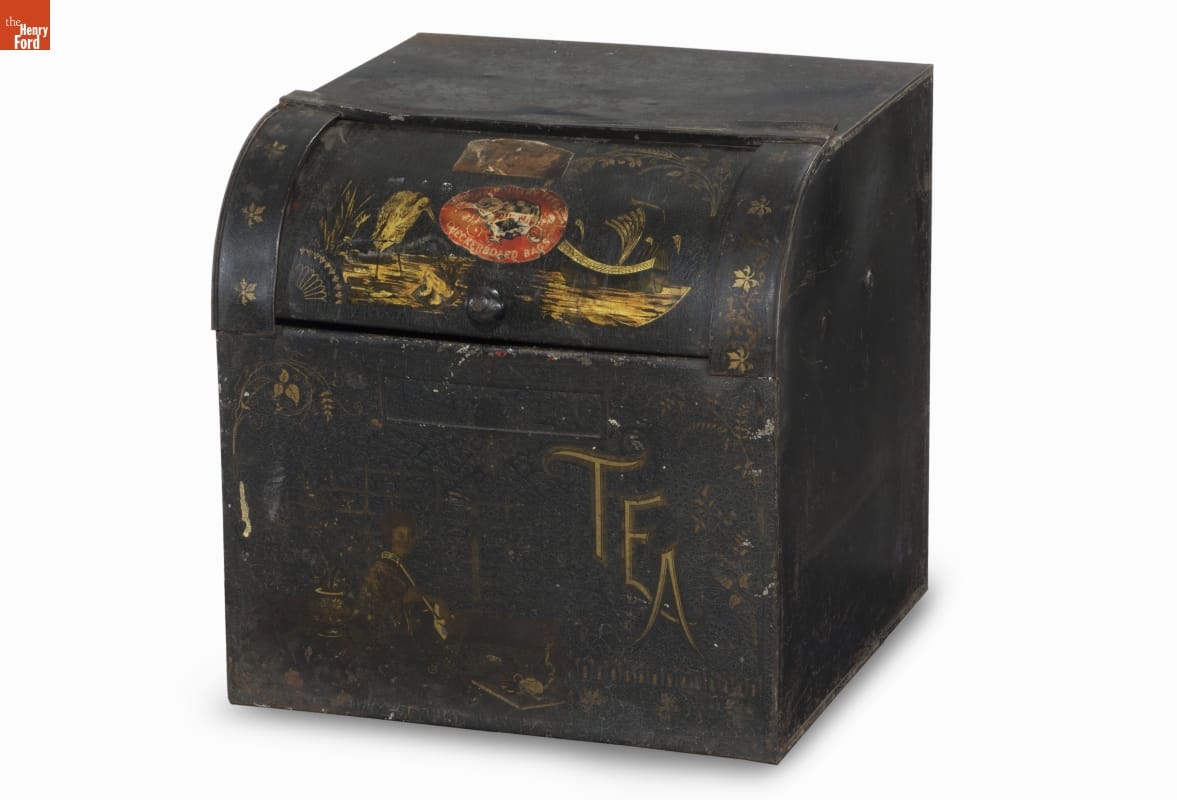
- 1873-1885
- Collections - Artifact
Tea Canister, 1873-1885
Before products like coffee, tea, and spices were individually packaged with company labels and logos grocers dispensed them from metal bins and canisters. These large tin containers were not only a convenient storage place that kept products dry, but their colorful painted, printed, and stenciled decorations provided an attractive display on the store's shelves and counters.
- H & S Super Foam Cleaner, 1940-1950 -
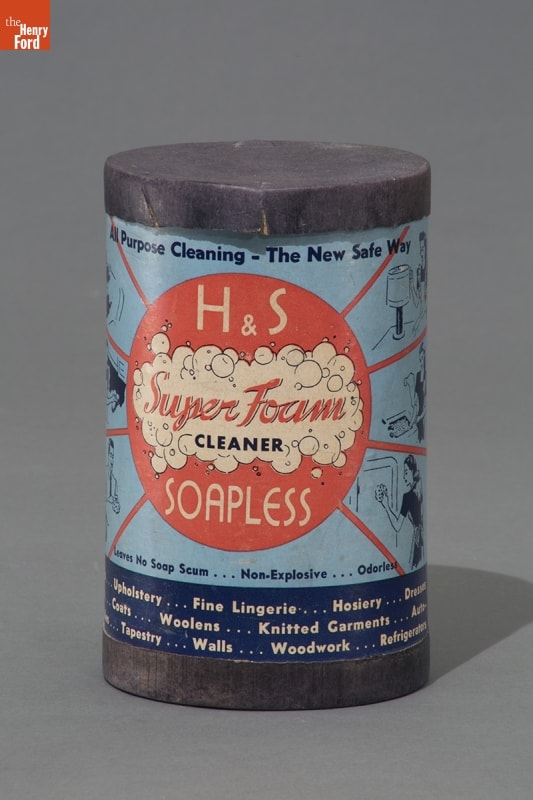
- 1940-1950
- Collections - Artifact
H & S Super Foam Cleaner, 1940-1950
- Canister, 1875-1900 -
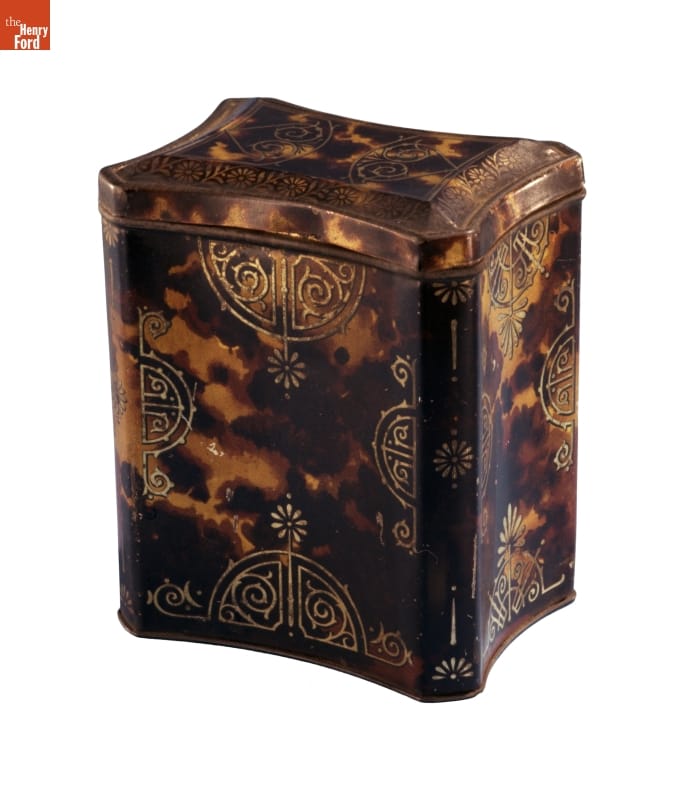
- 1875-1900
- Collections - Artifact
Canister, 1875-1900
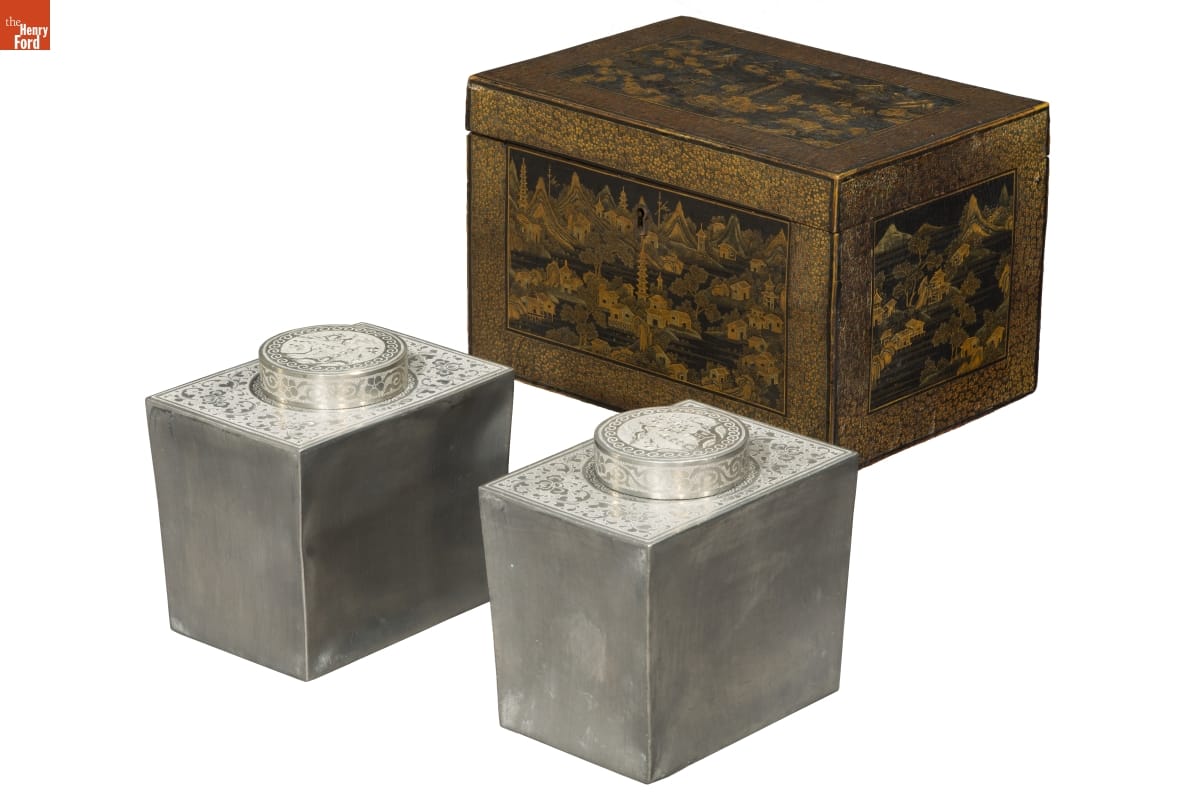
- Tea Box, 1800-1840 - This early 19th-century decorative, lacquered tea chest held loose tea leaves in the two smaller metal canisters. This chest was meant for display, either in a store that catered to the needs of upper-class consumers, or in an upper-class home to show off their wealth and good taste.
- 1800-1840
- Collections - Artifact
Tea Box, 1800-1840
This early 19th-century decorative, lacquered tea chest held loose tea leaves in the two smaller metal canisters. This chest was meant for display, either in a store that catered to the needs of upper-class consumers, or in an upper-class home to show off their wealth and good taste.
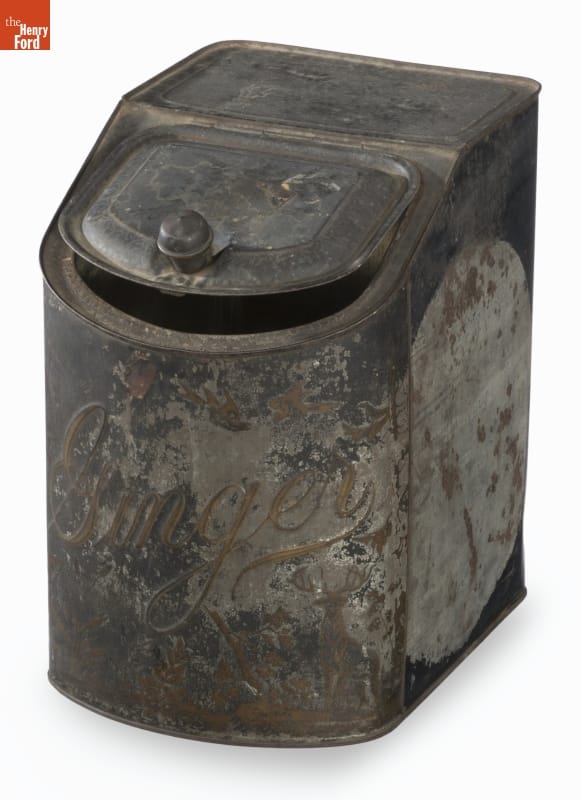
- Ginger Canister - Before products like coffee, tea, and spices were individually packaged with company labels and logos grocers dispensed them from metal bins and canisters. These large tin containers were not only a convenient storage place that kept products dry, but their colorful painted, printed, and stenciled decorations provided an attractive display on the store's shelves and counters.
- Collections - Artifact
Ginger Canister
Before products like coffee, tea, and spices were individually packaged with company labels and logos grocers dispensed them from metal bins and canisters. These large tin containers were not only a convenient storage place that kept products dry, but their colorful painted, printed, and stenciled decorations provided an attractive display on the store's shelves and counters.
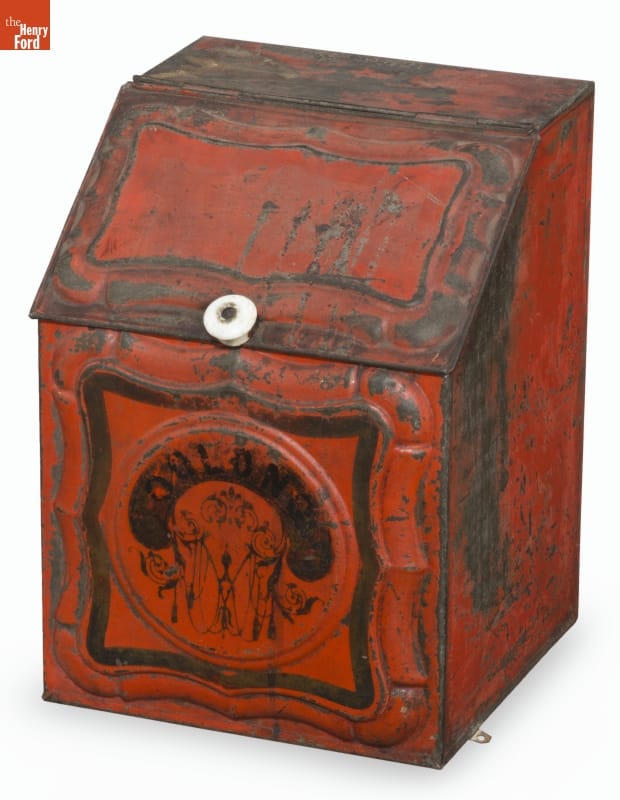
- Oolong Tea Canister - Before products like coffee, tea, and spices were individually packaged with company labels and logos grocers dispensed them from metal bins and canisters. These large tin containers were not only a convenient storage place that kept products dry, but their colorful painted, printed, and stenciled decorations provided an attractive display on the store's shelves and counters.
- Collections - Artifact
Oolong Tea Canister
Before products like coffee, tea, and spices were individually packaged with company labels and logos grocers dispensed them from metal bins and canisters. These large tin containers were not only a convenient storage place that kept products dry, but their colorful painted, printed, and stenciled decorations provided an attractive display on the store's shelves and counters.
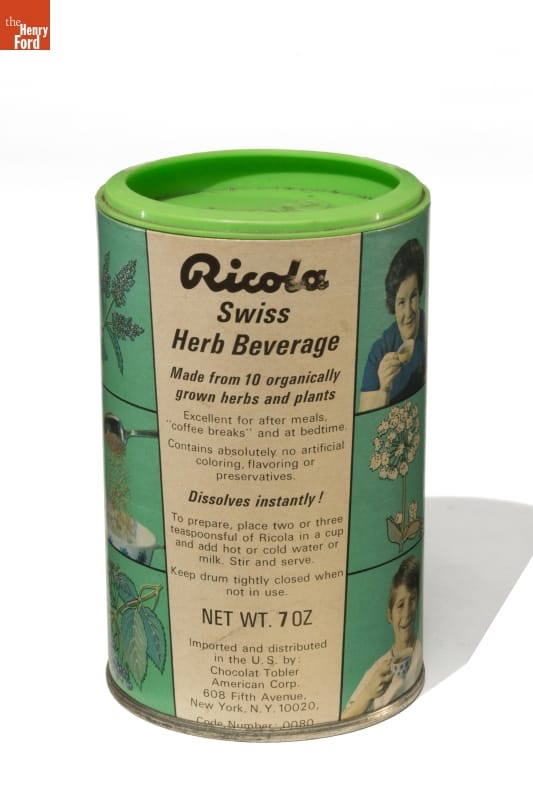
- Canister of Ricola Swiss Herb Beverage, 1968-1975 - This food item was one of the many exotic delicacies sold at A. Rensch & Co., a family-owned specialty-import food store that opened in Toledo, Ohio, in 1882. Customers interested in exotic canned and bottled foods, hard-to-find teas and coffees, and all manner of imported meats and cheeses would have frequented a store like this. A. Rensch & Co. also sold gift boxes.
- 1968-1975
- Collections - Artifact
Canister of Ricola Swiss Herb Beverage, 1968-1975
This food item was one of the many exotic delicacies sold at A. Rensch & Co., a family-owned specialty-import food store that opened in Toledo, Ohio, in 1882. Customers interested in exotic canned and bottled foods, hard-to-find teas and coffees, and all manner of imported meats and cheeses would have frequented a store like this. A. Rensch & Co. also sold gift boxes.
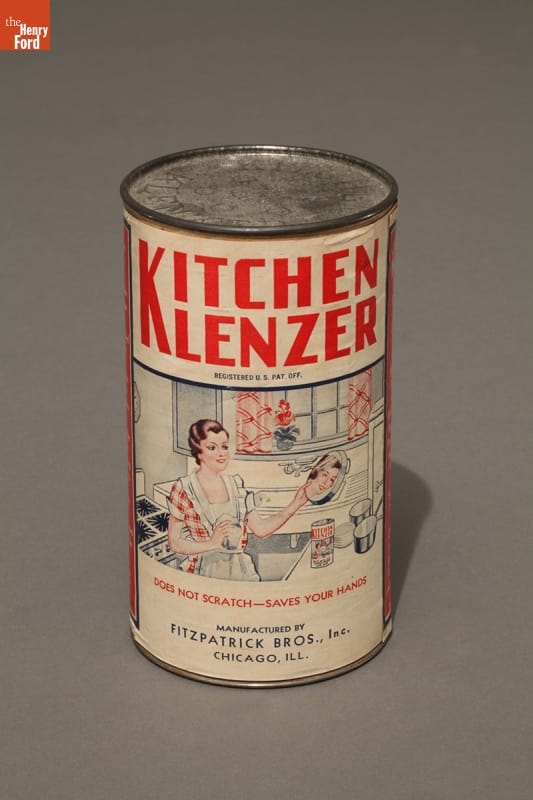
- Kitchen Klenzer, 1933-1943 -
- 1933-1943
- Collections - Artifact
Kitchen Klenzer, 1933-1943
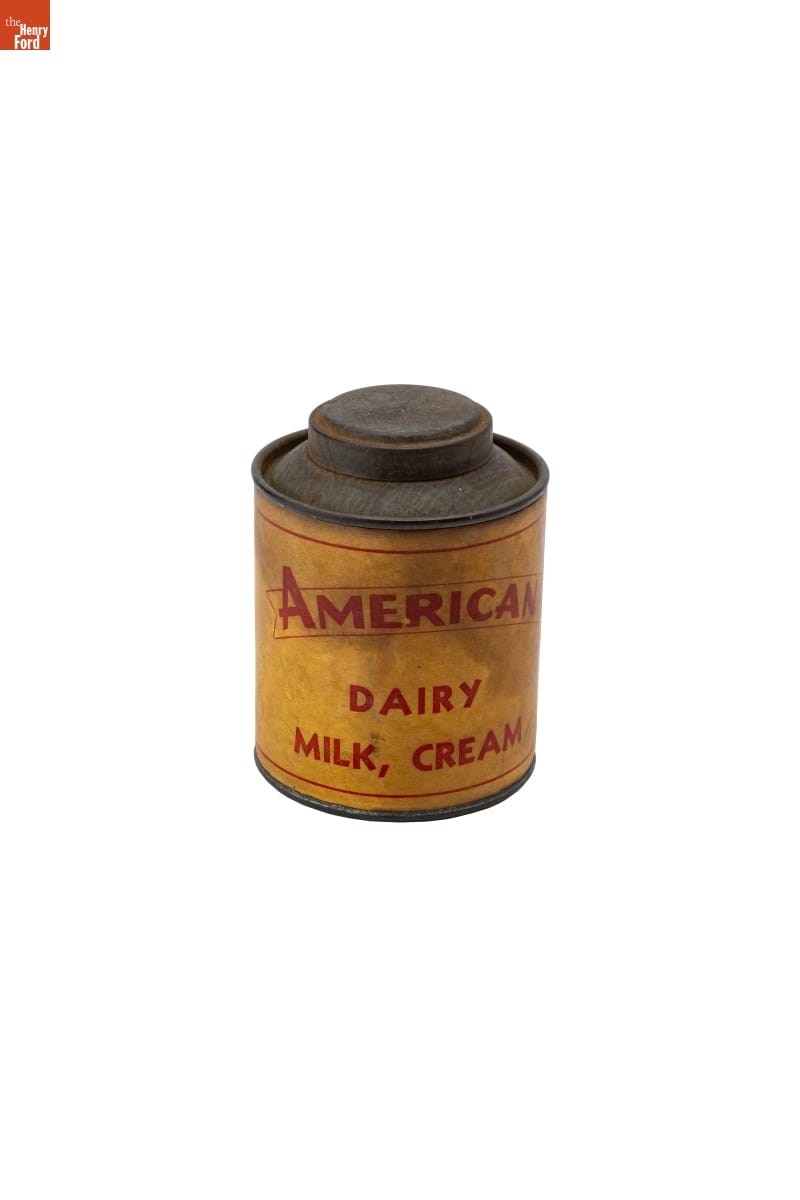
- American Dairy Milk and Cream Can -
- Collections - Artifact
American Dairy Milk and Cream Can