
Search
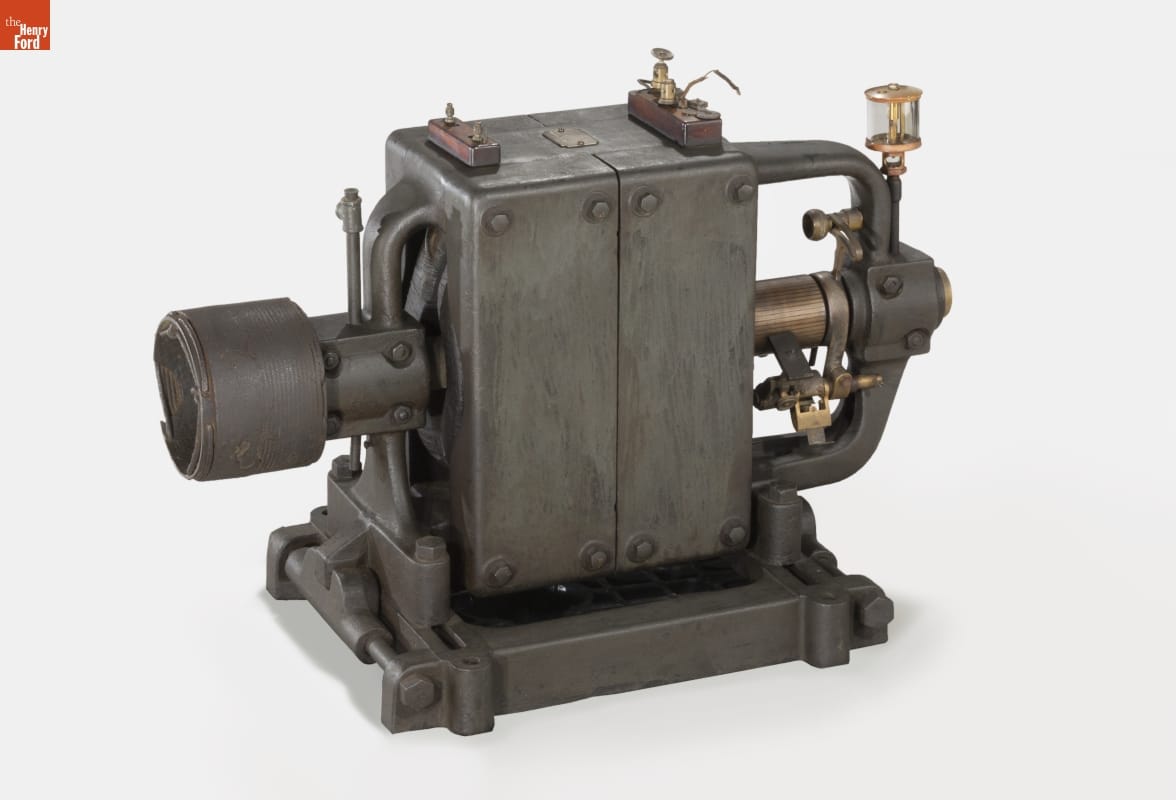
- Eickemeyer Dynamo, Used by the Haxton Canning Company, 1889 - Rudolf Eickemeyer developed his "ironclad" dynamo in the 1880s. The unique method of construction--its heavy iron field coil construction and iron sheathing--gave the dynamo its nickname. It was compact, rugged and efficient, though the ironclad design made it difficult to cool. This dynamo supplied power for the lighting system and small motors at the Haxton Canning Company in Oakfield, New York, for 15 years.
- 1889
- Collections - Artifact
Eickemeyer Dynamo, Used by the Haxton Canning Company, 1889
Rudolf Eickemeyer developed his "ironclad" dynamo in the 1880s. The unique method of construction--its heavy iron field coil construction and iron sheathing--gave the dynamo its nickname. It was compact, rugged and efficient, though the ironclad design made it difficult to cool. This dynamo supplied power for the lighting system and small motors at the Haxton Canning Company in Oakfield, New York, for 15 years.
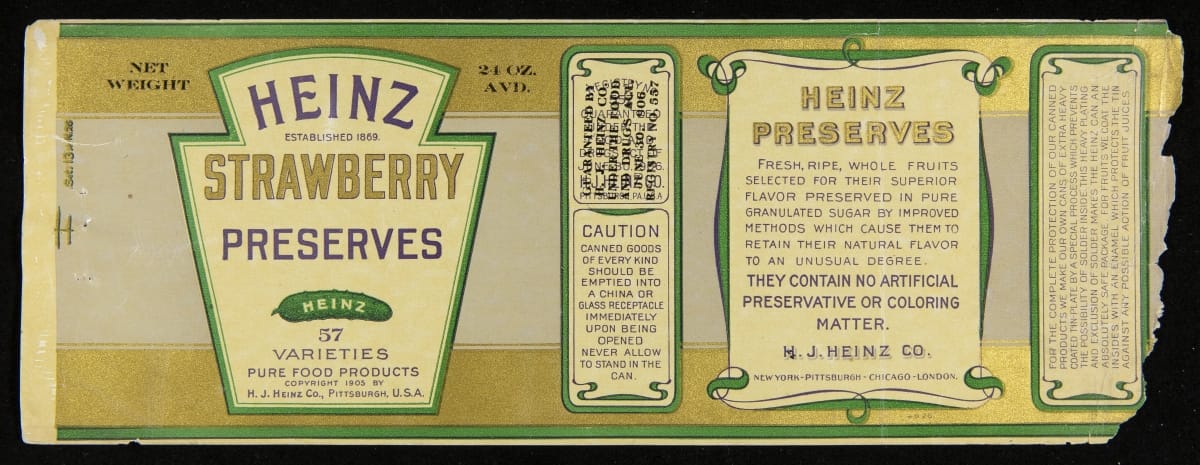
- Can Label, "Heinz Brand Strawberry Preserves," 1906-1910 - Manufacturers of similar products sought ways to make their companies' goods stand out on store shelves. Some companies established a uniform label design for their multi-product offerings -- a strategy which helped customers distinguish one brand over another. H.J. Heinz products were identified by the famous Heinz pickle and signature "keystone" logo. These design features are still found on Heinz products today.
- 1906-1910
- Collections - Artifact
Can Label, "Heinz Brand Strawberry Preserves," 1906-1910
Manufacturers of similar products sought ways to make their companies' goods stand out on store shelves. Some companies established a uniform label design for their multi-product offerings -- a strategy which helped customers distinguish one brand over another. H.J. Heinz products were identified by the famous Heinz pickle and signature "keystone" logo. These design features are still found on Heinz products today.
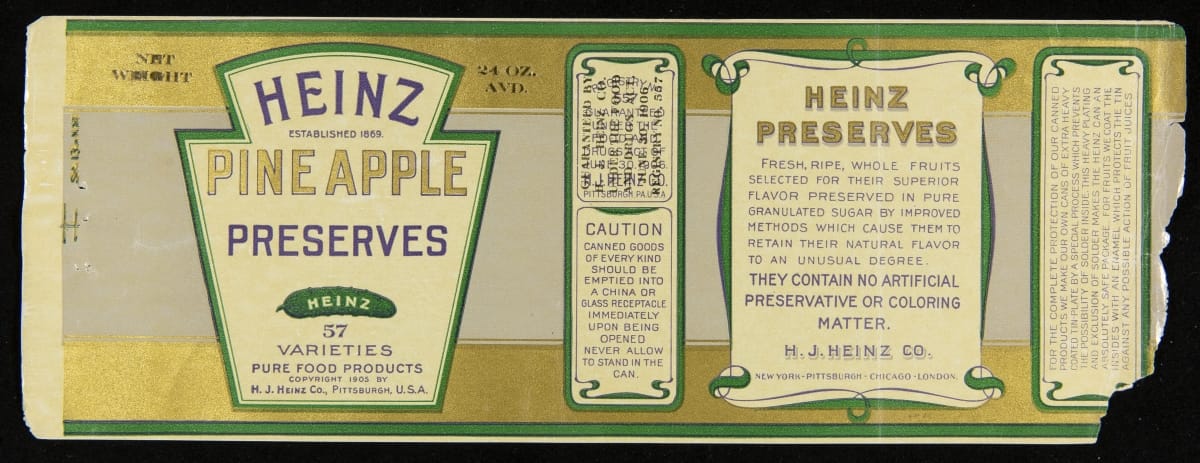
- Can Label, "Heinz Brand Pineapple Preserves," 1906-1910 - Manufacturers of similar products sought ways to make their companies' goods stand out on store shelves. Some companies established a uniform label design for their multi-product offerings -- a strategy which helped customers distinguish one brand over another. H.J. Heinz products were identified by the famous Heinz pickle and signature "keystone" logo. These design features are still found on Heinz products today.
- 1906-1910
- Collections - Artifact
Can Label, "Heinz Brand Pineapple Preserves," 1906-1910
Manufacturers of similar products sought ways to make their companies' goods stand out on store shelves. Some companies established a uniform label design for their multi-product offerings -- a strategy which helped customers distinguish one brand over another. H.J. Heinz products were identified by the famous Heinz pickle and signature "keystone" logo. These design features are still found on Heinz products today.
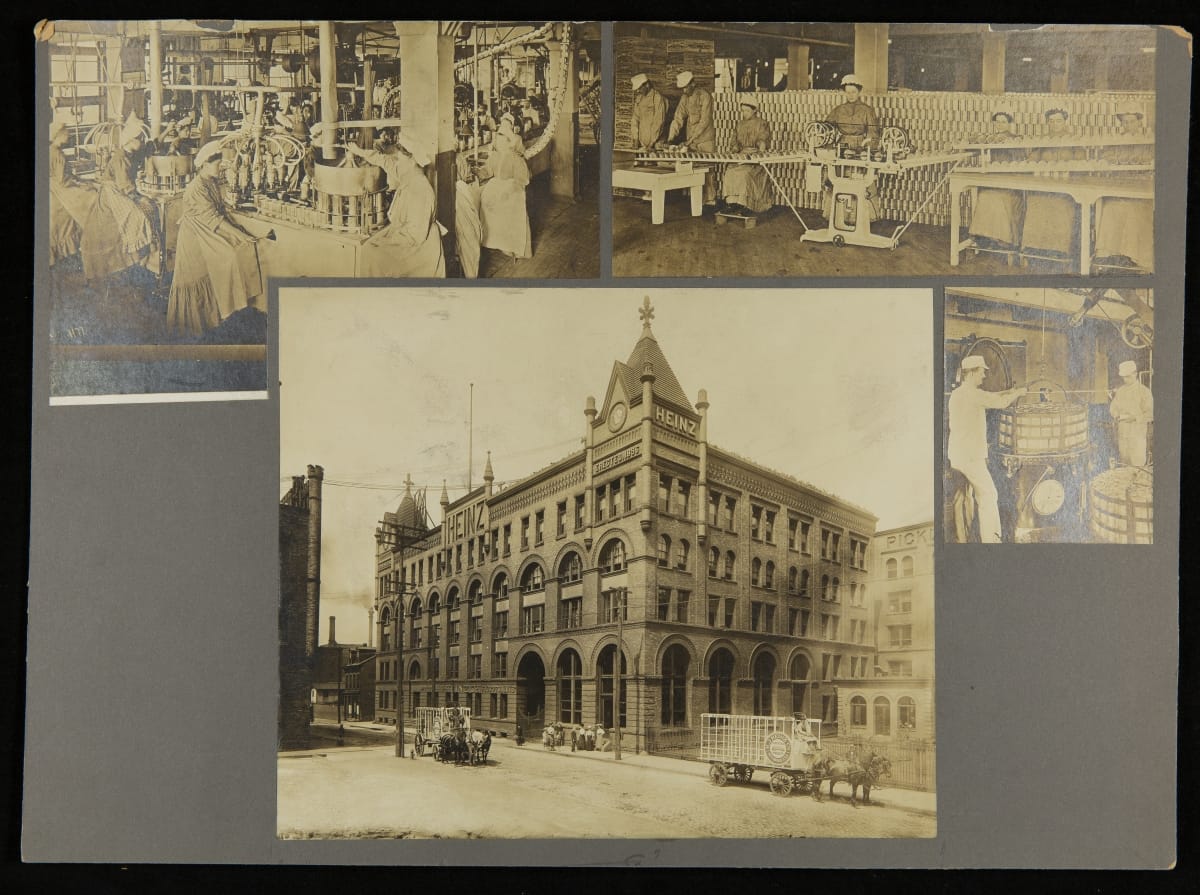
- Photomontage Showing H. J. Heinz Company Main Plant in Pittsburgh, Pennsylvania, circa 1910 - Photographs of the H.J. Heinz factory -- including buildings, employees, and the manufacturing process -- were often taken and then modified for advertising and publications. This advertising layout features several modified photographs of the various steps in the manufacturing process.
- circa 1910
- Collections - Artifact
Photomontage Showing H. J. Heinz Company Main Plant in Pittsburgh, Pennsylvania, circa 1910
Photographs of the H.J. Heinz factory -- including buildings, employees, and the manufacturing process -- were often taken and then modified for advertising and publications. This advertising layout features several modified photographs of the various steps in the manufacturing process.
- Jar, circa 1930 -
- circa 1930
- Collections - Artifact
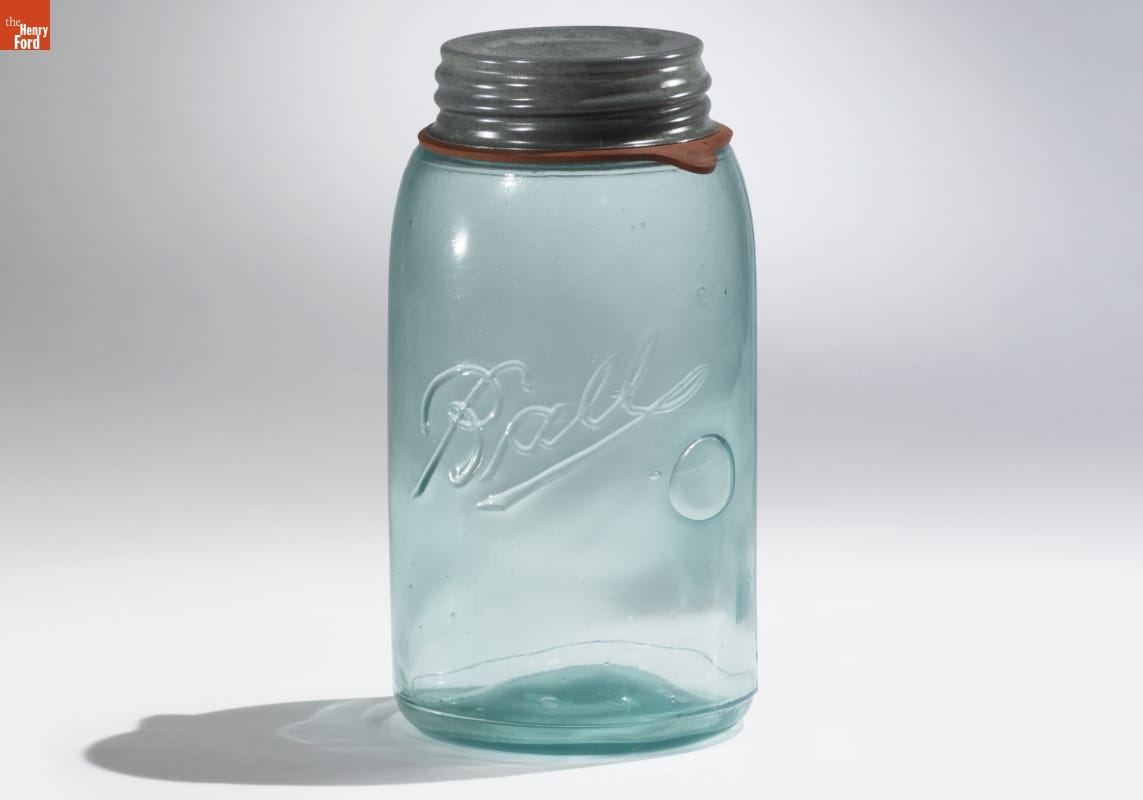
Jar, circa 1930
- "Culinary Arts Institute Encyclopedic Cookbook," 1948 -
- 1948
- Collections - Artifact
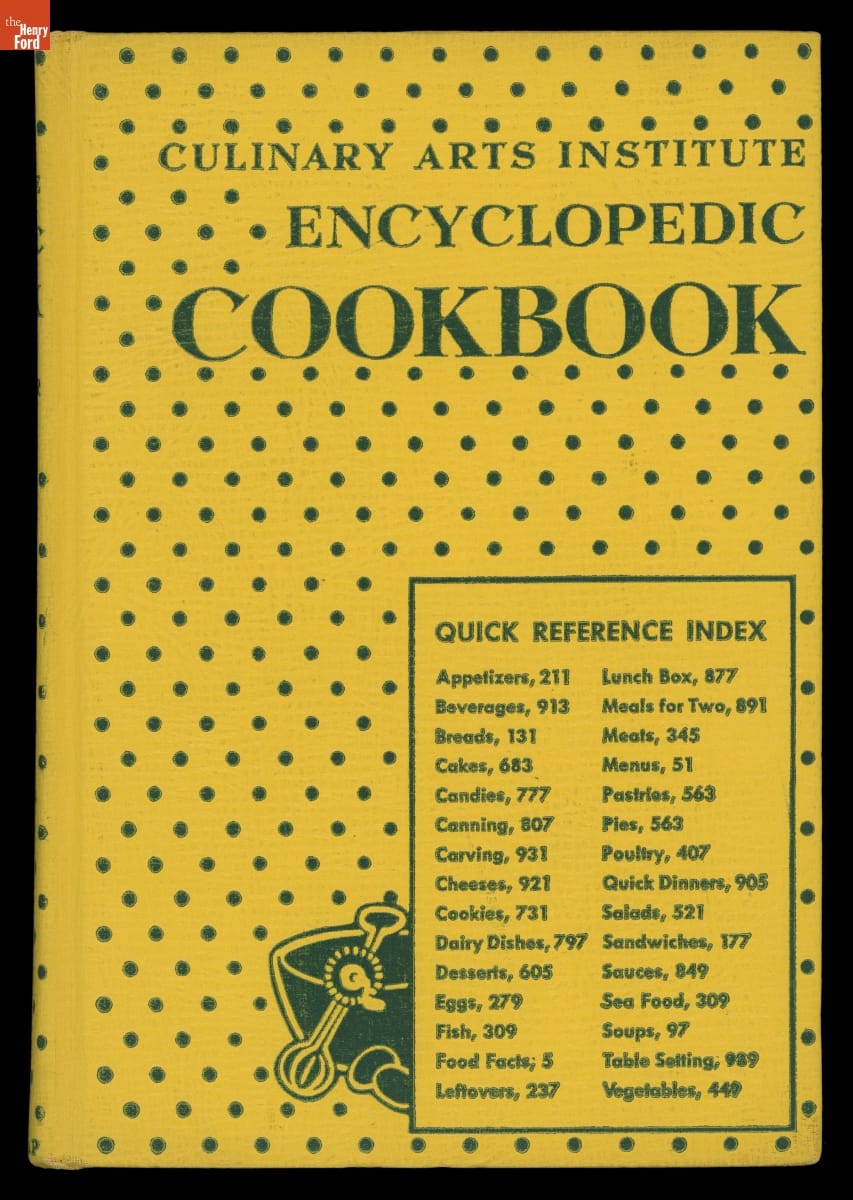
"Culinary Arts Institute Encyclopedic Cookbook," 1948
- Macon (Michigan) High School Students Marjorie Korth and Joan Cadmus Organize Jars of Asparagus on Shelves, August 1943 -
- August 23, 1943
- Collections - Artifact
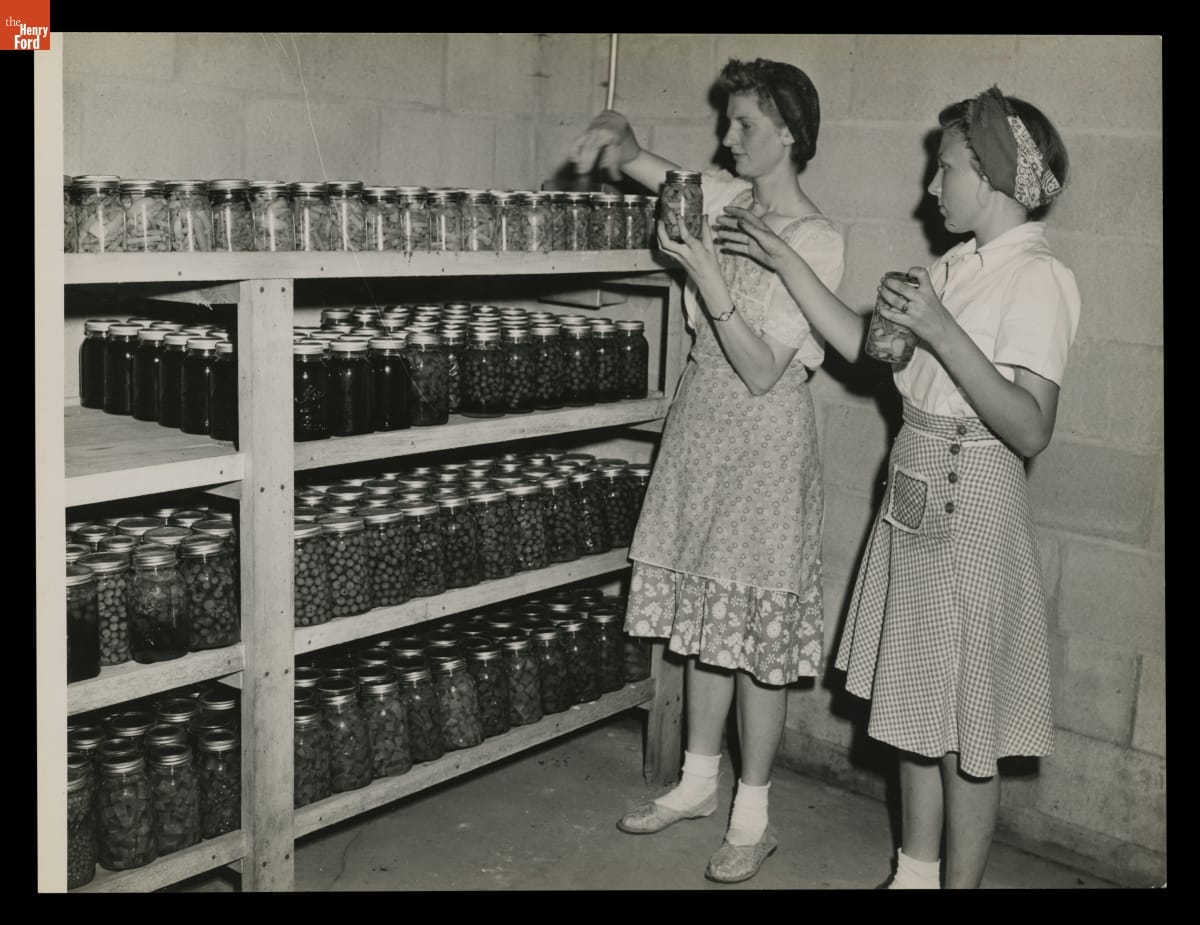
Macon (Michigan) High School Students Marjorie Korth and Joan Cadmus Organize Jars of Asparagus on Shelves, August 1943
- Jelly Jar, circa 1925 -
- circa 1925
- Collections - Artifact
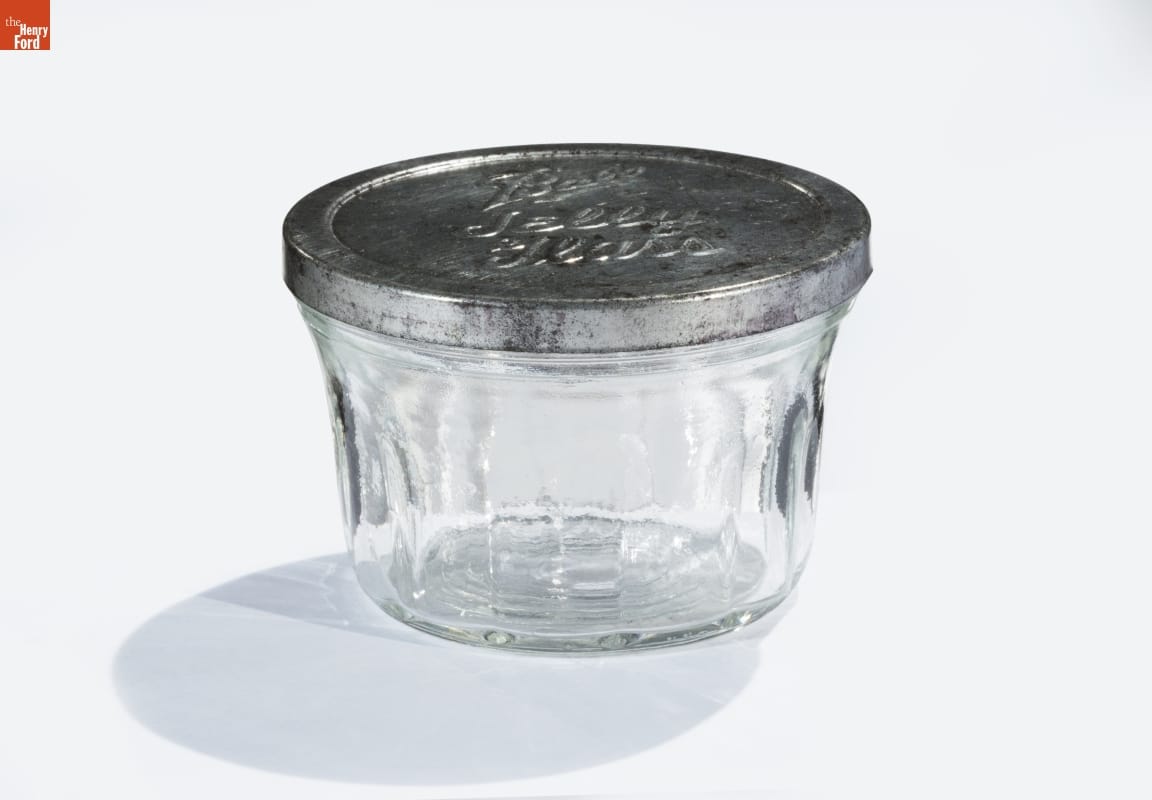
Jelly Jar, circa 1925
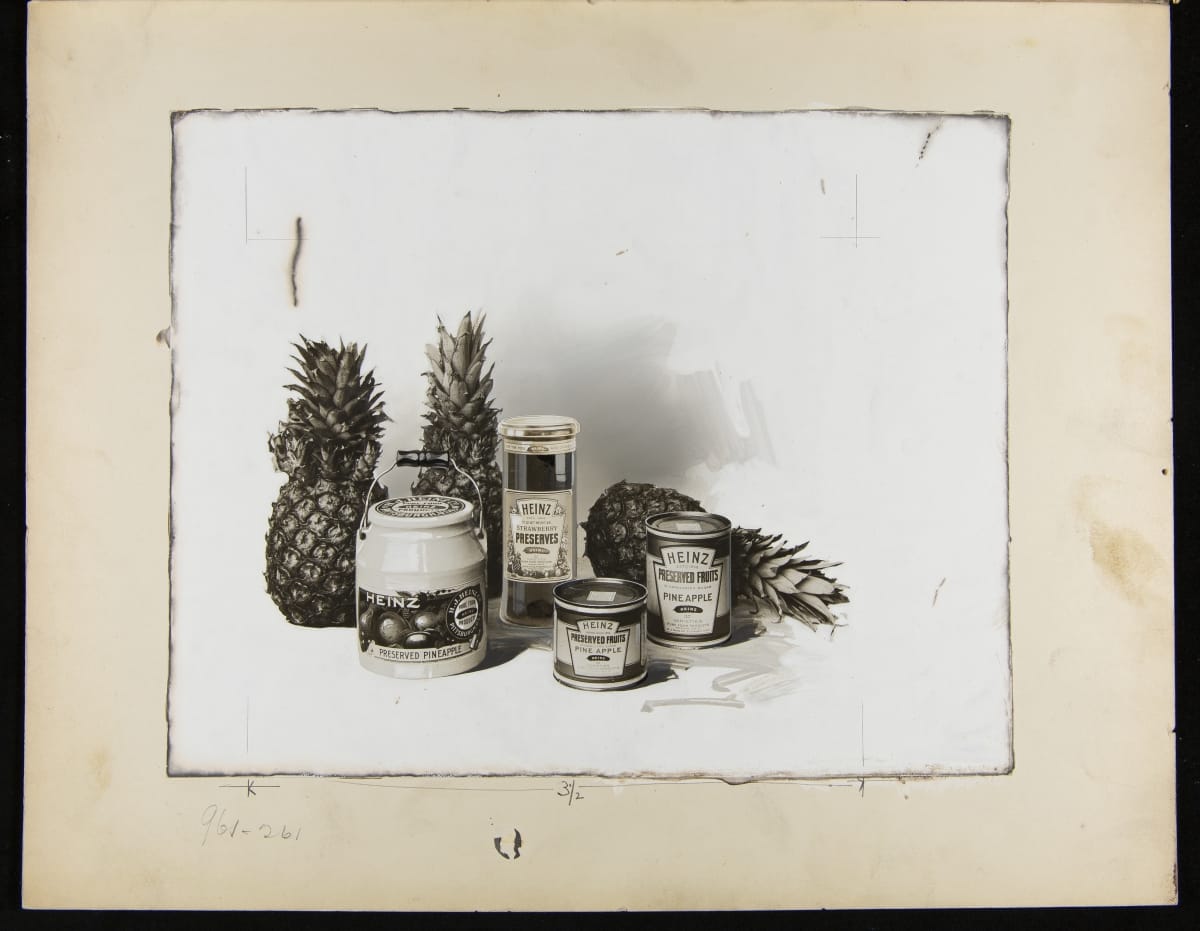
- Advertising Layout for Heinz Preserved Fruits, April 26, 1921 - The H.J. Heinz Company employed ambitious and comprehensive advertising strategies to meet consumers at home, in stores, and everywhere in between. Drawings, illustrations and modified photographs of Heinz products were often used for advertising and in publications. This advertising layout represents a step in the marketing process where the size and arrangement are taken into consideration before the final advertisement is created.
- April 26, 1912
- Collections - Artifact
Advertising Layout for Heinz Preserved Fruits, April 26, 1921
The H.J. Heinz Company employed ambitious and comprehensive advertising strategies to meet consumers at home, in stores, and everywhere in between. Drawings, illustrations and modified photographs of Heinz products were often used for advertising and in publications. This advertising layout represents a step in the marketing process where the size and arrangement are taken into consideration before the final advertisement is created.
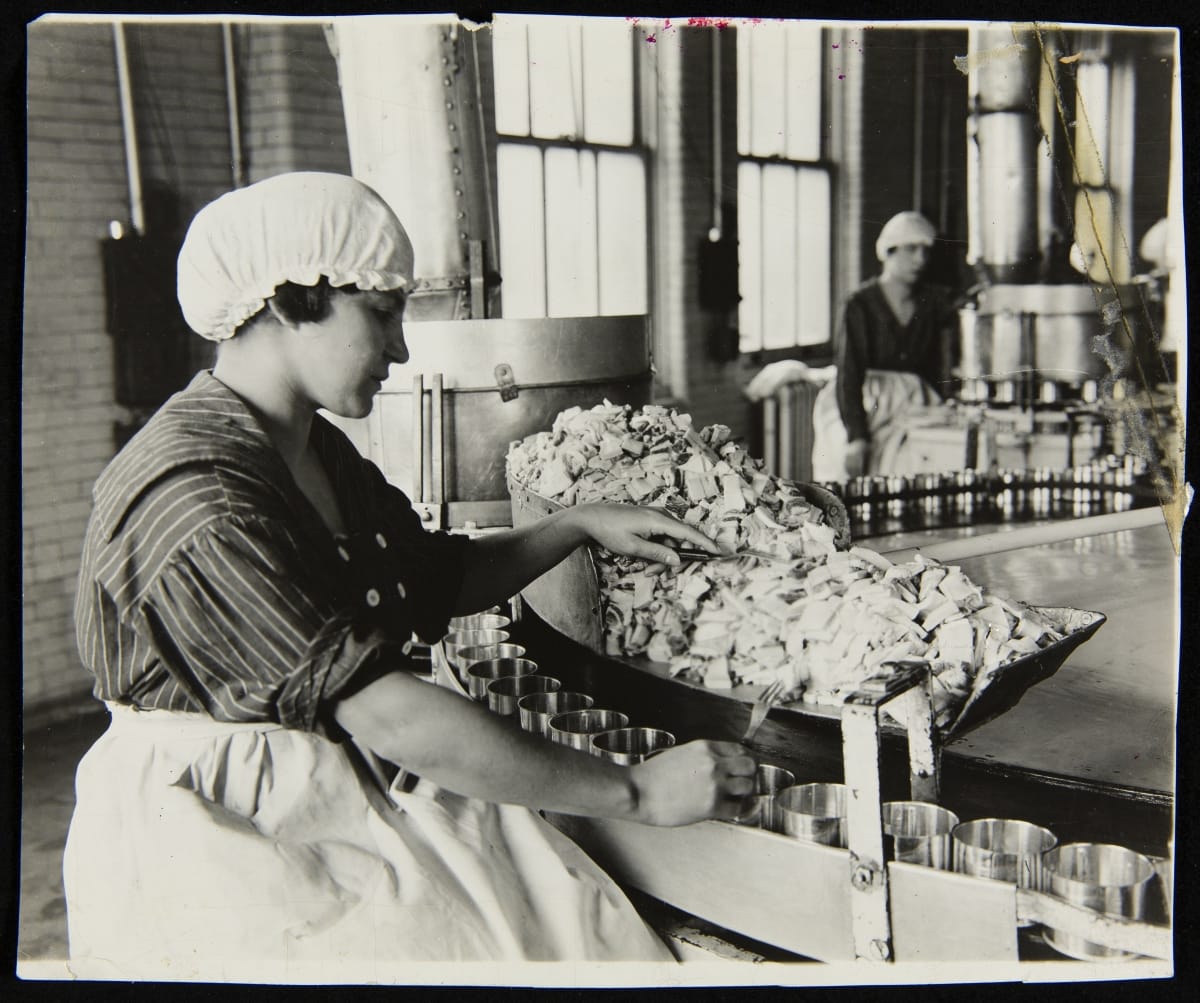
- Employee Placing Pork into Cans, H. J. Heinz Company, Pittsburgh, Pennsylvania, circa 1915 - Before complete mechanization of the manufacturing process, many tasks at the Heinz factory were done by hand. The H. J. Heinz Company documented the many departments of the manufacturing process through photographs. This photograph shows an employee placing a hand-picked piece of pork into cans for baked bean products.
- circa 1915
- Collections - Artifact
Employee Placing Pork into Cans, H. J. Heinz Company, Pittsburgh, Pennsylvania, circa 1915
Before complete mechanization of the manufacturing process, many tasks at the Heinz factory were done by hand. The H. J. Heinz Company documented the many departments of the manufacturing process through photographs. This photograph shows an employee placing a hand-picked piece of pork into cans for baked bean products.