
Search
- Portrait of Caleb B. Smith, 1861-1863 - Cartes-de-visite, small, professionally made photographs on cardboard stock, remained popular in the United States from the Civil War in the 1860s through the 1880s. Many were given to friends and loved ones, but enterprising photographers also produced images of famous individuals to sell to the collecting-crazed public. Celebrities, military officers and politicians, such as Caleb Smith, President Abraham Lincoln's first Secretary of the Interior, were popular subjects.
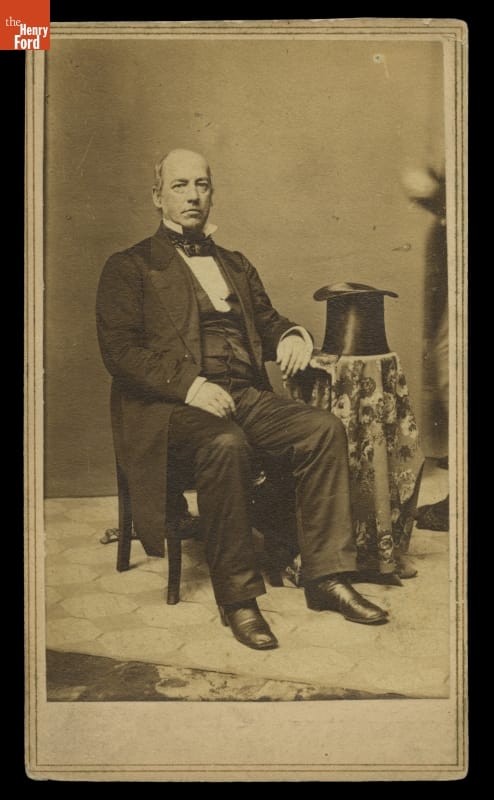
- 1861-1863
- Collections - Artifact
Portrait of Caleb B. Smith, 1861-1863
Cartes-de-visite, small, professionally made photographs on cardboard stock, remained popular in the United States from the Civil War in the 1860s through the 1880s. Many were given to friends and loved ones, but enterprising photographers also produced images of famous individuals to sell to the collecting-crazed public. Celebrities, military officers and politicians, such as Caleb Smith, President Abraham Lincoln's first Secretary of the Interior, were popular subjects.
- Portrait of a Clergyman, circa 1865 -
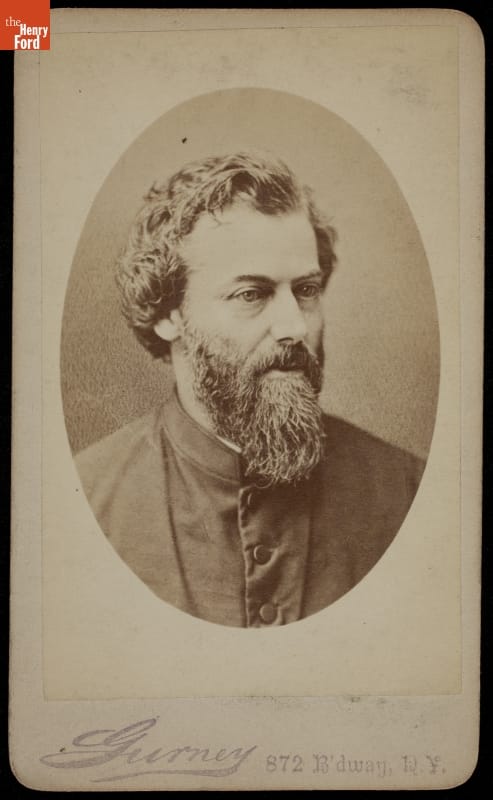
- circa 1865
- Collections - Artifact
Portrait of a Clergyman, circa 1865
- Portrait of a Clergyman, circa 1860 -
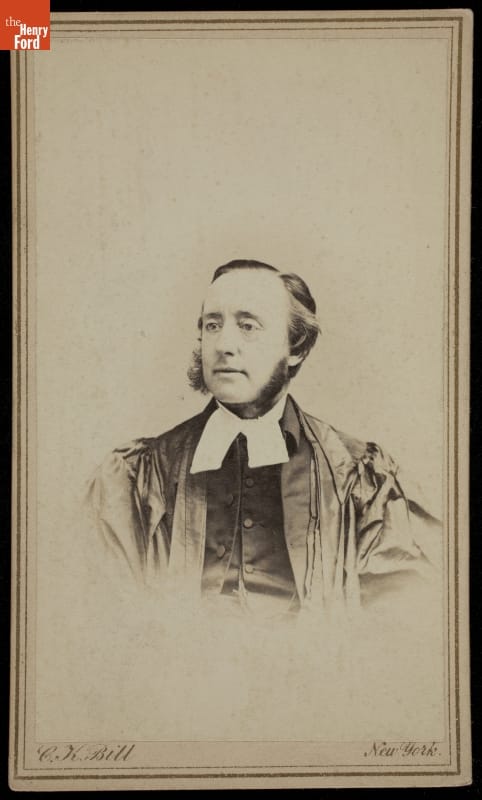
- circa 1860
- Collections - Artifact
Portrait of a Clergyman, circa 1860
- Portrait of Union Army General John A. Logan, 1863-1865 - Cartes-de-visite, small, professionally made photographs on cardboard stock, remained popular in the United States from the Civil War in the 1860s through the 1880s. Many were given to friends and loved ones, but enterprising photographers also produced images of famous individuals to sell to the collecting-crazed public. Admired politicians or military officers, such as General John A. Logan, were popular subjects.
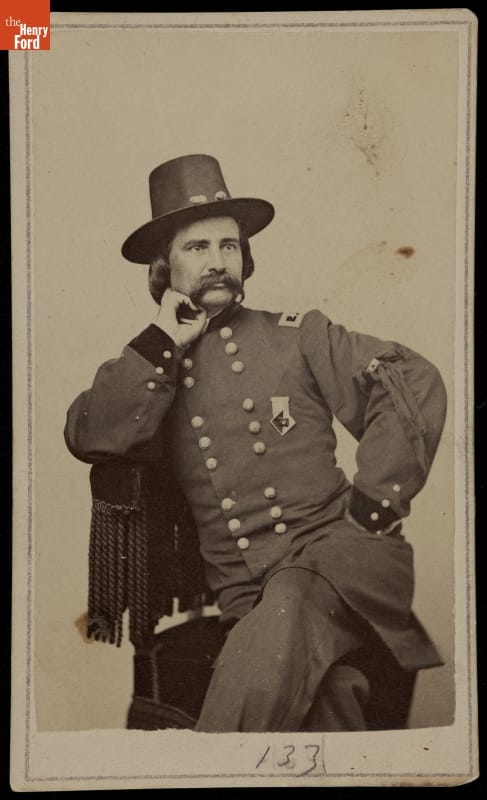
- 1863-1865
- Collections - Artifact
Portrait of Union Army General John A. Logan, 1863-1865
Cartes-de-visite, small, professionally made photographs on cardboard stock, remained popular in the United States from the Civil War in the 1860s through the 1880s. Many were given to friends and loved ones, but enterprising photographers also produced images of famous individuals to sell to the collecting-crazed public. Admired politicians or military officers, such as General John A. Logan, were popular subjects.
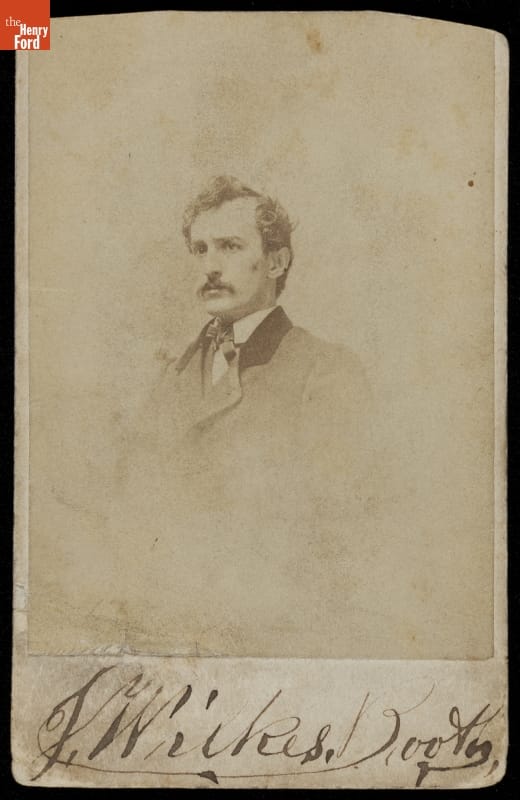
- Autographed Portrait of John Wilkes Booth, circa 1860 - Well-known actor John Wilkes Booth--better remembered for the 1865 assassination of President Abraham Lincoln--posed for this carte-de-visite in a professional photographer's studio around 1860. Cartes-de-visite, small photographic prints on cardboard stock, remained popular from the Civil War in the 1860s through the 1880s. Americans commonly collected and exchanged them to commemorate family members or celebrities.
- circa 1860
- Collections - Artifact
Autographed Portrait of John Wilkes Booth, circa 1860
Well-known actor John Wilkes Booth--better remembered for the 1865 assassination of President Abraham Lincoln--posed for this carte-de-visite in a professional photographer's studio around 1860. Cartes-de-visite, small photographic prints on cardboard stock, remained popular from the Civil War in the 1860s through the 1880s. Americans commonly collected and exchanged them to commemorate family members or celebrities.
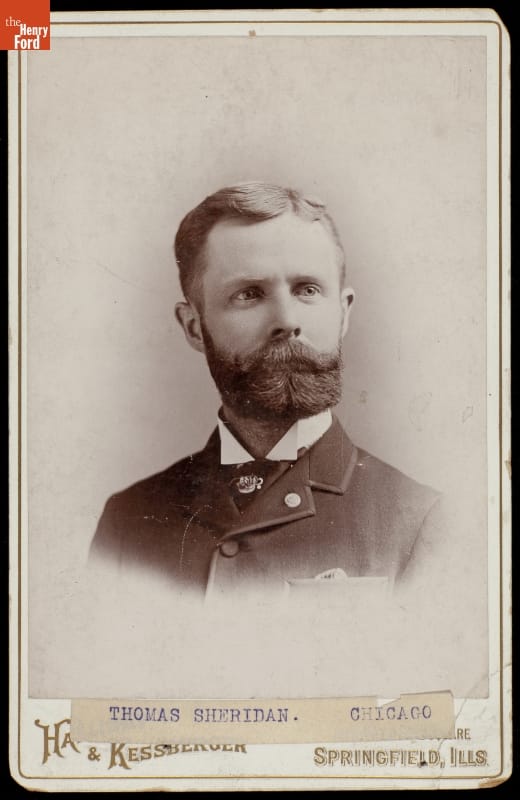
- Thomas Sheridan, Professional Bicyclist, circa 1890 - Thomas F. Sheridan was a cyclist and active in the League of American Wheelmen. He served as vice president of that organization in the 1890s. League members were early advocates of good roads and the rights of cyclists.
- circa 1890
- Collections - Artifact
Thomas Sheridan, Professional Bicyclist, circa 1890
Thomas F. Sheridan was a cyclist and active in the League of American Wheelmen. He served as vice president of that organization in the 1890s. League members were early advocates of good roads and the rights of cyclists.
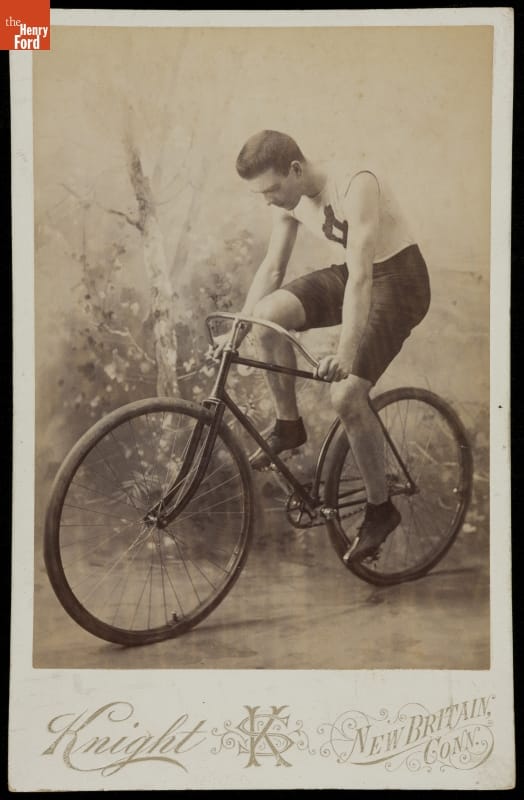
- Bicycle Racer H. Arnold, circa 1890 - This cabinet card pictures H. Arnold, a racer in the early 1890s. Arnold competed in various bicycle meets in the early 1890s, but was overshadowed by other speedsters of the period.
- circa 1890
- Collections - Artifact
Bicycle Racer H. Arnold, circa 1890
This cabinet card pictures H. Arnold, a racer in the early 1890s. Arnold competed in various bicycle meets in the early 1890s, but was overshadowed by other speedsters of the period.
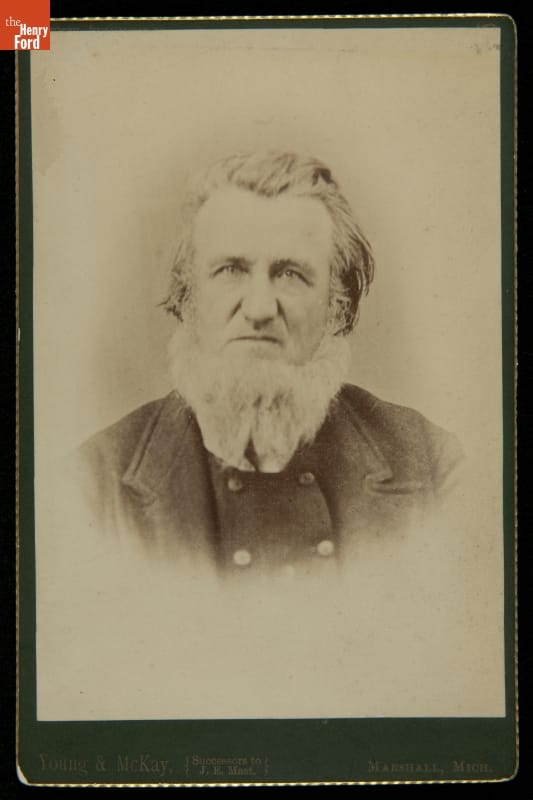
- Portrait of Dr. Alonson B. Howard, circa 1880 - Alonson Howard, Jr. (1823-1883) studied medicine in Ohio and Michigan before setting up a medical practice in the 1850s in Tekonsha Township, Michigan. Dr. Howard performed surgeries, delivered babies, produced herbal remedies and homemade medicines, and treated illnesses--adapting his treatments to what worked best for his patients. He served his community for more than thirty years.
- circa 1880
- Collections - Artifact
Portrait of Dr. Alonson B. Howard, circa 1880
Alonson Howard, Jr. (1823-1883) studied medicine in Ohio and Michigan before setting up a medical practice in the 1850s in Tekonsha Township, Michigan. Dr. Howard performed surgeries, delivered babies, produced herbal remedies and homemade medicines, and treated illnesses--adapting his treatments to what worked best for his patients. He served his community for more than thirty years.
- The DeMoss Family Lyric Bards, circa 1890 -
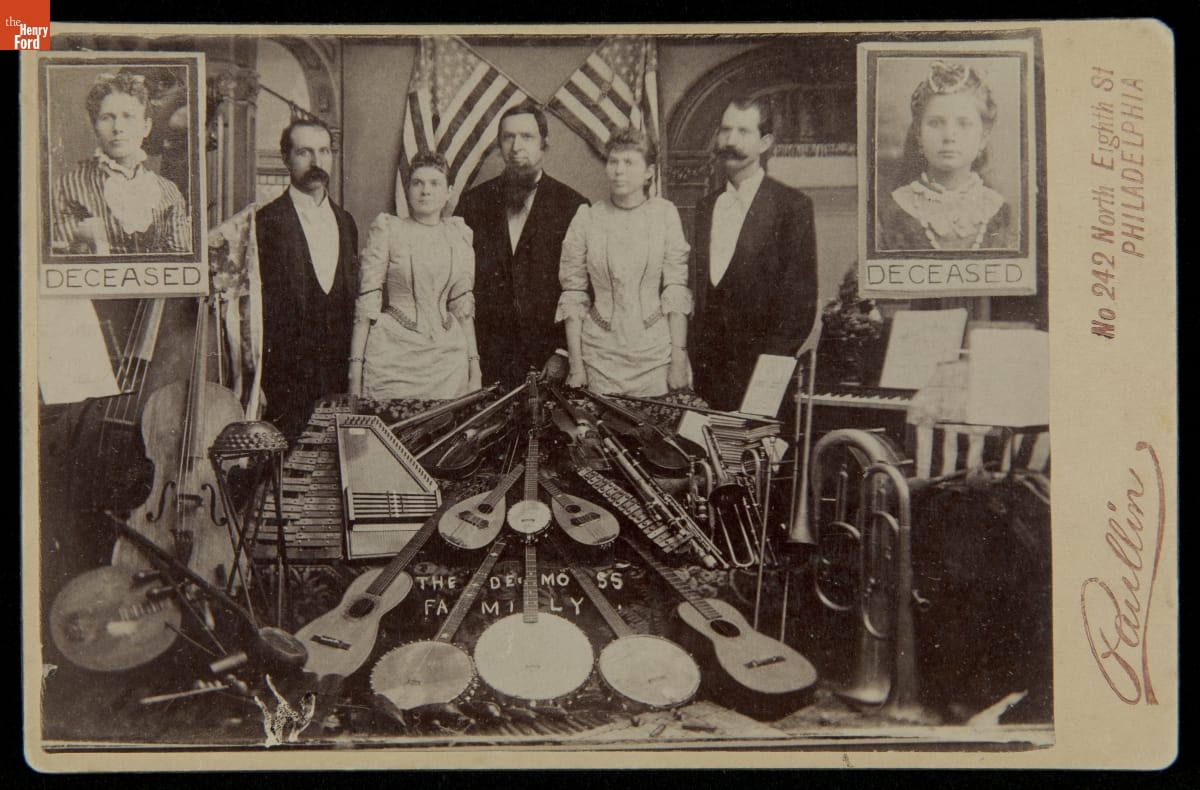
- circa 1890
- Collections - Artifact
The DeMoss Family Lyric Bards, circa 1890
- Two Members of the DeMoss Family Lyric Bards, circa 1890 -
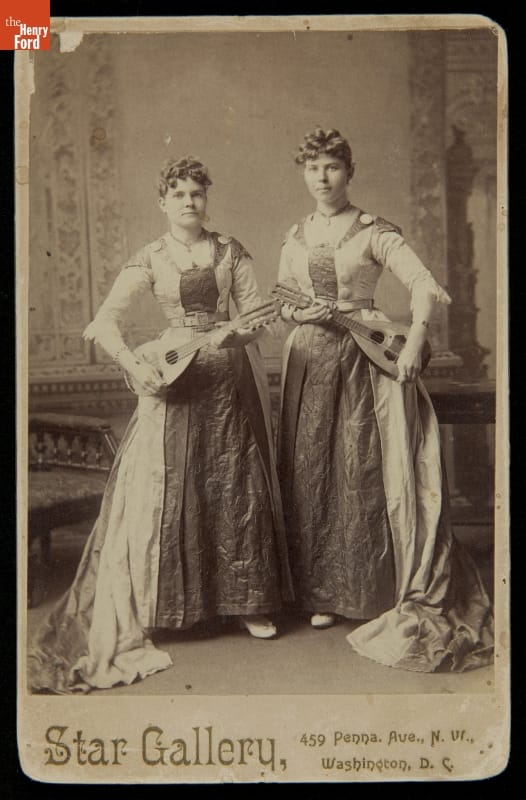
- circa 1890
- Collections - Artifact
Two Members of the DeMoss Family Lyric Bards, circa 1890