
Search
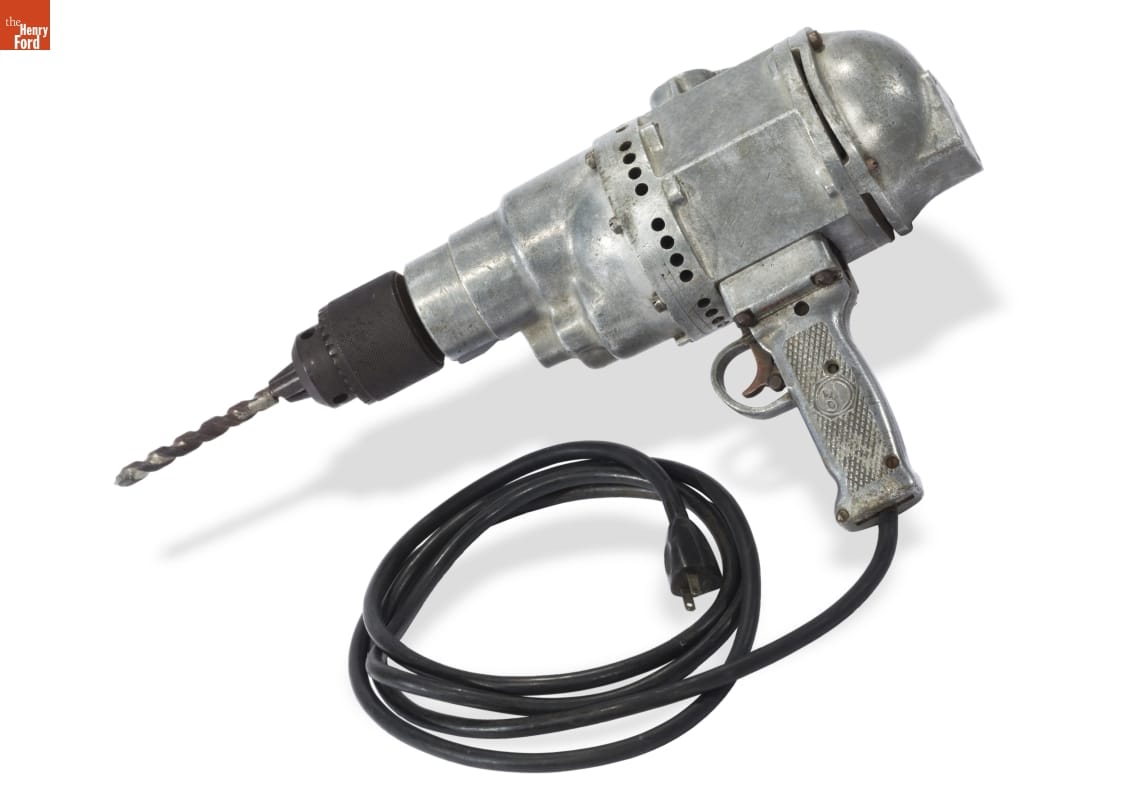
- Black & Decker Type B Drill, 1933 - Alonzo G. Decker and S. Duncan Black, who operated a small manufacturing company in Baltimore, Maryland, began designing and producing electric tools in 1916. Their pistol-style grip and trigger switch, patented the following year, set the standard for power tool design. By the 1930s, Black & Decker offered a range of products for industrial, construction, and automotive markets.
- 1933
- Collections - Artifact
Black & Decker Type B Drill, 1933
Alonzo G. Decker and S. Duncan Black, who operated a small manufacturing company in Baltimore, Maryland, began designing and producing electric tools in 1916. Their pistol-style grip and trigger switch, patented the following year, set the standard for power tool design. By the 1930s, Black & Decker offered a range of products for industrial, construction, and automotive markets.
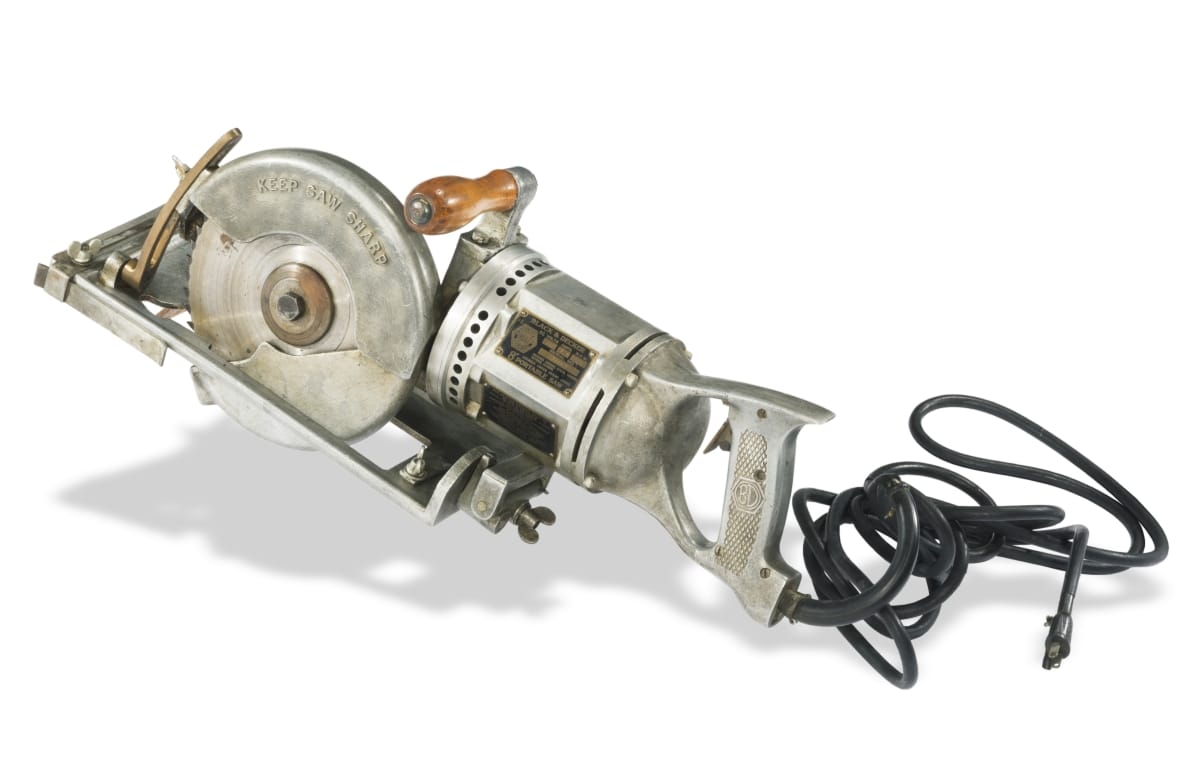
- Black & Decker Type AA Circular Saw, 1930-1931 - Alonzo G. Decker and S. Duncan Black, who operated a small manufacturing company in Baltimore, Maryland, began designing and producing electric tools in 1916. Their pistol-style grip and trigger switch, patented the following year, set the standard for power tool design. Black & Decker developed new products as the company expanded through the 1920s, introducing a portable circular saw in 1930.
- 1930-1931
- Collections - Artifact
Black & Decker Type AA Circular Saw, 1930-1931
Alonzo G. Decker and S. Duncan Black, who operated a small manufacturing company in Baltimore, Maryland, began designing and producing electric tools in 1916. Their pistol-style grip and trigger switch, patented the following year, set the standard for power tool design. Black & Decker developed new products as the company expanded through the 1920s, introducing a portable circular saw in 1930.
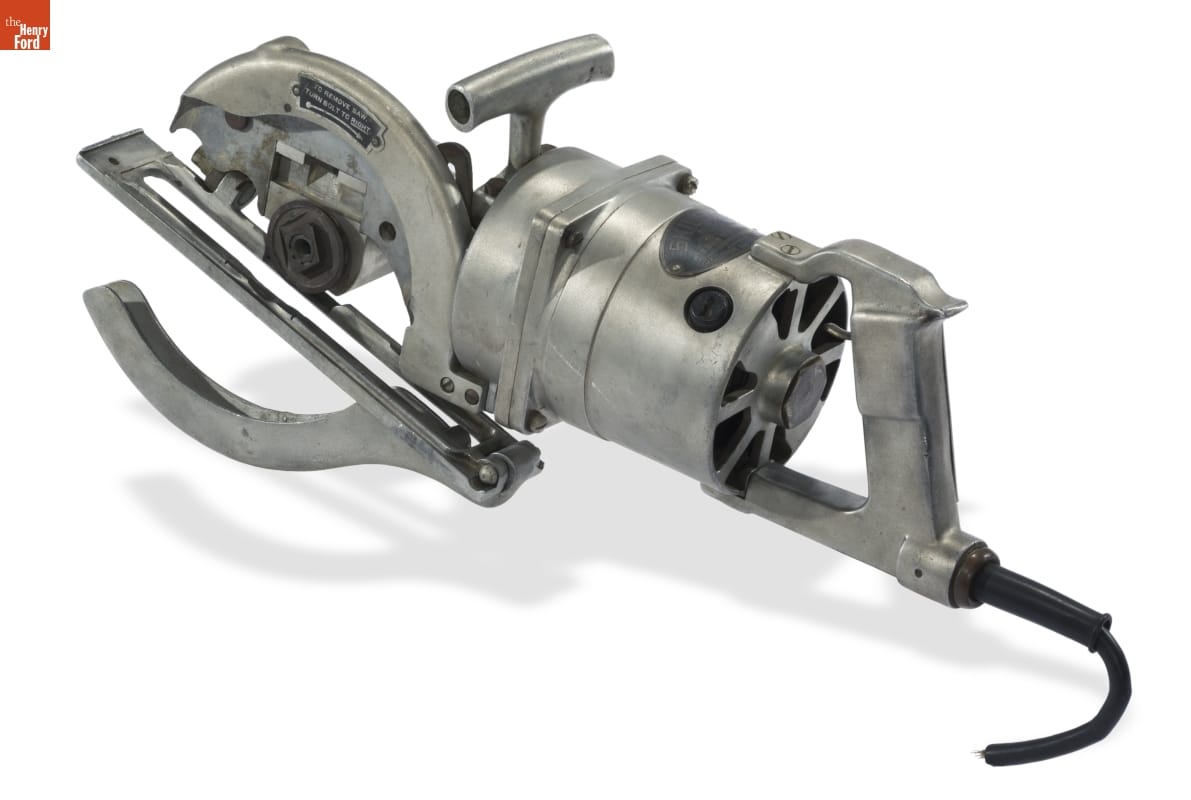
- Skilsaw Portable Model E Circular Saw, 1926 -
- 1926
- Collections - Artifact
Skilsaw Portable Model E Circular Saw, 1926
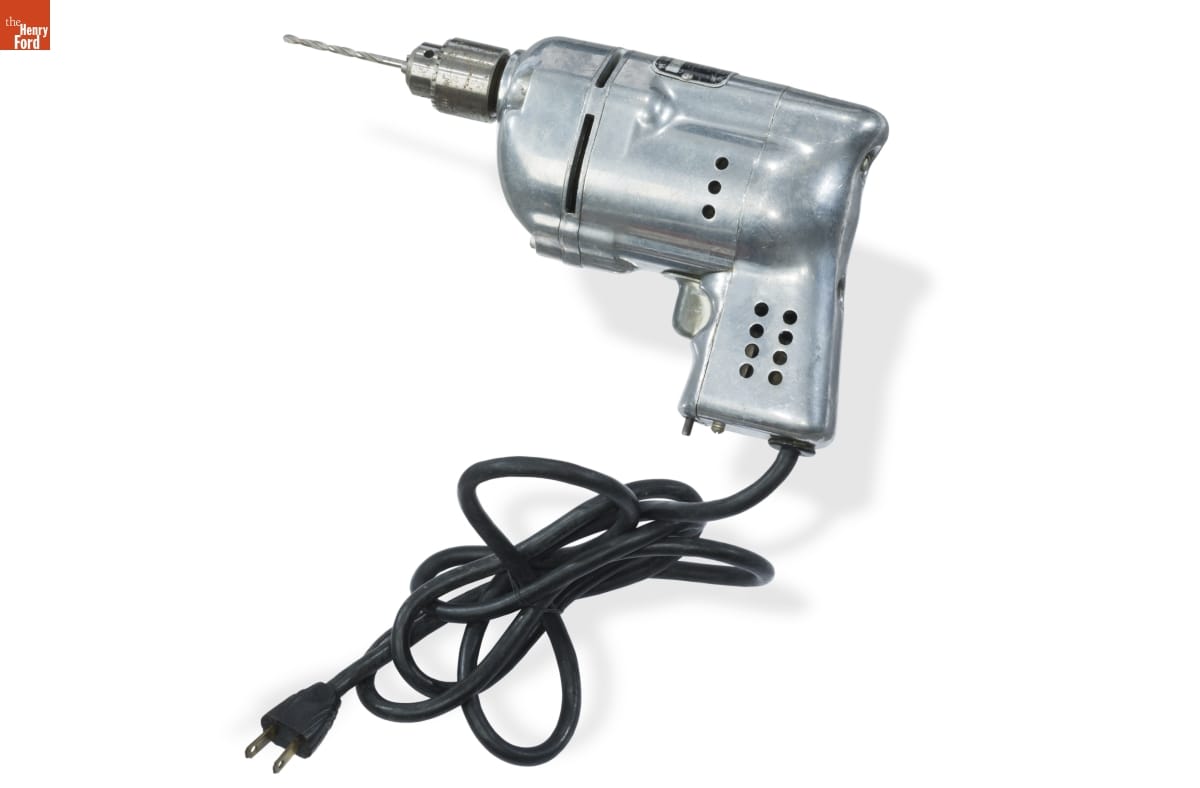
- Black & Decker Home-Utility Drill, 1950-1960 - Alonzo G. Decker and S. Duncan Black, who operated a small manufacturing company in Baltimore, Maryland, began designing and producing electric tools in 1916. Their pistol-style grip and trigger switch, patented the following year, set the standard for power tool design. Black & Decker continued to develop new products as the company expanded, introducing home power tools for the do-it-yourself market after World War II.
- 1950-1960
- Collections - Artifact
Black & Decker Home-Utility Drill, 1950-1960
Alonzo G. Decker and S. Duncan Black, who operated a small manufacturing company in Baltimore, Maryland, began designing and producing electric tools in 1916. Their pistol-style grip and trigger switch, patented the following year, set the standard for power tool design. Black & Decker continued to develop new products as the company expanded, introducing home power tools for the do-it-yourself market after World War II.
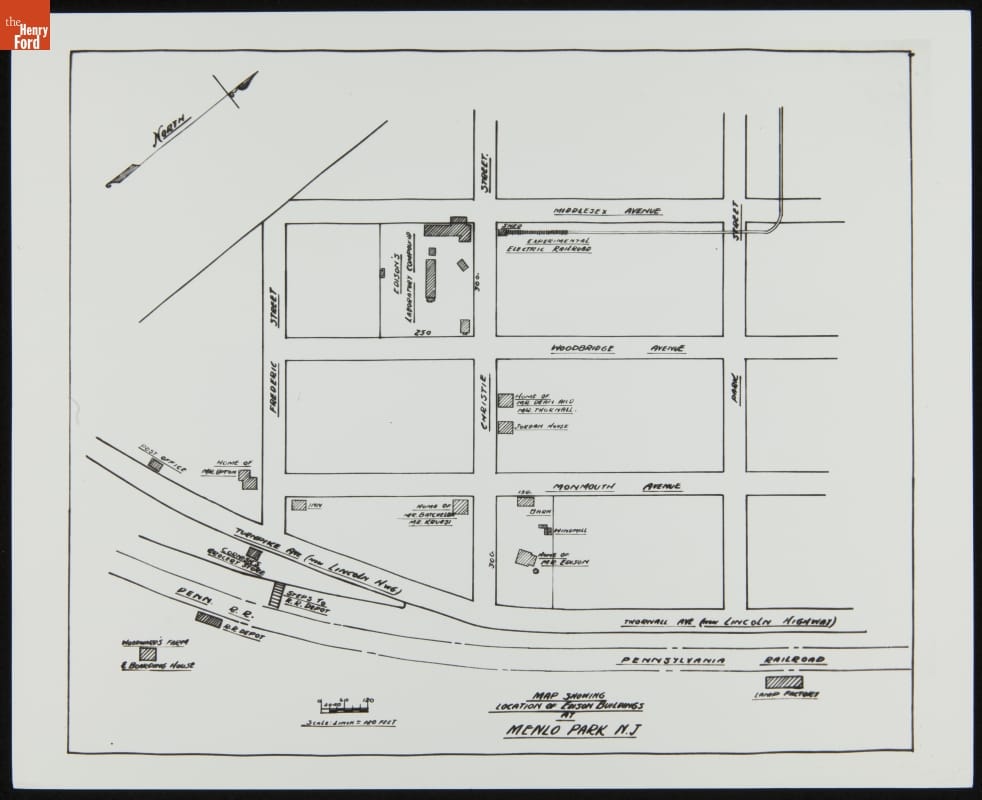
- "Map Showing Location of Edison Buildings at Menlo Park, N.J.," circa 1880 -
- circa 1880
- Collections - Artifact
"Map Showing Location of Edison Buildings at Menlo Park, N.J.," circa 1880
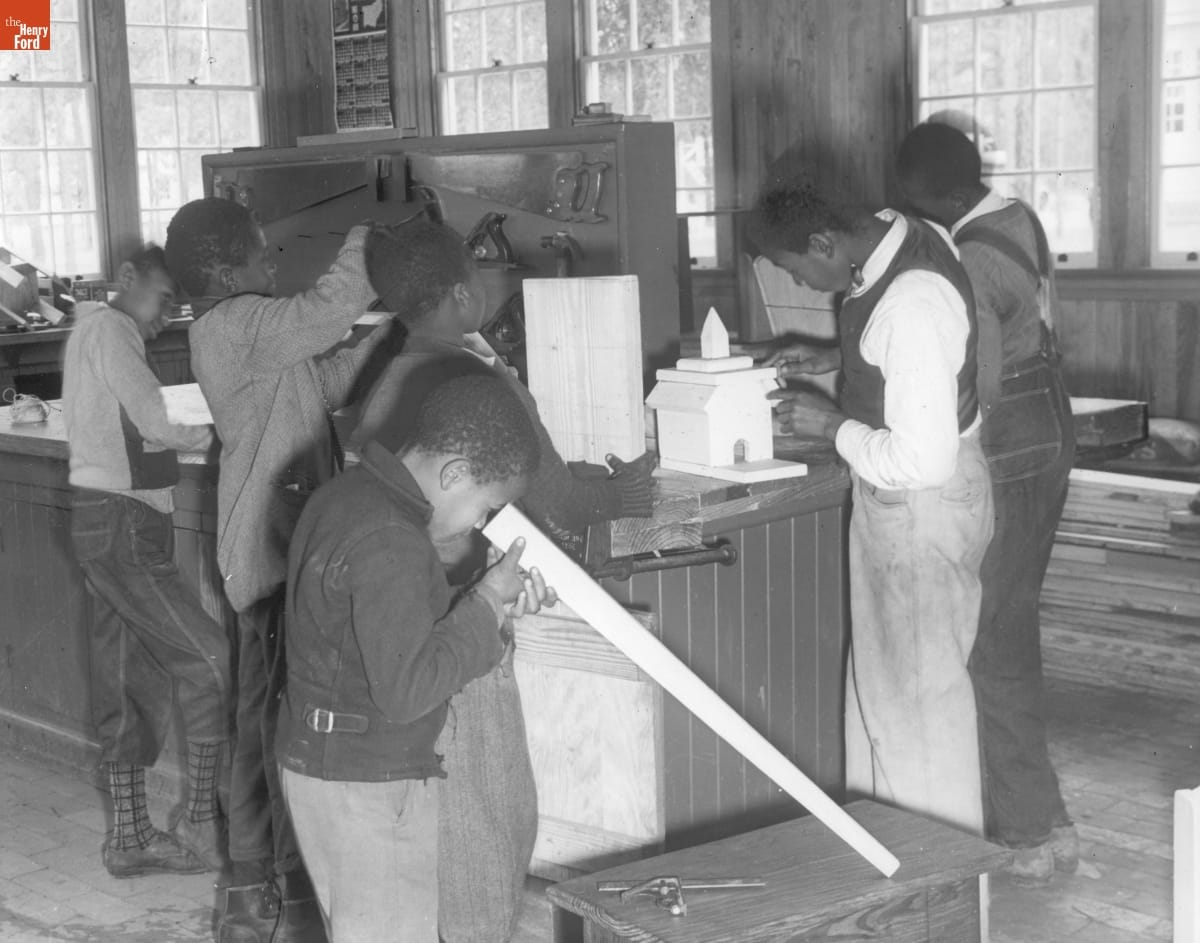
- Shop Class at the George Washington Carver School, Richmond Hill, Georgia, circa 1940 - Henry Ford purchased vast amounts of land around present-day Richmond Hill, Georgia, beginning in the 1920s. After acquiring the property, Ford became interested in the economic and civic improvement of the area. In 1939, Ford built a school for African-American children -- one of many local projects. He named the school in honor of his friend and famed educator and agricultural scientist George Washington Carver.
- circa 1940
- Collections - Artifact
Shop Class at the George Washington Carver School, Richmond Hill, Georgia, circa 1940
Henry Ford purchased vast amounts of land around present-day Richmond Hill, Georgia, beginning in the 1920s. After acquiring the property, Ford became interested in the economic and civic improvement of the area. In 1939, Ford built a school for African-American children -- one of many local projects. He named the school in honor of his friend and famed educator and agricultural scientist George Washington Carver.
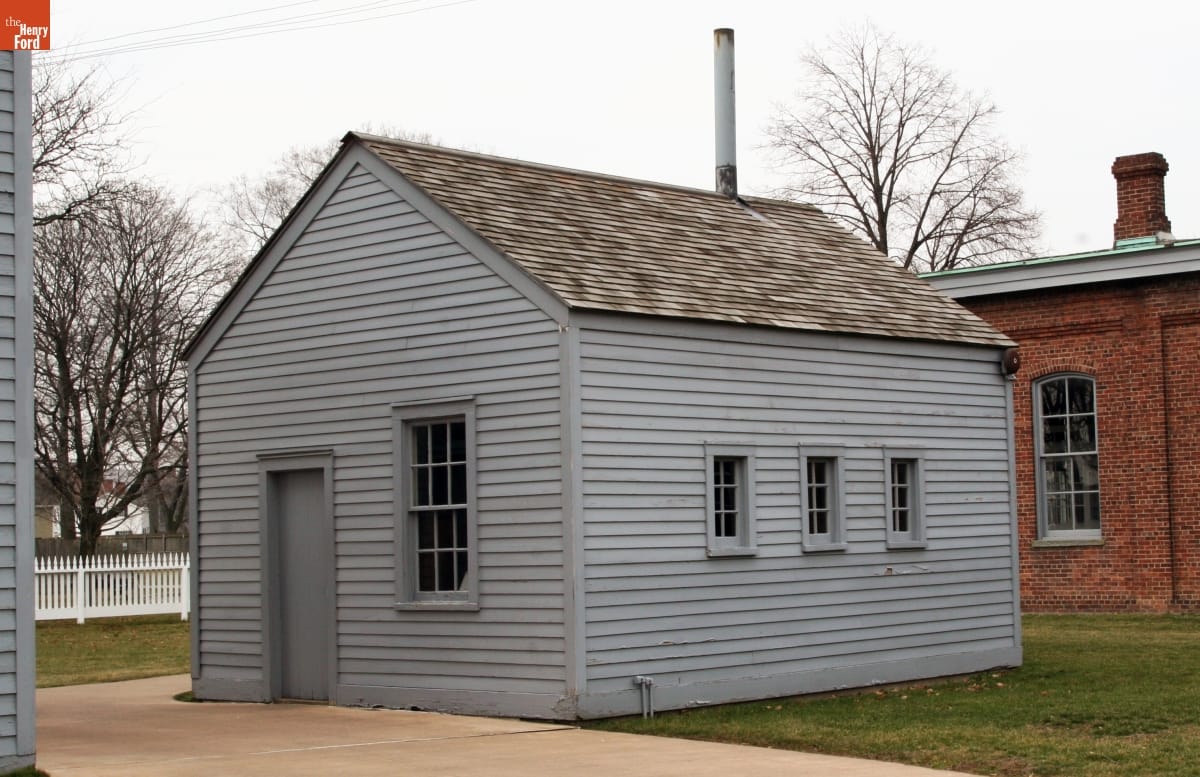
- Menlo Park Carpentry Shop - Edison employed skilled woodworkers to make models, miscellaneous components, and patterns for making metal castings -- a great example of the importance of traditional craft to Edison's experimental investigations. The carpentry shop also housed machinery for making gas, used in the laboratory's Bunsen burners and -- prior to his success with electric lighting -- for lighting the complex.
- circa 1879
- Collections - Artifact
Menlo Park Carpentry Shop
Edison employed skilled woodworkers to make models, miscellaneous components, and patterns for making metal castings -- a great example of the importance of traditional craft to Edison's experimental investigations. The carpentry shop also housed machinery for making gas, used in the laboratory's Bunsen burners and -- prior to his success with electric lighting -- for lighting the complex.
- Carpenter's Square -

- Collections - Artifact
Carpenter's Square
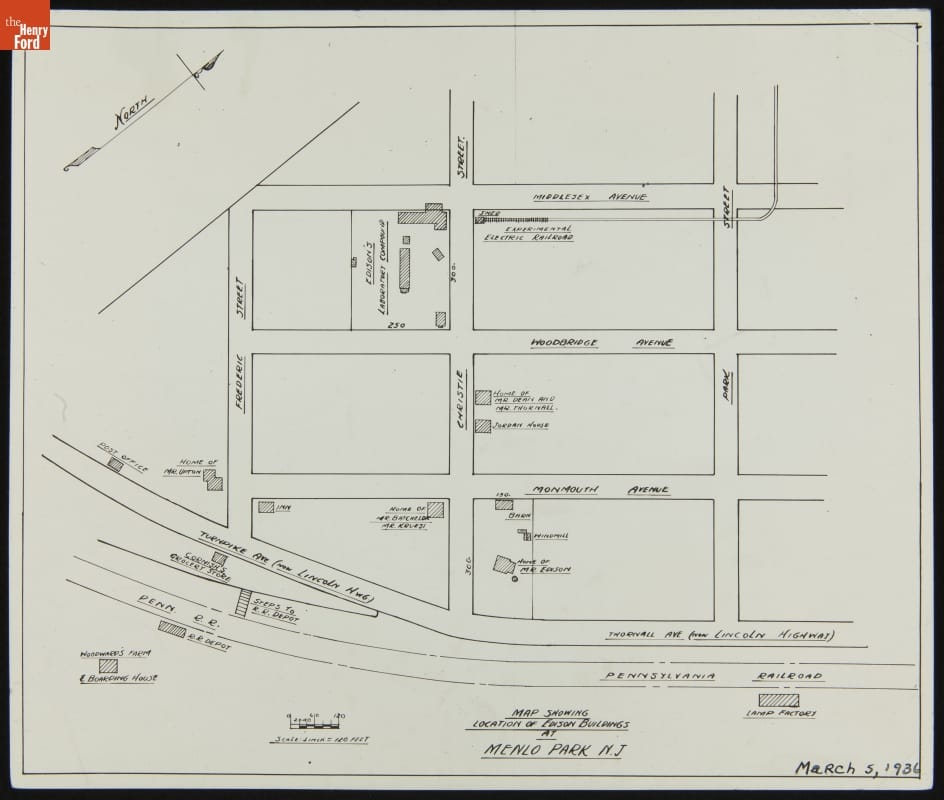
- "Map Showing Location of Edison Buildings at Menlo Park, N.J.," circa 1880 -
- circa 1880
- Collections - Artifact
"Map Showing Location of Edison Buildings at Menlo Park, N.J.," circa 1880
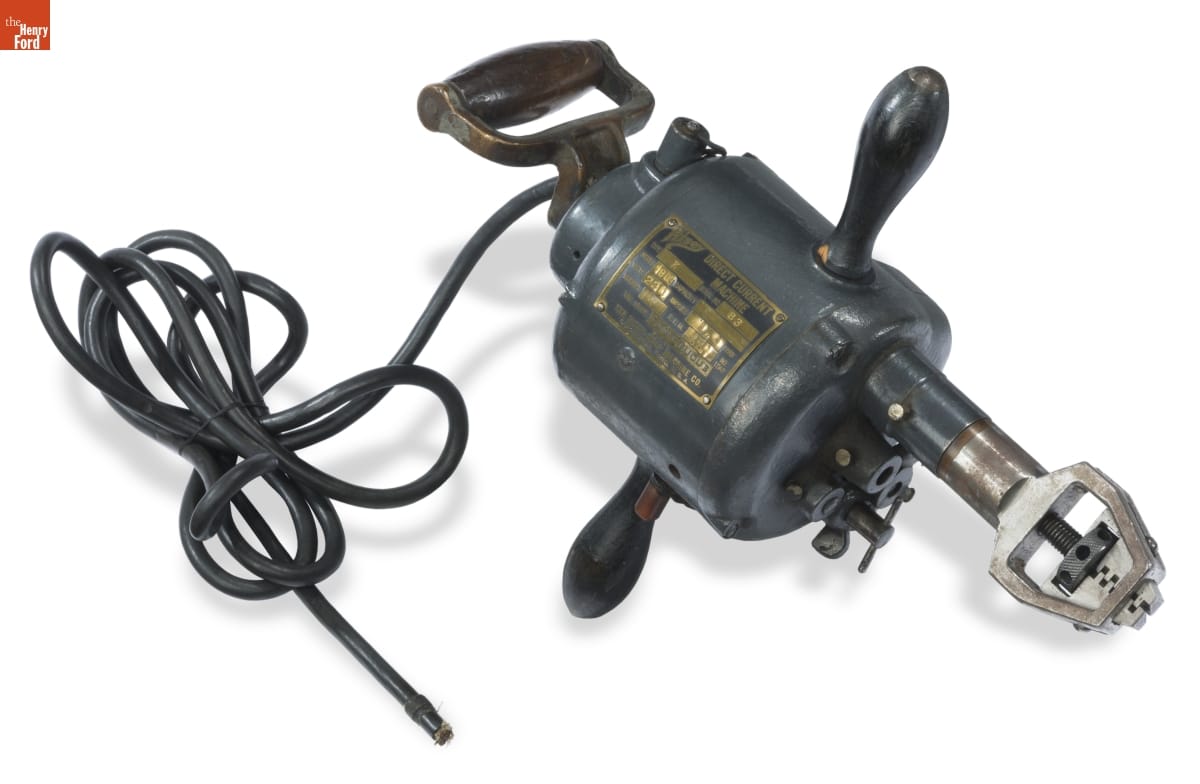
- Hisey-Wolf Machine Company Type K Direct Current Drill, circa 1904 -
- circa 1904
- Collections - Artifact
Hisey-Wolf Machine Company Type K Direct Current Drill, circa 1904