
Search
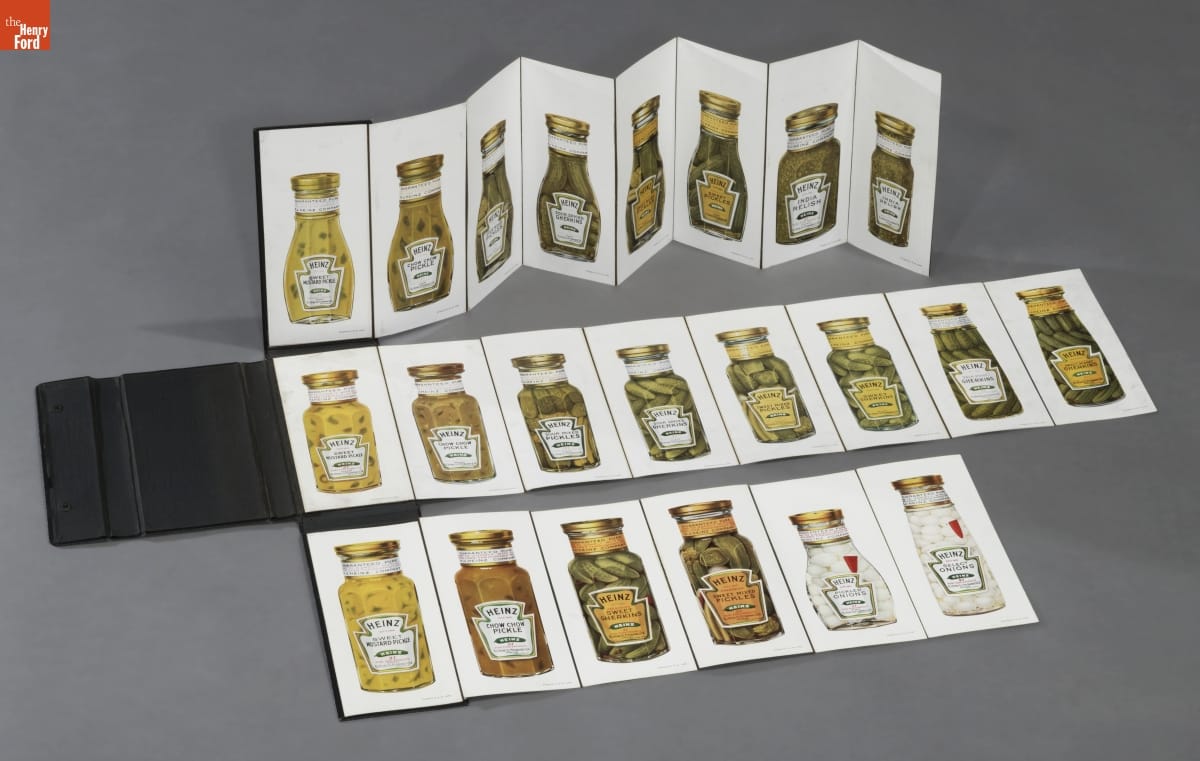
- Heinz "Pickled Products" Salesman Kit, circa 1918 - With many varieties of pickles and condiments that the company sold, a Heinz salesperson relied on a kit with fold-out cards to present the products to potential customers. Whether selling to store owners or peddling to residents in their homes, the kit allowed salespeople to show a variety of products without physically carrying them.
- circa 1918
- Collections - Artifact
Heinz "Pickled Products" Salesman Kit, circa 1918
With many varieties of pickles and condiments that the company sold, a Heinz salesperson relied on a kit with fold-out cards to present the products to potential customers. Whether selling to store owners or peddling to residents in their homes, the kit allowed salespeople to show a variety of products without physically carrying them.
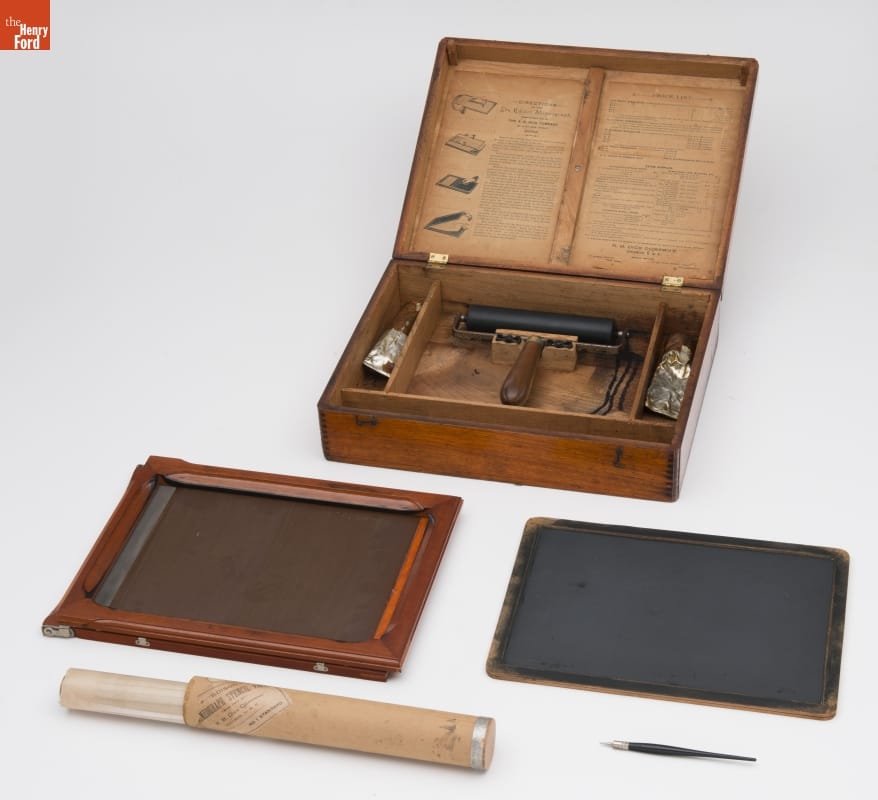
- Edison No. 1 Mimeograph, 1887 - Thomas Edison received a patent in 1876 for "Autographic Printing," covering the electric pen and flatbed press; a patent for "Autographic Stencils" followed in 1880. The mimeograph was invented by Albert Blake Dick in 1887, who licensed and refined Edison's patents. This low-cost, stencil-based printing technology was popular until displaced by photocopying machines and offset printing in the 1960s.
- 1887
- Collections - Artifact
Edison No. 1 Mimeograph, 1887
Thomas Edison received a patent in 1876 for "Autographic Printing," covering the electric pen and flatbed press; a patent for "Autographic Stencils" followed in 1880. The mimeograph was invented by Albert Blake Dick in 1887, who licensed and refined Edison's patents. This low-cost, stencil-based printing technology was popular until displaced by photocopying machines and offset printing in the 1960s.
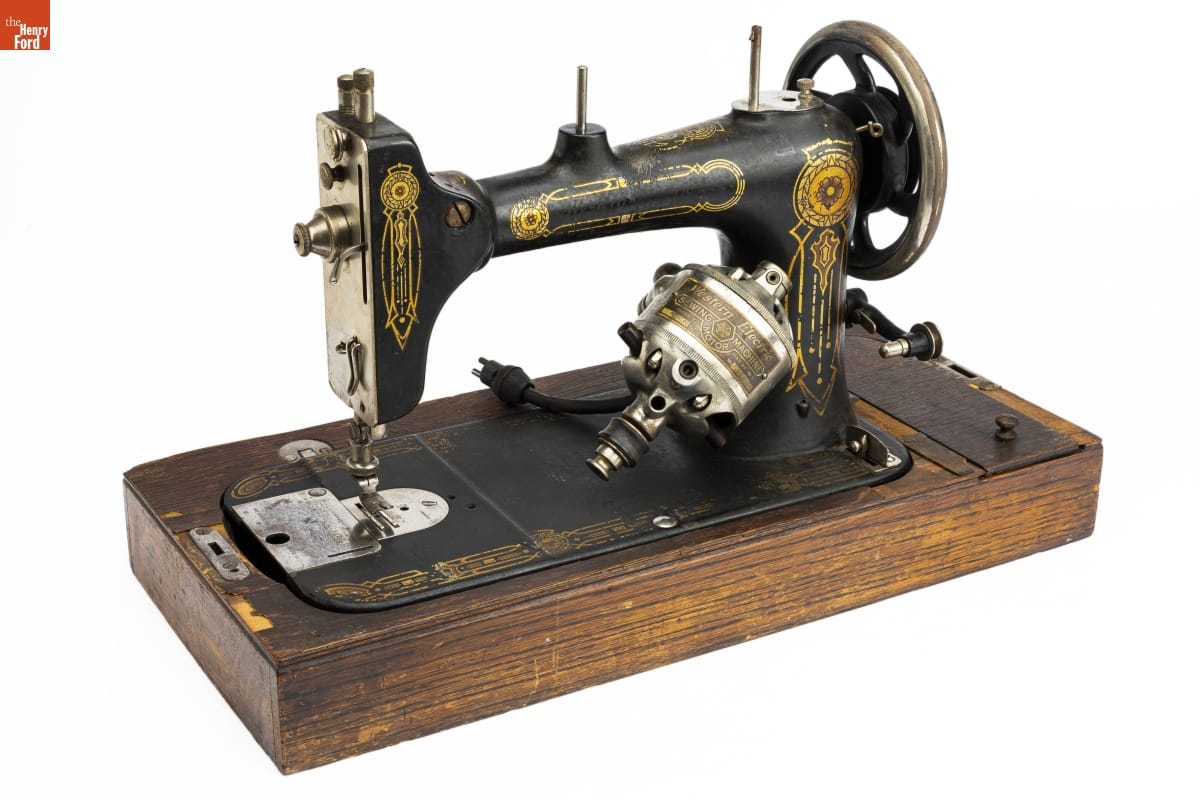
- Western Electric No. 2 Portable Sewing Machine, circa 1920 -
- circa 1920
- Collections - Artifact
Western Electric No. 2 Portable Sewing Machine, circa 1920
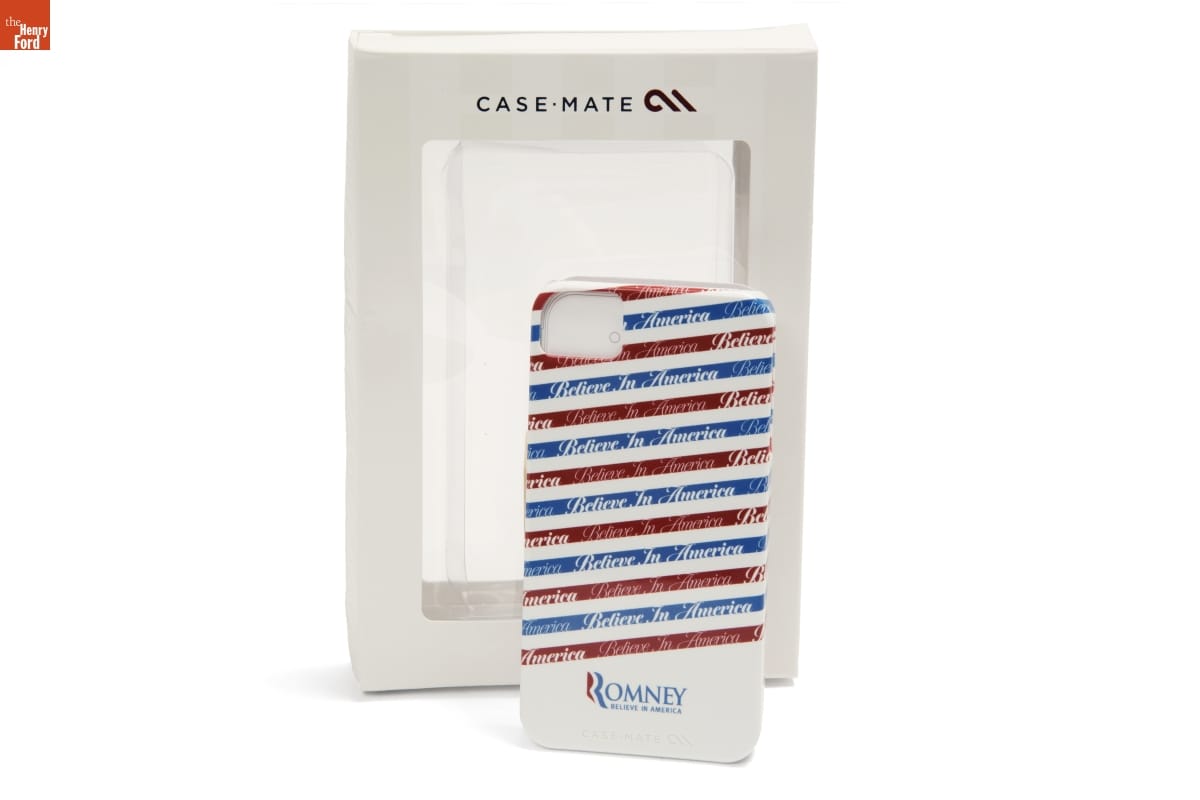
- Romney "Believe in America" iPhone Case, 2012 - Former Massachusetts governor Mitt Romney faced a field of Republican luminaries in a bruising intraparty campaign to become the Party's 2012 Presidential nominee. Republican delegates formally nominated Romney after a long primary campaign. Romney chose Wisconsin U.S. Representative Paul Ryan as his running mate. Their ticket lost to the Democratic incumbents, President Barack Obama and Vice President Joseph Biden.
- 2012
- Collections - Artifact
Romney "Believe in America" iPhone Case, 2012
Former Massachusetts governor Mitt Romney faced a field of Republican luminaries in a bruising intraparty campaign to become the Party's 2012 Presidential nominee. Republican delegates formally nominated Romney after a long primary campaign. Romney chose Wisconsin U.S. Representative Paul Ryan as his running mate. Their ticket lost to the Democratic incumbents, President Barack Obama and Vice President Joseph Biden.
- Case -
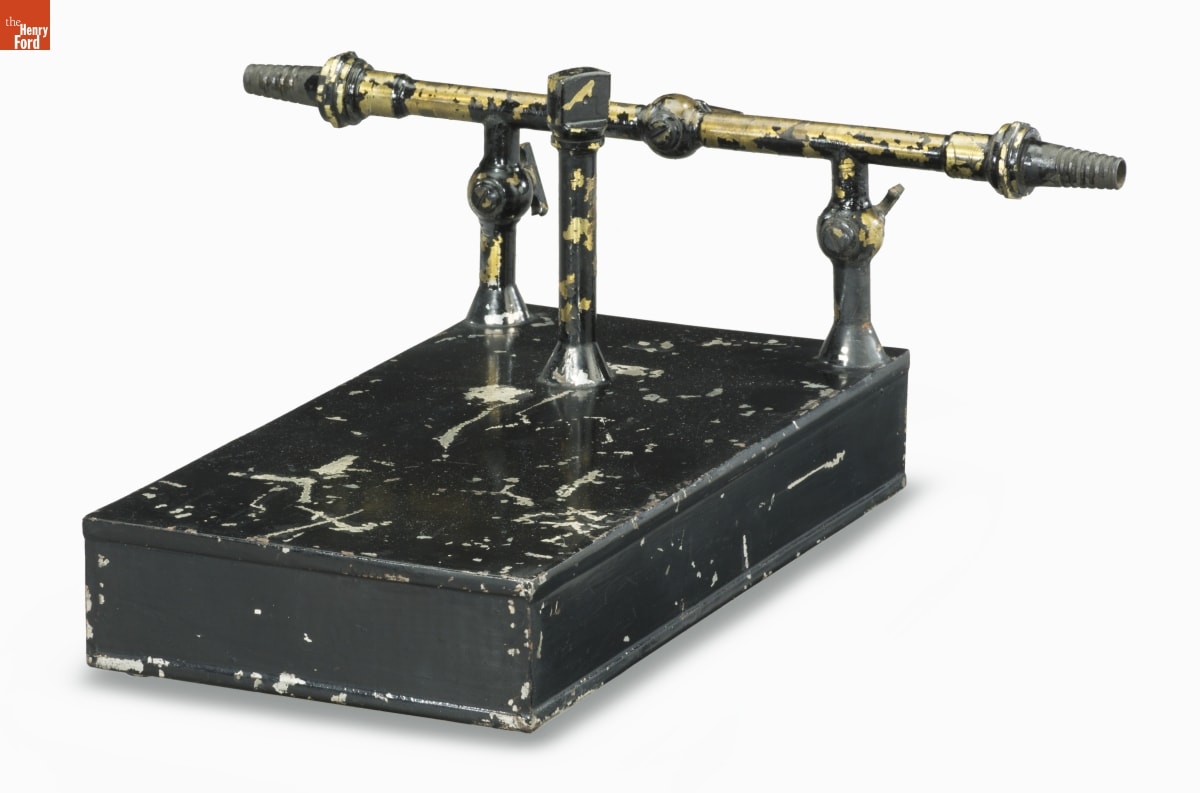
- Collections - Artifact
Case
- Voigtlander & Sons Single Lens Reflex Camera, 1900-1920 -
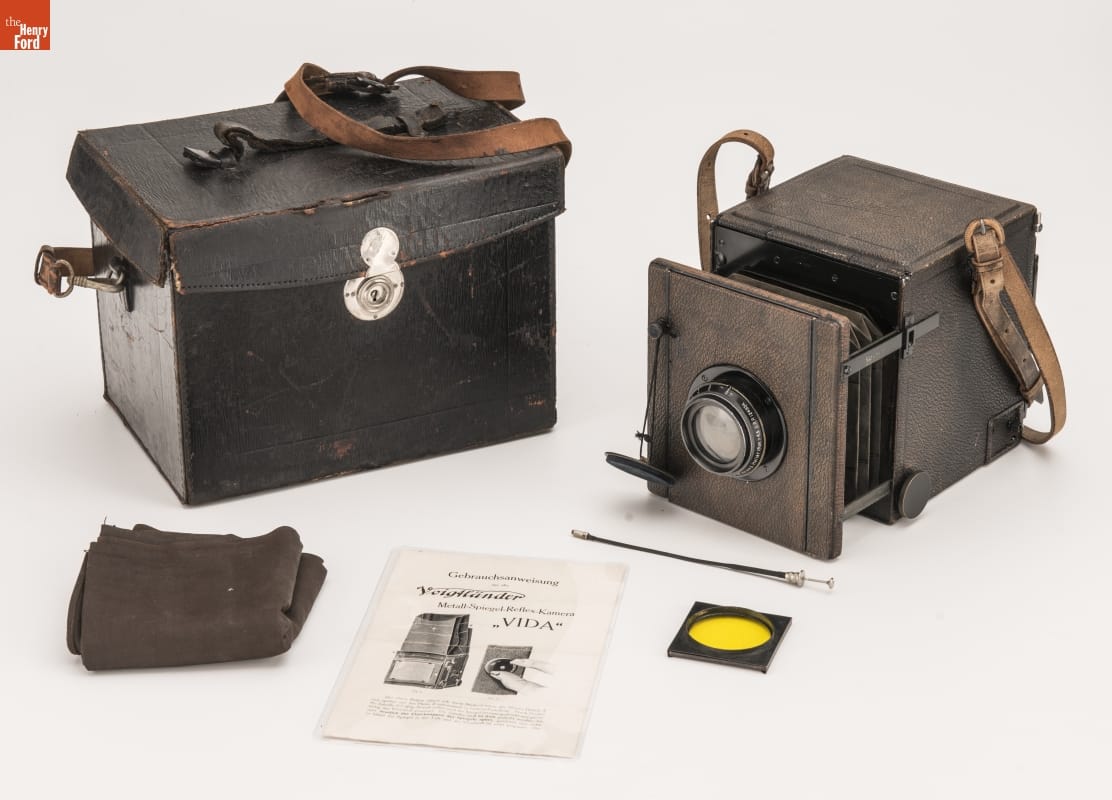
- 1900-1920
- Collections - Artifact
Voigtlander & Sons Single Lens Reflex Camera, 1900-1920
- Magnetic Tape Reel, circa 1953 -
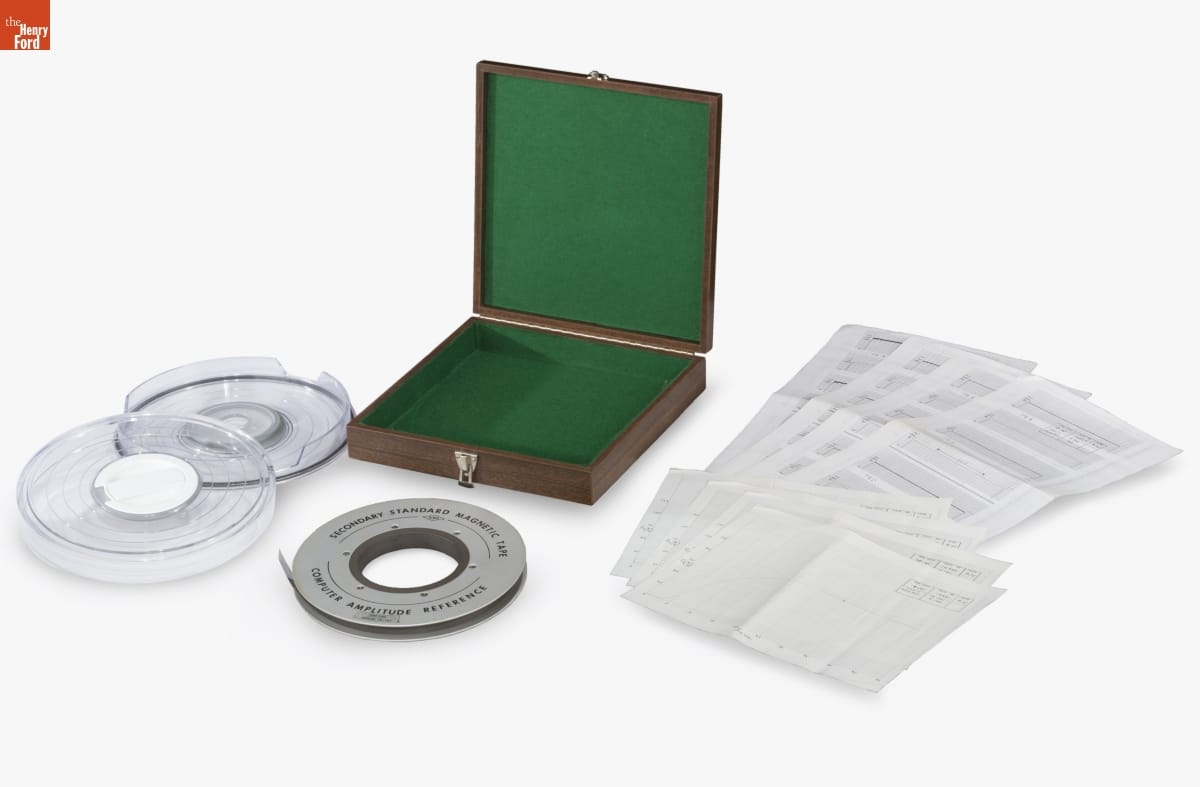
- circa 1953
- Collections - Artifact
Magnetic Tape Reel, circa 1953
- Sony Trinicon Video Camera, Used by Ford Motor Company, 1983 -
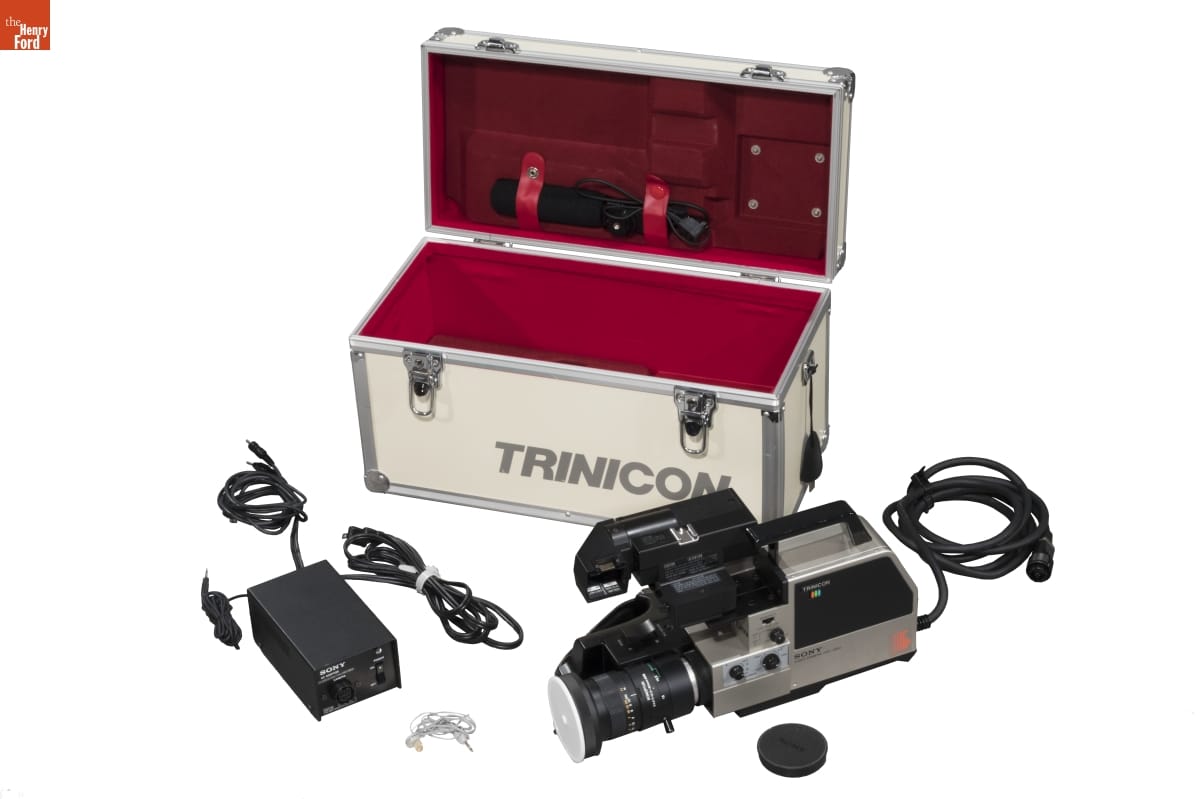
- 1983
- Collections - Artifact
Sony Trinicon Video Camera, Used by Ford Motor Company, 1983
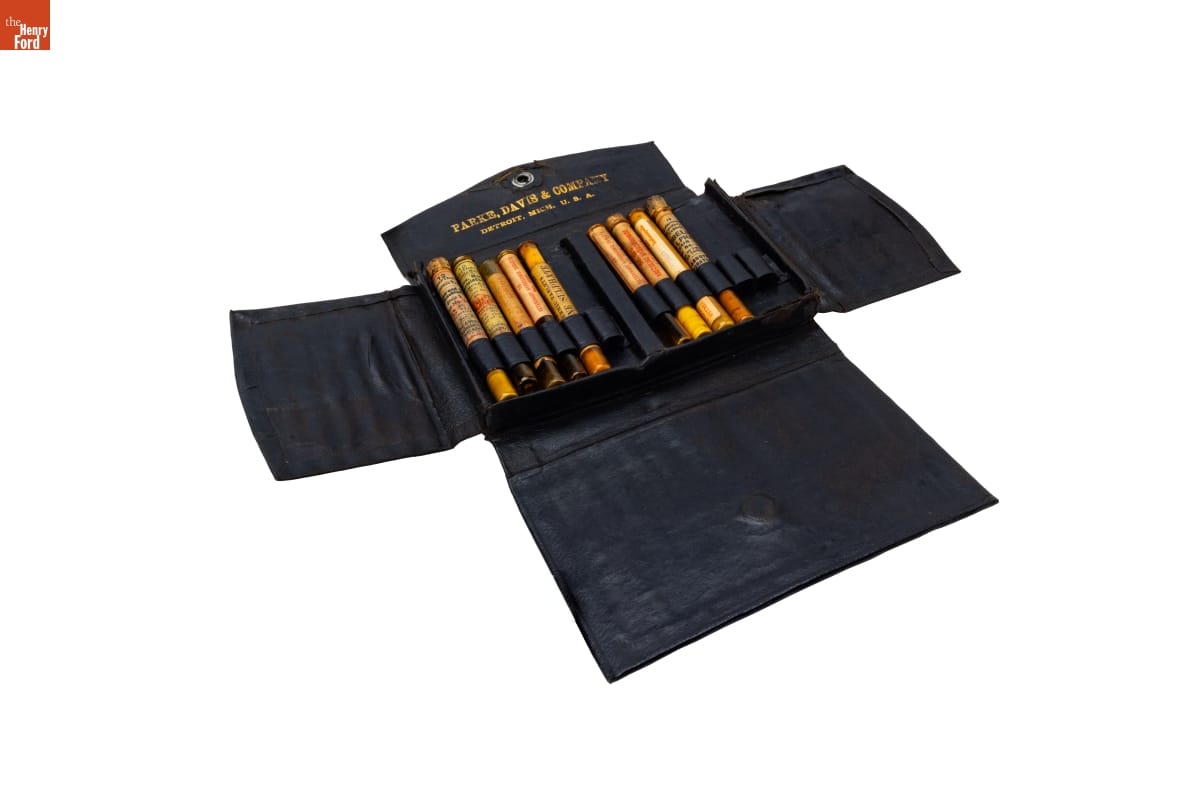
- Veterinary Pharmaceutical Kit, 1910-1920 - Veterinarians carried medicines and drugs in kits like this as they traveled to care for animals. This case, emblazoned with the name of Parke, Davis and Company, a large pharmaceutical firm that manufactured high-quality drugs, contained medicines they might need to do their work. Dr. F. Eugene Eads, who once headed the veterinary department at Parke-Davis, owned this case.
- 1910-1920
- Collections - Artifact
Veterinary Pharmaceutical Kit, 1910-1920
Veterinarians carried medicines and drugs in kits like this as they traveled to care for animals. This case, emblazoned with the name of Parke, Davis and Company, a large pharmaceutical firm that manufactured high-quality drugs, contained medicines they might need to do their work. Dr. F. Eugene Eads, who once headed the veterinary department at Parke-Davis, owned this case.
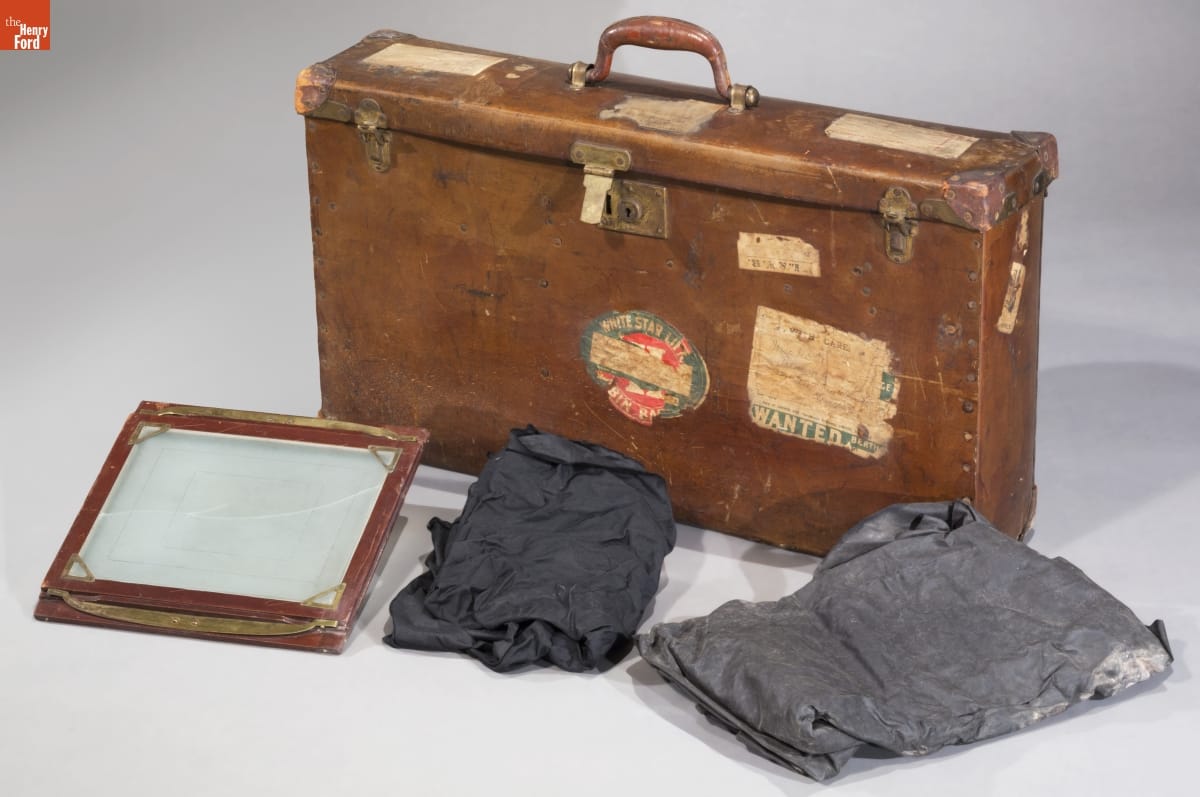
- Josiah Cummings & Son Case with Photographic Equipment, Used by Isaac Harris, 1906-1919 -
- 1906-1919
- Collections - Artifact
Josiah Cummings & Son Case with Photographic Equipment, Used by Isaac Harris, 1906-1919