
Search
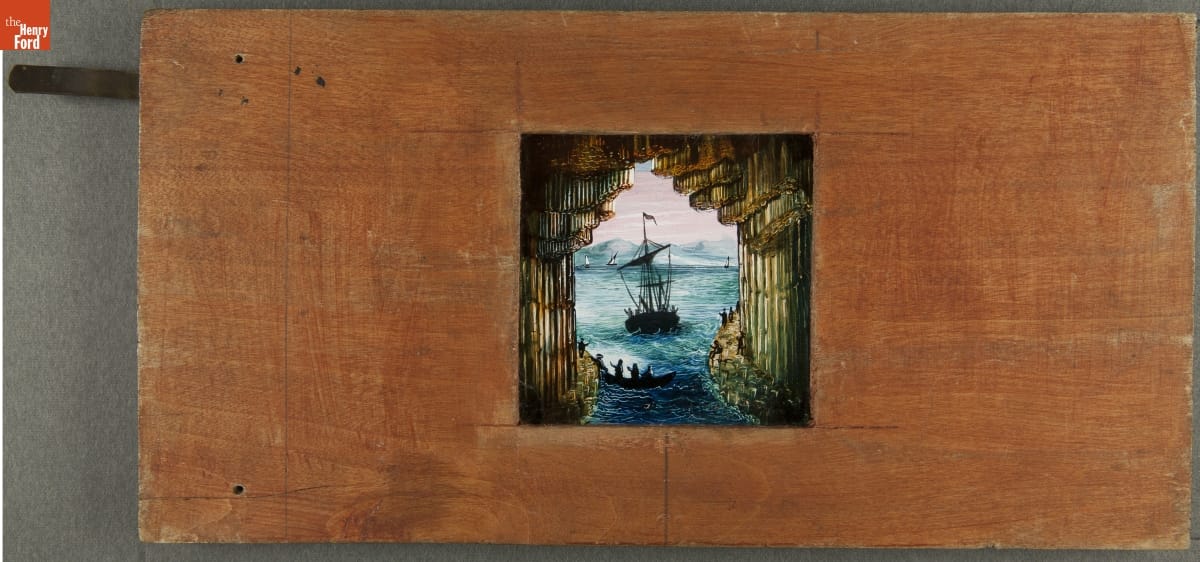
- Mechanical Lantern Slide, "Fingal's Cave in the West of Scotland," 1860-1900 - Magic lanterns use a concave mirror and light source to project images on glass slides with painted or photographic scenes. Developed in the 17th century, magic lanterns predate slide projectors and motion pictures. In the hands of magicians, they became "lanterns of fright," projecting wondrous images and apparitions. Slide themes ranged widely: exotic travel, folklore, advertising, history, science, and art.
- 1860-1900
- Collections - Artifact
Mechanical Lantern Slide, "Fingal's Cave in the West of Scotland," 1860-1900
Magic lanterns use a concave mirror and light source to project images on glass slides with painted or photographic scenes. Developed in the 17th century, magic lanterns predate slide projectors and motion pictures. In the hands of magicians, they became "lanterns of fright," projecting wondrous images and apparitions. Slide themes ranged widely: exotic travel, folklore, advertising, history, science, and art.
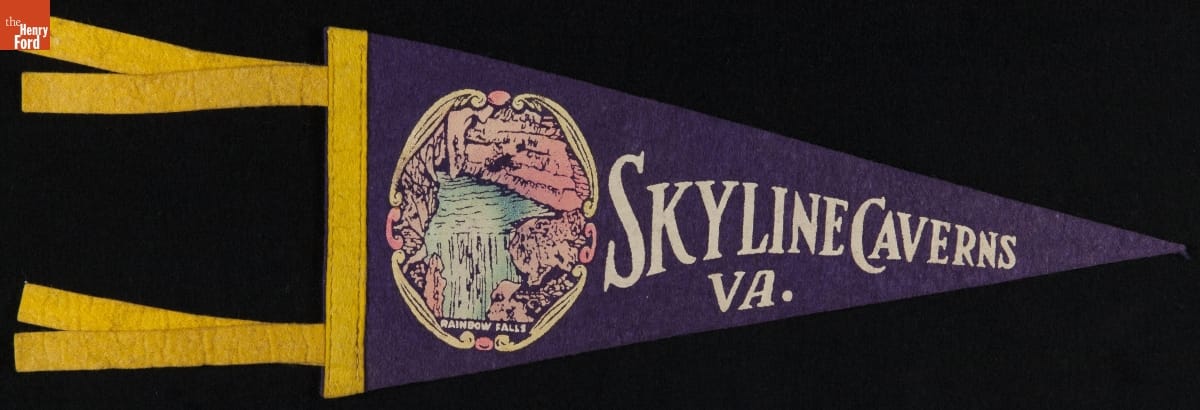
- Pennant, "Skyline Caverns, Va.," 1940-1965 - Walter Amos discovered Skyline Caverns, located along Virginia's Skyline Drive, in 1937 and opened them to the public two years later. The natural wonder attracted thousands of visitors annually after World War II, when highways were flooded with family vacationers out to enjoy their new cars and all that America had to offer. Tourists could purchase inexpensive souvenirs, like this pennant, to remember their visit.
- 1940-1965
- Collections - Artifact
Pennant, "Skyline Caverns, Va.," 1940-1965
Walter Amos discovered Skyline Caverns, located along Virginia's Skyline Drive, in 1937 and opened them to the public two years later. The natural wonder attracted thousands of visitors annually after World War II, when highways were flooded with family vacationers out to enjoy their new cars and all that America had to offer. Tourists could purchase inexpensive souvenirs, like this pennant, to remember their visit.
- "Colossal Cave near Tucson, Arizona," 1948 -
- October 29, 1948
- Collections - Artifact
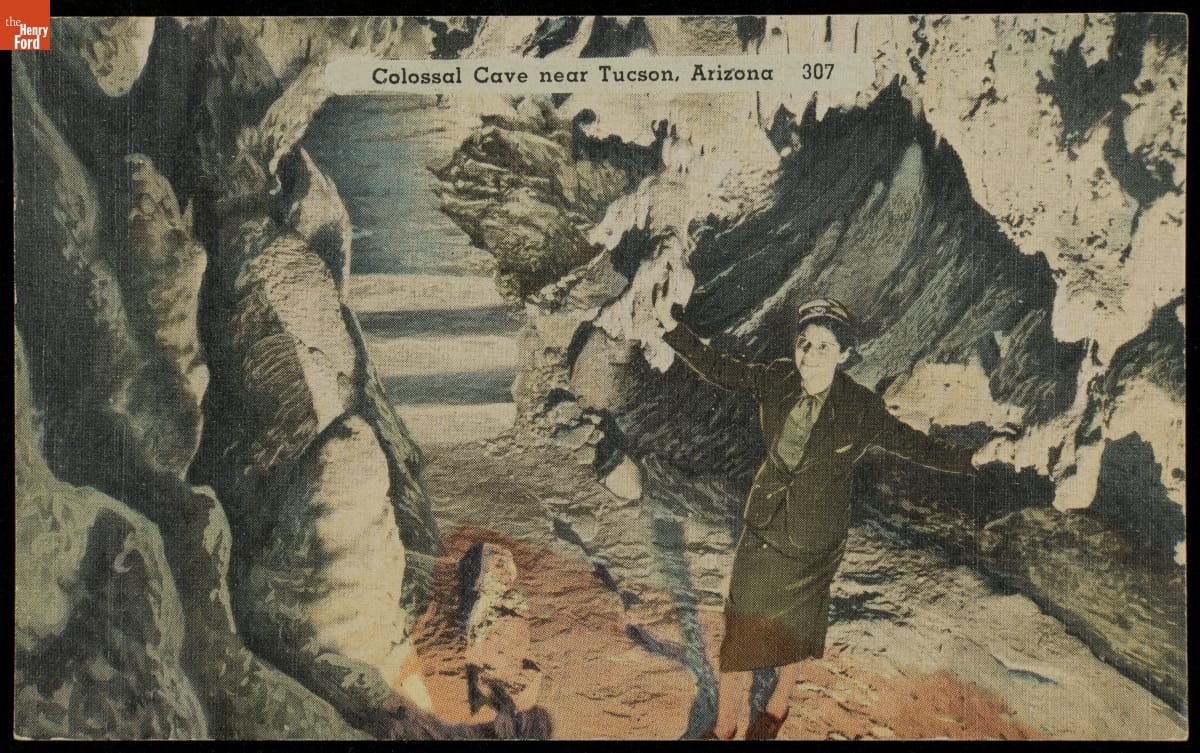
"Colossal Cave near Tucson, Arizona," 1948
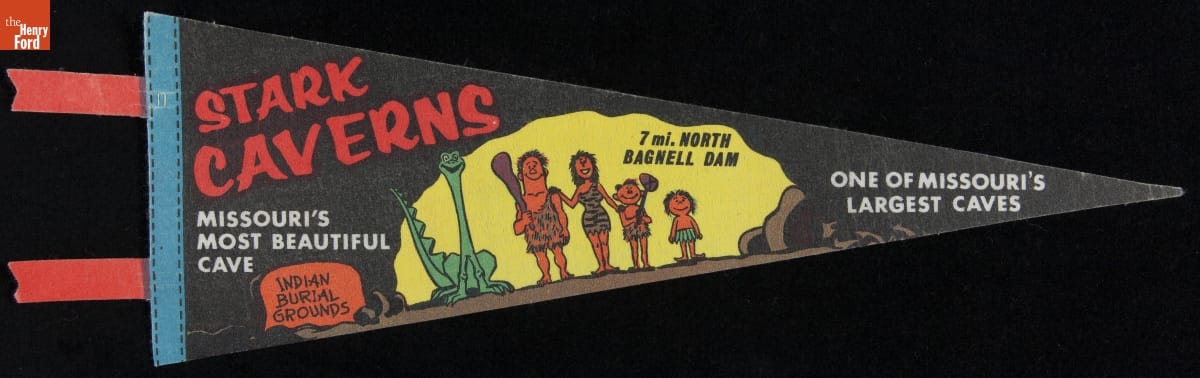
- Pennant, "Stark Caverns," 1967-1971 - After World War II, highways were flooded with family vacationers out to enjoy their new cars and all that America had to offer. New attractions vied for the attention of passing auto tourists. Stark Caverns, one of many privately operated caves in Missouri, opened to the public in 1950. The underground wonder lured vacationers visiting the Lake of the Ozarks region of Missouri.
- 1967-1971
- Collections - Artifact
Pennant, "Stark Caverns," 1967-1971
After World War II, highways were flooded with family vacationers out to enjoy their new cars and all that America had to offer. New attractions vied for the attention of passing auto tourists. Stark Caverns, one of many privately operated caves in Missouri, opened to the public in 1950. The underground wonder lured vacationers visiting the Lake of the Ozarks region of Missouri.
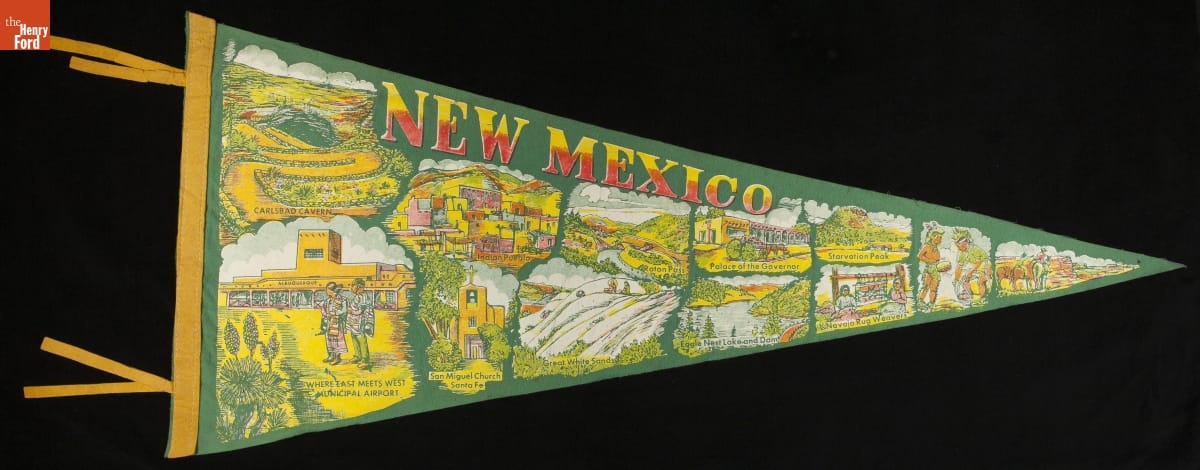
- Pennant, "New Mexico," 1940-1965 - Tourists purchase simple, inexpensive souvenirs as proof of their travels. These mementos transport vacationers back to the places they visited and the things they did. In the mid-20th century, felt pennants were trendy. While travelers to New Mexico may not have seen all the state's popular tourist attractions depicted on this pennant, they could have this keepsake to remember their visit.
- 1940-1965
- Collections - Artifact
Pennant, "New Mexico," 1940-1965
Tourists purchase simple, inexpensive souvenirs as proof of their travels. These mementos transport vacationers back to the places they visited and the things they did. In the mid-20th century, felt pennants were trendy. While travelers to New Mexico may not have seen all the state's popular tourist attractions depicted on this pennant, they could have this keepsake to remember their visit.
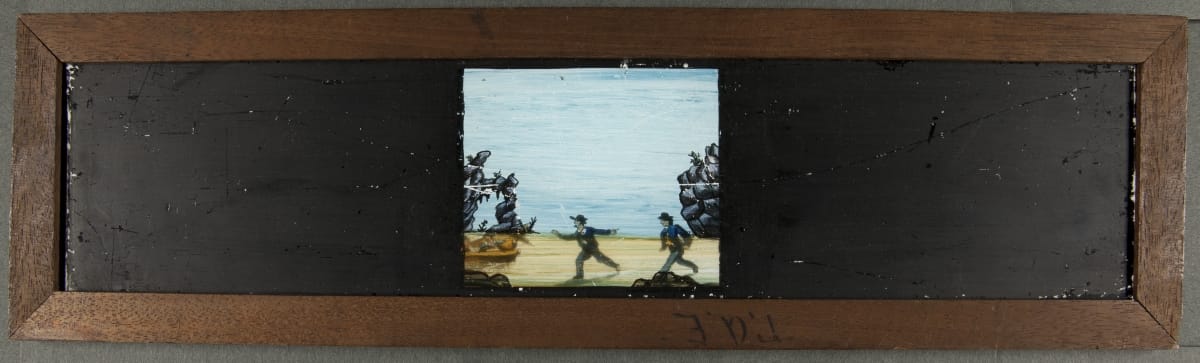
- Magic Lantern Slide Titled "Smugglers Cave," 1880-1910 - Magic lanterns use a concave mirror and light source to project images on glass slides with painted or photographic scenes. Developed in the 17th century, magic lanterns predate slide projectors and motion pictures. In the hands of magicians, they became "lanterns of fright," projecting wondrous images and apparitions. Slide themes ranged widely: exotic travel, folklore, advertising, history, science, and art.
- 1880-1910
- Collections - Artifact
Magic Lantern Slide Titled "Smugglers Cave," 1880-1910
Magic lanterns use a concave mirror and light source to project images on glass slides with painted or photographic scenes. Developed in the 17th century, magic lanterns predate slide projectors and motion pictures. In the hands of magicians, they became "lanterns of fright," projecting wondrous images and apparitions. Slide themes ranged widely: exotic travel, folklore, advertising, history, science, and art.
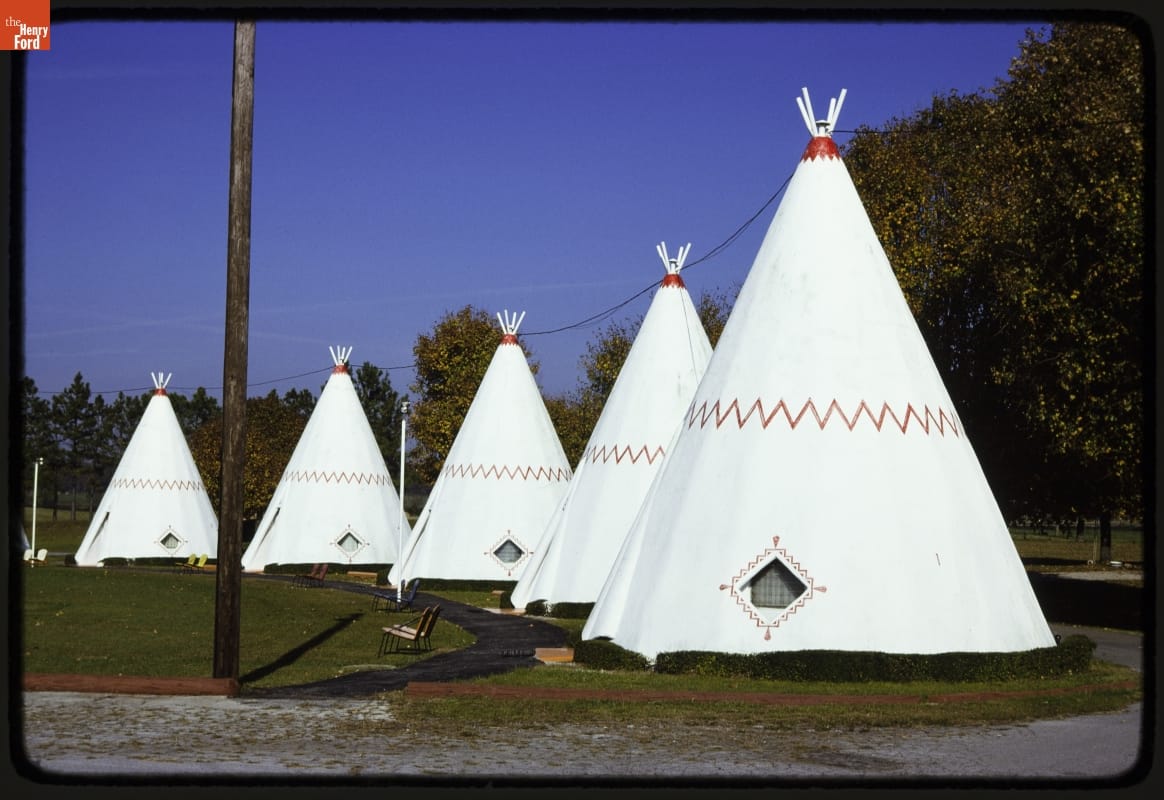
- Wigwam Village #2, Cave City, Kentucky, 1979 - In the mid-1970s, John Margolies began to assemble a visual record of America's built roadside landscape. Over the following three decades, he traveled thousands of miles to photograph the overlooked and often quickly vanishing structures that had grown out of American automobile culture and main street commerce. His photographs of hotels, motels, diners, service stations, drive-ins and attractions celebrate and capture a unique chapter of American history.
- 1979
- Collections - Artifact
Wigwam Village #2, Cave City, Kentucky, 1979
In the mid-1970s, John Margolies began to assemble a visual record of America's built roadside landscape. Over the following three decades, he traveled thousands of miles to photograph the overlooked and often quickly vanishing structures that had grown out of American automobile culture and main street commerce. His photographs of hotels, motels, diners, service stations, drive-ins and attractions celebrate and capture a unique chapter of American history.
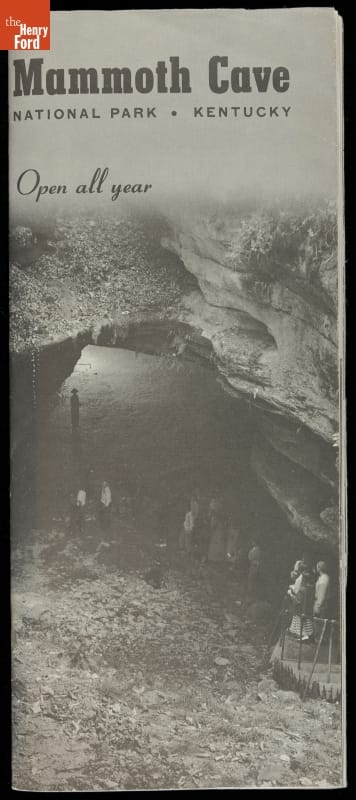
- Travel Guides for Mammoth Cave National Park, Kentucky, 1960 -
- 1960
- Collections - Artifact
Travel Guides for Mammoth Cave National Park, Kentucky, 1960
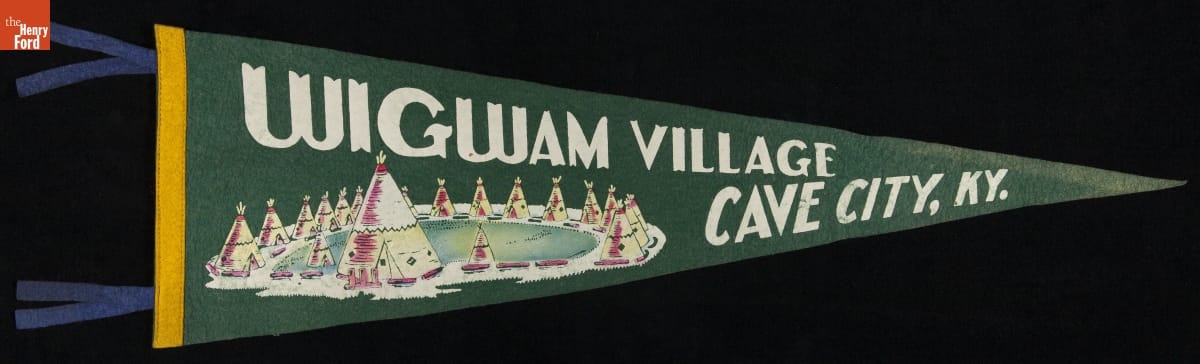
- Pennant, "Wigwam Village, Cave City, Ky.," 1940-1965 - During the mid-20th century, highways were flooded with family vacationers out to enjoy their new cars and all that America had to offer. These auto tourist headed to resorts, parks and new roadside attractions. In 1937, Frank Redford built the Wigwam Village Motel near Mammoth Cave in Kentucky. The tipi-shaped rooms provided unique and memorable overnight accommodations for sleepy travelers.
- 1940-1965
- Collections - Artifact
Pennant, "Wigwam Village, Cave City, Ky.," 1940-1965
During the mid-20th century, highways were flooded with family vacationers out to enjoy their new cars and all that America had to offer. These auto tourist headed to resorts, parks and new roadside attractions. In 1937, Frank Redford built the Wigwam Village Motel near Mammoth Cave in Kentucky. The tipi-shaped rooms provided unique and memorable overnight accommodations for sleepy travelers.
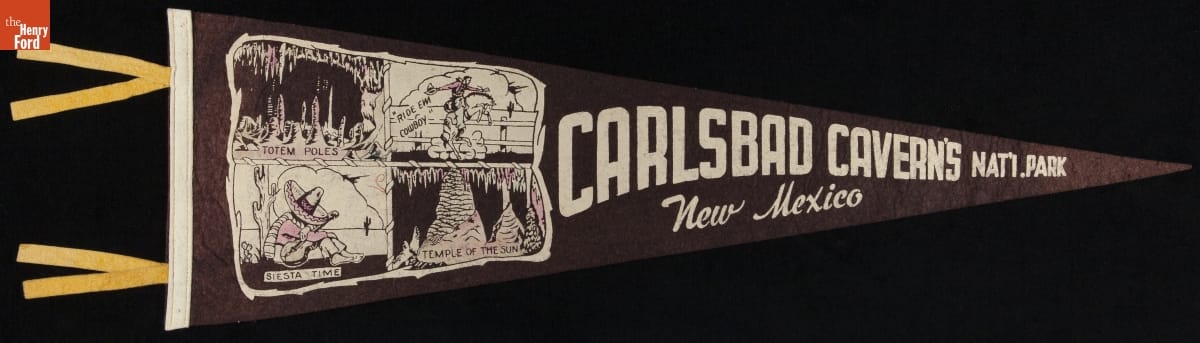
- Pennant, "Carlsbad Caverns Nat'l Park, New Mexico," 1940-1965 - Tourists purchase simple, inexpensive souvenirs as proof of their travels. These mementos transport vacationers back to the places they visited and the things they did. In the mid-20th century, felt pennants were trendy. Pennants from national parks usually depict iconic images from the park. This one from Carlsbad Caverns includes images of the caverns and two stereotypical images depicting New Mexico's western and Mexican heritage.
- 1940-1965
- Collections - Artifact
Pennant, "Carlsbad Caverns Nat'l Park, New Mexico," 1940-1965
Tourists purchase simple, inexpensive souvenirs as proof of their travels. These mementos transport vacationers back to the places they visited and the things they did. In the mid-20th century, felt pennants were trendy. Pennants from national parks usually depict iconic images from the park. This one from Carlsbad Caverns includes images of the caverns and two stereotypical images depicting New Mexico's western and Mexican heritage.