
Search
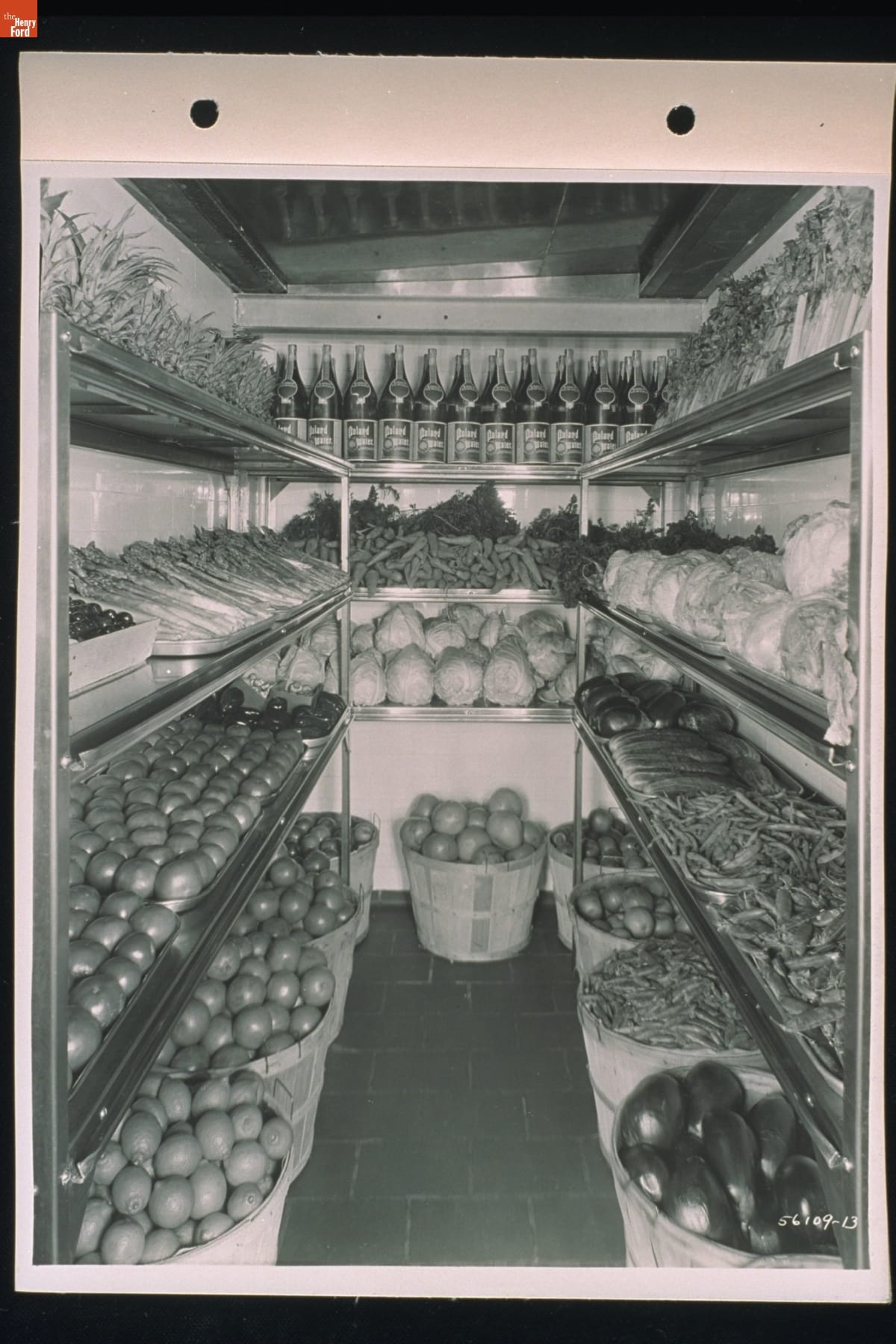
- Vegetable Storage Room in a Ford Motor Company Cafeteria Kitchens, May 18, 1931 -
- May 18, 1931
- Collections - Artifact
Vegetable Storage Room in a Ford Motor Company Cafeteria Kitchens, May 18, 1931
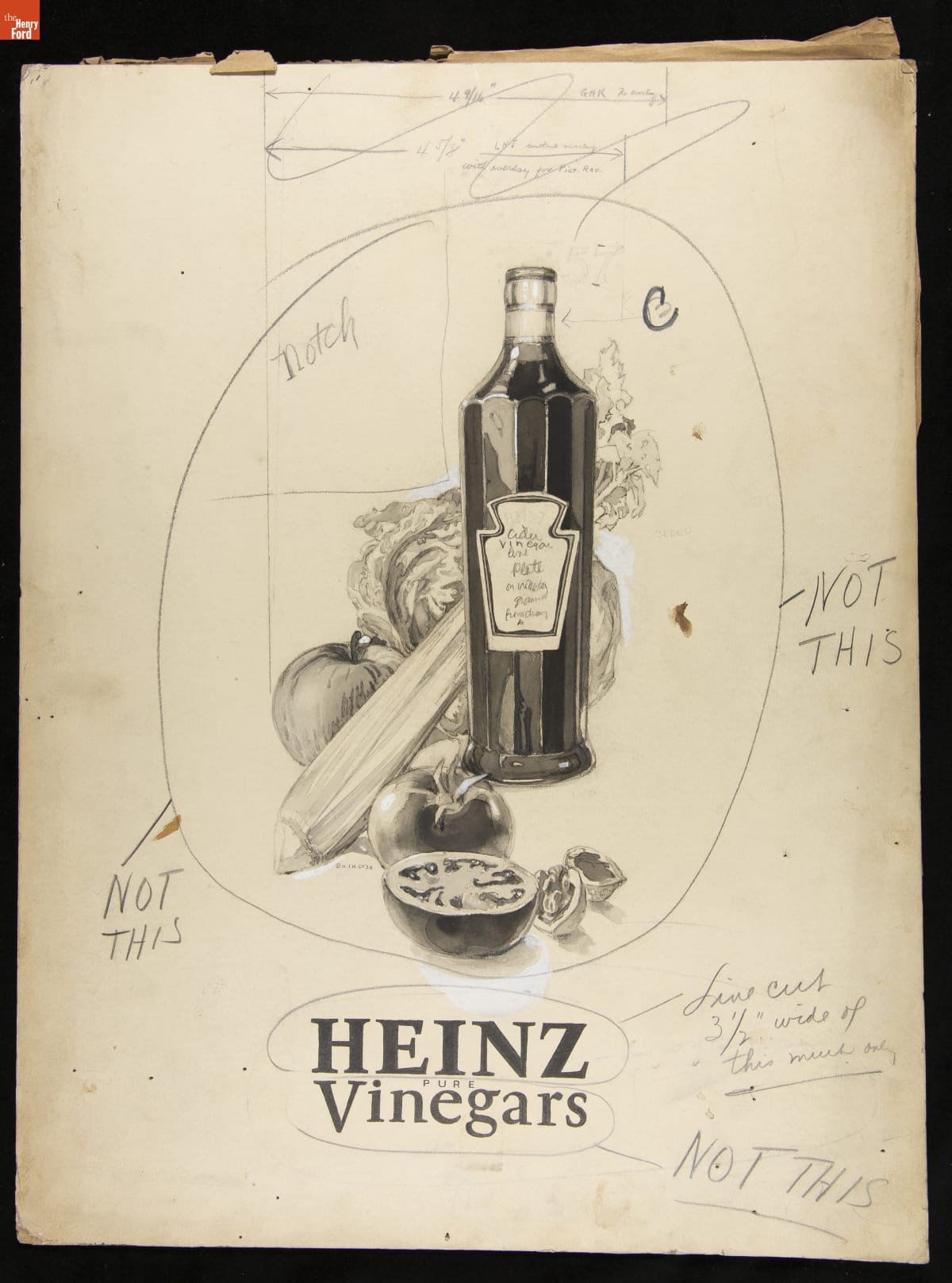
- Advertising Layout Drawing for Heinz Vinegar, 1924 - The H.J. Heinz Company marketed their products in stores, magazines, on trade cards, and even on streetcars. This advertising layout drawing represents one of the steps in the marketing process in which the drawing, size, and shading are taken into consideration before the final advertisement is created.
- 1924
- Collections - Artifact
Advertising Layout Drawing for Heinz Vinegar, 1924
The H.J. Heinz Company marketed their products in stores, magazines, on trade cards, and even on streetcars. This advertising layout drawing represents one of the steps in the marketing process in which the drawing, size, and shading are taken into consideration before the final advertisement is created.
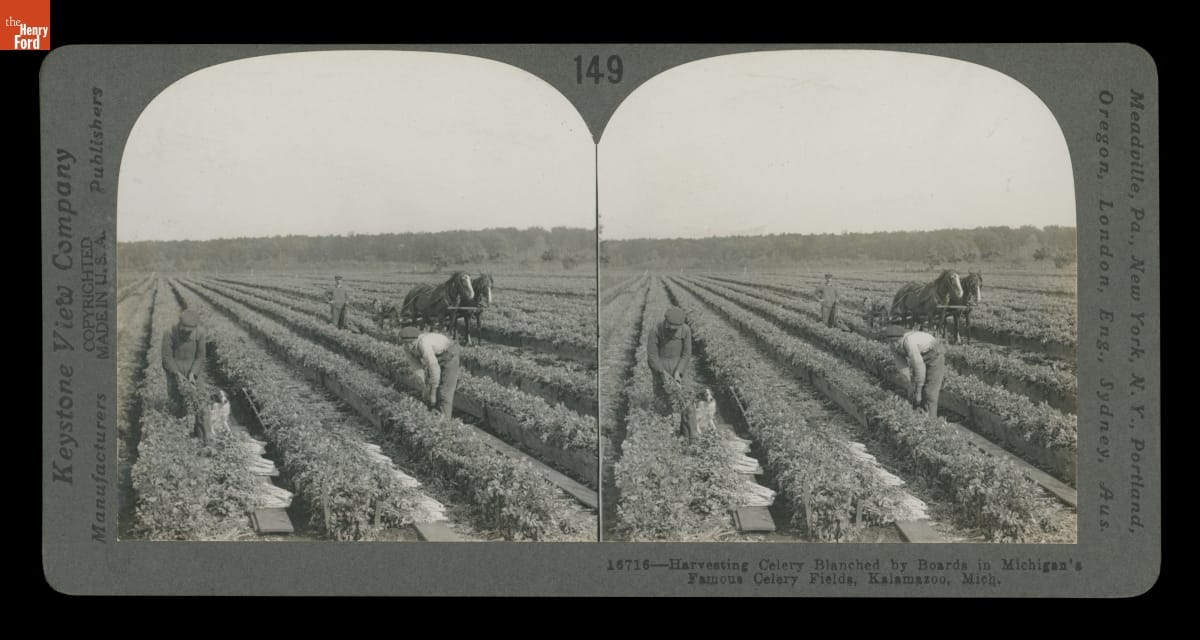
- Harvesting Celery Blanched by Boards in Michigan's Famous Celery Fields, Kalamazoo, Mich., circa 1900 -
- circa 1900
- Collections - Artifact
Harvesting Celery Blanched by Boards in Michigan's Famous Celery Fields, Kalamazoo, Mich., circa 1900
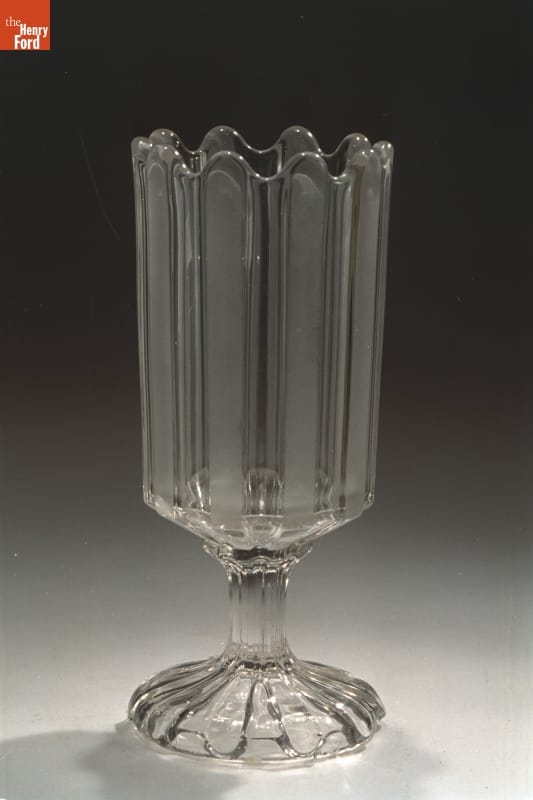
- Celery Vase, 1875-1882 - Class-conscious Americans in the late 19th century displayed their social standing by serving a variety of exotic foods in specialized tableware. Celery vases or glasses held the costly and status-laden vegetable. This tall, pressed glass vase became a middle-class necessity until growing methods made celery common and the dish less socially significant.
- 1875-1882
- Collections - Artifact
Celery Vase, 1875-1882
Class-conscious Americans in the late 19th century displayed their social standing by serving a variety of exotic foods in specialized tableware. Celery vases or glasses held the costly and status-laden vegetable. This tall, pressed glass vase became a middle-class necessity until growing methods made celery common and the dish less socially significant.
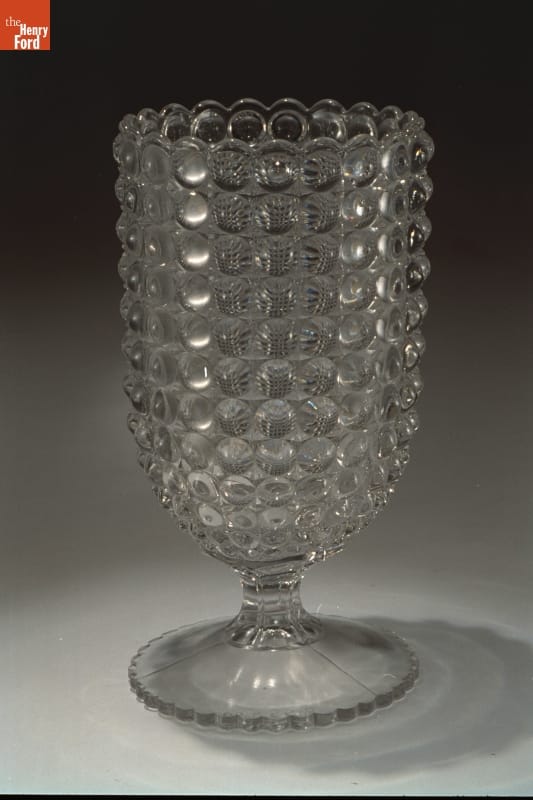
- Celery Vase, 1879-1892 - Class-conscious Americans in the late 19th century displayed their social standing by serving a variety of exotic foods in specialized tableware. Celery vases or glasses held the costly and status-laden vegetable. This tall, pressed glass vase became a middle-class necessity until growing methods made celery common and the dish less socially significant.
- 1879-1892
- Collections - Artifact
Celery Vase, 1879-1892
Class-conscious Americans in the late 19th century displayed their social standing by serving a variety of exotic foods in specialized tableware. Celery vases or glasses held the costly and status-laden vegetable. This tall, pressed glass vase became a middle-class necessity until growing methods made celery common and the dish less socially significant.
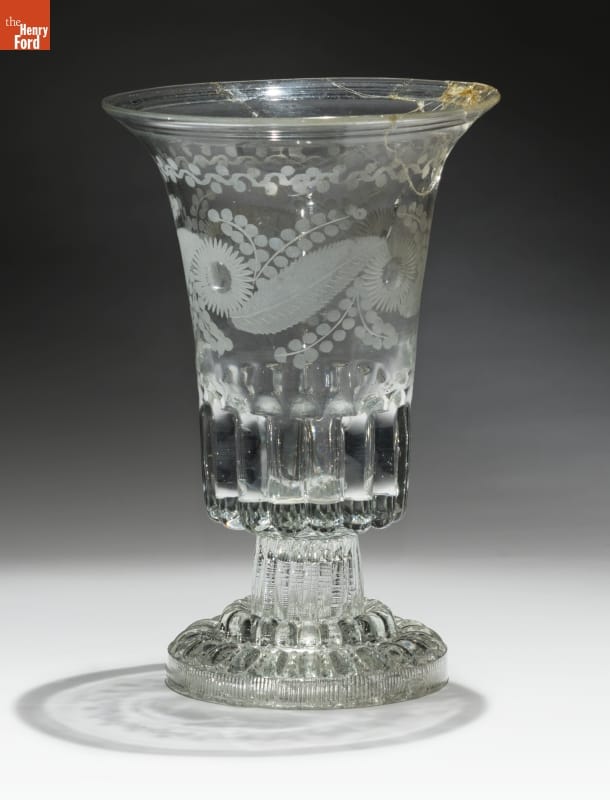
- Celery Vase, 1820-1840 -
- 1820-1840
- Collections - Artifact
Celery Vase, 1820-1840
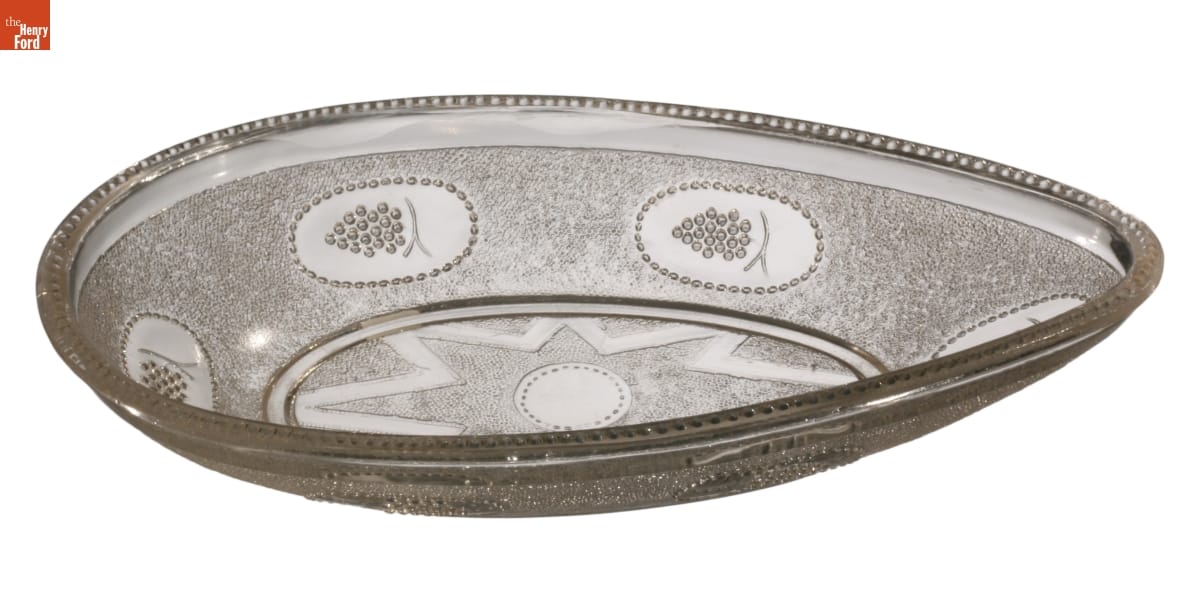
- Celery Dish, 1869-1871 - The Boston Silver Glass Company was established in East Cambridge, Massachusetts, in about 1857. Starting in 1869, the company produced pressed glass tableware in its "beaded grape medallion" pattern. The inexpensive glassware came in various forms: plates, dishes, bowls, compotes, goblets, and pitchers, among others. The company operated until about 1871.
- 1869-1871
- Collections - Artifact
Celery Dish, 1869-1871
The Boston Silver Glass Company was established in East Cambridge, Massachusetts, in about 1857. Starting in 1869, the company produced pressed glass tableware in its "beaded grape medallion" pattern. The inexpensive glassware came in various forms: plates, dishes, bowls, compotes, goblets, and pitchers, among others. The company operated until about 1871.
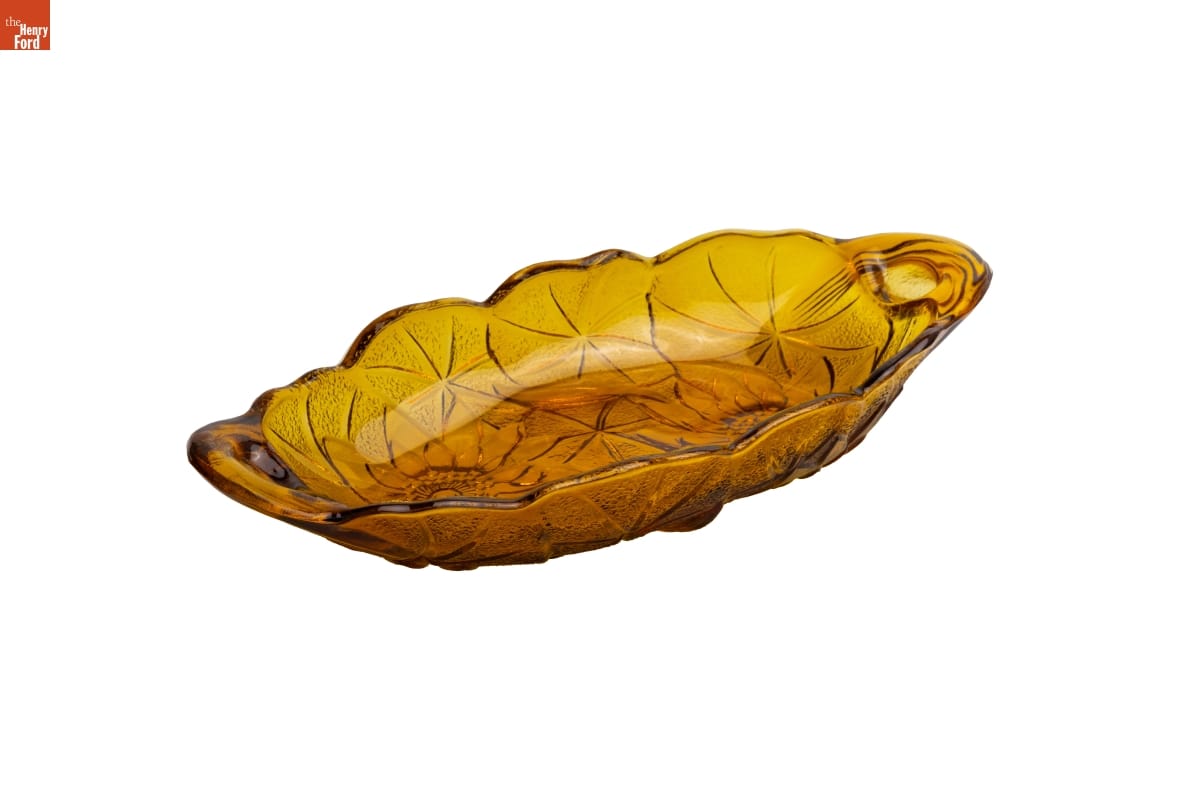
- Celery Dish Used by the Jackson Family, Selma, Alabama - In 2023, The Henry Ford acquired the Selma, Alabama, home of Dr. Sullivan and Richie Jean Sherrod Jackson, where Dr. Martin Luther King and Civil Rights leaders planned the 1965 Selma-to-Montgomery Voting Rights marches. The Jackson Home opened in Greenfield Village in 2026. The home and its contents not only document the voting rights struggle but also shed light on 20th-century Black American middle-class life.
- 1960-1969
- Collections - Artifact
Celery Dish Used by the Jackson Family, Selma, Alabama
In 2023, The Henry Ford acquired the Selma, Alabama, home of Dr. Sullivan and Richie Jean Sherrod Jackson, where Dr. Martin Luther King and Civil Rights leaders planned the 1965 Selma-to-Montgomery Voting Rights marches. The Jackson Home opened in Greenfield Village in 2026. The home and its contents not only document the voting rights struggle but also shed light on 20th-century Black American middle-class life.
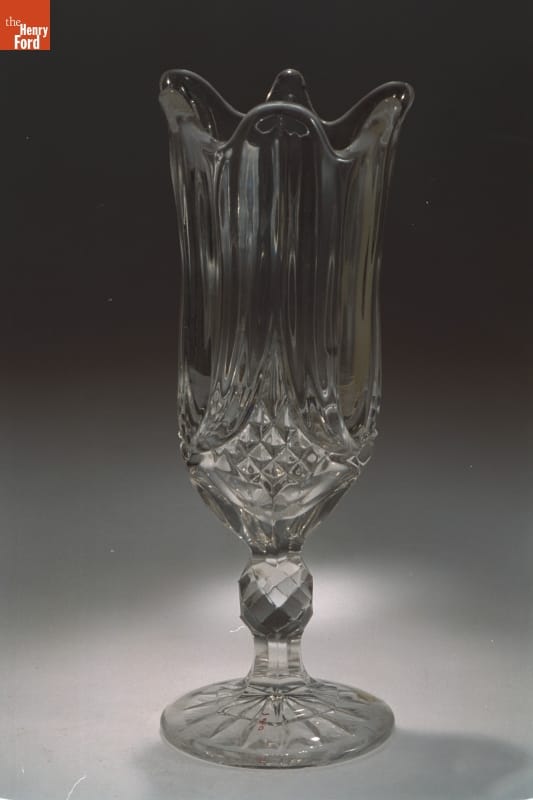
- Celery Vase, 1860-1870 - Class-conscious Americans in the late 19th century displayed their social standing by serving a variety of exotic foods in specialized tableware. Celery vases or glasses held the costly and status-laden vegetable. This tall, pressed glass vase became a middle-class necessity until growing methods made celery common and the dish less socially significant.
- 1860-1870
- Collections - Artifact
Celery Vase, 1860-1870
Class-conscious Americans in the late 19th century displayed their social standing by serving a variety of exotic foods in specialized tableware. Celery vases or glasses held the costly and status-laden vegetable. This tall, pressed glass vase became a middle-class necessity until growing methods made celery common and the dish less socially significant.
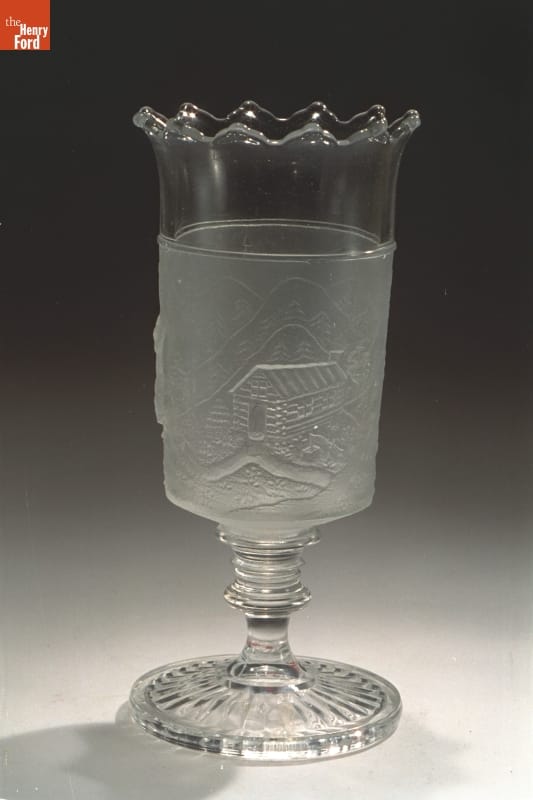
- Celery Vase, 1876-1885 - Class-conscious Americans in the late 19th century displayed their social standing by serving a variety of exotic foods in specialized tableware. Celery vases or glasses held the costly and status-laden vegetable. This tall, pressed glass vase became a middle-class necessity until growing methods made celery common and the dish less socially significant.
- 1876-1885
- Collections - Artifact
Celery Vase, 1876-1885
Class-conscious Americans in the late 19th century displayed their social standing by serving a variety of exotic foods in specialized tableware. Celery vases or glasses held the costly and status-laden vegetable. This tall, pressed glass vase became a middle-class necessity until growing methods made celery common and the dish less socially significant.