
Search
- Candleholder, 1940-1950 - The Van Briggle Pottery was among the most important and longest-lasting art potteries. The pottery, established in 1901 and located in Colorado Springs, Colorado, is known for its satin matte glazes perfected by its founder, Artus Van Briggle. The pottery produced works for more than one hundred years, finally closing its doors in the early 2010s.
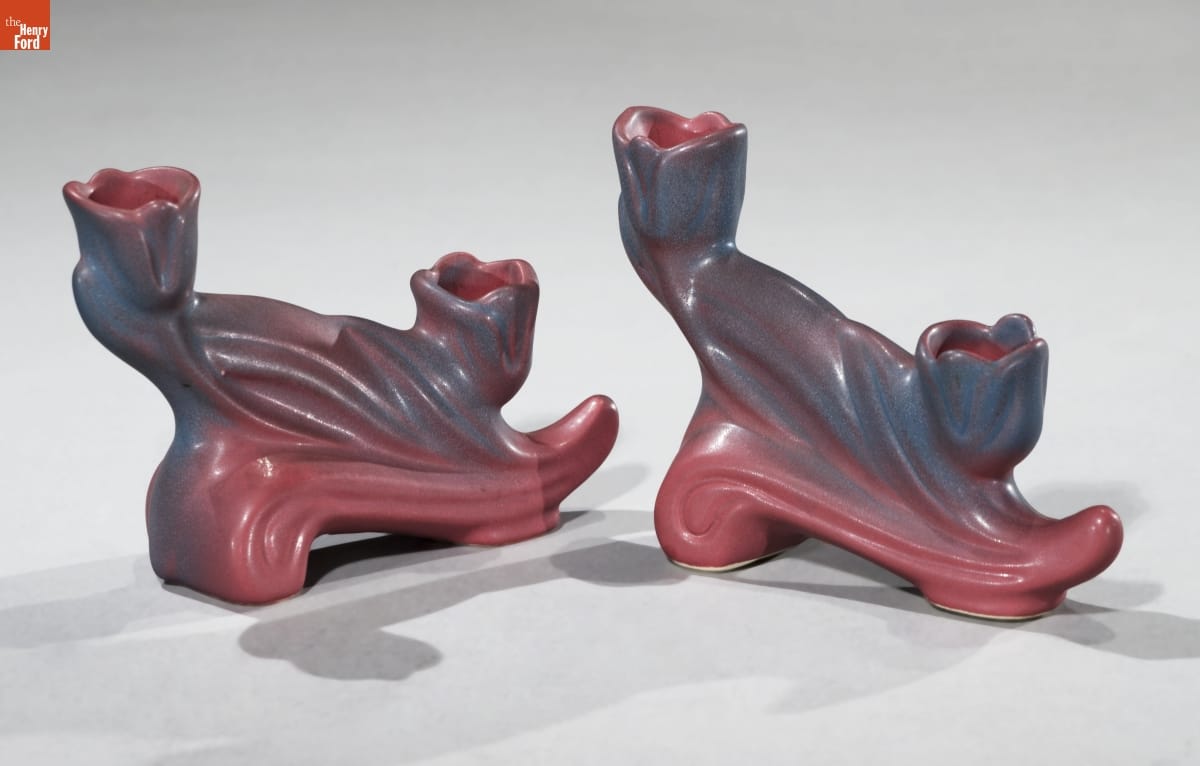
- 1940-1950
- Collections - Artifact
Candleholder, 1940-1950
The Van Briggle Pottery was among the most important and longest-lasting art potteries. The pottery, established in 1901 and located in Colorado Springs, Colorado, is known for its satin matte glazes perfected by its founder, Artus Van Briggle. The pottery produced works for more than one hundred years, finally closing its doors in the early 2010s.
- Frankoma Shell Vase, 1960-1990 -
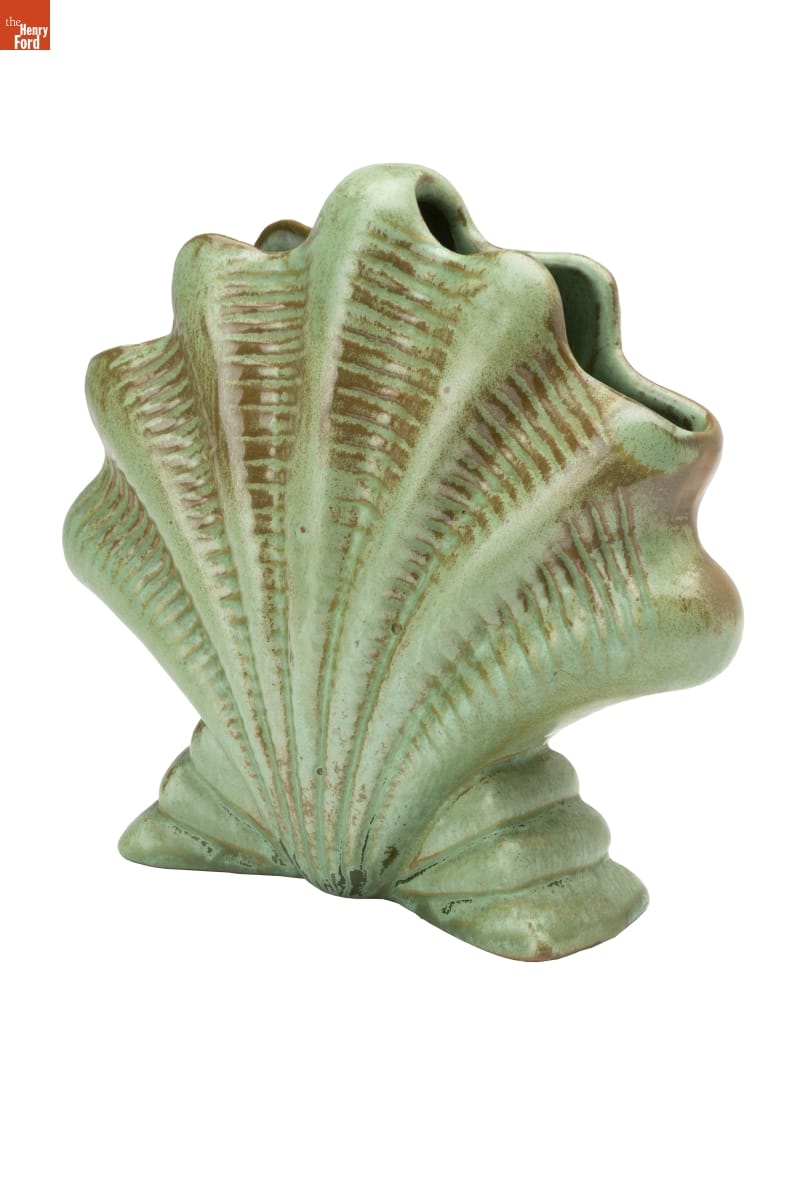
- 1960-1990
- Collections - Artifact
Frankoma Shell Vase, 1960-1990
- Flower Pot, 1926-1935 -
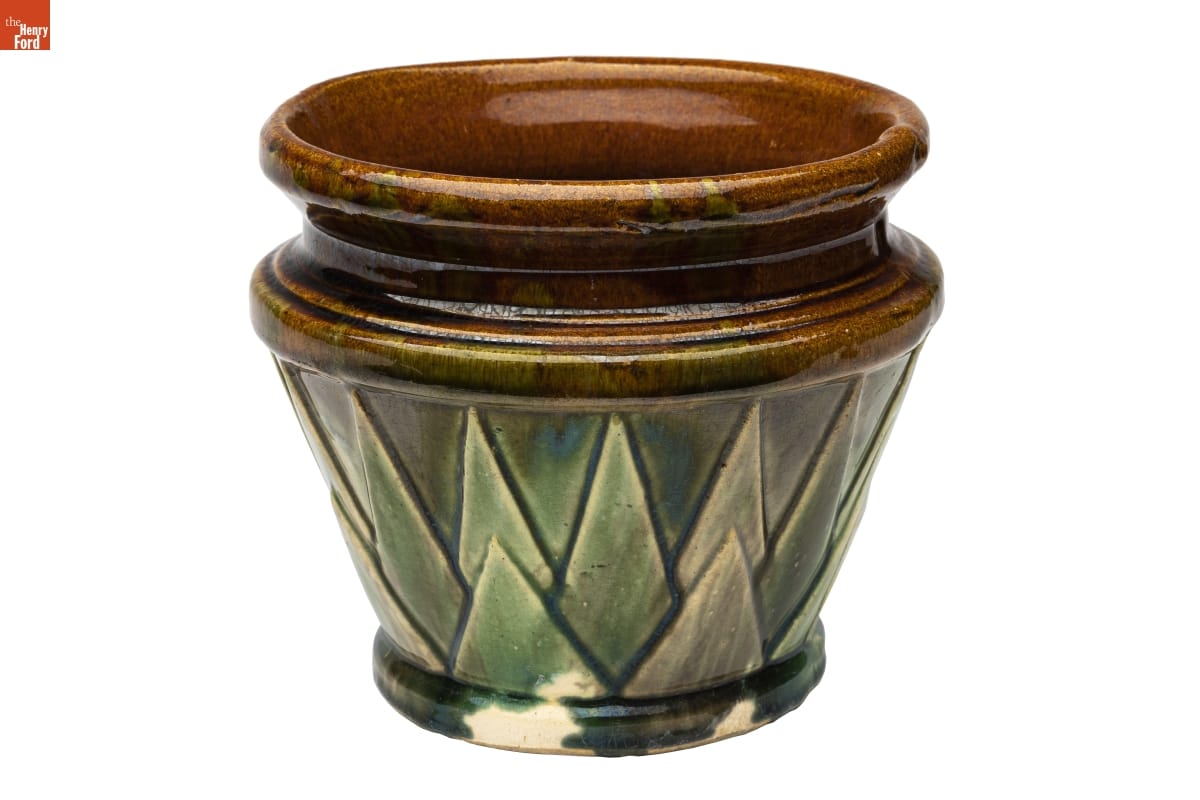
- 1926-1935
- Collections - Artifact
Flower Pot, 1926-1935
- Vase, 1934-1938 - The native clays of Oklahoma provided a foundation for the decorative ceramics and dinnerware produced by Frankoma Pottery. John Frank, who headed the ceramics department at the University of Oklahoma, and his wife Grace Lee began the business in 1933. They moved to Sapulpa, Oklahoma, in 1938 and sold their Southwestern-inspired wares coated with prairie-colored glazes at an affordable price. The pottery remained family-owned until 1990.
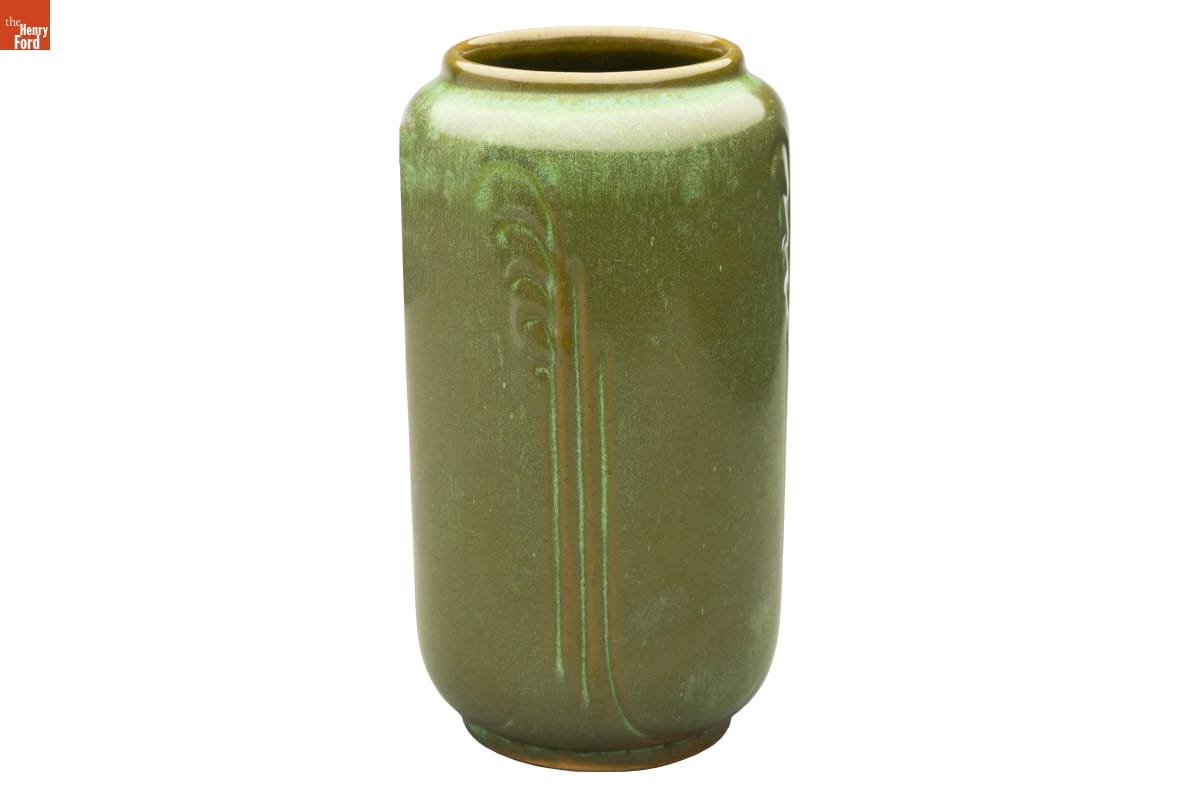
- 1934-1938
- Collections - Artifact
Vase, 1934-1938
The native clays of Oklahoma provided a foundation for the decorative ceramics and dinnerware produced by Frankoma Pottery. John Frank, who headed the ceramics department at the University of Oklahoma, and his wife Grace Lee began the business in 1933. They moved to Sapulpa, Oklahoma, in 1938 and sold their Southwestern-inspired wares coated with prairie-colored glazes at an affordable price. The pottery remained family-owned until 1990.
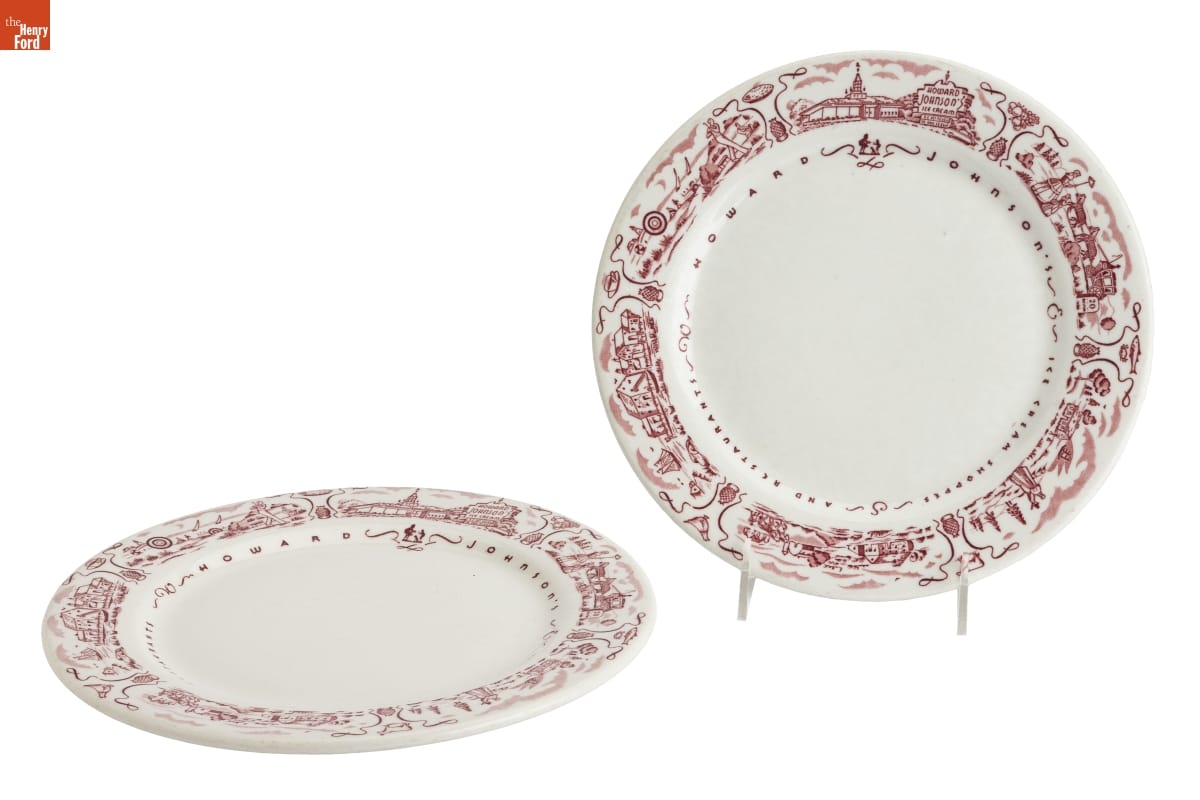
- Howard Johnson's Plates, 1951-1954 - In the 1920s, Howard Deering Johnson began selling ice cream from food stands around Boston, Massachusetts. Johnson later expanded his business to full-service restaurants. He franchised these orange-roofed establishments across America, locating them along highways to cater to the traveling public. This plate celebrates America's growth with idyllic scenes on the rim, including one of a Howard Johnson's restaurant.
- 1951-1954
- Collections - Artifact
Howard Johnson's Plates, 1951-1954
In the 1920s, Howard Deering Johnson began selling ice cream from food stands around Boston, Massachusetts. Johnson later expanded his business to full-service restaurants. He franchised these orange-roofed establishments across America, locating them along highways to cater to the traveling public. This plate celebrates America's growth with idyllic scenes on the rim, including one of a Howard Johnson's restaurant.
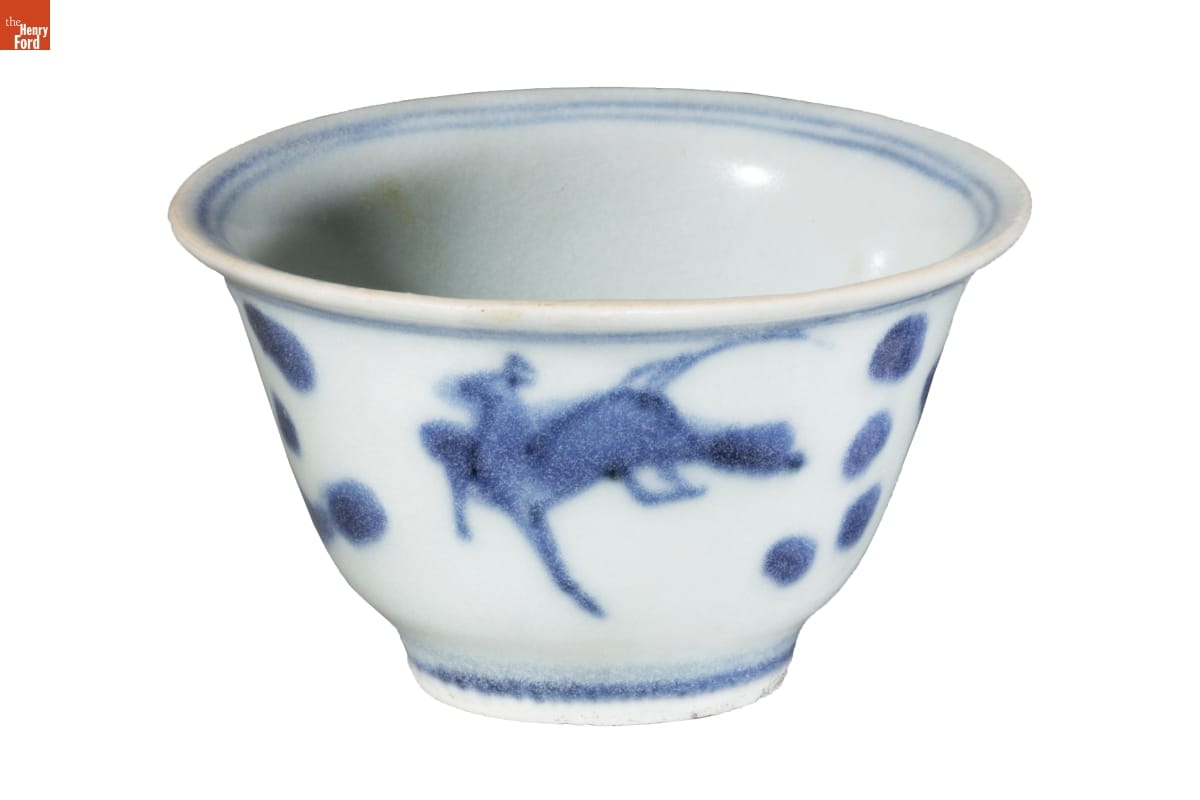
- Tea Cup from Vung Tau Shipwreck, 1675-1690 - Wealthy 17th-century Europeans craved Chinese porcelains. The clay of these export wares contains kaolin. When fired, the body of the clay and glaze fused into a glass-like form that resisted chipping and breaking--holding up to everyday use, which amazed Europeans. This teacup never made it to the table; it was found in a shipwreck on its way to Europe--a beautiful and rugged survivor.
- 1675-1690
- Collections - Artifact
Tea Cup from Vung Tau Shipwreck, 1675-1690
Wealthy 17th-century Europeans craved Chinese porcelains. The clay of these export wares contains kaolin. When fired, the body of the clay and glaze fused into a glass-like form that resisted chipping and breaking--holding up to everyday use, which amazed Europeans. This teacup never made it to the table; it was found in a shipwreck on its way to Europe--a beautiful and rugged survivor.
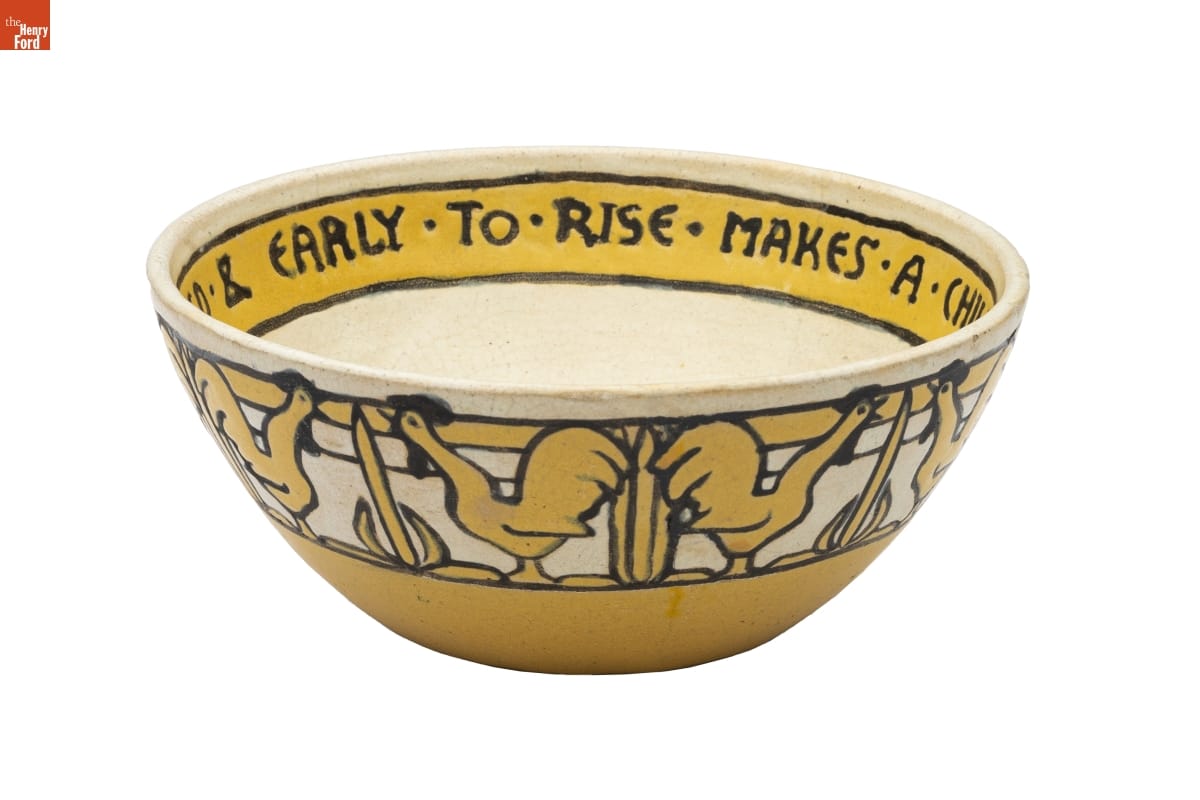
- Bowl, 1909 - Social reformers in Boston, Massachusetts, organized the Saturday Evening Girls Club to educate and improve the lives of impoverished immigrant girls. In 1907, the club established a pottery. The Saturday Evening Girls created an array of remarkable Arts and Crafts wares, including children's dishes and sets. Some of these dishes were personalized with a child's name; others bore rhymes or simple phrases.
- 1909
- Collections - Artifact
Bowl, 1909
Social reformers in Boston, Massachusetts, organized the Saturday Evening Girls Club to educate and improve the lives of impoverished immigrant girls. In 1907, the club established a pottery. The Saturday Evening Girls created an array of remarkable Arts and Crafts wares, including children's dishes and sets. Some of these dishes were personalized with a child's name; others bore rhymes or simple phrases.
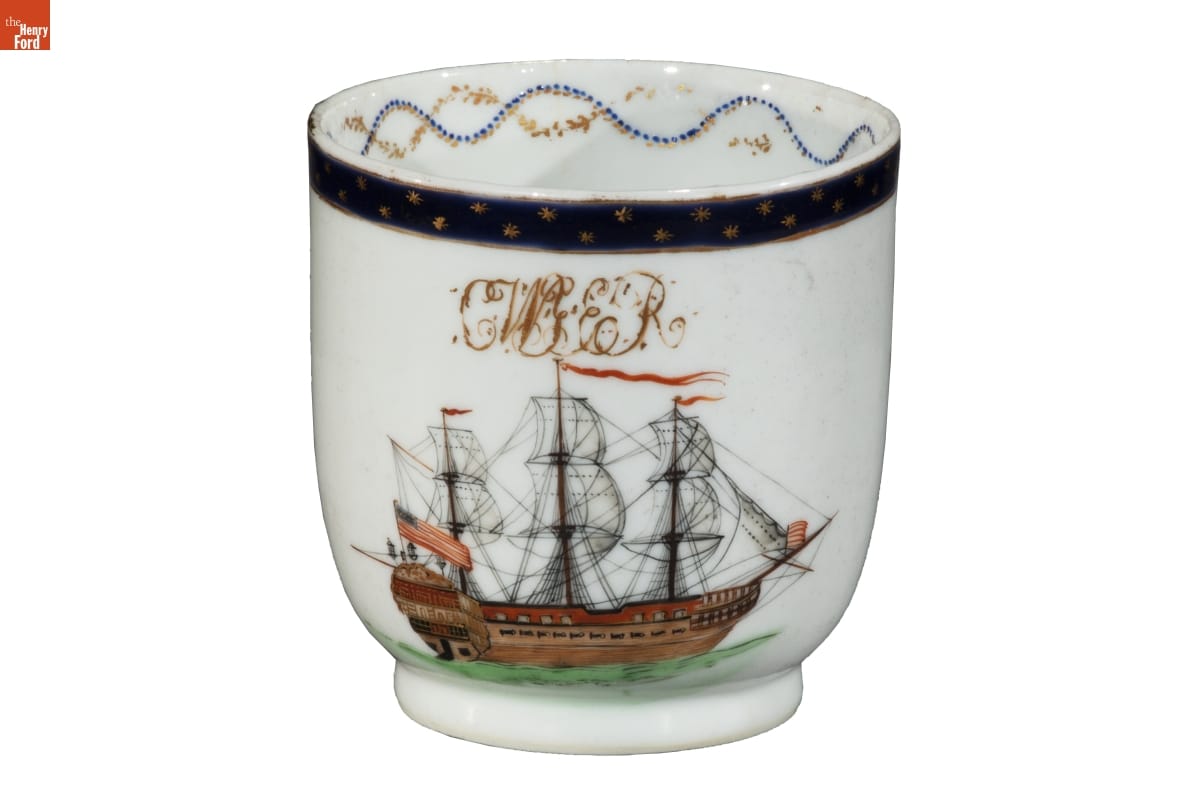
- Cup, 1795-1810 -
- 1795-1810
- Collections - Artifact
Cup, 1795-1810
- Mug, 1850-1900 -
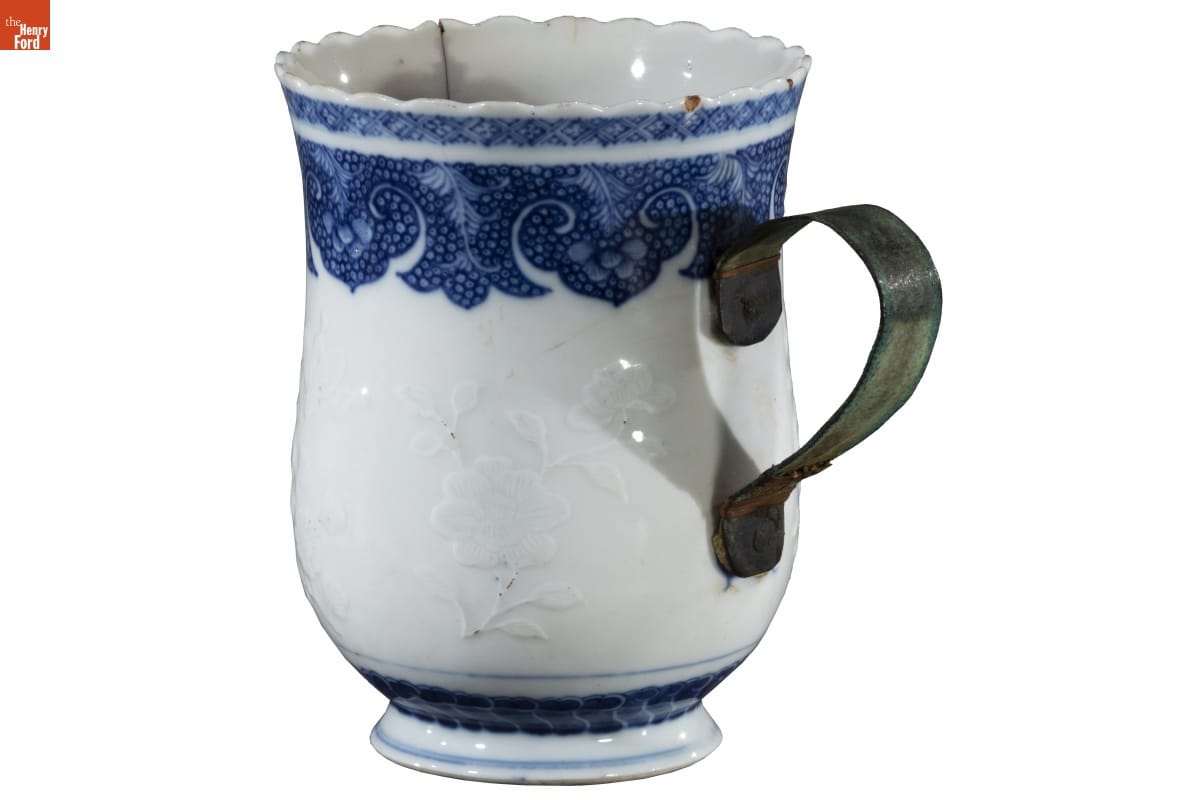
- 1850-1900
- Collections - Artifact
Mug, 1850-1900
- Bowl, 1760-1850 -
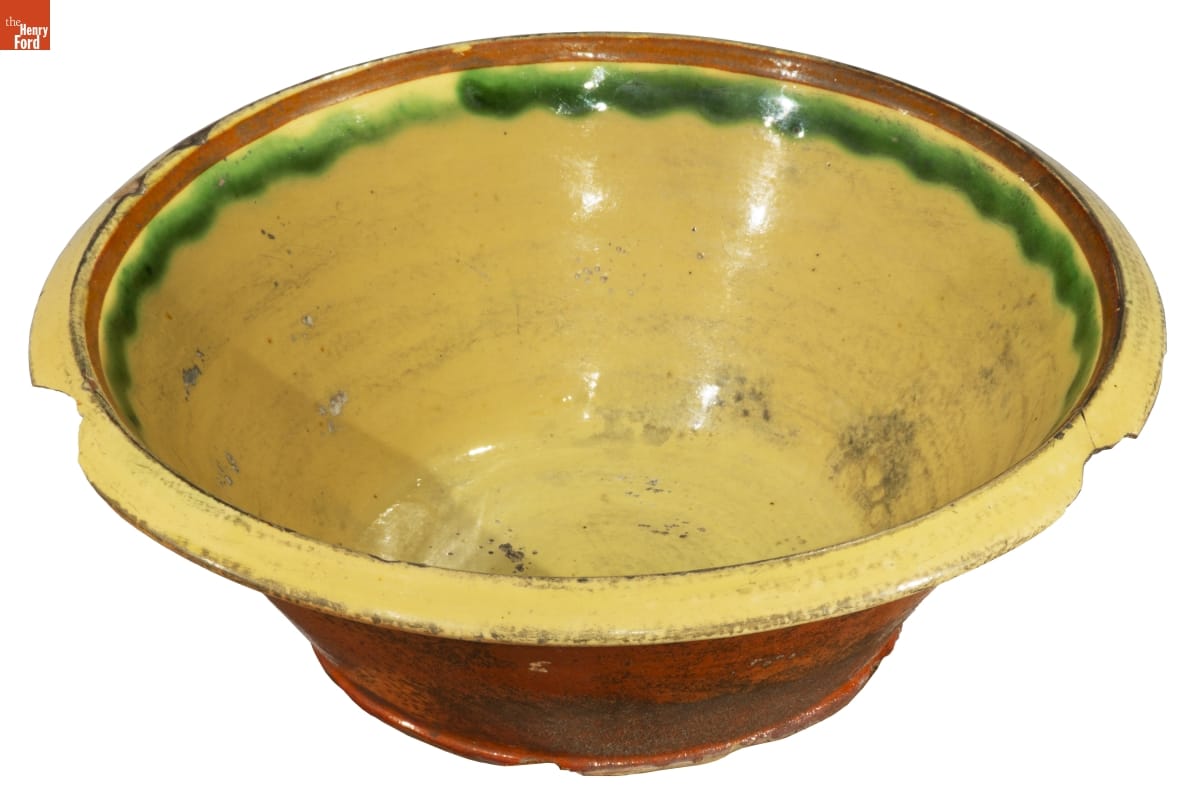
- 1760-1850
- Collections - Artifact
Bowl, 1760-1850