
Search
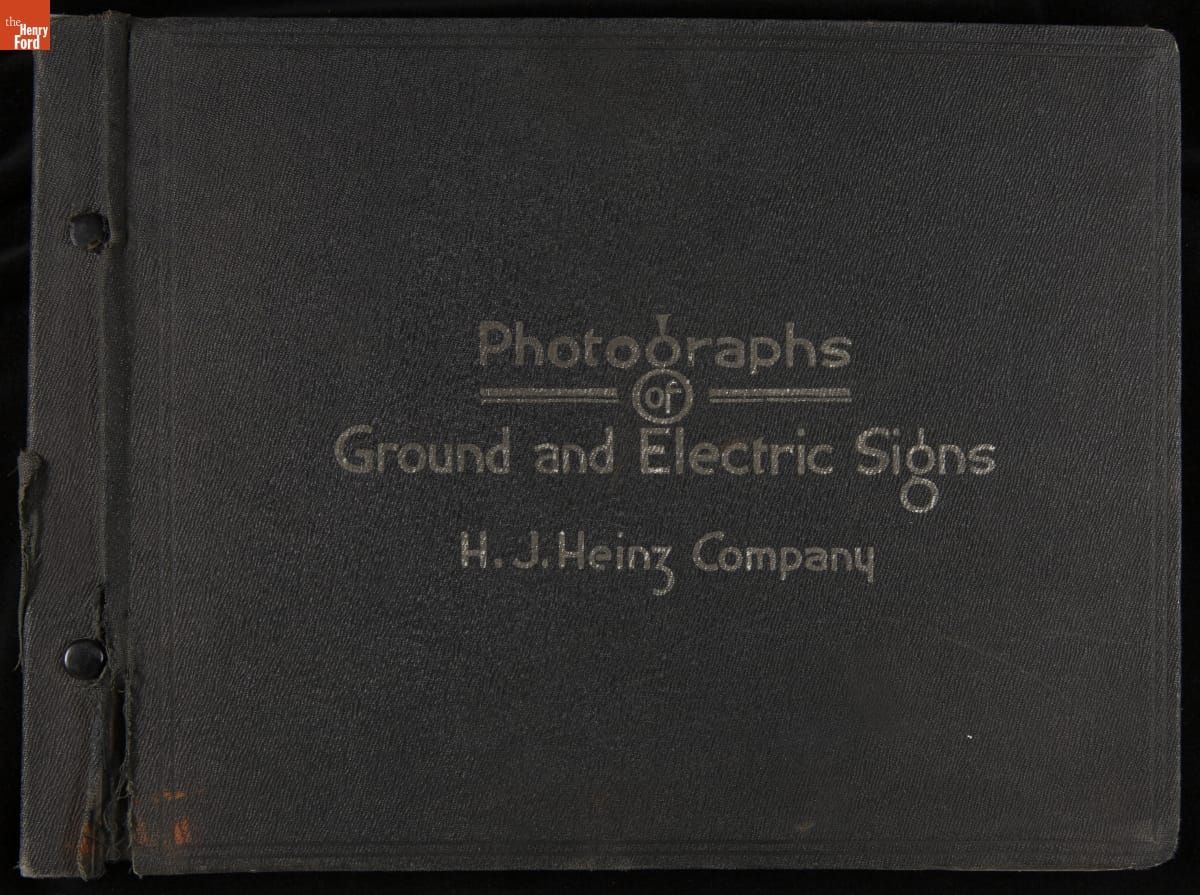
- Photograph Album of Heinz Company Ground and Electric Signs, 1908-1945 - Company scrapbooks are often reminders of the company's history, significant moments in time, and the employees who worked there. This album, compiled by the H. J. Heinz Company, includes photographs of various ground and electric signs. Heinz never missed an opportunity to promote his products. These signs were erected to encourage customers to buy his products and contributed in making Heinz a household name.
- 1908-1945
- Collections - Artifact
Photograph Album of Heinz Company Ground and Electric Signs, 1908-1945
Company scrapbooks are often reminders of the company's history, significant moments in time, and the employees who worked there. This album, compiled by the H. J. Heinz Company, includes photographs of various ground and electric signs. Heinz never missed an opportunity to promote his products. These signs were erected to encourage customers to buy his products and contributed in making Heinz a household name.
- Recipe Booklet, "Kellogg Company: Three Meals a Day," 1928 -
- 1928
- Collections - Artifact
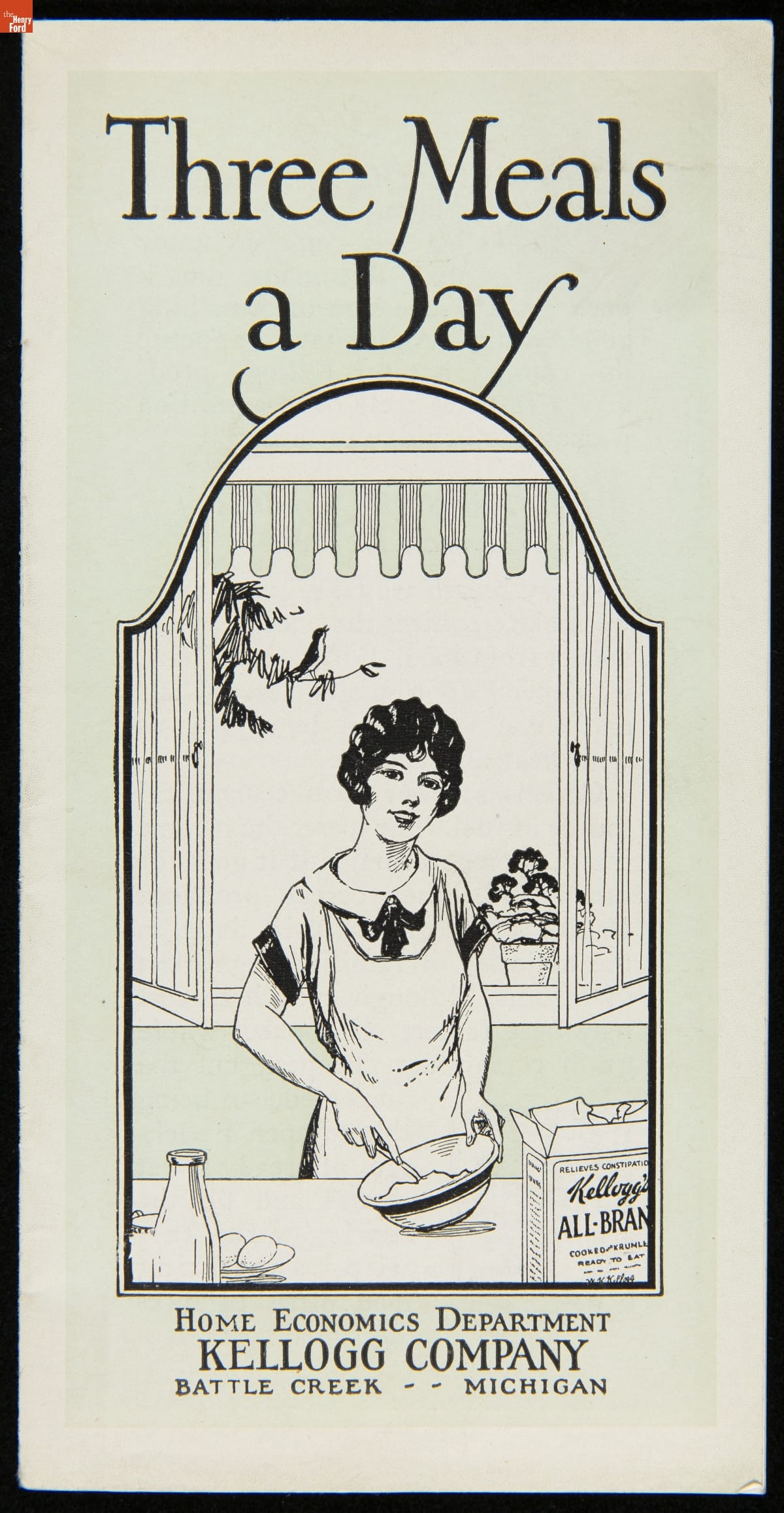
Recipe Booklet, "Kellogg Company: Three Meals a Day," 1928
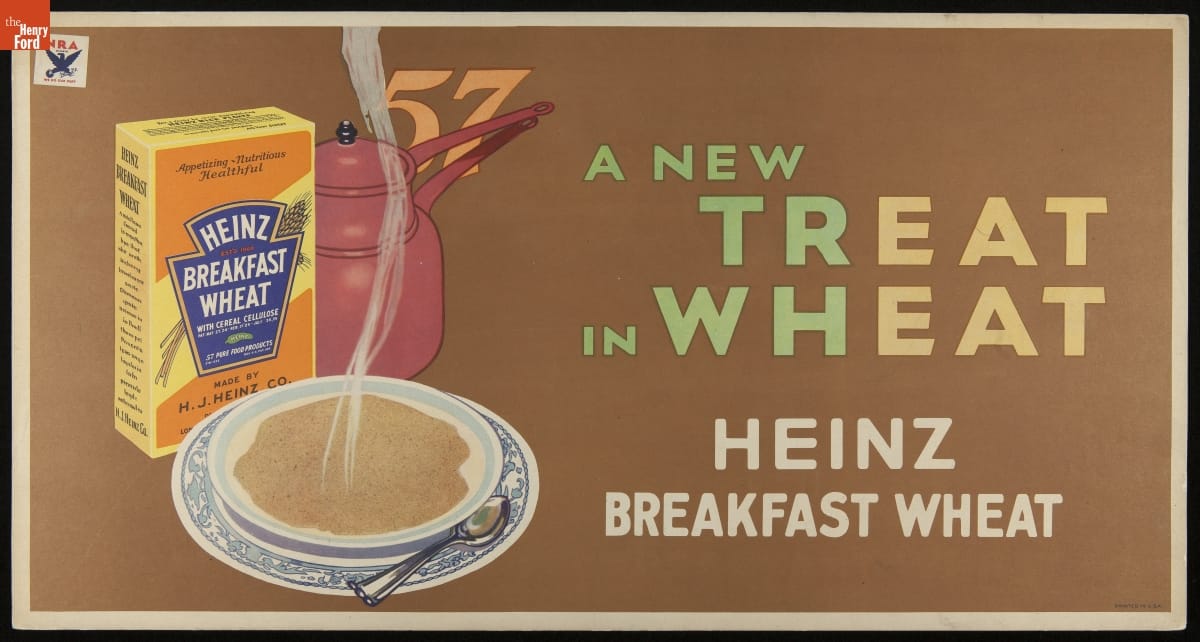
- Streetcar Advertising Poster for Heinz Breakfast Wheat, "A New Treat in Wheat," 1933-1935 - Henry J. Heinz rarely missed an opportunity to market his "57 Varieties" -- a catchy slogan he created despite offering a line of more than 60 packaged food products. A prolific promoter, Heinz aimed to reach consumers in stores, at home, and everywhere in-between. This colorful poster advertised Heinz Breakfast Wheat, a hot cereal, to passengers riding a streetcar.
- 1933-1935
- Collections - Artifact
Streetcar Advertising Poster for Heinz Breakfast Wheat, "A New Treat in Wheat," 1933-1935
Henry J. Heinz rarely missed an opportunity to market his "57 Varieties" -- a catchy slogan he created despite offering a line of more than 60 packaged food products. A prolific promoter, Heinz aimed to reach consumers in stores, at home, and everywhere in-between. This colorful poster advertised Heinz Breakfast Wheat, a hot cereal, to passengers riding a streetcar.
- Kellogg's Corn Flakes Breakfast Cereal, circa 1995 -
- circa 1995
- Collections - Artifact
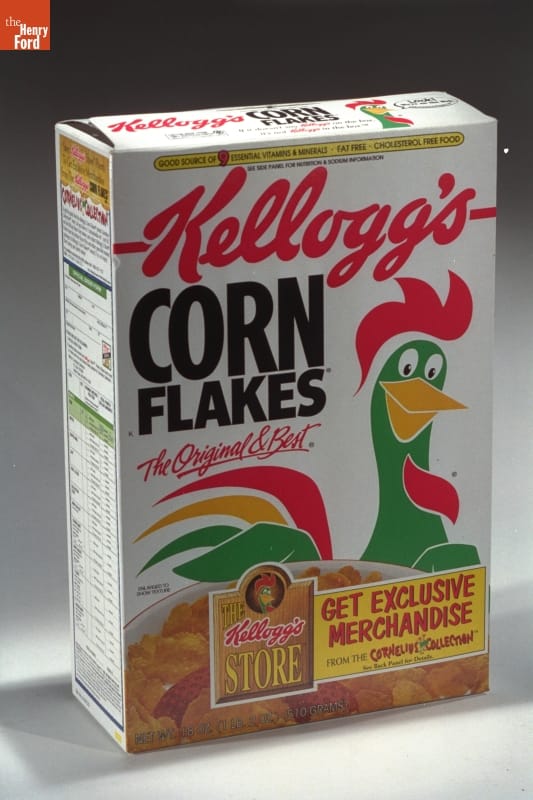
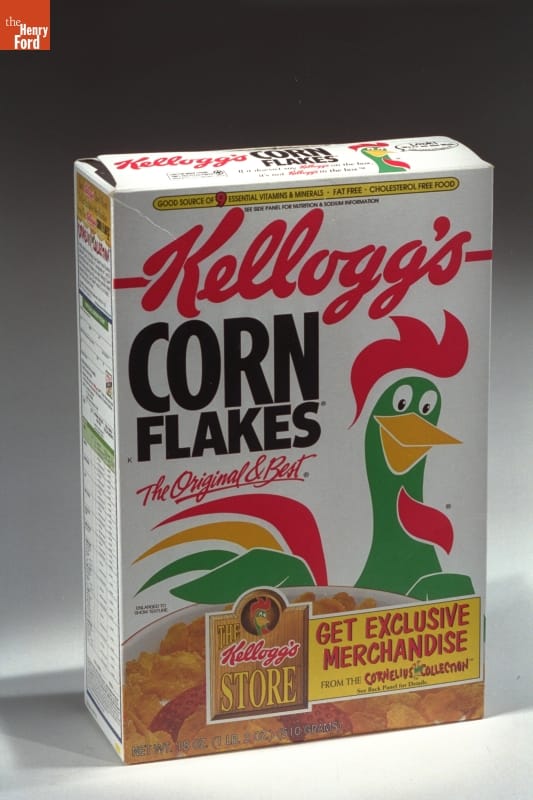
Kellogg's Corn Flakes Breakfast Cereal, circa 1995
- Kellogg's Corn Flakes Breakfast Cereal, circa 1995 -
- circa 1995
- Collections - Artifact
Kellogg's Corn Flakes Breakfast Cereal, circa 1995
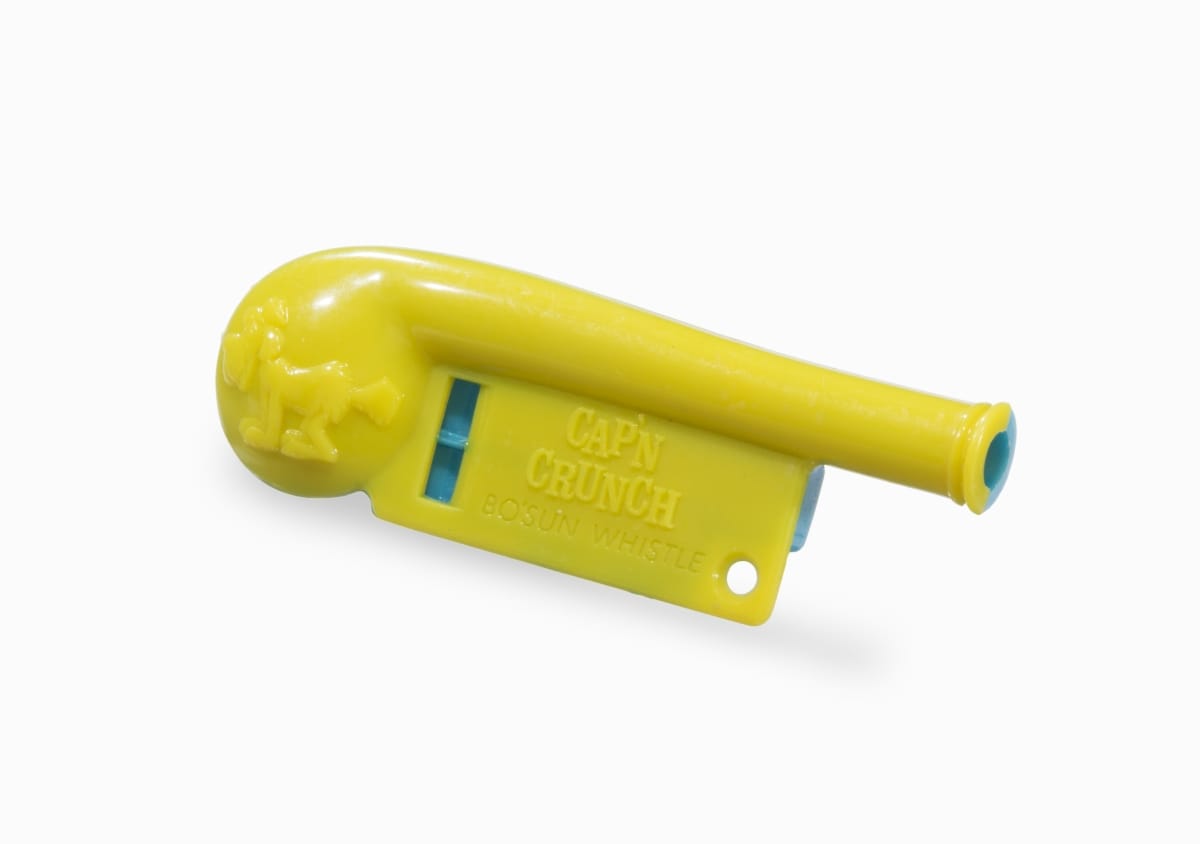
- Cap'n Crunch Bo'sun Whistle, circa 1965 - The Bo'sun Whistle was a prize included in Cap'n Crunch cereal boxes in the late-1960s. The cereal company didn't realize the whistles emitted a 2600hz tone--a sound that could trick telephone routing equipment into giving people free long-distance telephone calls. "Phone phreakers"--a group of pranksters that repurposed technology to infiltrate and test telephone system limits--prized these whistles.
- circa 1965
- Collections - Artifact
Cap'n Crunch Bo'sun Whistle, circa 1965
The Bo'sun Whistle was a prize included in Cap'n Crunch cereal boxes in the late-1960s. The cereal company didn't realize the whistles emitted a 2600hz tone--a sound that could trick telephone routing equipment into giving people free long-distance telephone calls. "Phone phreakers"--a group of pranksters that repurposed technology to infiltrate and test telephone system limits--prized these whistles.
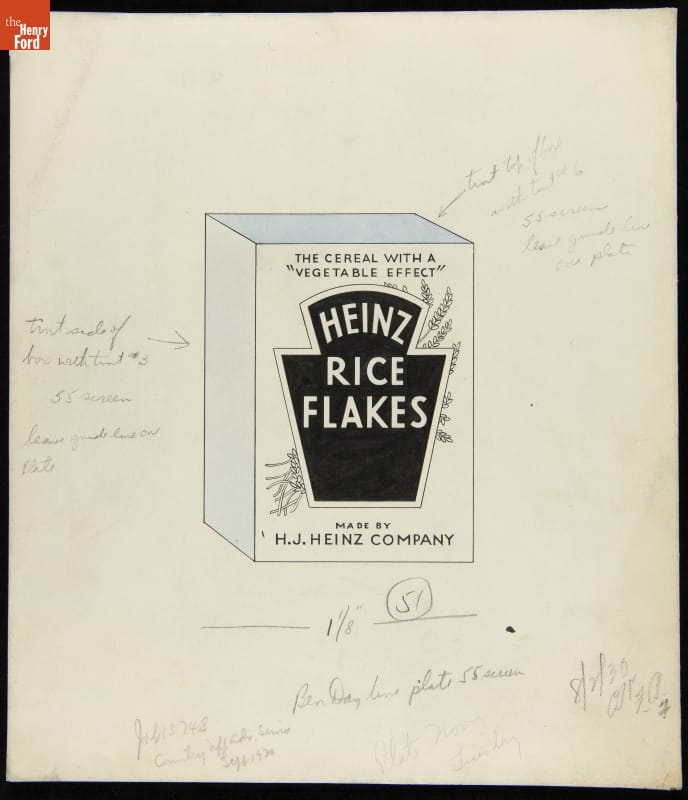
- Drawing of Heinz Rice Flakes Cereal Box, August 2, 1930 - The H.J. Heinz Company employed ambitious and comprehensive advertising strategies to meet consumers at home, in stores, and everywhere in between. Drawings, illustrations and modified photographs of Heinz products were often used for advertising and in publications. This advertising layout represents a step in the marketing process where the size and arrangement are taken into consideration before the final advertisement is created.
- August 02, 1930
- Collections - Artifact
Drawing of Heinz Rice Flakes Cereal Box, August 2, 1930
The H.J. Heinz Company employed ambitious and comprehensive advertising strategies to meet consumers at home, in stores, and everywhere in between. Drawings, illustrations and modified photographs of Heinz products were often used for advertising and in publications. This advertising layout represents a step in the marketing process where the size and arrangement are taken into consideration before the final advertisement is created.
- "Old Company Plate Signature" Flatware Set with Case, 1950-1955 -
- 1950-1955
- Collections - Artifact
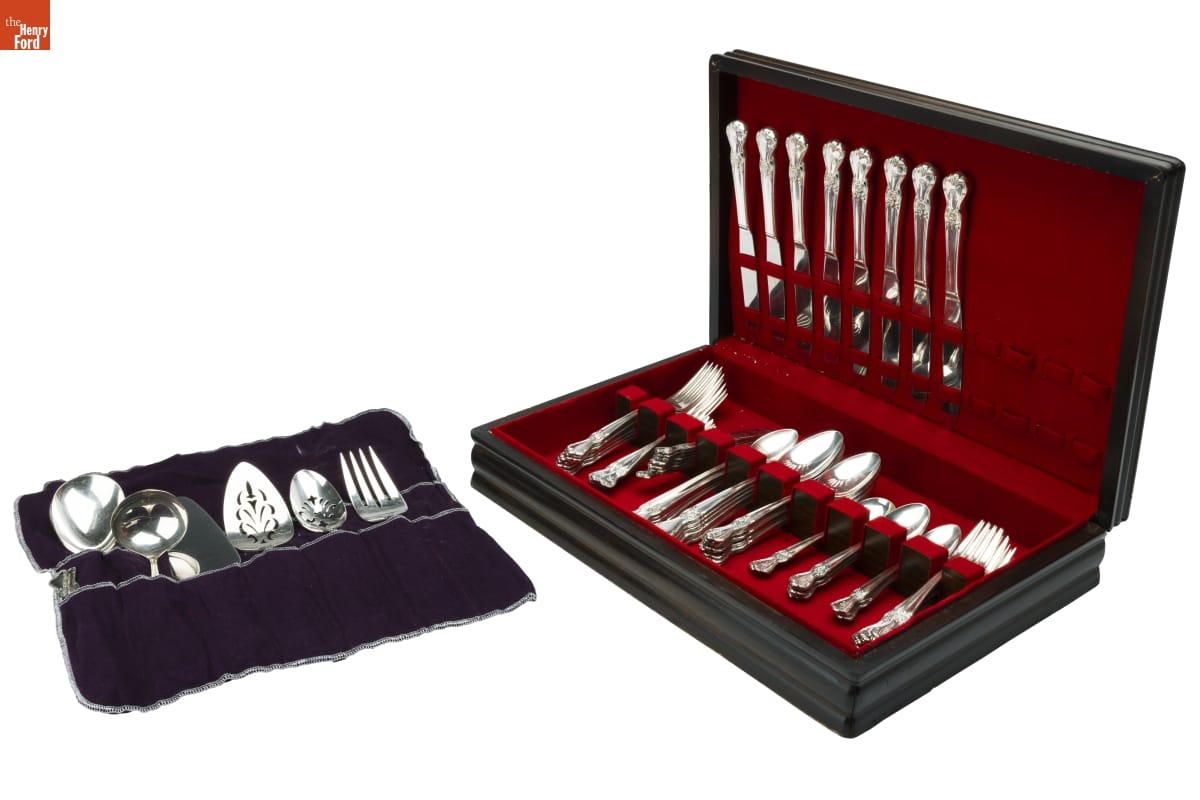
"Old Company Plate Signature" Flatware Set with Case, 1950-1955
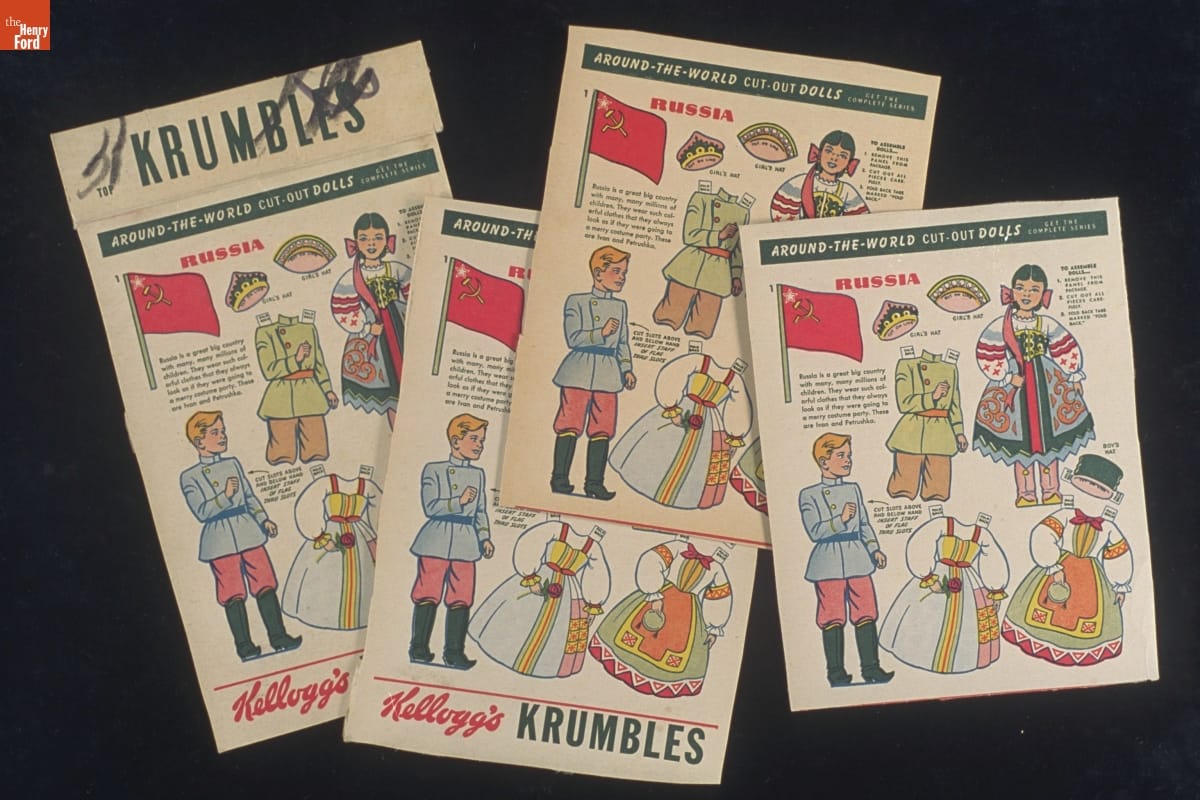
- Kellogg's Krumbles Around-the-World Cut-Out Dolls, Russia, 1946-1949 - The breakfast food manufacturer Kellogg's created attractive advertising premiums to entice customers to buy its products. In the late 1940s, as the United States became a global leader, the company printed cut-out paper dolls of children from around the world on the backs of Kellogg's Krumbles cereal boxes. Kellogg's Krumbles, a tasty toasted whole wheat cereal, was one of the company's best-selling products.
- 1946-1949
- Collections - Artifact
Kellogg's Krumbles Around-the-World Cut-Out Dolls, Russia, 1946-1949
The breakfast food manufacturer Kellogg's created attractive advertising premiums to entice customers to buy its products. In the late 1940s, as the United States became a global leader, the company printed cut-out paper dolls of children from around the world on the backs of Kellogg's Krumbles cereal boxes. Kellogg's Krumbles, a tasty toasted whole wheat cereal, was one of the company's best-selling products.
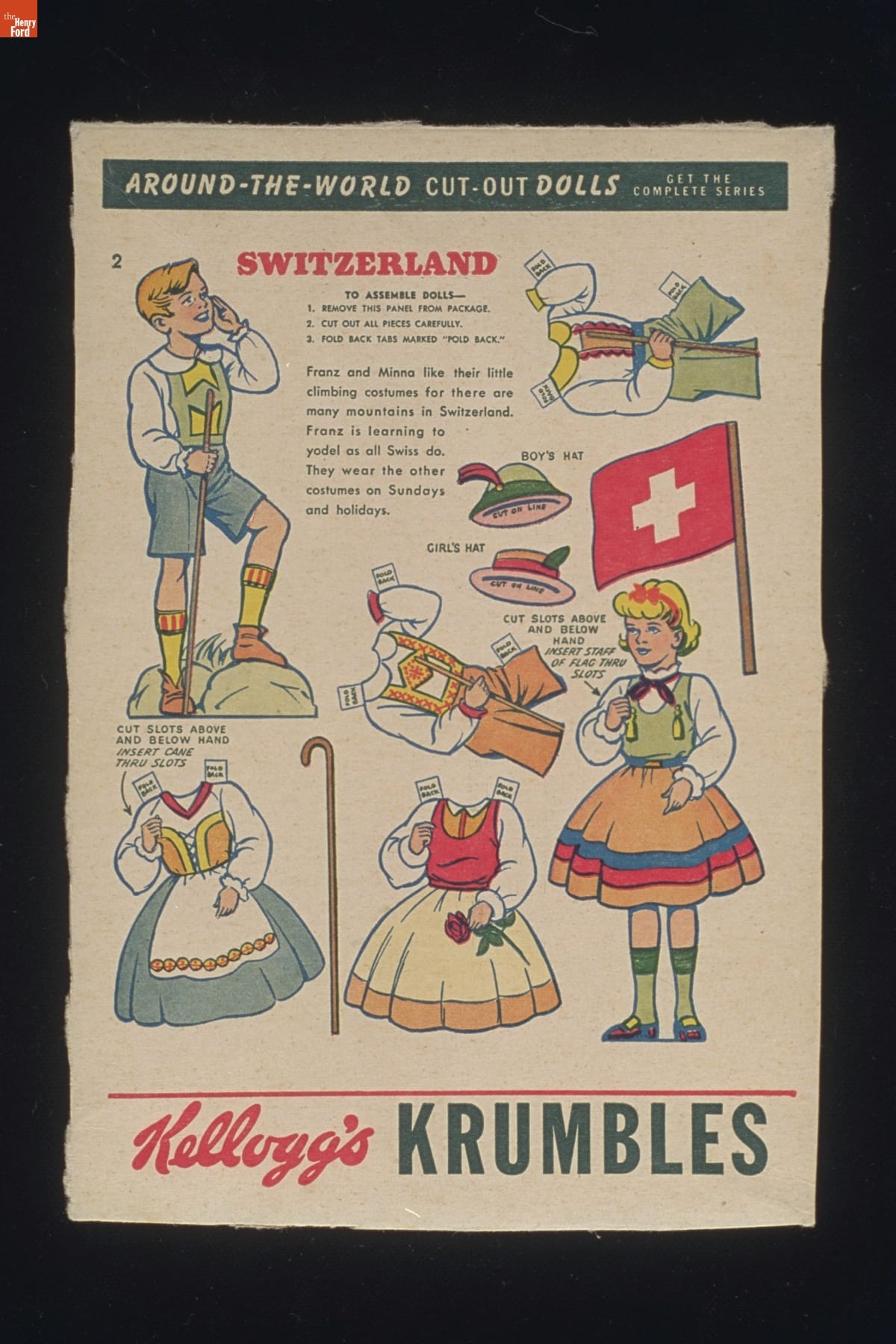
- Kellogg's Krumbles Around-the-World Cut-Out Dolls, Switzerland, 1946-1949 - The breakfast food manufacturer Kellogg's created attractive advertising premiums to entice customers to buy its products. In the late 1940s, as the United States became a global leader, the company printed cut-out paper dolls of children from around the world on the backs of Kellogg's Krumbles cereal boxes. Kellogg's Krumbles, a tasty toasted whole wheat cereal, was one of the company's best-selling products.
- 1946-1949
- Collections - Artifact
Kellogg's Krumbles Around-the-World Cut-Out Dolls, Switzerland, 1946-1949
The breakfast food manufacturer Kellogg's created attractive advertising premiums to entice customers to buy its products. In the late 1940s, as the United States became a global leader, the company printed cut-out paper dolls of children from around the world on the backs of Kellogg's Krumbles cereal boxes. Kellogg's Krumbles, a tasty toasted whole wheat cereal, was one of the company's best-selling products.