
Search
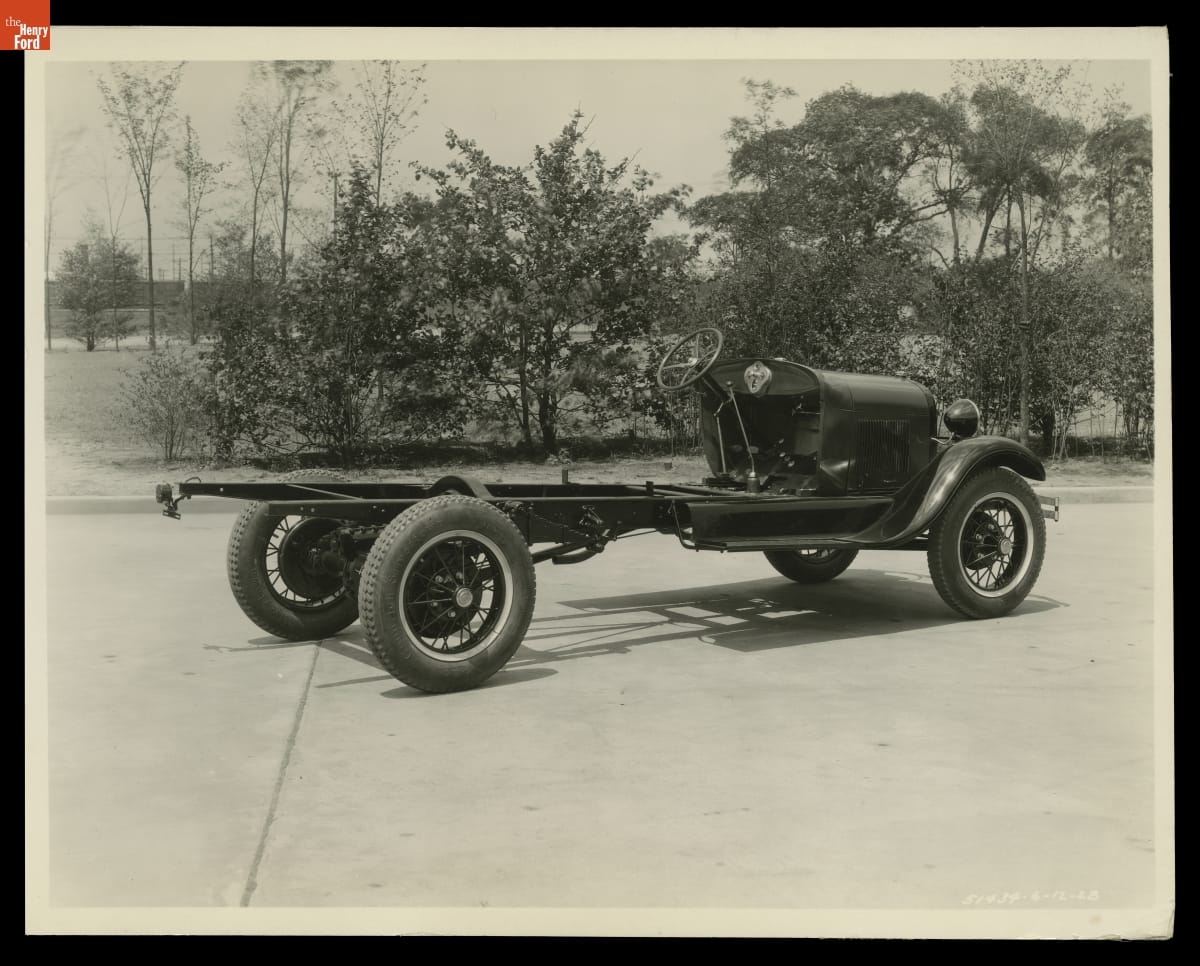
- Ford Model AA Truck Chassis, June 1928 - Ford Motor Company's Model AA truck was based on its Model A automobile platform, but with a longer wheelbase, a stronger frame, and generally sturdier chassis components. The Model AA was available in several body styles to permit its use as a panel truck, an express delivery truck, a garbage truck, a bus, or an ambulance, among other options.
- June 12, 1928
- Collections - Artifact
Ford Model AA Truck Chassis, June 1928
Ford Motor Company's Model AA truck was based on its Model A automobile platform, but with a longer wheelbase, a stronger frame, and generally sturdier chassis components. The Model AA was available in several body styles to permit its use as a panel truck, an express delivery truck, a garbage truck, a bus, or an ambulance, among other options.
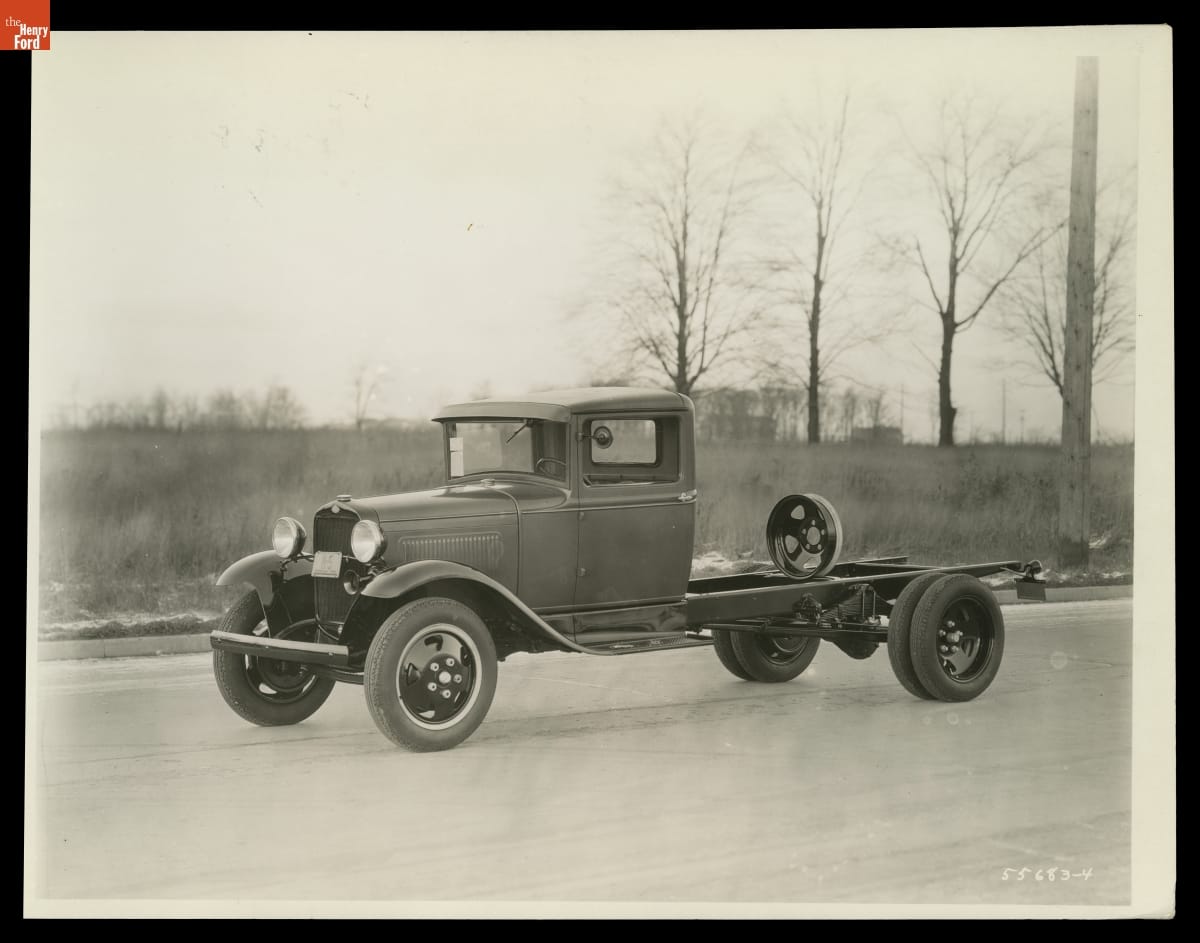
- Ford Model AA Truck Chassis with Closed Cab, December 1930 - Ford Motor Company's Model AA truck was based on its Model A automobile platform, but with a longer wheelbase, a stronger frame, and generally sturdier chassis components. The Model AA was available in several body styles to permit its use as a panel truck, an express delivery truck, a garbage truck, a bus, or an ambulance, among other options.
- December 16, 1930
- Collections - Artifact
Ford Model AA Truck Chassis with Closed Cab, December 1930
Ford Motor Company's Model AA truck was based on its Model A automobile platform, but with a longer wheelbase, a stronger frame, and generally sturdier chassis components. The Model AA was available in several body styles to permit its use as a panel truck, an express delivery truck, a garbage truck, a bus, or an ambulance, among other options.
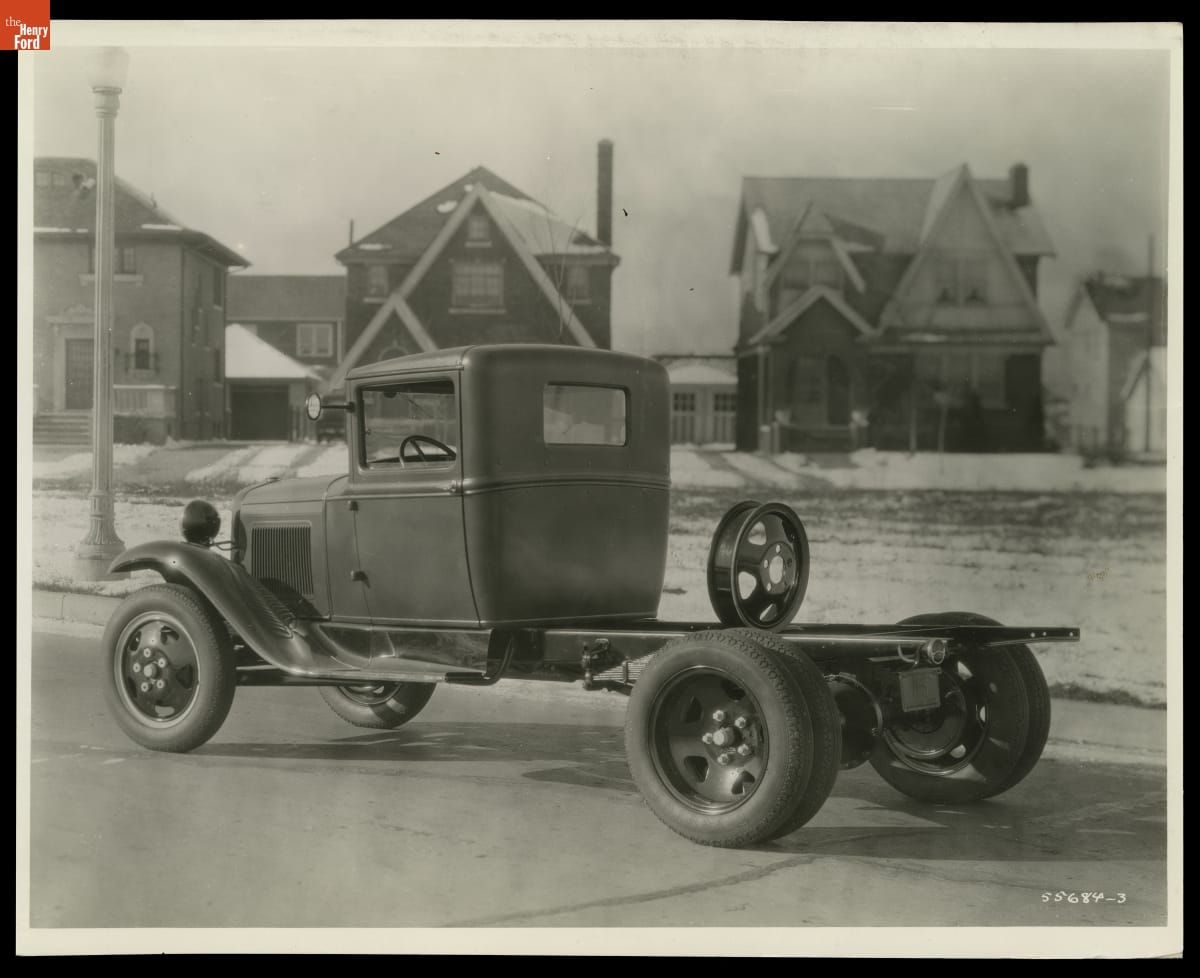
- Ford Model AA Truck Chassis with Closed Cab, December 1930 - Ford Motor Company's Model AA truck was based on its Model A automobile platform, but with a longer wheelbase, a stronger frame, and generally sturdier chassis components. The Model AA was available in several body styles to permit its use as a panel truck, an express delivery truck, a garbage truck, a bus, or an ambulance, among other options.
- December 17, 1930
- Collections - Artifact
Ford Model AA Truck Chassis with Closed Cab, December 1930
Ford Motor Company's Model AA truck was based on its Model A automobile platform, but with a longer wheelbase, a stronger frame, and generally sturdier chassis components. The Model AA was available in several body styles to permit its use as a panel truck, an express delivery truck, a garbage truck, a bus, or an ambulance, among other options.
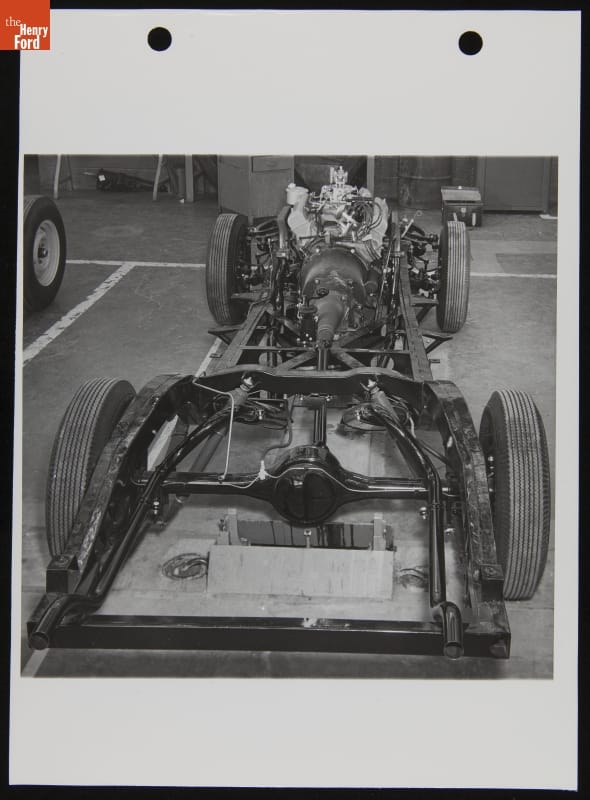
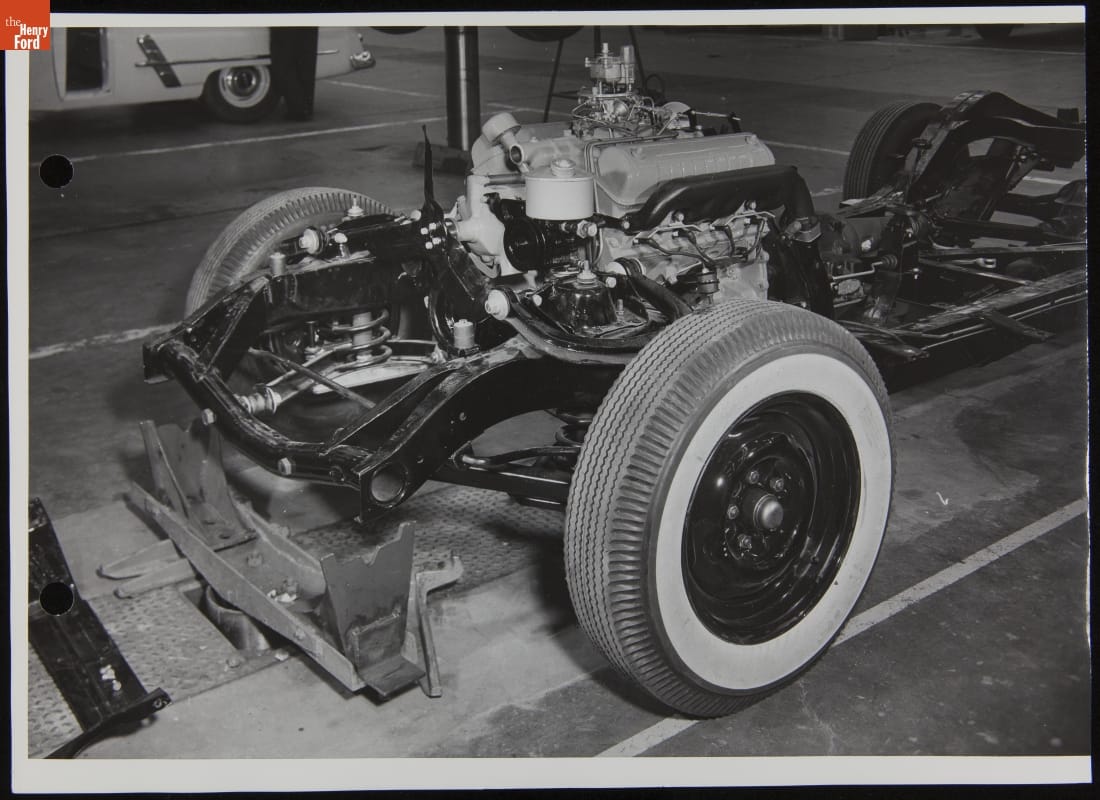
- Ford Sports Car Chassis, December 1953 -
- December 28, 1953
- Collections - Artifact
Ford Sports Car Chassis, December 1953
- Ford Sports Car Chassis, December 1953 -
- December 28, 1953
- Collections - Artifact
Ford Sports Car Chassis, December 1953
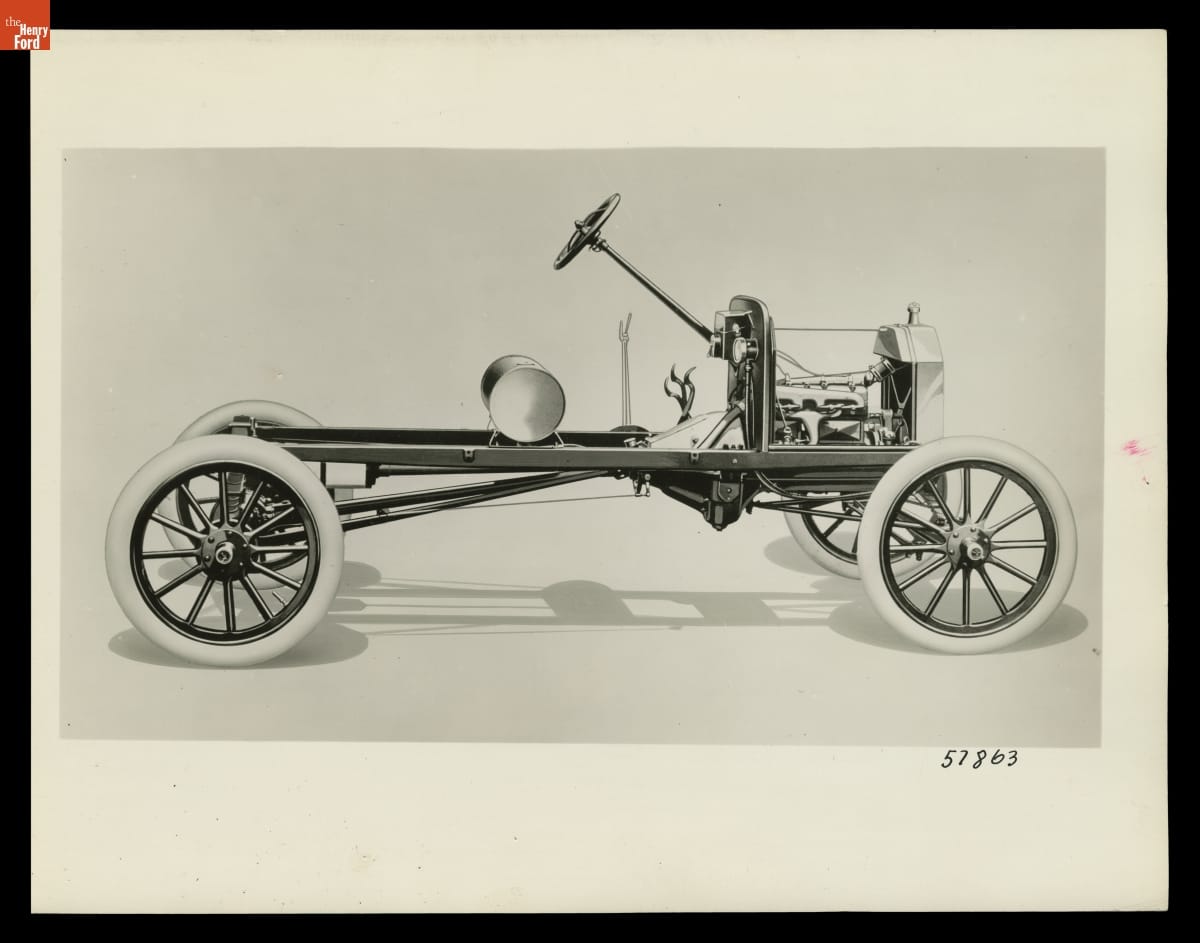
- 1908 Ford Model T Chassis - The Ford Model T's chassis was built to take punishment from the poor roads in America circa 1910. It was light and flexible, designed to bend rather than break with each bump and jolt. Customers had the option of purchasing just the chassis and powertrain. They could either source a body from a separate coachbuilder or make their own.
- August 17, 1933
- Collections - Artifact
1908 Ford Model T Chassis
The Ford Model T's chassis was built to take punishment from the poor roads in America circa 1910. It was light and flexible, designed to bend rather than break with each bump and jolt. Customers had the option of purchasing just the chassis and powertrain. They could either source a body from a separate coachbuilder or make their own.
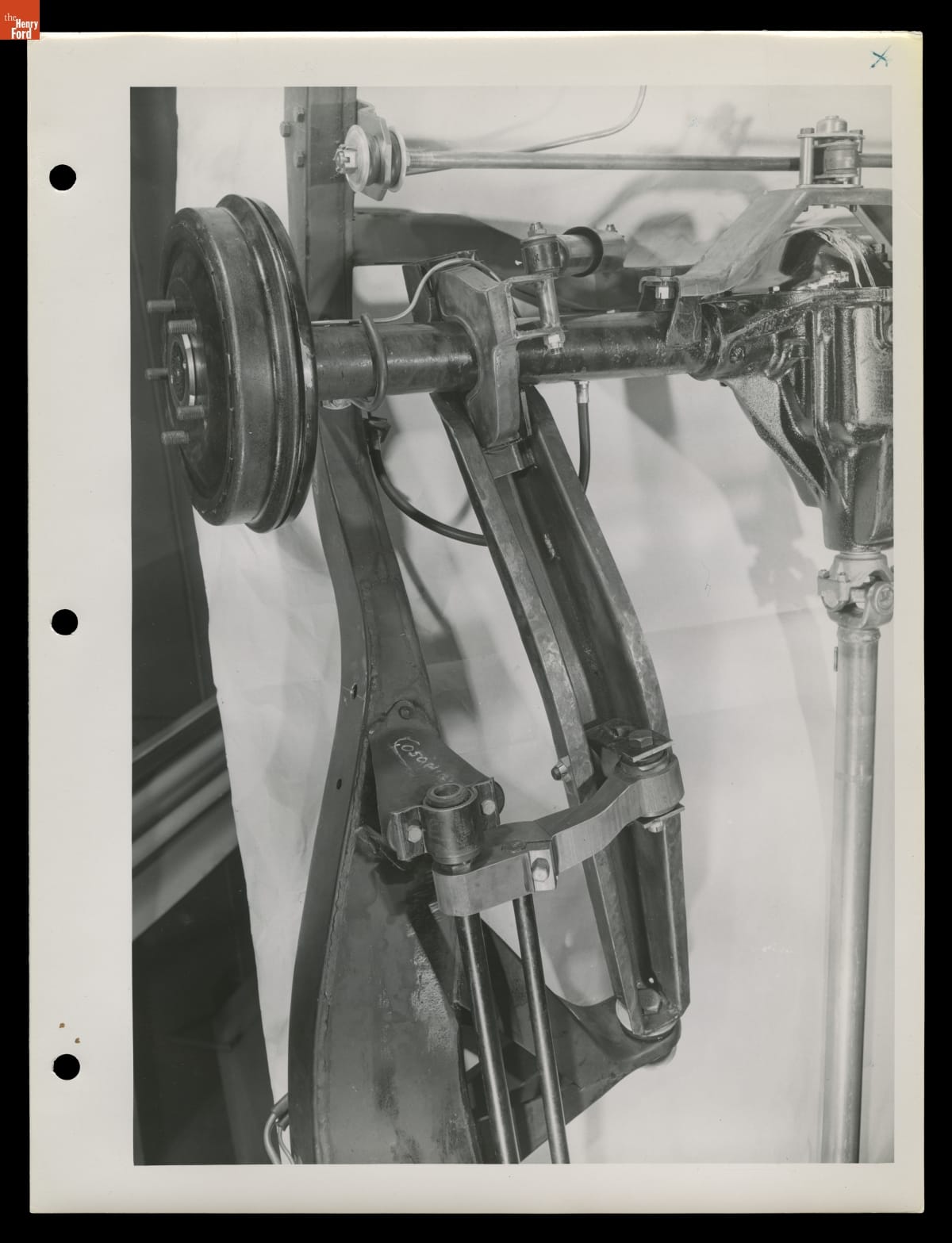
- Pre-Prototype Chassis Construction, Studebaker-Packard Corporation 57th Series Product Program, 1951-1956 - Studebaker and Packard merged in 1954, hoping to solve financial problems at both companies. The new corporation marketed its cars as two distinct brands until 1958, though by 1957 Packard cars were essentially rebadged Studebakers. This photo shows work on the 57th series -- continuing Packard's tradition of series designations rather than model years.
- 1951-1956
- Collections - Artifact
Pre-Prototype Chassis Construction, Studebaker-Packard Corporation 57th Series Product Program, 1951-1956
Studebaker and Packard merged in 1954, hoping to solve financial problems at both companies. The new corporation marketed its cars as two distinct brands until 1958, though by 1957 Packard cars were essentially rebadged Studebakers. This photo shows work on the 57th series -- continuing Packard's tradition of series designations rather than model years.
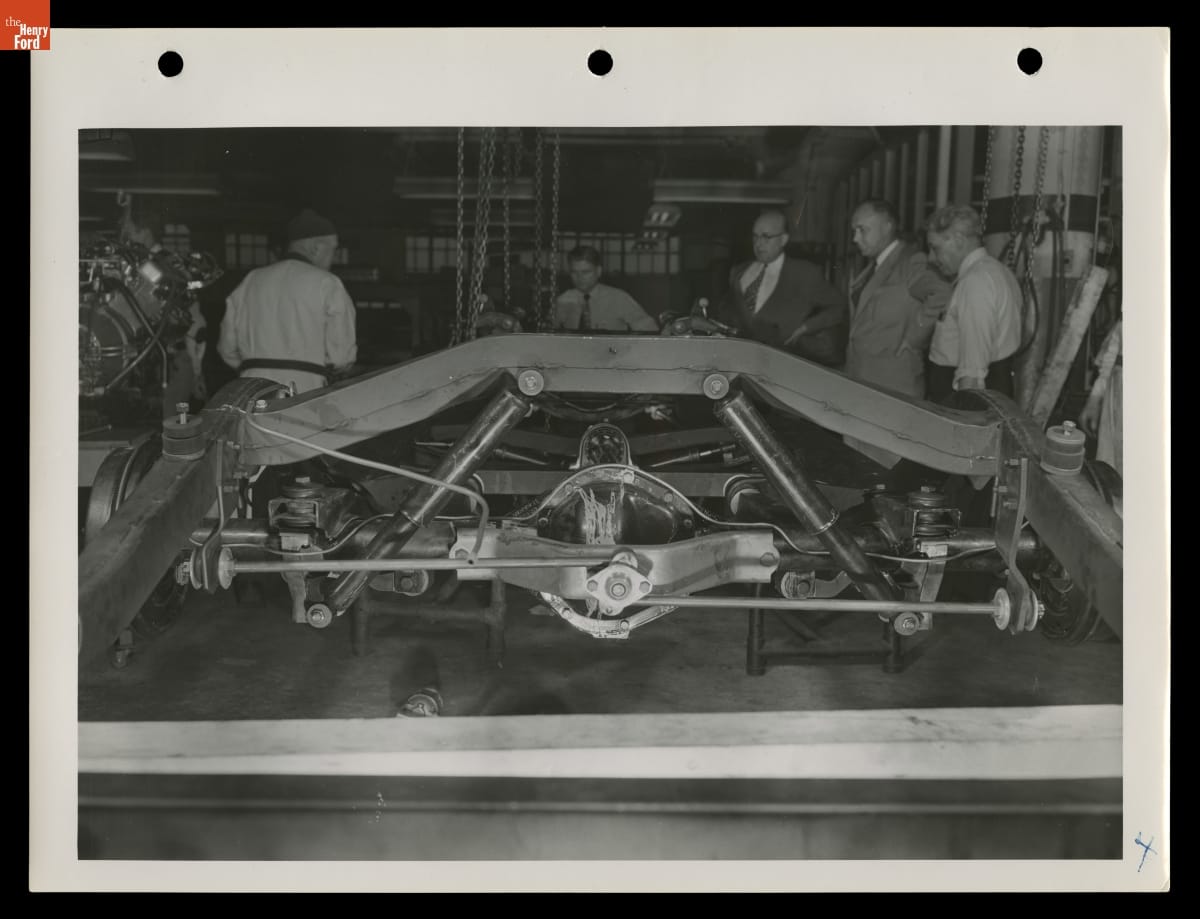
- Pre-Prototype Chassis Construction, Studebaker-Packard Corporation 57th Series Product Program, 1951-1956 - Studebaker and Packard merged in 1954, hoping to solve financial problems at both companies. The new corporation marketed its cars as two distinct brands until 1958, though by 1957 Packard cars were essentially rebadged Studebakers. This photo shows work on the 57th series -- continuing Packard's tradition of series designations rather than model years.
- 1951-1956
- Collections - Artifact
Pre-Prototype Chassis Construction, Studebaker-Packard Corporation 57th Series Product Program, 1951-1956
Studebaker and Packard merged in 1954, hoping to solve financial problems at both companies. The new corporation marketed its cars as two distinct brands until 1958, though by 1957 Packard cars were essentially rebadged Studebakers. This photo shows work on the 57th series -- continuing Packard's tradition of series designations rather than model years.
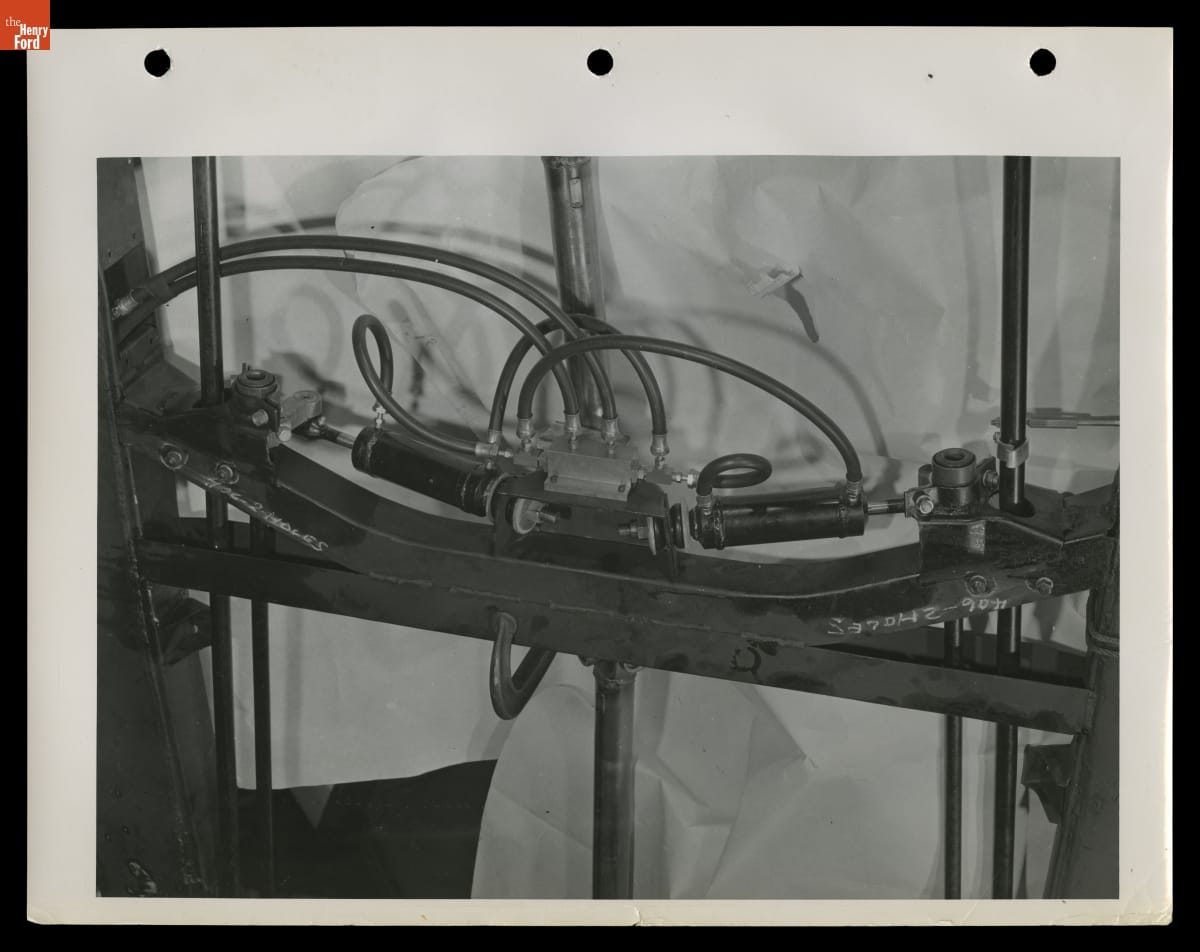
- Pre-Prototype Chassis Construction, Studebaker-Packard Corporation 57th Series Product Program, 1951-1956 - Studebaker and Packard merged in 1954, hoping to solve financial problems at both companies. The new corporation marketed its cars as two distinct brands until 1958, though by 1957 Packard cars were essentially rebadged Studebakers. This photo shows work on the 57th series -- continuing Packard's tradition of series designations rather than model years.
- 1951-1956
- Collections - Artifact
Pre-Prototype Chassis Construction, Studebaker-Packard Corporation 57th Series Product Program, 1951-1956
Studebaker and Packard merged in 1954, hoping to solve financial problems at both companies. The new corporation marketed its cars as two distinct brands until 1958, though by 1957 Packard cars were essentially rebadged Studebakers. This photo shows work on the 57th series -- continuing Packard's tradition of series designations rather than model years.
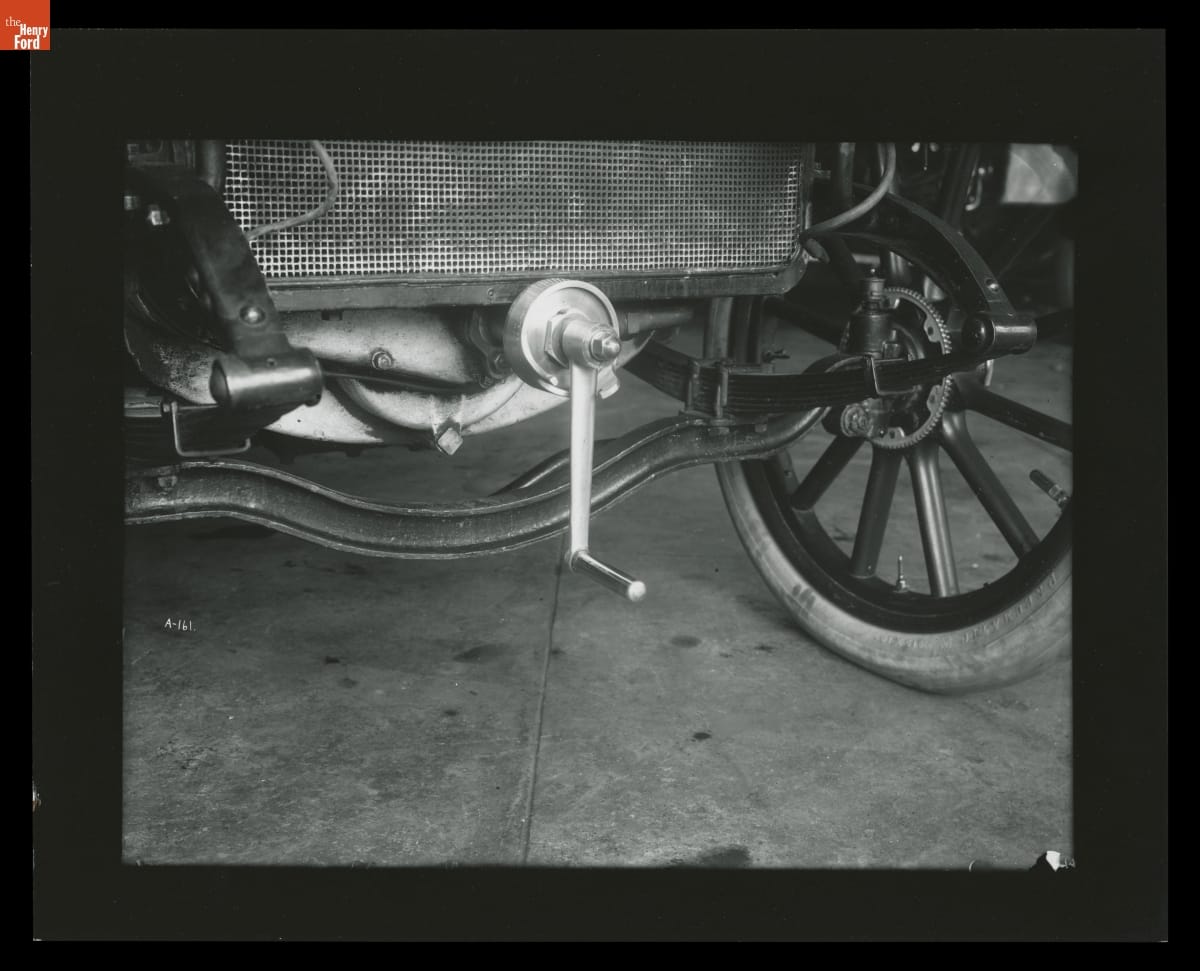
- ALCO Automobile Chassis, 1910-1911 - American Locomotive Company (ALCO) was best known for the steam and diesel-electric railroad locomotives it built from 1901 until 1969. But the company also manufactured automobiles from 1906 to 1913. Ironically, ALCO never produced a steam-powered car, relying instead on gasoline-fueled internal combustion engines. Harry Grant won the Vanderbilt Cup with an ALCO race car in 1909 and 1910.
- 1910-1911
- Collections - Artifact
ALCO Automobile Chassis, 1910-1911
American Locomotive Company (ALCO) was best known for the steam and diesel-electric railroad locomotives it built from 1901 until 1969. But the company also manufactured automobiles from 1906 to 1913. Ironically, ALCO never produced a steam-powered car, relying instead on gasoline-fueled internal combustion engines. Harry Grant won the Vanderbilt Cup with an ALCO race car in 1909 and 1910.