
Search
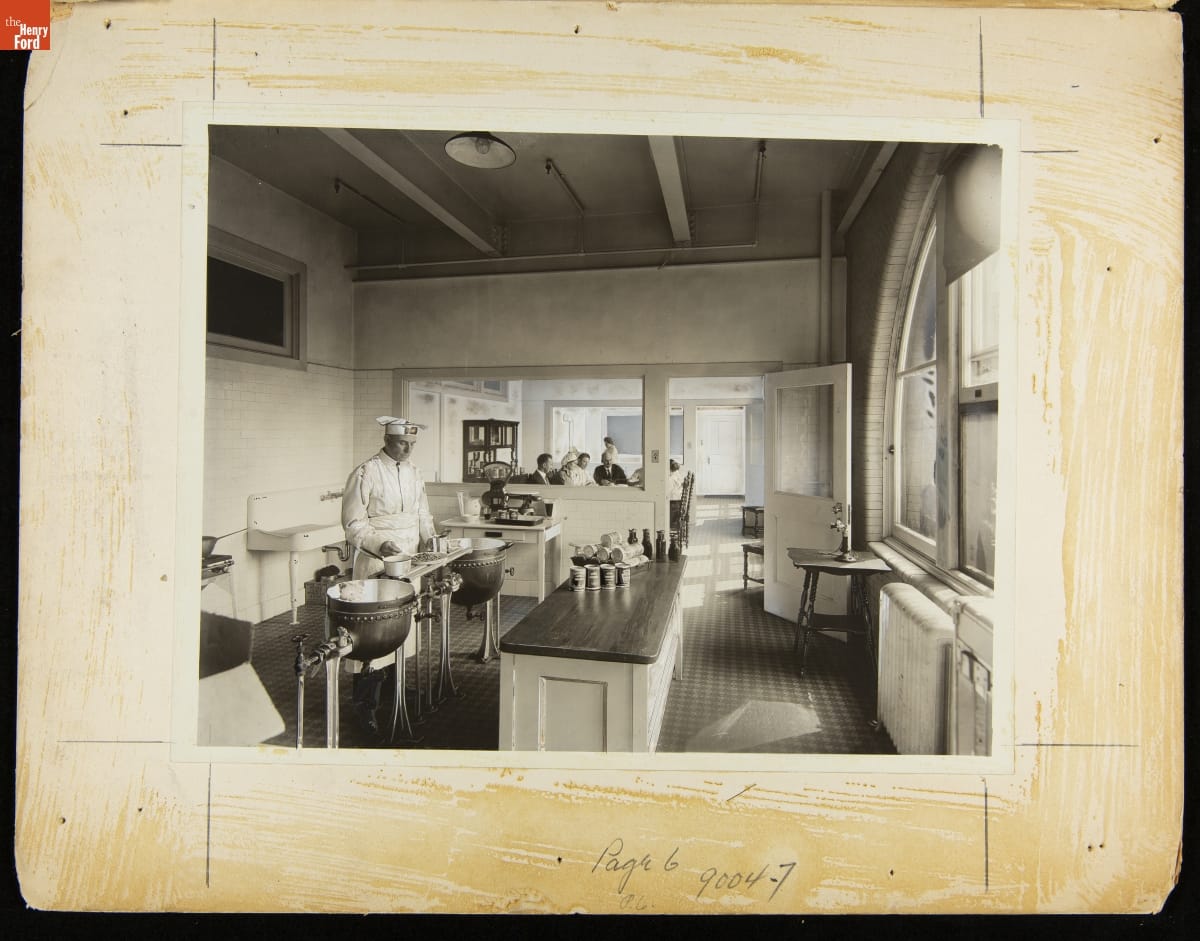
- Advertising Layout Photograph of Heinz Taste Testing Room, circa 1915 - Photographs of the H.J. Heinz factory -- including buildings, employees, transportation methods, and the manufacturing process -- were often taken and then modified for advertising and publications. This advertising layout features a modified photograph of the Heinz taste-testing room where products are tested to ensure a consistent taste and quality.
- circa 1915
- Collections - Artifact
Advertising Layout Photograph of Heinz Taste Testing Room, circa 1915
Photographs of the H.J. Heinz factory -- including buildings, employees, transportation methods, and the manufacturing process -- were often taken and then modified for advertising and publications. This advertising layout features a modified photograph of the Heinz taste-testing room where products are tested to ensure a consistent taste and quality.
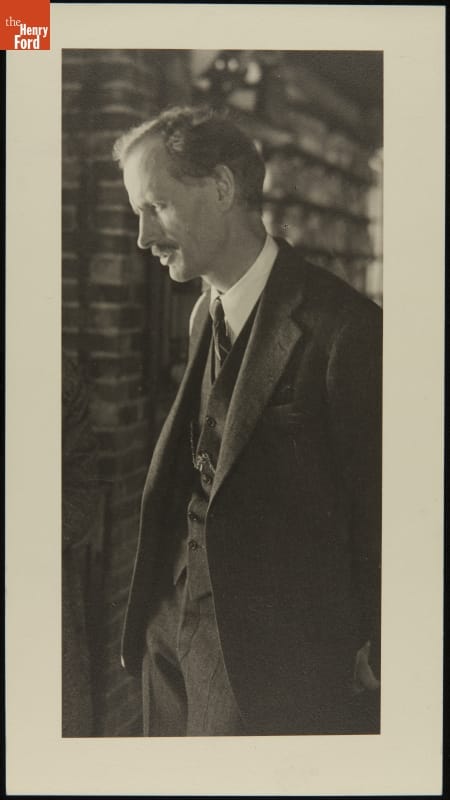
- Portrait of Jean Piccard, November 1933 - The Piccard stratosphere flight departed Ford Airport October 23, 1934. Spouses Jean and Jeannette Piccard ascended 10.9 miles in a magnesium gondola carried by a hydrogen balloon. The Piccards were guests of Henry Ford at the Dearborn Inn while Jeannette trained for flight. This image depicts Jean standing in the Menlo Park Laboratory at Greenfield Village.
- November 01, 1933
- Collections - Artifact
Portrait of Jean Piccard, November 1933
The Piccard stratosphere flight departed Ford Airport October 23, 1934. Spouses Jean and Jeannette Piccard ascended 10.9 miles in a magnesium gondola carried by a hydrogen balloon. The Piccards were guests of Henry Ford at the Dearborn Inn while Jeannette trained for flight. This image depicts Jean standing in the Menlo Park Laboratory at Greenfield Village.
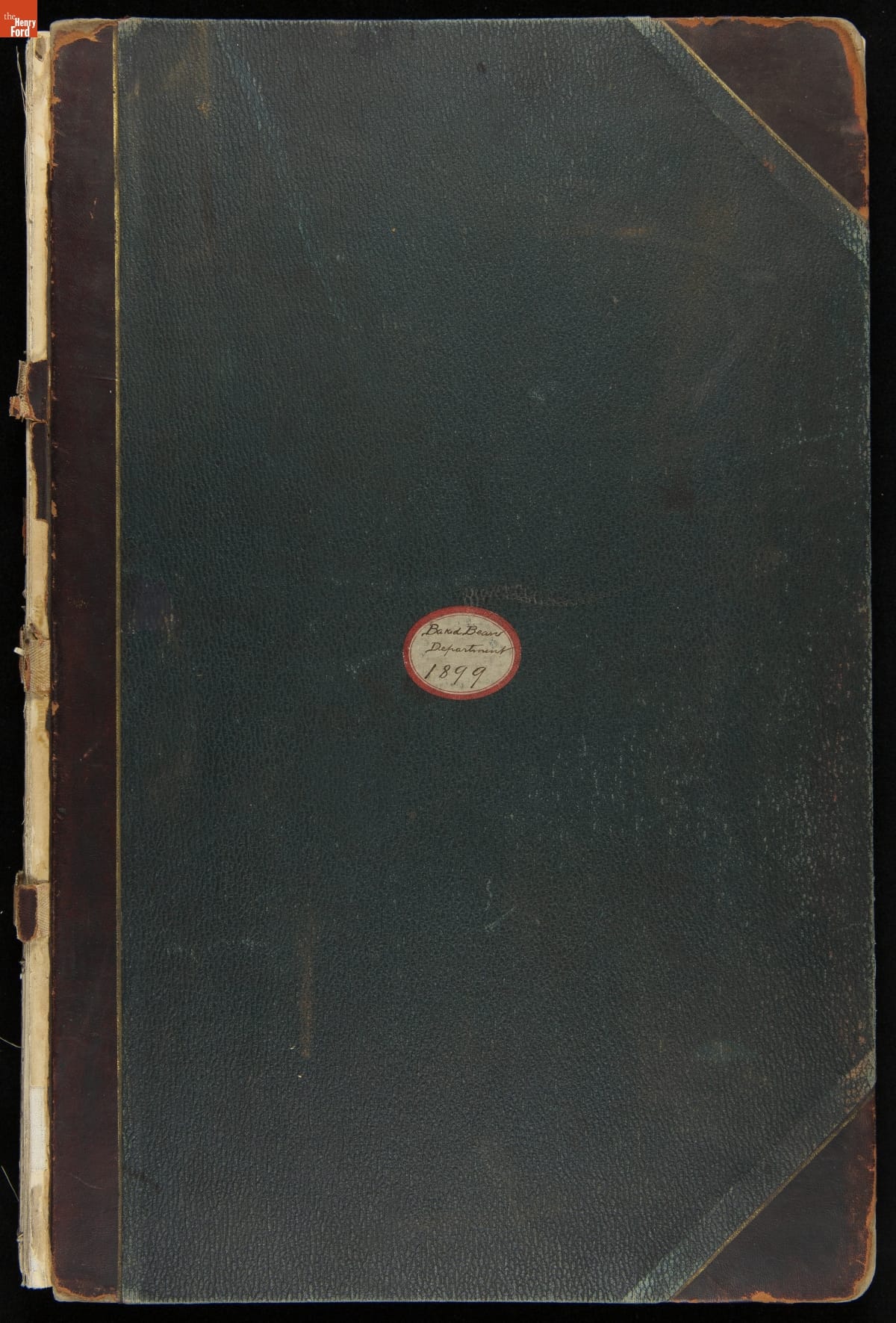
- Inventory for the Heinz Company Canning Department, 1899 - This inventory for the H.J. Heinz Company Canning Department includes a brief history of the department, which canned baked beans, tomato soup, and pork beans, to name a few. Additionally, this book contains a record of the process by the numbers, including the number of cans filled, labeled, and packaged for shipping, and the number of damaged cans per week, among other records.
- 1899
- Collections - Artifact
Inventory for the Heinz Company Canning Department, 1899
This inventory for the H.J. Heinz Company Canning Department includes a brief history of the department, which canned baked beans, tomato soup, and pork beans, to name a few. Additionally, this book contains a record of the process by the numbers, including the number of cans filled, labeled, and packaged for shipping, and the number of damaged cans per week, among other records.
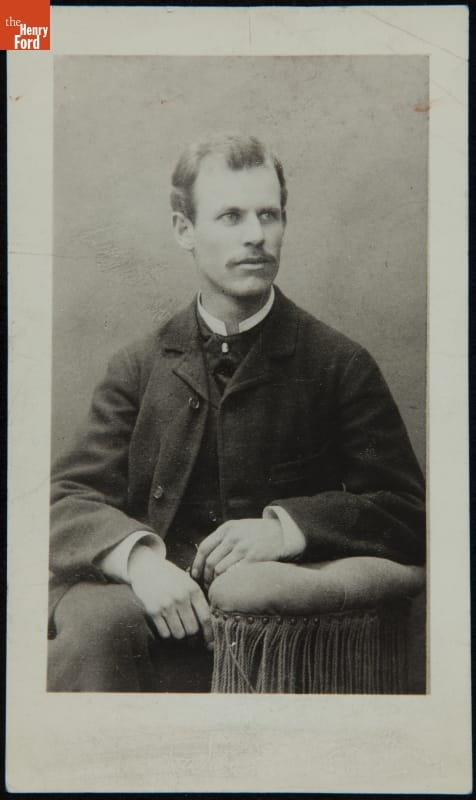
- Portrait of Dr. Edward G. Acheson, 1880 -
- 1880
- Collections - Artifact
Portrait of Dr. Edward G. Acheson, 1880
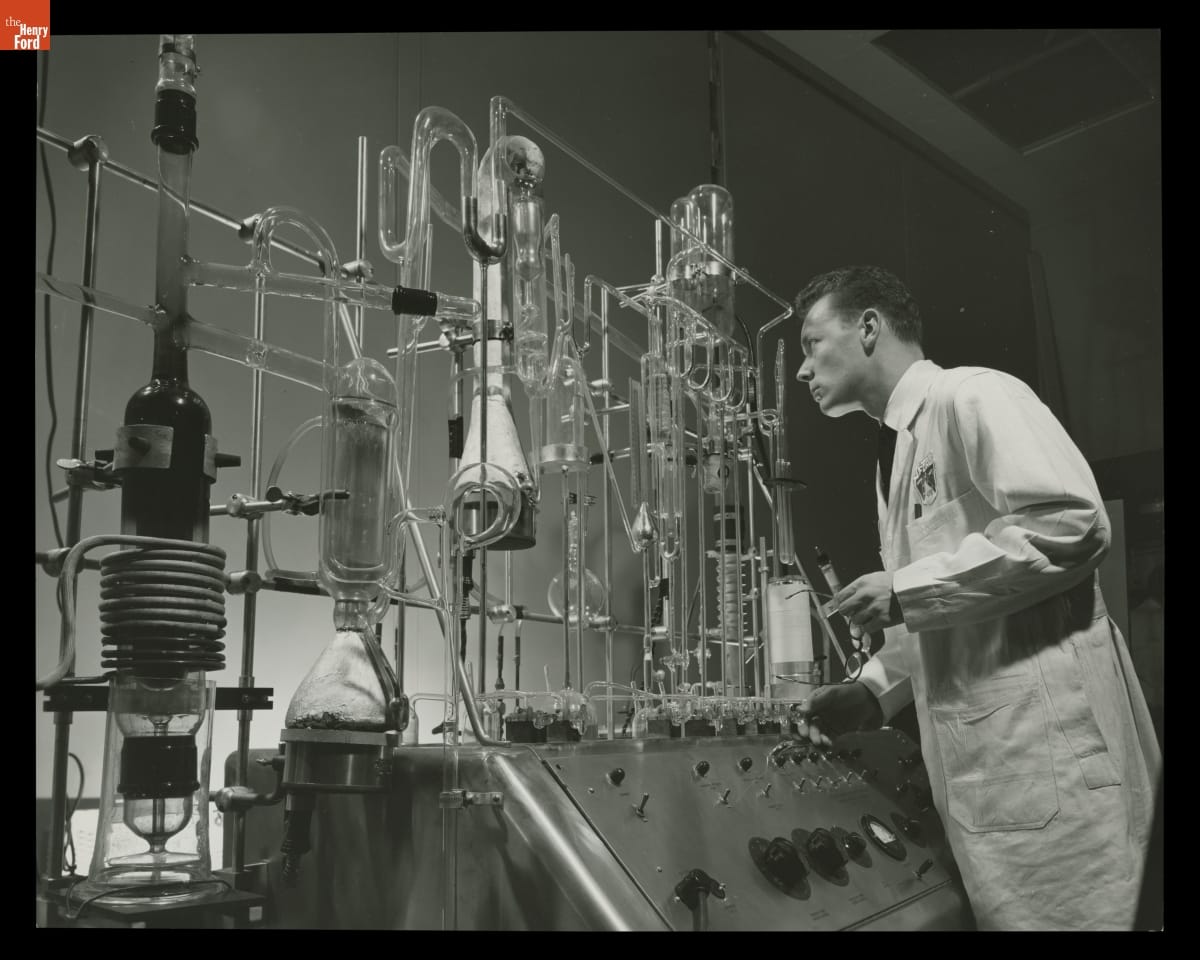
- Chemistry Lab at Ford Motor Company Research & Engineering Center, Dearborn, Michigan, January 1953 - Ford Motor Company built a new Research and Engineering Center in Dearborn, Michigan, in the 1950s. The project required eight years of construction and $50 million of funding, but it served the automaker well for six decades. In 2019, Ford announced plans to renovate and rebuild the facility.
- January 29, 1953
- Collections - Artifact
Chemistry Lab at Ford Motor Company Research & Engineering Center, Dearborn, Michigan, January 1953
Ford Motor Company built a new Research and Engineering Center in Dearborn, Michigan, in the 1950s. The project required eight years of construction and $50 million of funding, but it served the automaker well for six decades. In 2019, Ford announced plans to renovate and rebuild the facility.
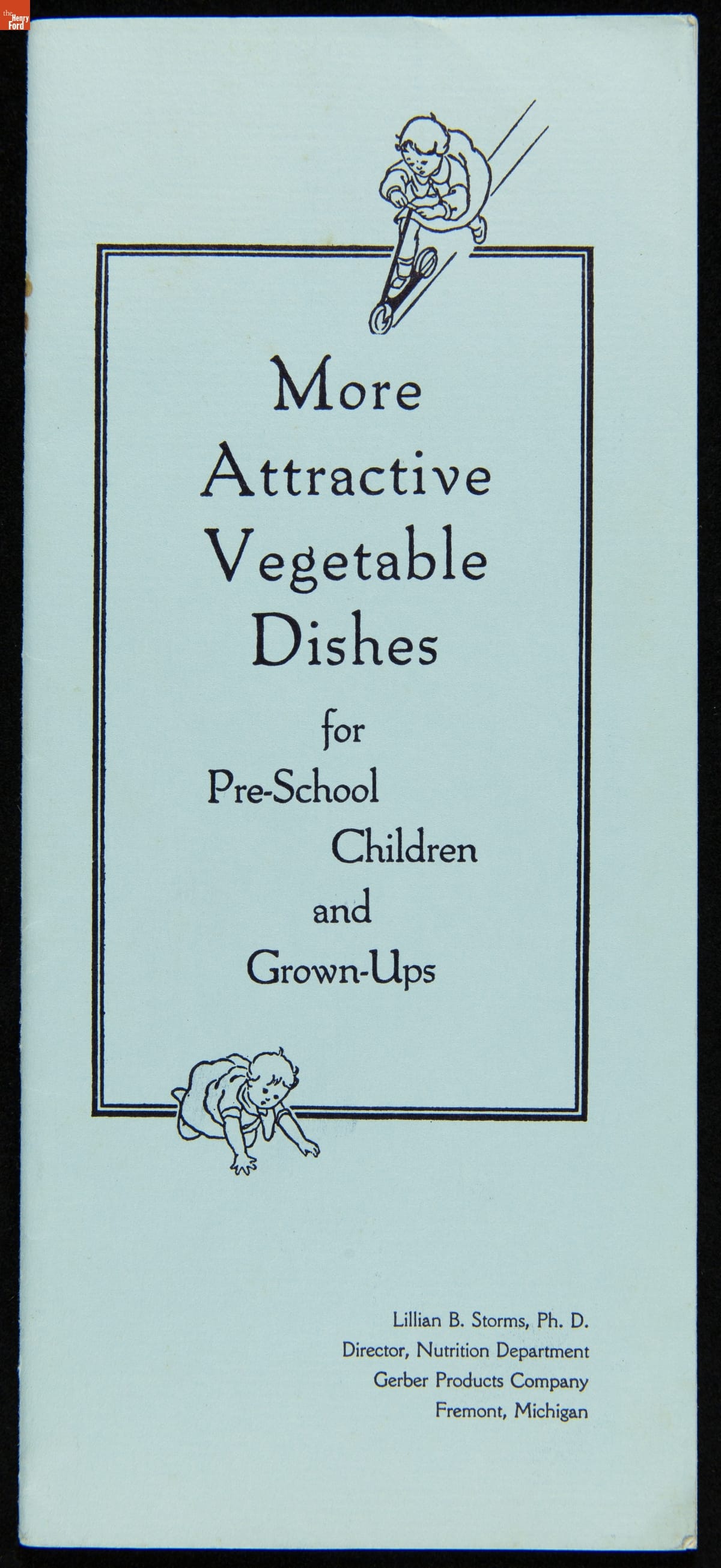
- Recipe Booklet, "Gerber Products Company, More Attractive Vegetable Dishes for Pre-School Children and Grown-Ups," circa 1933 -
- circa 1933
- Collections - Artifact
Recipe Booklet, "Gerber Products Company, More Attractive Vegetable Dishes for Pre-School Children and Grown-Ups," circa 1933
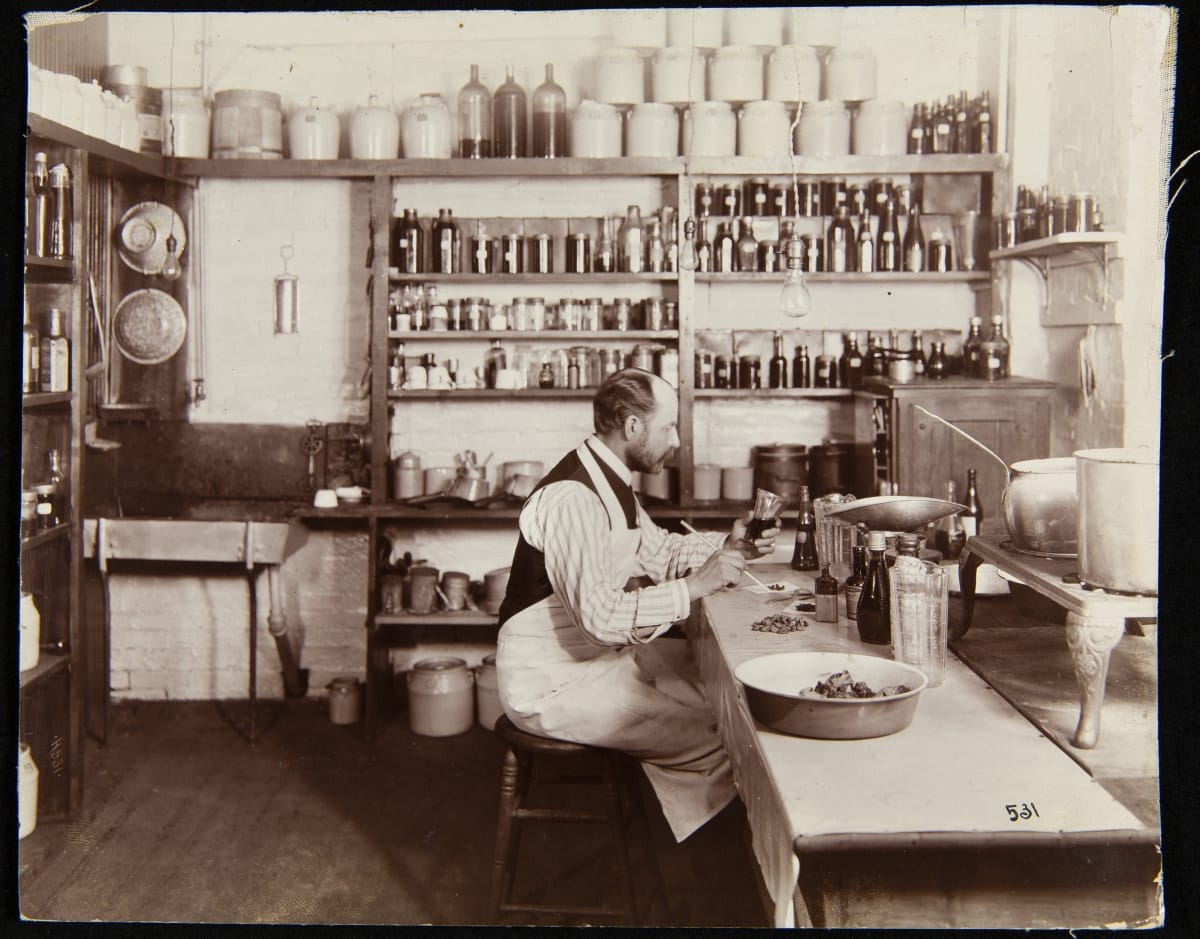
- Laboratory, H. J. Heinz Company, Pittsburgh, Pennsylvania, circa 1915 - H.J. Heinz, founder of the H.J. Heinz Company, dedicated himself to offering pure food products made of the best ingredients and following strict sanitation practices. This commitment, and a flair for marketing, made the Heinz brand a household name by the turn of the century. Within the factory, Heinz products were constantly scrutinized and examined for consistent quality and flavor.
- circa 1915
- Collections - Artifact
Laboratory, H. J. Heinz Company, Pittsburgh, Pennsylvania, circa 1915
H.J. Heinz, founder of the H.J. Heinz Company, dedicated himself to offering pure food products made of the best ingredients and following strict sanitation practices. This commitment, and a flair for marketing, made the Heinz brand a household name by the turn of the century. Within the factory, Heinz products were constantly scrutinized and examined for consistent quality and flavor.
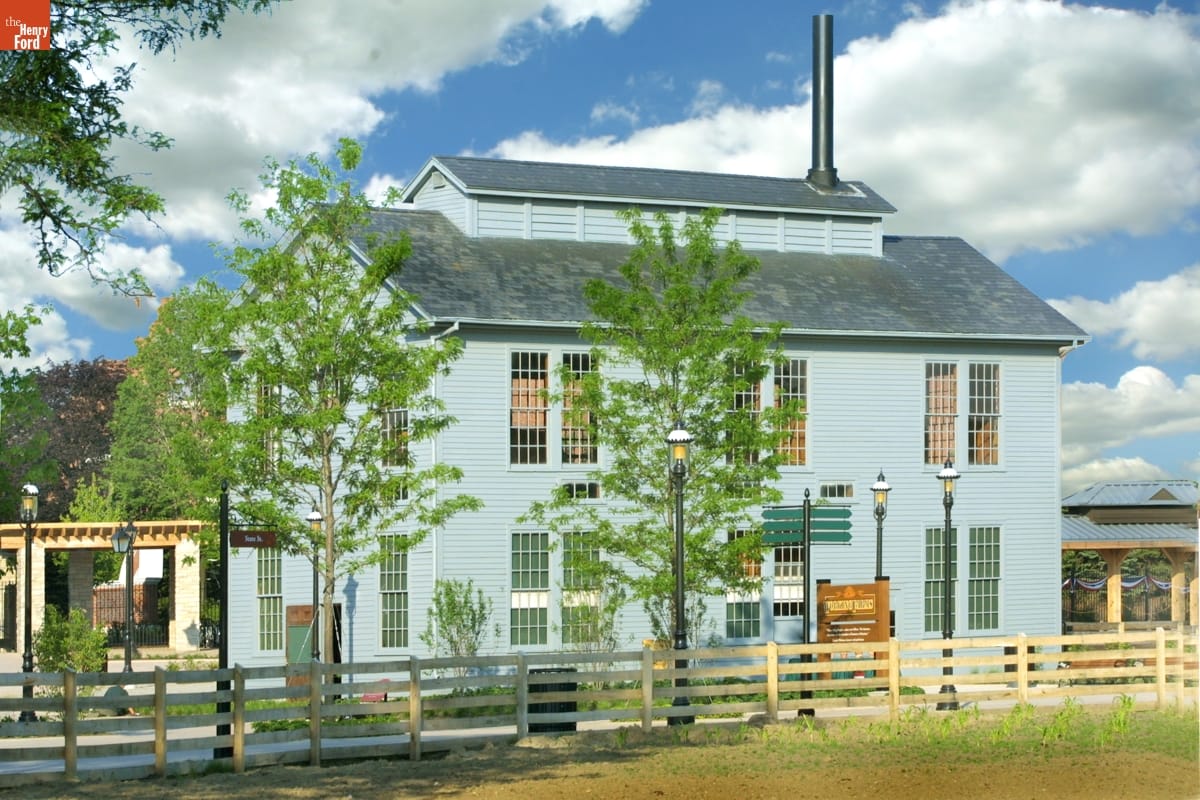
- Soybean Lab Agricultural Gallery - Constructed in Greenfield Village, this building was an experimental soybean research laboratory during the 1930s. Henry Ford was looking for ways that farmers could use crops for industrial purposes, especially in the manufacture of car parts. Special equipment was designed here to process soybeans into oil and meal. Today, this building houses agricultural implements from the museum's collections.
- 1929
- Collections - Artifact
Soybean Lab Agricultural Gallery
Constructed in Greenfield Village, this building was an experimental soybean research laboratory during the 1930s. Henry Ford was looking for ways that farmers could use crops for industrial purposes, especially in the manufacture of car parts. Special equipment was designed here to process soybeans into oil and meal. Today, this building houses agricultural implements from the museum's collections.
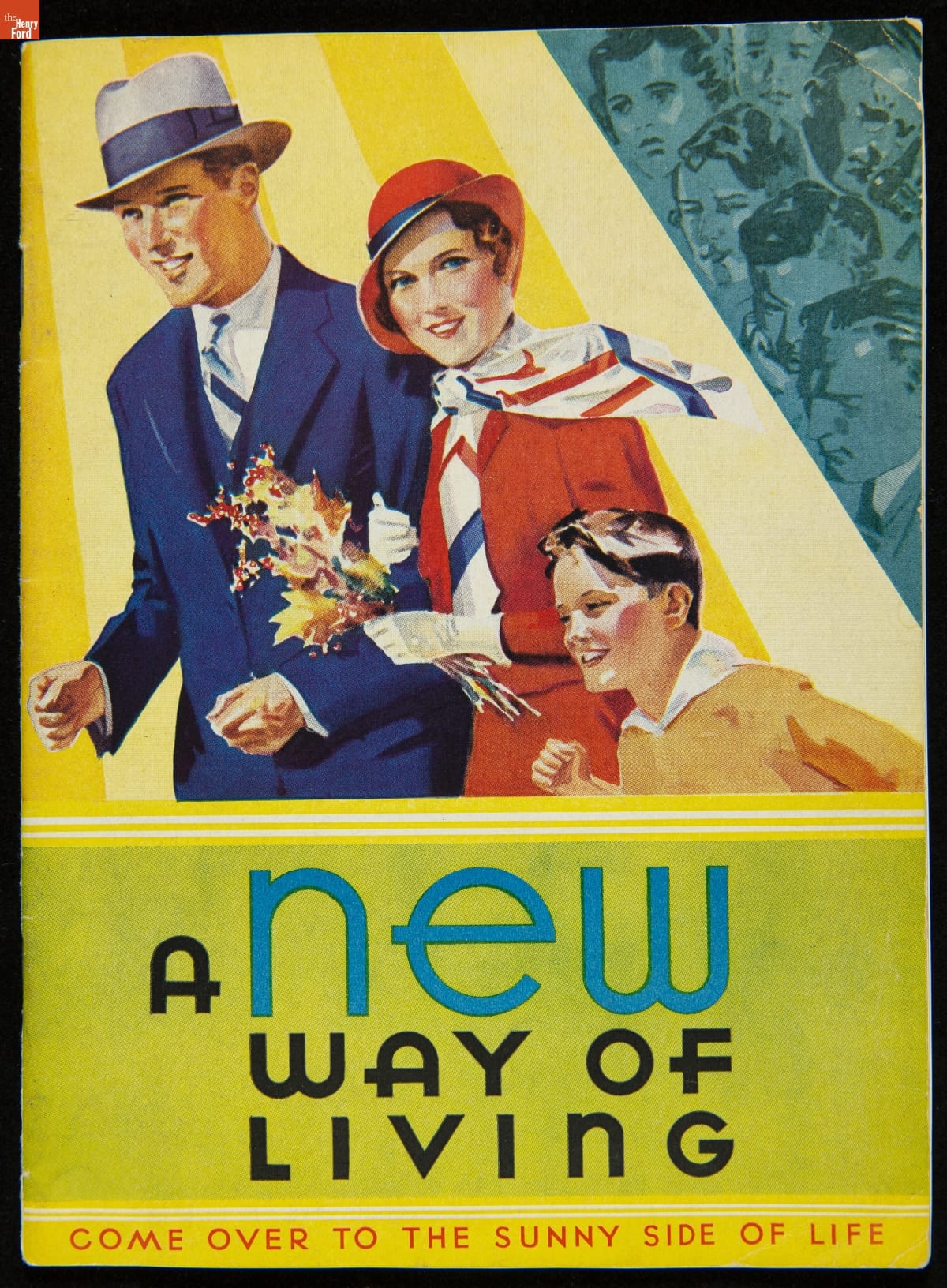
- Recipe Booklet, "Kellogg Company, A New Way of Living: Come Over to the Sunny Side of Life," 1932 - After inventing flaked corn with his brother, W.K. Kellogg entered the cereal business in 1906 with his first cereal, Kellogg's Corn Flakes. As the Kellogg Company's product line expanded, it was committed to offering healthful breakfast cereals. Kellogg's All-Bran, introduced in 1916, was featured in this recipe booklet, which offers recipes using the cereal and informs readers of the health benefits of eating bran.
- 1932
- Collections - Artifact
Recipe Booklet, "Kellogg Company, A New Way of Living: Come Over to the Sunny Side of Life," 1932
After inventing flaked corn with his brother, W.K. Kellogg entered the cereal business in 1906 with his first cereal, Kellogg's Corn Flakes. As the Kellogg Company's product line expanded, it was committed to offering healthful breakfast cereals. Kellogg's All-Bran, introduced in 1916, was featured in this recipe booklet, which offers recipes using the cereal and informs readers of the health benefits of eating bran.
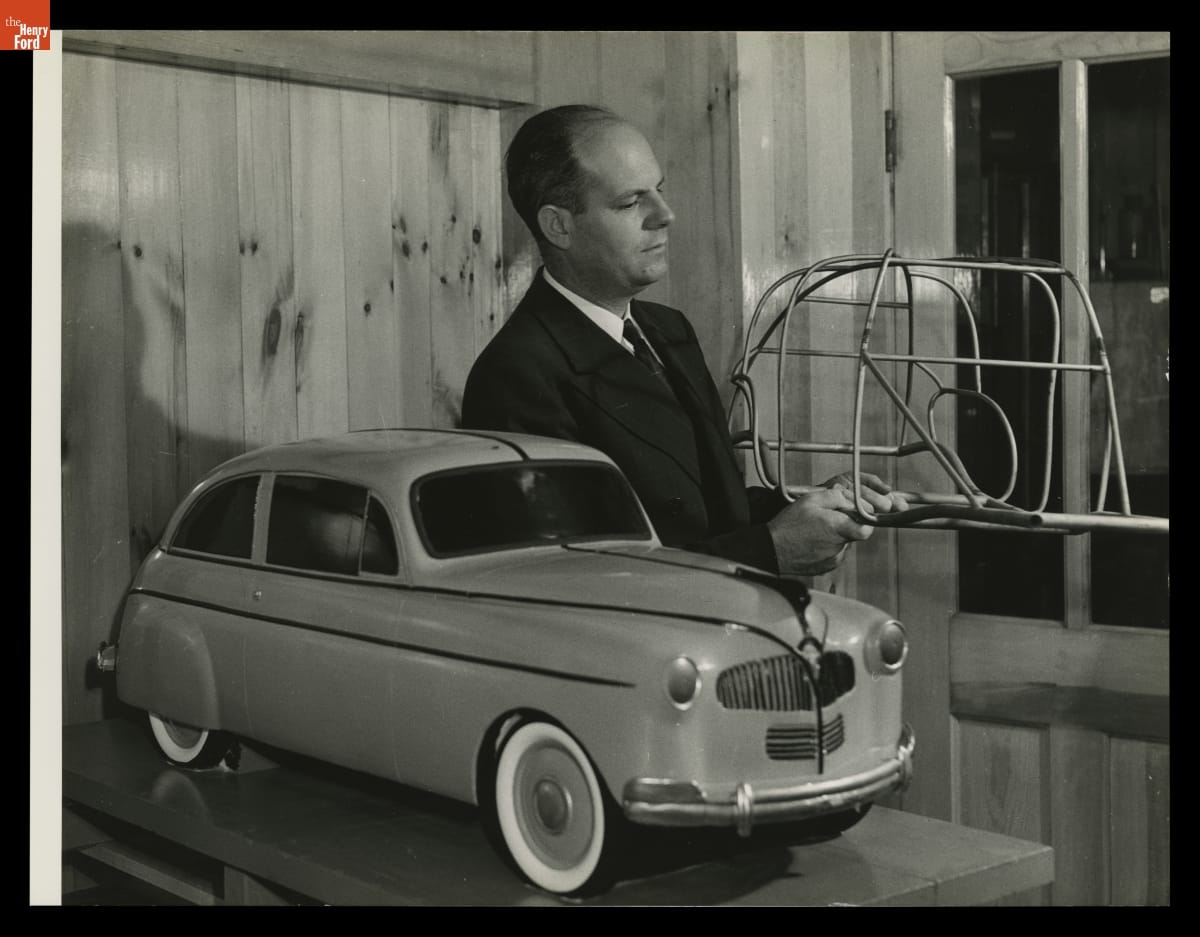
- Robert Boyer with Soybean Plastic Car Scale Model and Frame, 1941 - Robert Boyer, a chemist, oversaw a series of experiments at Greenfield Village's Soybean Laboratory. The undertaking resulted in this plastic-bodied car. Henry Ford had a strong interest in plastic automobile parts. Always partial to projects combining industry with agriculture, Ford hoped plastic made from soybeans might be developed into a safe, strong substitute for traditional metals.
- August 25, 1941
- Collections - Artifact
Robert Boyer with Soybean Plastic Car Scale Model and Frame, 1941
Robert Boyer, a chemist, oversaw a series of experiments at Greenfield Village's Soybean Laboratory. The undertaking resulted in this plastic-bodied car. Henry Ford had a strong interest in plastic automobile parts. Always partial to projects combining industry with agriculture, Ford hoped plastic made from soybeans might be developed into a safe, strong substitute for traditional metals.