
Search
- Henry Gee Preparing the Tree Shaker during Cherry Harvest, 1972 - Cherry growers hired pickers (often migrant laborers) to harvest their crops, but growers sought faster, less labor-intensive solutions. Agricultural engineers developed mechanical harvesters by the late 1960s. These machines shook the trees, causing the ripe fruit to drop onto collecting mats. This slide shows a stage in a mechanical harvest on a family farm in Michigan's cherry-growing region near Traverse City.
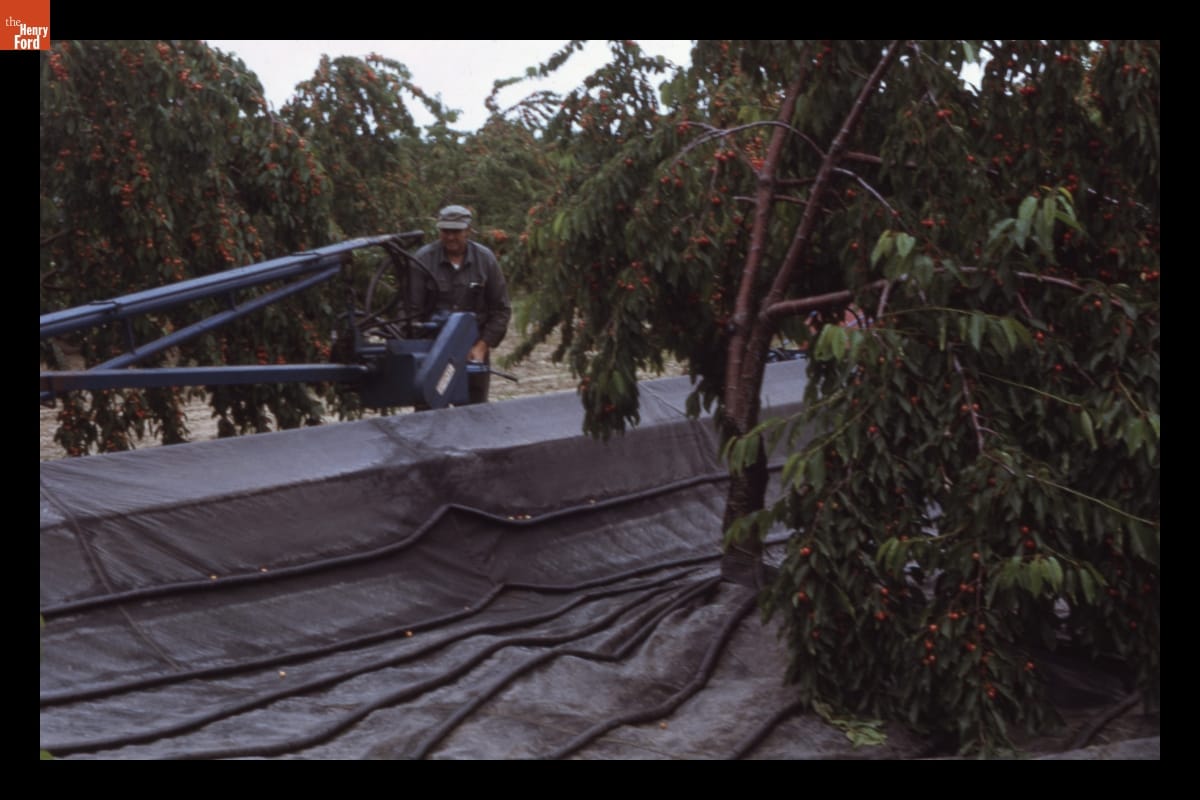
- 1972
- Collections - Artifact
Henry Gee Preparing the Tree Shaker during Cherry Harvest, 1972
Cherry growers hired pickers (often migrant laborers) to harvest their crops, but growers sought faster, less labor-intensive solutions. Agricultural engineers developed mechanical harvesters by the late 1960s. These machines shook the trees, causing the ripe fruit to drop onto collecting mats. This slide shows a stage in a mechanical harvest on a family farm in Michigan's cherry-growing region near Traverse City.
- Henry Gee Loading Cherries into a Crate, 1972 - Cherry growers hired pickers (often migrant laborers) to harvest their crops, but growers sought faster, less labor-intensive solutions. Agricultural engineers developed mechanical harvesters by the late 1960s. These machines shook the trees, causing the ripe fruit to drop onto collecting mats. This slide shows a stage in a mechanical harvest on a family farm in Michigan's cherry-growing region near Traverse City.
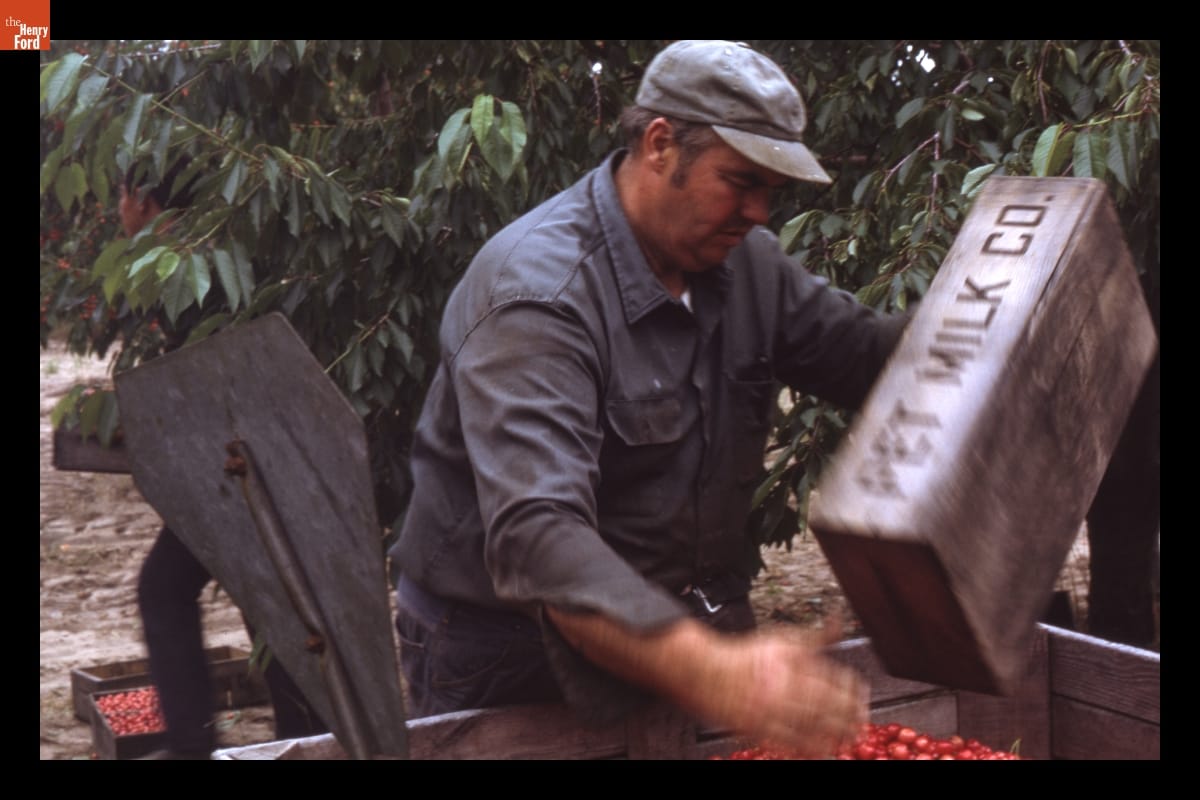
- 1972
- Collections - Artifact
Henry Gee Loading Cherries into a Crate, 1972
Cherry growers hired pickers (often migrant laborers) to harvest their crops, but growers sought faster, less labor-intensive solutions. Agricultural engineers developed mechanical harvesters by the late 1960s. These machines shook the trees, causing the ripe fruit to drop onto collecting mats. This slide shows a stage in a mechanical harvest on a family farm in Michigan's cherry-growing region near Traverse City.
- Linda Malosh Gee Removing Leaves and Debris from Harvested Cherries, 1972 - Cherry growers hired pickers (often migrant laborers) to harvest their crops, but growers sought faster, less labor-intensive solutions. Agricultural engineers developed mechanical harvesters by the late 1960s. These machines shook the trees, causing the ripe fruit to drop onto collecting mats. This slide shows a stage in a mechanical harvest on a family farm in Michigan's cherry-growing region near Traverse City.
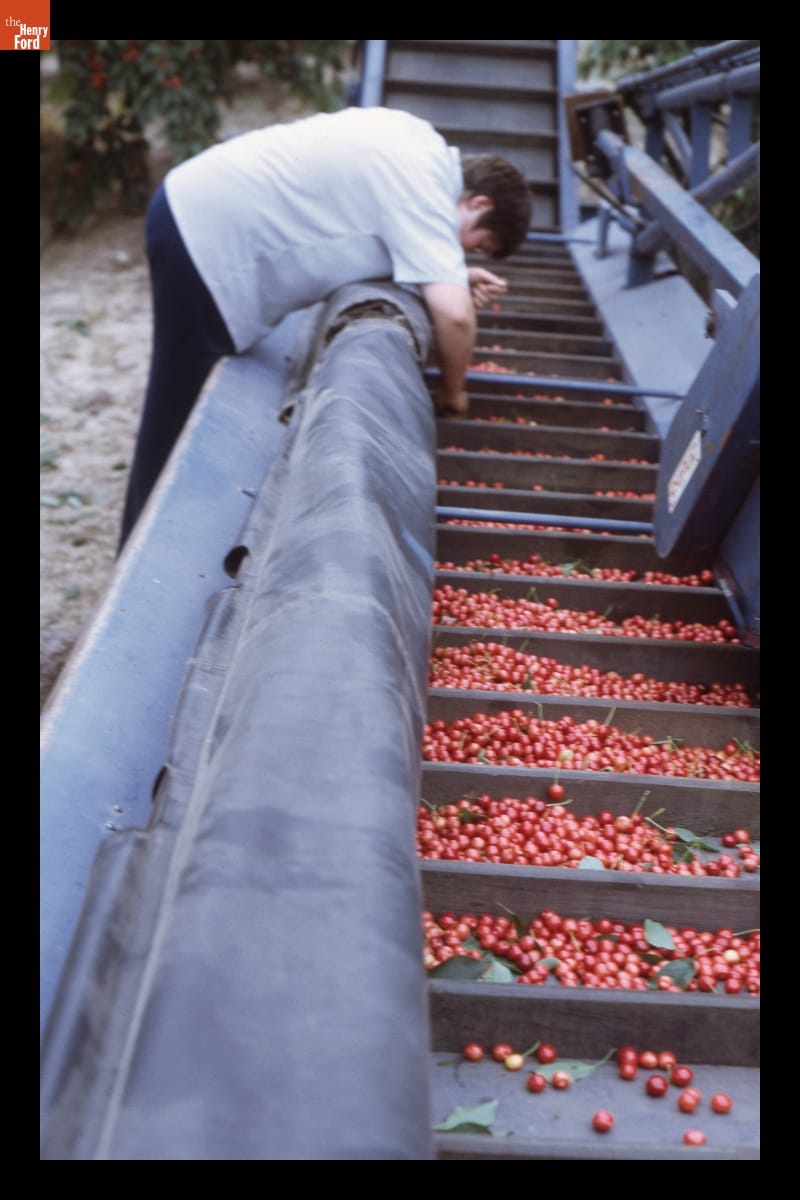
- 1972
- Collections - Artifact
Linda Malosh Gee Removing Leaves and Debris from Harvested Cherries, 1972
Cherry growers hired pickers (often migrant laborers) to harvest their crops, but growers sought faster, less labor-intensive solutions. Agricultural engineers developed mechanical harvesters by the late 1960s. These machines shook the trees, causing the ripe fruit to drop onto collecting mats. This slide shows a stage in a mechanical harvest on a family farm in Michigan's cherry-growing region near Traverse City.
- Worker Driving Tractor through Cherry Orchard, 1972 - Cherry growers hired pickers (often migrant laborers) to harvest their crops, but growers sought faster, less labor-intensive solutions. Agricultural engineers developed mechanical harvesters by the late 1960s. These machines shook the trees, causing the ripe fruit to drop onto collecting mats. This slide shows a stage in a mechanical harvest on a family farm in Michigan's cherry-growing region near Traverse City.
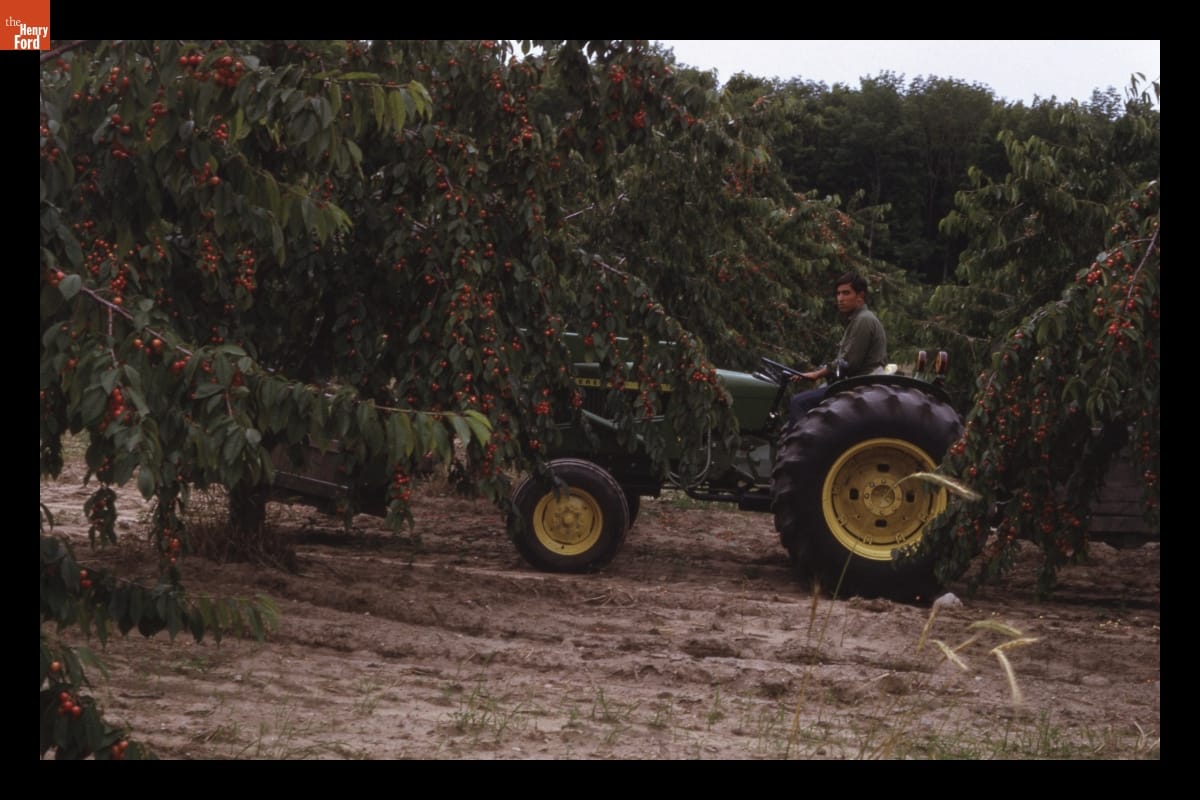
- 1972
- Collections - Artifact
Worker Driving Tractor through Cherry Orchard, 1972
Cherry growers hired pickers (often migrant laborers) to harvest their crops, but growers sought faster, less labor-intensive solutions. Agricultural engineers developed mechanical harvesters by the late 1960s. These machines shook the trees, causing the ripe fruit to drop onto collecting mats. This slide shows a stage in a mechanical harvest on a family farm in Michigan's cherry-growing region near Traverse City.
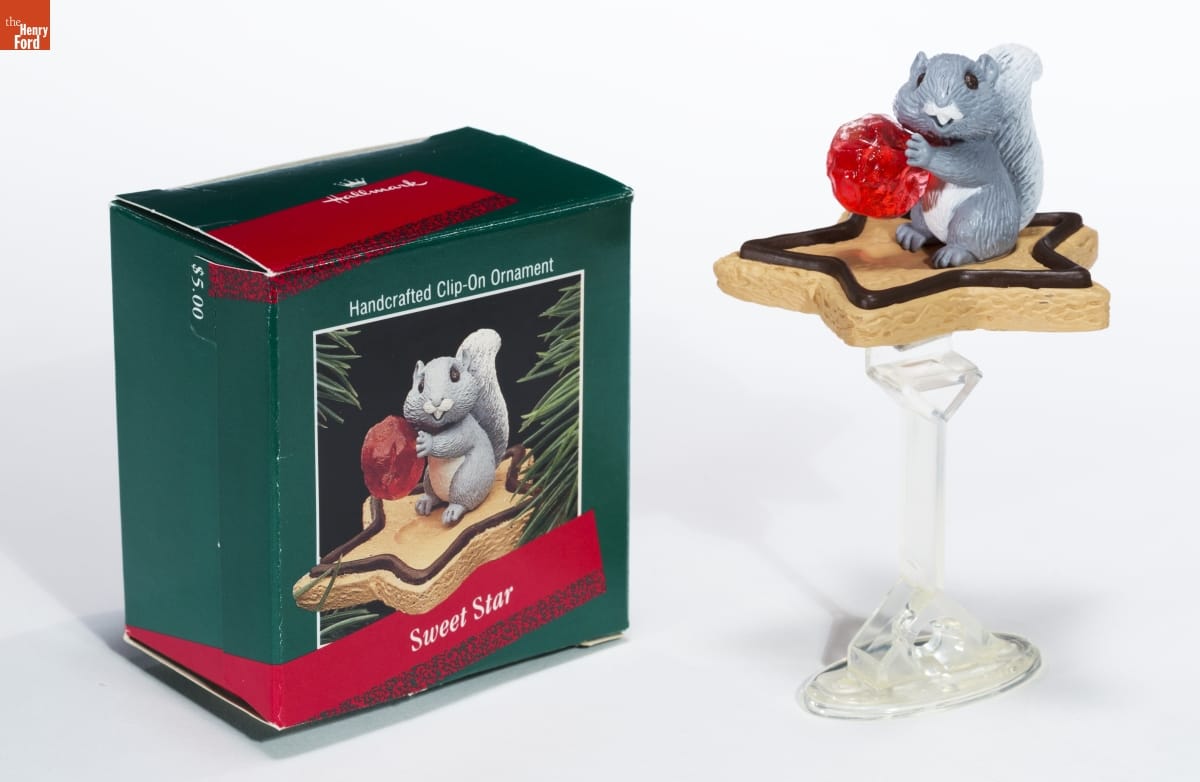
- Hallmark "Sweet Star" Christmas Ornament, 1988 - Already known for greeting cards, Hallmark introduced a line of Christmas ornaments in 1973. The company's annual release of an increasing array of ornaments revolutionized Christmas decorating, appealing to customers' interest in marking memories and milestones as well as expressing one's personality and unique tastes.
- 1988
- Collections - Artifact
Hallmark "Sweet Star" Christmas Ornament, 1988
Already known for greeting cards, Hallmark introduced a line of Christmas ornaments in 1973. The company's annual release of an increasing array of ornaments revolutionized Christmas decorating, appealing to customers' interest in marking memories and milestones as well as expressing one's personality and unique tastes.
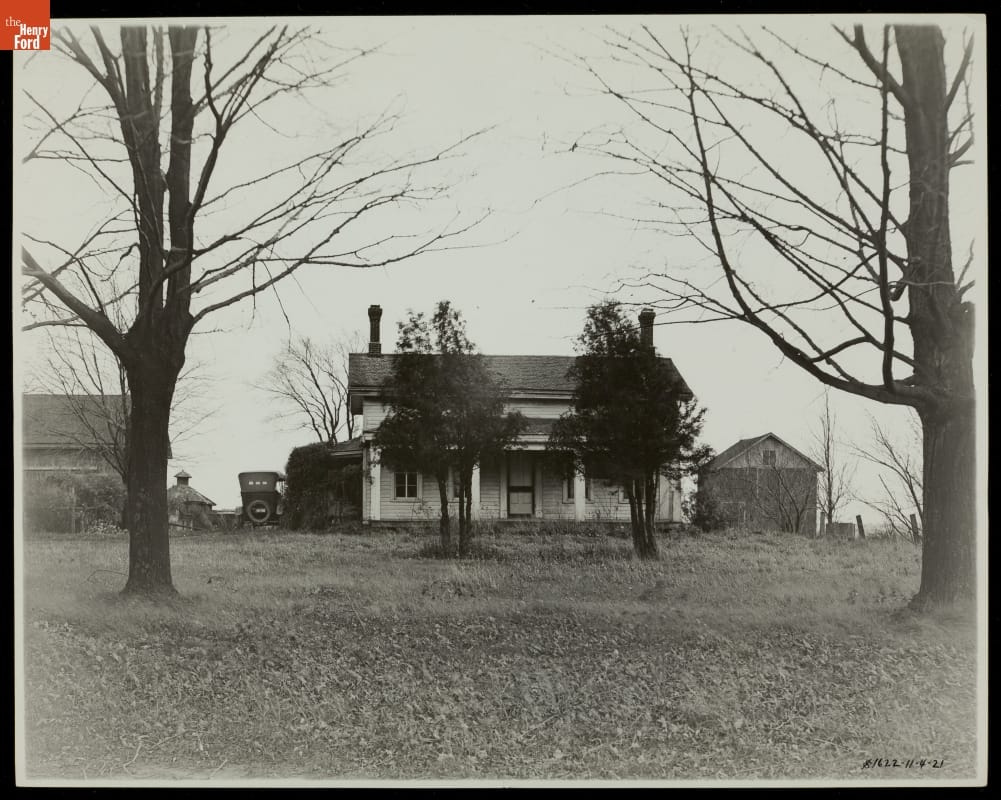
- Ford Model T Parked by Farmhouse, Cherry Hill, Michigan, 1921 - The Ford Model T became a common sight on American farms in the 1920s. It was the first automobile big enough, good enough, and cheap enough for most families, and it was also versatile enough and dependable enough for daily farm life. Farmers could convert Model Ts into tractors or use their rear axles to power agricultural machinery.
- November 04, 1921
- Collections - Artifact
Ford Model T Parked by Farmhouse, Cherry Hill, Michigan, 1921
The Ford Model T became a common sight on American farms in the 1920s. It was the first automobile big enough, good enough, and cheap enough for most families, and it was also versatile enough and dependable enough for daily farm life. Farmers could convert Model Ts into tractors or use their rear axles to power agricultural machinery.
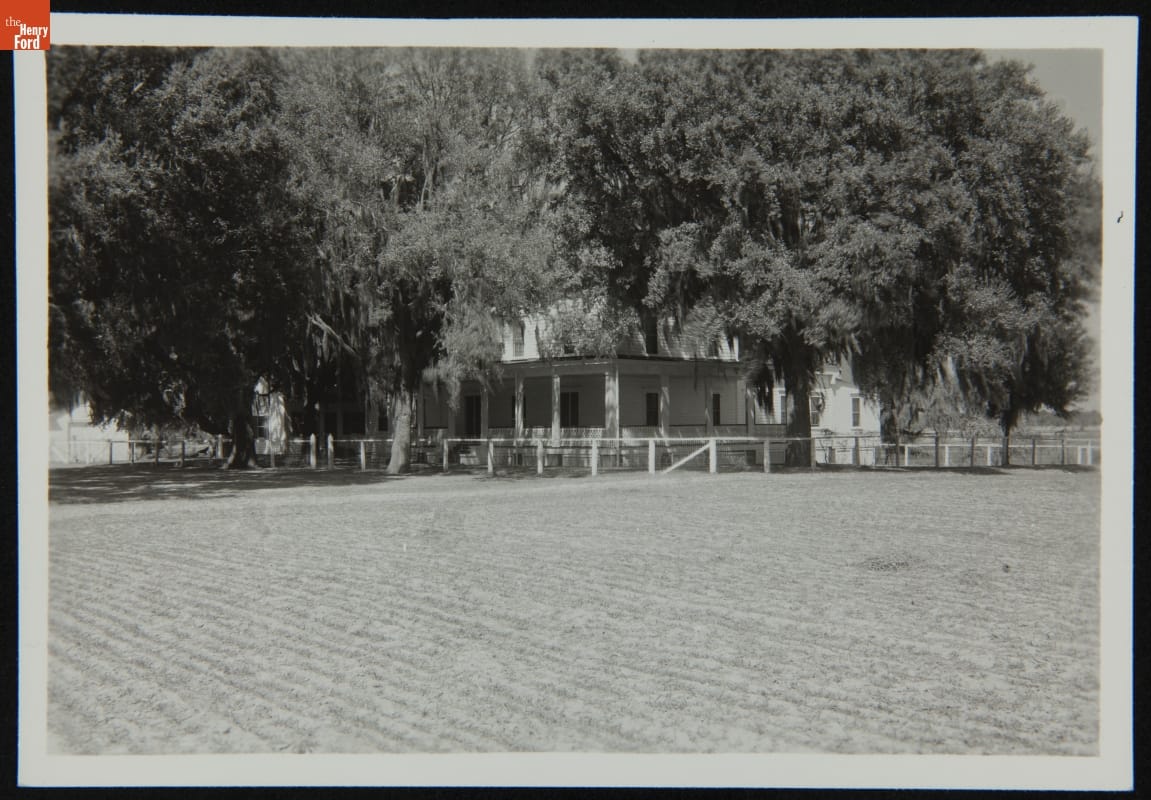
- Cherry Hill Plantation House, circa 1940 - The Cherry Hill plantation house, located in present-day Bryan County, Georgia, was built in 1874 after the original building was burned during the Civil War. In the mid-1920s, Henry Ford began purchasing vast amounts of land in the area; he acquired Cherry Hill in 1925. Henry and Clara stayed in this house before the completion of their nearby winter residence, Richmond Hill.
- circa 1940
- Collections - Artifact
Cherry Hill Plantation House, circa 1940
The Cherry Hill plantation house, located in present-day Bryan County, Georgia, was built in 1874 after the original building was burned during the Civil War. In the mid-1920s, Henry Ford began purchasing vast amounts of land in the area; he acquired Cherry Hill in 1925. Henry and Clara stayed in this house before the completion of their nearby winter residence, Richmond Hill.
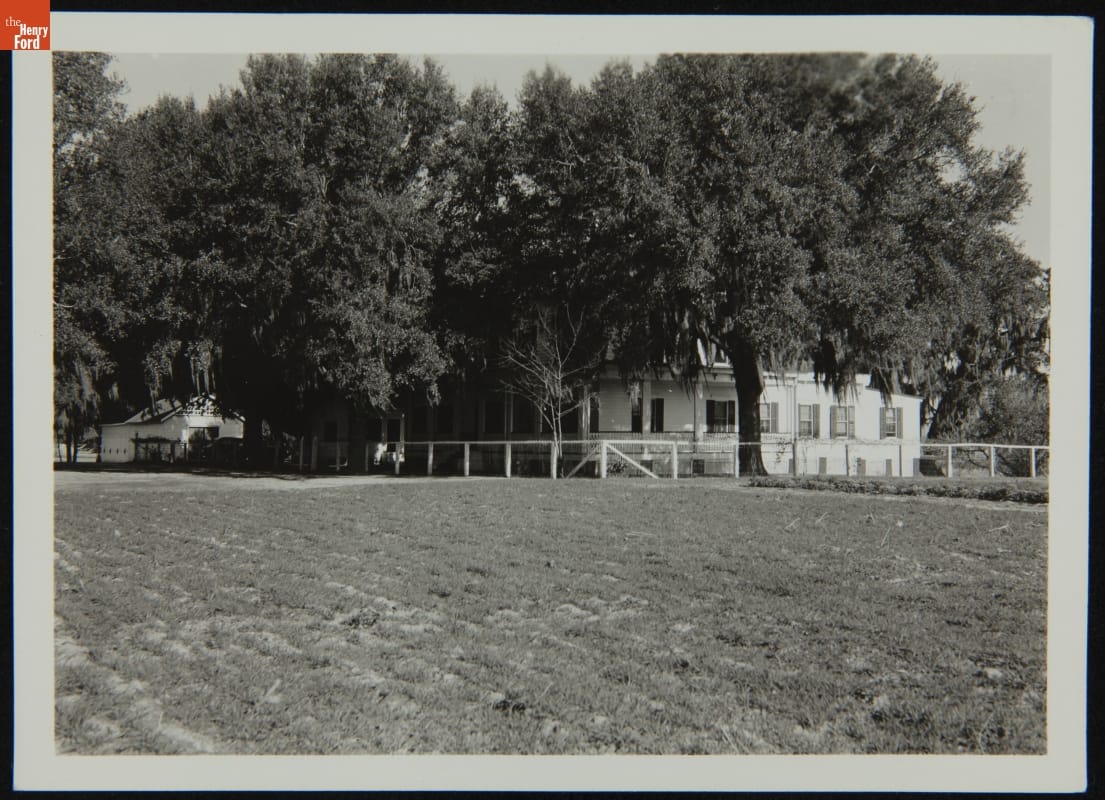
- House at Cherry Hill Plantation, 1940 - The Cherry Hill plantation house, located in present-day Bryan County, Georgia, was built in 1874 after the original building was burned during the Civil War. In the mid-1920s, Henry Ford began purchasing vast amounts of land in the area; he acquired Cherry Hill in 1925. Henry and Clara stayed in this house before the completion of their nearby winter residence, Richmond Hill.
- circa 1940
- Collections - Artifact
House at Cherry Hill Plantation, 1940
The Cherry Hill plantation house, located in present-day Bryan County, Georgia, was built in 1874 after the original building was burned during the Civil War. In the mid-1920s, Henry Ford began purchasing vast amounts of land in the area; he acquired Cherry Hill in 1925. Henry and Clara stayed in this house before the completion of their nearby winter residence, Richmond Hill.
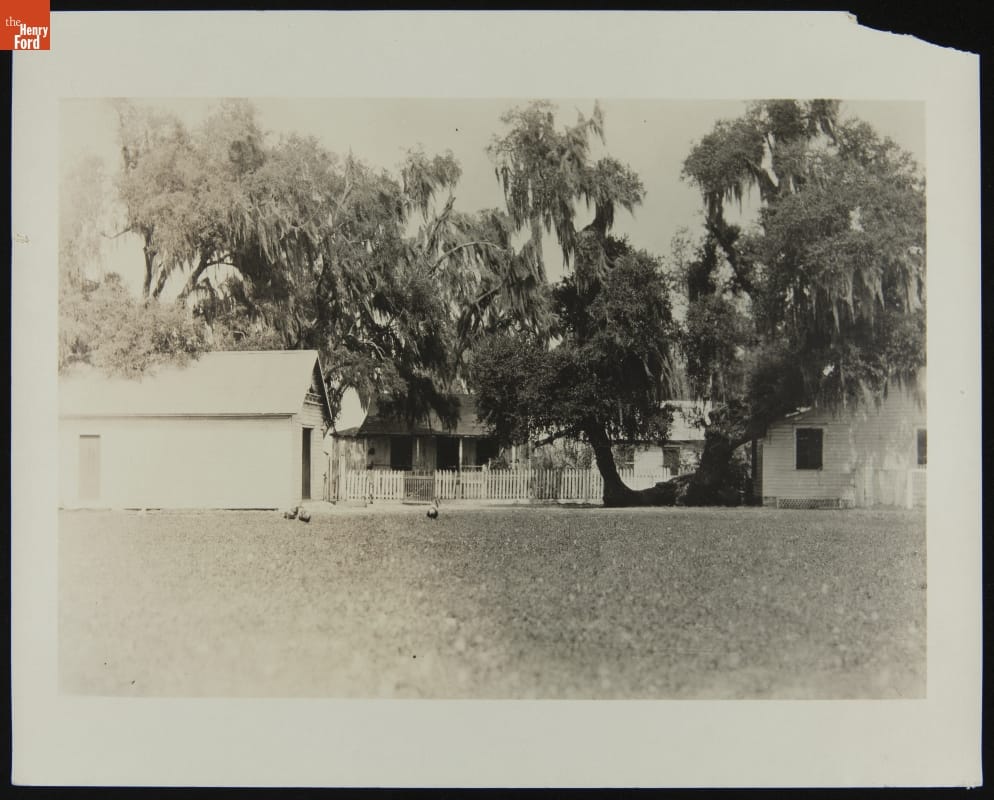
- Cherry Hill Plantation House, Rear View, circa 1925 - The Cherry Hill plantation house, located in present-day Bryan County, Georgia, was built in 1874 after the original building was burned during the Civil War. In the mid-1920s, Henry Ford began purchasing vast amounts of land in the area; he acquired Cherry Hill in 1925. Henry and Clara stayed in this house before the completion of their nearby winter residence, Richmond Hill.
- circa 1925
- Collections - Artifact
Cherry Hill Plantation House, Rear View, circa 1925
The Cherry Hill plantation house, located in present-day Bryan County, Georgia, was built in 1874 after the original building was burned during the Civil War. In the mid-1920s, Henry Ford began purchasing vast amounts of land in the area; he acquired Cherry Hill in 1925. Henry and Clara stayed in this house before the completion of their nearby winter residence, Richmond Hill.
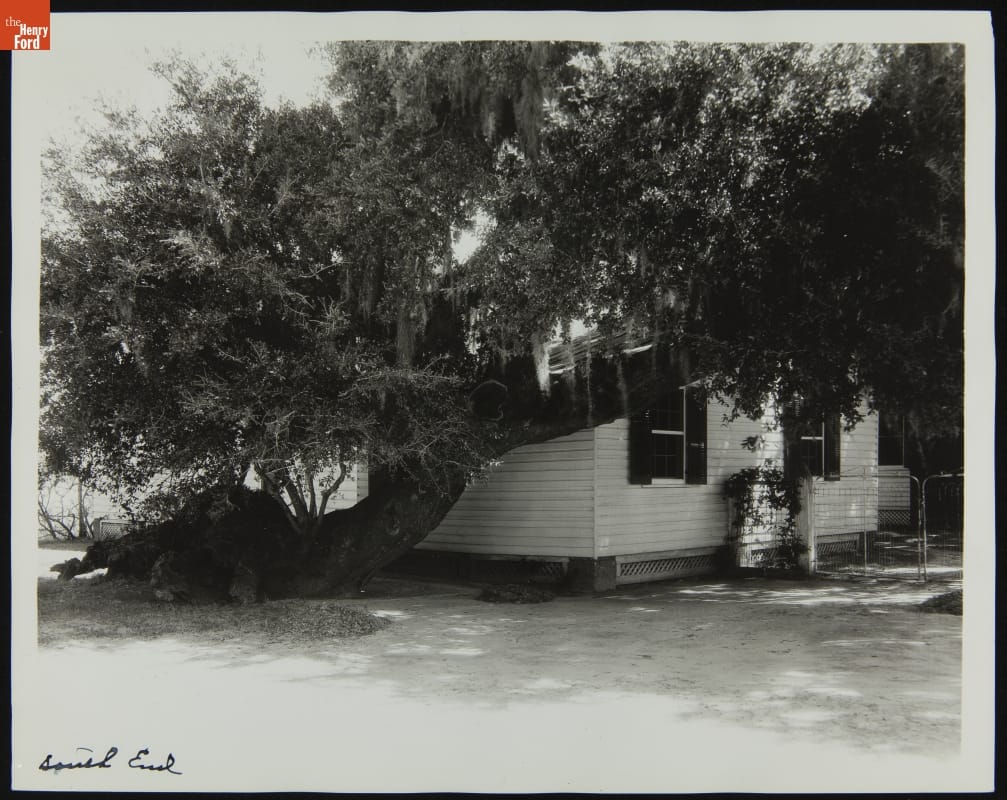
- Cherry Hill Plantation Service Building, circa 1940 - Henry Ford purchased vast amounts of land around present-day Richmond Hill, Georgia, beginning in the 1920s. In 1925, Henry Ford purchased the Cherry Hill plantation. Henry and Clara stayed in the plantation house before the completion of their nearby winter residence. Ford renovated the adjacent service building putting in an office and living spaces for his personal secretary and the chauffeurs.
- circa 1940
- Collections - Artifact
Cherry Hill Plantation Service Building, circa 1940
Henry Ford purchased vast amounts of land around present-day Richmond Hill, Georgia, beginning in the 1920s. In 1925, Henry Ford purchased the Cherry Hill plantation. Henry and Clara stayed in the plantation house before the completion of their nearby winter residence. Ford renovated the adjacent service building putting in an office and living spaces for his personal secretary and the chauffeurs.