
Search
- Trade Card for Horse Head Chewing Tobacco, Dausmen Tobacco Co., circa 1884 - In the last third of the nineteenth century, an unprecedented variety of consumer goods and services flooded the American market. Advertisers, armed with new methods of color printing, bombarded potential customers with trade cards. Americans enjoyed and often saved the vibrant little advertisements found in product packages or distributed by local merchants. Many survive as historical records of commercialism in the United States.
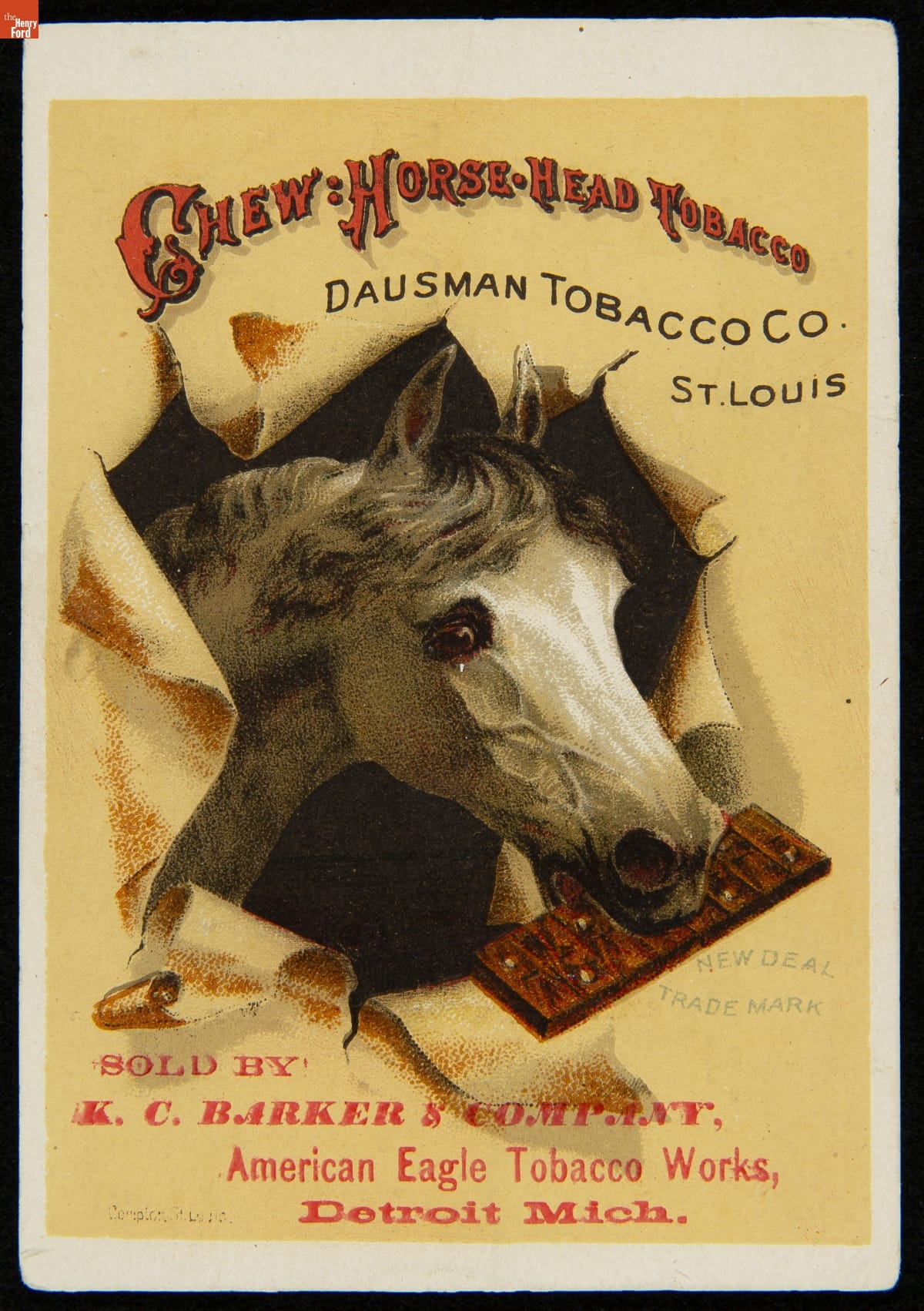
- circa 1884
- Collections - Artifact
Trade Card for Horse Head Chewing Tobacco, Dausmen Tobacco Co., circa 1884
In the last third of the nineteenth century, an unprecedented variety of consumer goods and services flooded the American market. Advertisers, armed with new methods of color printing, bombarded potential customers with trade cards. Americans enjoyed and often saved the vibrant little advertisements found in product packages or distributed by local merchants. Many survive as historical records of commercialism in the United States.
- P.H. Mayo & Bros. Tobacco Pouch, 1878-1890 -
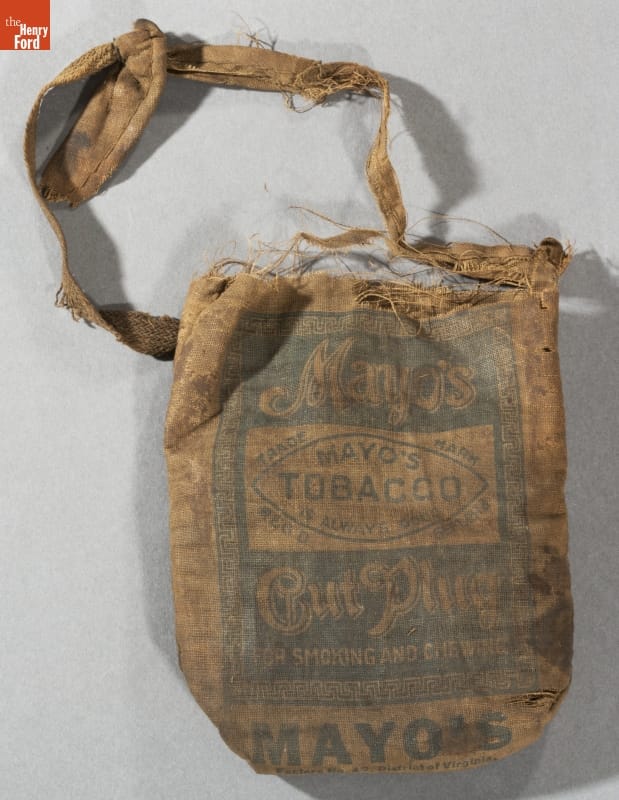
- 1878-1890
- Collections - Artifact
P.H. Mayo & Bros. Tobacco Pouch, 1878-1890
- Trade Card for the Detroit League Base Ball Club, Sponsored by "Splendid" Plug Tobacco, P. & G. Lorillard, 1886 - In the late 1800s, tobacco companies, like P. Lorillard Company, promoted their brand by placing trade cards in packages of tobacco for customers to collect. This card features the 1886 Detroit League Base Ball Club. The National League team formed in 1881 and was named the Wolverines. The team would win the pennant in 1887 before disbanding after the 1888 season.
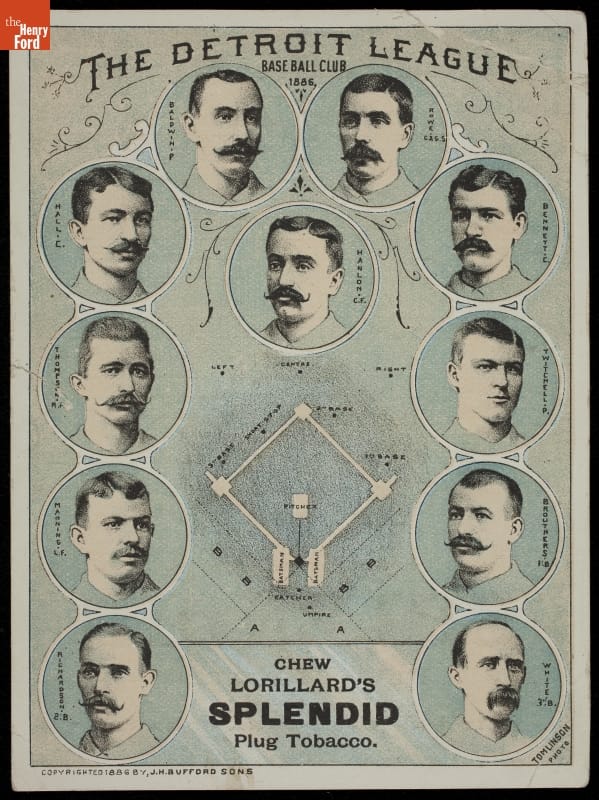
- 1886
- Collections - Artifact
Trade Card for the Detroit League Base Ball Club, Sponsored by "Splendid" Plug Tobacco, P. & G. Lorillard, 1886
In the late 1800s, tobacco companies, like P. Lorillard Company, promoted their brand by placing trade cards in packages of tobacco for customers to collect. This card features the 1886 Detroit League Base Ball Club. The National League team formed in 1881 and was named the Wolverines. The team would win the pennant in 1887 before disbanding after the 1888 season.
- Days O' Work Chewing Tobacco, 1965-1985 -
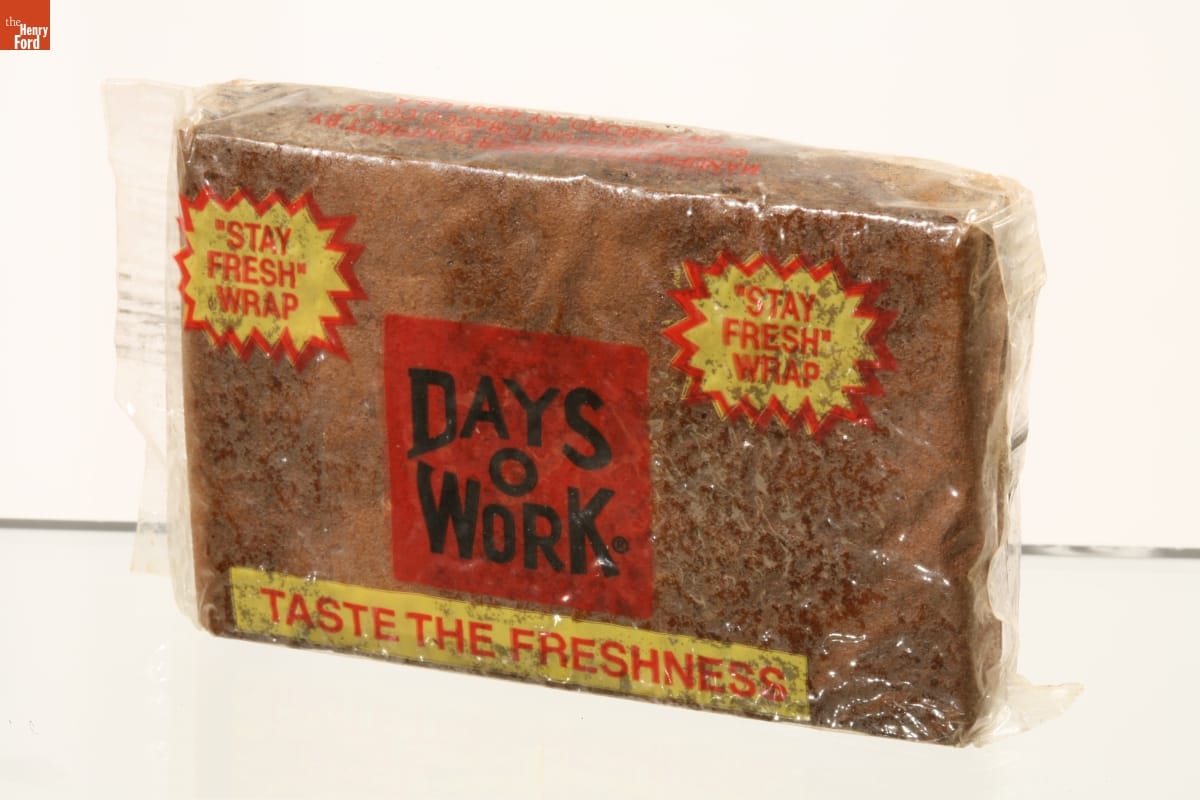
- 1965-1985
- Collections - Artifact
Days O' Work Chewing Tobacco, 1965-1985
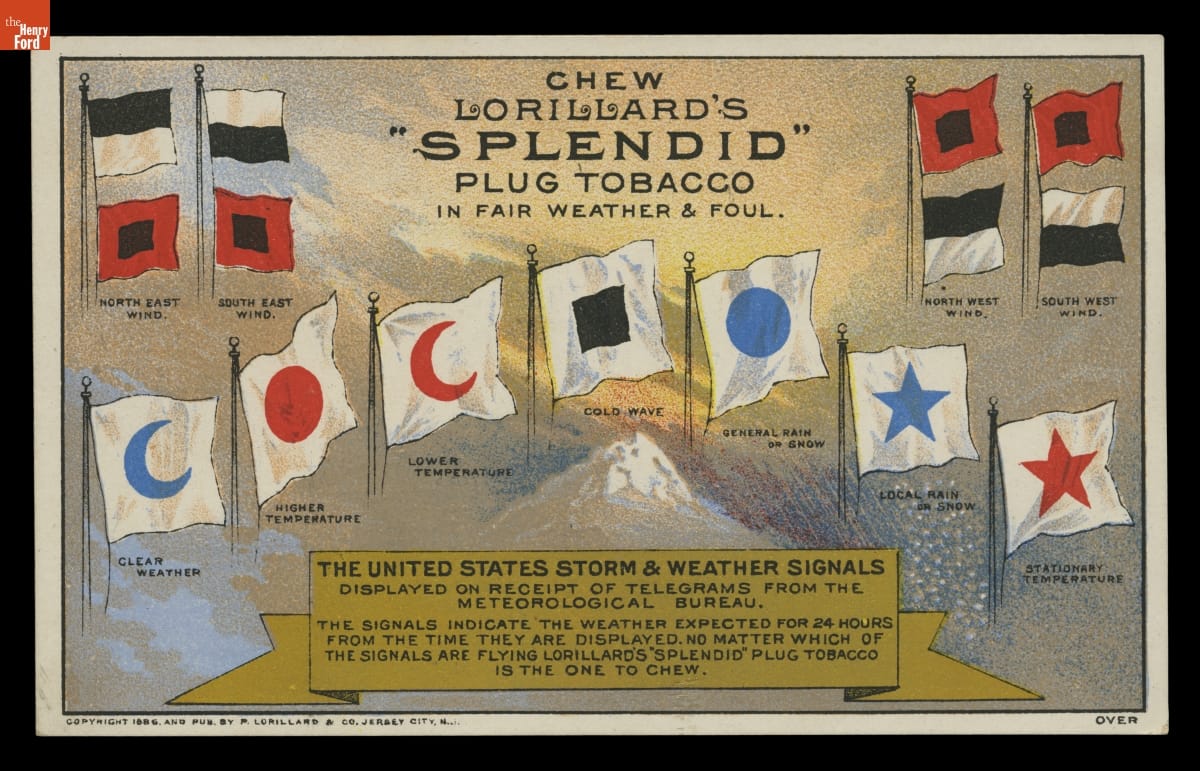
- Trade Card for Lorillard's "Splendid" Plug Tobacco, 1886, "In Fair Weather and Foul" - In the last third of the nineteenth century, an unprecedented variety of consumer goods and services flooded the American market. Advertisers, armed with new methods of color printing, bombarded potential customers with trade cards. Americans enjoyed and often saved the vibrant little advertisements found in product packages or distributed by local merchants. Many survive as historical records of commercialism in the United States.
- 1886
- Collections - Artifact
Trade Card for Lorillard's "Splendid" Plug Tobacco, 1886, "In Fair Weather and Foul"
In the last third of the nineteenth century, an unprecedented variety of consumer goods and services flooded the American market. Advertisers, armed with new methods of color printing, bombarded potential customers with trade cards. Americans enjoyed and often saved the vibrant little advertisements found in product packages or distributed by local merchants. Many survive as historical records of commercialism in the United States.
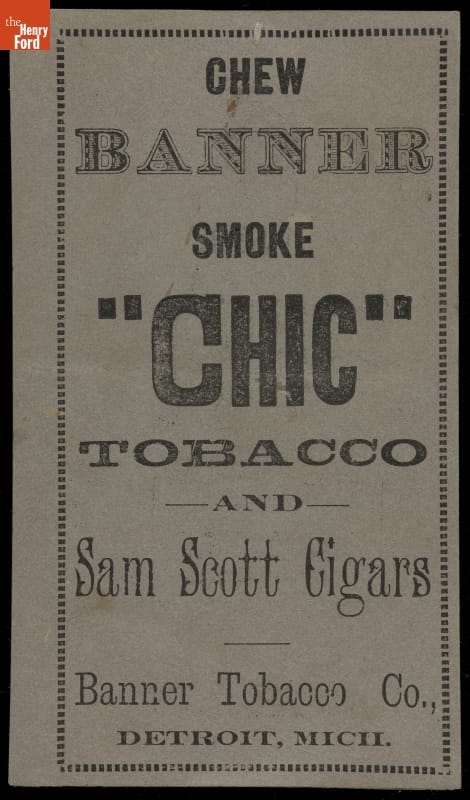
- Trade Card for Banner Tobacco Co., 1870-1890 - In the last third of the nineteenth century, an unprecedented variety of consumer goods and services flooded the American market. Advertisers bombarded potential customers with trade cards. Americans enjoyed and saved the often illustrated little advertisements found in product packages or distributed by local merchants. Many survive as historical records of commercialism in the United States.
- 1870-1890
- Collections - Artifact
Trade Card for Banner Tobacco Co., 1870-1890
In the last third of the nineteenth century, an unprecedented variety of consumer goods and services flooded the American market. Advertisers bombarded potential customers with trade cards. Americans enjoyed and saved the often illustrated little advertisements found in product packages or distributed by local merchants. Many survive as historical records of commercialism in the United States.
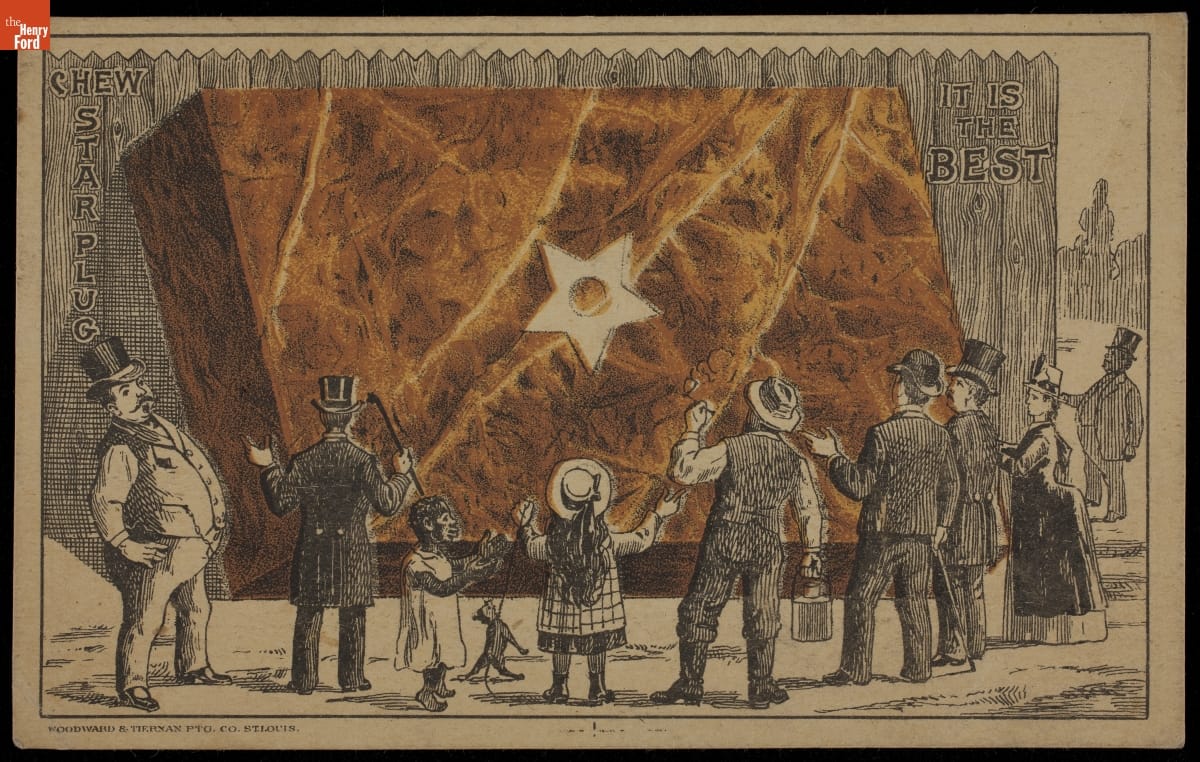
- Trade Card for Star Plug Tobacco, Liggett & Myers Tobacco Company, circa 1885 - In the last third of the nineteenth century, an unprecedented variety of consumer goods and services flooded the American market. Advertisers, armed with new methods of color printing, bombarded potential customers with trade cards. Americans enjoyed and often saved the vibrant little advertisements found in product packages or distributed by local merchants. Many survive as historical records of commercialism in the United States.
- circa 1885
- Collections - Artifact
Trade Card for Star Plug Tobacco, Liggett & Myers Tobacco Company, circa 1885
In the last third of the nineteenth century, an unprecedented variety of consumer goods and services flooded the American market. Advertisers, armed with new methods of color printing, bombarded potential customers with trade cards. Americans enjoyed and often saved the vibrant little advertisements found in product packages or distributed by local merchants. Many survive as historical records of commercialism in the United States.
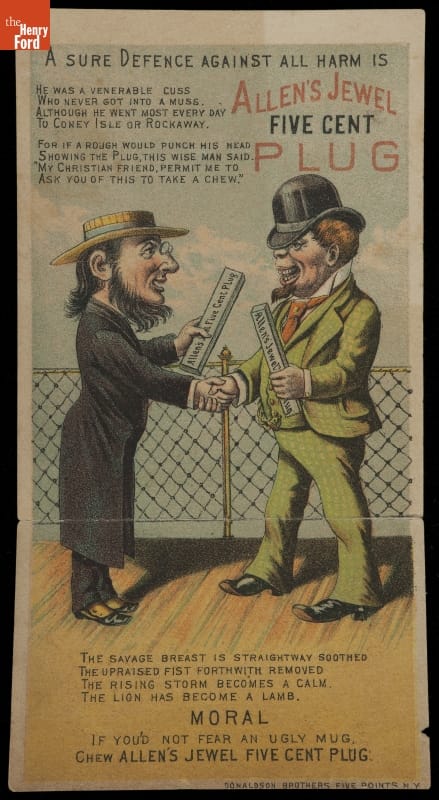
- Trade Card for Allen's Jewel Five Cent Plug Tobacco, 1870-1890 - In the last third of the nineteenth century, an unprecedented variety of consumer goods and services flooded the American market. Advertisers, armed with new methods of color printing, bombarded potential customers with trade cards. Americans enjoyed and often saved the vibrant little advertisements found in product packages or distributed by local merchants. Many survive as historical records of commercialism in the United States.
- 1870-1890
- Collections - Artifact
Trade Card for Allen's Jewel Five Cent Plug Tobacco, 1870-1890
In the last third of the nineteenth century, an unprecedented variety of consumer goods and services flooded the American market. Advertisers, armed with new methods of color printing, bombarded potential customers with trade cards. Americans enjoyed and often saved the vibrant little advertisements found in product packages or distributed by local merchants. Many survive as historical records of commercialism in the United States.
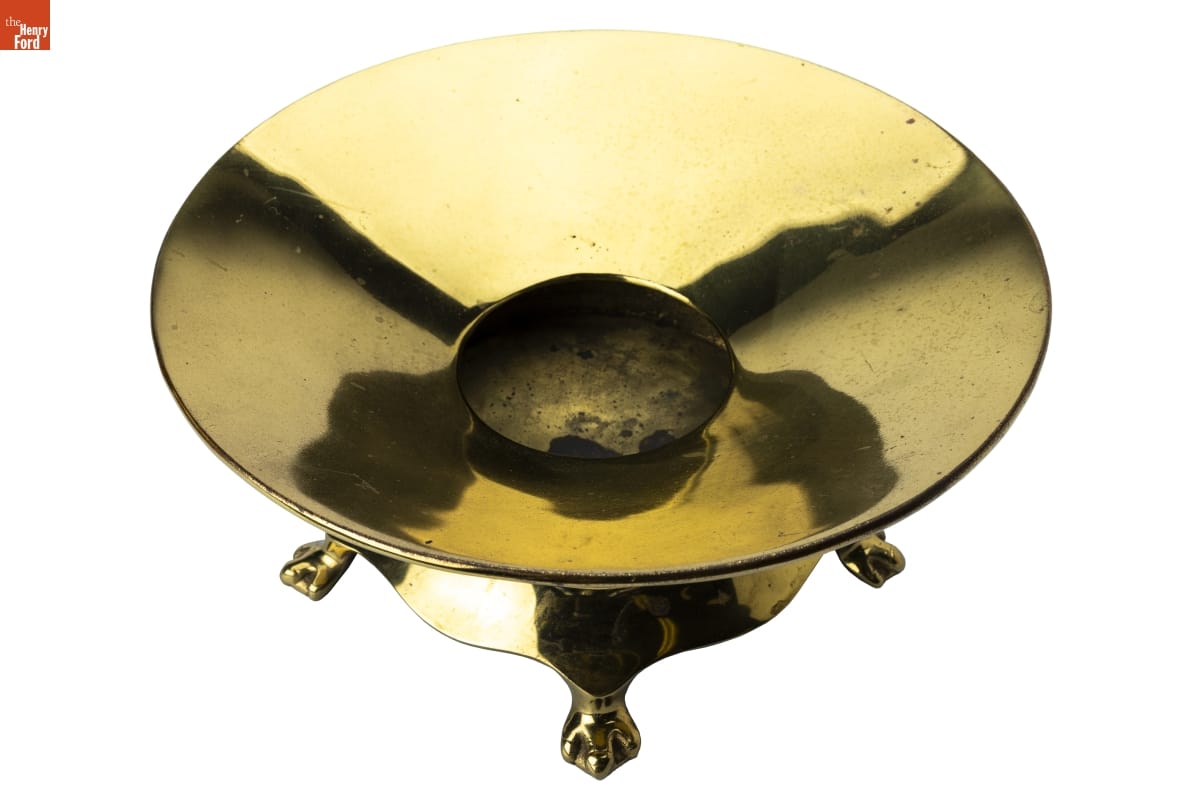
- Adams & Westlake Company Spittoon, circa 1890 - Adams and Westlake Company manufactured railway equipment and accessories, from switch and signal lights and lanterns to an array of car trimmings--including spittoons. In 1891, the Chicago, Illinois-based company sold spittoons like this in four different metals: brass, bronze, nickel-plated, or silver-plated. A key selling point? The spittoon has a patented removable lid for easy cleaning.
- circa 1890
- Collections - Artifact
Adams & Westlake Company Spittoon, circa 1890
Adams and Westlake Company manufactured railway equipment and accessories, from switch and signal lights and lanterns to an array of car trimmings--including spittoons. In 1891, the Chicago, Illinois-based company sold spittoons like this in four different metals: brass, bronze, nickel-plated, or silver-plated. A key selling point? The spittoon has a patented removable lid for easy cleaning.
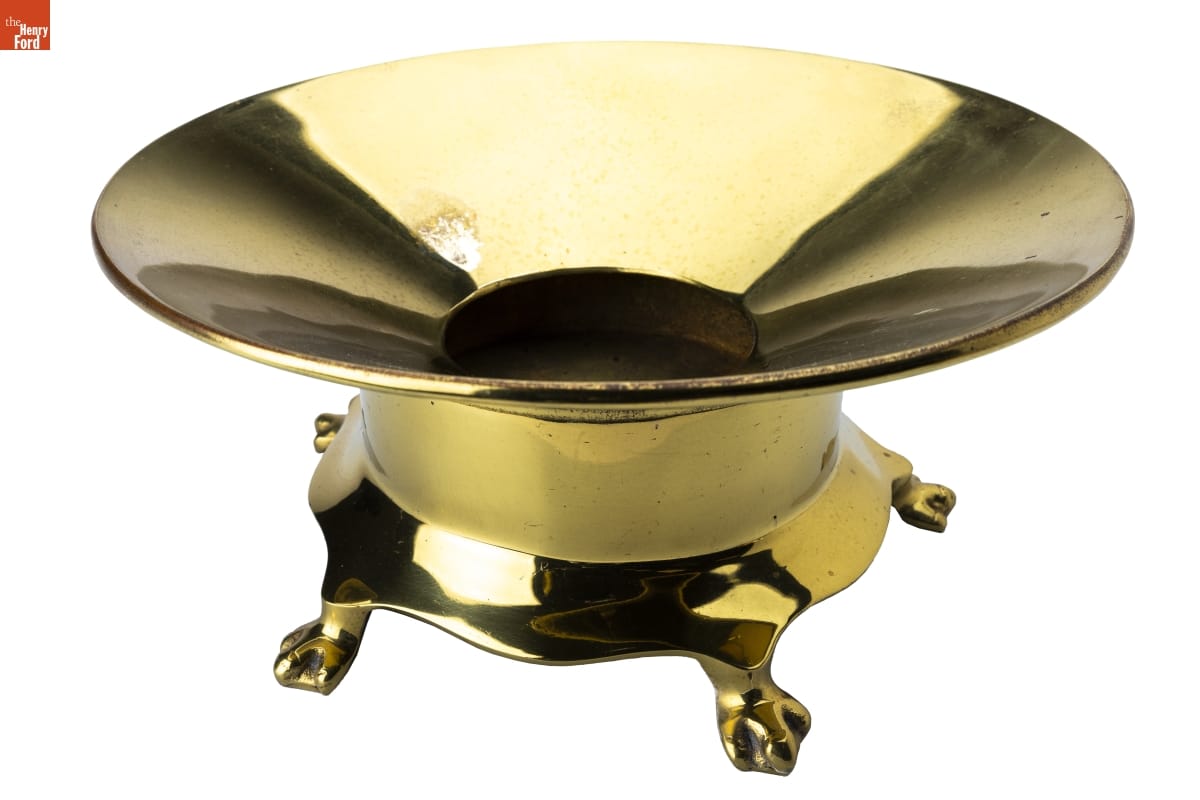
- Adams & Westlake Company Spittoon, circa 1890 - Adams and Westlake Company manufactured railway equipment and accessories, from switch and signal lights and lanterns to an array of car trimmings--including spittoons. In 1891, the Chicago, Illinois-based company sold spittoons like this in four different metals: brass, bronze, nickel-plated, or silver-plated. A key selling point? The spittoon has a patented removable lid for easy cleaning.
- circa 1890
- Collections - Artifact
Adams & Westlake Company Spittoon, circa 1890
Adams and Westlake Company manufactured railway equipment and accessories, from switch and signal lights and lanterns to an array of car trimmings--including spittoons. In 1891, the Chicago, Illinois-based company sold spittoons like this in four different metals: brass, bronze, nickel-plated, or silver-plated. A key selling point? The spittoon has a patented removable lid for easy cleaning.