
Search
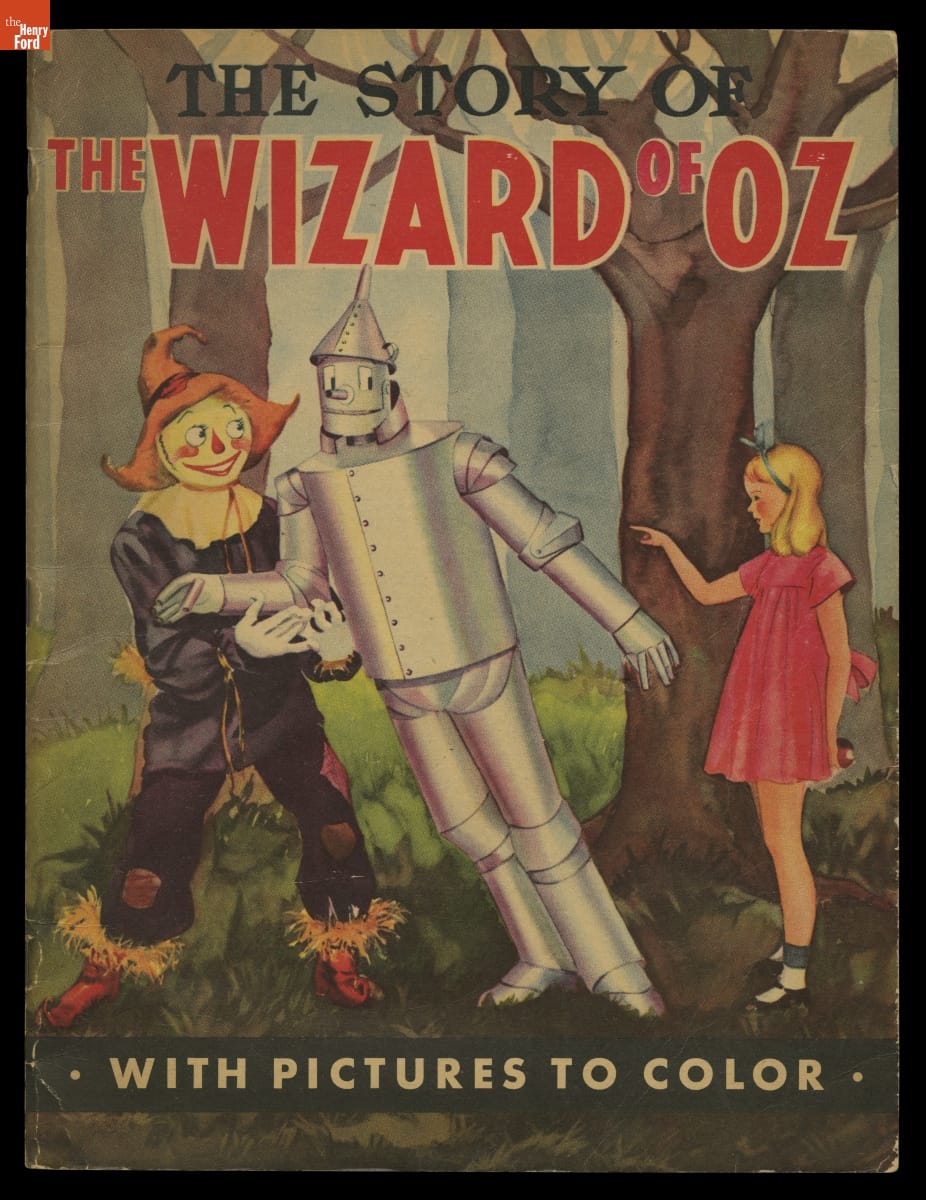
- The Story of the Wizard of Oz Coloring Book, 1939 - L. Frank Baum's <em>The Wonderful Wizard of Oz</em> is an American fairy tale classic. First published in 1900, the book tells the story of Dorothy, a little girl swept away to a strange and magical land, and her quest to return home. Over the years, companies have created a variety of merchandise based on Baum's beloved story and characters.
- 1939
- Collections - Artifact
The Story of the Wizard of Oz Coloring Book, 1939
L. Frank Baum's The Wonderful Wizard of Oz is an American fairy tale classic. First published in 1900, the book tells the story of Dorothy, a little girl swept away to a strange and magical land, and her quest to return home. Over the years, companies have created a variety of merchandise based on Baum's beloved story and characters.
- "Eustis, the Useless Rabbit and The Animals' Dance" Record, circa 1955 -
- circa 1955
- Collections - Artifact
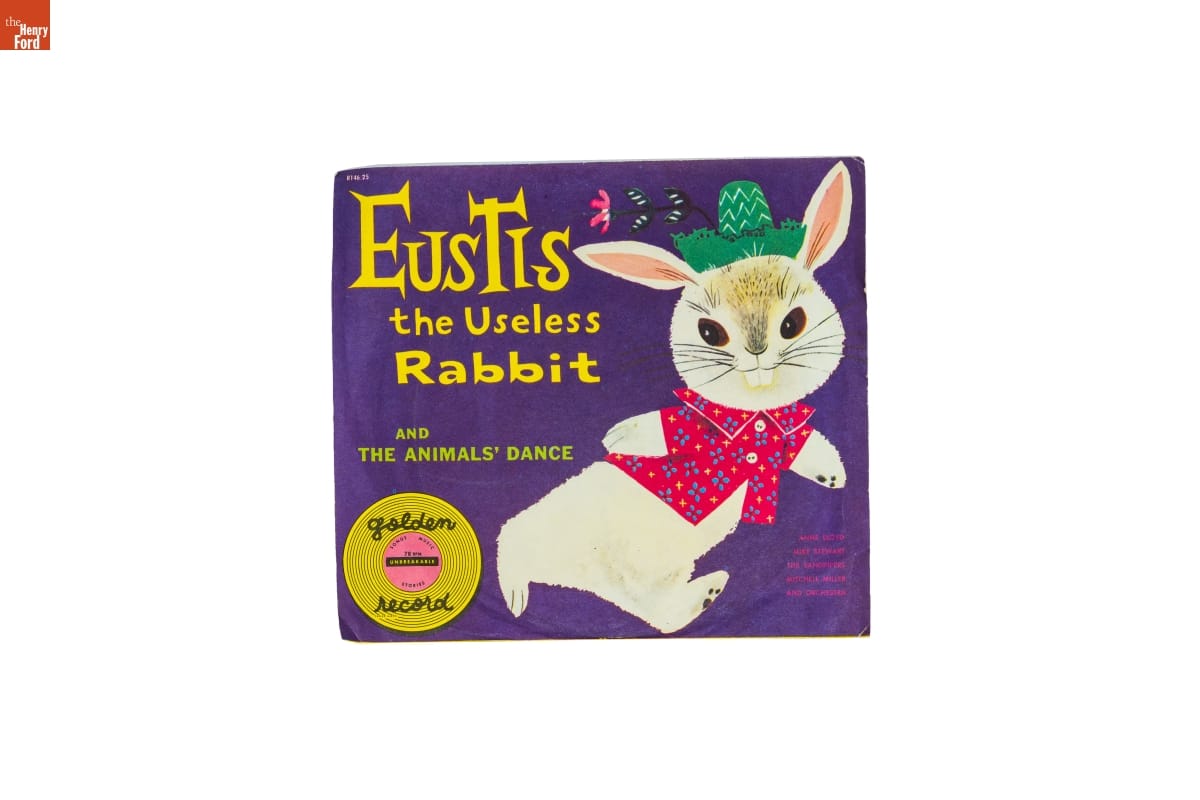
"Eustis, the Useless Rabbit and The Animals' Dance" Record, circa 1955
- "One Fish, Two Fish, Red Fish, Blue Fish," 1960 -
- 1960
- Collections - Artifact
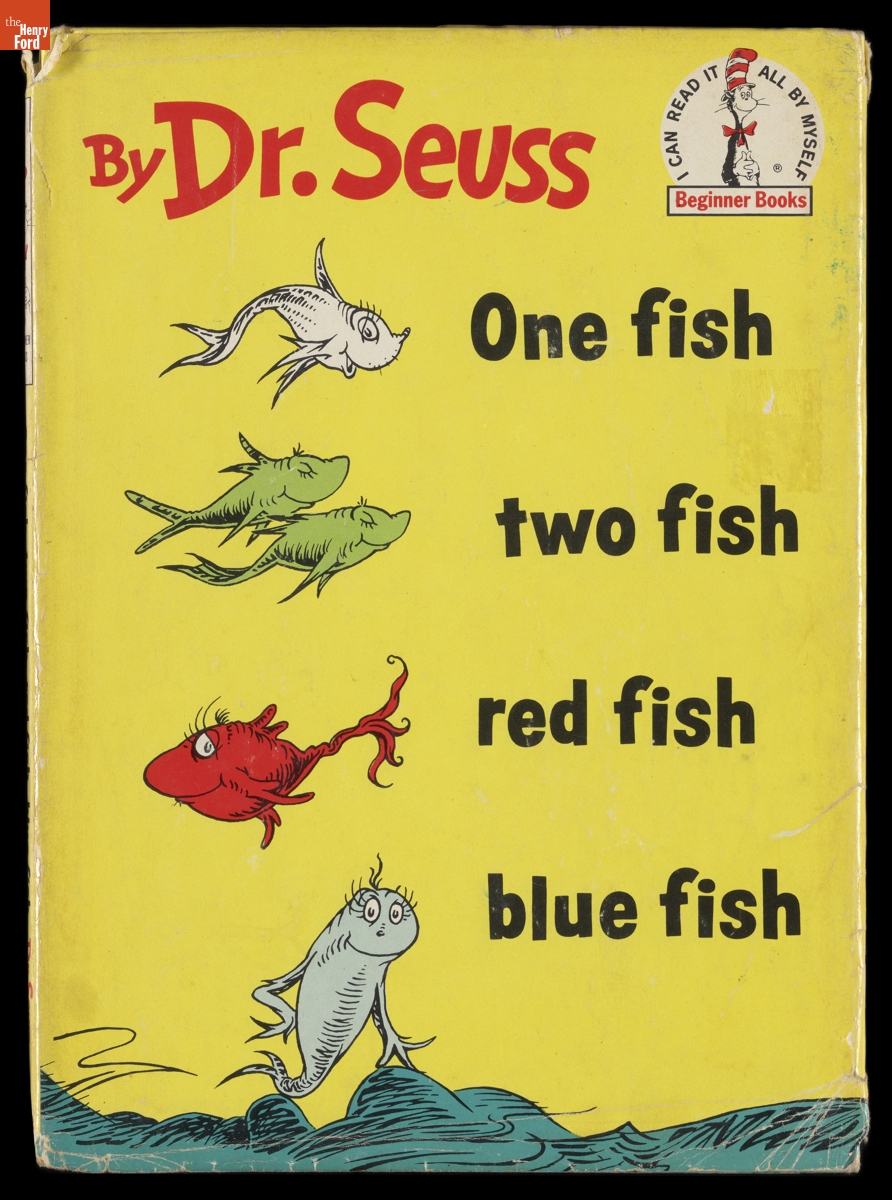
"One Fish, Two Fish, Red Fish, Blue Fish," 1960
- Postcard, "A Thrilling Hallowe'en," October 1909 -
- October 01, 1909
- Collections - Artifact
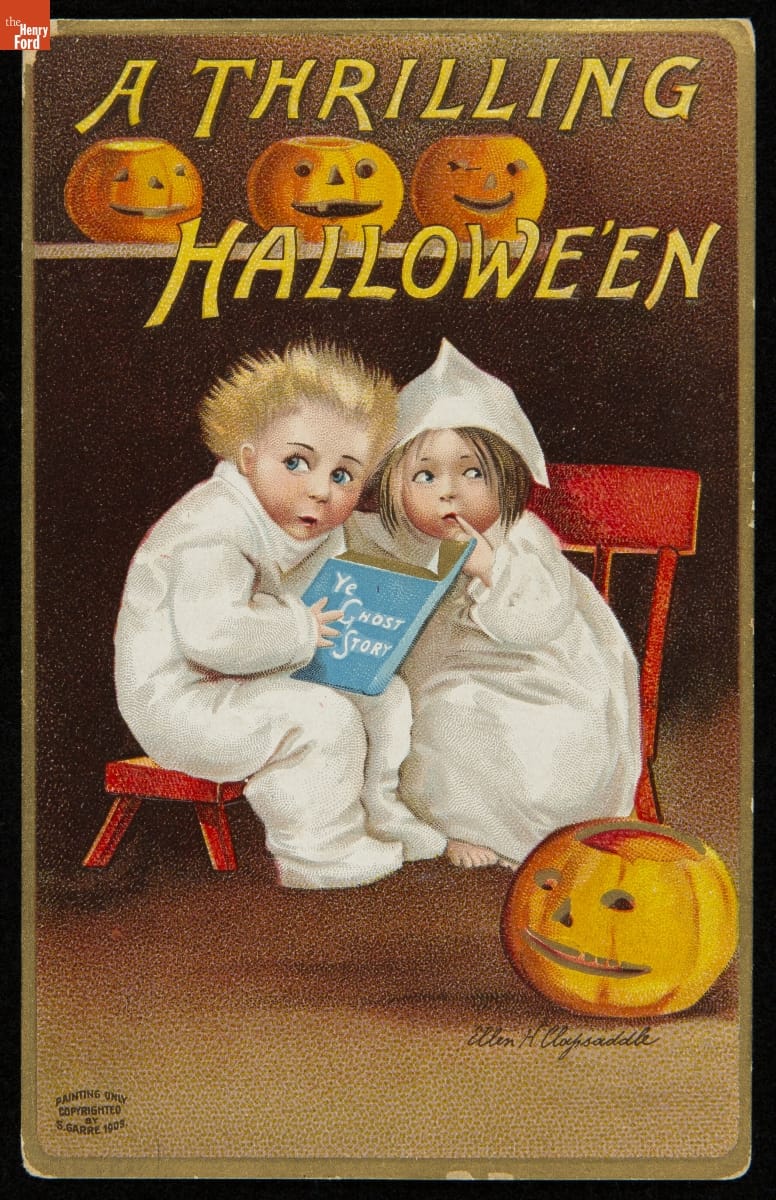
Postcard, "A Thrilling Hallowe'en," October 1909
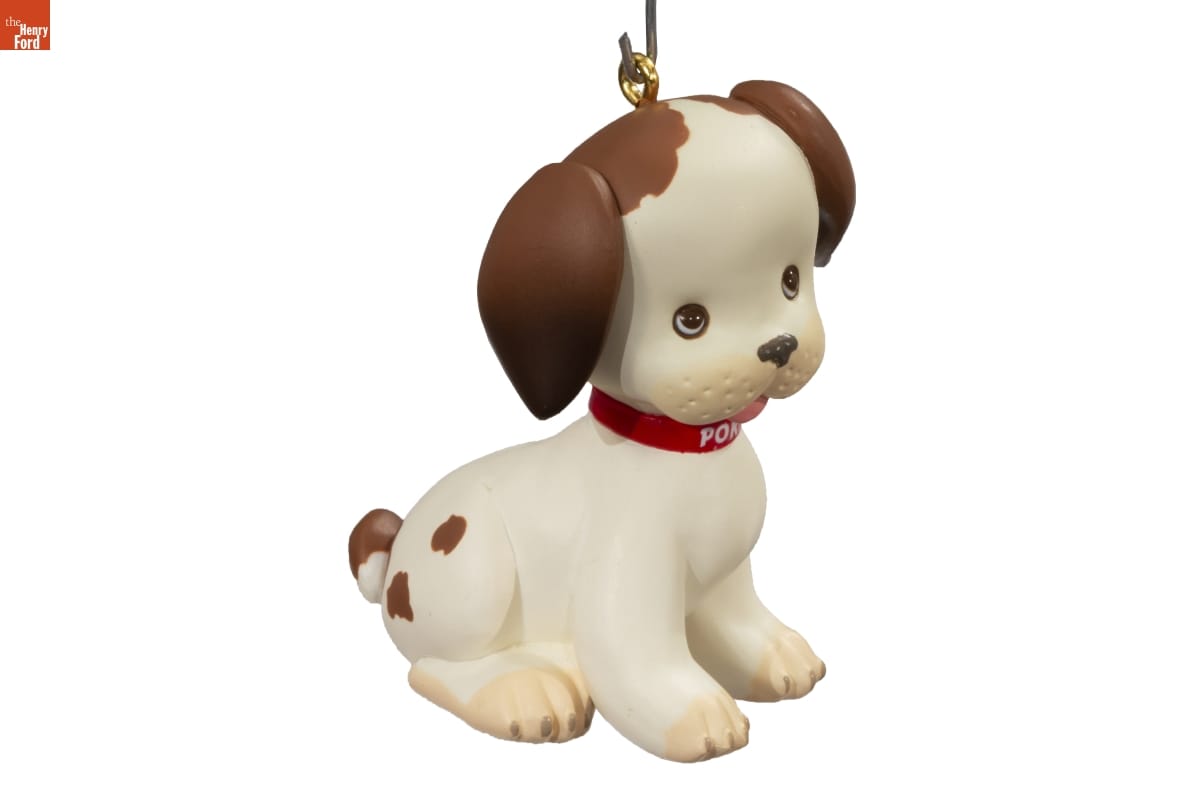
- Hallmark "The Poky Little Puppy" Christmas Ornament, 1999 - Already known for greeting cards, Hallmark introduced a line of Christmas ornaments in 1973. The company's annual release of an increasing array of ornaments revolutionized Christmas decorating, appealing to customers' interest in marking memories and milestones as well as expressing one's personality and unique tastes.
- 1999
- Collections - Artifact
Hallmark "The Poky Little Puppy" Christmas Ornament, 1999
Already known for greeting cards, Hallmark introduced a line of Christmas ornaments in 1973. The company's annual release of an increasing array of ornaments revolutionized Christmas decorating, appealing to customers' interest in marking memories and milestones as well as expressing one's personality and unique tastes.
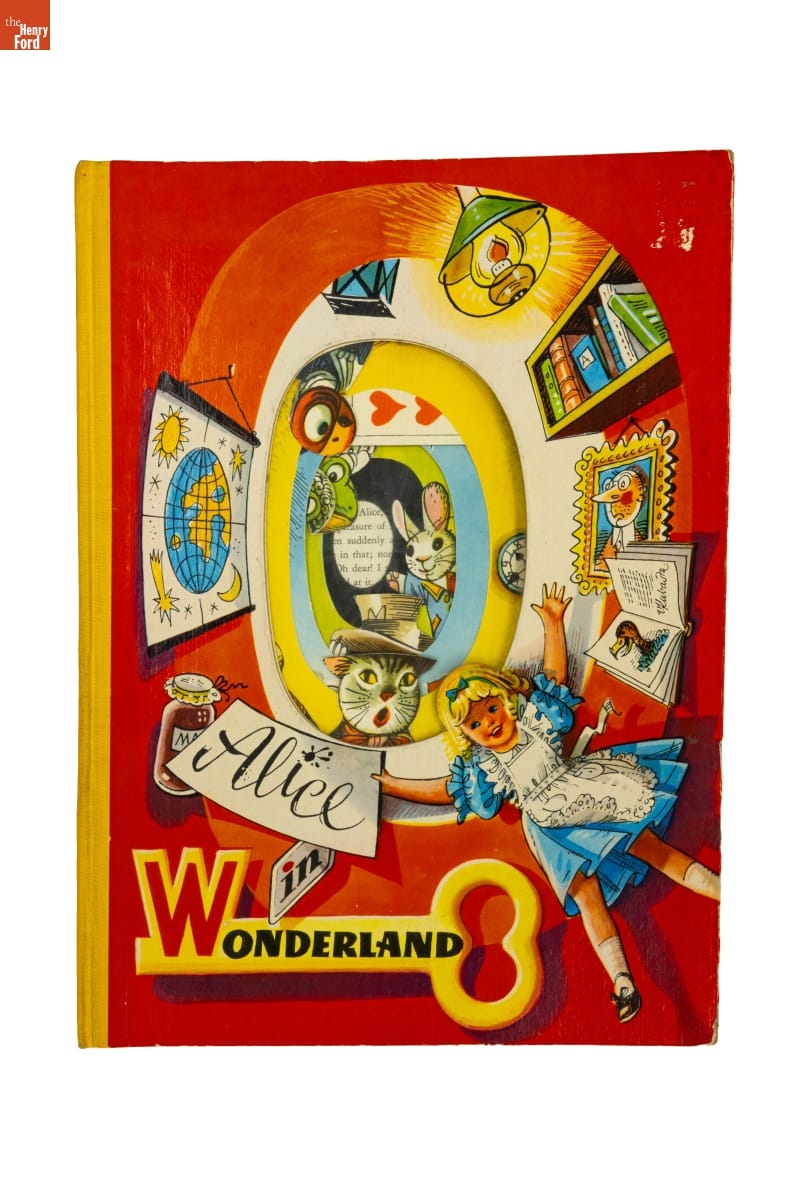
- "Alice in Wonderland" - Vojtech Kubasta (1914-1992), a Czech artist, illustrator, and designer, engineered imaginative movable and pop-up books, advertisements, holiday creches, and other materials. In the mid-1950s, Kubasta created his first of hundreds of pop-up book titles. His colorful and vivid illustrations and fresh and intricate three-dimensional designs inspired movable book artists and aficionados worldwide, spurring a pop-up book renaissance.
- 1952-1992
- Collections - Artifact
"Alice in Wonderland"
Vojtech Kubasta (1914-1992), a Czech artist, illustrator, and designer, engineered imaginative movable and pop-up books, advertisements, holiday creches, and other materials. In the mid-1950s, Kubasta created his first of hundreds of pop-up book titles. His colorful and vivid illustrations and fresh and intricate three-dimensional designs inspired movable book artists and aficionados worldwide, spurring a pop-up book renaissance.
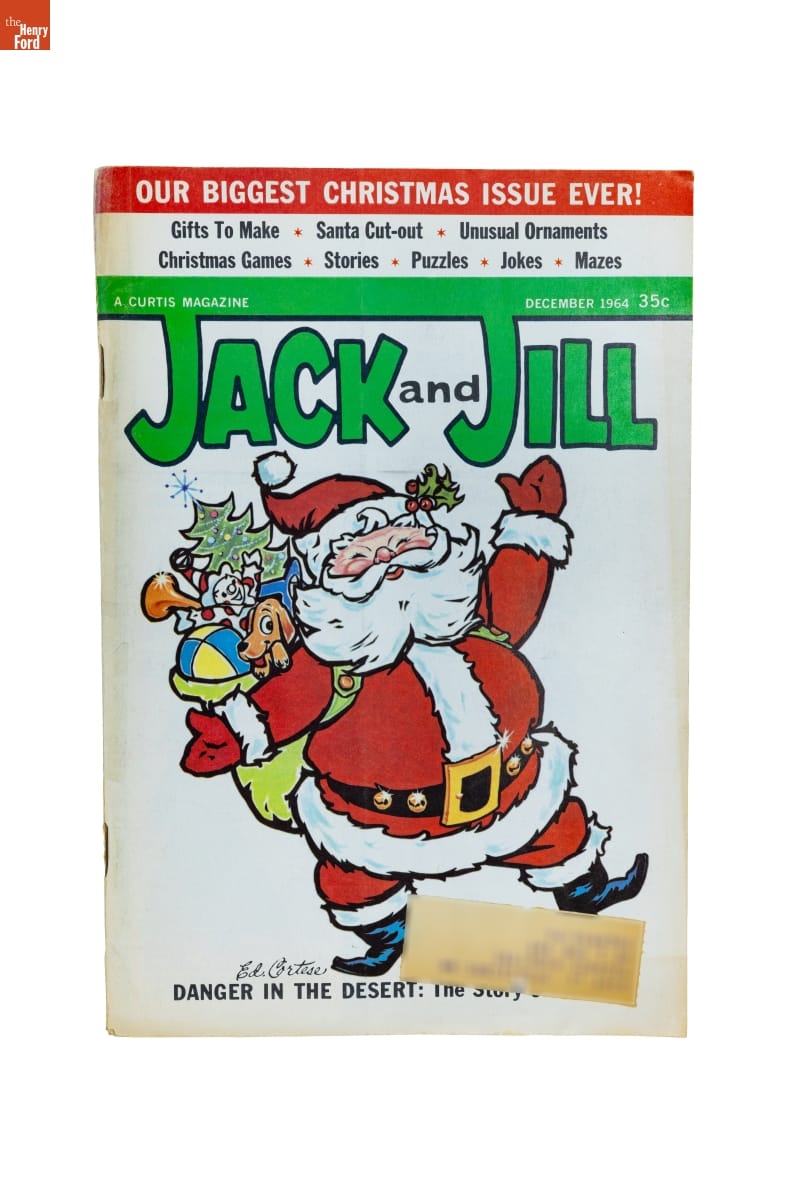
- "Jack and Jill" Magazine, December 1964 - <em>Jack & Jill</em> magazine was first published in 1938. The children's magazine features nonfiction articles, short stories, poems, and various educational activities -- games, comics, recipes, crafts, and more. Publishers initially shunned advertisements, fearful of the effect targeted ads may have on children. Carefully scrutinized ads first appeared in 1963. The Wrigley Zoo pop-up advertisement in this 1964 issue passed review.
- December 01, 1964
- Collections - Artifact
"Jack and Jill" Magazine, December 1964
Jack & Jill magazine was first published in 1938. The children's magazine features nonfiction articles, short stories, poems, and various educational activities -- games, comics, recipes, crafts, and more. Publishers initially shunned advertisements, fearful of the effect targeted ads may have on children. Carefully scrutinized ads first appeared in 1963. The Wrigley Zoo pop-up advertisement in this 1964 issue passed review.
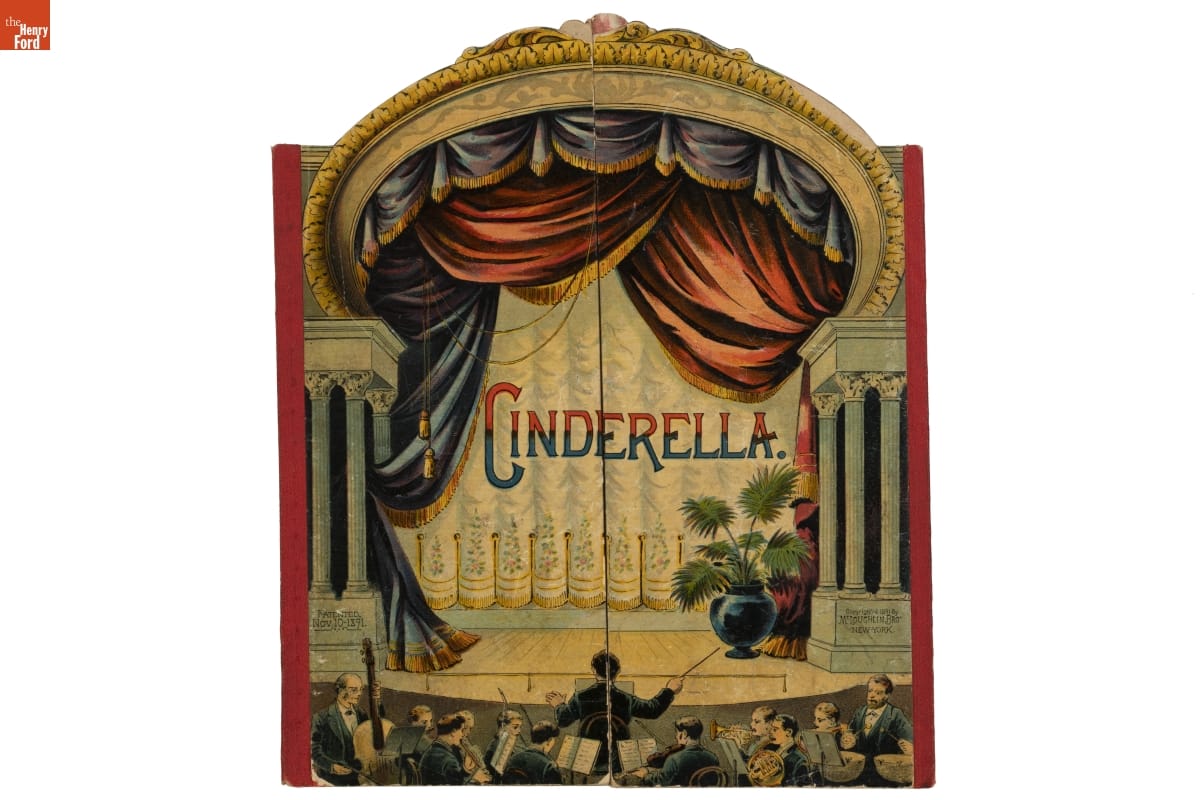
- Fold-out Book, "Cinderella," 1891 - In 1891, the McLoughlin Bros. publishing firm patented this arch-shaped variant of the rectangular "pantomime" books available at the time. Pantomime books depicted a theater during a live stage show. Readers turned the pages to reveal each new scene as a family of theatergoers -- printed behind the cover flaps -- watched the "play" unfold.
- 1891
- Collections - Artifact
Fold-out Book, "Cinderella," 1891
In 1891, the McLoughlin Bros. publishing firm patented this arch-shaped variant of the rectangular "pantomime" books available at the time. Pantomime books depicted a theater during a live stage show. Readers turned the pages to reveal each new scene as a family of theatergoers -- printed behind the cover flaps -- watched the "play" unfold.
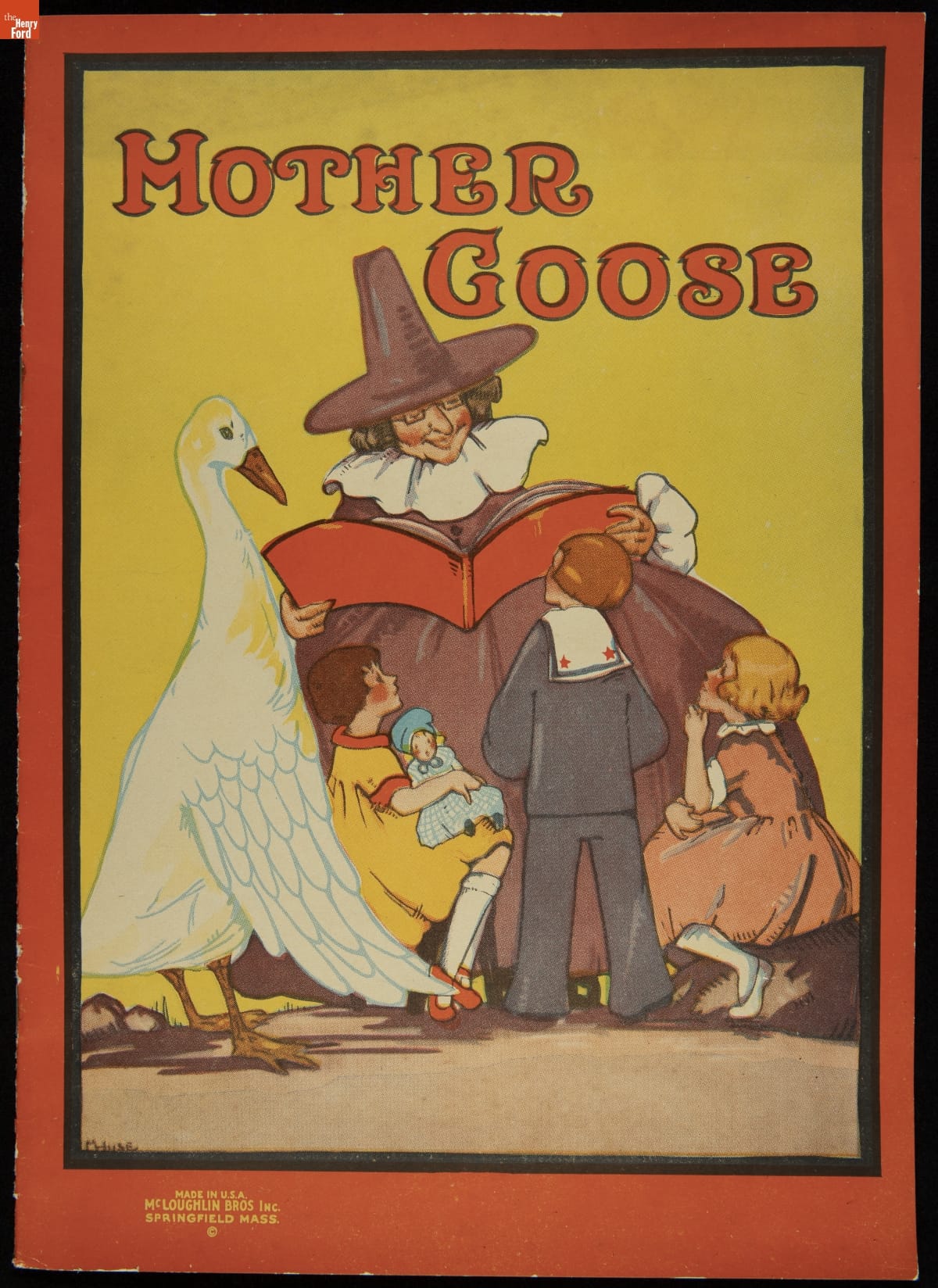
- Mother Goose Rhymes, 1920-1940 - Leading game manufacturer Milton Bradley acquired the McLoughlin Bros. publishing firm, known for its pioneering use of color printing technologies, in 1920. The company continued publishing books -- including this perennial children's favorite, "Mother Goose" -- and other products through its McLoughlin division into the 1940s.
- 1920-1940
- Collections - Artifact
Mother Goose Rhymes, 1920-1940
Leading game manufacturer Milton Bradley acquired the McLoughlin Bros. publishing firm, known for its pioneering use of color printing technologies, in 1920. The company continued publishing books -- including this perennial children's favorite, "Mother Goose" -- and other products through its McLoughlin division into the 1940s.
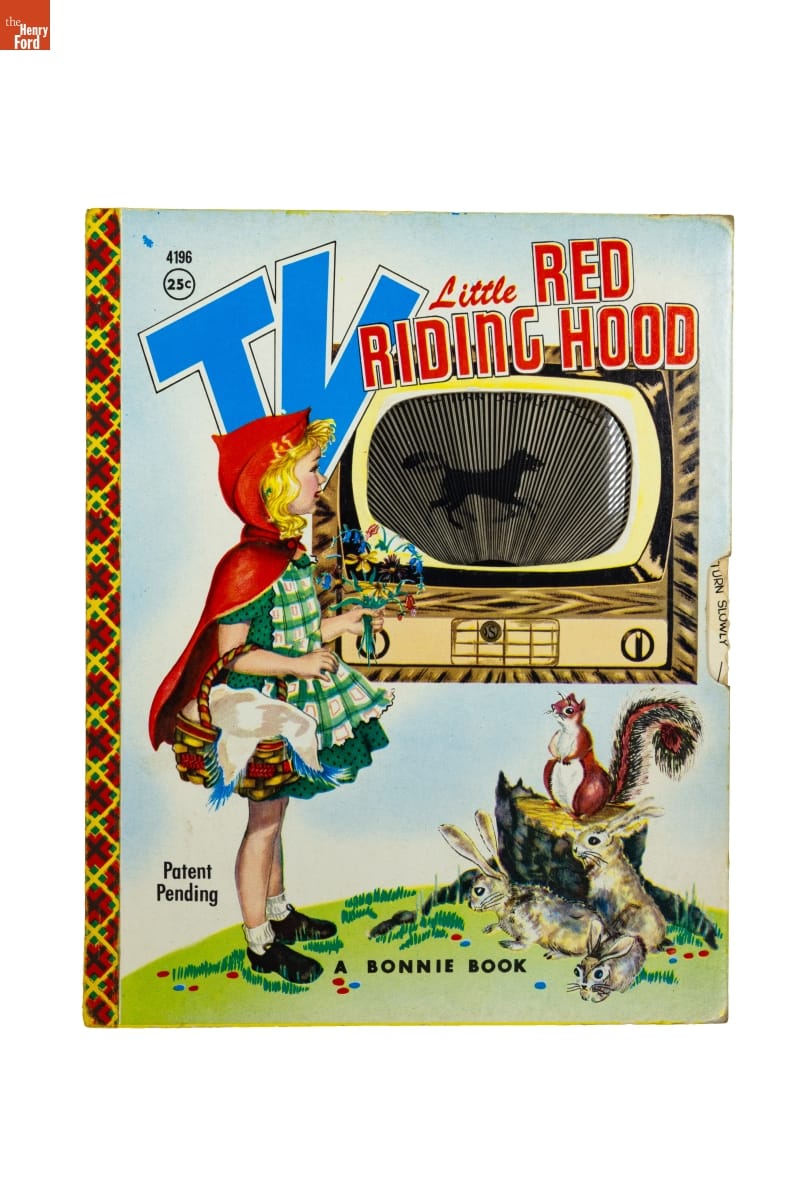
- "TV Little Red Riding Hood," 1955 - After World War II, televisions began competing with books and other playthings for children's time and attention. This movable book enticed young readers with a simple gimmick. When readers turned the wheel, the pictures in the die-cut opening on the cover appeared to move -- much like the flickering black and white images then being transmitted to home television sets.
- 1955
- Collections - Artifact
"TV Little Red Riding Hood," 1955
After World War II, televisions began competing with books and other playthings for children's time and attention. This movable book enticed young readers with a simple gimmick. When readers turned the wheel, the pictures in the die-cut opening on the cover appeared to move -- much like the flickering black and white images then being transmitted to home television sets.