
Search
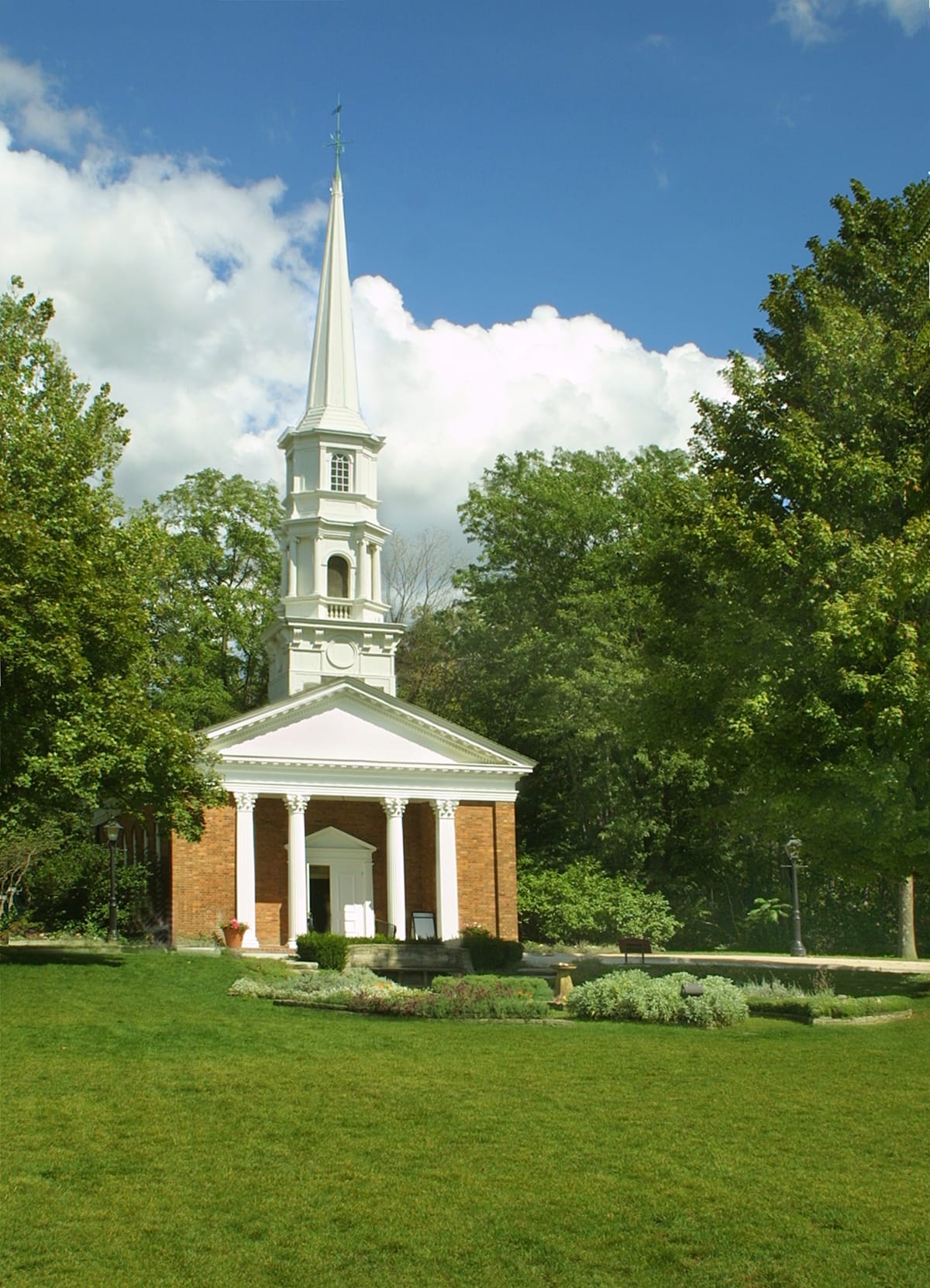
- Martha-Mary Chapel - Churches were a center of community life in the 1700s, a place where townspeople came together to attend services and socialize. The Martha-Mary Chapel, with its architecture inspired by New England's colonial-era churches, was built in Greenfield Village in 1929. This chapel was named after Henry Ford's mother, Mary Litogot Ford, and his mother-in-law, Martha Bench Bryant.
- 1929
- Collections - Artifact
Martha-Mary Chapel
Churches were a center of community life in the 1700s, a place where townspeople came together to attend services and socialize. The Martha-Mary Chapel, with its architecture inspired by New England's colonial-era churches, was built in Greenfield Village in 1929. This chapel was named after Henry Ford's mother, Mary Litogot Ford, and his mother-in-law, Martha Bench Bryant.
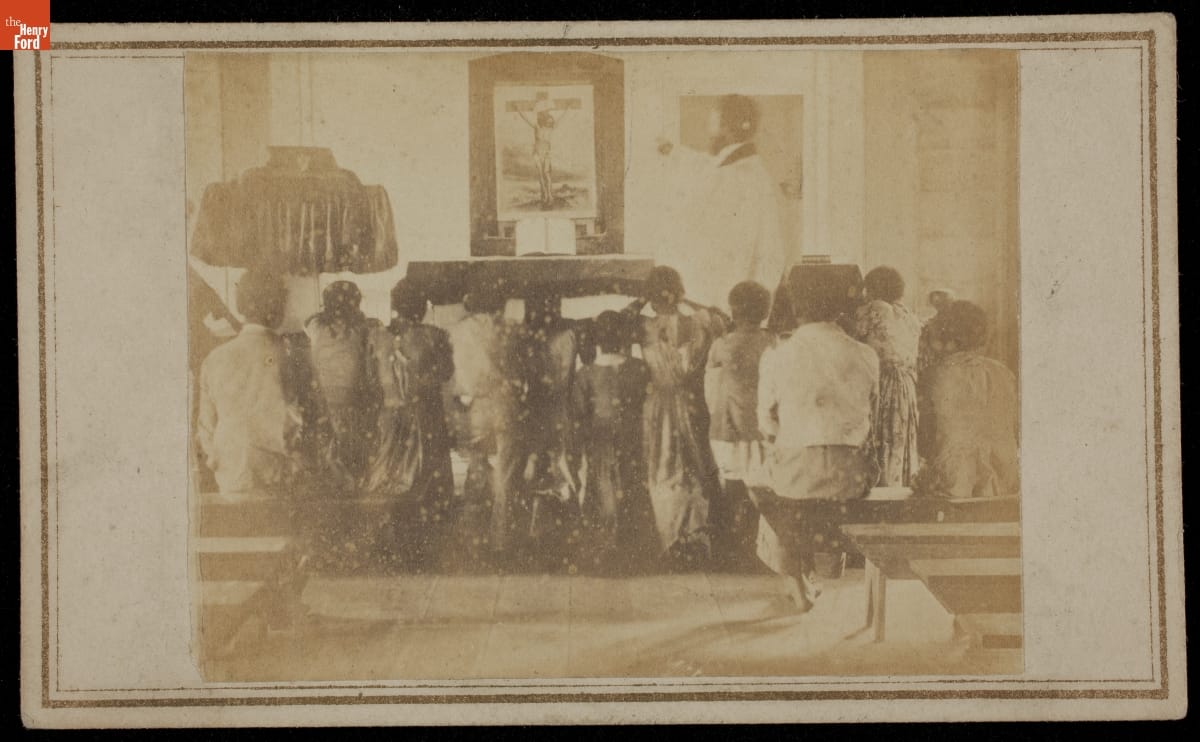
- Worship Service at African-American Church, Charleston, South Carolina, circa 1862 -
- circa 1862
- Collections - Artifact
Worship Service at African-American Church, Charleston, South Carolina, circa 1862
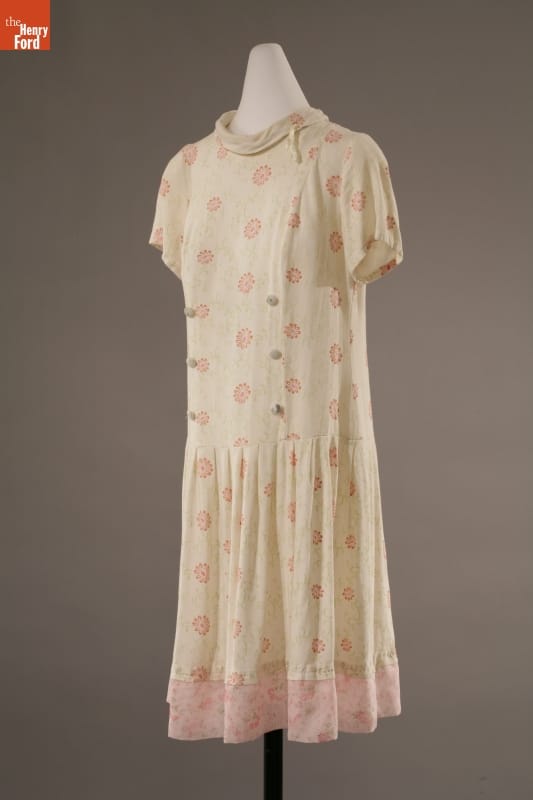
- Sunday Dress Worn by Susana Allen Hunter, circa 1965 -
- circa 1965
- Collections - Artifact
Sunday Dress Worn by Susana Allen Hunter, circa 1965
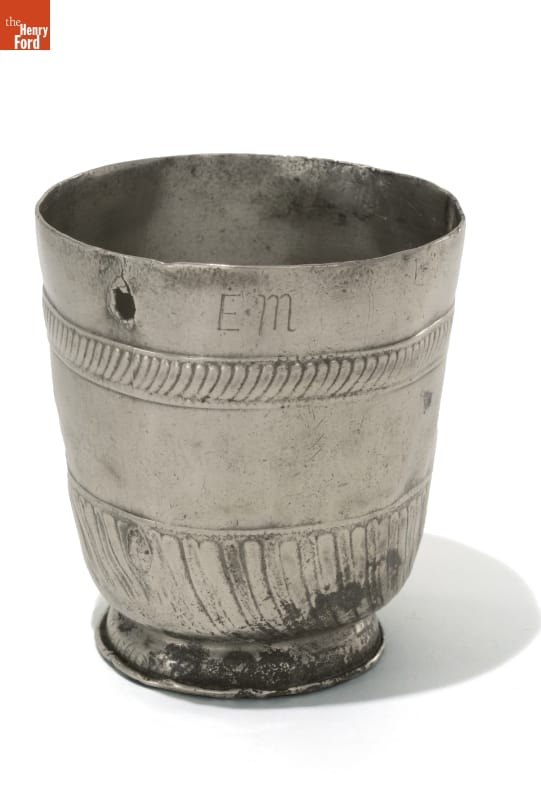
- Communion Cup, circa 1725 -
- circa 1725
- Collections - Artifact
Communion Cup, circa 1725
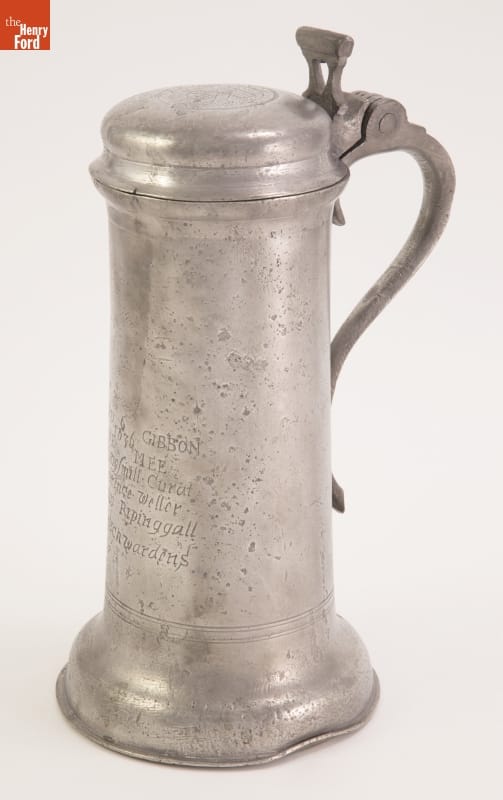
- Charles I Flagon, circa 1630-1640 - Pewter flagons were used for communion services in English and American churches along with plates, bowls and chalices. They also occasionally appear in the homes of the wealthy. This bun-lidded English flagon is one of the earliest known types, having survived the English Civil War of the 1640s, when many metal objects were melted down for weapons.
- circa 1630-1640
- Collections - Artifact
Charles I Flagon, circa 1630-1640
Pewter flagons were used for communion services in English and American churches along with plates, bowls and chalices. They also occasionally appear in the homes of the wealthy. This bun-lidded English flagon is one of the earliest known types, having survived the English Civil War of the 1640s, when many metal objects were melted down for weapons.
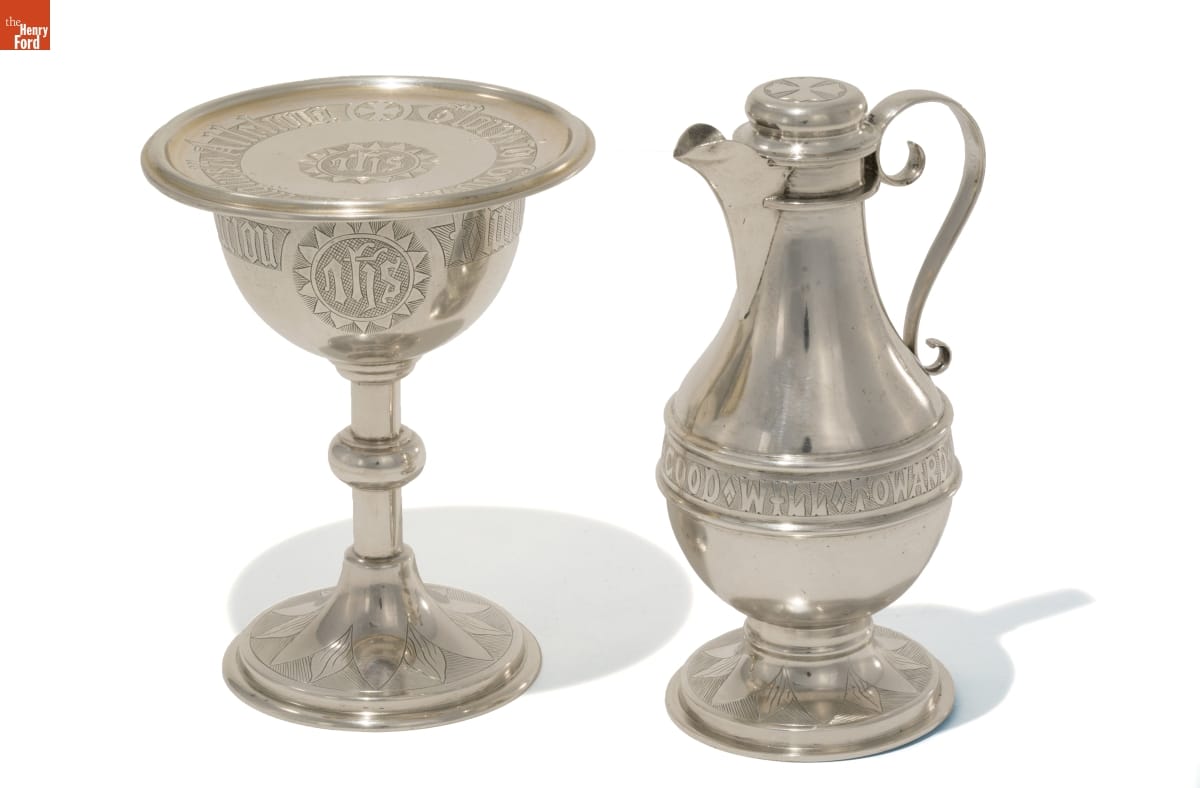
- Traveling Communion Set, 1840-1867 - Catholics and members of most Protestant denominations employ specific material for religious rituals. This mid-19th-century communion set consists of three distinctive objects: a paten (a round plate that holds the consecrated bread), an ewer that holds sacramental wine, and a chalice or cup (from which communicants drink the wine). Francis W. Cooper, a leading maker of ecclesiastical silver, created this set.
- 1840-1867
- Collections - Artifact
Traveling Communion Set, 1840-1867
Catholics and members of most Protestant denominations employ specific material for religious rituals. This mid-19th-century communion set consists of three distinctive objects: a paten (a round plate that holds the consecrated bread), an ewer that holds sacramental wine, and a chalice or cup (from which communicants drink the wine). Francis W. Cooper, a leading maker of ecclesiastical silver, created this set.
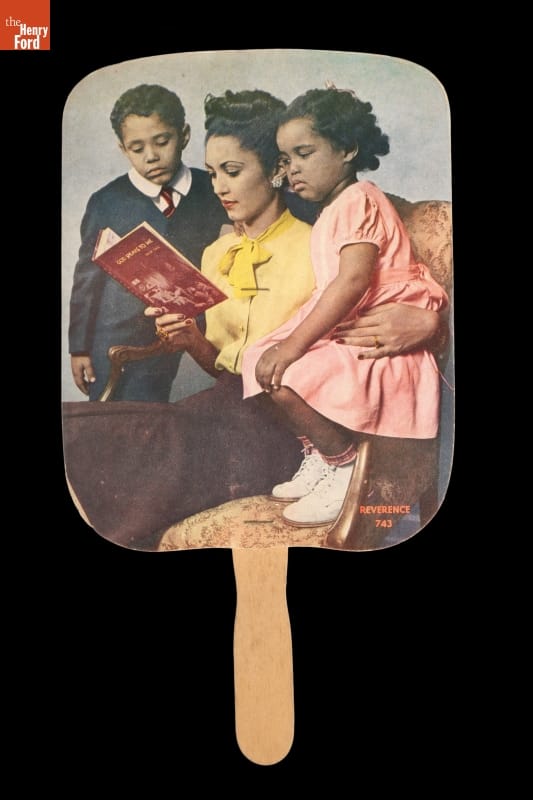
- Fan from Little Rock Missionary Baptist Church, circa 1960 - Worshipers in the mid-1900s used inexpensive, handheld fans to keep cool in churches without air conditioning--especially in the American South. Local funeral homes often supplied congregations with these fans. One side usually depicted biblical scenes, devotional settings, or even famous individuals. On the other side, the businesses listed vital services and contact information.
- circa 1960
- Collections - Artifact
Fan from Little Rock Missionary Baptist Church, circa 1960
Worshipers in the mid-1900s used inexpensive, handheld fans to keep cool in churches without air conditioning--especially in the American South. Local funeral homes often supplied congregations with these fans. One side usually depicted biblical scenes, devotional settings, or even famous individuals. On the other side, the businesses listed vital services and contact information.
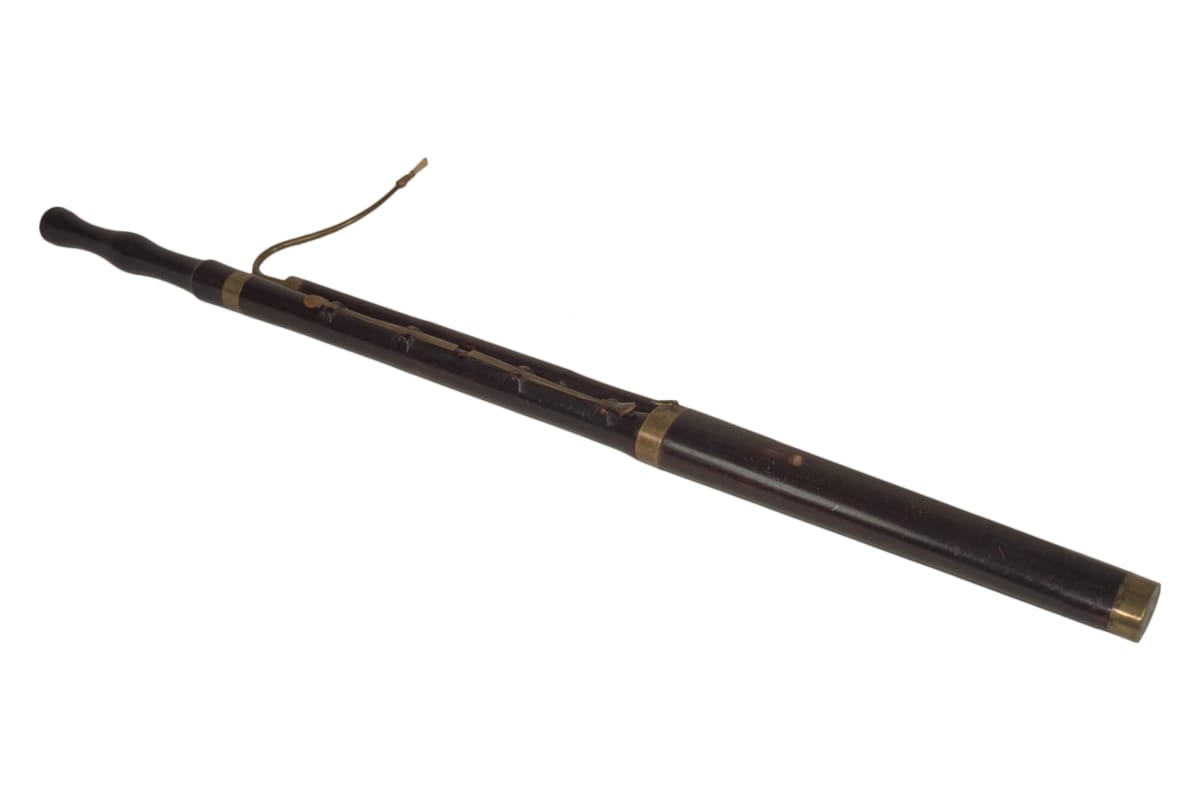
- Bassoon, circa 1790 - Bassoons were commonly used in village bands of the late 18th and early 19th century, along with other wind instruments. Some early American churches might use a bassoon to provide a bass line to keep the congregation on pitch when singing hymns, when an organ was beyond their means. This N. Curtiss bassoon may be the earliest surviving American-made bassoon.
- circa 1790
- Collections - Artifact
Bassoon, circa 1790
Bassoons were commonly used in village bands of the late 18th and early 19th century, along with other wind instruments. Some early American churches might use a bassoon to provide a bass line to keep the congregation on pitch when singing hymns, when an organ was beyond their means. This N. Curtiss bassoon may be the earliest surviving American-made bassoon.
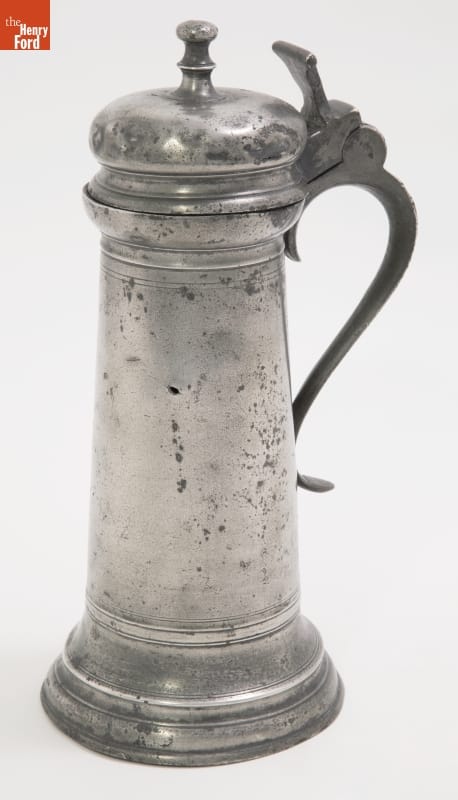
- Flagon, 1630-1640 - Pewter flagons were used for communion services in English and American churches along with plates, bowls and chalices. They also occasionally appear in the homes of the wealthy. This bun-lidded English flagon is one of the earliest known types, having survived the English Civil War of the 1640s, when many metal objects were melted down for weapons.
- 1630-1640
- Collections - Artifact
Flagon, 1630-1640
Pewter flagons were used for communion services in English and American churches along with plates, bowls and chalices. They also occasionally appear in the homes of the wealthy. This bun-lidded English flagon is one of the earliest known types, having survived the English Civil War of the 1640s, when many metal objects were melted down for weapons.
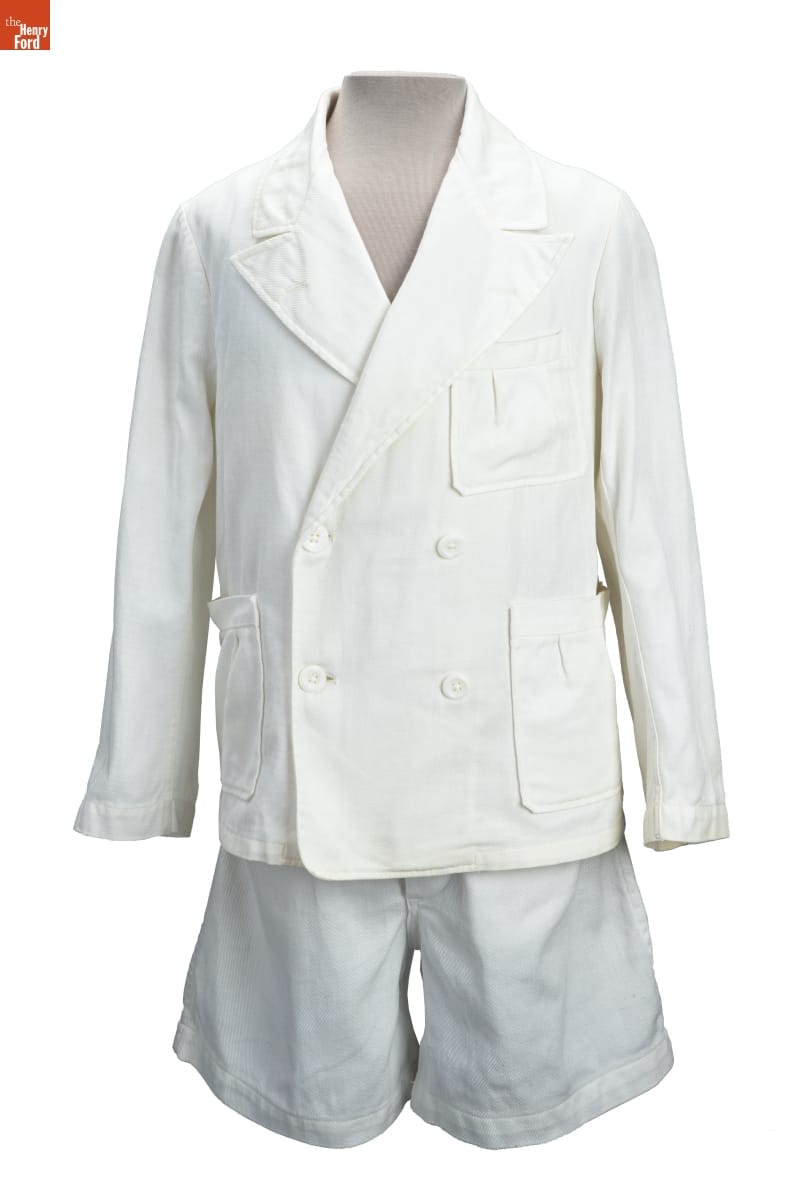
- Boy's Suit, Worn by Richard R. Johnson to his First Communion, 1941 -
- 1941
- Collections - Artifact
Boy's Suit, Worn by Richard R. Johnson to his First Communion, 1941