
Search
- Westinghouse Type A Circuit Breaker, circa 1904 - In the late 1800s, as companies began producing electricity to light cities, run streetcars, and power factories, homes and offices, new apparatus was needed to safely deliver and use electricity. Excess current in a circuit could damage electric lines and equipment. Circuit breakers protected electrical circuits by automatically interrupting the power flow during an event overload.
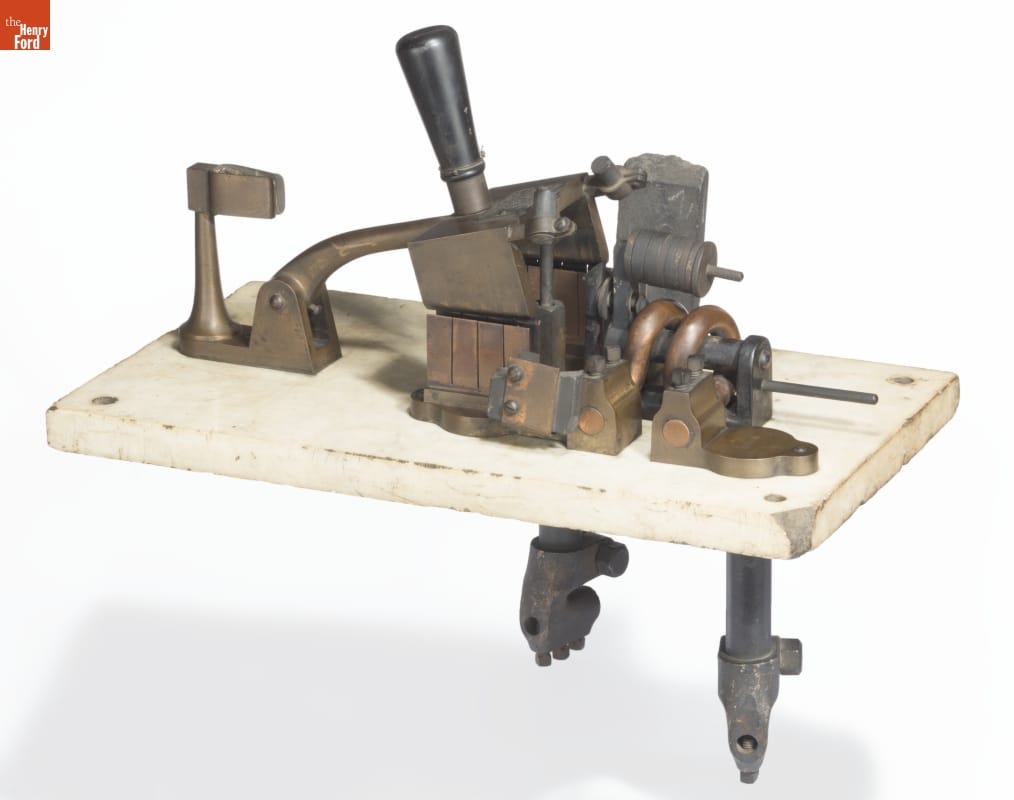
- circa 1904
- Collections - Artifact
Westinghouse Type A Circuit Breaker, circa 1904
In the late 1800s, as companies began producing electricity to light cities, run streetcars, and power factories, homes and offices, new apparatus was needed to safely deliver and use electricity. Excess current in a circuit could damage electric lines and equipment. Circuit breakers protected electrical circuits by automatically interrupting the power flow during an event overload.
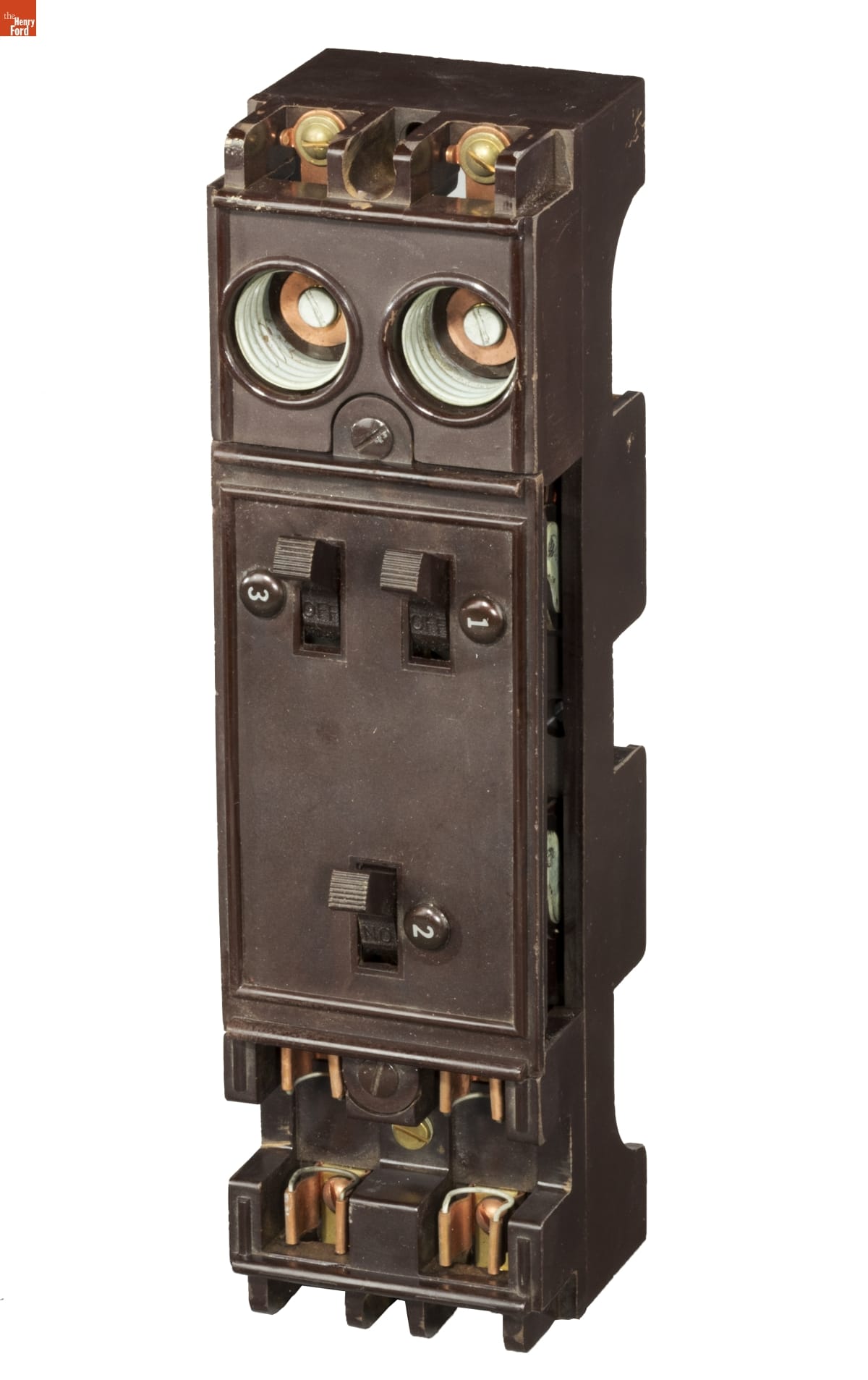
- Square D Company Circuit Breaker - In the late 1800s, as companies began producing electricity to light cities, run streetcars, and power factories, homes and offices, new apparatus was needed to safely deliver and use electricity. Excess current in a circuit could damage electric lines and equipment. Circuit breakers protected electrical circuits by automatically interrupting the power flow during an event overload.
- Collections - Artifact
Square D Company Circuit Breaker
In the late 1800s, as companies began producing electricity to light cities, run streetcars, and power factories, homes and offices, new apparatus was needed to safely deliver and use electricity. Excess current in a circuit could damage electric lines and equipment. Circuit breakers protected electrical circuits by automatically interrupting the power flow during an event overload.
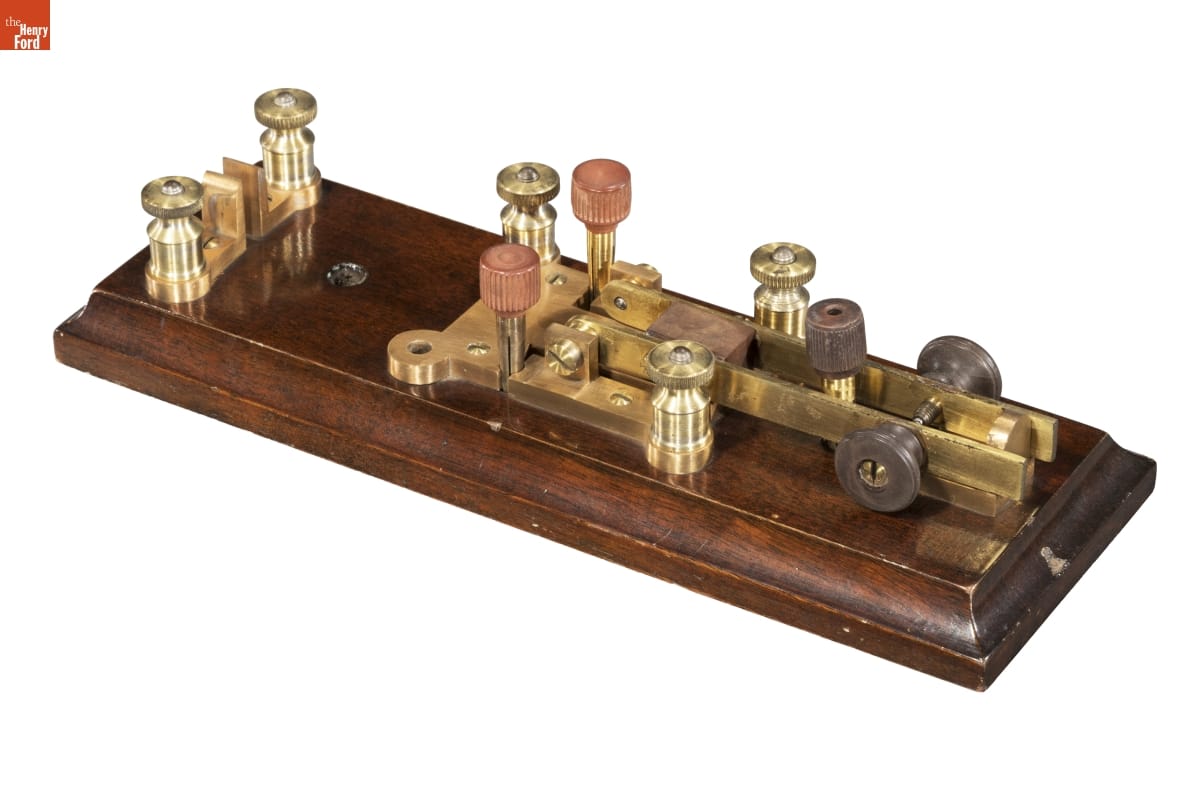
- Circuit Breaker - In the late 1800s, as companies began producing electricity to light cities, run streetcars, and power factories, homes and offices, new apparatus was needed to safely deliver and use electricity. Excess current in a circuit could damage electric lines and equipment. Circuit breakers protected electrical circuits by automatically interrupting the power flow during an event overload.
- Collections - Artifact
Circuit Breaker
In the late 1800s, as companies began producing electricity to light cities, run streetcars, and power factories, homes and offices, new apparatus was needed to safely deliver and use electricity. Excess current in a circuit could damage electric lines and equipment. Circuit breakers protected electrical circuits by automatically interrupting the power flow during an event overload.
- Condit Electrical Mfg. Co. Type K Circuit Breaker, 1899-1925 - In the late 1800s, as companies began producing electricity to light cities, run streetcars, and power factories, homes and offices, new apparatus was needed to safely deliver and use electricity. Excess current in a circuit could damage electric lines and equipment. Circuit breakers protected electrical circuits by automatically interrupting the power flow during an event overload.
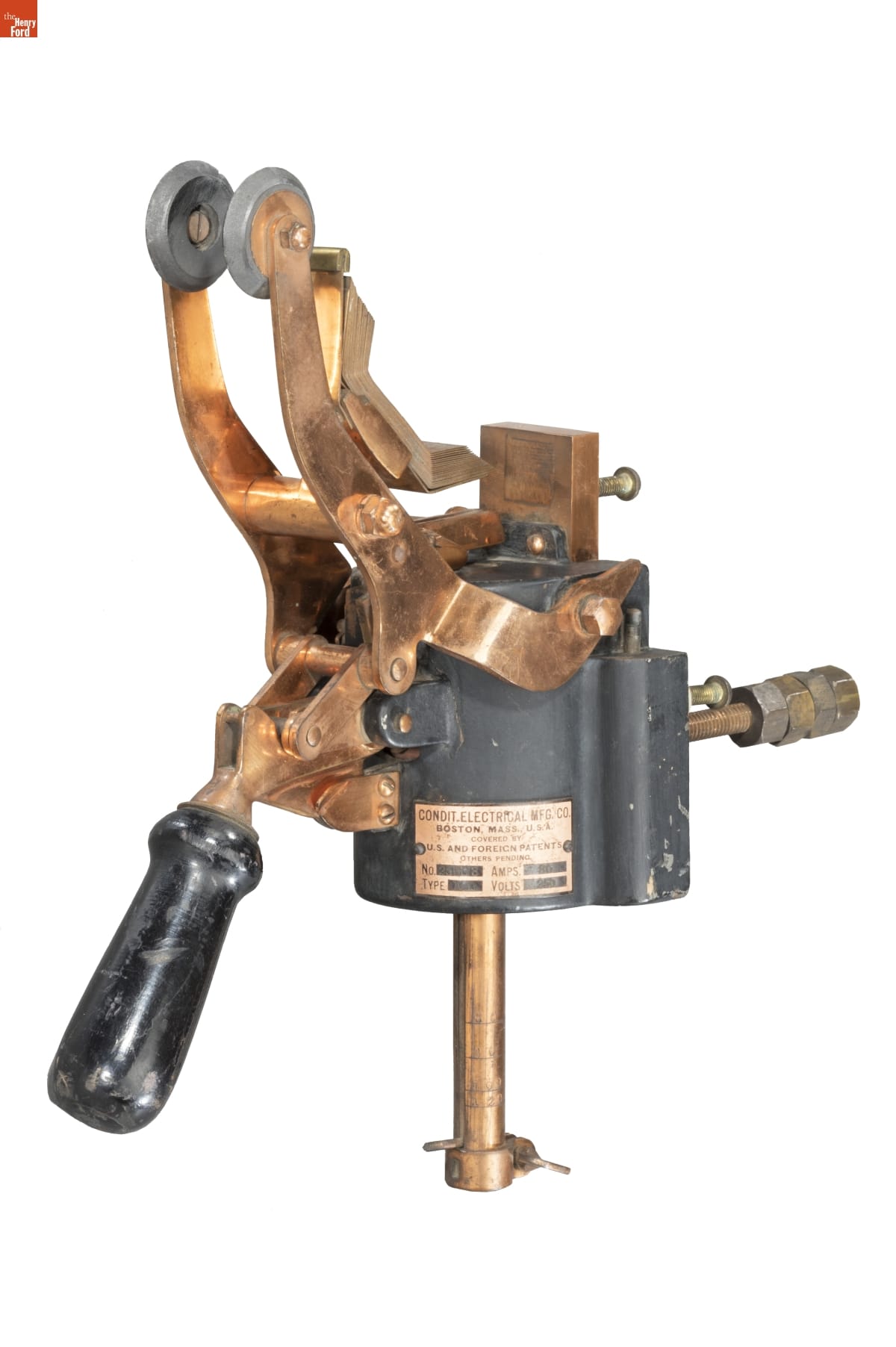
- 1899-1925
- Collections - Artifact
Condit Electrical Mfg. Co. Type K Circuit Breaker, 1899-1925
In the late 1800s, as companies began producing electricity to light cities, run streetcars, and power factories, homes and offices, new apparatus was needed to safely deliver and use electricity. Excess current in a circuit could damage electric lines and equipment. Circuit breakers protected electrical circuits by automatically interrupting the power flow during an event overload.
- Condit Electrical Mfg. Co. Type K Circuit Breaker, 1899-1925 - In the late 1800s, as companies began producing electricity to light cities, run streetcars, and power factories, homes and offices, new apparatus was needed to safely deliver and use electricity. Excess current in a circuit could damage electric lines and equipment. Circuit breakers protected electrical circuits by automatically interrupting the power flow during an event overload.
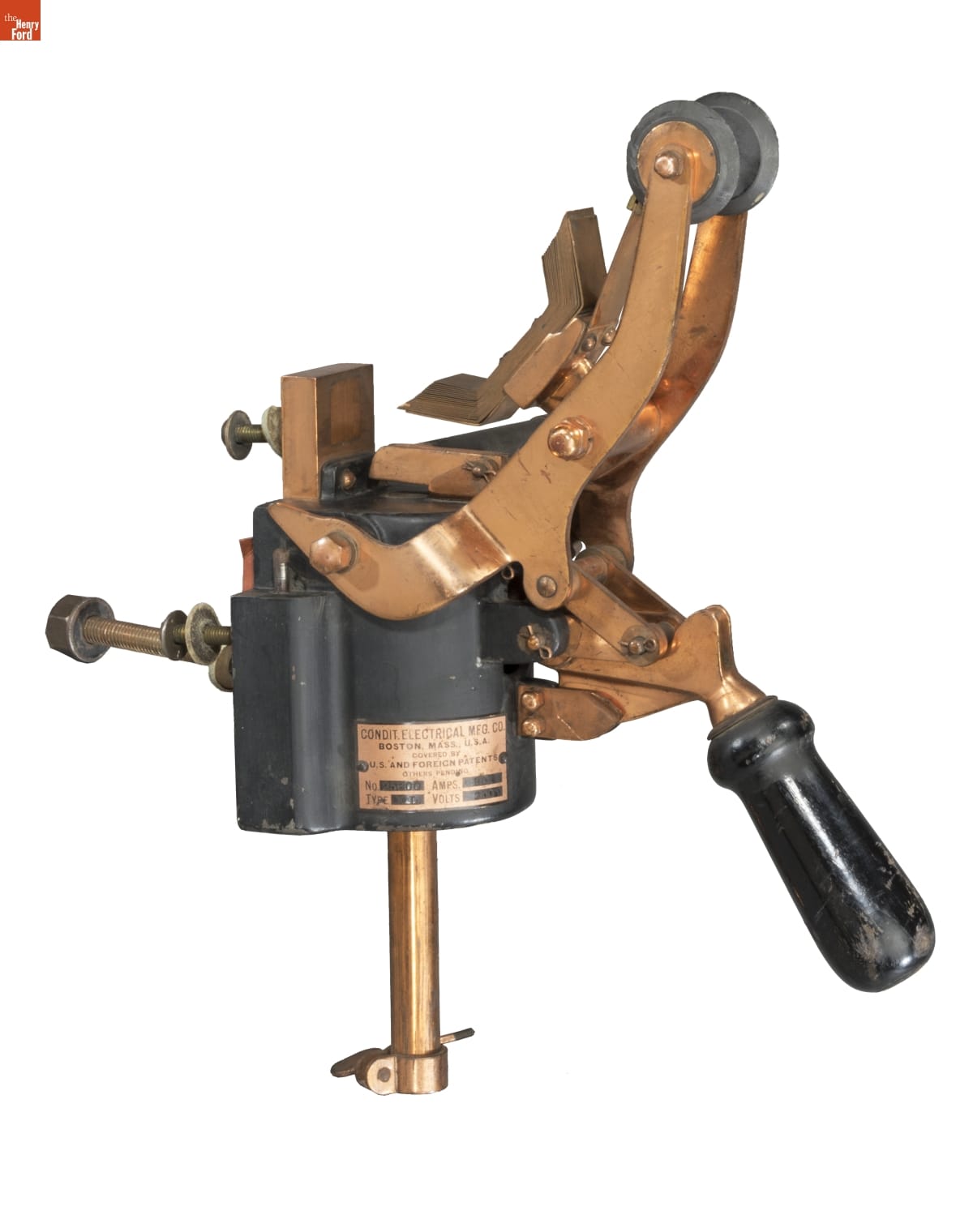
- 1899-1925
- Collections - Artifact
Condit Electrical Mfg. Co. Type K Circuit Breaker, 1899-1925
In the late 1800s, as companies began producing electricity to light cities, run streetcars, and power factories, homes and offices, new apparatus was needed to safely deliver and use electricity. Excess current in a circuit could damage electric lines and equipment. Circuit breakers protected electrical circuits by automatically interrupting the power flow during an event overload.
- Switchboard Equipment Company Circuit Breaker, 1905 - In the late 1800s, as companies began producing electricity to light cities, run streetcars, and power factories, homes and offices, new apparatus was needed to safely deliver and use electricity. Excess current in a circuit could damage electric lines and equipment. Circuit breakers protected electrical circuits by automatically interrupting the power flow during an event overload.
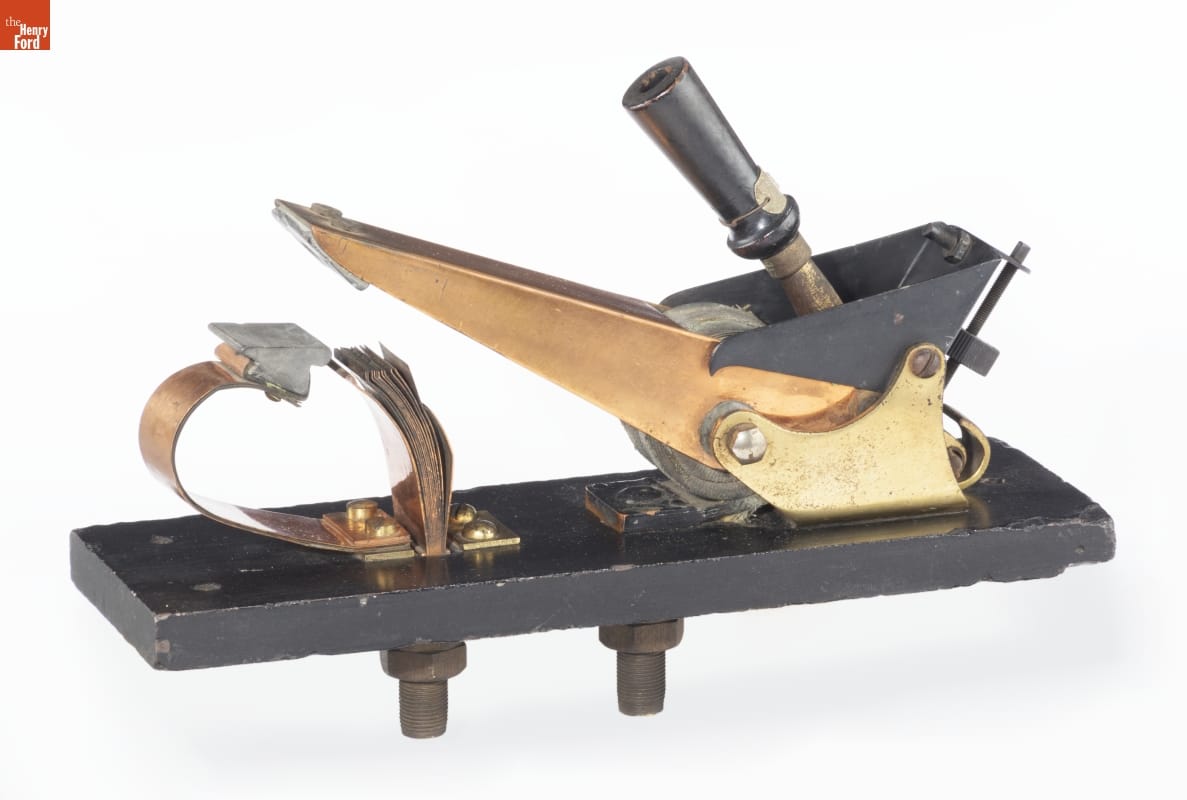
- 1905
- Collections - Artifact
Switchboard Equipment Company Circuit Breaker, 1905
In the late 1800s, as companies began producing electricity to light cities, run streetcars, and power factories, homes and offices, new apparatus was needed to safely deliver and use electricity. Excess current in a circuit could damage electric lines and equipment. Circuit breakers protected electrical circuits by automatically interrupting the power flow during an event overload.
- Westinghouse Experimental Model of a Type A Carbon Circuit Breaker, circa 1891 - In the late 1800s, as companies began producing electricity to light cities, run streetcars, and power factories, homes and offices, new apparatus was needed to safely deliver and use electricity. Excess current in a circuit could damage electric lines and equipment. Circuit breakers protected electrical circuits by automatically interrupting the power flow during an event overload.
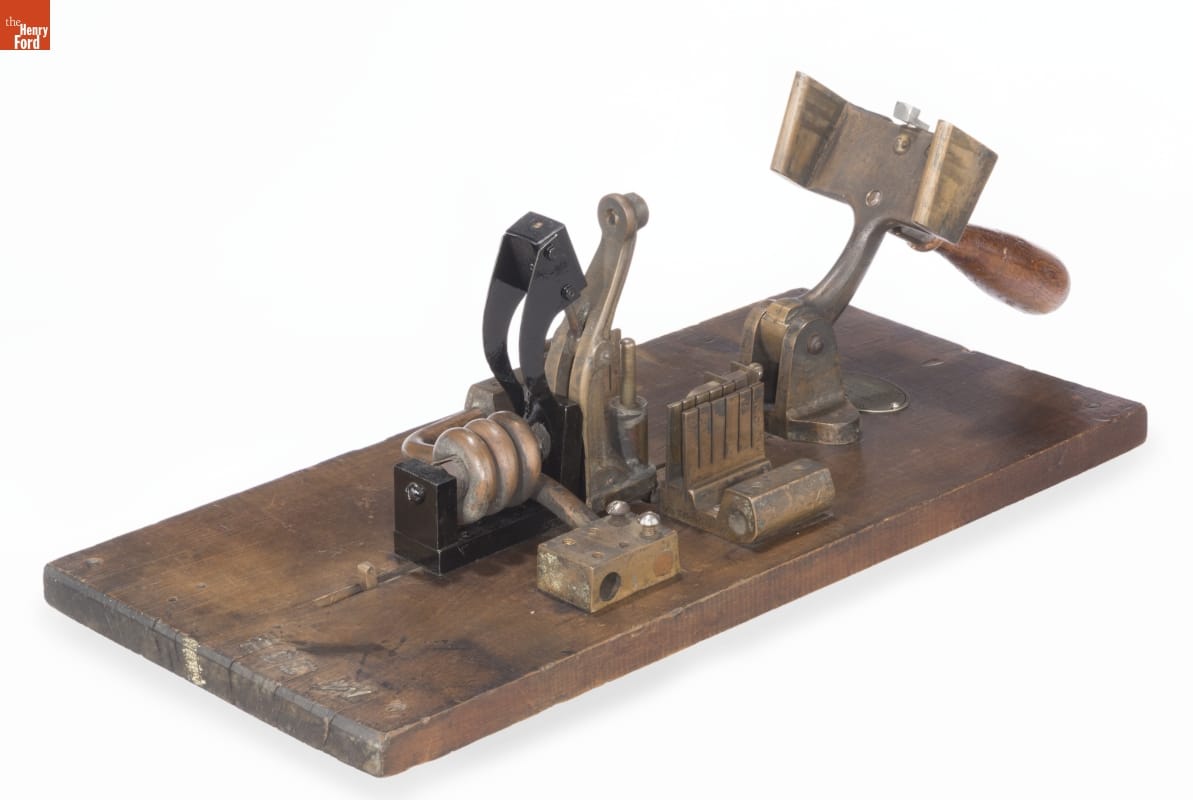
- circa 1891
- Collections - Artifact
Westinghouse Experimental Model of a Type A Carbon Circuit Breaker, circa 1891
In the late 1800s, as companies began producing electricity to light cities, run streetcars, and power factories, homes and offices, new apparatus was needed to safely deliver and use electricity. Excess current in a circuit could damage electric lines and equipment. Circuit breakers protected electrical circuits by automatically interrupting the power flow during an event overload.
- Square D Company Circuit Breaker, circa 1950 - In the late 1800s, as companies began producing electricity to light cities, run streetcars, and power factories, homes and offices, new apparatus was needed to safely deliver and use electricity. Excess current in a circuit could damage electric lines and equipment. Circuit breakers protected electrical circuits by automatically interrupting the power flow during an event overload.
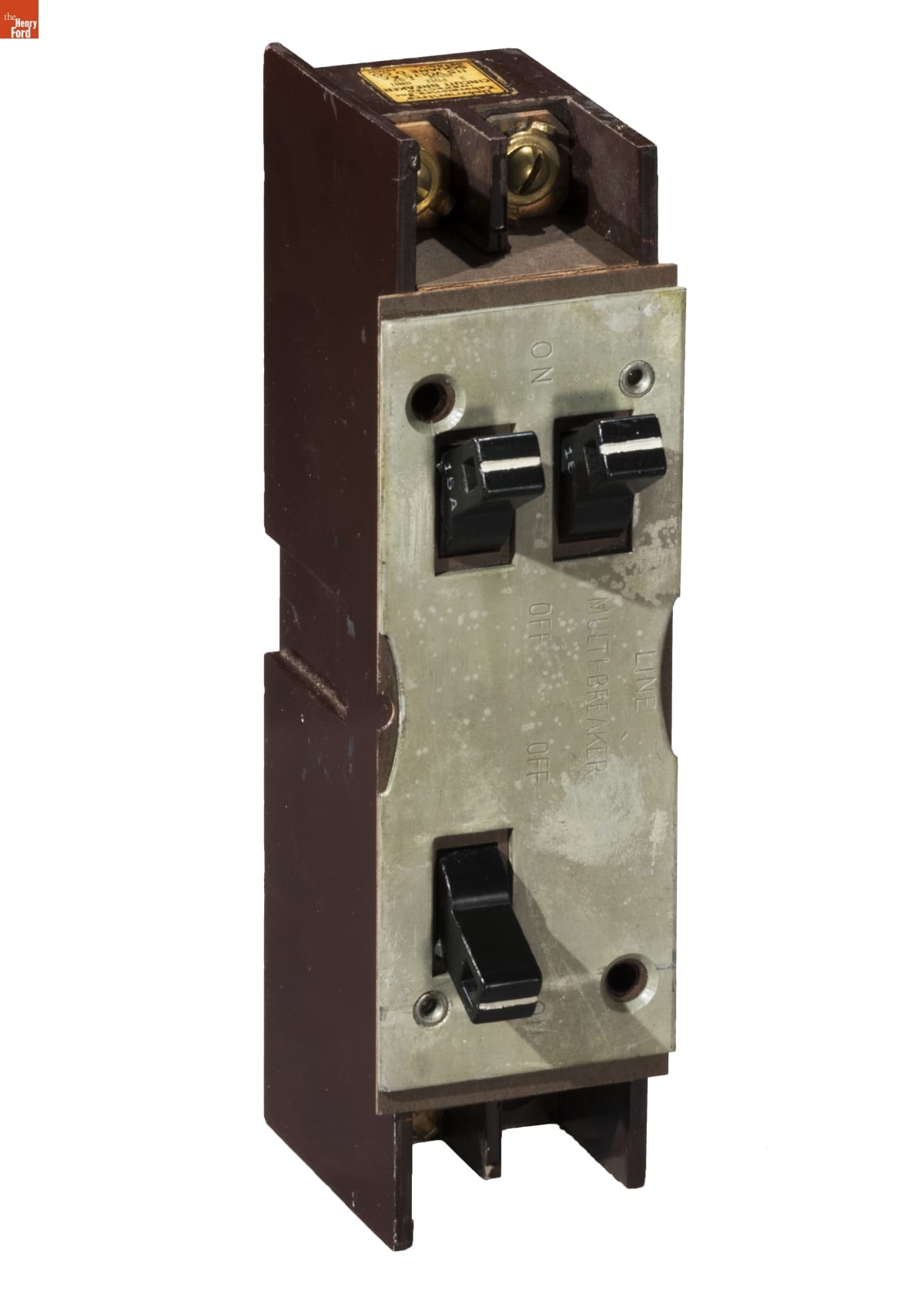
- circa 1950
- Collections - Artifact
Square D Company Circuit Breaker, circa 1950
In the late 1800s, as companies began producing electricity to light cities, run streetcars, and power factories, homes and offices, new apparatus was needed to safely deliver and use electricity. Excess current in a circuit could damage electric lines and equipment. Circuit breakers protected electrical circuits by automatically interrupting the power flow during an event overload.
- Condit Electrical Mfg. Co. Type K Circuit Breaker, 1899-1925 - In the late 1800s, as companies began producing electricity to light cities, run streetcars, and power factories, homes and offices, new apparatus was needed to safely deliver and use electricity. Excess current in a circuit could damage electric lines and equipment. Circuit breakers protected electrical circuits by automatically interrupting the power flow during an event overload.
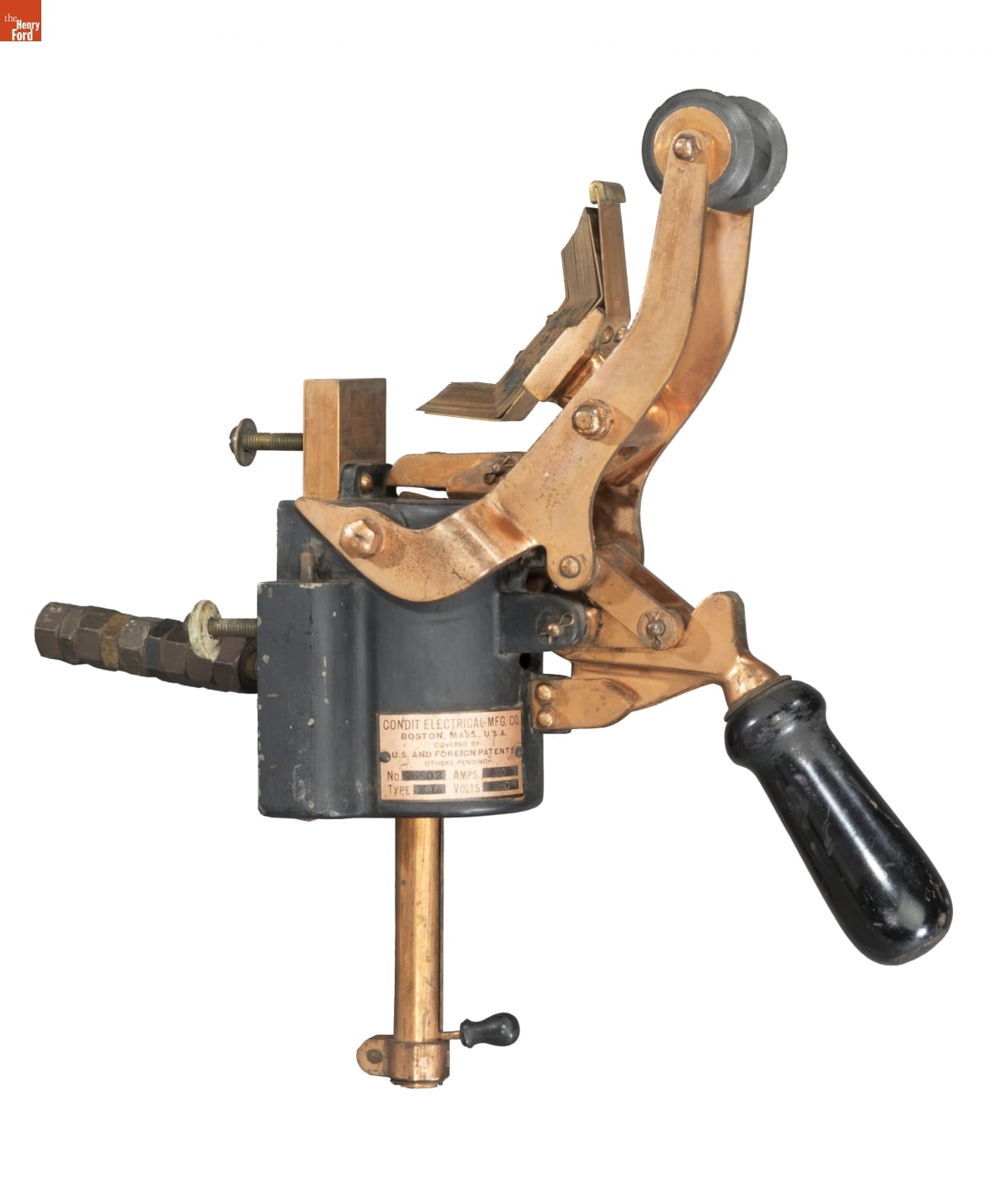
- 1899-1925
- Collections - Artifact
Condit Electrical Mfg. Co. Type K Circuit Breaker, 1899-1925
In the late 1800s, as companies began producing electricity to light cities, run streetcars, and power factories, homes and offices, new apparatus was needed to safely deliver and use electricity. Excess current in a circuit could damage electric lines and equipment. Circuit breakers protected electrical circuits by automatically interrupting the power flow during an event overload.
- Circuit Breaker - In the late 1800s, as companies began producing electricity to light cities, run streetcars, and power factories, homes and offices, new apparatus was needed to safely deliver and use electricity. Excess current in a circuit could damage electric lines and equipment. Circuit breakers protected electrical circuits by automatically interrupting the power flow during an event overload.
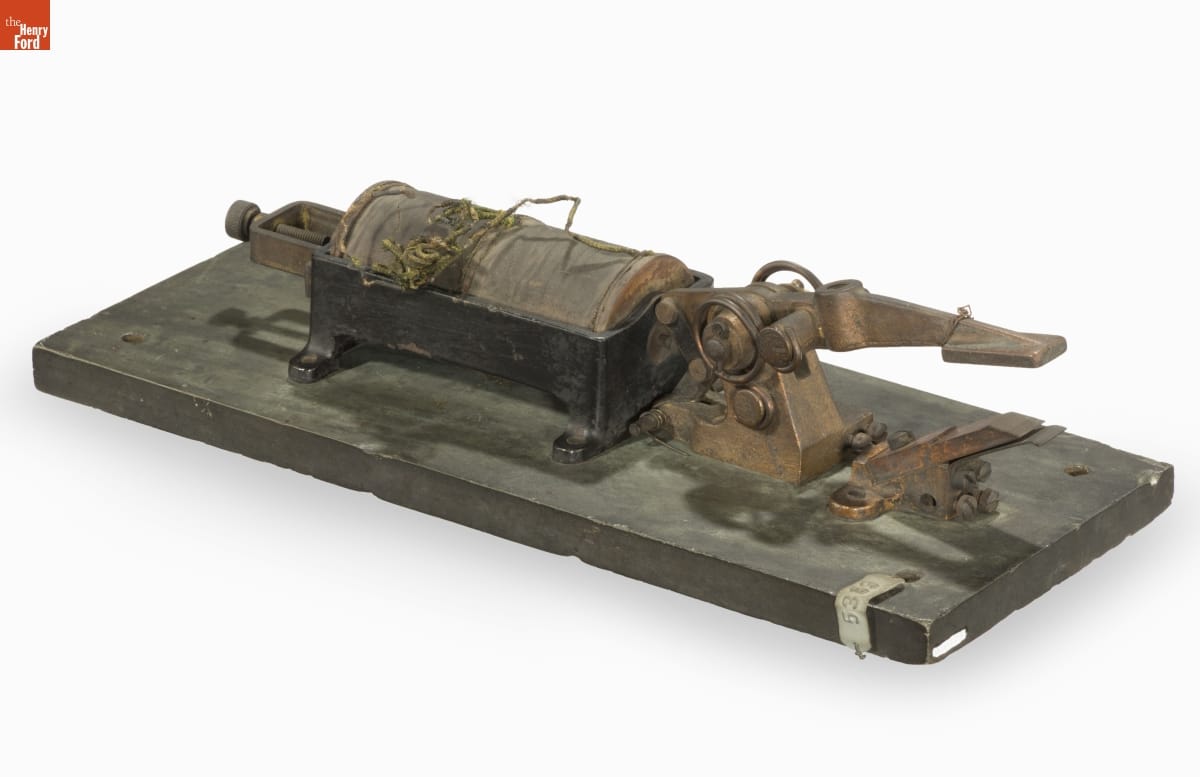
- Collections - Artifact
Circuit Breaker
In the late 1800s, as companies began producing electricity to light cities, run streetcars, and power factories, homes and offices, new apparatus was needed to safely deliver and use electricity. Excess current in a circuit could damage electric lines and equipment. Circuit breakers protected electrical circuits by automatically interrupting the power flow during an event overload.