
Search
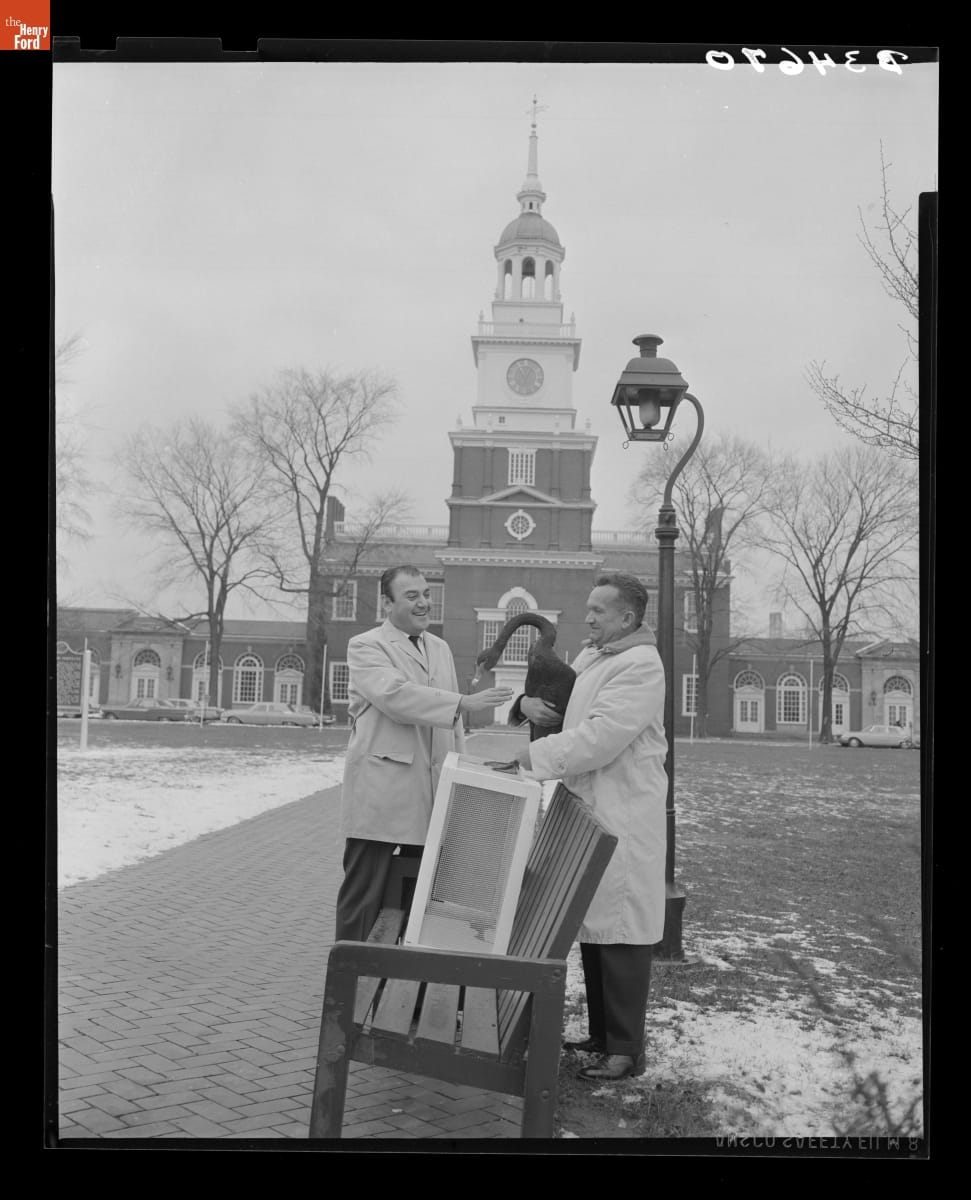
- Gus Munchow is Presented with a Rare Australian Black Swan Found at Camp Dearborn, December 1963 - Gustav Munchow became the gardener at Henry and Clara Ford's Fair Lane estate in Dearborn, Michigan, around 1930, after emigrating from Germany. Soon after, Henry asked him to landscape the gardens of the Cotswold Cottage, an English cottage Ford had recently moved to Greenfield Village. Munchow's work impressed the Fords. Munchow later led the grounds and maintenance departments for the Museum and Greenfield Village.
- December 01, 1963
- Collections - Artifact
Gus Munchow is Presented with a Rare Australian Black Swan Found at Camp Dearborn, December 1963
Gustav Munchow became the gardener at Henry and Clara Ford's Fair Lane estate in Dearborn, Michigan, around 1930, after emigrating from Germany. Soon after, Henry asked him to landscape the gardens of the Cotswold Cottage, an English cottage Ford had recently moved to Greenfield Village. Munchow's work impressed the Fords. Munchow later led the grounds and maintenance departments for the Museum and Greenfield Village.
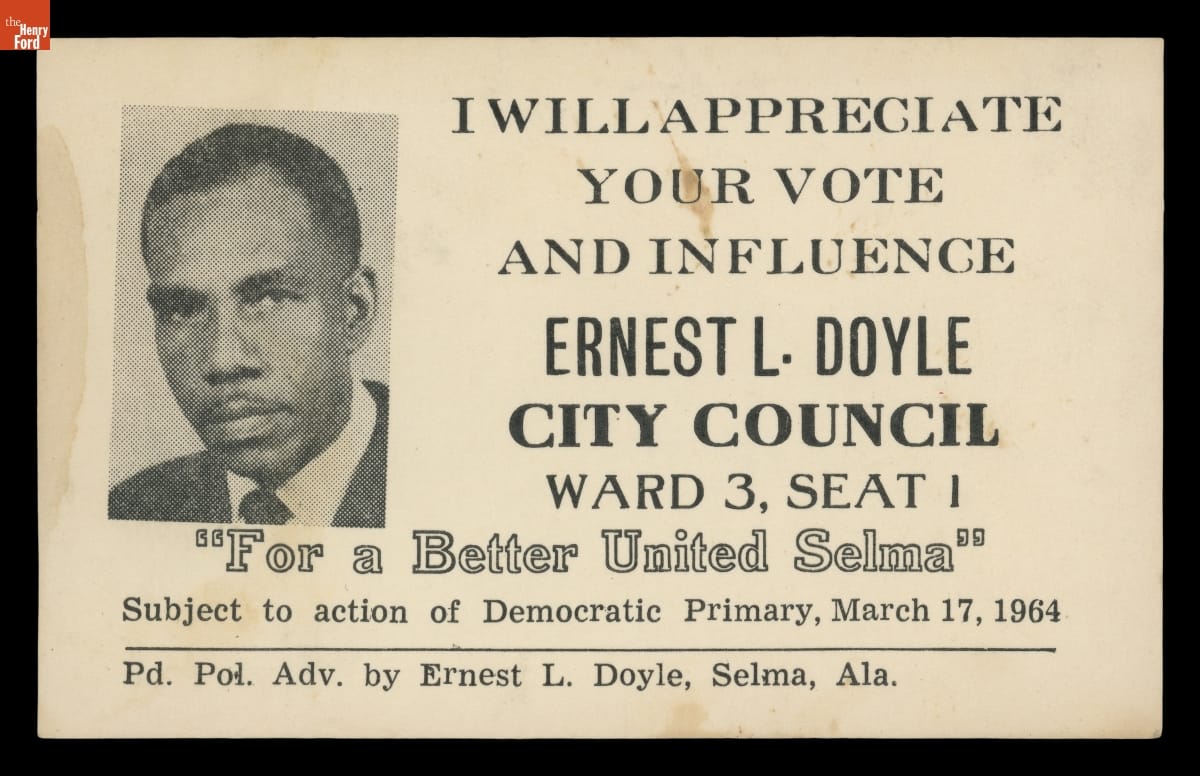
- Campaign Card, Ernest L. Doyle for City Council In the Democratic Primary, Selma, Alabama, March 17, 1964 -
- March 17, 1964
- Collections - Artifact
Campaign Card, Ernest L. Doyle for City Council In the Democratic Primary, Selma, Alabama, March 17, 1964
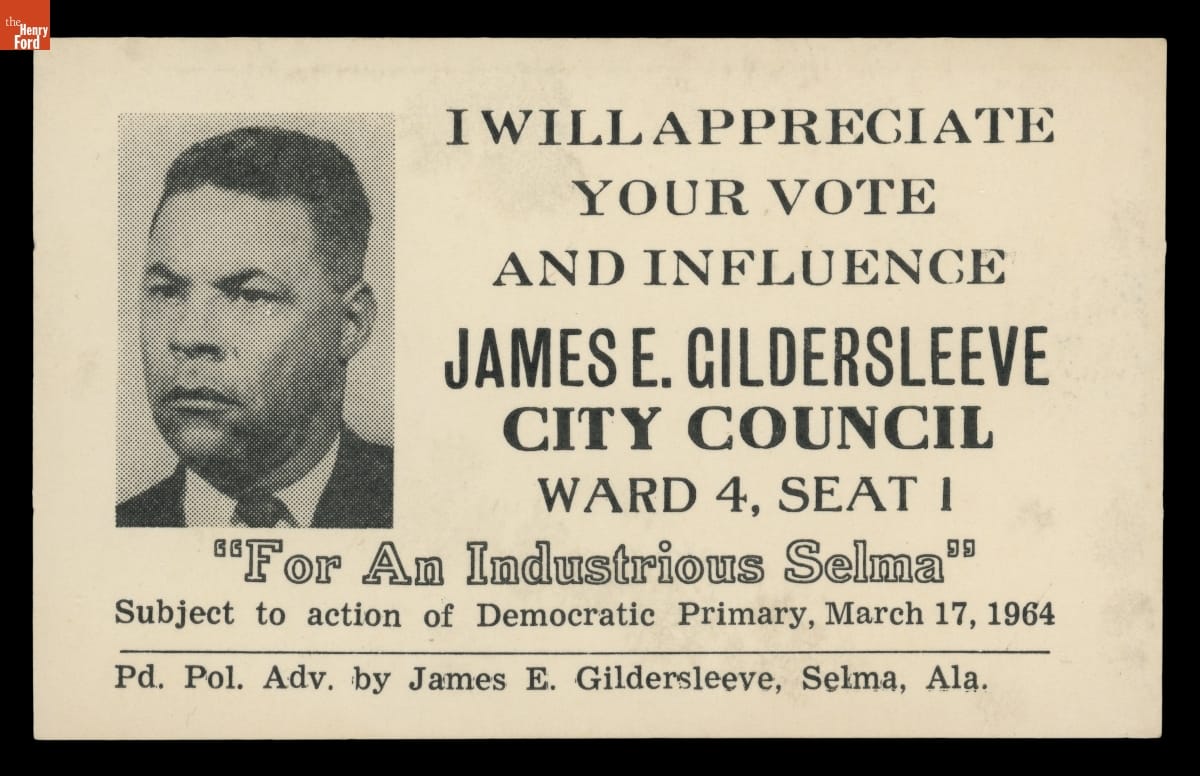
- Campaign Card, James E. Gildersleeve for City Council In the Democratic Primary, Selma, Alabama, March 17, 1964 -
- March 17, 1964
- Collections - Artifact
Campaign Card, James E. Gildersleeve for City Council In the Democratic Primary, Selma, Alabama, March 17, 1964
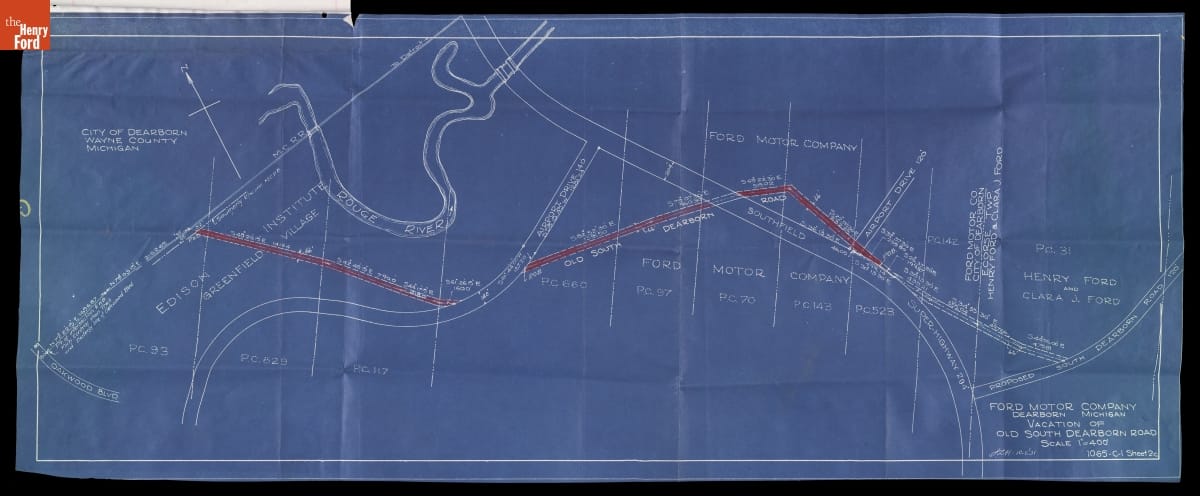
- Map and Petition concerning "South Dearborn Road" through Greenfield Village and alongside Ford Airport, October 7, 1931 -
- October 07, 1931
- Collections - Artifact
Map and Petition concerning "South Dearborn Road" through Greenfield Village and alongside Ford Airport, October 7, 1931
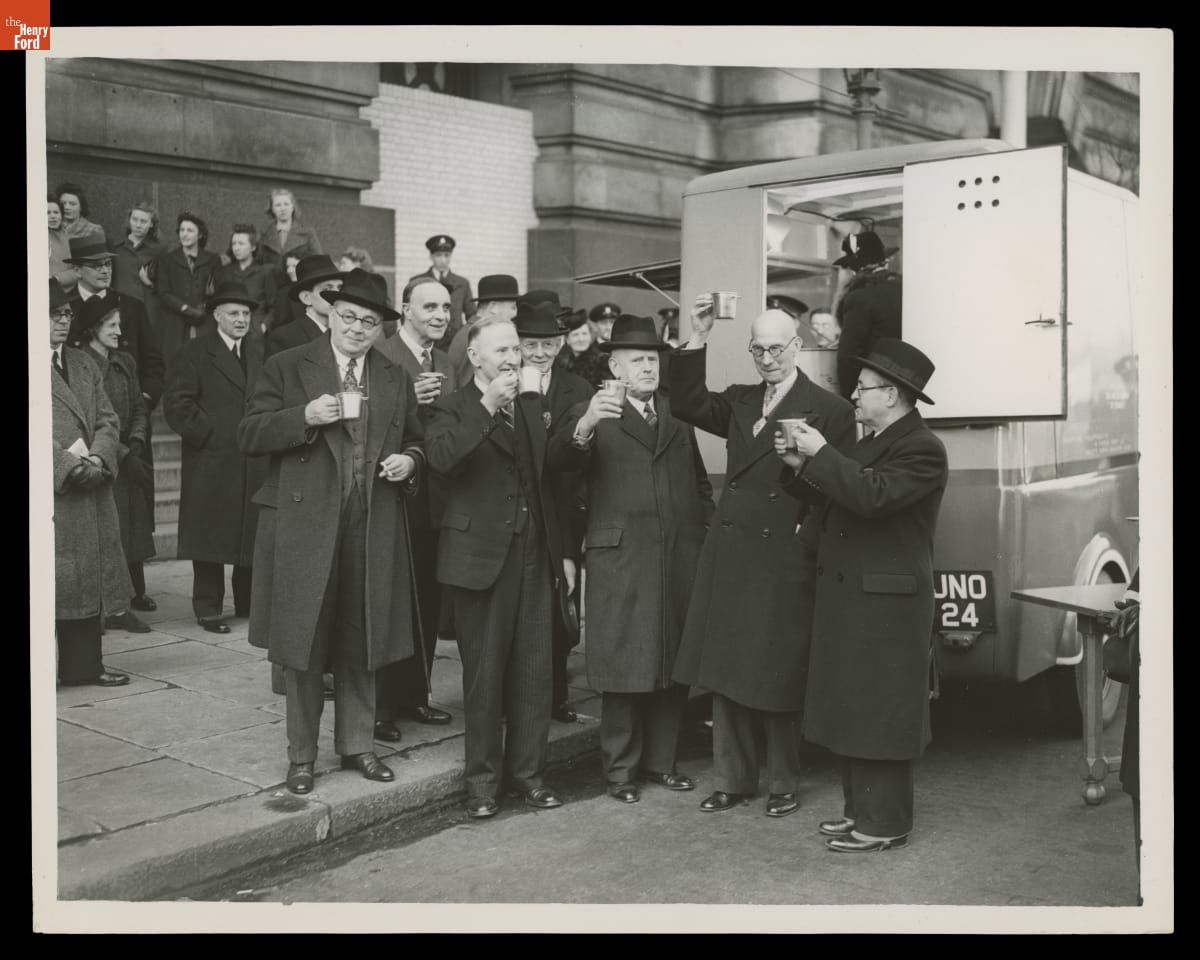
- Presentation of Ford Emergency Food Vans, circa 1942 - During World War II, Ford Motor Company and many of its global subsidiaries and dealers donated hundreds of emergency food vans to Great Britain. Following aerial bombings in Germany's Blitz campaign, these vans traveled to attacked areas and offered survivors the comforts of a cup of tea and a hot meal. The vans provided food for schoolchildren as well.
- 1942
- Collections - Artifact
Presentation of Ford Emergency Food Vans, circa 1942
During World War II, Ford Motor Company and many of its global subsidiaries and dealers donated hundreds of emergency food vans to Great Britain. Following aerial bombings in Germany's Blitz campaign, these vans traveled to attacked areas and offered survivors the comforts of a cup of tea and a hot meal. The vans provided food for schoolchildren as well.