
Search
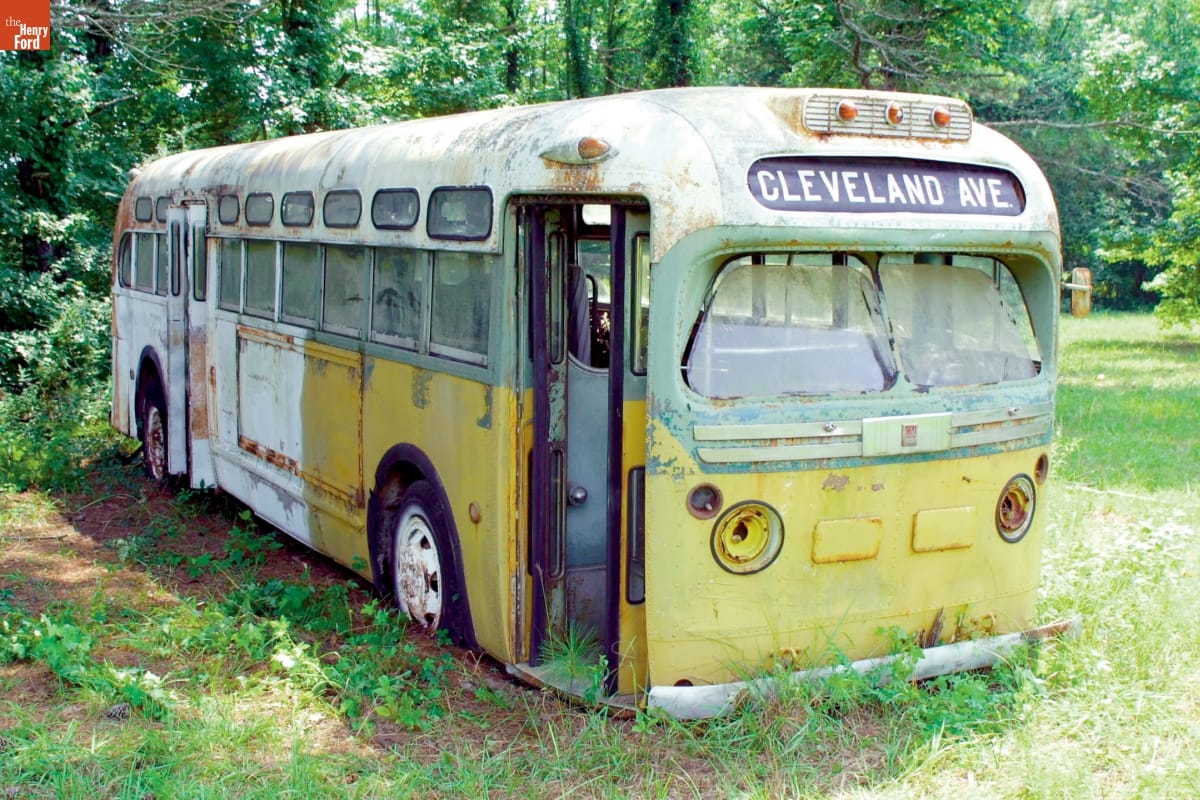
- Rosa Parks Bus in Montgomery, Alabama, 2000-2001, before Acquisition by The Henry Ford - This bus, the site of Rosa Parks's stand against segregation laws, sat as a rusted storage shed before The Henry Ford acquired it and began a full restoration. Parks's act of defiance on December 1, 1955, sparked the Montgomery Bus Boycott, which helped to ignite the Civil Rights Movement. Today, the restored bus survives as a reminder of her courageous activism.
- 2000-2001
- Collections - Artifact
Rosa Parks Bus in Montgomery, Alabama, 2000-2001, before Acquisition by The Henry Ford
This bus, the site of Rosa Parks's stand against segregation laws, sat as a rusted storage shed before The Henry Ford acquired it and began a full restoration. Parks's act of defiance on December 1, 1955, sparked the Montgomery Bus Boycott, which helped to ignite the Civil Rights Movement. Today, the restored bus survives as a reminder of her courageous activism.
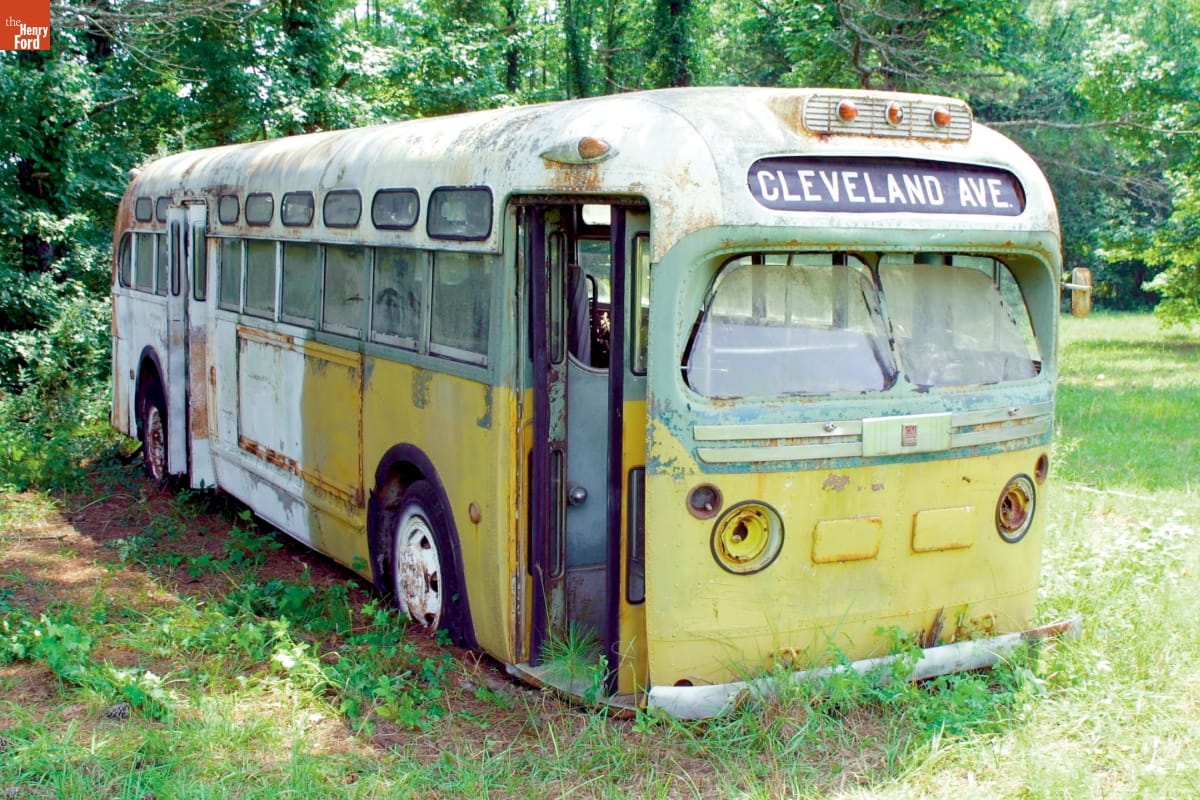
- Rosa Parks Bus in Montgomery, Alabama, 2000-2001, before Acquisition by The Henry Ford - This bus, the site of Rosa Parks's stand against segregation laws, sat as a rusted storage shed before The Henry Ford acquired it and began a full restoration. Parks's act of defiance on December 1, 1955, sparked the Montgomery Bus Boycott, which helped to ignite the Civil Rights Movement. Today, the restored bus survives as a reminder of her courageous activism.
- 2000-2001
- Collections - Artifact
Rosa Parks Bus in Montgomery, Alabama, 2000-2001, before Acquisition by The Henry Ford
This bus, the site of Rosa Parks's stand against segregation laws, sat as a rusted storage shed before The Henry Ford acquired it and began a full restoration. Parks's act of defiance on December 1, 1955, sparked the Montgomery Bus Boycott, which helped to ignite the Civil Rights Movement. Today, the restored bus survives as a reminder of her courageous activism.
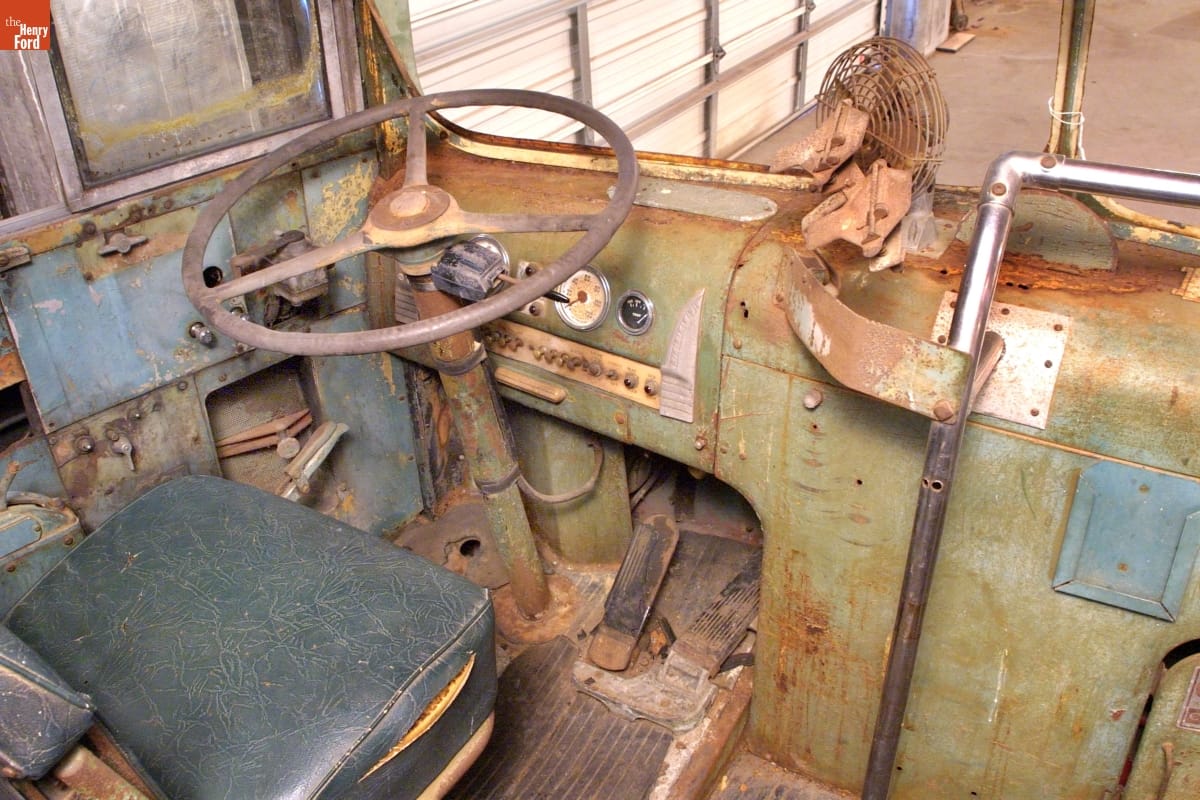
- Rosa Parks Bus before Restoration, Interior, Driver's Area, March 2002 - This bus, the site of Rosa Parks's stand against segregation laws, sat as a rusted storage shed before The Henry Ford acquired it and began a full restoration. Parks's act of defiance on December 1, 1955, sparked the Montgomery Bus Boycott, which helped to ignite the Civil Rights Movement. Today, the restored bus survives as a reminder of her courageous activism.
- March 01, 2002
- Collections - Artifact
Rosa Parks Bus before Restoration, Interior, Driver's Area, March 2002
This bus, the site of Rosa Parks's stand against segregation laws, sat as a rusted storage shed before The Henry Ford acquired it and began a full restoration. Parks's act of defiance on December 1, 1955, sparked the Montgomery Bus Boycott, which helped to ignite the Civil Rights Movement. Today, the restored bus survives as a reminder of her courageous activism.
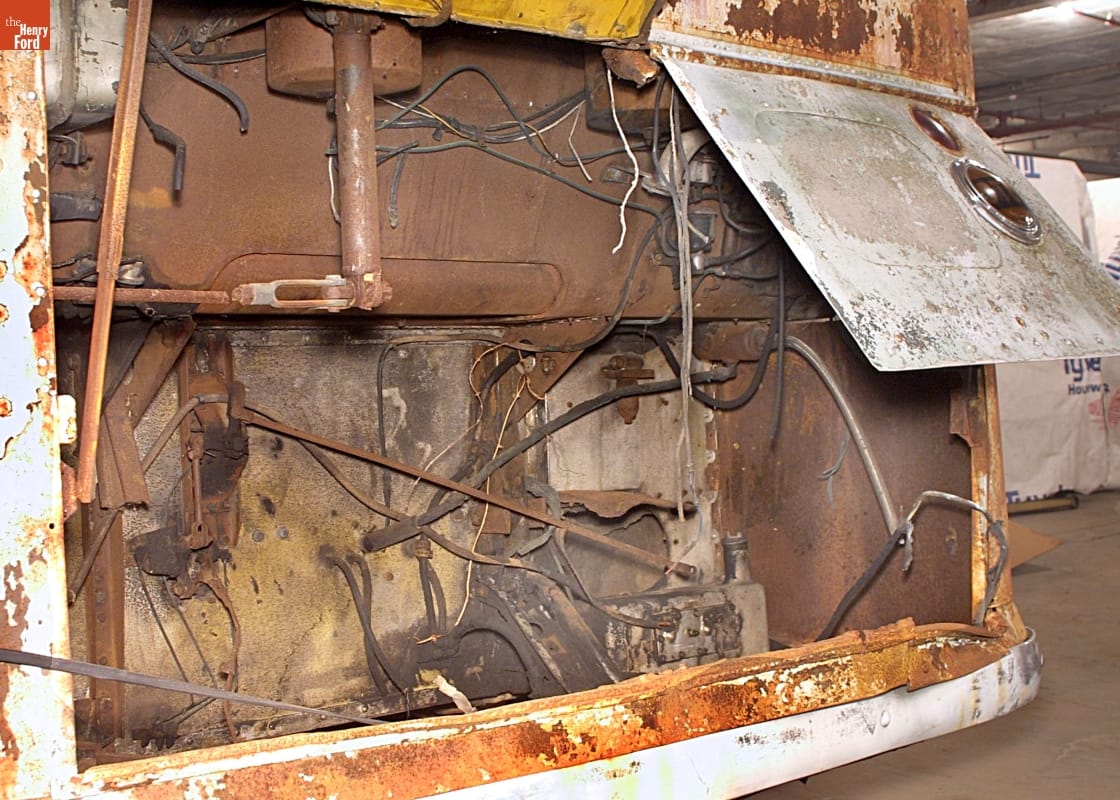
- Rosa Parks Bus before Restoration, Rear Engine Compartment, March 2002 - This bus, the site of Rosa Parks's stand against segregation laws, sat as a rusted storage shed before The Henry Ford acquired it and began a full restoration. Parks's act of defiance on December 1, 1955, sparked the Montgomery Bus Boycott, which helped to ignite the Civil Rights Movement. Today, the restored bus survives as a reminder of her courageous activism.
- March 01, 2002
- Collections - Artifact
Rosa Parks Bus before Restoration, Rear Engine Compartment, March 2002
This bus, the site of Rosa Parks's stand against segregation laws, sat as a rusted storage shed before The Henry Ford acquired it and began a full restoration. Parks's act of defiance on December 1, 1955, sparked the Montgomery Bus Boycott, which helped to ignite the Civil Rights Movement. Today, the restored bus survives as a reminder of her courageous activism.
- Rosa Parks Bus before Restoration, Exterior Detail, March 2002 - This bus, the site of Rosa Parks's stand against segregation laws, sat as a rusted storage shed before The Henry Ford acquired it and began a full restoration. Parks's act of defiance on December 1, 1955, sparked the Montgomery Bus Boycott, which helped to ignite the Civil Rights Movement. Today, the restored bus survives as a reminder of her courageous activism.

- March 01, 2002
- Collections - Artifact
Rosa Parks Bus before Restoration, Exterior Detail, March 2002
This bus, the site of Rosa Parks's stand against segregation laws, sat as a rusted storage shed before The Henry Ford acquired it and began a full restoration. Parks's act of defiance on December 1, 1955, sparked the Montgomery Bus Boycott, which helped to ignite the Civil Rights Movement. Today, the restored bus survives as a reminder of her courageous activism.
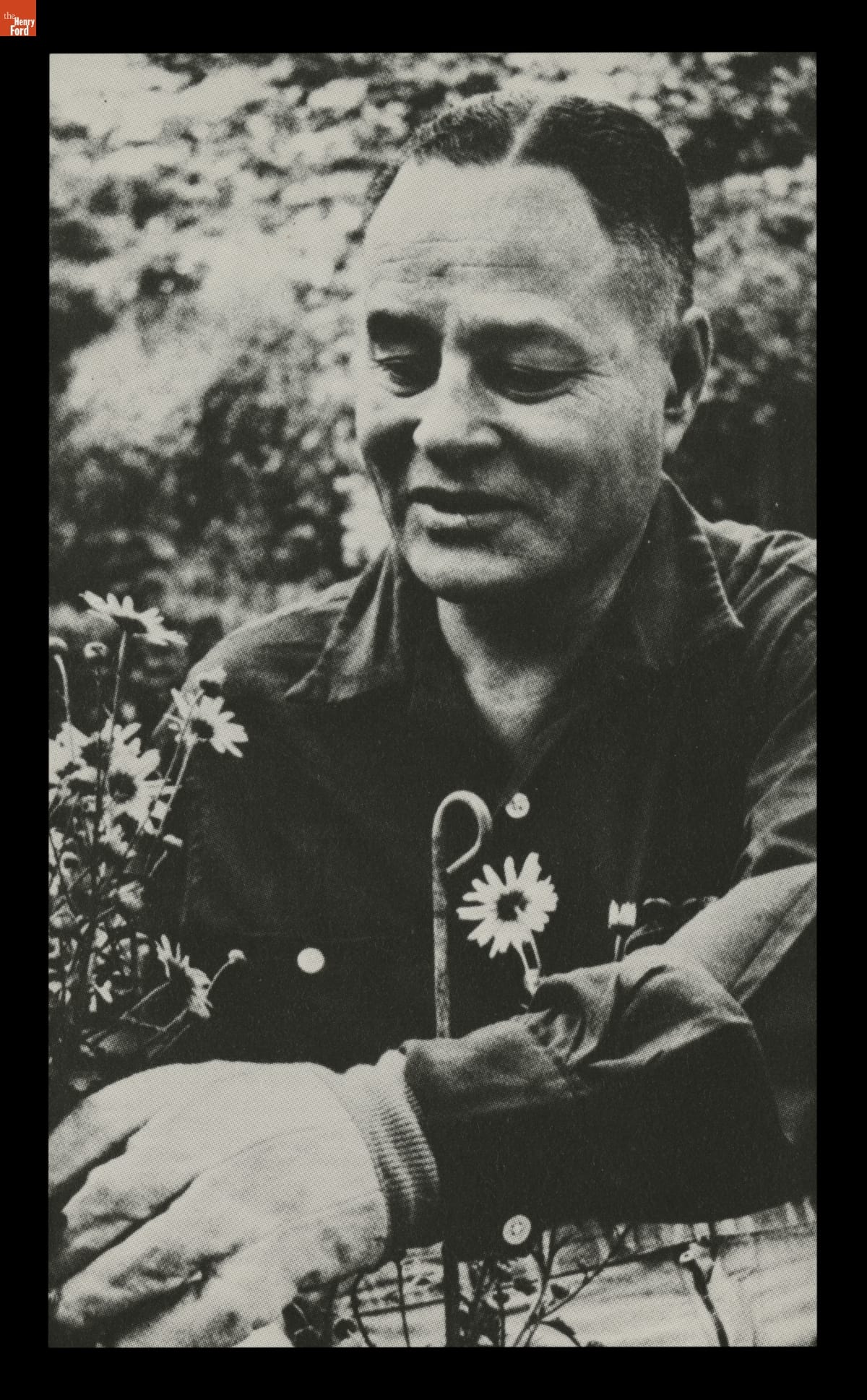
- Ralph Bunche Information Card, circa 1985 -
- December 29, 1959
- Collections - Artifact
Ralph Bunche Information Card, circa 1985
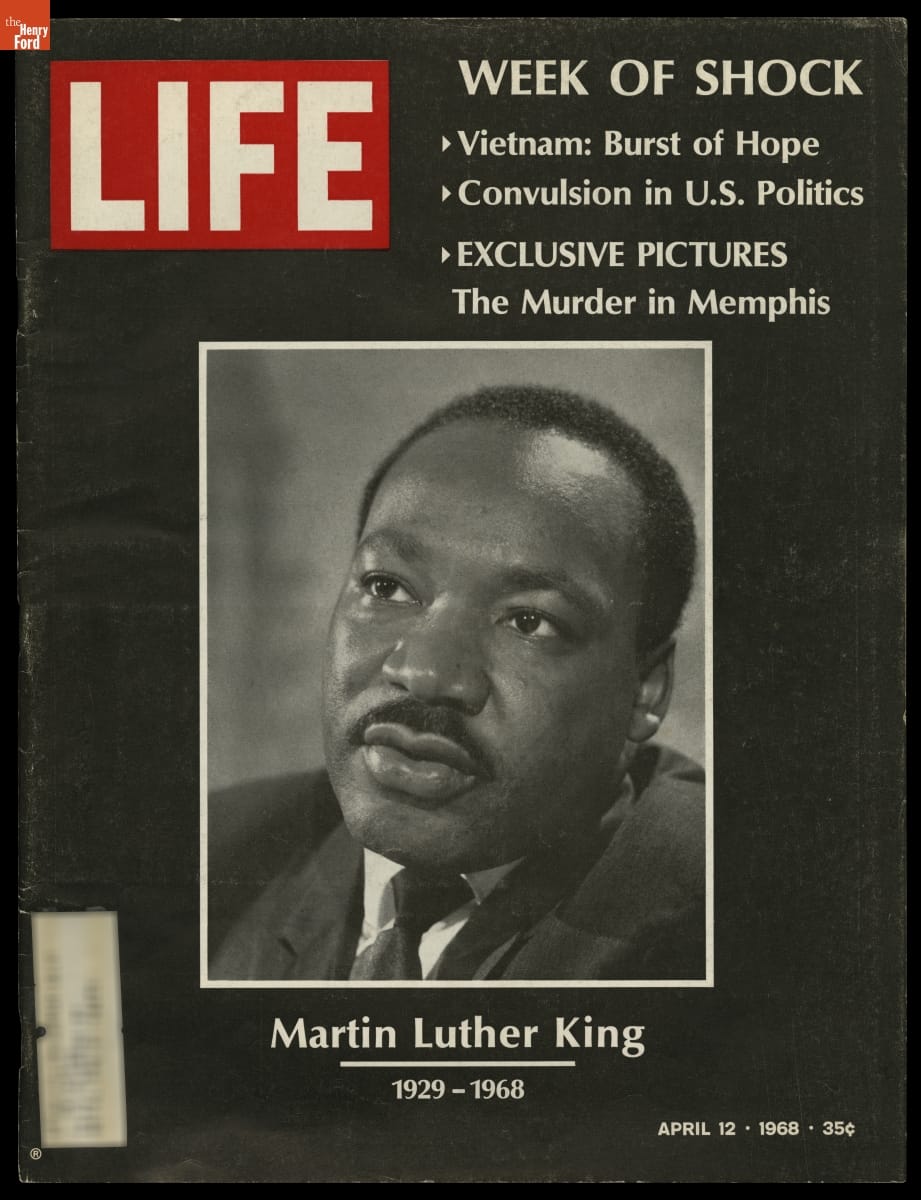
- Life Magazine for April 12, 1968, "Martin Luther King, 1929-1968" -
- April 12, 1968
- Collections - Artifact
Life Magazine for April 12, 1968, "Martin Luther King, 1929-1968"
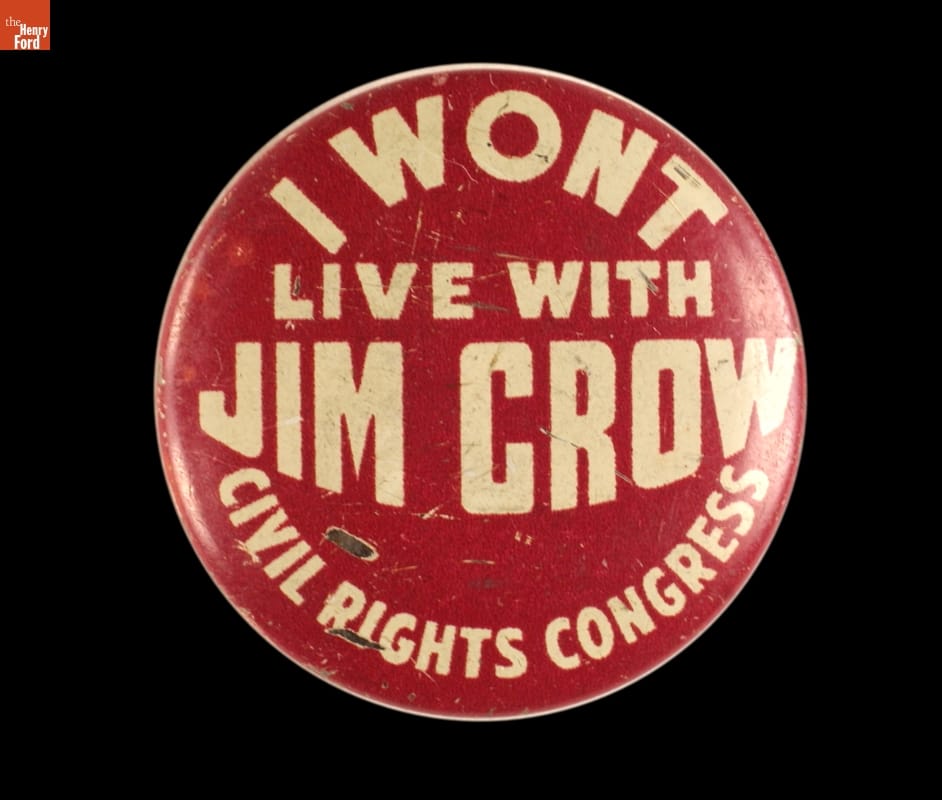
- Button, "I Won't Live with Jim Crow: Civil Rights Congress," circa 1948 - The term "Jim Crow" implied the systematic practice of discriminating against and segregating African Americans, especially in the American South, from the late 19th to the mid-20th centuries. The Civil Rights Congress (1946-1956) became a brief force in civil rights battles. However, with its ties to the American Communist Party, it became victim to Cold War anticommunism and government repression.
- circa 1948
- Collections - Artifact
Button, "I Won't Live with Jim Crow: Civil Rights Congress," circa 1948
The term "Jim Crow" implied the systematic practice of discriminating against and segregating African Americans, especially in the American South, from the late 19th to the mid-20th centuries. The Civil Rights Congress (1946-1956) became a brief force in civil rights battles. However, with its ties to the American Communist Party, it became victim to Cold War anticommunism and government repression.
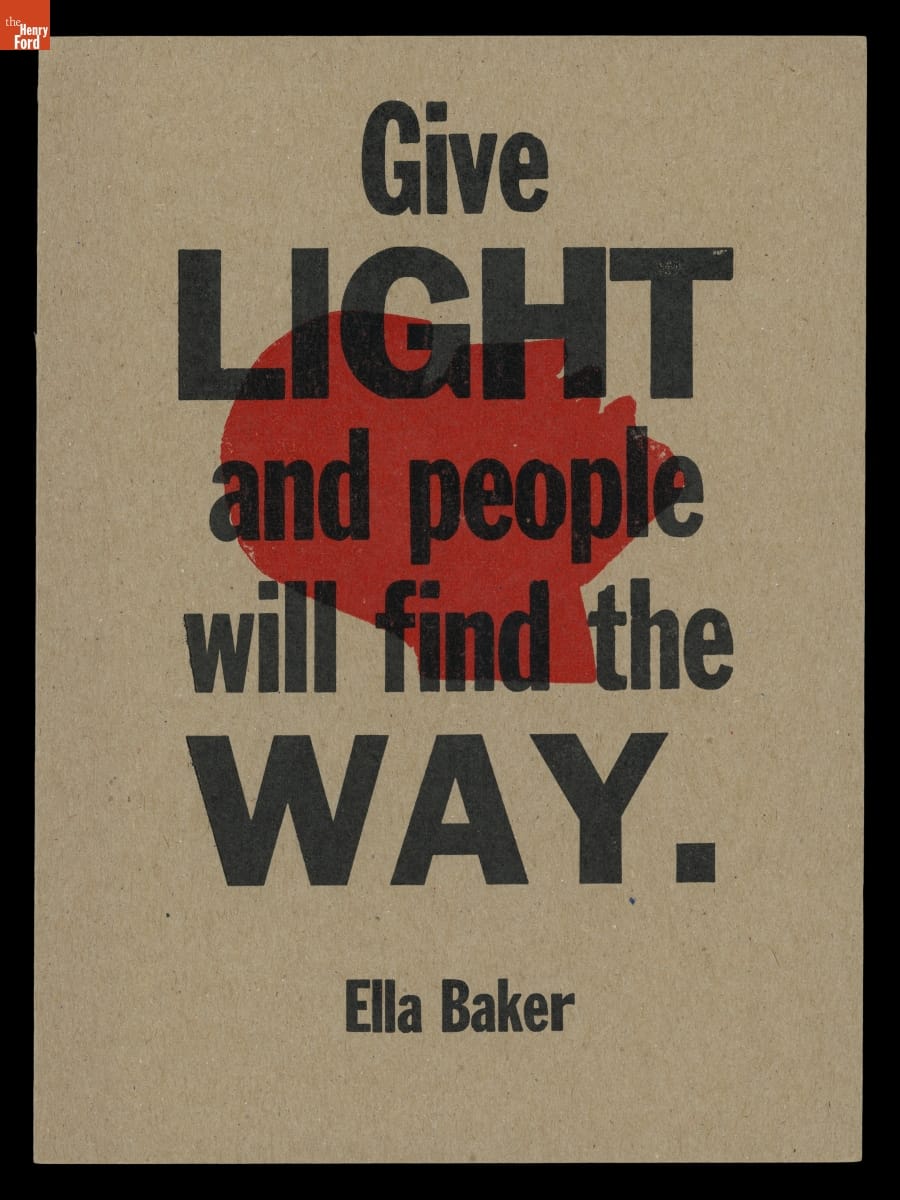
- Letterpress Print, "Give Light and People Will Find the Way, Ella Baker," 2021 -
- 2021
- Collections - Artifact
Letterpress Print, "Give Light and People Will Find the Way, Ella Baker," 2021
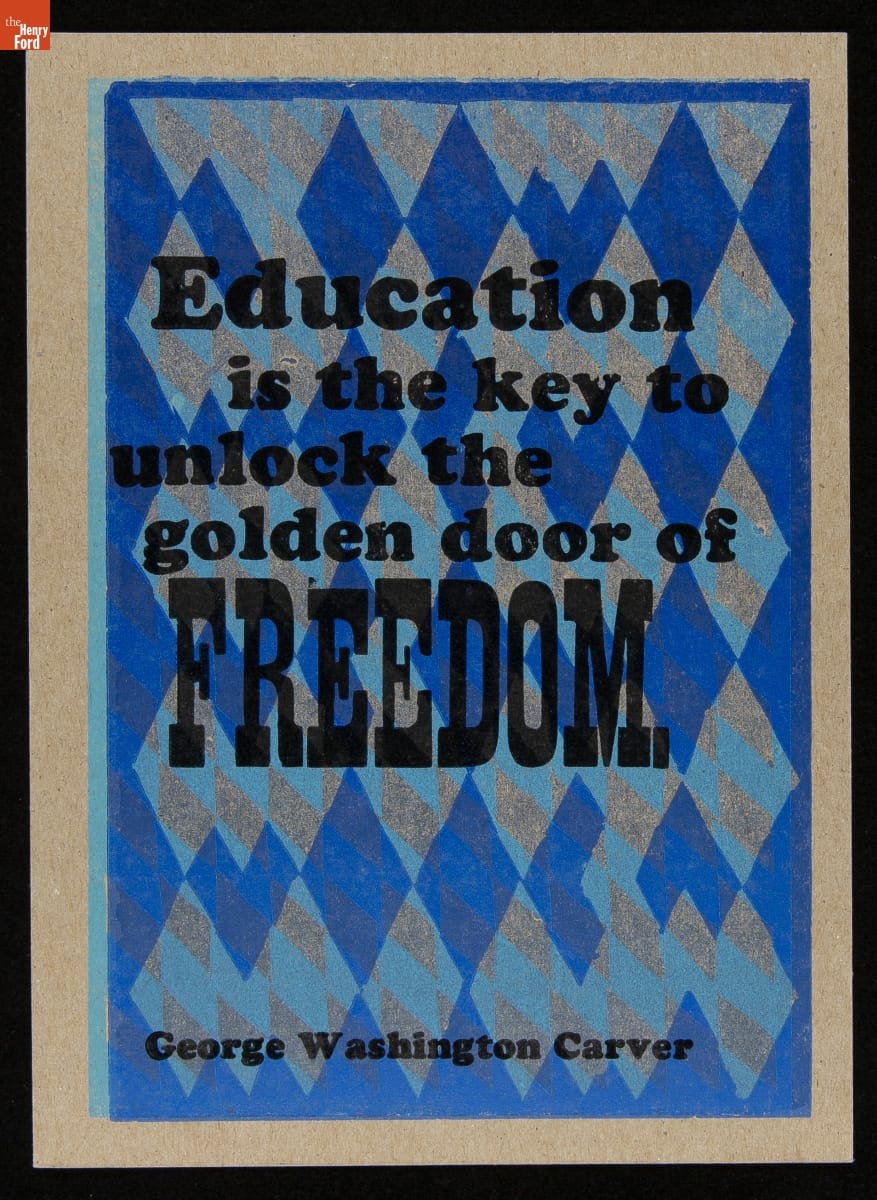
- Letterpress Print, "Education is the key to unlock the golden door of Freedom. George Washington Carver" -
- 2018
- Collections - Artifact
Letterpress Print, "Education is the key to unlock the golden door of Freedom. George Washington Carver"