
Search
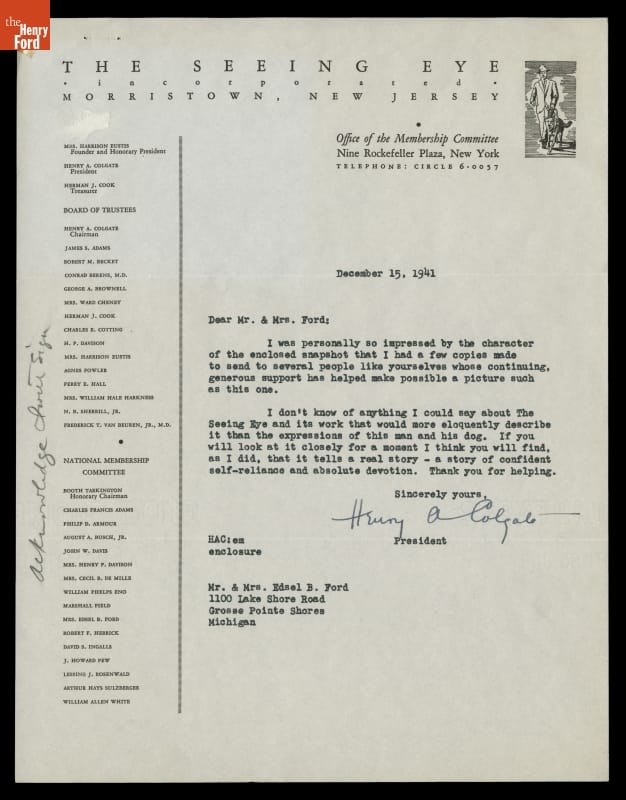
- Letter from Henry A. Colgate, The Seeing Eye Guide Dog School, to Edsel and Eleanor Ford, December 15, 1941 -
- December 15, 1941
- Collections - Artifact
Letter from Henry A. Colgate, The Seeing Eye Guide Dog School, to Edsel and Eleanor Ford, December 15, 1941
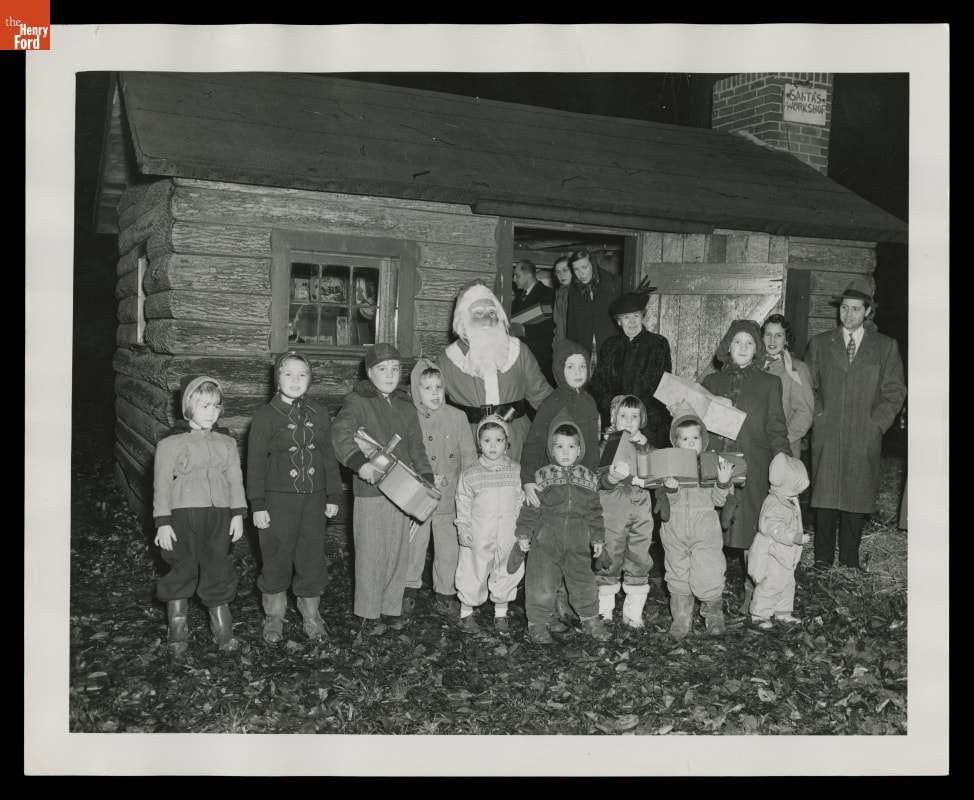
- Clara Ford, Josephine Ford and Bryant Relatives at Santa's Workshop, Fair Lane, 1949-1950 -
- 1949-1950
- Collections - Artifact
Clara Ford, Josephine Ford and Bryant Relatives at Santa's Workshop, Fair Lane, 1949-1950
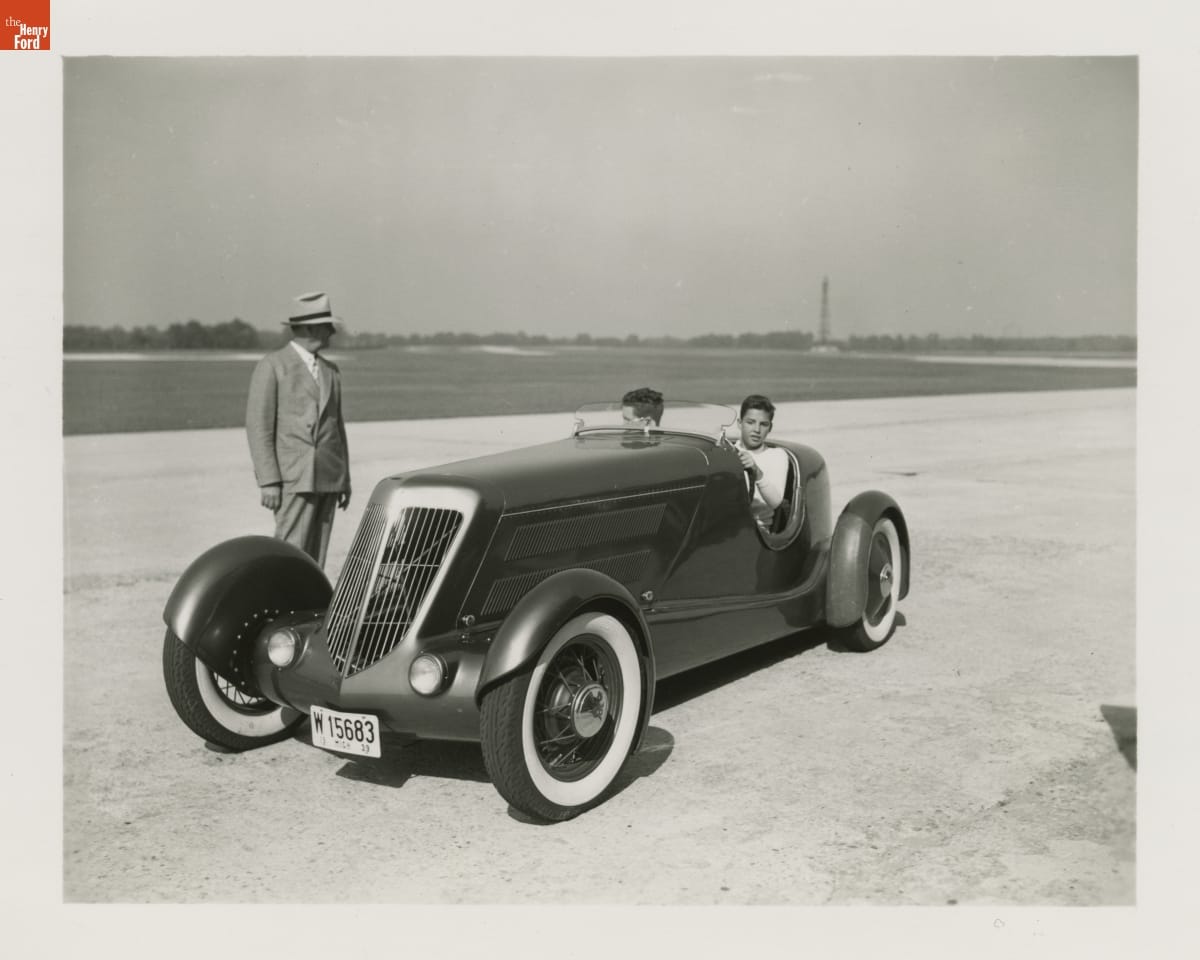
- William Clay Ford Driving a Custom-Built Speedster, June 1939 - Edsel Ford commissioned several special automobiles from Ford Motor Company. He collaborated with designer Bob Gregorie in 1934 to create this speedster based on the company's Model 40. William Clay Ford, Edsel Ford's youngest child, was photographed at the wheel. The Model 40 Special Speedster was prone to overheating, and its front end was modified multiple times to improve engine cooling.
- June 16, 1939
- Collections - Artifact
William Clay Ford Driving a Custom-Built Speedster, June 1939
Edsel Ford commissioned several special automobiles from Ford Motor Company. He collaborated with designer Bob Gregorie in 1934 to create this speedster based on the company's Model 40. William Clay Ford, Edsel Ford's youngest child, was photographed at the wheel. The Model 40 Special Speedster was prone to overheating, and its front end was modified multiple times to improve engine cooling.
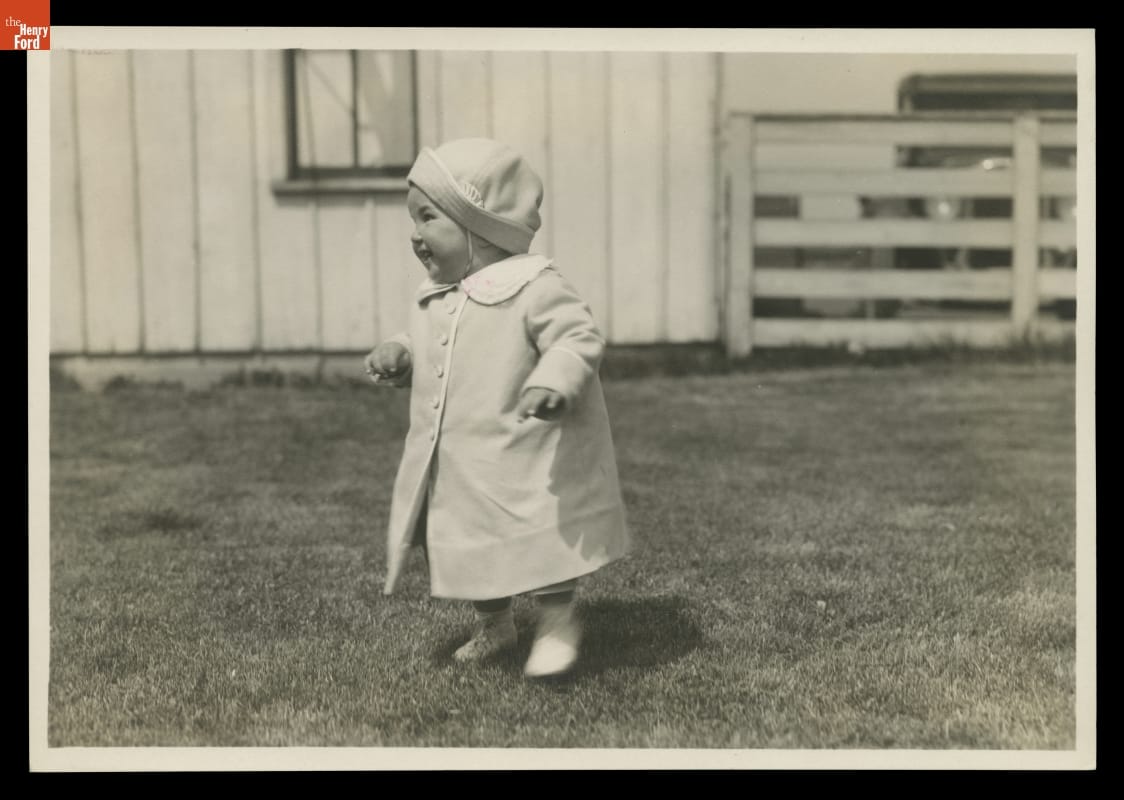
- William Clay Ford, Age 1, May 1926 - William Clay Ford (1925-2014) was Henry Ford's grandson and the youngest of Edsel and Eleanor Clay Ford's four children. He is shown here at age one, probably at his grandfather Henry Ford's boyhood home in Dearborn.
- June 24, 1926
- Collections - Artifact
William Clay Ford, Age 1, May 1926
William Clay Ford (1925-2014) was Henry Ford's grandson and the youngest of Edsel and Eleanor Clay Ford's four children. He is shown here at age one, probably at his grandfather Henry Ford's boyhood home in Dearborn.
- Edith, Benson and Josephine Ford, Henry and Clara Ford, Margaret Ford Ruddiman at Henry's 83rd Birthday, Dearborn, Michigan, 1946 - Henry Ford celebrated his 83rd birthday on July 30, 1946, surrounded by family, friends and admirers. The day was filled with a number of events honoring the automaker. In the evening, thousands of well-wishers joined Ford for a concert and fireworks display at Dearborn's Ford Field.
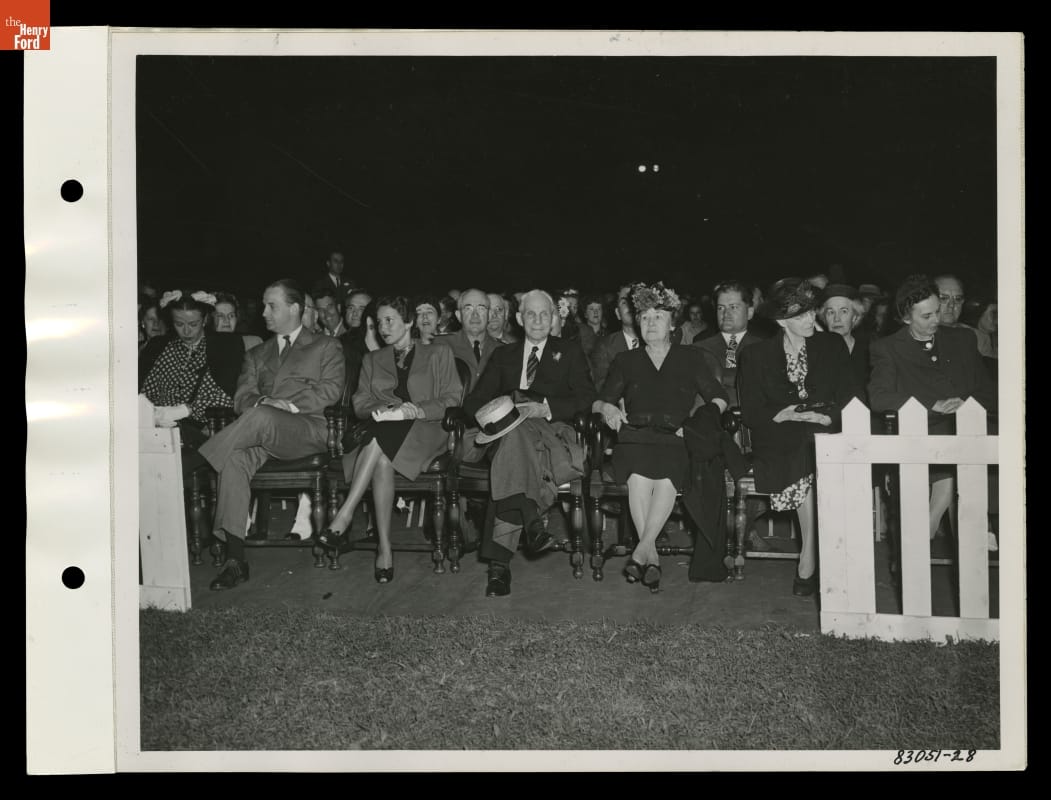
- July 30, 1946
- Collections - Artifact
Edith, Benson and Josephine Ford, Henry and Clara Ford, Margaret Ford Ruddiman at Henry's 83rd Birthday, Dearborn, Michigan, 1946
Henry Ford celebrated his 83rd birthday on July 30, 1946, surrounded by family, friends and admirers. The day was filled with a number of events honoring the automaker. In the evening, thousands of well-wishers joined Ford for a concert and fireworks display at Dearborn's Ford Field.
- "Hy-Ben-Jo-Bill" Miniature Water Wagon Used by Ford Family, 1920-1924 -
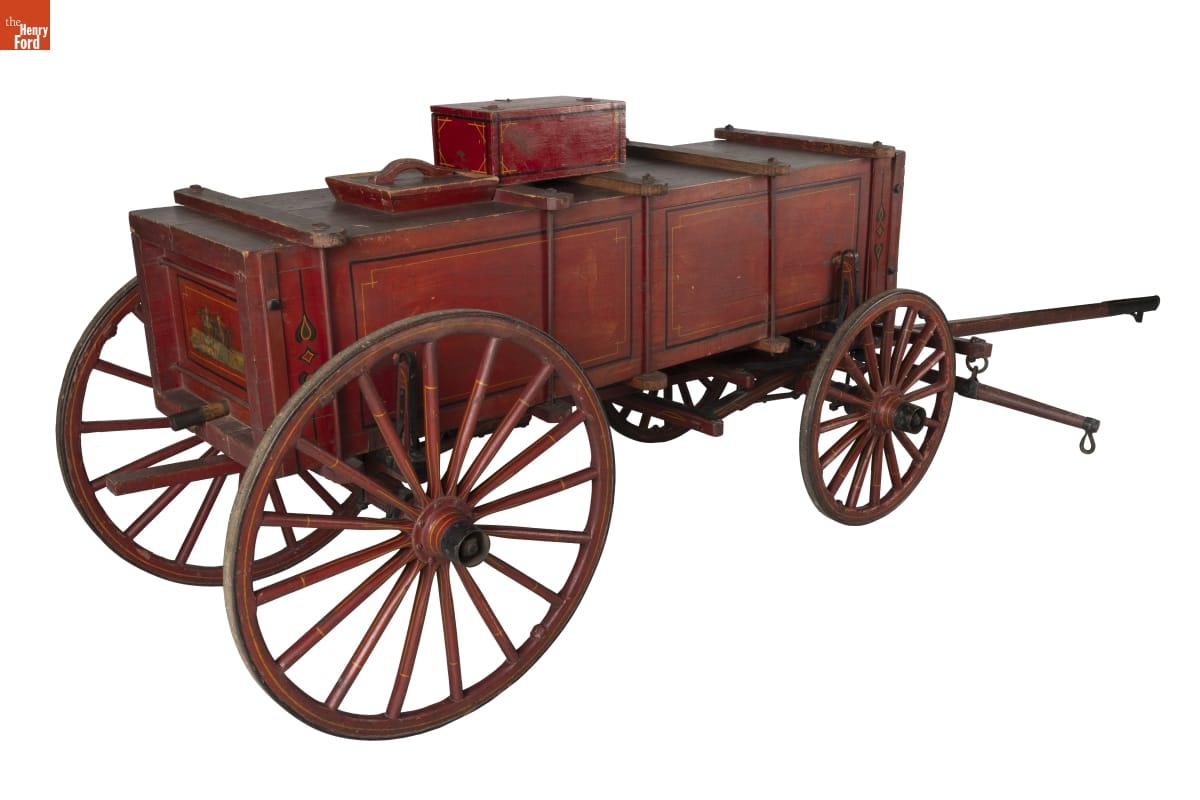
- 1920-1924
- Collections - Artifact
"Hy-Ben-Jo-Bill" Miniature Water Wagon Used by Ford Family, 1920-1924
- Fundraising Letter from Anna L. Smith, Berea College, to Eleanor Ford, April 2, 1937 -
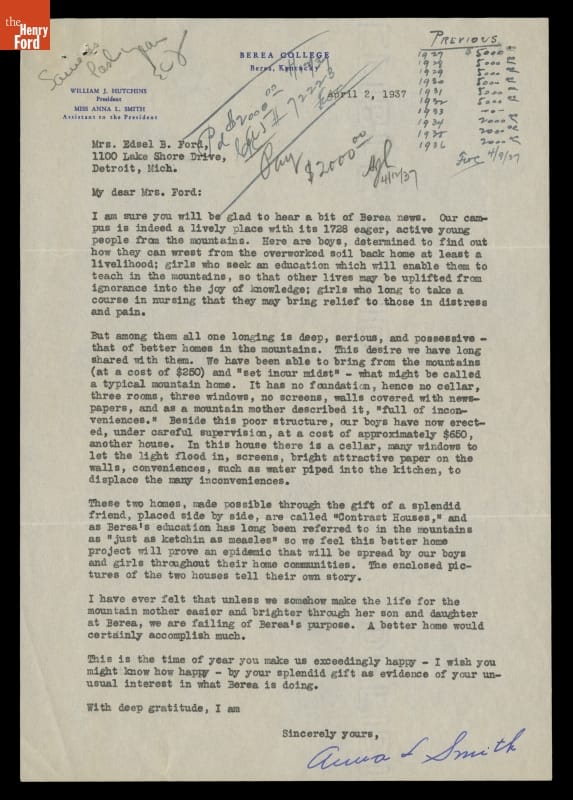
- April 02, 1937
- Collections - Artifact
Fundraising Letter from Anna L. Smith, Berea College, to Eleanor Ford, April 2, 1937
- William Clay Ford with Continental Mark II Automobile, 1955 - William Clay Ford (1925-2014) was Henry Ford's grandson and the youngest of Edsel and Eleanor Clay Ford's four children. In 1952, William headed a group that designed an elegant new edition of the classic Lincoln Continental that had been developed under his father Edsel's direction. In this photograph, he is standing next to a black Continental Mark II automobile from 1956-1957.
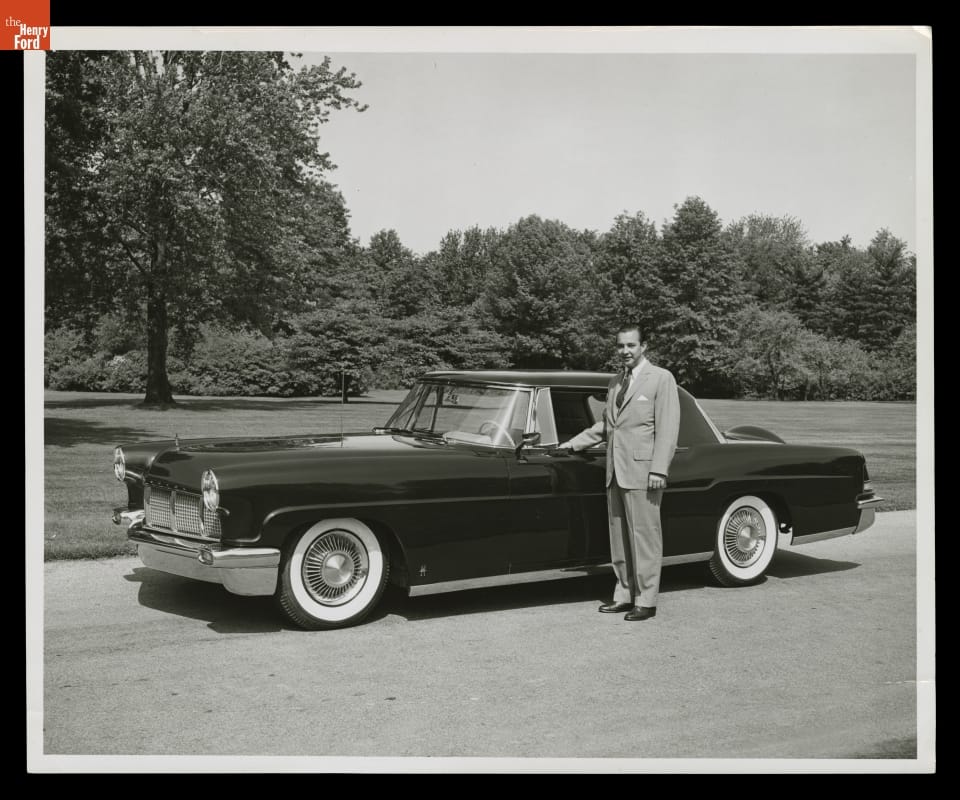
- 1955
- Collections - Artifact
William Clay Ford with Continental Mark II Automobile, 1955
William Clay Ford (1925-2014) was Henry Ford's grandson and the youngest of Edsel and Eleanor Clay Ford's four children. In 1952, William headed a group that designed an elegant new edition of the classic Lincoln Continental that had been developed under his father Edsel's direction. In this photograph, he is standing next to a black Continental Mark II automobile from 1956-1957.
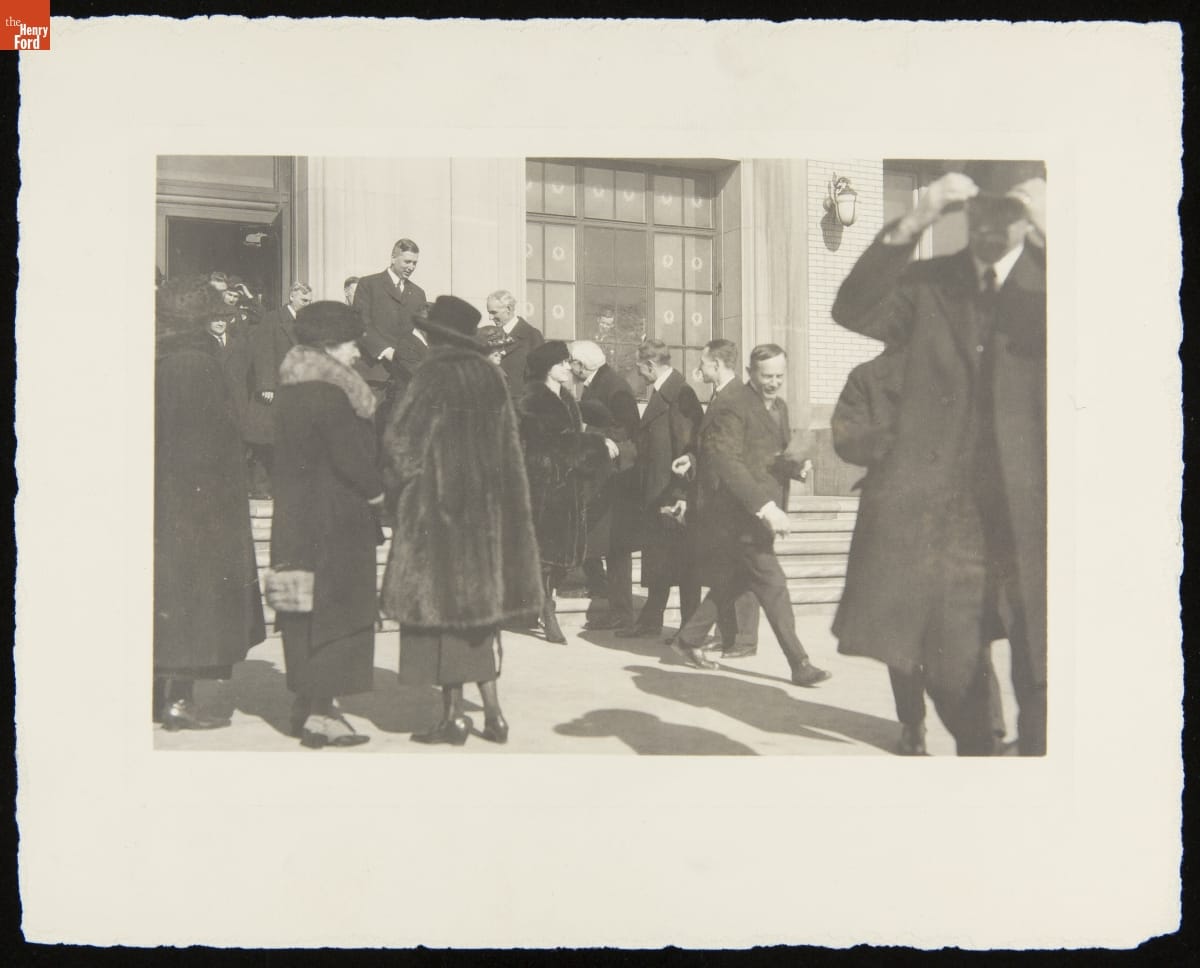
- The Fords and Lelands at the Acquisition of Lincoln Motor Co. by Ford Motor Co., 1922 - Ford Motor Company purchased Lincoln Motor Company for $8 million in 1922. The deal was formalized with a ceremony on February 4 of that year at Lincoln's factory in Detroit. Henry and Clara Ford, along with Edsel and Eleanor Ford, attended on behalf of Ford Motor Company. Henry Leland, along with Wilfred and Blanche Leland, represented Lincoln.
- February 04, 1922
- Collections - Artifact
The Fords and Lelands at the Acquisition of Lincoln Motor Co. by Ford Motor Co., 1922
Ford Motor Company purchased Lincoln Motor Company for $8 million in 1922. The deal was formalized with a ceremony on February 4 of that year at Lincoln's factory in Detroit. Henry and Clara Ford, along with Edsel and Eleanor Ford, attended on behalf of Ford Motor Company. Henry Leland, along with Wilfred and Blanche Leland, represented Lincoln.
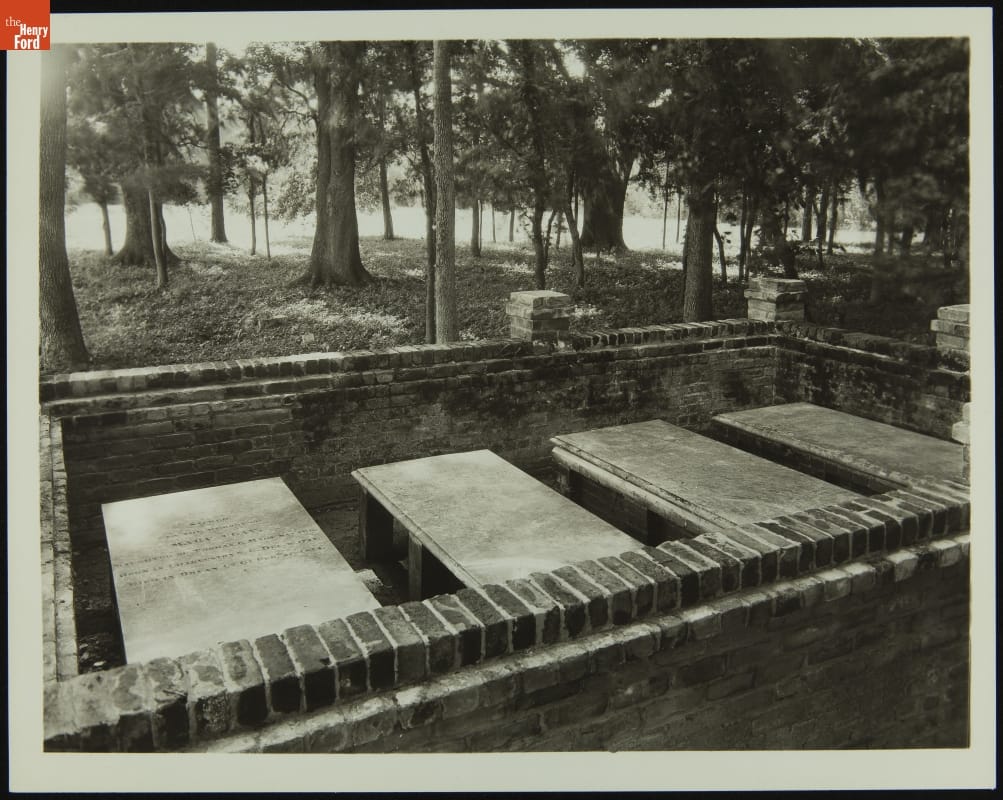
- Burnt Church Cemetery in Richmond Hill, Georgia, circa 1940 - Henry Ford purchased vast amounts of land around present-day Richmond Hill, Georgia, beginning in the 1920s. Ford eventually acquired 85,000 acres -- and even built a winter residence. Located in the area is this historic cemetery. A pre-Civil War Presbyterian Church that served the local plantation community stood nearby, but it burned in 1882. The unfortunate event gave the cemetery its name.
- circa 1940
- Collections - Artifact
Burnt Church Cemetery in Richmond Hill, Georgia, circa 1940
Henry Ford purchased vast amounts of land around present-day Richmond Hill, Georgia, beginning in the 1920s. Ford eventually acquired 85,000 acres -- and even built a winter residence. Located in the area is this historic cemetery. A pre-Civil War Presbyterian Church that served the local plantation community stood nearby, but it burned in 1882. The unfortunate event gave the cemetery its name.