
Search
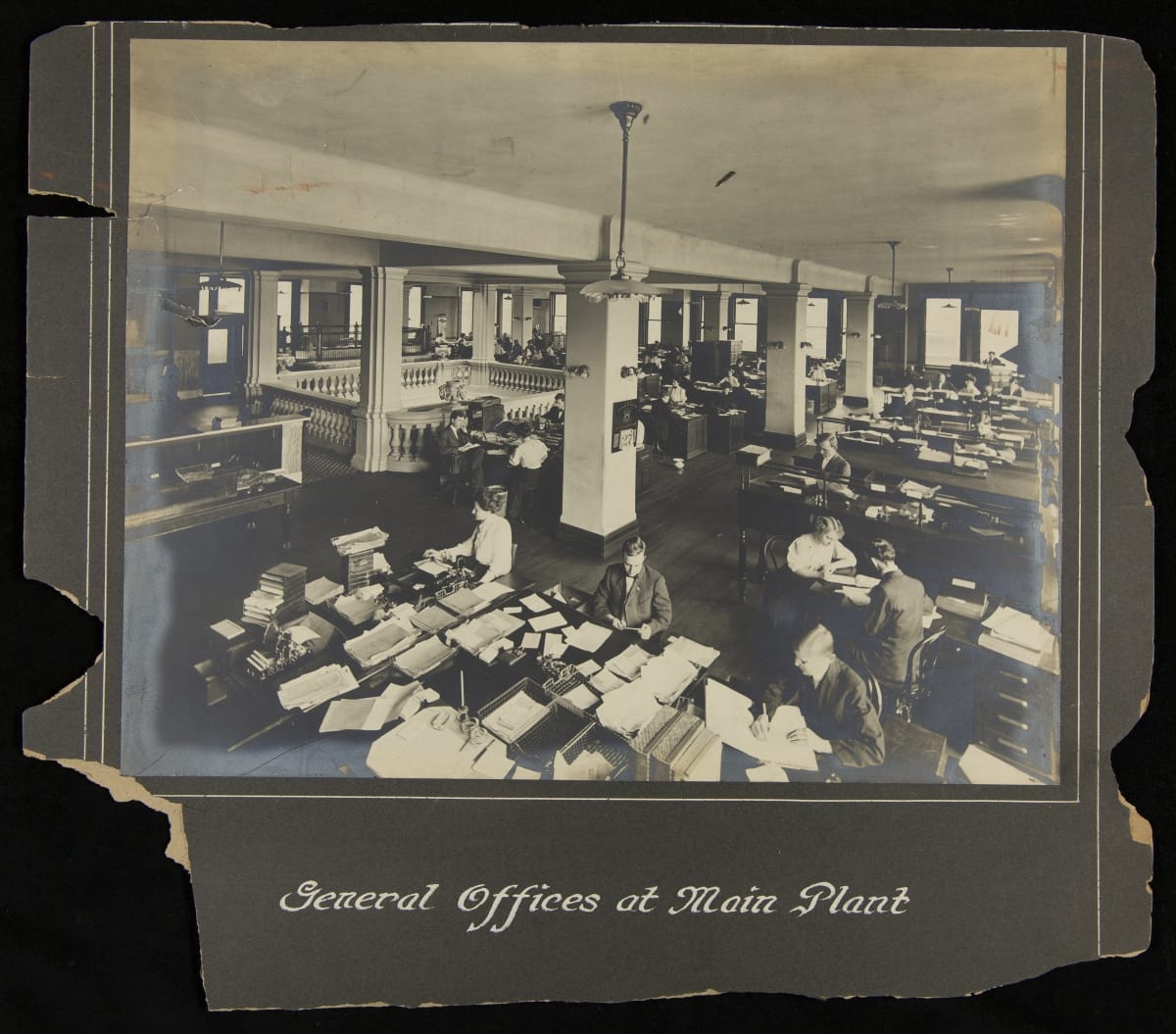
- H. J. Heinz Company General Offices at the Main Plant, Pittsburgh, Pennsylvania, circa 1910 - The main plant of the H.J. Heinz Company was located in Pittsburgh, Pennsylvania, and consisted of many buildings and departments. Photographs of various departments and manufacturing processes were often used in company publications and brochures. This photograph features the general offices of the H.J. Heinz Company.
- circa 1910
- Collections - Artifact
H. J. Heinz Company General Offices at the Main Plant, Pittsburgh, Pennsylvania, circa 1910
The main plant of the H.J. Heinz Company was located in Pittsburgh, Pennsylvania, and consisted of many buildings and departments. Photographs of various departments and manufacturing processes were often used in company publications and brochures. This photograph features the general offices of the H.J. Heinz Company.
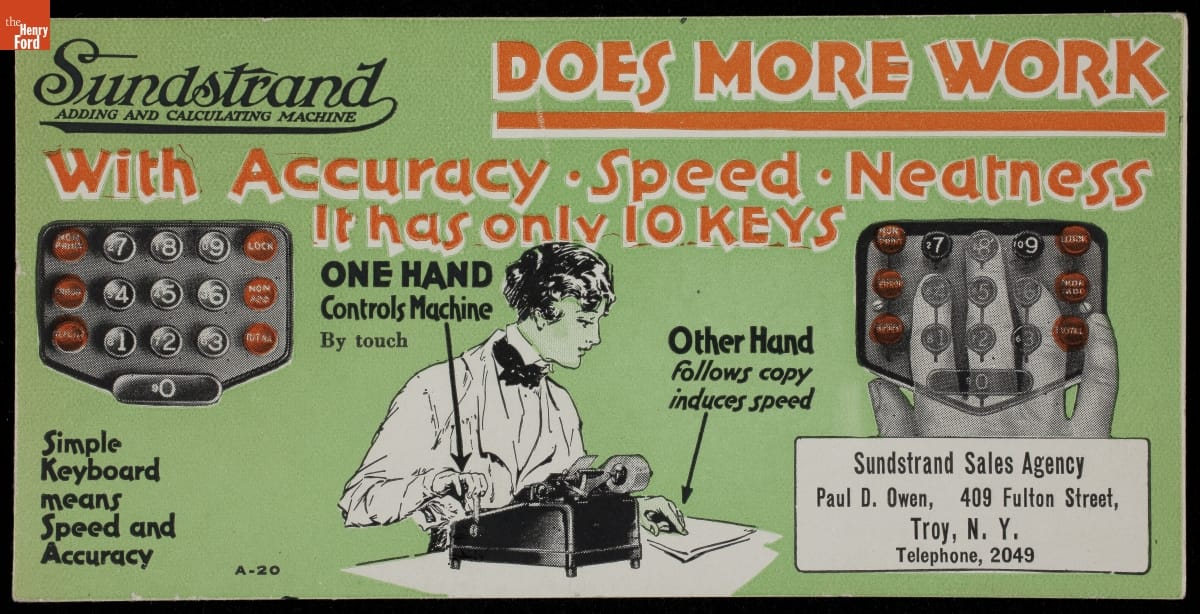
- Trade Card for Sundstrand Adding and Calculating Machine, Sundstrand Adding Machine Co., circa 1920 - Writing with a quill, metal nib or fountain pen could be messy. Ink could smear or smudge with the slightest touch. In America by the late 1800s absorbent paper blotters became the preferred method to soak up wet ink. Companies produced small inexpensive blotters as advertisements and giveaways well into the twentieth century.
- circa 1920
- Collections - Artifact
Trade Card for Sundstrand Adding and Calculating Machine, Sundstrand Adding Machine Co., circa 1920
Writing with a quill, metal nib or fountain pen could be messy. Ink could smear or smudge with the slightest touch. In America by the late 1800s absorbent paper blotters became the preferred method to soak up wet ink. Companies produced small inexpensive blotters as advertisements and giveaways well into the twentieth century.
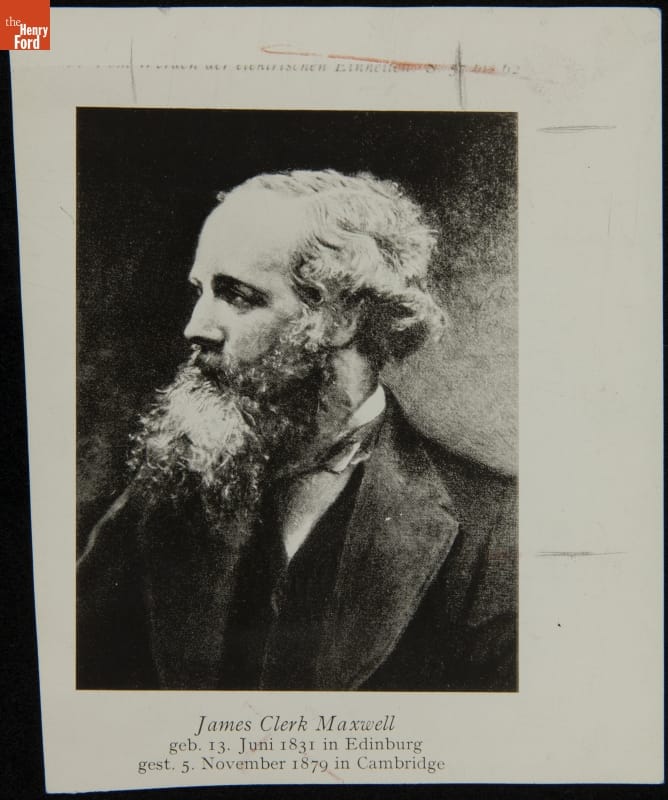
- Portrait of James Clerk Maxwell, 1860-1879 -
- 1860-1879
- Collections - Artifact
Portrait of James Clerk Maxwell, 1860-1879
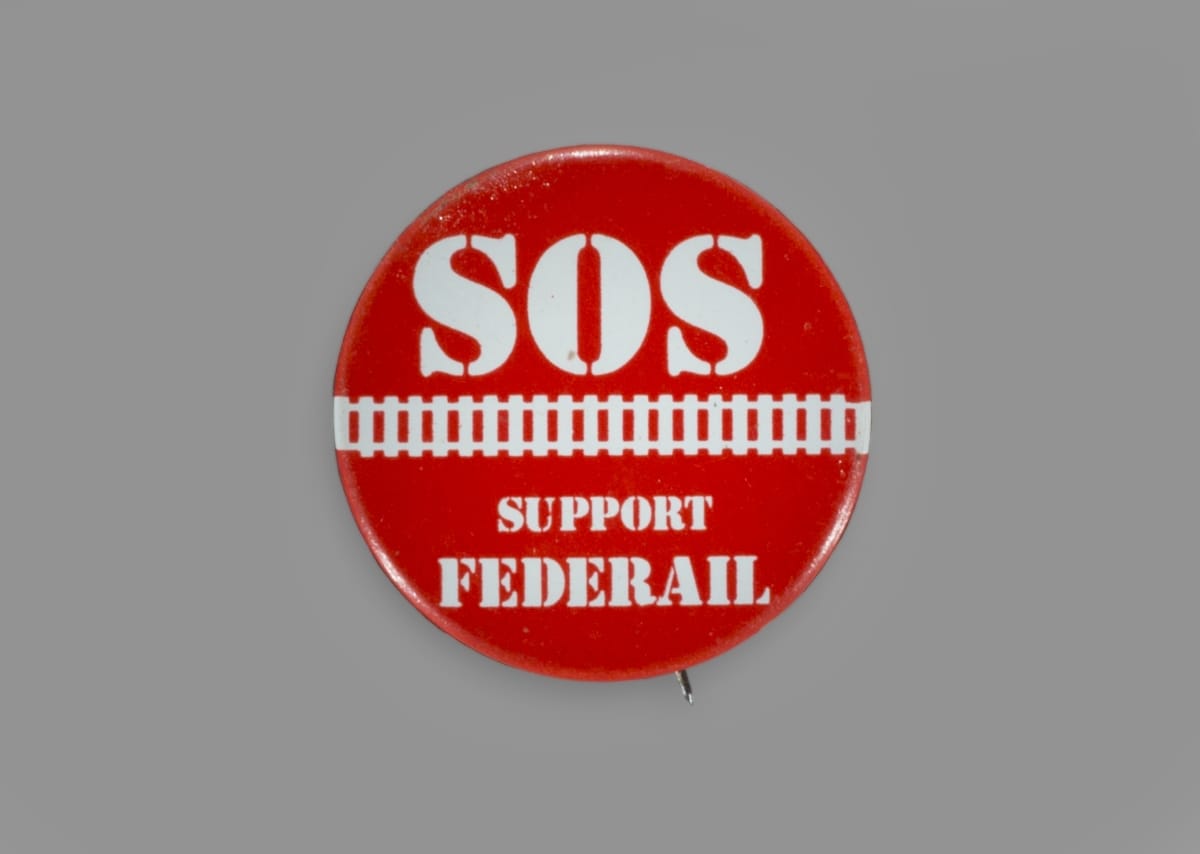
- Button, "SOS Support FedeRail," circa 1973 - American railroads were suffering in the early 1970s. Competition from trucks on expanding Interstate highways triggered a series of bankruptcies. Public ownership, under the name "FedeRail," was one proposed solution. Instead, Congress created Conrail in 1976. With considerable government financial assistance, the quasi-federal Conrail company abandoned excess track, improved service, and became fully privatized in 1986.
- circa 1973
- Collections - Artifact
Button, "SOS Support FedeRail," circa 1973
American railroads were suffering in the early 1970s. Competition from trucks on expanding Interstate highways triggered a series of bankruptcies. Public ownership, under the name "FedeRail," was one proposed solution. Instead, Congress created Conrail in 1976. With considerable government financial assistance, the quasi-federal Conrail company abandoned excess track, improved service, and became fully privatized in 1986.