
Search
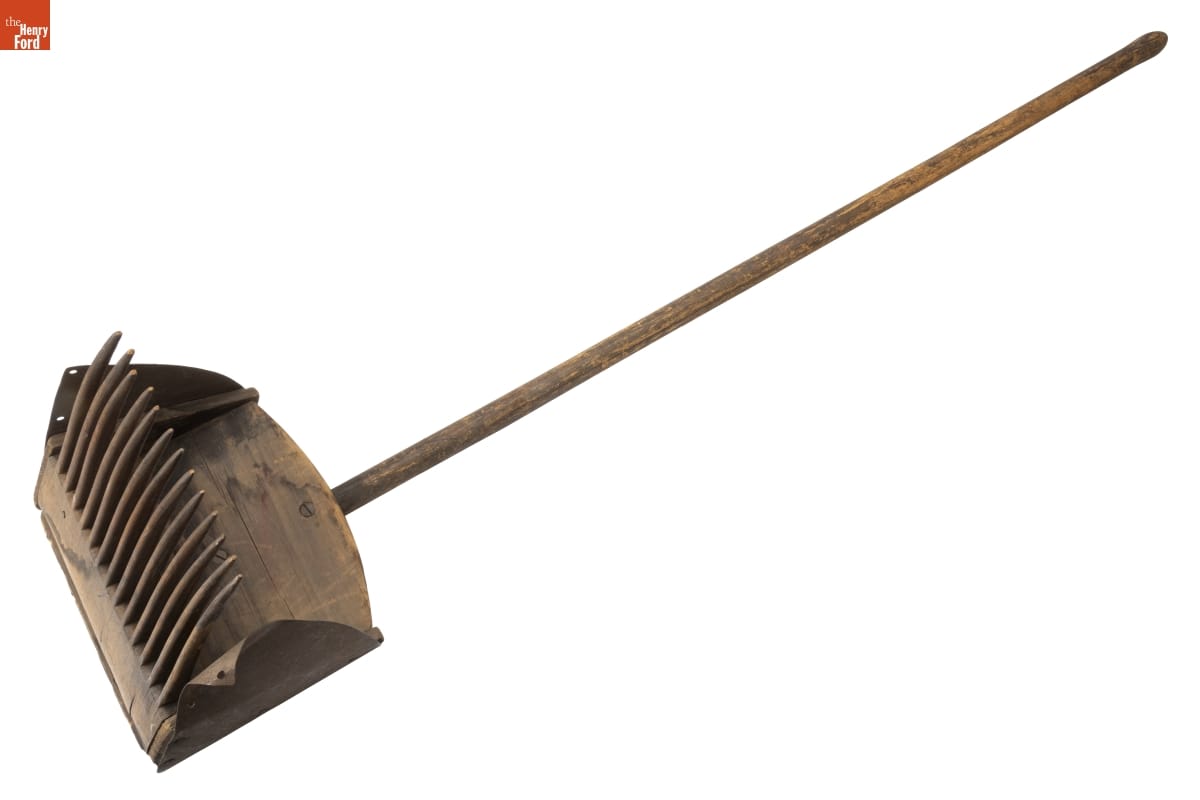
- Cranberry Rake, circa 1890 - Cranberries grow on vines in sandy bogs. Historically, pickers harvested the fruit by hand during dry conditions. Commercial production required managed wetlands with ditches and flumes to flood the cranberry bogs. Pickers then knocked the fruit from the vines with a toothed rake or scoop. The fruit fell into the tool's receptacle or floated on the surface, where harvesters scooped them up.
- circa 1890
- Collections - Artifact
Cranberry Rake, circa 1890
Cranberries grow on vines in sandy bogs. Historically, pickers harvested the fruit by hand during dry conditions. Commercial production required managed wetlands with ditches and flumes to flood the cranberry bogs. Pickers then knocked the fruit from the vines with a toothed rake or scoop. The fruit fell into the tool's receptacle or floated on the surface, where harvesters scooped them up.
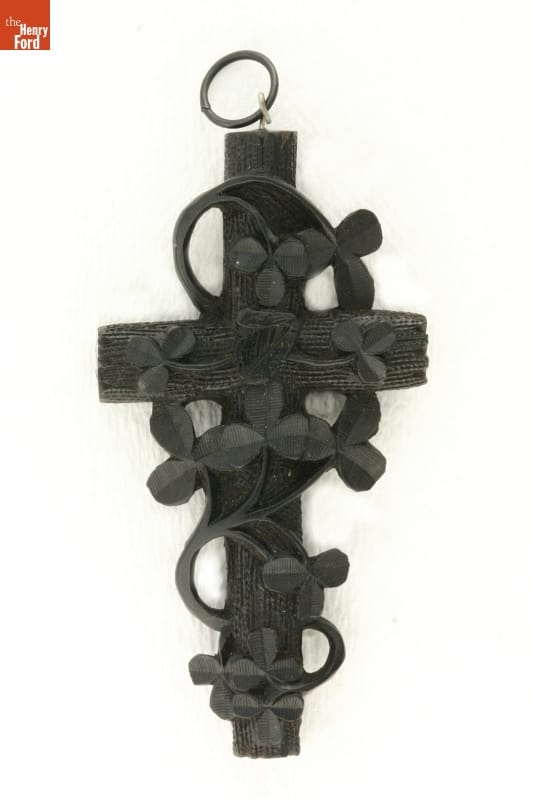
- Bogwood Cross Pendant, 1850-1885 - Bogwood is long-buried wood found in peat bogs or other environments where the wood is preserved from decay. Craftsmen carve the wood into jewelry, trinkets, and other decorative items. In the mid-to-late nineteenth century, a rich supply of bogwood came from Ireland. Bogwood jewelry carved during this period tended to reflect Celtic and Irish designs and motifs.
- 1850-1885
- Collections - Artifact
Bogwood Cross Pendant, 1850-1885
Bogwood is long-buried wood found in peat bogs or other environments where the wood is preserved from decay. Craftsmen carve the wood into jewelry, trinkets, and other decorative items. In the mid-to-late nineteenth century, a rich supply of bogwood came from Ireland. Bogwood jewelry carved during this period tended to reflect Celtic and Irish designs and motifs.
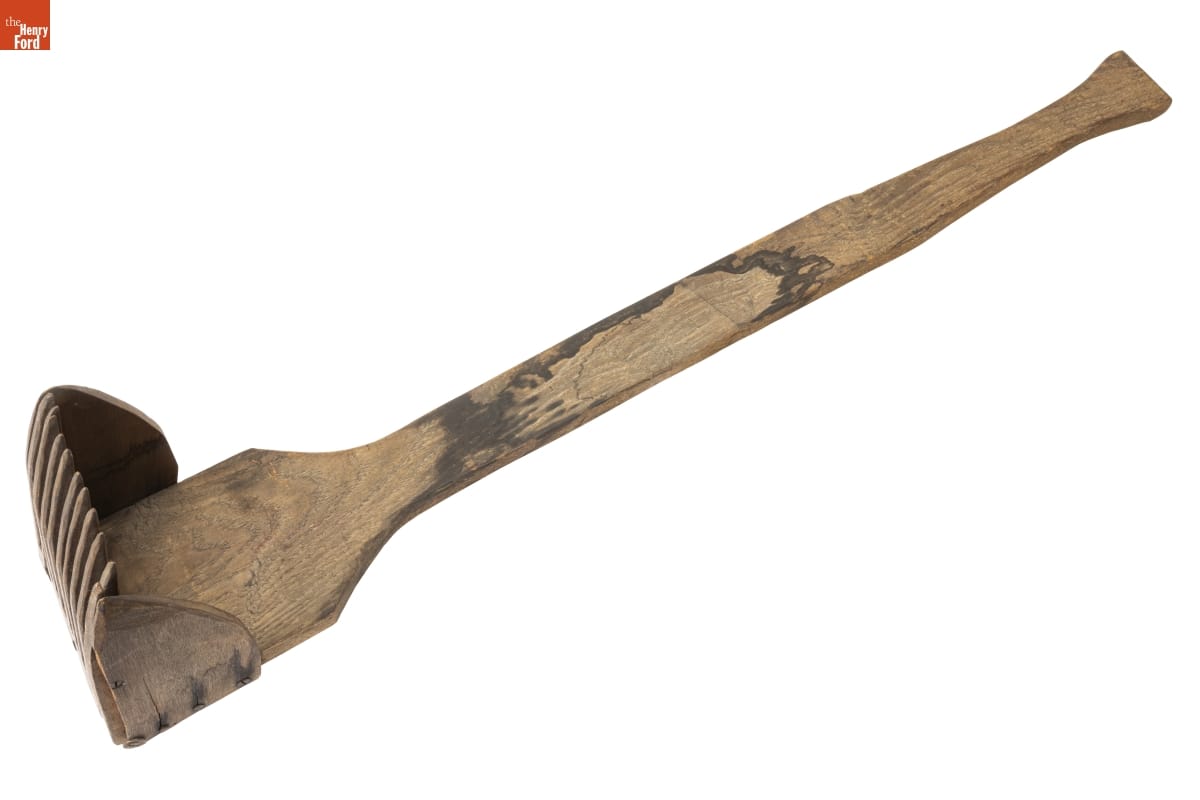
- Cranberry Rake, circa 1890 - Cranberries grow on vines in sandy bogs. Historically, pickers harvested the fruit by hand during dry conditions. Commercial production required managed wetlands with ditches and flumes to flood the cranberry bogs. Pickers then knocked the fruit from the vines with a toothed rake or scoop. The fruit fell into the tool's receptacle or floated on the surface, where harvesters scooped them up.
- circa 1890
- Collections - Artifact
Cranberry Rake, circa 1890
Cranberries grow on vines in sandy bogs. Historically, pickers harvested the fruit by hand during dry conditions. Commercial production required managed wetlands with ditches and flumes to flood the cranberry bogs. Pickers then knocked the fruit from the vines with a toothed rake or scoop. The fruit fell into the tool's receptacle or floated on the surface, where harvesters scooped them up.
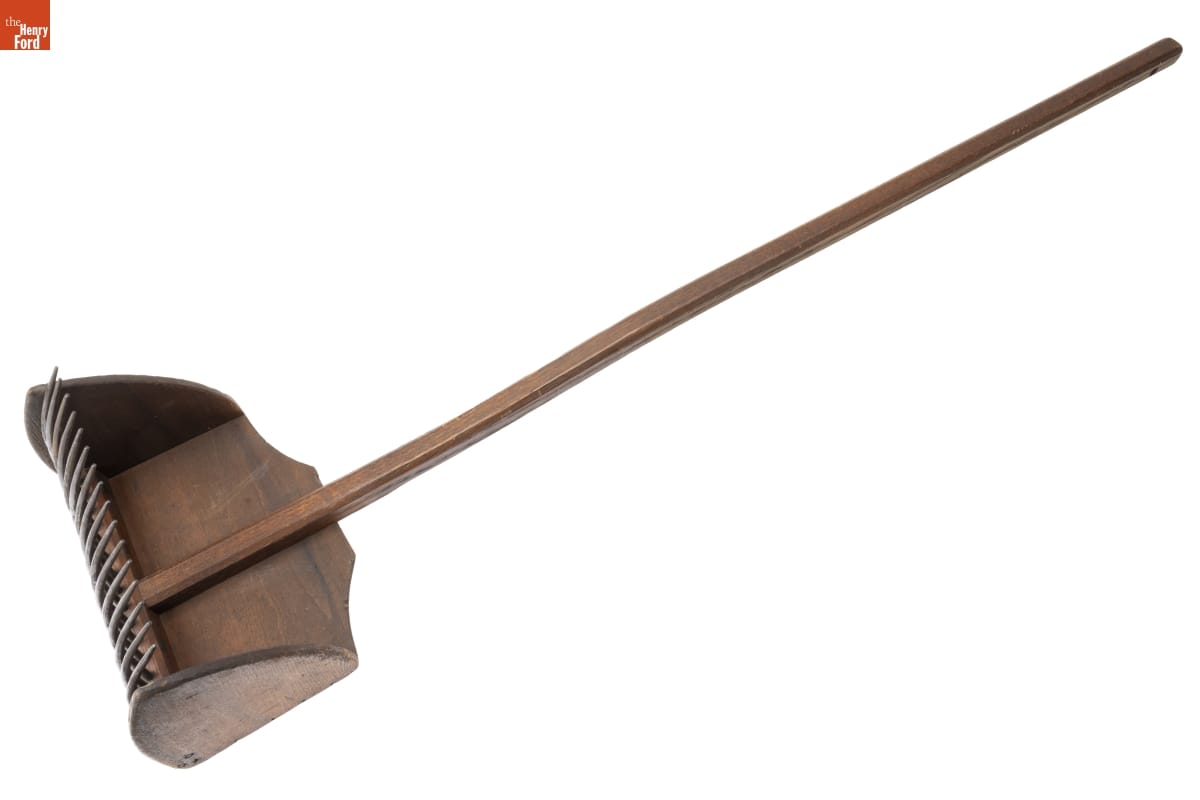
- Cranberry Rake - Cranberries grow on vines in sandy bogs. Historically, pickers harvested the fruit by hand during dry conditions. Commercial production required managed wetlands with ditches and flumes to flood the cranberry bogs. Pickers then knocked the fruit from the vines with a toothed rake or scoop. The fruit fell into the tool's receptacle or floated on the surface, where harvesters scooped them up.
- Collections - Artifact
Cranberry Rake
Cranberries grow on vines in sandy bogs. Historically, pickers harvested the fruit by hand during dry conditions. Commercial production required managed wetlands with ditches and flumes to flood the cranberry bogs. Pickers then knocked the fruit from the vines with a toothed rake or scoop. The fruit fell into the tool's receptacle or floated on the surface, where harvesters scooped them up.
- Bogwood Cross Pendant, 1850-1880 - Bogwood is long-buried wood found in peat bogs or other environments where the wood is preserved from decay. Craftsmen carve the wood into jewelry, trinkets, and other decorative items. In the mid-to-late nineteenth century, a rich supply of bogwood came from Ireland. Bogwood jewelry carved during this period tended to reflect Celtic and Irish designs and motifs.

- 1850-1880
- Collections - Artifact
Bogwood Cross Pendant, 1850-1880
Bogwood is long-buried wood found in peat bogs or other environments where the wood is preserved from decay. Craftsmen carve the wood into jewelry, trinkets, and other decorative items. In the mid-to-late nineteenth century, a rich supply of bogwood came from Ireland. Bogwood jewelry carved during this period tended to reflect Celtic and Irish designs and motifs.
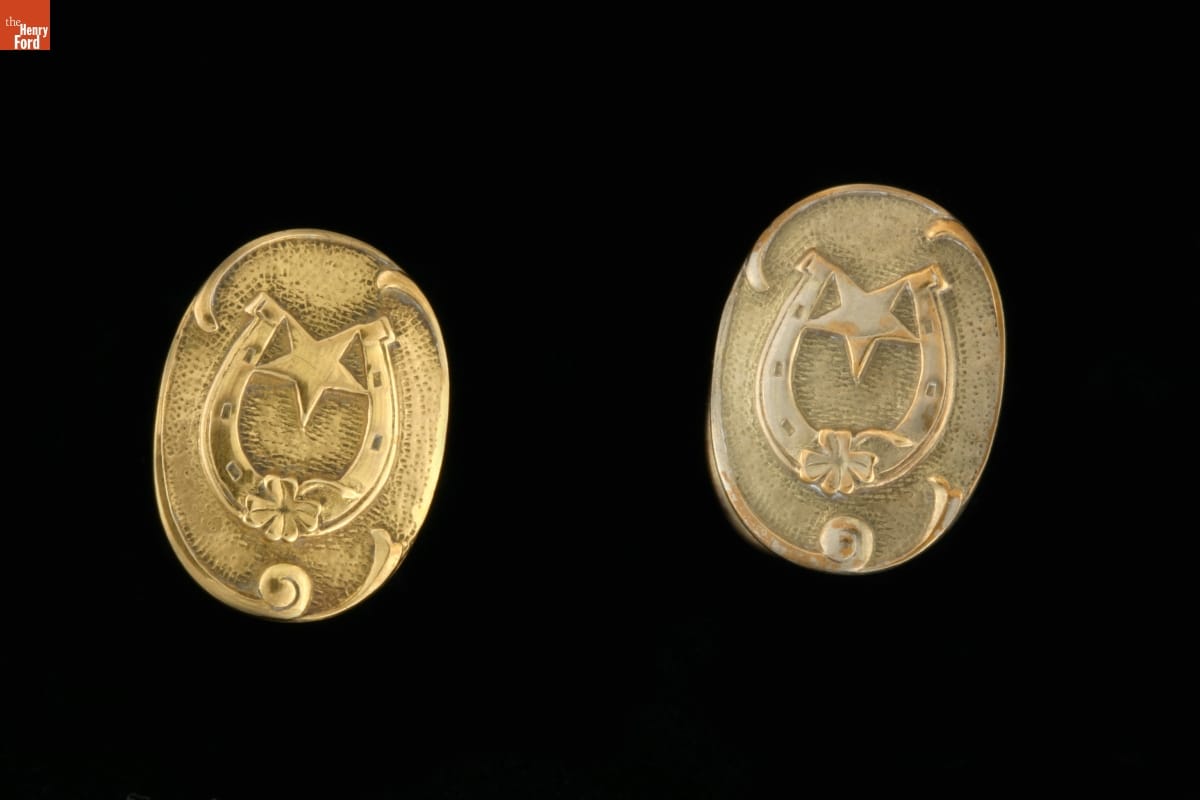
- Cuff Links, circa 1890 - Sporty informal cuff links adorned with good luck symbols were popular for both men and women around the early twentieth century. Good luck symbols of the era included the upturned horseshoe and the shamrock or four leaf clover. Tradition says that one should always have the end of the horseshoe symbol pointing up, so that the luck "does not run out."
- circa 1890
- Collections - Artifact
Cuff Links, circa 1890
Sporty informal cuff links adorned with good luck symbols were popular for both men and women around the early twentieth century. Good luck symbols of the era included the upturned horseshoe and the shamrock or four leaf clover. Tradition says that one should always have the end of the horseshoe symbol pointing up, so that the luck "does not run out."
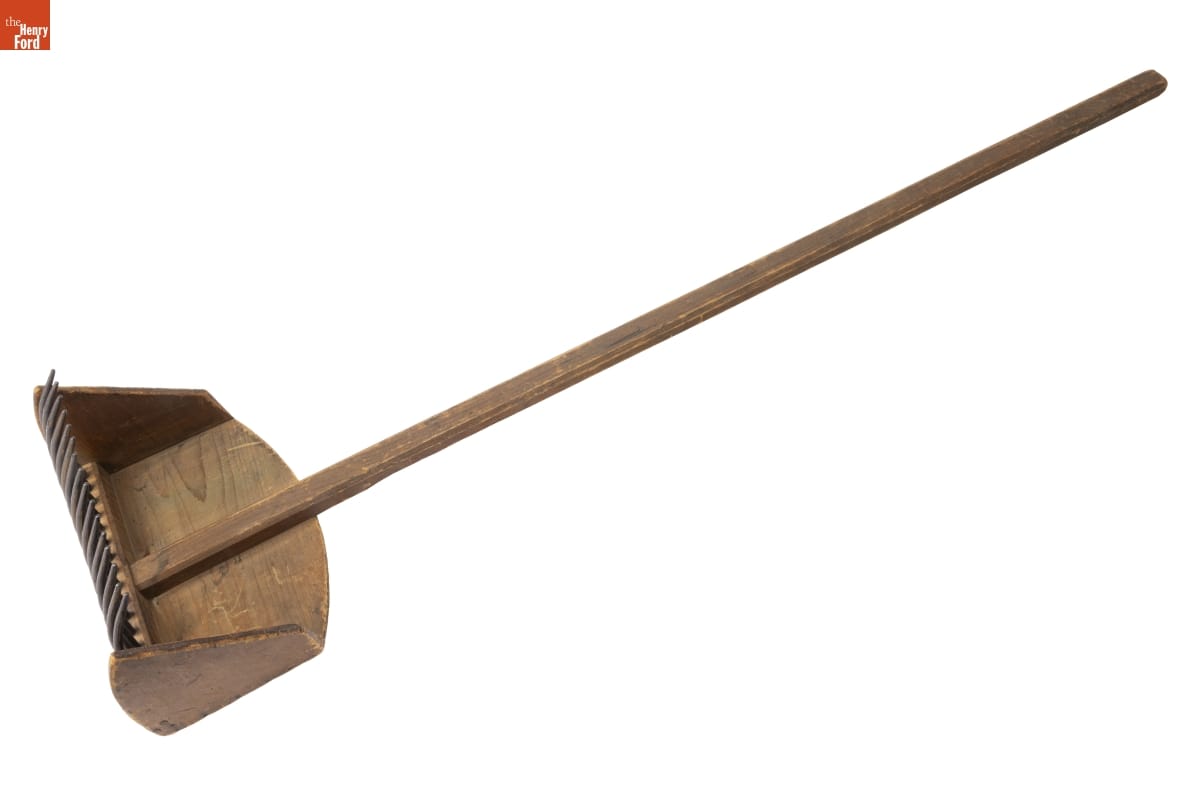
- Cranberry Rake, circa 1890 - Cranberries grow on vines in sandy bogs. Historically, pickers harvested the fruit by hand during dry conditions. Commercial production required managed wetlands with ditches and flumes to flood the cranberry bogs. Pickers then knocked the fruit from the vines with a toothed rake or scoop. The fruit fell into the tool's receptacle or floated on the surface, where harvesters scooped them up.
- circa 1890
- Collections - Artifact
Cranberry Rake, circa 1890
Cranberries grow on vines in sandy bogs. Historically, pickers harvested the fruit by hand during dry conditions. Commercial production required managed wetlands with ditches and flumes to flood the cranberry bogs. Pickers then knocked the fruit from the vines with a toothed rake or scoop. The fruit fell into the tool's receptacle or floated on the surface, where harvesters scooped them up.