
Search
- Coffee Mills, Photographed in 1933 -
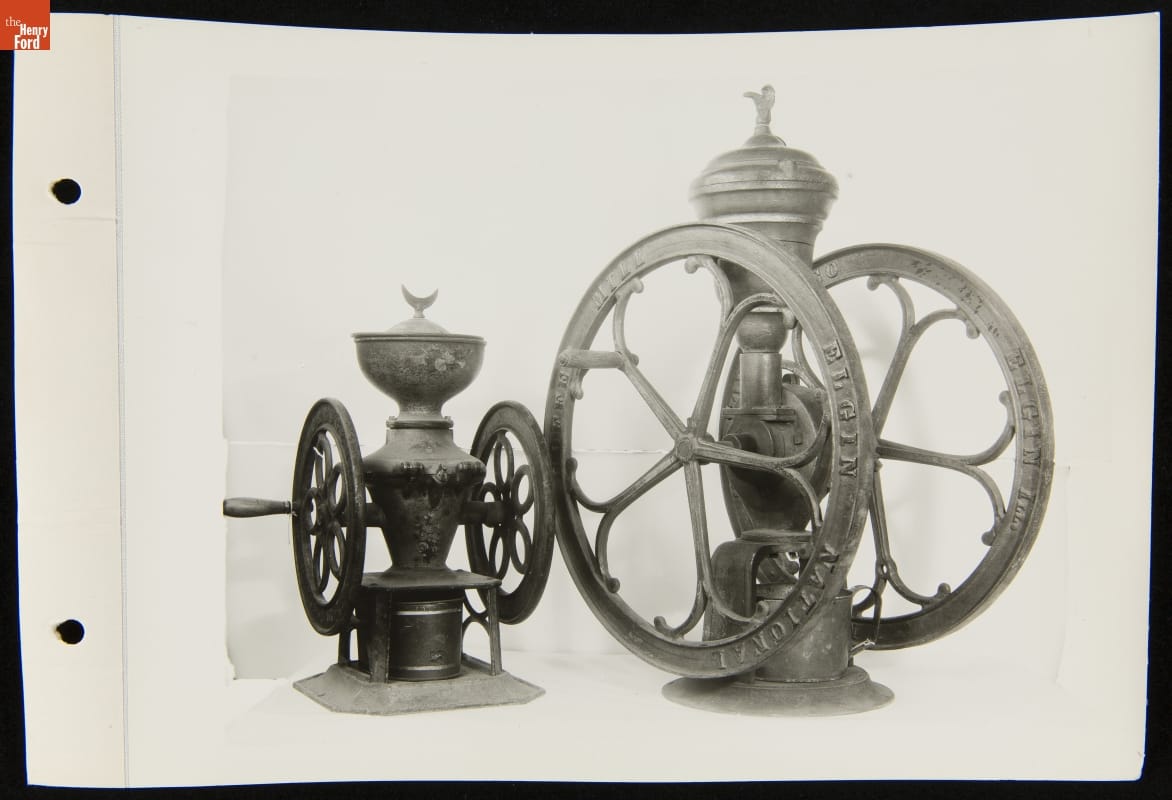
- January 31, 1933
- Collections - Artifact
Coffee Mills, Photographed in 1933
- Coffee Roaster, 1800-1850 -
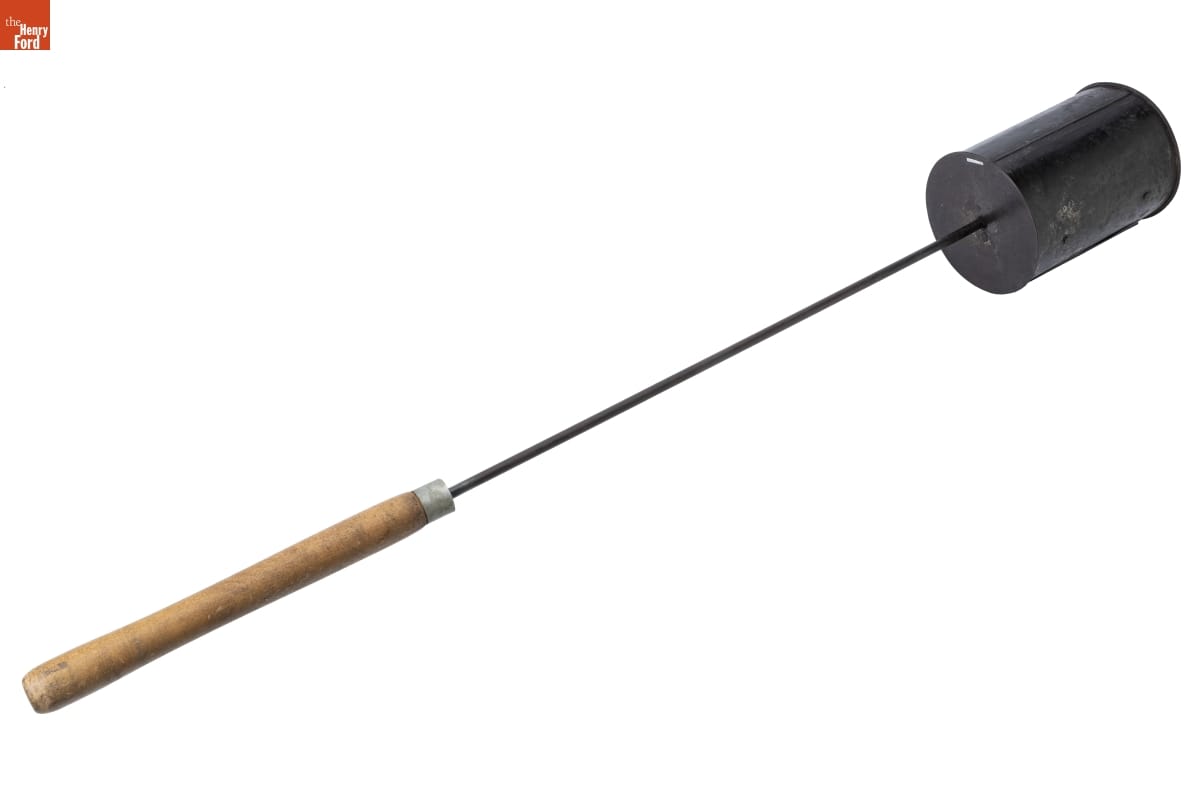
- 1800-1850
- Collections - Artifact
Coffee Roaster, 1800-1850
- Coffee Roaster, 1800-1850 -
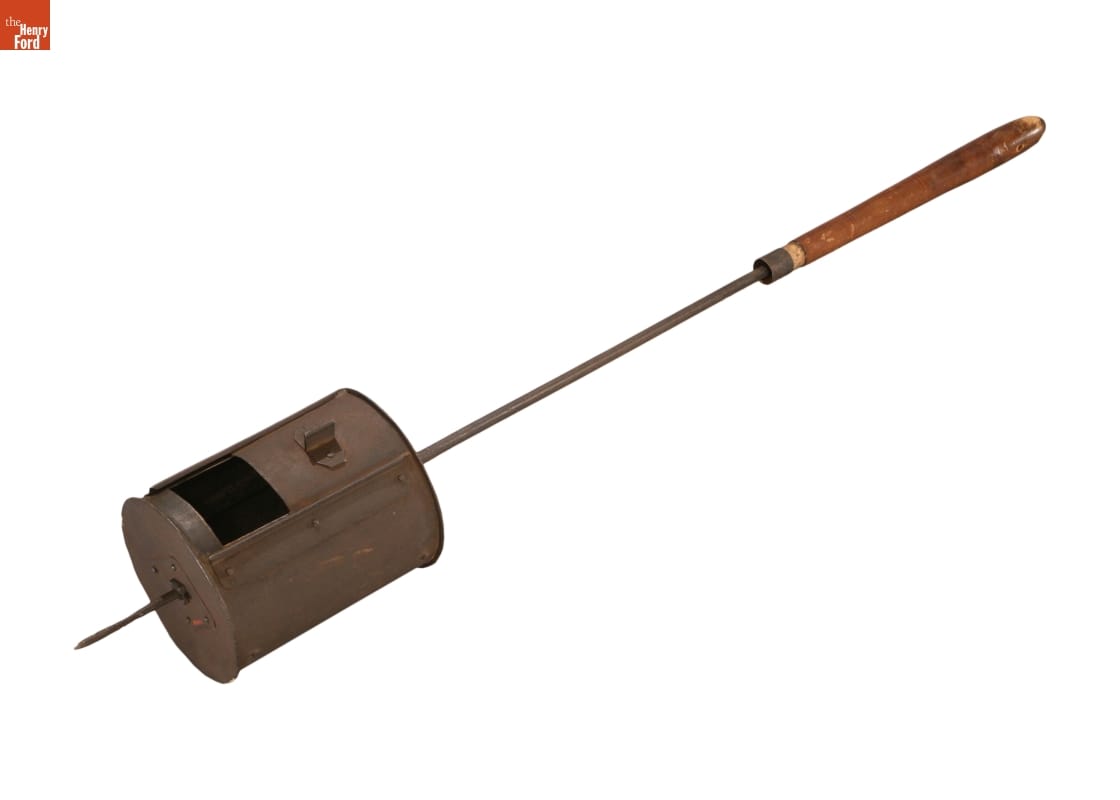
- 1800-1850
- Collections - Artifact
Coffee Roaster, 1800-1850
- Coffee Roaster, circa 1875 -
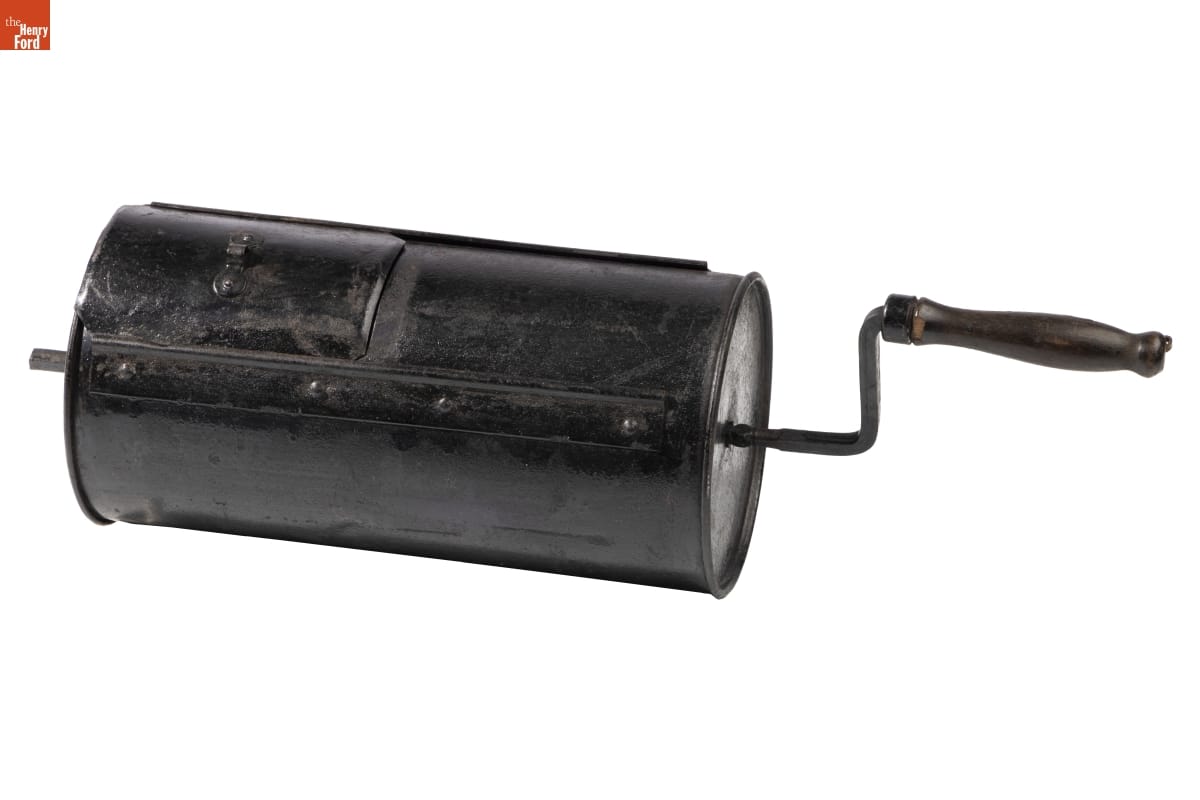
- circa 1875
- Collections - Artifact
Coffee Roaster, circa 1875
- Coffee Mill and Roaster, Photographed in 1933 -
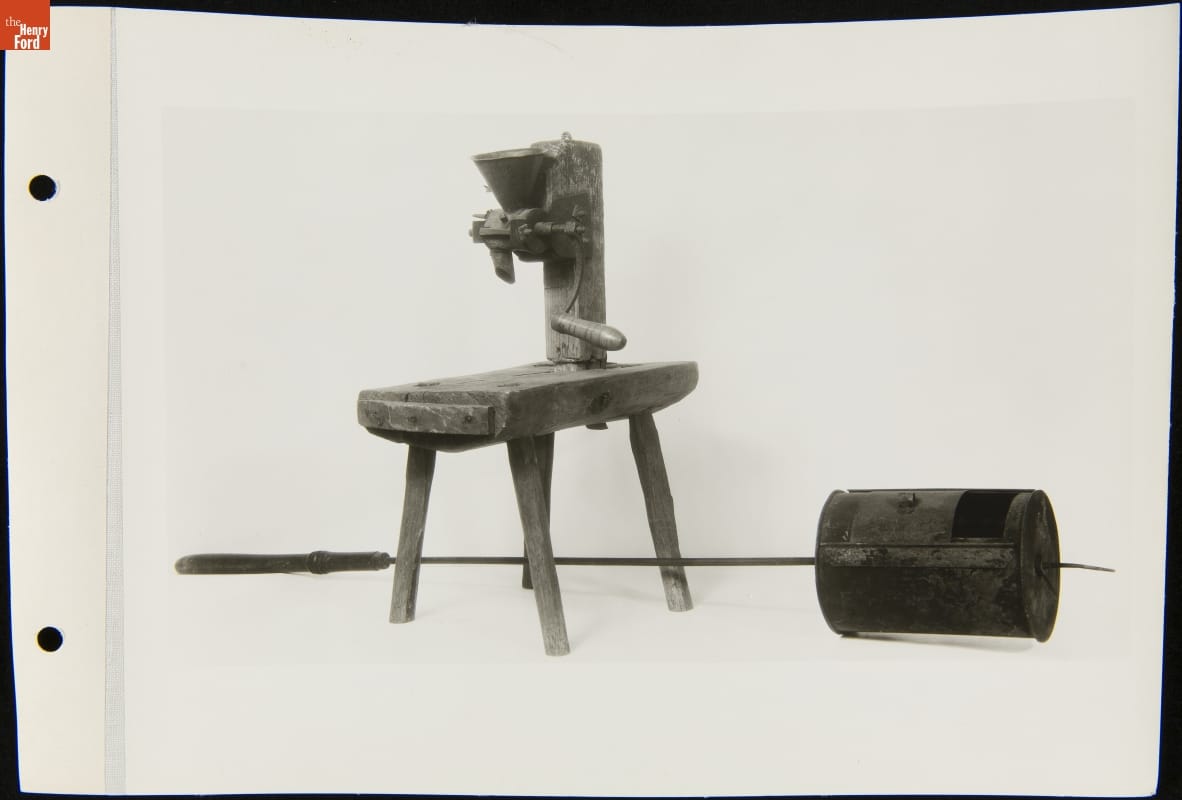
- January 31, 1933
- Collections - Artifact
Coffee Mill and Roaster, Photographed in 1933
- Coffee Grinders and Roasters, Photographed in 1933 -
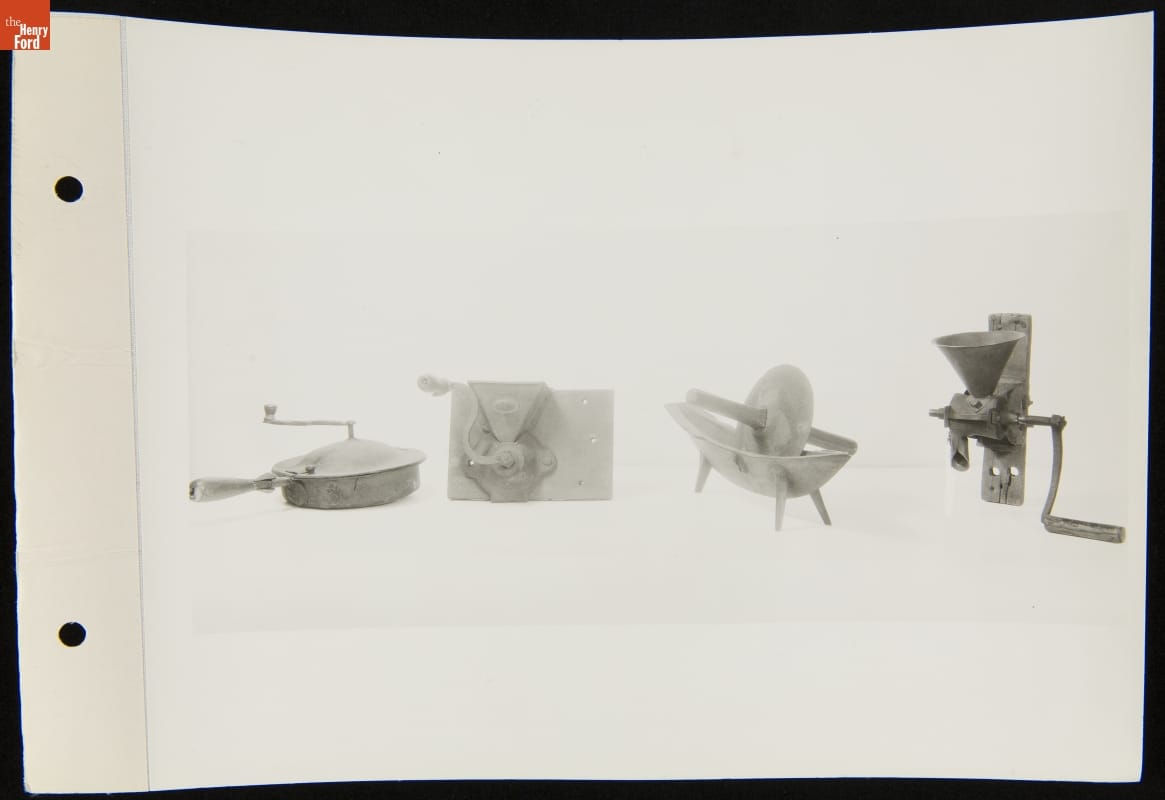
- January 31, 1933
- Collections - Artifact
Coffee Grinders and Roasters, Photographed in 1933
- Coffee Roasters, Photographed in 1933 -
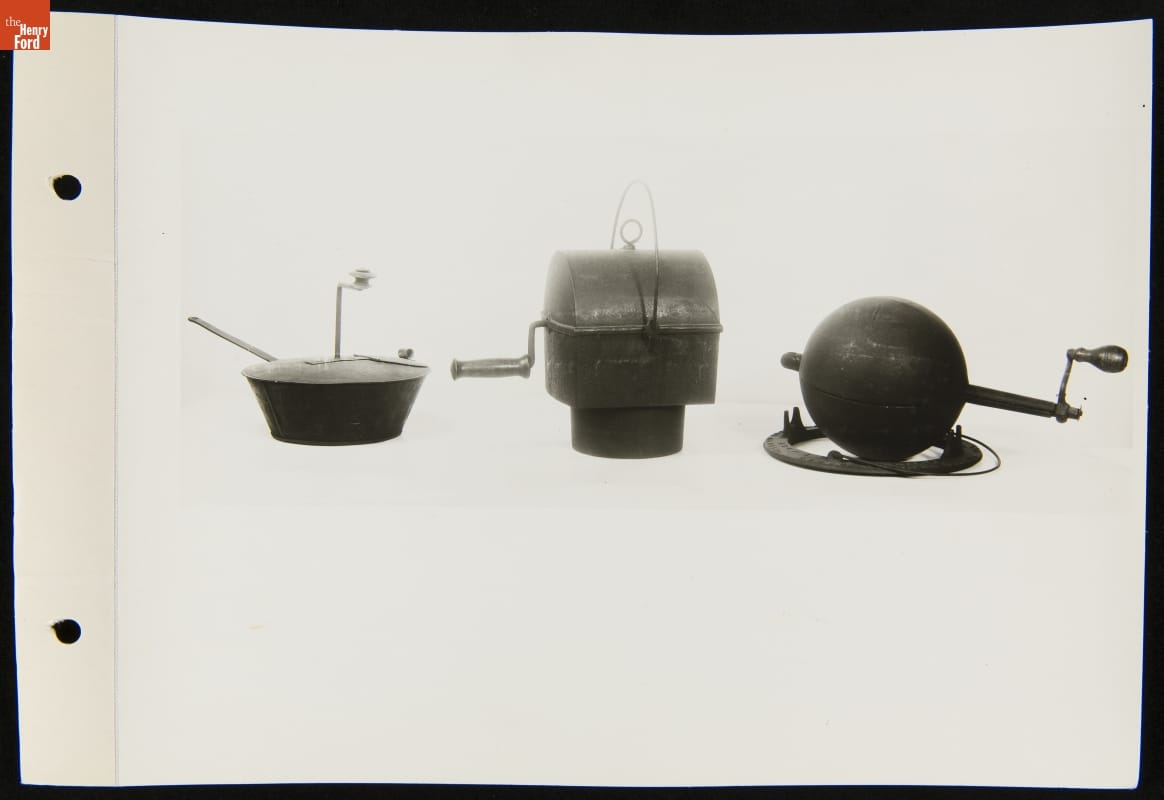
- January 31, 1933
- Collections - Artifact
Coffee Roasters, Photographed in 1933
- T. B. C. Burpee Family Coffee Roaster, circa 1895 -
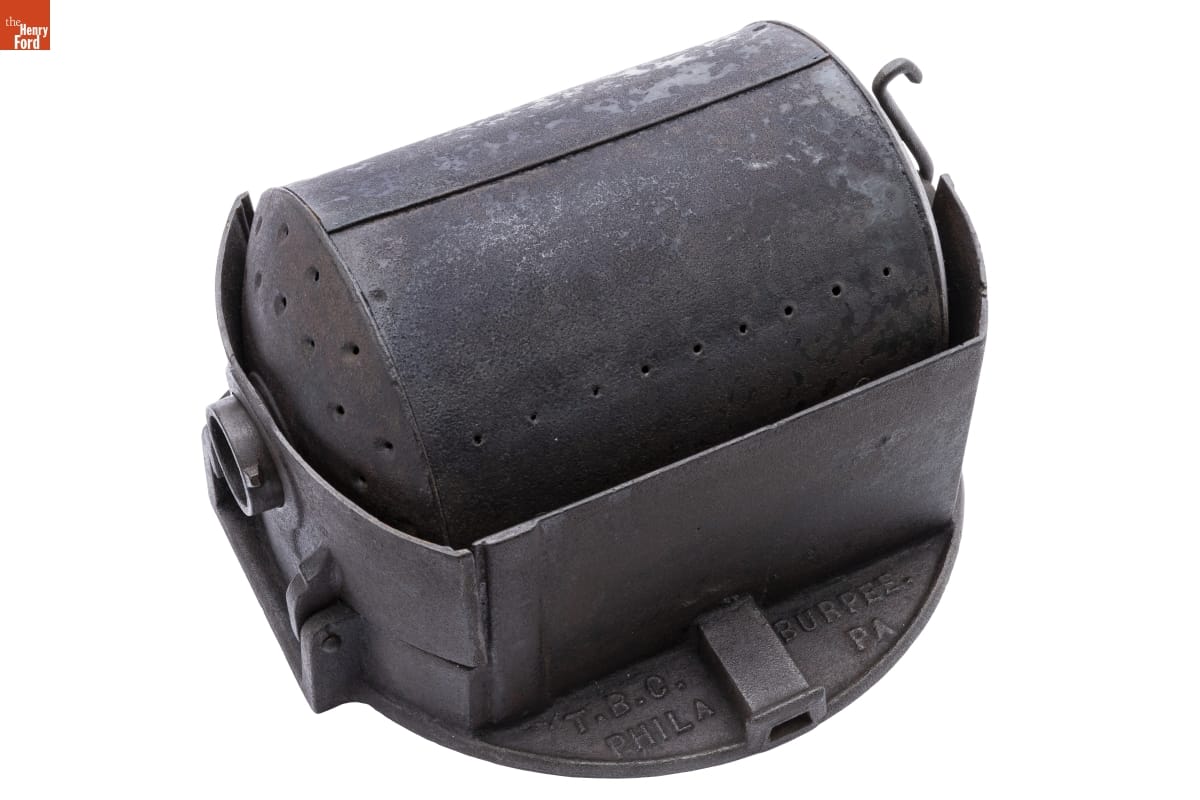
- circa 1895
- Collections - Artifact
T. B. C. Burpee Family Coffee Roaster, circa 1895
- Coffee Roaster -
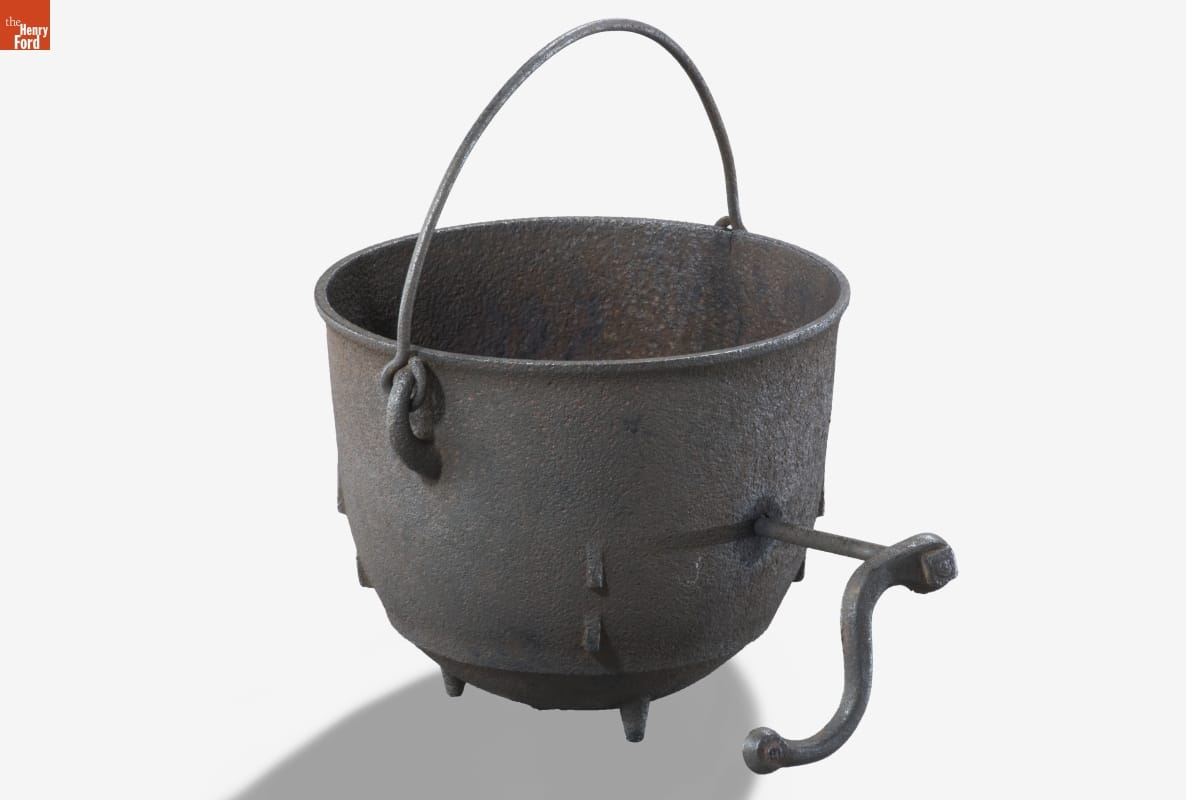
- Collections - Artifact
Coffee Roaster
- Coffee Roaster - Tin-plated iron, commonly called "tin," was the dominant material for utilitarian items in 19th-century America. Local tinsmiths produced an almost endless range of goods. But as more durable and lower maintenance materials emerged, handmade tinware came to be considered a folk art or heritage craft. This 20th-century example was produced in the Greenfield Village tin shop using historical tinsmithing tools and techniques.
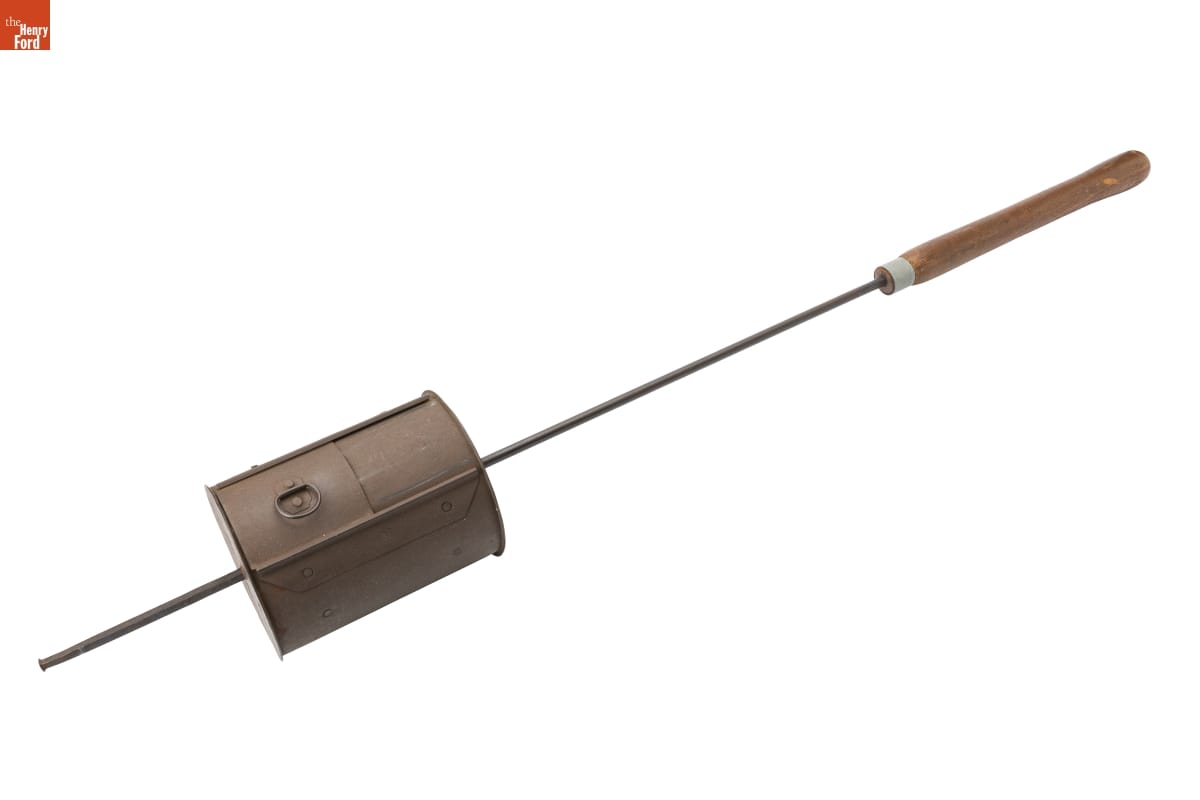
- Collections - Artifact
Coffee Roaster
Tin-plated iron, commonly called "tin," was the dominant material for utilitarian items in 19th-century America. Local tinsmiths produced an almost endless range of goods. But as more durable and lower maintenance materials emerged, handmade tinware came to be considered a folk art or heritage craft. This 20th-century example was produced in the Greenfield Village tin shop using historical tinsmithing tools and techniques.