
Search
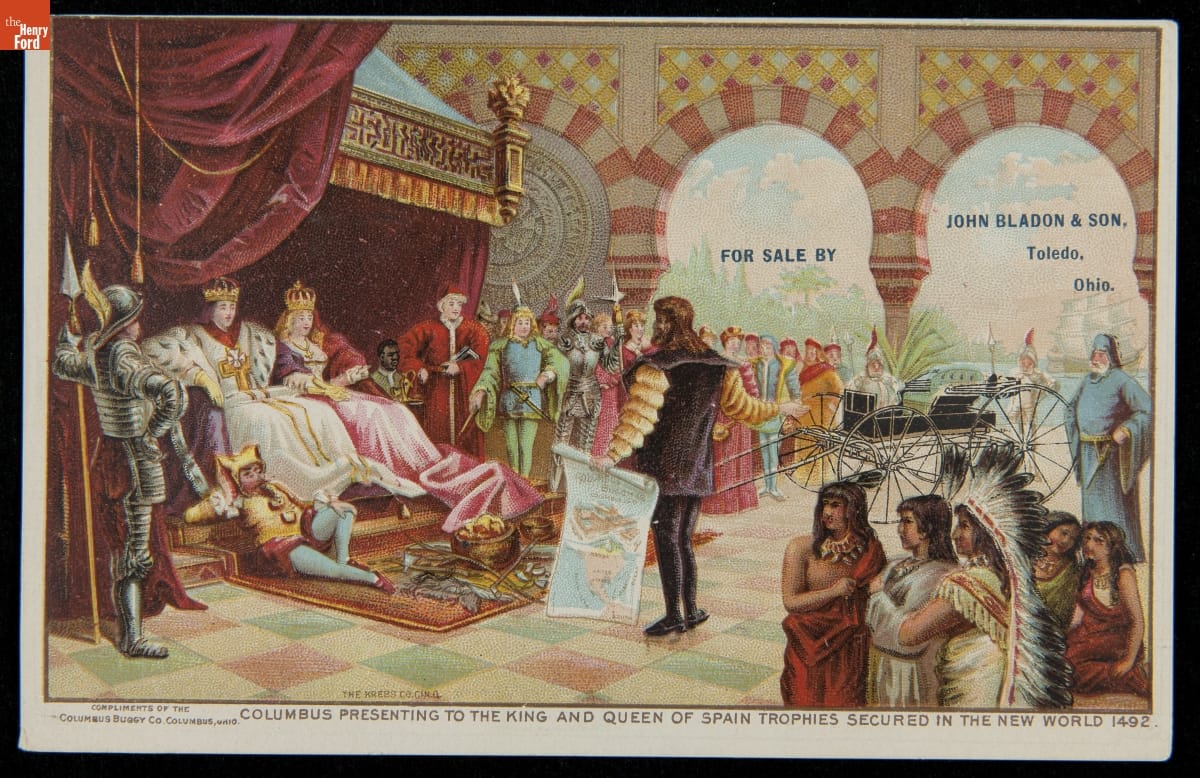
- Trade Card for Columbus Buggy Company, circa 1893 - In the last third of the nineteenth century, an unprecedented variety of consumer goods and services flooded the American market. Advertisers, armed with new methods of color printing, bombarded potential customers with trade cards. Americans enjoyed and often saved the vibrant little advertisements found in product packages or distributed by local merchants. Many survive as historical records of commercialism in the United States.
- 1492
- Collections - Artifact
Trade Card for Columbus Buggy Company, circa 1893
In the last third of the nineteenth century, an unprecedented variety of consumer goods and services flooded the American market. Advertisers, armed with new methods of color printing, bombarded potential customers with trade cards. Americans enjoyed and often saved the vibrant little advertisements found in product packages or distributed by local merchants. Many survive as historical records of commercialism in the United States.
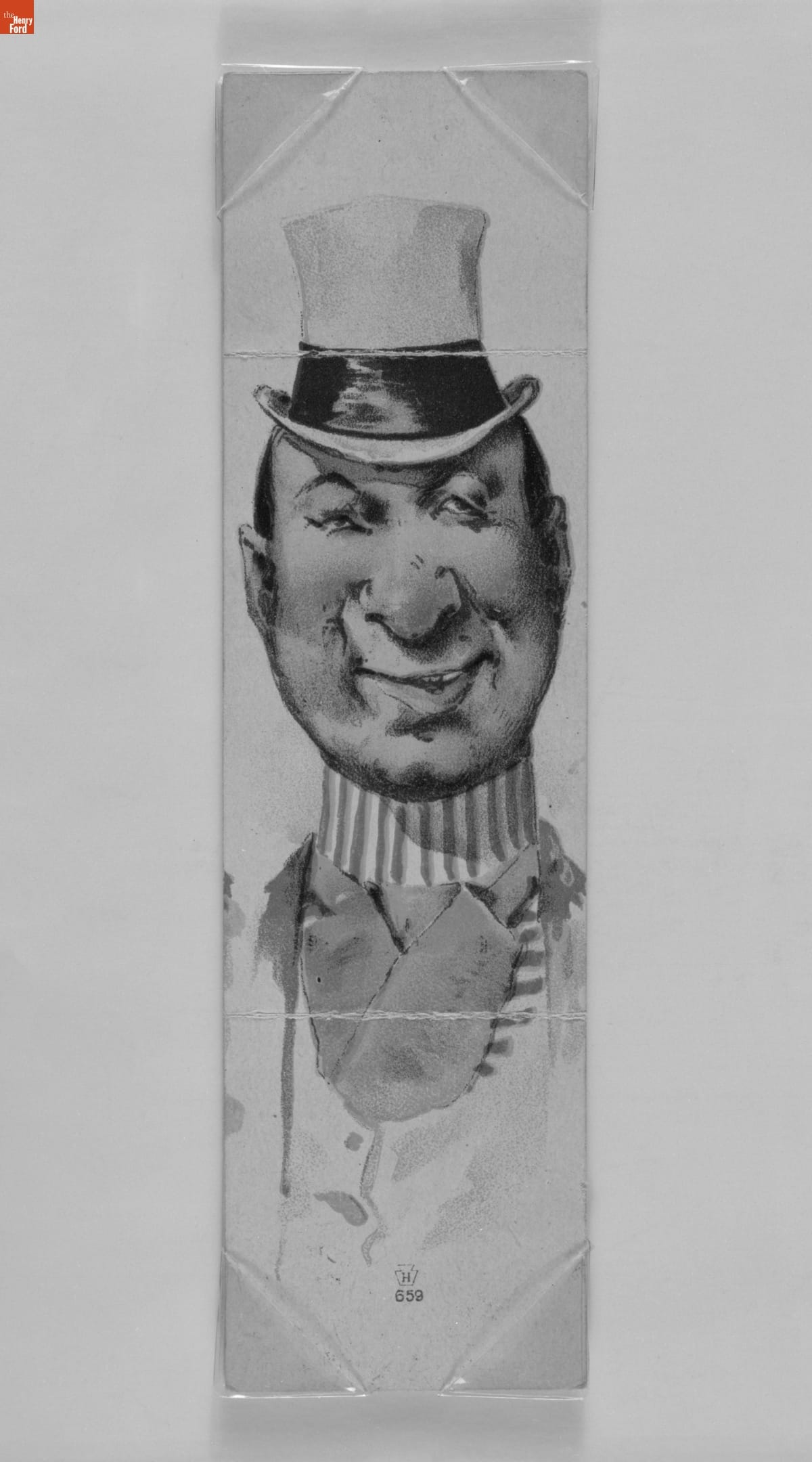
- Trade Card for the Columbus Buggy Company, 1870-1900 - Brothers George and Oscar Peters, with Clinton Firestone, established Columbus Buggy Company in Columbus, Ohio, in 1875. It grew into one of the world's largest manufacturers of horse-drawn vehicles and operated branch offices throughout the United States. The company entered the automobile business in 1903 with a ten-horsepower high-wheeler, but it wasn't successful. Columbus Buggy Company went bankrupt in 1913.
- 1870-1900
- Collections - Artifact
Trade Card for the Columbus Buggy Company, 1870-1900
Brothers George and Oscar Peters, with Clinton Firestone, established Columbus Buggy Company in Columbus, Ohio, in 1875. It grew into one of the world's largest manufacturers of horse-drawn vehicles and operated branch offices throughout the United States. The company entered the automobile business in 1903 with a ten-horsepower high-wheeler, but it wasn't successful. Columbus Buggy Company went bankrupt in 1913.