
Search
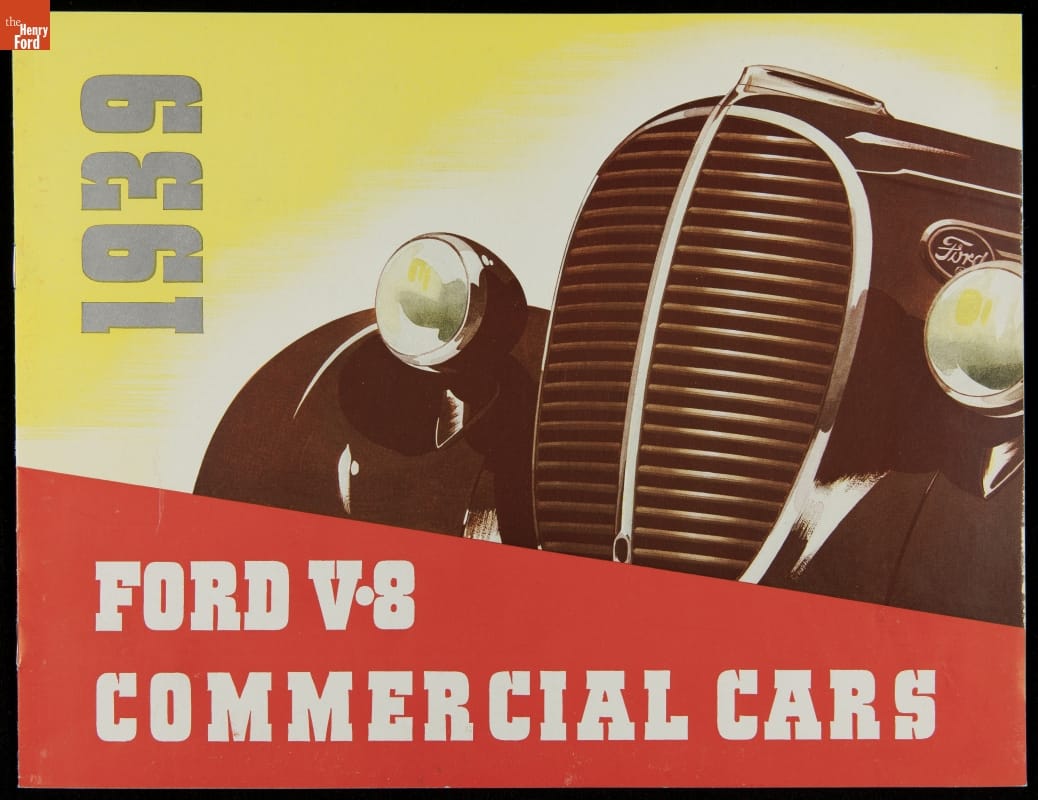
- Sales Brochure, "1939 Ford V-8 Commercial Cars" - Ford Motor Company's truck lineup for 1939 included pickups, panel trucks, stake body and platform models, and sedan delivery vehicles. Larger commercial models were available in dump truck and cab-over-engine configurations. Power came from V-8 engines available with displacements of 136 or 221 cubic inches.
- 1939
- Collections - Artifact
Sales Brochure, "1939 Ford V-8 Commercial Cars"
Ford Motor Company's truck lineup for 1939 included pickups, panel trucks, stake body and platform models, and sedan delivery vehicles. Larger commercial models were available in dump truck and cab-over-engine configurations. Power came from V-8 engines available with displacements of 136 or 221 cubic inches.
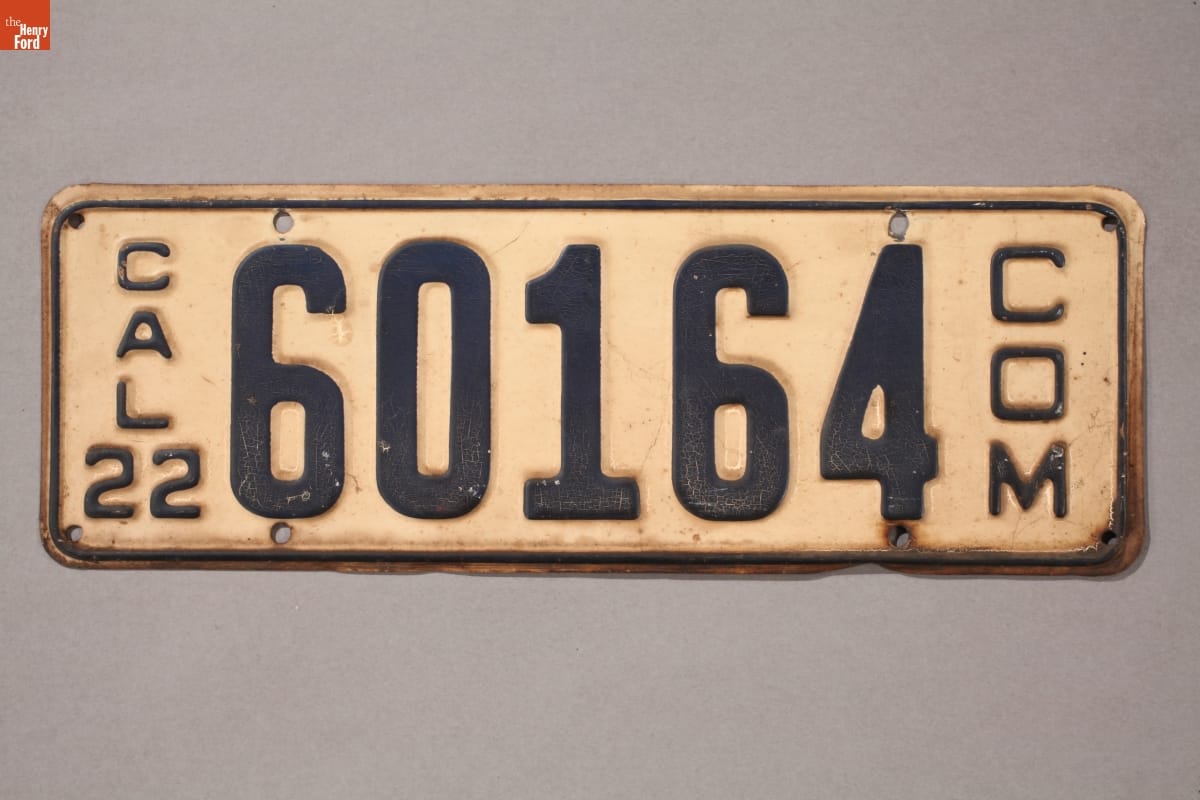
- California Commercial License Plate, 1922 - Early state-issued license plates were made of porcelain-coated iron. Later, states stamped tin, steel, or even copper to make plates. During the Second World War several states used fiberboard. Plate colors varied and some states added symbols, mottoes, or other design elements. Today, states use reflective sheeting to coat a standard-sized aluminum blank which is then stamped and decorated.
- 1922
- Collections - Artifact
California Commercial License Plate, 1922
Early state-issued license plates were made of porcelain-coated iron. Later, states stamped tin, steel, or even copper to make plates. During the Second World War several states used fiberboard. Plate colors varied and some states added symbols, mottoes, or other design elements. Today, states use reflective sheeting to coat a standard-sized aluminum blank which is then stamped and decorated.
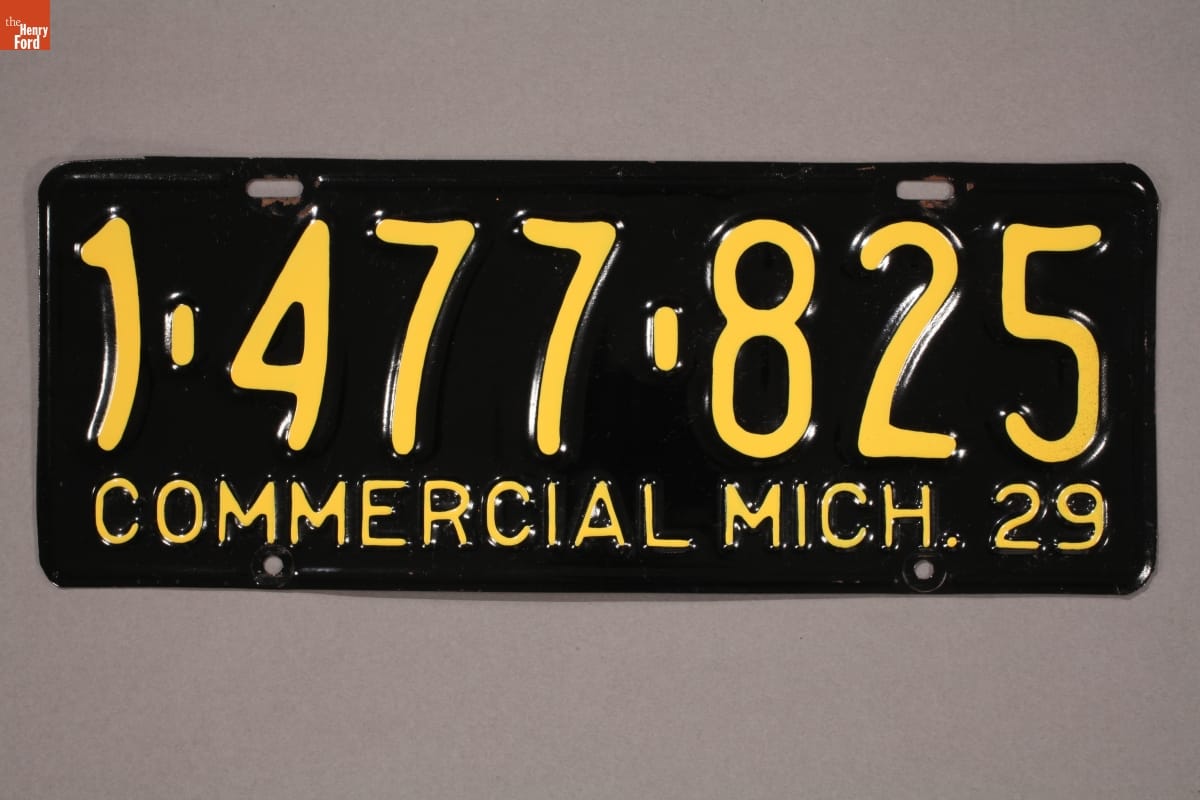
- Michigan Commercial License Plate, 1929 - Early state-issued license plates were made of porcelain-coated iron. Later, states stamped tin, steel, or even copper to make plates. During the Second World War several states used fiberboard. Plate colors varied and some states added symbols, mottoes, or other design elements. Today, states use reflective sheeting to coat a standard-sized aluminum blank which is then stamped and decorated.
- 1929
- Collections - Artifact
Michigan Commercial License Plate, 1929
Early state-issued license plates were made of porcelain-coated iron. Later, states stamped tin, steel, or even copper to make plates. During the Second World War several states used fiberboard. Plate colors varied and some states added symbols, mottoes, or other design elements. Today, states use reflective sheeting to coat a standard-sized aluminum blank which is then stamped and decorated.
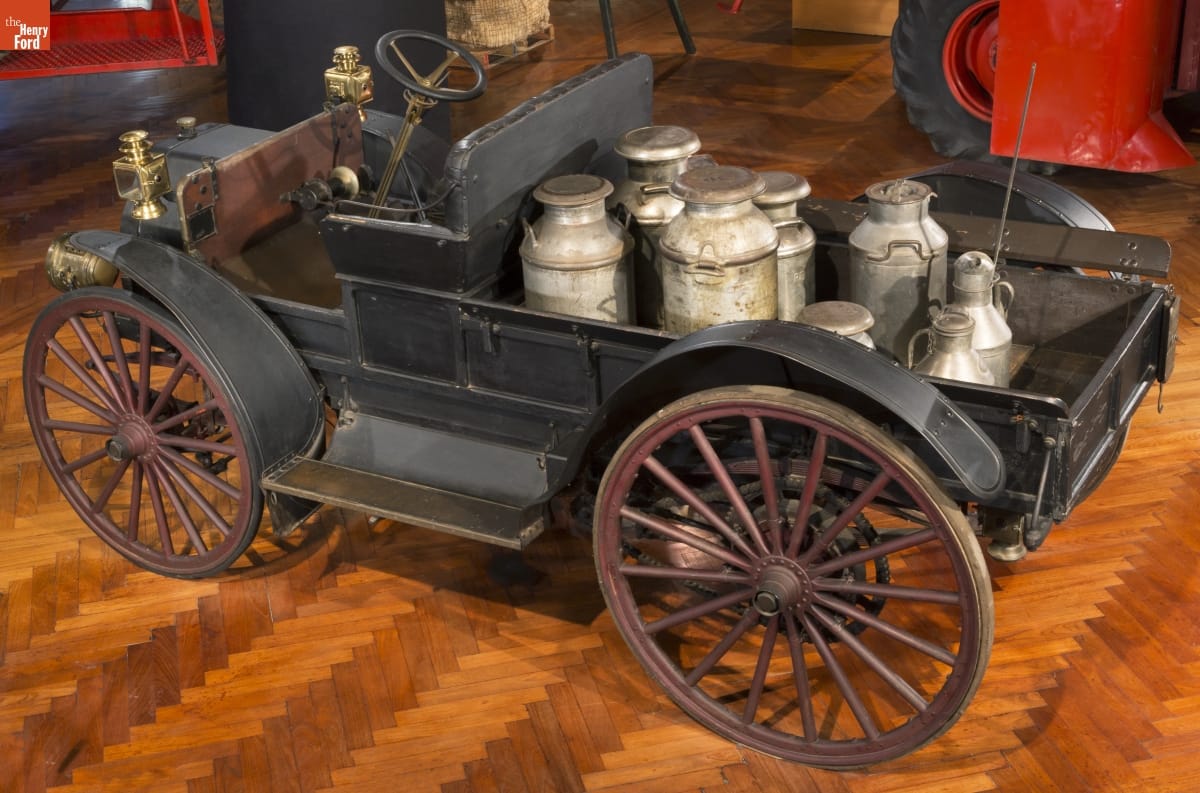
- 1912 International Harvester Model AW Truck - International Harvester had its roots in building reapers in the 1840s. The firm made its first light-duty trucks in 1907, and they proved popular with the company's farmer customers. The trucks' high wheels and rugged construction were well matched to rough rural roads. International Harvester ended pickup production in 1975 to focus on commercial-grade trucks and school buses.
- 1912
- Collections - Artifact
1912 International Harvester Model AW Truck
International Harvester had its roots in building reapers in the 1840s. The firm made its first light-duty trucks in 1907, and they proved popular with the company's farmer customers. The trucks' high wheels and rugged construction were well matched to rough rural roads. International Harvester ended pickup production in 1975 to focus on commercial-grade trucks and school buses.
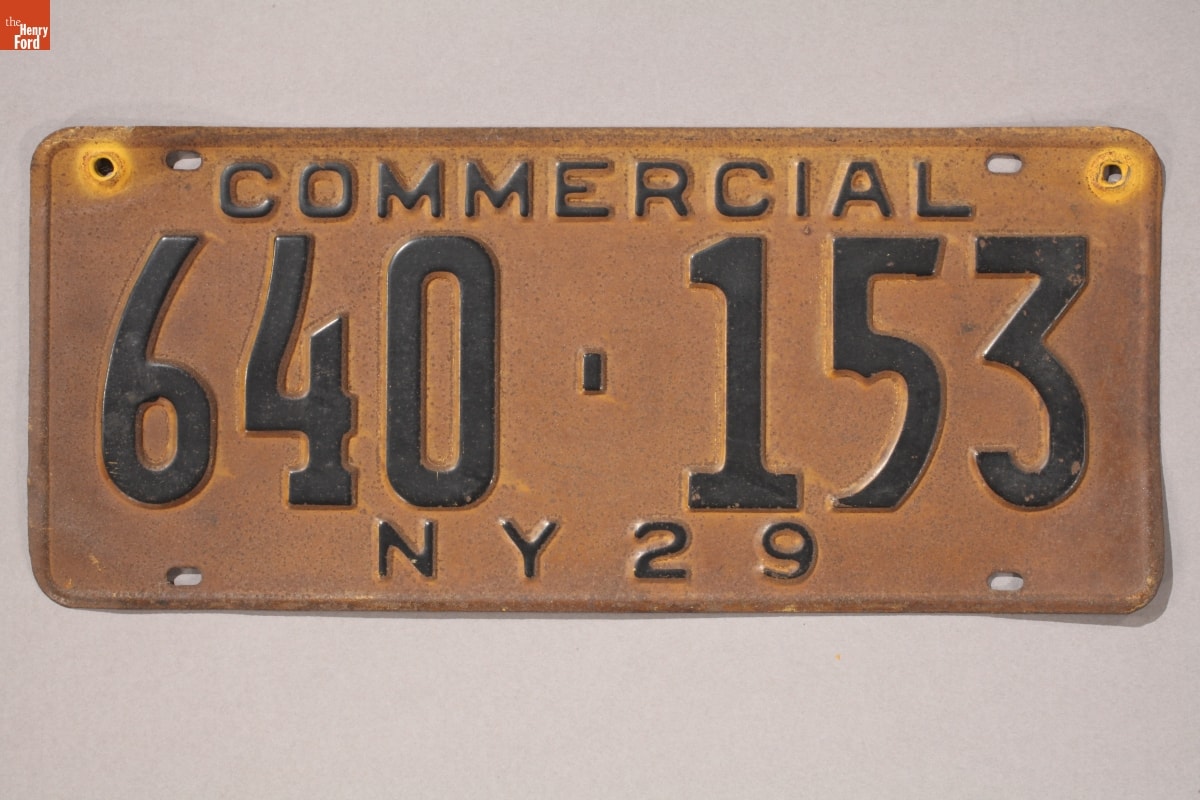
- Pair of New York State Commercial License Plates, 1929 - Early state-issued license plates were made of porcelain-coated iron. Later, states stamped tin, steel, or even copper to make plates. During the Second World War several states used fiberboard. Plate colors varied and some states added symbols, mottoes, or other design elements. Today, states use reflective sheeting to coat a standard-sized aluminum blank which is then stamped and decorated.
- 1929
- Collections - Artifact
Pair of New York State Commercial License Plates, 1929
Early state-issued license plates were made of porcelain-coated iron. Later, states stamped tin, steel, or even copper to make plates. During the Second World War several states used fiberboard. Plate colors varied and some states added symbols, mottoes, or other design elements. Today, states use reflective sheeting to coat a standard-sized aluminum blank which is then stamped and decorated.