
Search
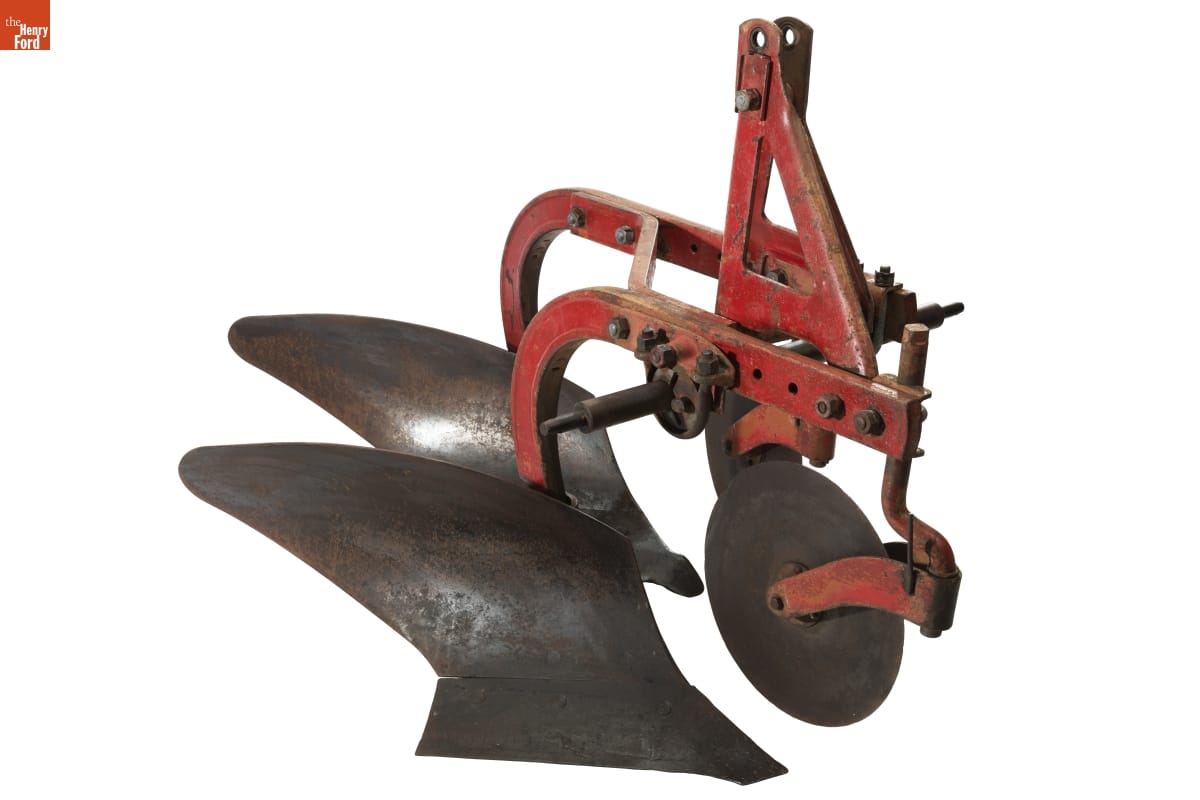
- Dearborn Moldboard Plow, 1947-1950 -
- 1947-1950
- Collections - Artifact
Dearborn Moldboard Plow, 1947-1950
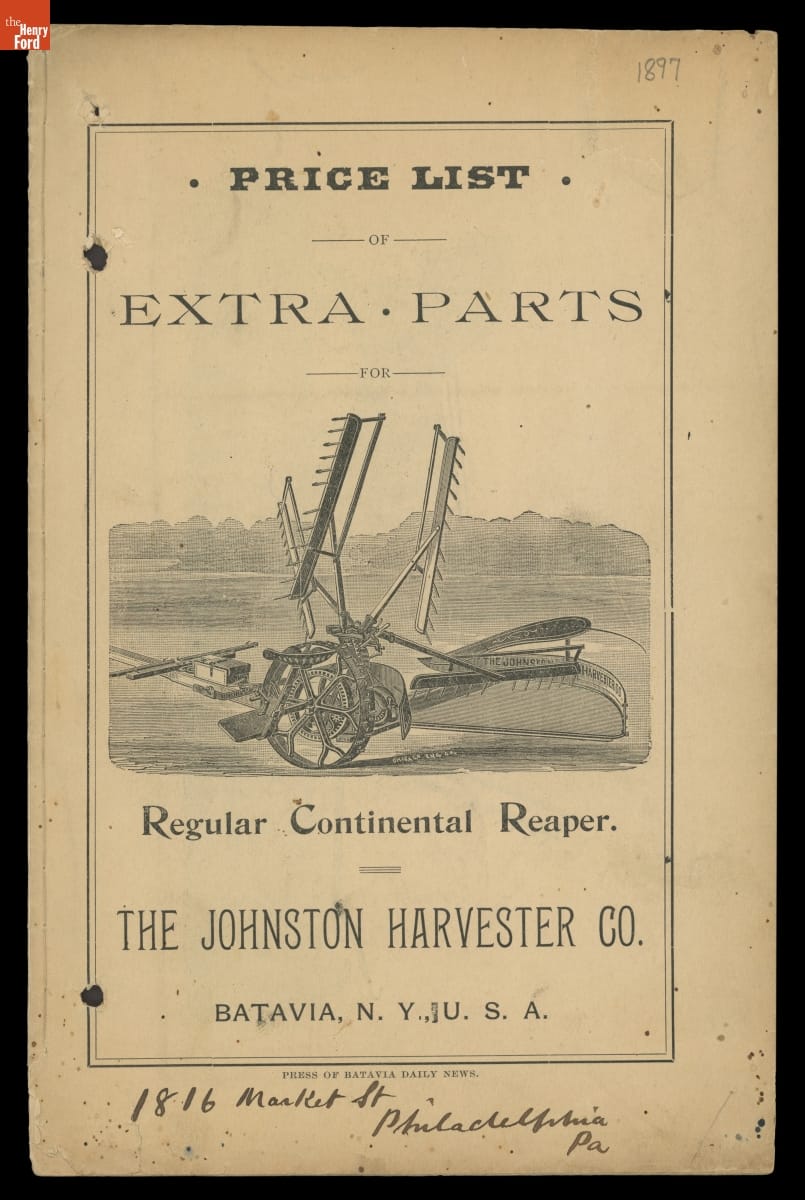
- Trade Catalog, "Price List of Extra Parts for Regular Continental Reaper," 1897 -
- 1897
- Collections - Artifact
Trade Catalog, "Price List of Extra Parts for Regular Continental Reaper," 1897
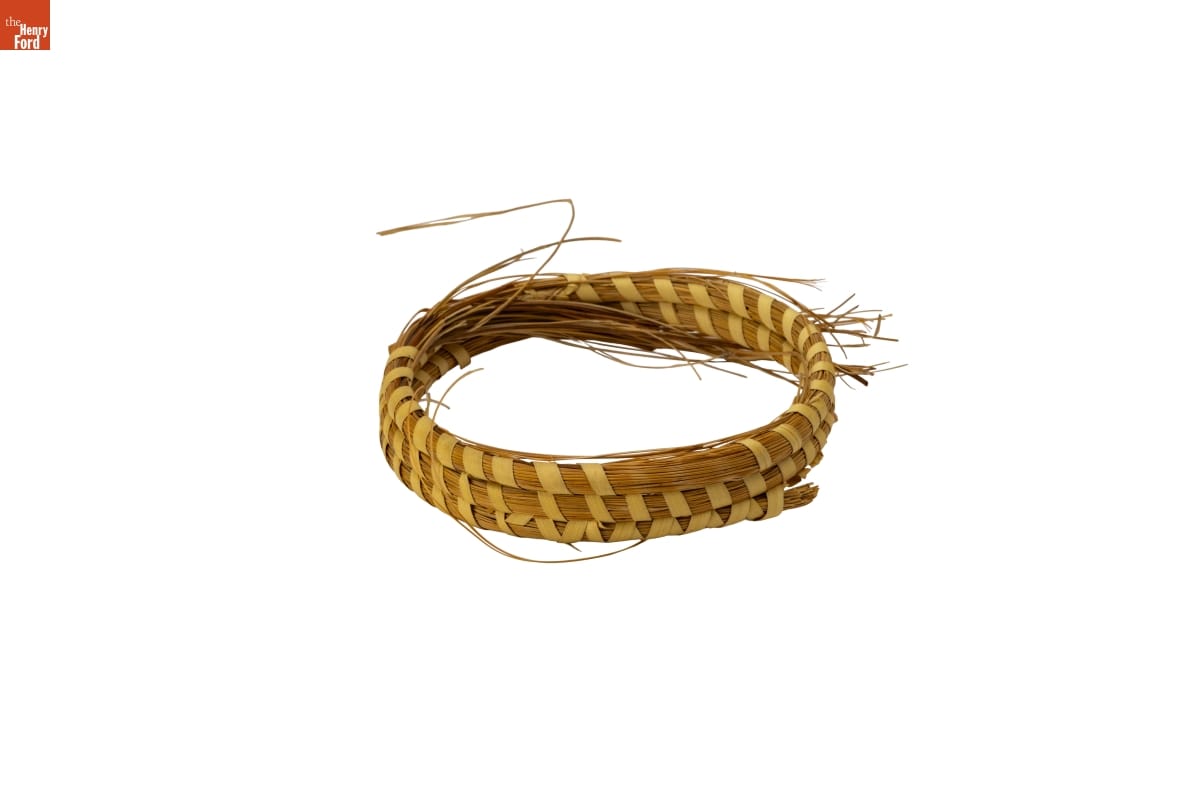
- Unfinished Sweetgrass Basket Part, 1991 - The Gullah-Geechee people, descendants of enslaved West Africans who resided primarily on isolated coastal plantations from the Carolinas to Florida, are now renowned for making sweetgrass baskets. This basket-making tradition has deep West African roots. Generations have woven together coils of needlegrass, longleaf pine needles, and sweetgrass with strips of saw palmetto or white oak bark, creating a living representation of Gullah culture.
- 1991
- Collections - Artifact
Unfinished Sweetgrass Basket Part, 1991
The Gullah-Geechee people, descendants of enslaved West Africans who resided primarily on isolated coastal plantations from the Carolinas to Florida, are now renowned for making sweetgrass baskets. This basket-making tradition has deep West African roots. Generations have woven together coils of needlegrass, longleaf pine needles, and sweetgrass with strips of saw palmetto or white oak bark, creating a living representation of Gullah culture.
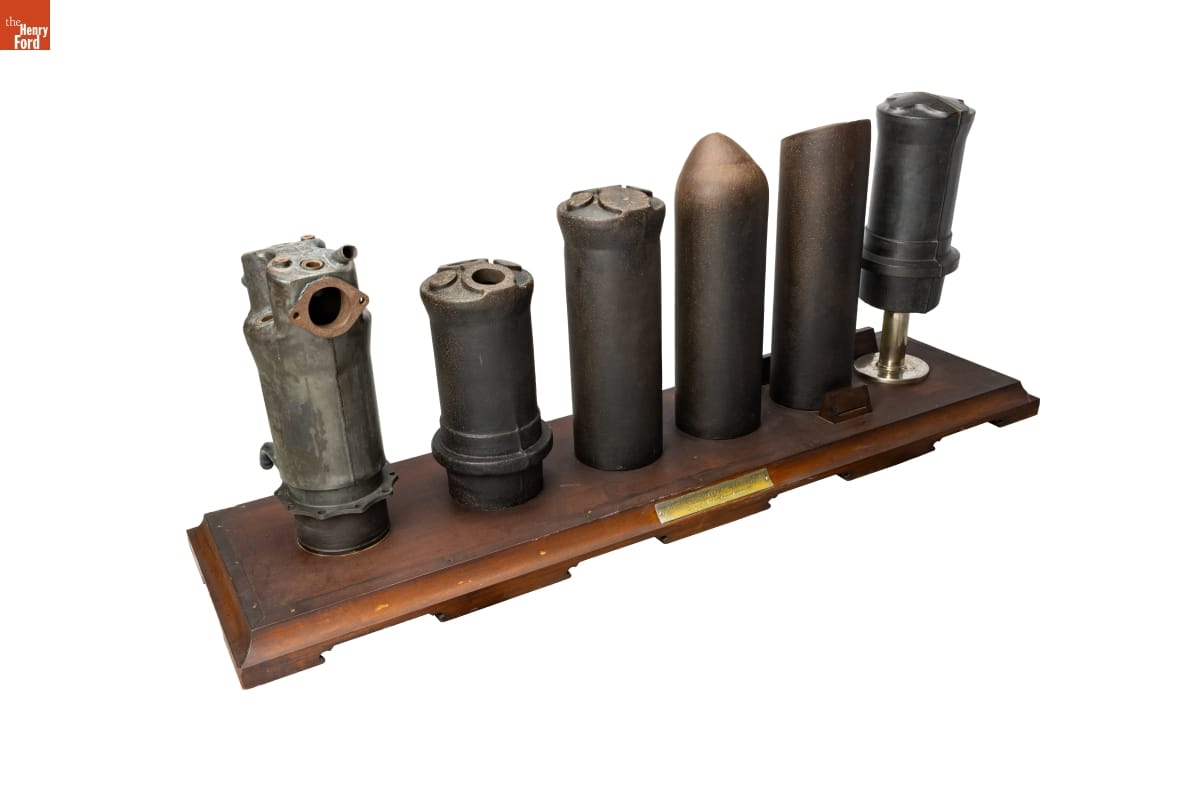
- Liberty Aircraft Engine Cylinders, circa 1918 - Ford, Buick, Cadillac, Lincoln, Marmon, and Packard built more than 20,000 Liberty V-12 aircraft engines for the Allied Powers during World War I. Ford produced the engine cylinders for all manufacturers. The company developed a new method for making cylinders from steel tubing rather than boring them from solid forgings. These examples contrast Ford's process with a forged cylinder.
- circa 1918
- Collections - Artifact
Liberty Aircraft Engine Cylinders, circa 1918
Ford, Buick, Cadillac, Lincoln, Marmon, and Packard built more than 20,000 Liberty V-12 aircraft engines for the Allied Powers during World War I. Ford produced the engine cylinders for all manufacturers. The company developed a new method for making cylinders from steel tubing rather than boring them from solid forgings. These examples contrast Ford's process with a forged cylinder.
- Lesser Scaup Decoy Head, 1926 -
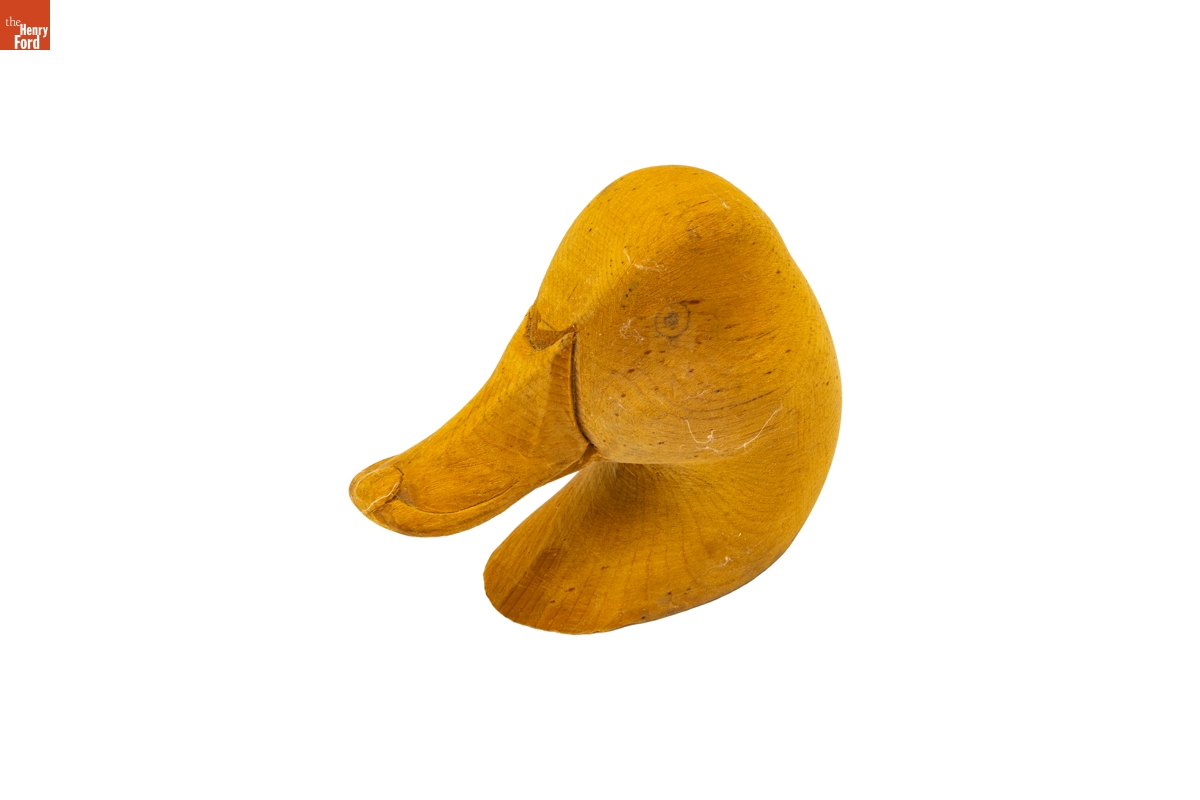
- 1926
- Collections - Artifact
Lesser Scaup Decoy Head, 1926
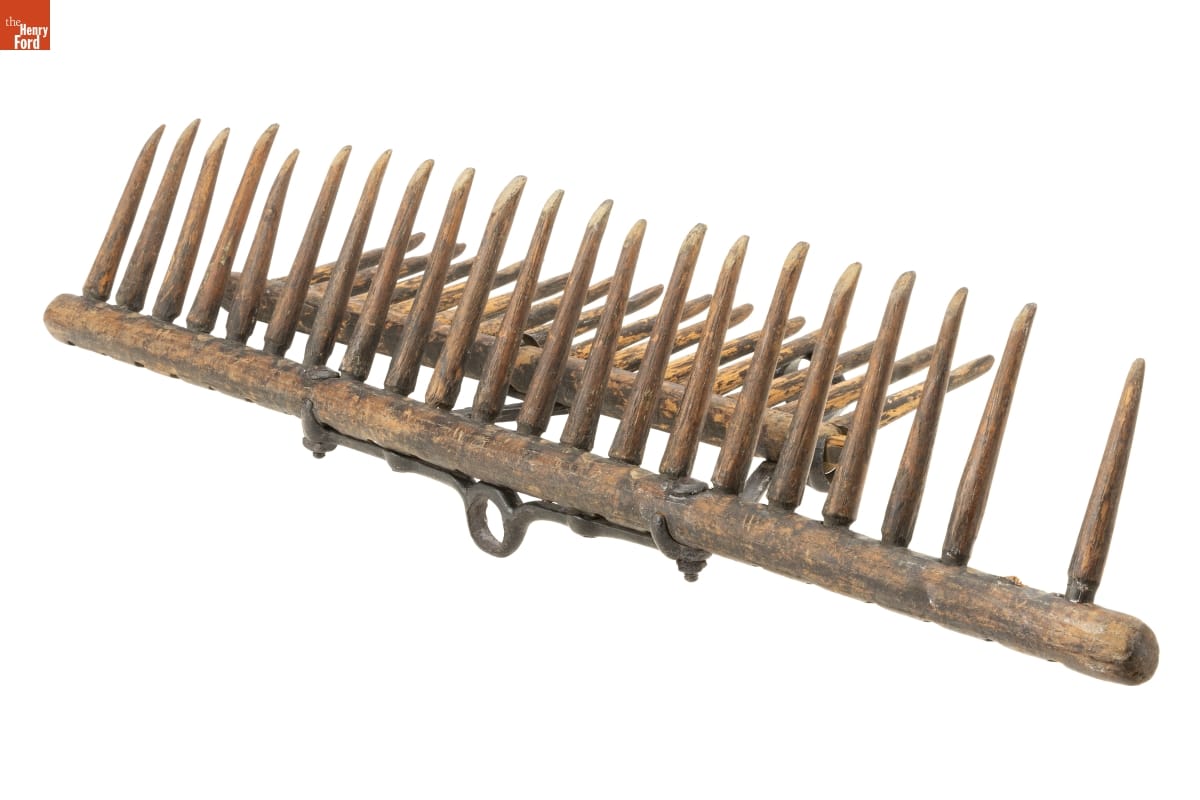
- Rake Head -
- Collections - Artifact
Rake Head
- Unfinished Sweetgrass Basket Part, 1991 - The Gullah-Geechee people, descendants of enslaved West Africans who resided primarily on isolated coastal plantations from the Carolinas to Florida, are now renowned for making sweetgrass baskets. This basket-making tradition has deep West African roots. Generations have woven together coils of needlegrass, longleaf pine needles, and sweetgrass with strips of saw palmetto or white oak bark, creating a living representation of Gullah culture.
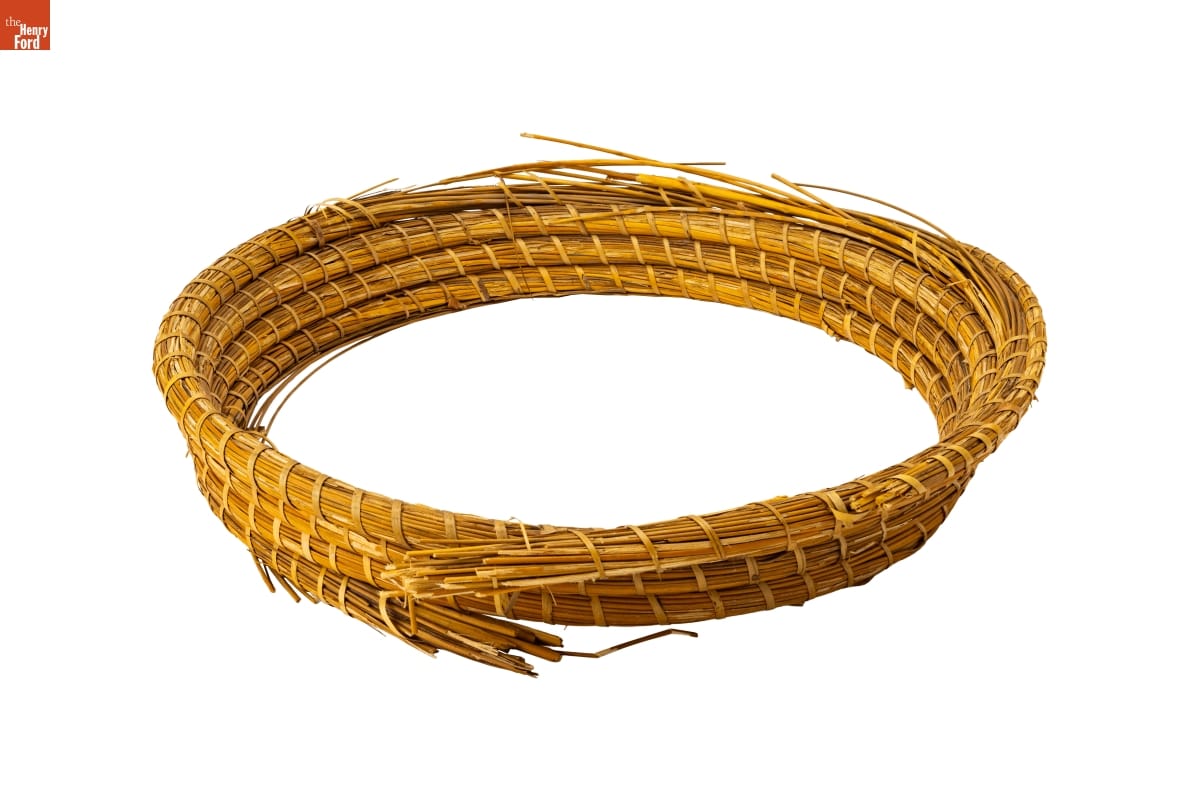
- 1991
- Collections - Artifact
Unfinished Sweetgrass Basket Part, 1991
The Gullah-Geechee people, descendants of enslaved West Africans who resided primarily on isolated coastal plantations from the Carolinas to Florida, are now renowned for making sweetgrass baskets. This basket-making tradition has deep West African roots. Generations have woven together coils of needlegrass, longleaf pine needles, and sweetgrass with strips of saw palmetto or white oak bark, creating a living representation of Gullah culture.
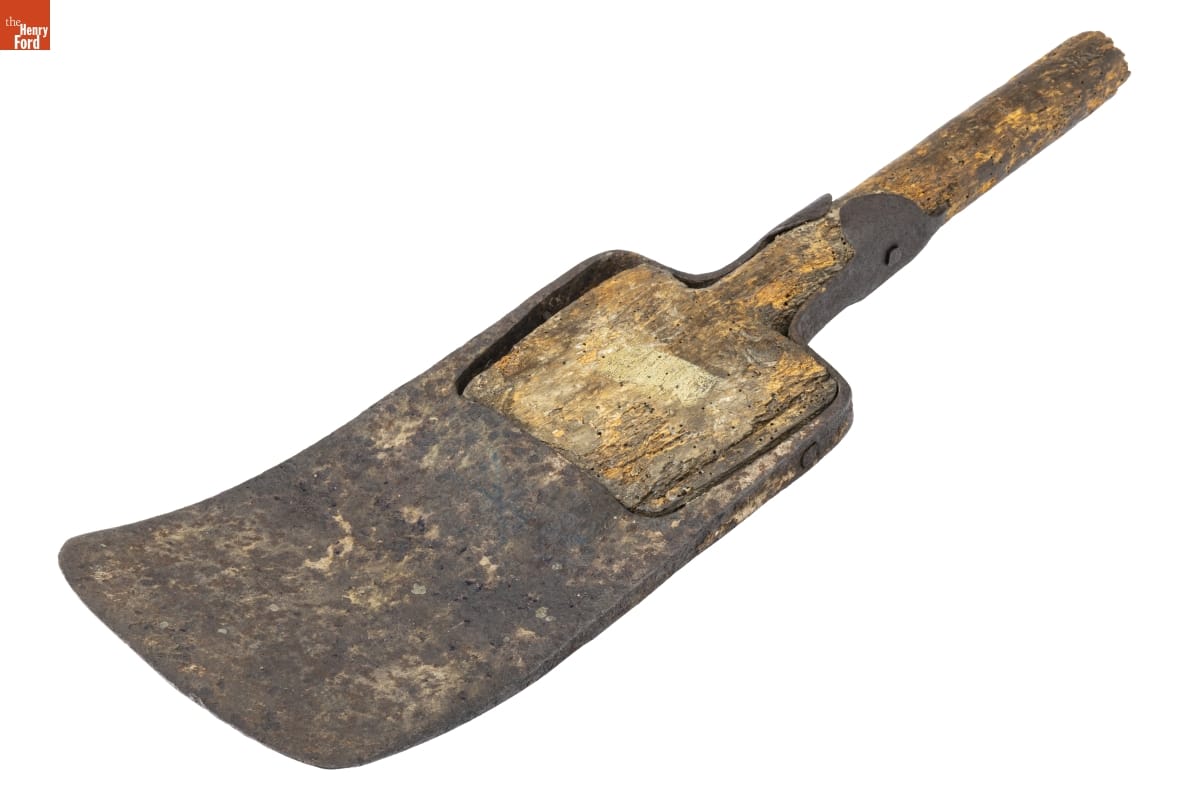
- Spade Head -
- Collections - Artifact
Spade Head
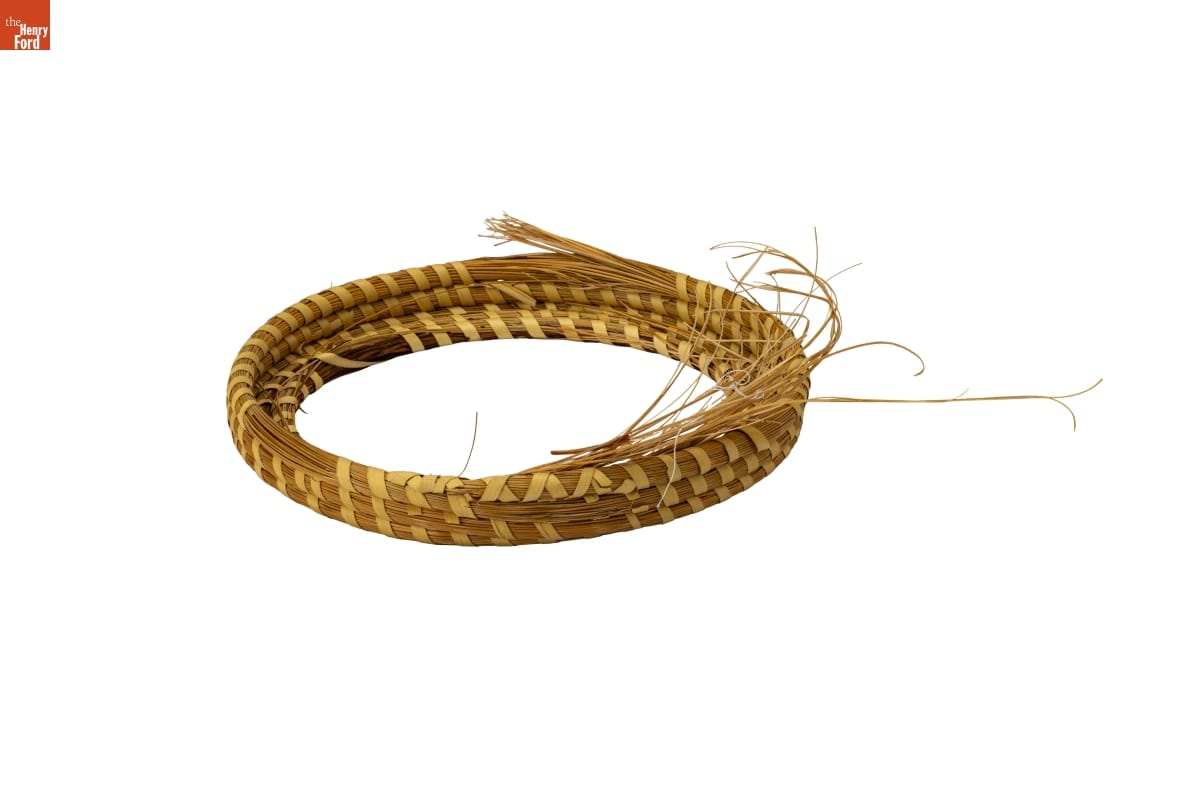
- Unfinished Sweetgrass Basket Part, 1991 - The Gullah-Geechee people, descendants of enslaved West Africans who resided primarily on isolated coastal plantations from the Carolinas to Florida, are now renowned for making sweetgrass baskets. This basket-making tradition has deep West African roots. Generations have woven together coils of needlegrass, longleaf pine needles, and sweetgrass with strips of saw palmetto or white oak bark, creating a living representation of Gullah culture.
- 1991
- Collections - Artifact
Unfinished Sweetgrass Basket Part, 1991
The Gullah-Geechee people, descendants of enslaved West Africans who resided primarily on isolated coastal plantations from the Carolinas to Florida, are now renowned for making sweetgrass baskets. This basket-making tradition has deep West African roots. Generations have woven together coils of needlegrass, longleaf pine needles, and sweetgrass with strips of saw palmetto or white oak bark, creating a living representation of Gullah culture.
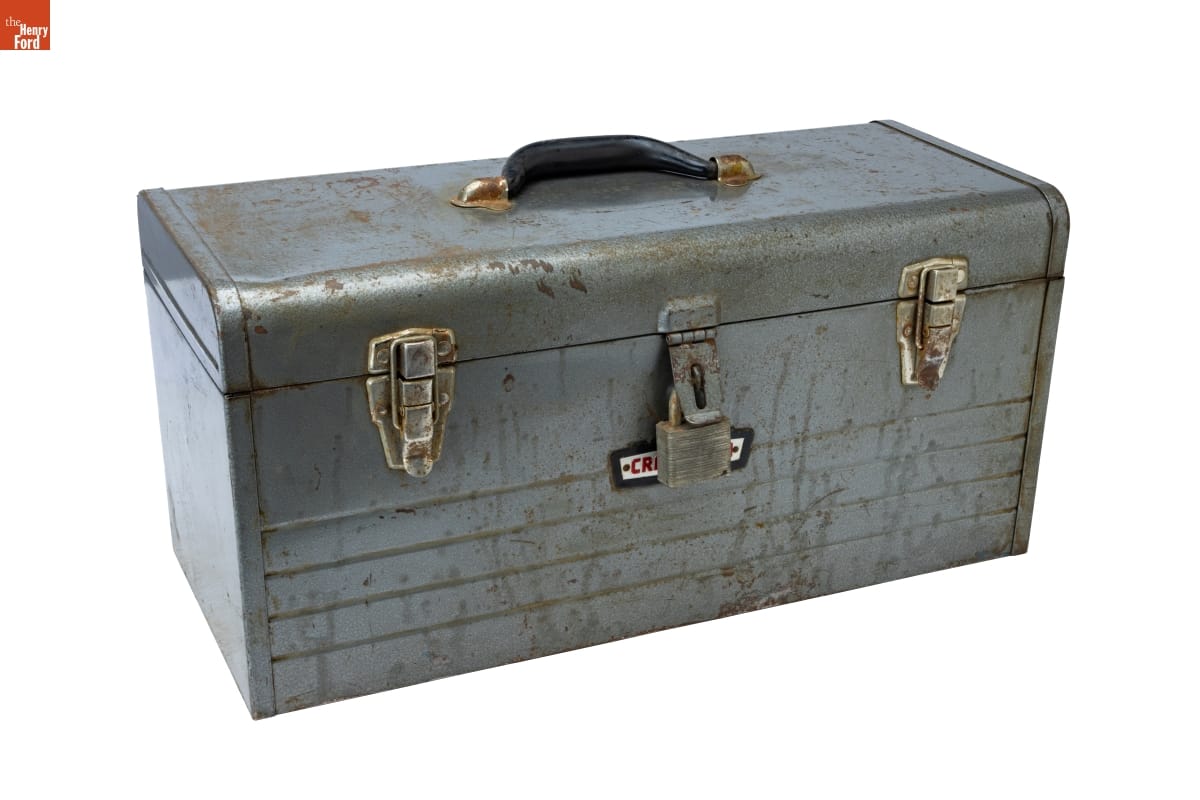
- Toolbox with Hardware and Parts, circa 1968 - Amateur racers Barry Egen and Wayne Snyder of Monroe, Michigan, competed with their custom-built motorcycle at nearby Milan Dragway in the late 1960s. The bike, named "Revolution," was powered by a 350-cubic-centimeter, straight-twin Honda engine and posted race times in the low 12-second range. Egen and Snyder took this toolbox and these spare parts with them on race days.
- circa 1968
- Collections - Artifact
Toolbox with Hardware and Parts, circa 1968
Amateur racers Barry Egen and Wayne Snyder of Monroe, Michigan, competed with their custom-built motorcycle at nearby Milan Dragway in the late 1960s. The bike, named "Revolution," was powered by a 350-cubic-centimeter, straight-twin Honda engine and posted race times in the low 12-second range. Egen and Snyder took this toolbox and these spare parts with them on race days.