
Search
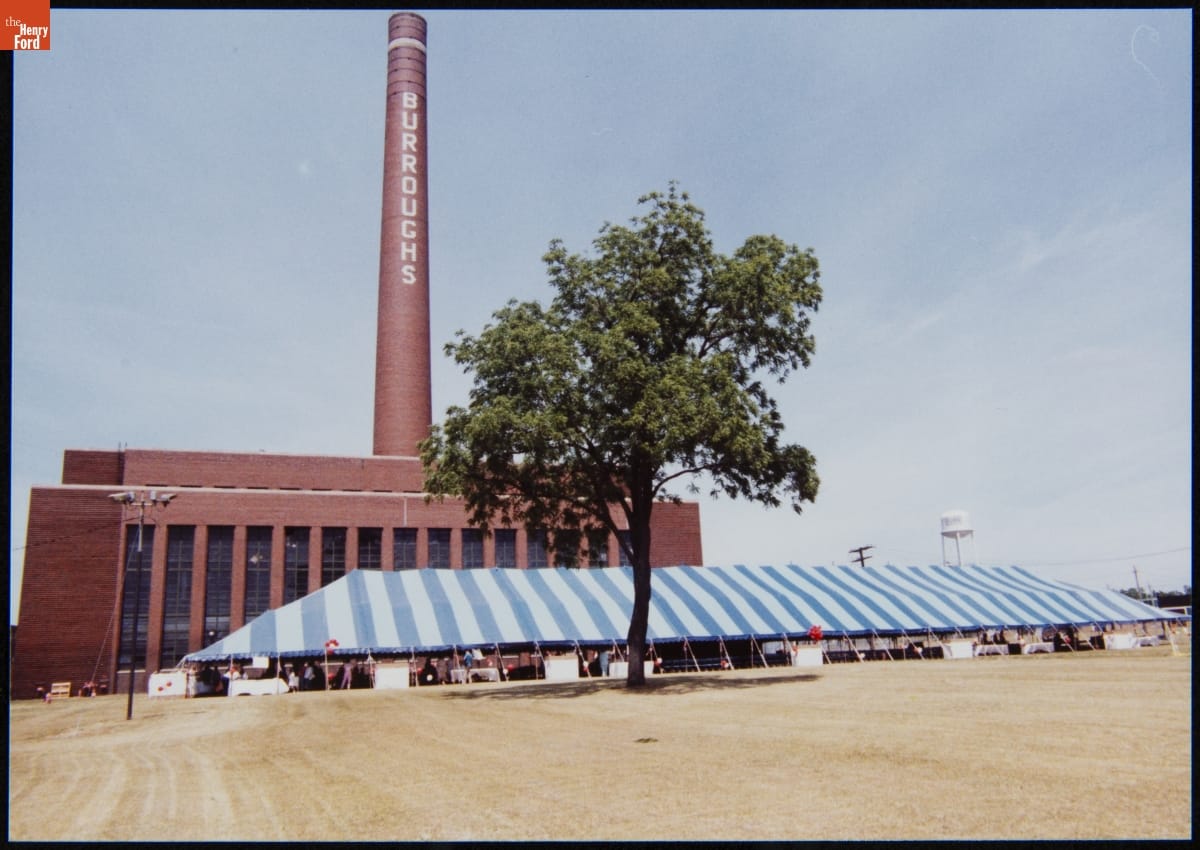
- "Big Top" Open House Event in Plymouth, Michigan, Burroughs Corporation, 1987 -
- 1987
- Collections - Artifact
"Big Top" Open House Event in Plymouth, Michigan, Burroughs Corporation, 1987
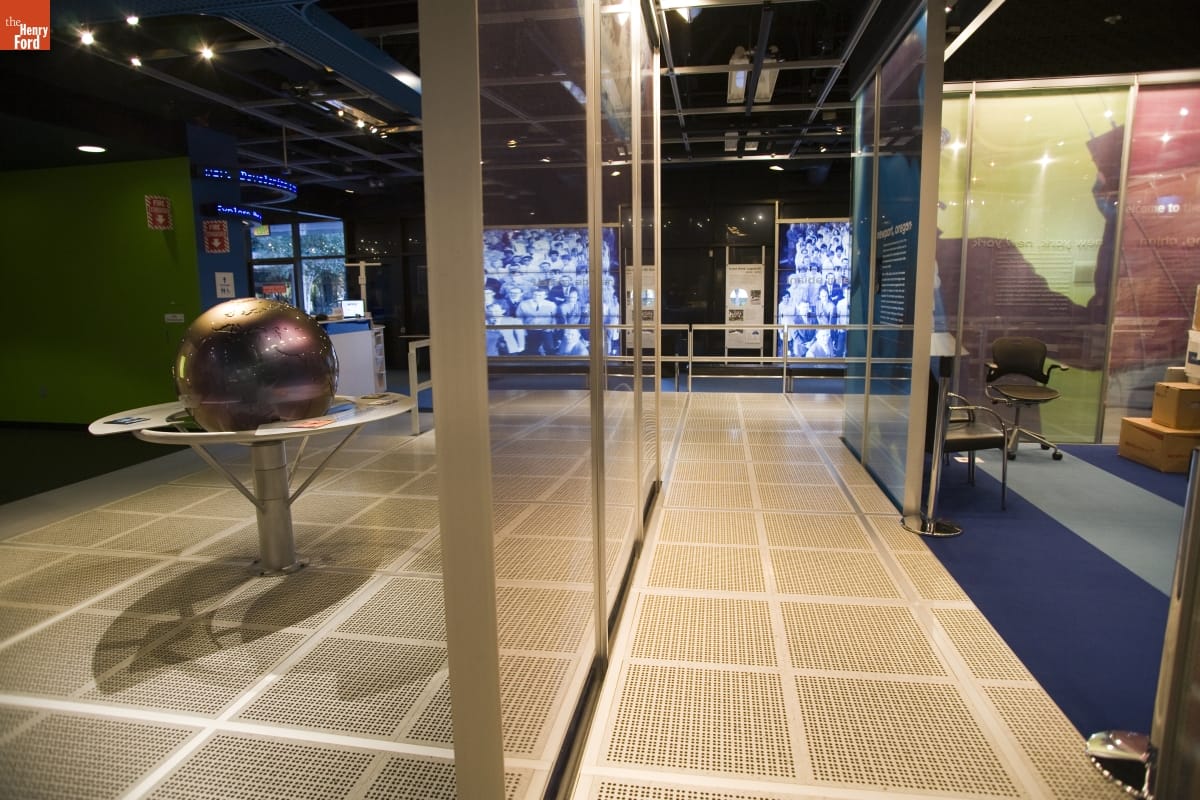
- Oral History Interview with Gordon Moore, September 24, 2008--Photographs--Digital Images--Item 37 - Gordon Moore is one of Silicon Valley's founding fathers. In 1968, Moore and Bob Noyce founded Intel Corporation. Intel produced the world's first microprocessor and became the world's largest producer of computer microchips. In 2008, staff from The Henry Ford interviewed Moore at Intel Corporation offices in Santa Clara, California, as part of the Collecting Innovation Today Oral History Project.
- September 24, 2008
- Collections - Artifact
Oral History Interview with Gordon Moore, September 24, 2008--Photographs--Digital Images--Item 37
Gordon Moore is one of Silicon Valley's founding fathers. In 1968, Moore and Bob Noyce founded Intel Corporation. Intel produced the world's first microprocessor and became the world's largest producer of computer microchips. In 2008, staff from The Henry Ford interviewed Moore at Intel Corporation offices in Santa Clara, California, as part of the Collecting Innovation Today Oral History Project.
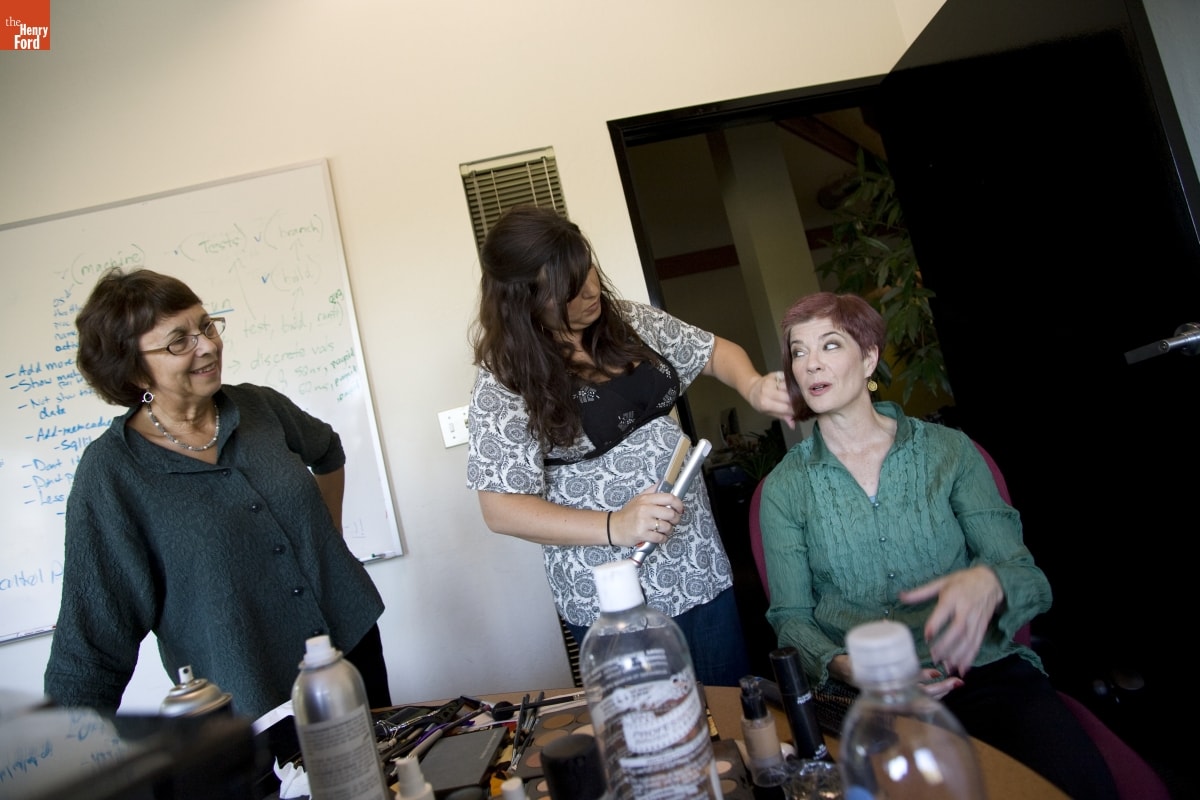
- Oral History Interview with Mitchell Baker, September, 2008--Photographs--Digital Images--Item 40 - Mitchell Baker, chair of the Mozilla Foundation, envisions building internet resources that are open and accessible to all. In 2005, her efforts led to the release of the Firefox browser. Staff from The Henry Ford interviewed Baker in 2008 at the offices of Mozilla Foundation in Mountain View, California, as part of the Collecting Innovation Today Oral History Project.
- September 22, 2008
- Collections - Artifact
Oral History Interview with Mitchell Baker, September, 2008--Photographs--Digital Images--Item 40
Mitchell Baker, chair of the Mozilla Foundation, envisions building internet resources that are open and accessible to all. In 2005, her efforts led to the release of the Firefox browser. Staff from The Henry Ford interviewed Baker in 2008 at the offices of Mozilla Foundation in Mountain View, California, as part of the Collecting Innovation Today Oral History Project.
- Oral History Interview with Mitchell Baker, September, 2008--Photographs--Digital Images--Item 60 - Mitchell Baker, chair of the Mozilla Foundation, envisions building internet resources that are open and accessible to all. In 2005, her efforts led to the release of the Firefox browser. Staff from The Henry Ford interviewed Baker in 2008 at the offices of Mozilla Foundation in Mountain View, California, as part of the Collecting Innovation Today Oral History Project.

- September 22, 2008
- Collections - Artifact
Oral History Interview with Mitchell Baker, September, 2008--Photographs--Digital Images--Item 60
Mitchell Baker, chair of the Mozilla Foundation, envisions building internet resources that are open and accessible to all. In 2005, her efforts led to the release of the Firefox browser. Staff from The Henry Ford interviewed Baker in 2008 at the offices of Mozilla Foundation in Mountain View, California, as part of the Collecting Innovation Today Oral History Project.
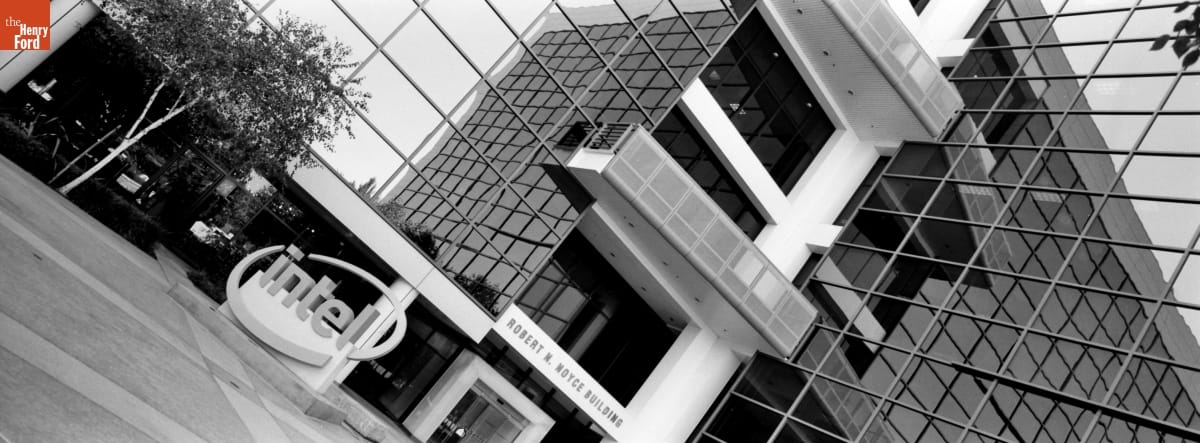
- Oral History Interview with Gordon Moore, September 24, 2008--Photographs--Digital Images--Item 68 - Gordon Moore is one of Silicon Valley's founding fathers. In 1968, Moore and Bob Noyce founded Intel Corporation. Intel produced the world's first microprocessor and became the world's largest producer of computer microchips. In 2008, staff from The Henry Ford interviewed Moore at Intel Corporation offices in Santa Clara, California, as part of the Collecting Innovation Today Oral History Project.
- September 24, 2008
- Collections - Artifact
Oral History Interview with Gordon Moore, September 24, 2008--Photographs--Digital Images--Item 68
Gordon Moore is one of Silicon Valley's founding fathers. In 1968, Moore and Bob Noyce founded Intel Corporation. Intel produced the world's first microprocessor and became the world's largest producer of computer microchips. In 2008, staff from The Henry Ford interviewed Moore at Intel Corporation offices in Santa Clara, California, as part of the Collecting Innovation Today Oral History Project.
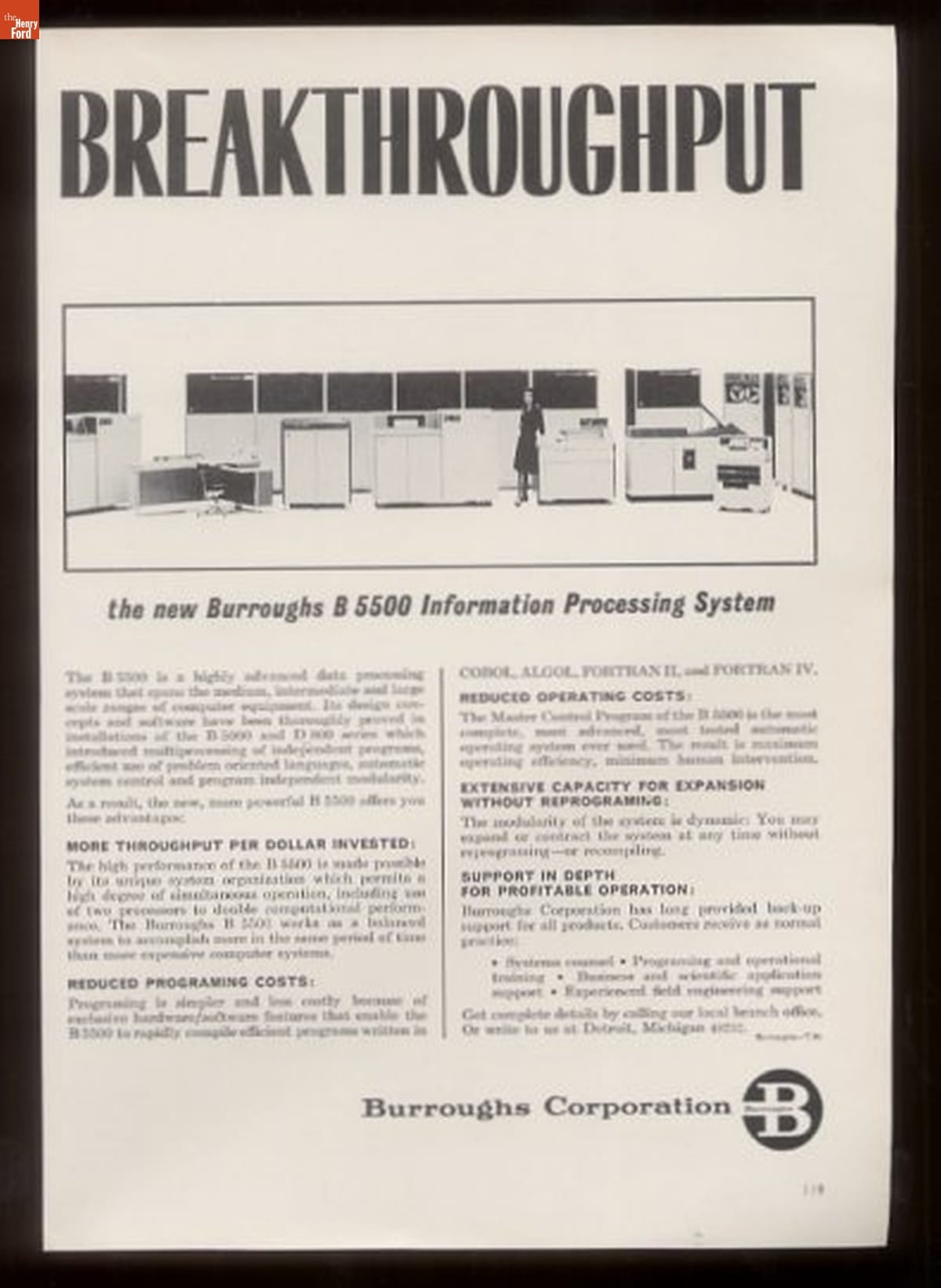
- Advertisement for the Burroughs B5500 Information Processing System, circa 1964 - William Seward Burroughs and three other co-founders established the American Arithmometer Company in 1886 to produce simple addition and subtraction machines. Over the years, the company--later known as the Burroughs Corporation--innovated and expanded. Mergers with companies such as Moon-Hopkins and Sperry in the 20th century helped Burroughs become a leader in the calculating--and later computing--industry.
- 1964
- Collections - Artifact
Advertisement for the Burroughs B5500 Information Processing System, circa 1964
William Seward Burroughs and three other co-founders established the American Arithmometer Company in 1886 to produce simple addition and subtraction machines. Over the years, the company--later known as the Burroughs Corporation--innovated and expanded. Mergers with companies such as Moon-Hopkins and Sperry in the 20th century helped Burroughs become a leader in the calculating--and later computing--industry.
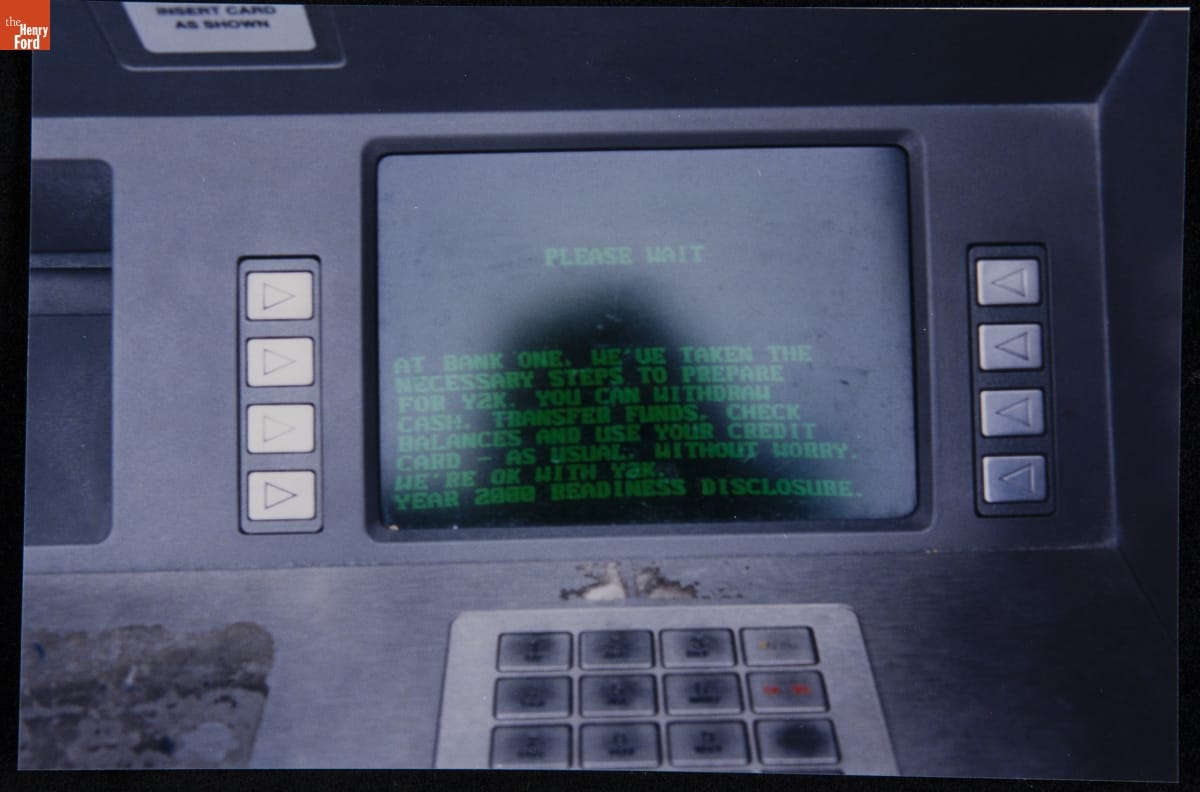
- Bank One ATM Screen Displaying Y2K Readiness Disclosure, December 28, 1999 -
- December 28, 1999
- Collections - Artifact
Bank One ATM Screen Displaying Y2K Readiness Disclosure, December 28, 1999
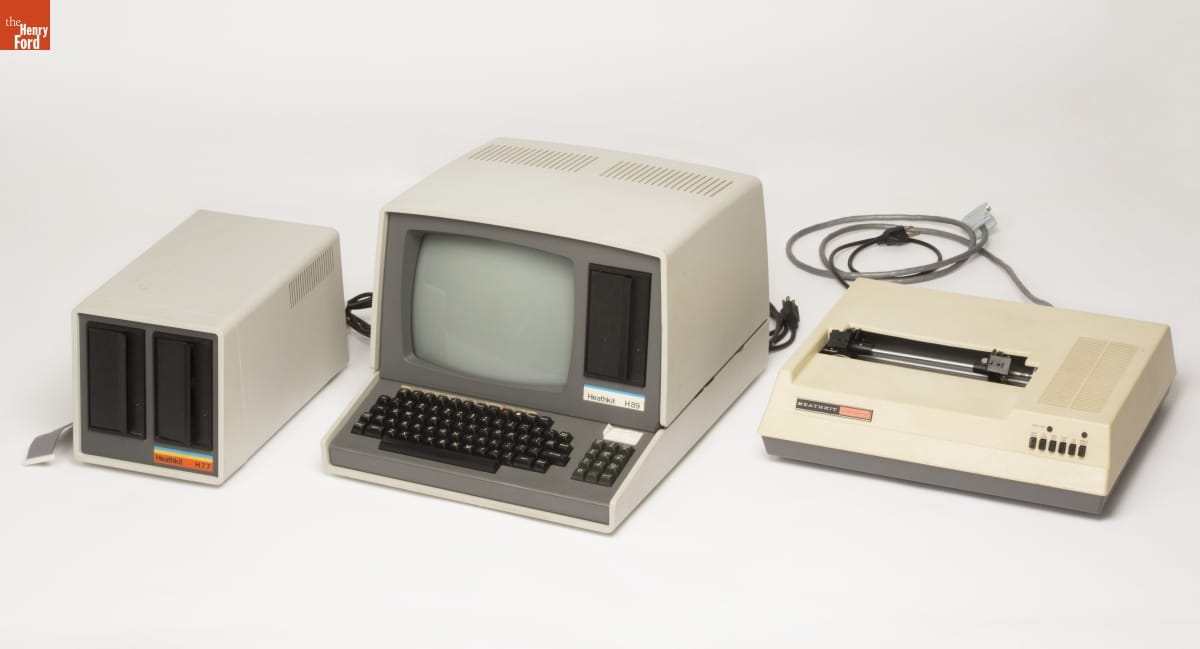
- Heathkit H88 Computer, 1979 - The Heath Company was founded in the 1920s as a "do-it-yourself" electronics kit provider. "Heathkits" provided simple, accessible instructions understandable to amateurs and experts alike. As hobbyists built radios, televisions, and computers from scratch, they gained electronics skills. These kits were not novelties, but emphasized access to affordable, advanced, high-performance technology. Parallels easily be seen within present-day "Maker" culture.
- 1979
- Collections - Artifact
Heathkit H88 Computer, 1979
The Heath Company was founded in the 1920s as a "do-it-yourself" electronics kit provider. "Heathkits" provided simple, accessible instructions understandable to amateurs and experts alike. As hobbyists built radios, televisions, and computers from scratch, they gained electronics skills. These kits were not novelties, but emphasized access to affordable, advanced, high-performance technology. Parallels easily be seen within present-day "Maker" culture.
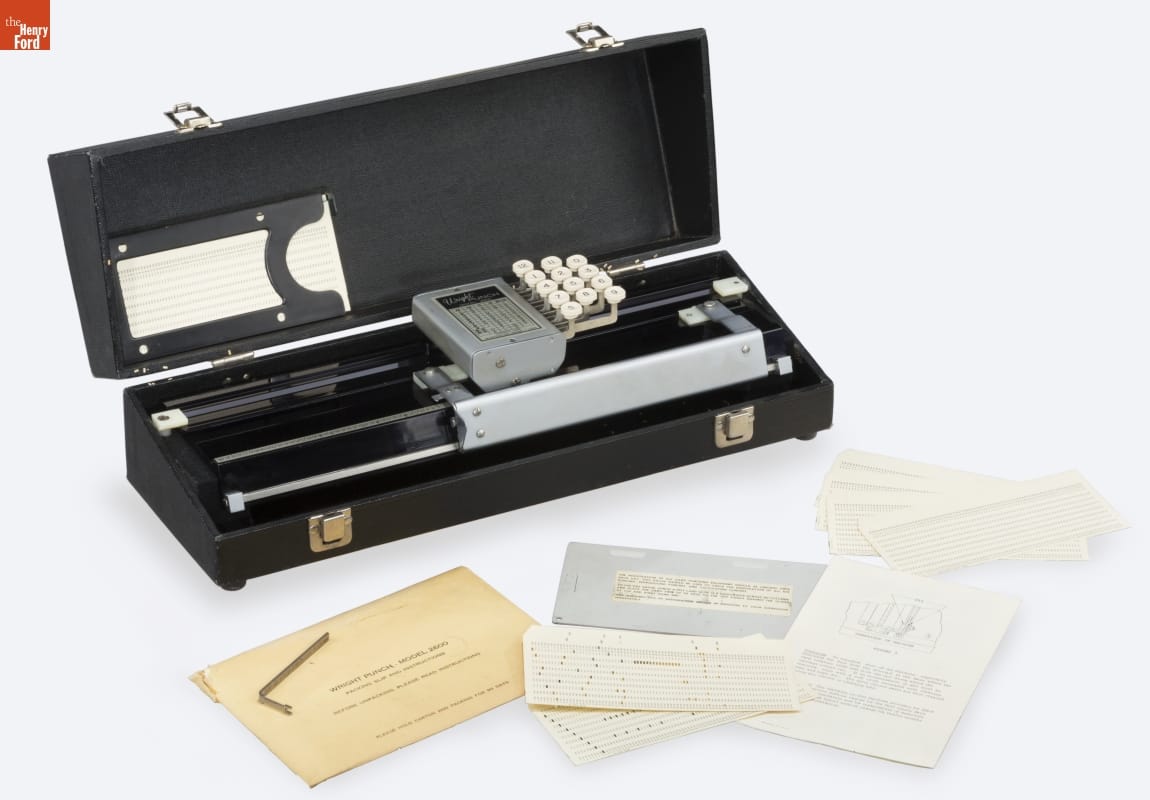
- Wright Line "Model 2600" Keypunch, circa 1970 -
- circa 1970
- Collections - Artifact
Wright Line "Model 2600" Keypunch, circa 1970
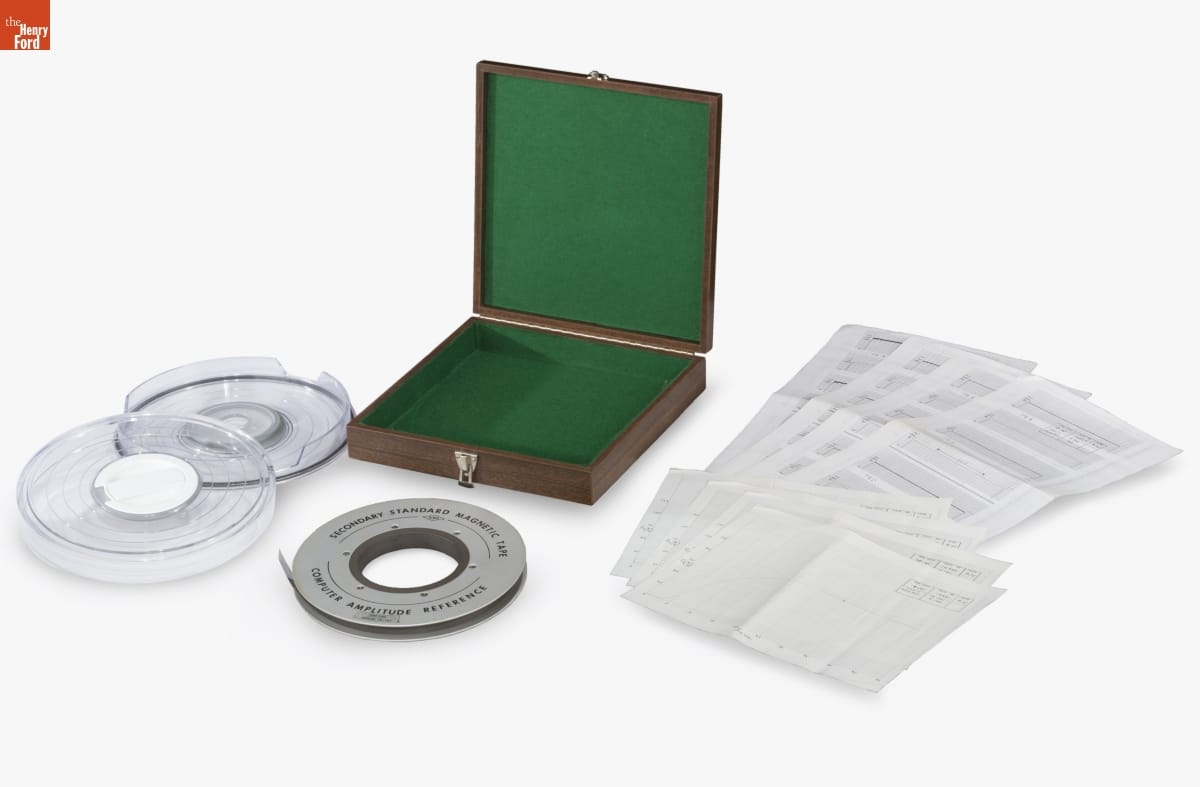
- Magnetic Tape Reel, circa 1953 -
- circa 1953
- Collections - Artifact
Magnetic Tape Reel, circa 1953