
Search
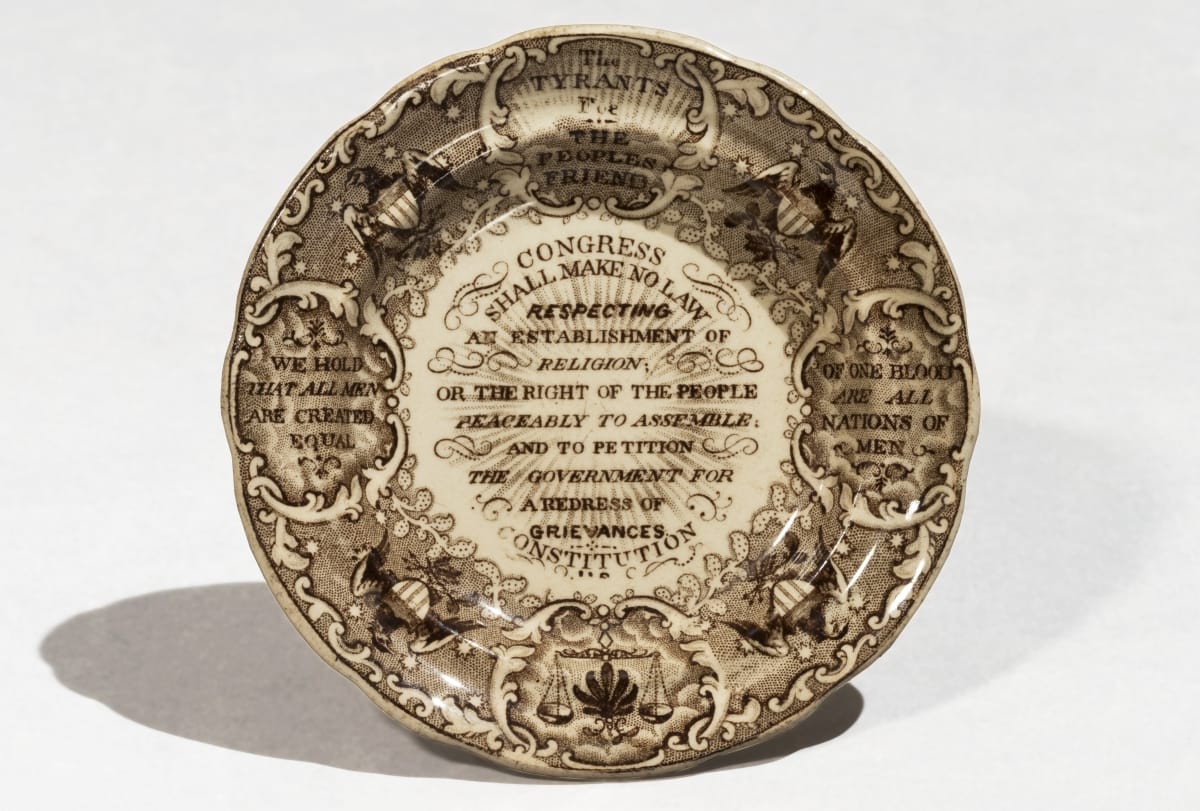
- Cup Plate, circa 1835 -
- circa 1835
- Collections - Artifact
Cup Plate, circa 1835
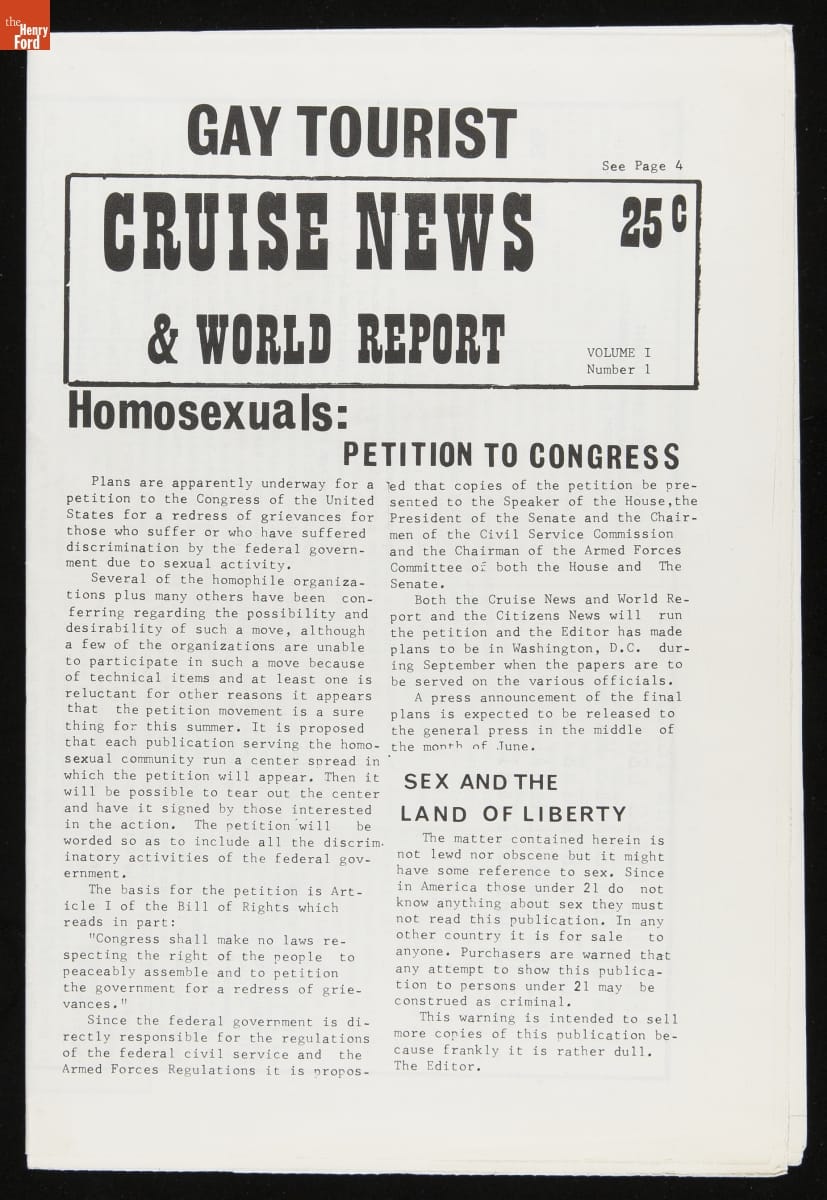
- Cruise News & World Report, Volume I, Number 1, circa 1965 - LGBTQ+ newspapers became more available beginning in the 1950s as organizations added print media to their activist tool kit. These newspapers were a regionally focused way to rally the LGBTQ+ community, share information, and fight discrimination. Many of these newspapers came to rely on gay bars as a location for disbursement as they were among the only private gay spaces in many cities.
- circa 1965
- Collections - Artifact
Cruise News & World Report, Volume I, Number 1, circa 1965
LGBTQ+ newspapers became more available beginning in the 1950s as organizations added print media to their activist tool kit. These newspapers were a regionally focused way to rally the LGBTQ+ community, share information, and fight discrimination. Many of these newspapers came to rely on gay bars as a location for disbursement as they were among the only private gay spaces in many cities.
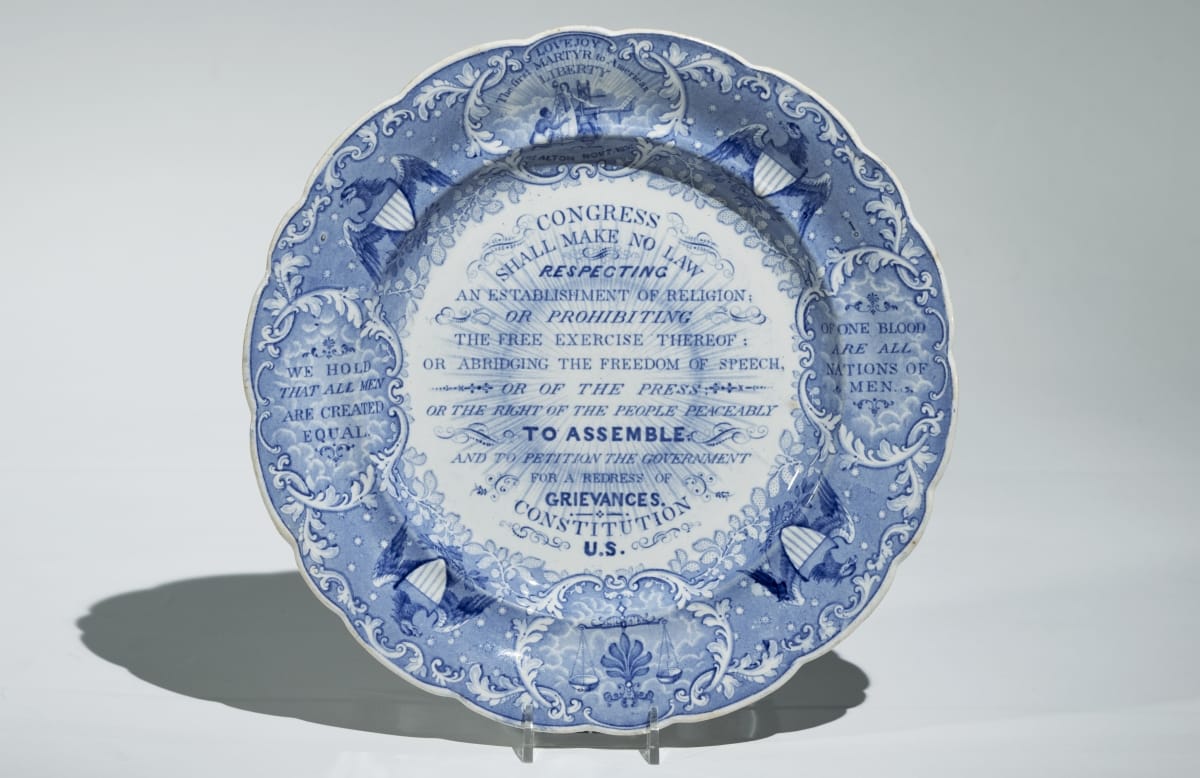
- Plate, circa 1845 -
- circa 1845
- Collections - Artifact
Plate, circa 1845
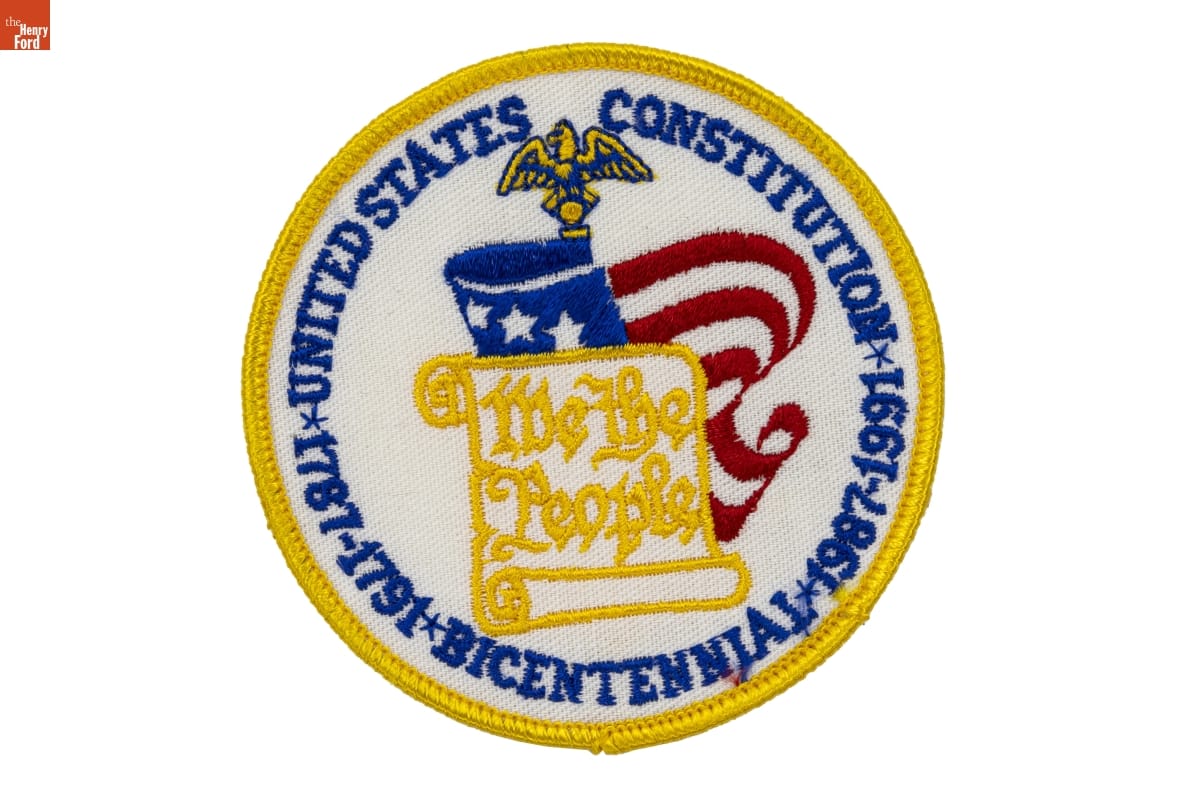
- "United States Constitution Bicentennial" Commemorative Patch, 1991 - <body>In 1787, Congress called for a convention to amend the Articles of Confederation. In September, the convention delegates proposed a new constitution for the country. As ratification began (ratification required nine states), some members urged the addition of a "Bill of Rights" (amendments to the Constitution) to spur passage. Americans commemorated this four-year-long successful process more than two hundred years later.</body>
- 1987-1991
- Collections - Artifact
"United States Constitution Bicentennial" Commemorative Patch, 1991
In 1787, Congress called for a convention to amend the Articles of Confederation. In September, the convention delegates proposed a new constitution for the country. As ratification began (ratification required nine states), some members urged the addition of a "Bill of Rights" (amendments to the Constitution) to spur passage. Americans commemorated this four-year-long successful process more than two hundred years later. - Hallmark "The Constitution" Christmas Ornament, 1987 - Already known for greeting cards, Hallmark introduced a line of Christmas ornaments in 1973. The company's annual release of an increasing array of ornaments revolutionized Christmas decorating, appealing to customers' interest in marking memories and milestones as well as expressing one's personality and unique tastes.
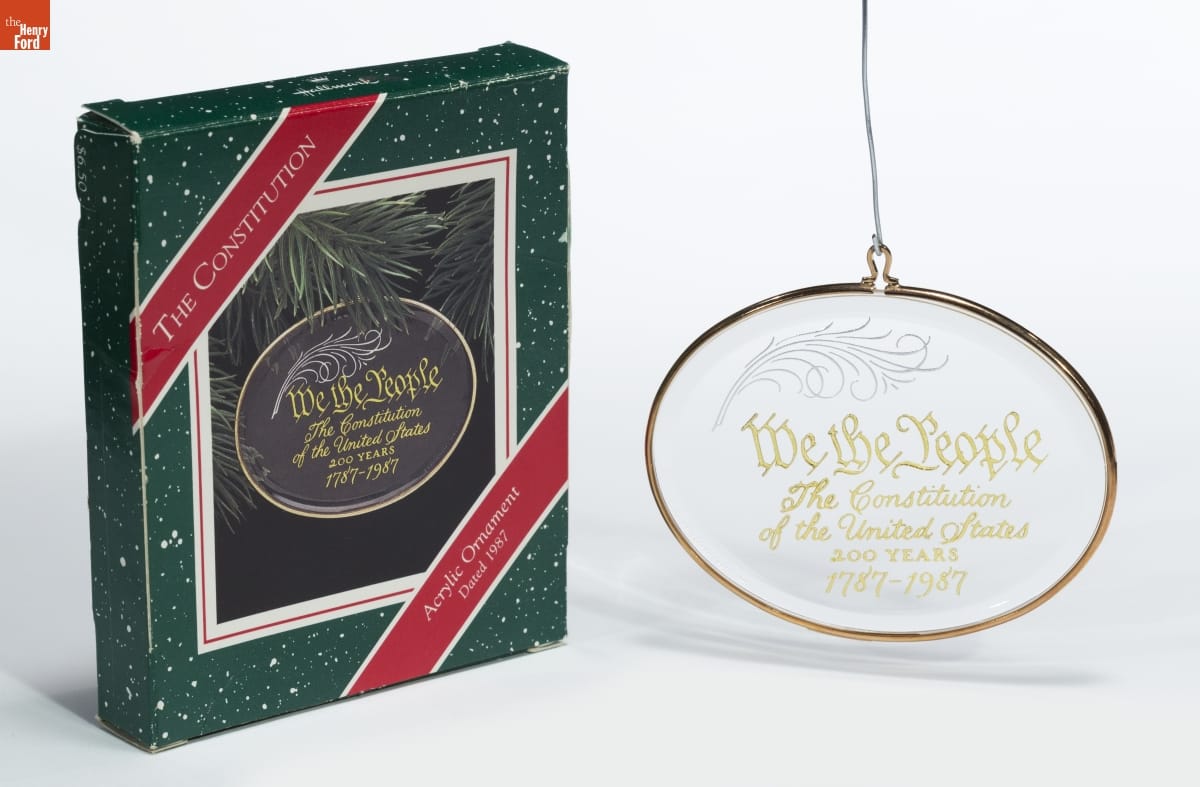
- 1987
- Collections - Artifact
Hallmark "The Constitution" Christmas Ornament, 1987
Already known for greeting cards, Hallmark introduced a line of Christmas ornaments in 1973. The company's annual release of an increasing array of ornaments revolutionized Christmas decorating, appealing to customers' interest in marking memories and milestones as well as expressing one's personality and unique tastes.
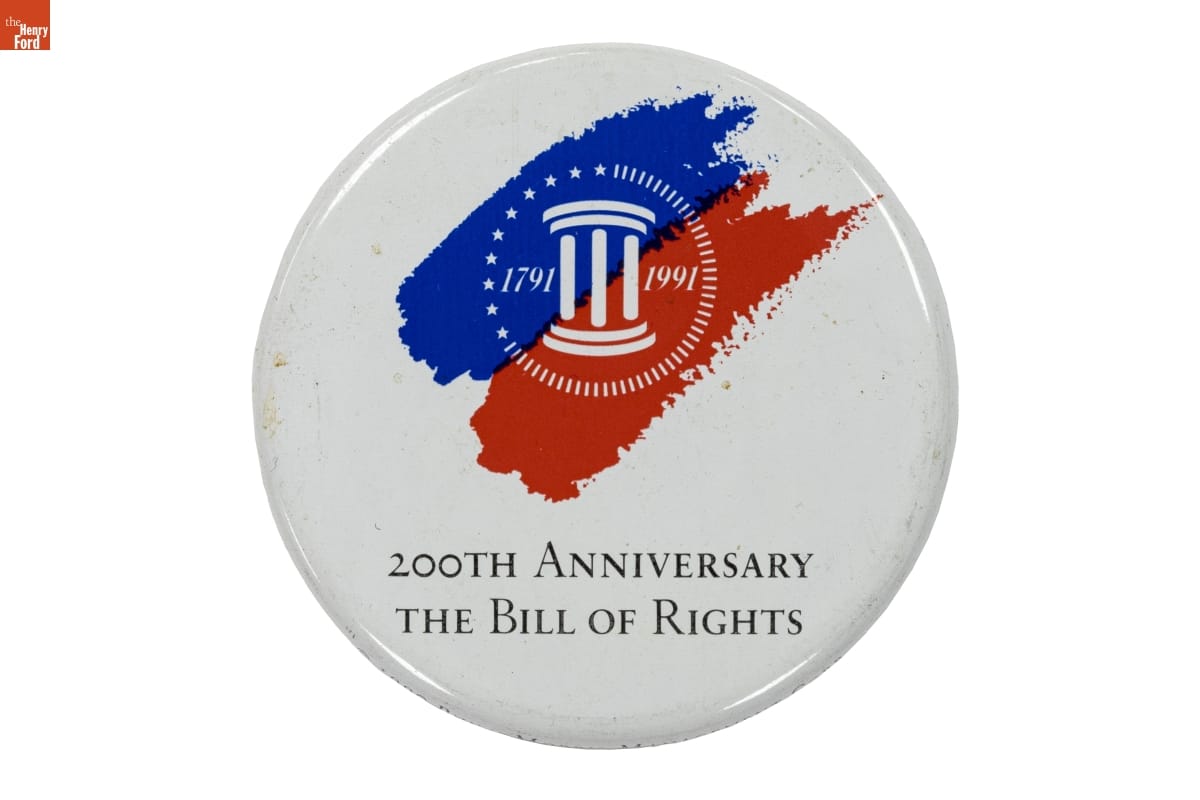
- "200th Anniversary The Bill of Rights" Button, circa 1991 - <html><body>Many Americans in the late 1780s opposed the formation of a new American government under the U.S. Constitution because it lacked a bill of rights. Through compromise, Congress eventually sent twelve rights-related amendments to the states. Ten were ultimately ratified in 1791, becoming known as the "Bill of Rights." This button commemorated the bicentennial of one of the core documents of democracy.</body></html>
- 1991
- Collections - Artifact
"200th Anniversary The Bill of Rights" Button, circa 1991
Many Americans in the late 1780s opposed the formation of a new American government under the U.S. Constitution because it lacked a bill of rights. Through compromise, Congress eventually sent twelve rights-related amendments to the states. Ten were ultimately ratified in 1791, becoming known as the "Bill of Rights." This button commemorated the bicentennial of one of the core documents of democracy.