
Search
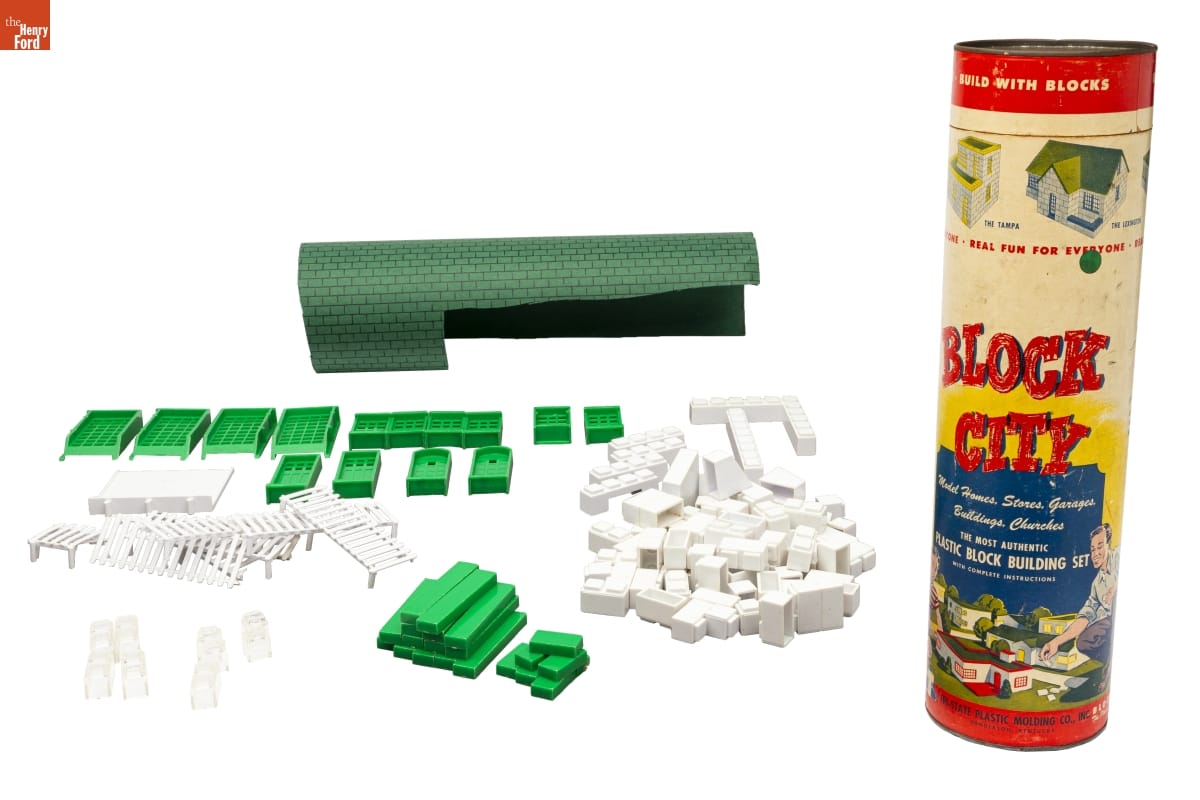
- Block City Building Blocks, 1955-1960 - Children love to build things--whether they create imaginative worlds or smaller versions of the real one. Construction toys are quite literally and figuratively "the building blocks of childhood." Playing with them builds physical and intellectual skills--and encourages creativity. Post-World War II Baby Boomers could recreate their neighborhood homes, stores, and offices with this set of plastic building blocks.
- 1955-1960
- Collections - Artifact
Block City Building Blocks, 1955-1960
Children love to build things--whether they create imaginative worlds or smaller versions of the real one. Construction toys are quite literally and figuratively "the building blocks of childhood." Playing with them builds physical and intellectual skills--and encourages creativity. Post-World War II Baby Boomers could recreate their neighborhood homes, stores, and offices with this set of plastic building blocks.
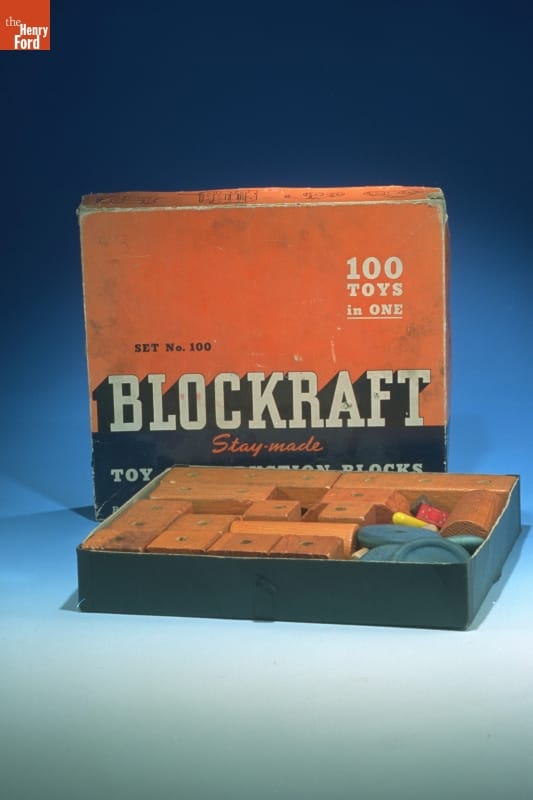
- Blockraft Toy Construction Blocks, 1937-1946 - Children love to build things--whether they create imaginative worlds or smaller versions of the real one. Construction toys are quite literally and figuratively "the building blocks of childhood." Playing with them builds physical and intellectual skills--and encourages creativity. This set of colorful blocks used pegs to help secure a child's creation together.
- 1937-1946
- Collections - Artifact
Blockraft Toy Construction Blocks, 1937-1946
Children love to build things--whether they create imaginative worlds or smaller versions of the real one. Construction toys are quite literally and figuratively "the building blocks of childhood." Playing with them builds physical and intellectual skills--and encourages creativity. This set of colorful blocks used pegs to help secure a child's creation together.
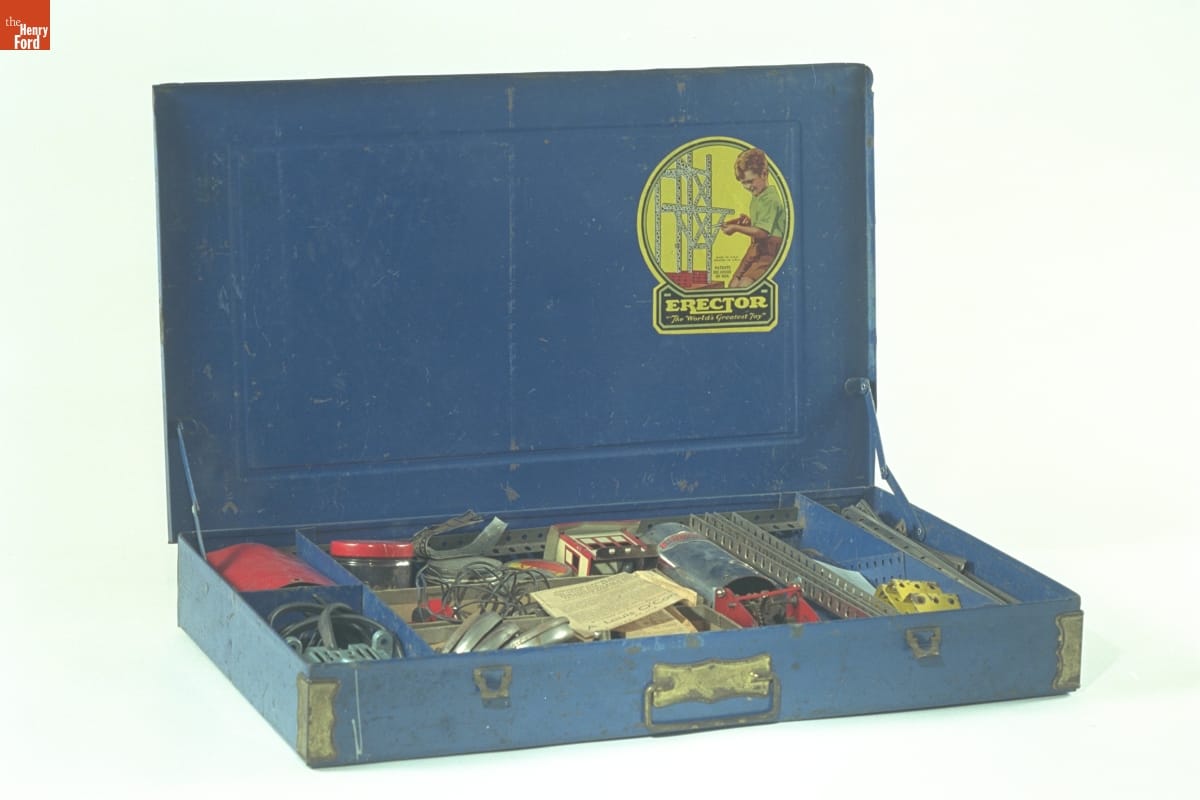
- Erector Set, circa 1940 - A.C. Gilbert introduced Erector Sets in 1913, inspired by watching workers erect an electrical system along the railroad line between New Haven and New York City. Gilbert manufactured Erector Sets for fifty years, offering a range of sets each season, in several different sizes. This set, which retailed for about $10.00, contained an electric motor, gear box, electromagnet, and small steel building.
- circa 1940
- Collections - Artifact
Erector Set, circa 1940
A.C. Gilbert introduced Erector Sets in 1913, inspired by watching workers erect an electrical system along the railroad line between New Haven and New York City. Gilbert manufactured Erector Sets for fifty years, offering a range of sets each season, in several different sizes. This set, which retailed for about $10.00, contained an electric motor, gear box, electromagnet, and small steel building.
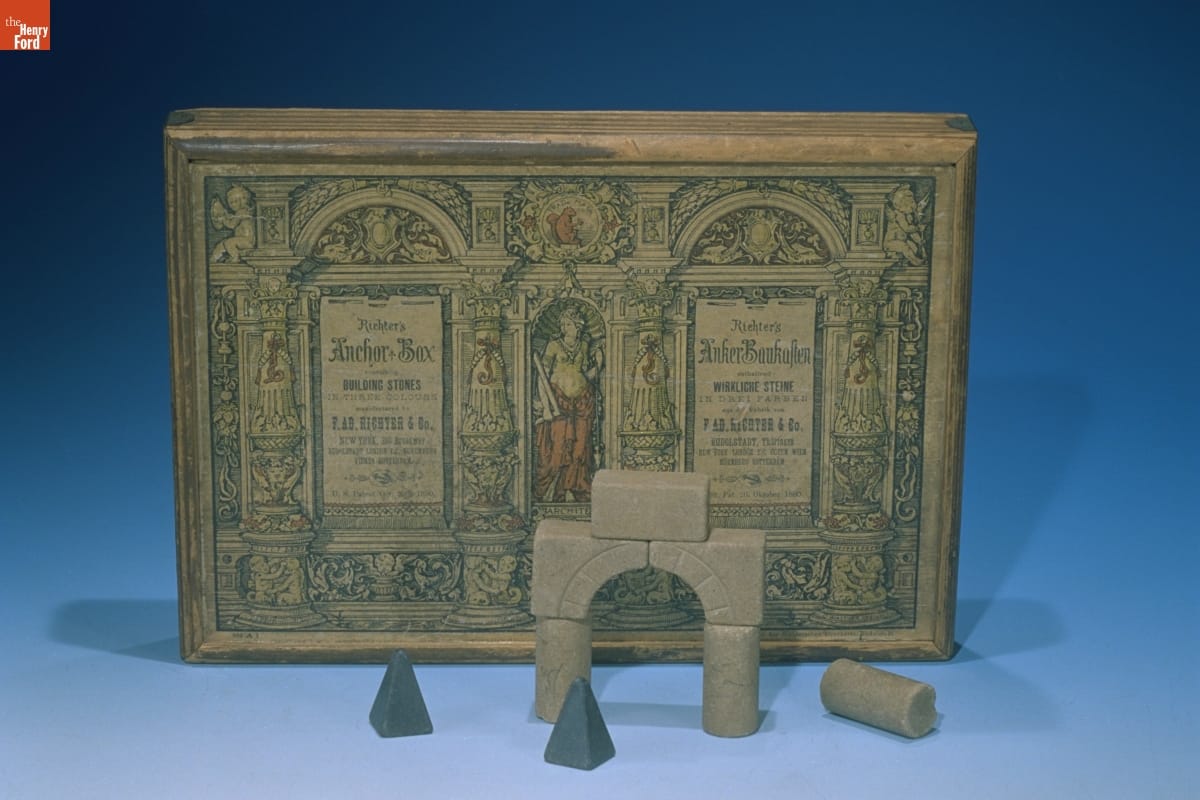
- Richter's Anchor Box Building Stones, 1880-1900 - Construction sets were made out of materials popular at that time. This set consists of stone columns, arches, pyramids and triangular, rectangular, and square blocks. Friedrich A. Richter did not invent these stone building blocks, but in 1880, he acquired the production rights and the machines to produce them.
- 1880-1900
- Collections - Artifact
Richter's Anchor Box Building Stones, 1880-1900
Construction sets were made out of materials popular at that time. This set consists of stone columns, arches, pyramids and triangular, rectangular, and square blocks. Friedrich A. Richter did not invent these stone building blocks, but in 1880, he acquired the production rights and the machines to produce them.
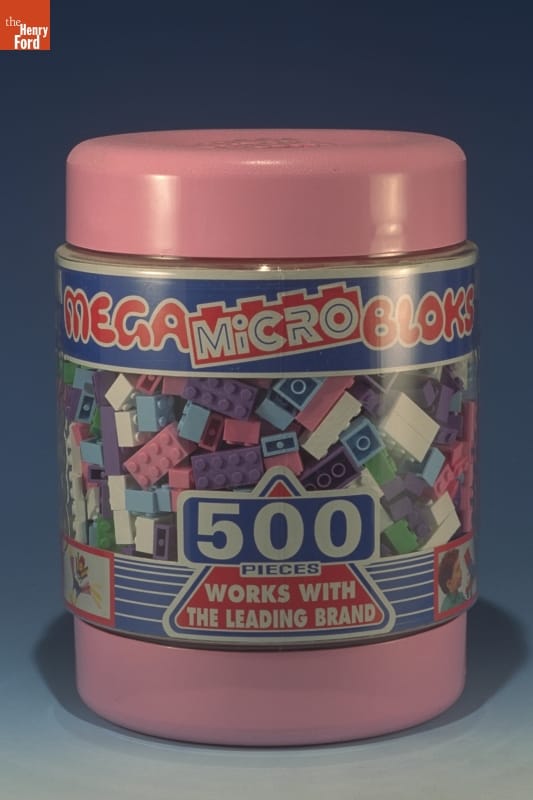
- "Mega Micro Bloks" Building Blocks, 1991 - In the late 1900s, American children enjoyed playing with plastic bricks. These Mega Micro Bloks look similar to Lego bricks -- the most well-known plastic construction bricks -- and were made to be compatible with "the leading brand." Other companies produced lookalike bricks with "stud-and-tube" connectors after Lego's patent expired in the 1980s.
- 1991
- Collections - Artifact
"Mega Micro Bloks" Building Blocks, 1991
In the late 1900s, American children enjoyed playing with plastic bricks. These Mega Micro Bloks look similar to Lego bricks -- the most well-known plastic construction bricks -- and were made to be compatible with "the leading brand." Other companies produced lookalike bricks with "stud-and-tube" connectors after Lego's patent expired in the 1980s.
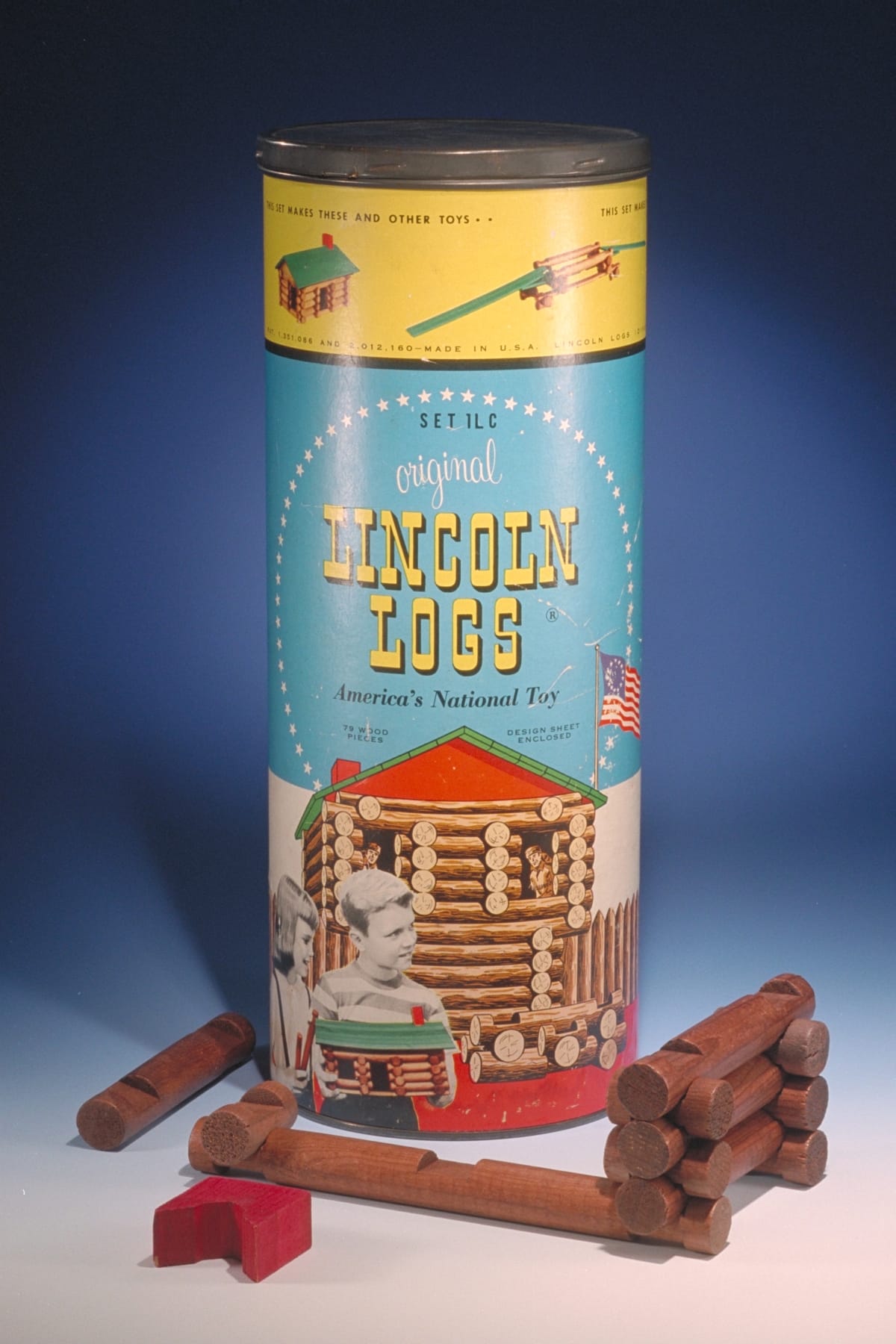
- Lincoln Logs, circa 1960 - John Lloyd Wright, son of famous American architect Frank Lloyd Wright, invented Lincoln Logs in 1916. Playskool has been an important manufacturer of durable, educational toys for young children since its founding in 1928 as the Playskool Institute.
- circa 1960
- Collections - Artifact
Lincoln Logs, circa 1960
John Lloyd Wright, son of famous American architect Frank Lloyd Wright, invented Lincoln Logs in 1916. Playskool has been an important manufacturer of durable, educational toys for young children since its founding in 1928 as the Playskool Institute.
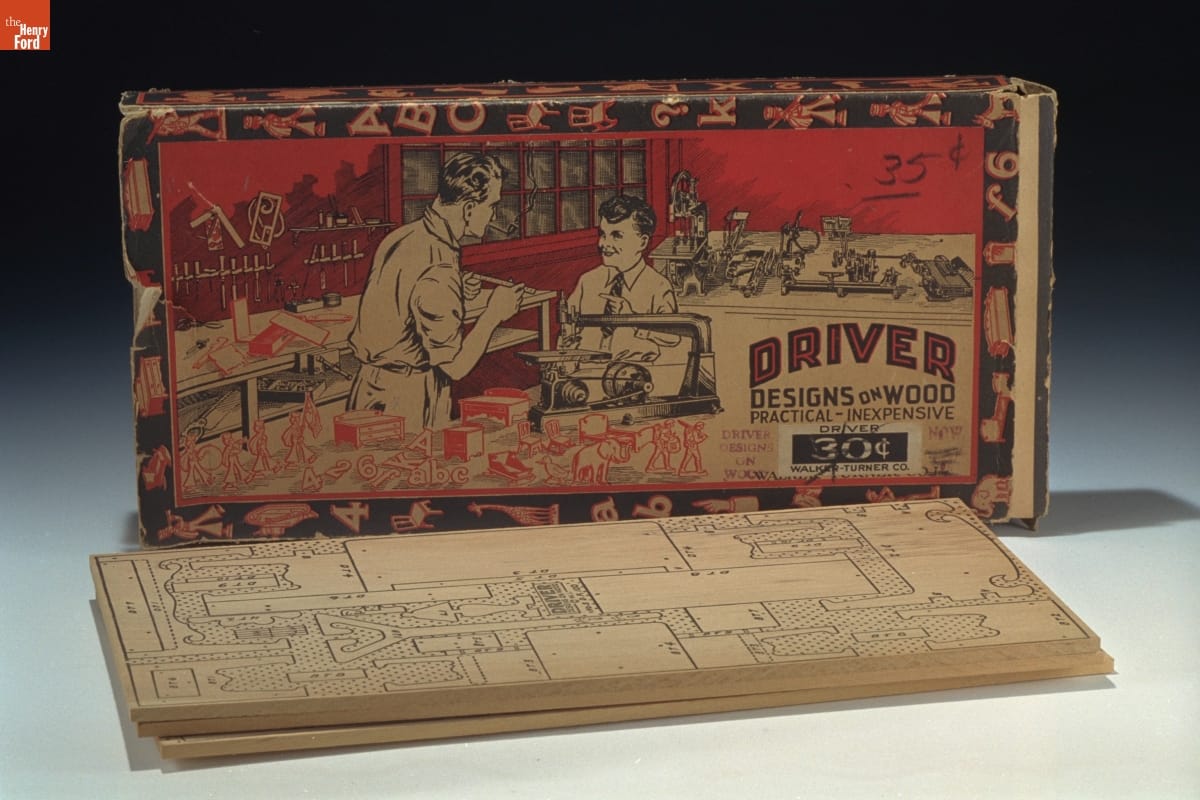
- Doll Furniture Construction Set, 1933-1940 - This box contains wooden pieces and instructions for building a set of doll's bedroom furniture. The Depression-era kit encouraged men and boys to learn the art of woodworking at home, and was intended to increase sales of the company's Driver Jig Saws.
- 1933-1940
- Collections - Artifact
Doll Furniture Construction Set, 1933-1940
This box contains wooden pieces and instructions for building a set of doll's bedroom furniture. The Depression-era kit encouraged men and boys to learn the art of woodworking at home, and was intended to increase sales of the company's Driver Jig Saws.
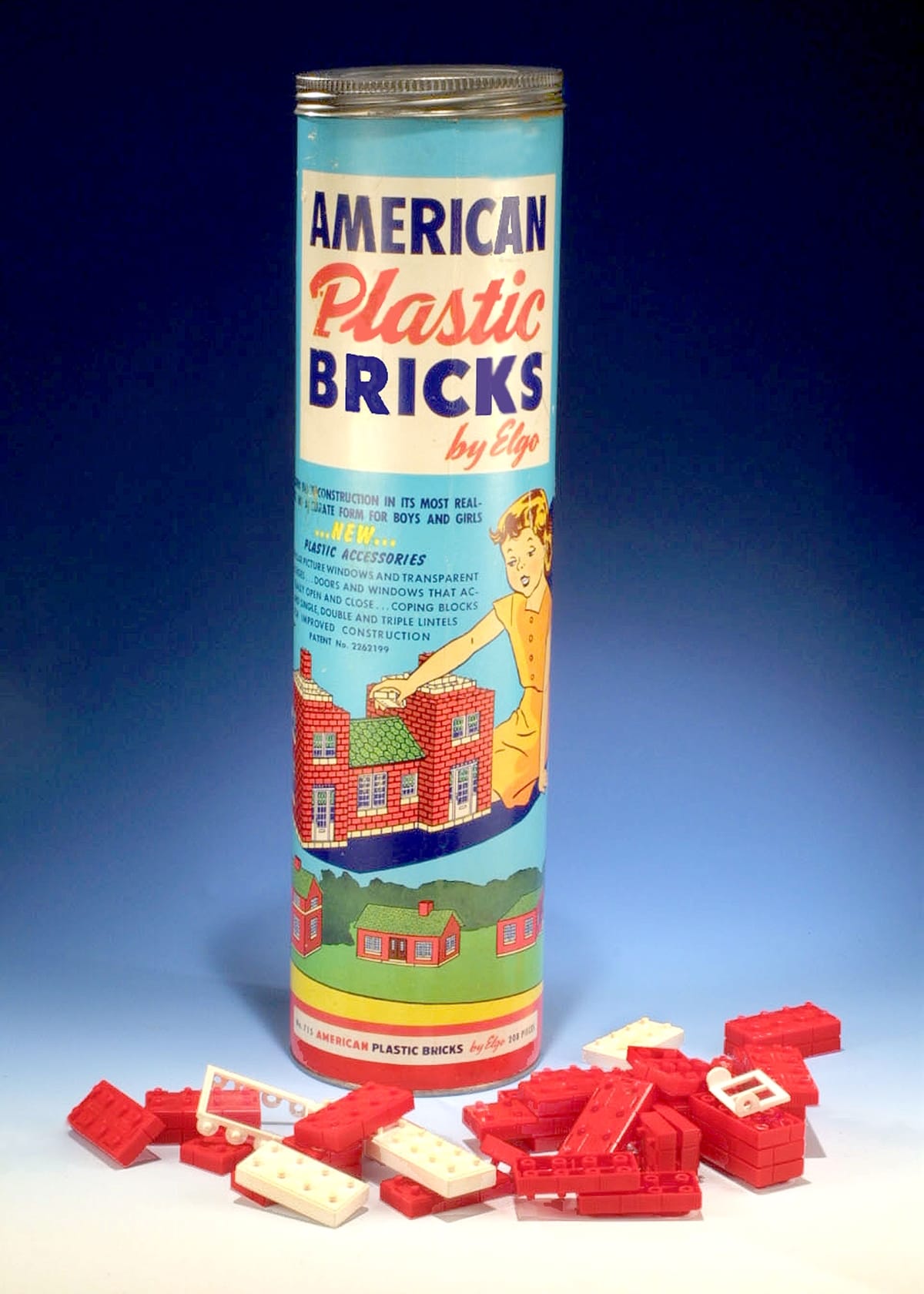
- American Plastic Bricks Construction Set, circa 1955 - Through the 20th century, construction sets became more complex and were made out of materials popular at the time. This set of plastic bricks was marketed to both boys and girls as a "modern brick construction set in its most realistic and accurate form." Hal Elliot and Sam Goss formed Halsam in 1916, to compete with Lincoln Logs.
- circa 1955
- Collections - Artifact
American Plastic Bricks Construction Set, circa 1955
Through the 20th century, construction sets became more complex and were made out of materials popular at the time. This set of plastic bricks was marketed to both boys and girls as a "modern brick construction set in its most realistic and accurate form." Hal Elliot and Sam Goss formed Halsam in 1916, to compete with Lincoln Logs.
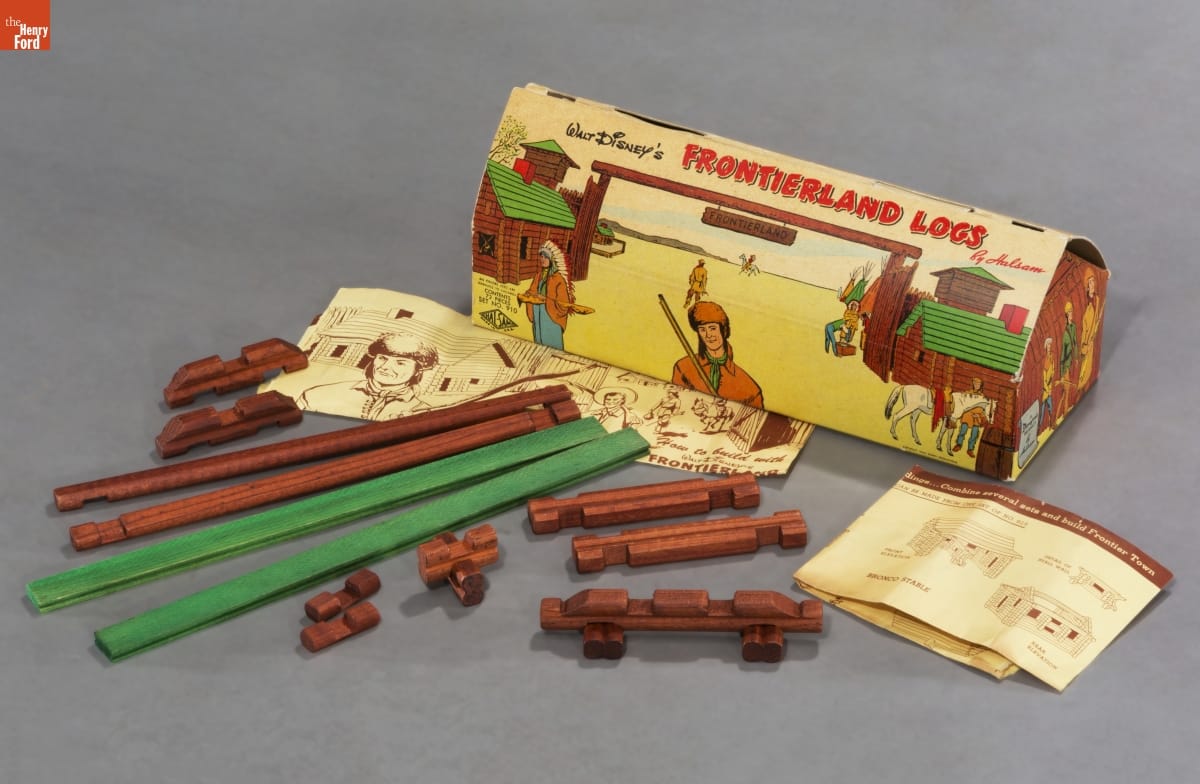
- Halsam Products "Walt Disney's Frontierland Logs," 1955-1962 -
- 1955-1962
- Collections - Artifact
Halsam Products "Walt Disney's Frontierland Logs," 1955-1962
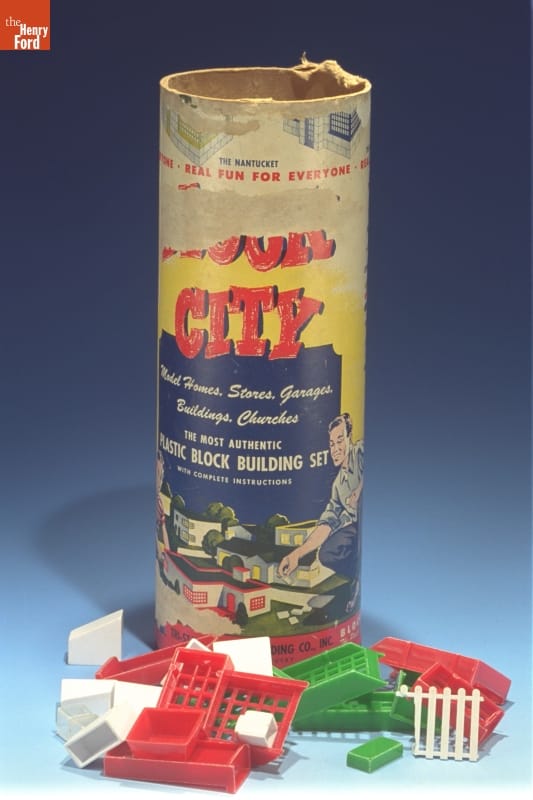
- Block City Building Set, 1955-1965 - Children love to build things--whether they create imaginative worlds or smaller versions of the real one. Construction toys are quite literally and figuratively "the building blocks of childhood." Playing with them builds physical and intellectual skills--and encourages creativity. Post-World War II Baby Boomers could recreate their neighborhood homes, stores, and offices with this set of plastic building blocks.
- 1955-1965
- Collections - Artifact
Block City Building Set, 1955-1965
Children love to build things--whether they create imaginative worlds or smaller versions of the real one. Construction toys are quite literally and figuratively "the building blocks of childhood." Playing with them builds physical and intellectual skills--and encourages creativity. Post-World War II Baby Boomers could recreate their neighborhood homes, stores, and offices with this set of plastic building blocks.