
Search
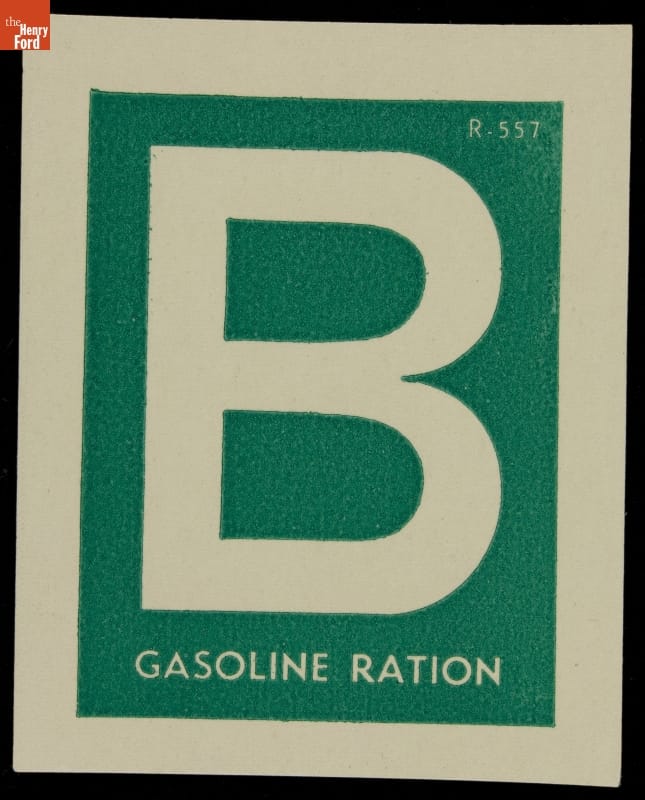
- World War II Gasoline Rationing Sticker, Series "B," 1941-1945 - The amount of gasoline you received during World War II depended on whether your job was essential to the war effort. Drivers received a windshield sticker and ration coupons for gasoline. Essential war workers received "B" stickers, like this one, allowing them up to eight gallons of gasoline a week.
- 1941-1945
- Collections - Artifact
World War II Gasoline Rationing Sticker, Series "B," 1941-1945
The amount of gasoline you received during World War II depended on whether your job was essential to the war effort. Drivers received a windshield sticker and ration coupons for gasoline. Essential war workers received "B" stickers, like this one, allowing them up to eight gallons of gasoline a week.
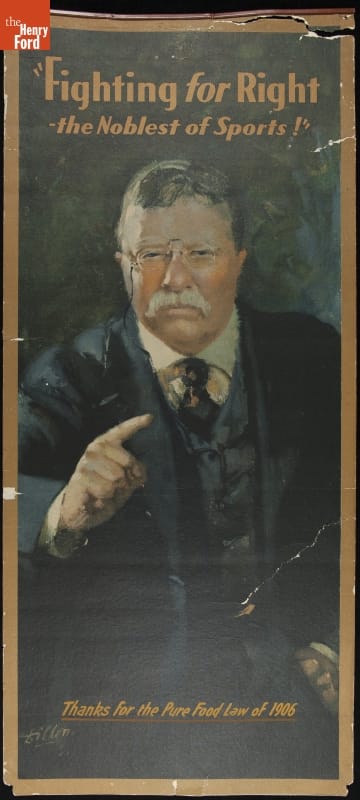
- Advertising Poster, "Fighting for Right - the Noblest of Sports! Thanks for the Pure Food Law of 1906" - At a time when many in the manufactured food industry used adulterants (inferior substitutes or additives) and false advertising, H.J. Heinz prided himself on his "Strictly Pure" products. He became an advocate for the Pure Food & Drug Act of 1906 -- the first of several Congress-enacted consumer protection laws -- and was instrumental in lobbying to President Roosevelt (seen here) to get the law passed.
- 1906
- Collections - Artifact
Advertising Poster, "Fighting for Right - the Noblest of Sports! Thanks for the Pure Food Law of 1906"
At a time when many in the manufactured food industry used adulterants (inferior substitutes or additives) and false advertising, H.J. Heinz prided himself on his "Strictly Pure" products. He became an advocate for the Pure Food & Drug Act of 1906 -- the first of several Congress-enacted consumer protection laws -- and was instrumental in lobbying to President Roosevelt (seen here) to get the law passed.
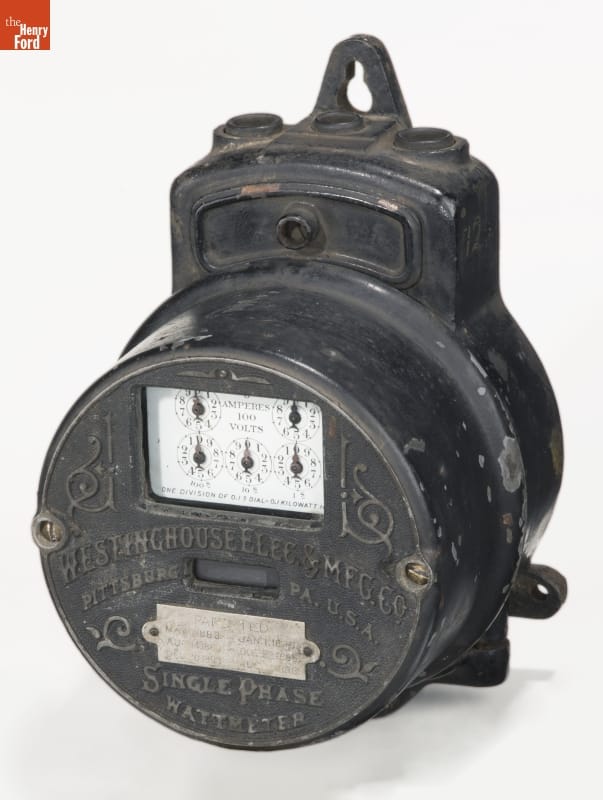
- Westinghouse Type A Wattmeter, circa 1903 - In the late 1800s, companies that supplied electricity to consumers needed a way to measure how much customers used -- and then charge them accordingly. Inventive electrical engineers developed various methods to measure electric power. Induction meters that employed magnetic fields to rotate a disc or cylinder to register energy usage would become the standard. Continued improvements made these wattmeters more compact and reliable.
- circa 1903
- Collections - Artifact
Westinghouse Type A Wattmeter, circa 1903
In the late 1800s, companies that supplied electricity to consumers needed a way to measure how much customers used -- and then charge them accordingly. Inventive electrical engineers developed various methods to measure electric power. Induction meters that employed magnetic fields to rotate a disc or cylinder to register energy usage would become the standard. Continued improvements made these wattmeters more compact and reliable.
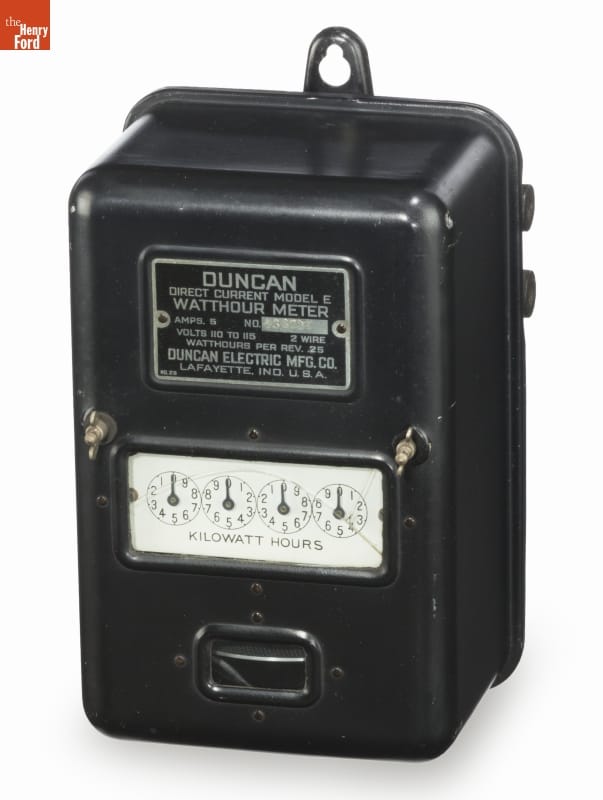
- Duncan Model E Wattmeter, 1925-1930 - In the late 1800s, companies that supplied electricity to consumers needed a way to measure how much customers used--and then charge them accordingly. Thomas Duncan developed wattmeters for several companies before starting his own meter manufacturing business in 1901. Duncan came out with the Model E in 1908 and produce it over the next several decades.
- 1925-1930
- Collections - Artifact
Duncan Model E Wattmeter, 1925-1930
In the late 1800s, companies that supplied electricity to consumers needed a way to measure how much customers used--and then charge them accordingly. Thomas Duncan developed wattmeters for several companies before starting his own meter manufacturing business in 1901. Duncan came out with the Model E in 1908 and produce it over the next several decades.
- General Electric Thomson Polyphase Meter, 1899-1905 -
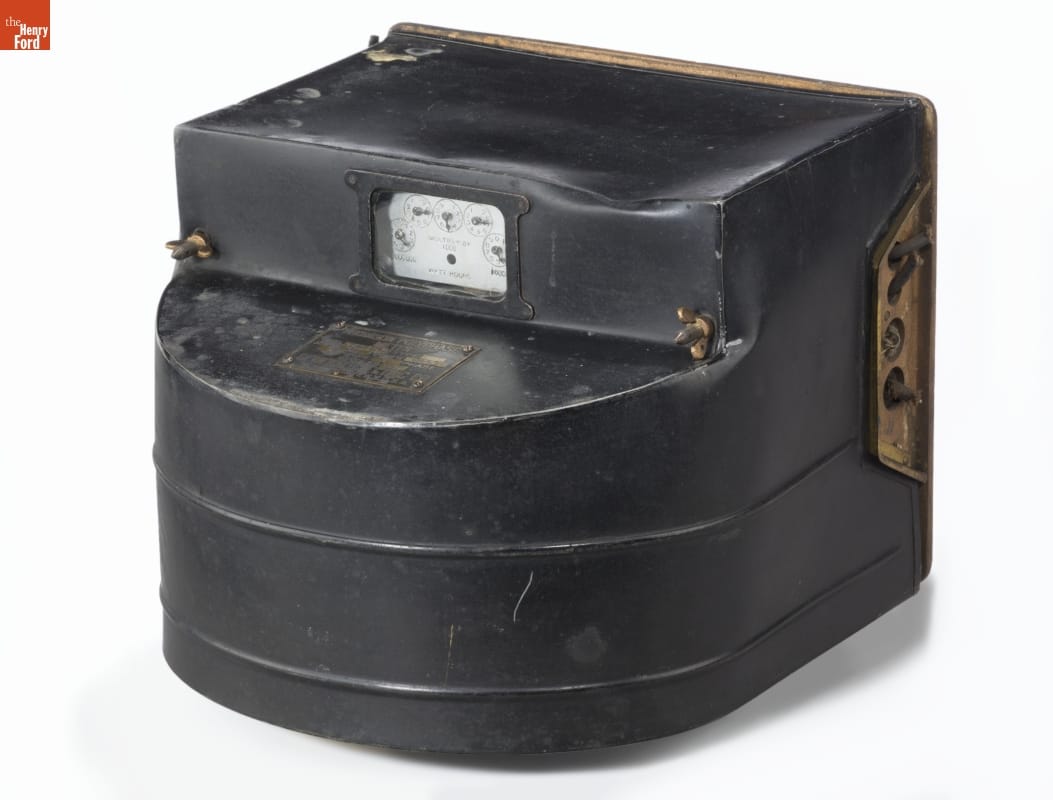
- 1899-1905
- Collections - Artifact
General Electric Thomson Polyphase Meter, 1899-1905
- Westinghouse Type C Switchboard Wattmeter, 1906-1911 -
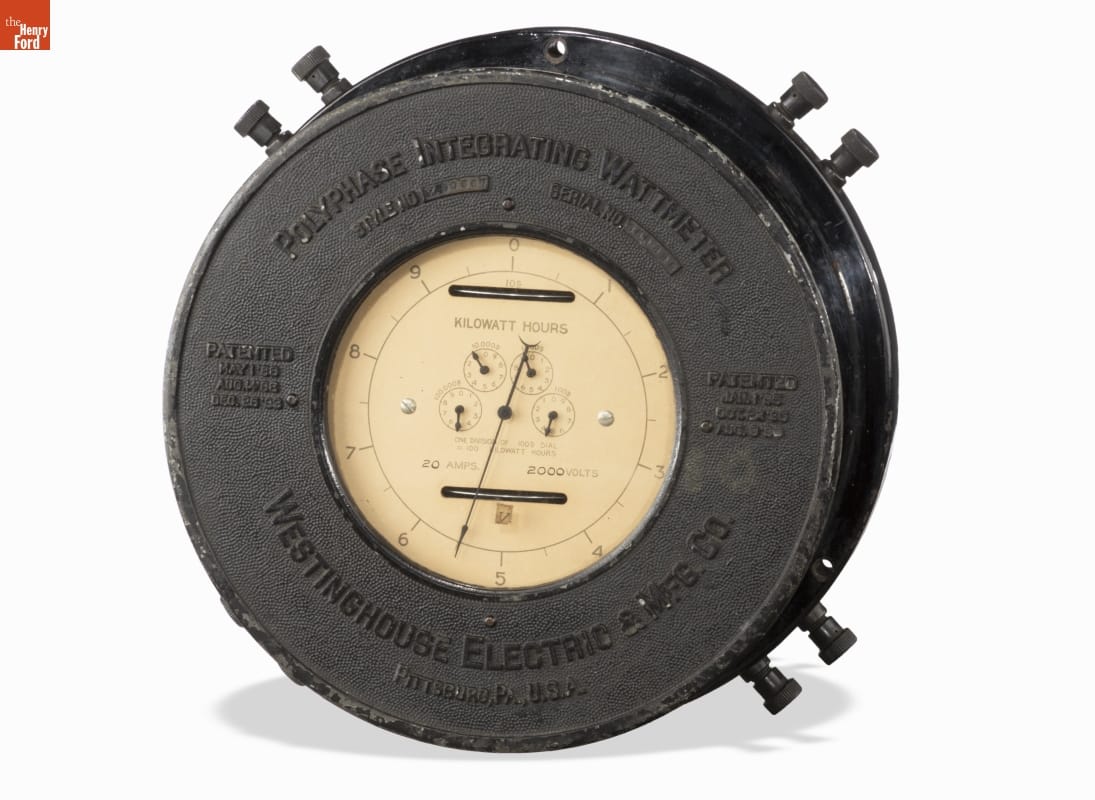
- 1906-1911
- Collections - Artifact
Westinghouse Type C Switchboard Wattmeter, 1906-1911
- Eastern Market, Detroit, Michigan, 1970-1978 -

- 1970-1978
- Collections - Artifact
Eastern Market, Detroit, Michigan, 1970-1978
- Fort Wayne Type W Wattmeter, circa 1905 - In the late 1800s, companies that supplied electricity to consumers needed a way to measure how much customers used -- and then charge them accordingly. Inventive electrical engineers developed various methods to measure electric power. Induction meters that employed magnetic fields to rotate a disc or cylinder to register energy usage would become the standard. Continued improvements made these wattmeters more compact and reliable.
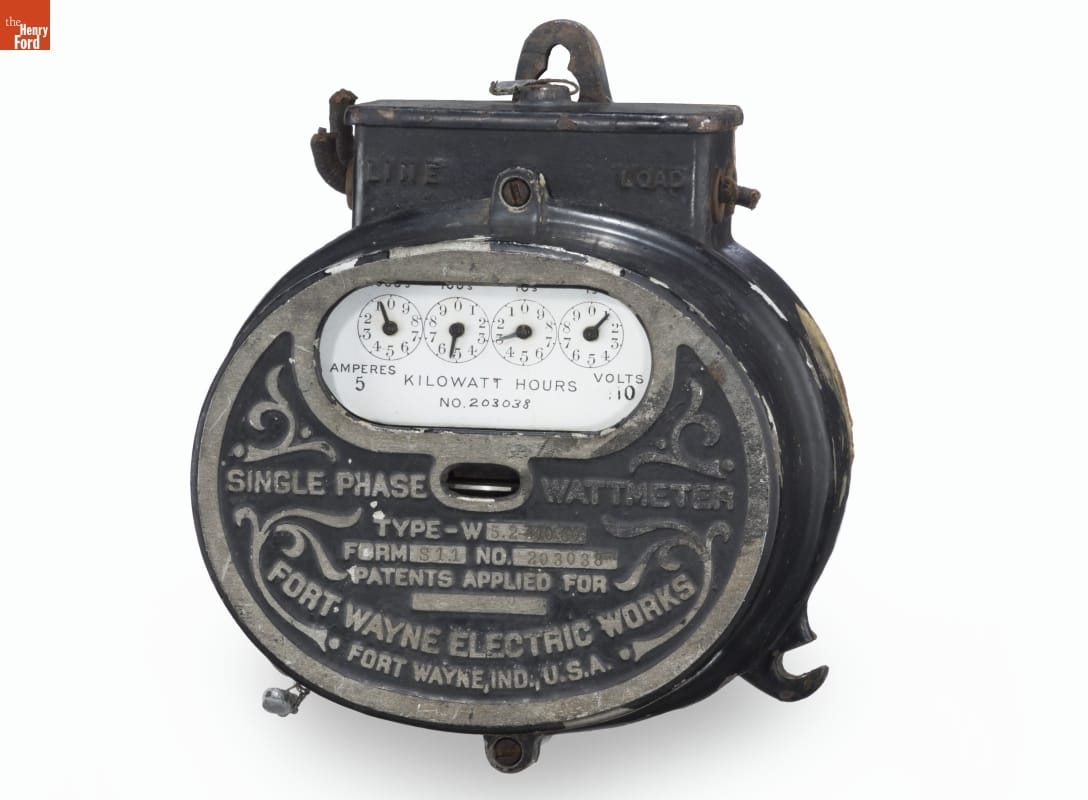
- circa 1905
- Collections - Artifact
Fort Wayne Type W Wattmeter, circa 1905
In the late 1800s, companies that supplied electricity to consumers needed a way to measure how much customers used -- and then charge them accordingly. Inventive electrical engineers developed various methods to measure electric power. Induction meters that employed magnetic fields to rotate a disc or cylinder to register energy usage would become the standard. Continued improvements made these wattmeters more compact and reliable.
- Seth Thomas Clock Company Clock Used with a Maryland Meter Works Gas Complaint Meter, circa 1920 -
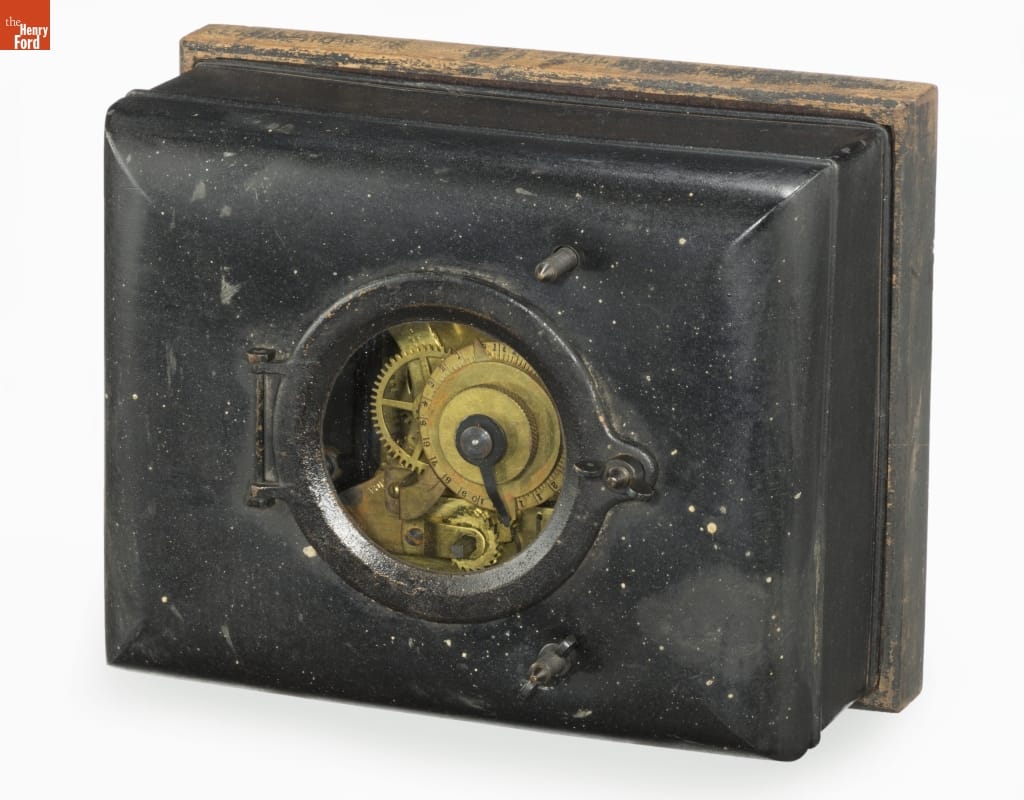
- circa 1920
- Collections - Artifact
Seth Thomas Clock Company Clock Used with a Maryland Meter Works Gas Complaint Meter, circa 1920
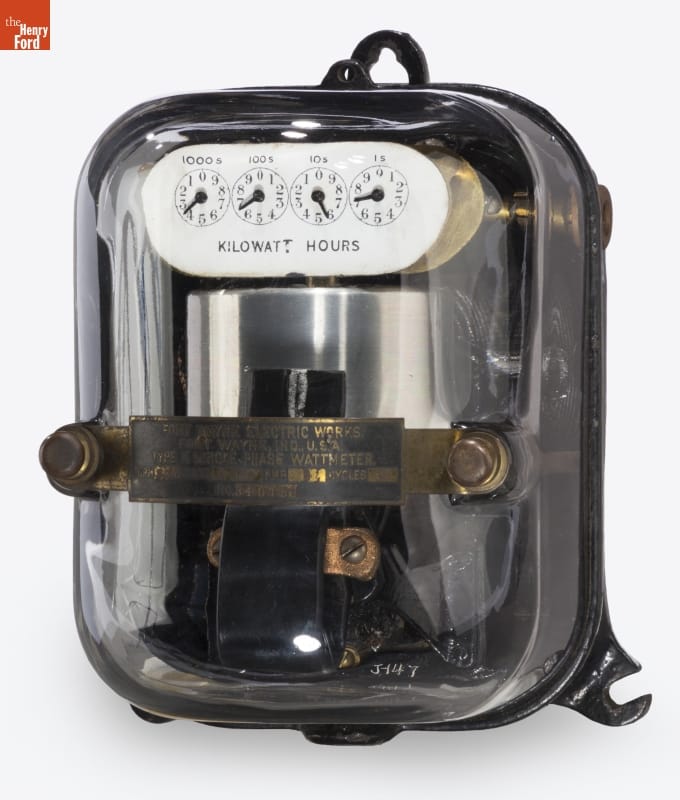
- Fort Wayne Type K Wattmeter, 1899-1901 - In the late 1800s, companies that supplied electricity to consumers needed a way to measure how much customers used -- and then charge them accordingly. Inventive electrical engineers developed various methods to measure electric power. Induction meters that employed magnetic fields to rotate a disc or cylinder to register energy usage would become the standard. Continued improvements made these wattmeters more compact and reliable.
- 1899-1901
- Collections - Artifact
Fort Wayne Type K Wattmeter, 1899-1901
In the late 1800s, companies that supplied electricity to consumers needed a way to measure how much customers used -- and then charge them accordingly. Inventive electrical engineers developed various methods to measure electric power. Induction meters that employed magnetic fields to rotate a disc or cylinder to register energy usage would become the standard. Continued improvements made these wattmeters more compact and reliable.