
Search
- Westinghouse Type A Wattmeter, circa 1903 - In the late 1800s, companies that supplied electricity to consumers needed a way to measure how much customers used -- and then charge them accordingly. Inventive electrical engineers developed various methods to measure electric power. Induction meters that employed magnetic fields to rotate a disc or cylinder to register energy usage would become the standard. Continued improvements made these wattmeters more compact and reliable.
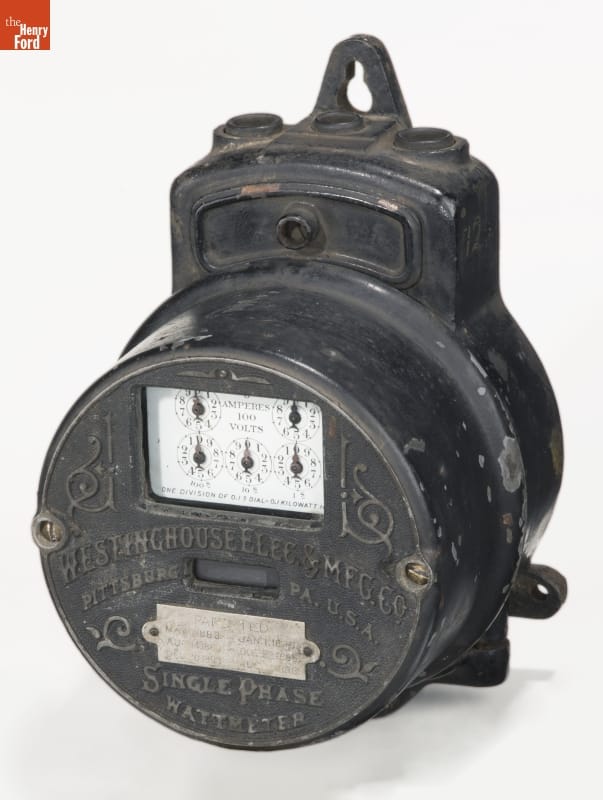
- circa 1903
- Collections - Artifact
Westinghouse Type A Wattmeter, circa 1903
In the late 1800s, companies that supplied electricity to consumers needed a way to measure how much customers used -- and then charge them accordingly. Inventive electrical engineers developed various methods to measure electric power. Induction meters that employed magnetic fields to rotate a disc or cylinder to register energy usage would become the standard. Continued improvements made these wattmeters more compact and reliable.
- Duncan Model E Wattmeter, 1925-1930 - In the late 1800s, companies that supplied electricity to consumers needed a way to measure how much customers used--and then charge them accordingly. Thomas Duncan developed wattmeters for several companies before starting his own meter manufacturing business in 1901. Duncan came out with the Model E in 1908 and produce it over the next several decades.
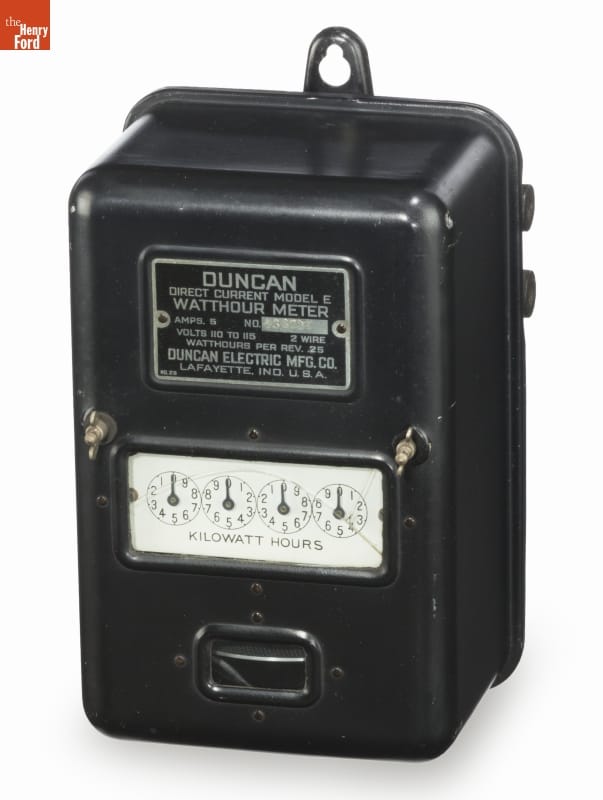
- 1925-1930
- Collections - Artifact
Duncan Model E Wattmeter, 1925-1930
In the late 1800s, companies that supplied electricity to consumers needed a way to measure how much customers used--and then charge them accordingly. Thomas Duncan developed wattmeters for several companies before starting his own meter manufacturing business in 1901. Duncan came out with the Model E in 1908 and produce it over the next several decades.
- General Electric Thomson Polyphase Meter, 1899-1905 -
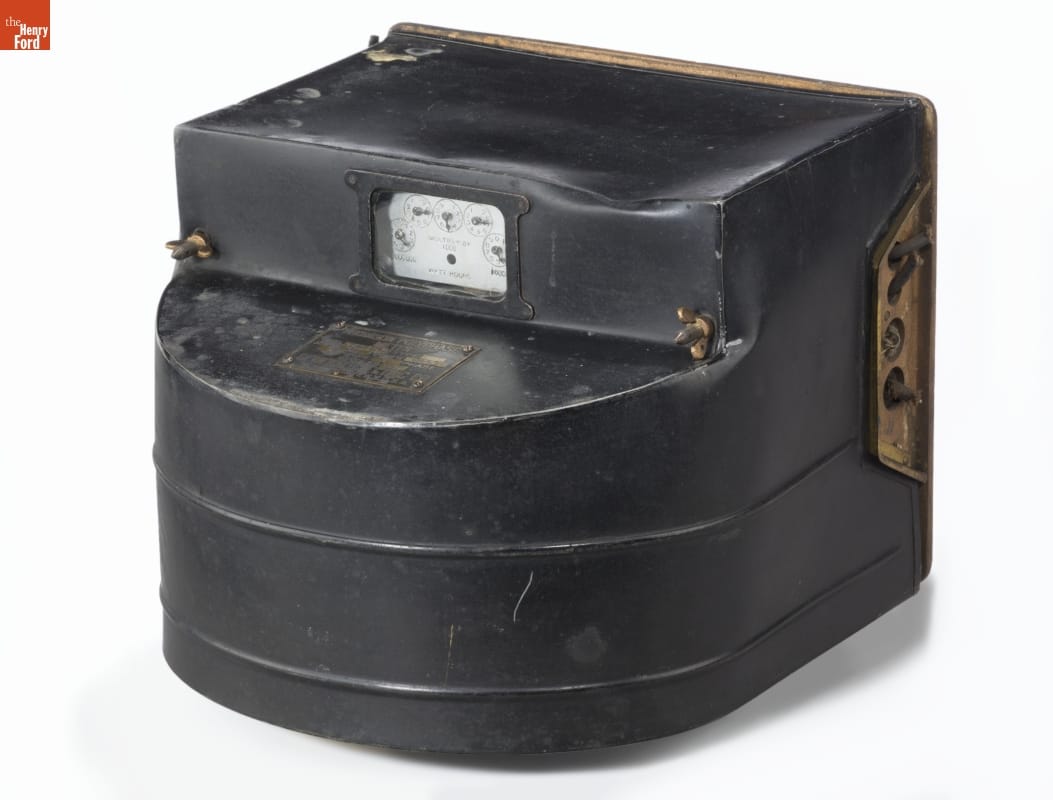
- 1899-1905
- Collections - Artifact
General Electric Thomson Polyphase Meter, 1899-1905
- Westinghouse Type C Switchboard Wattmeter, 1906-1911 -
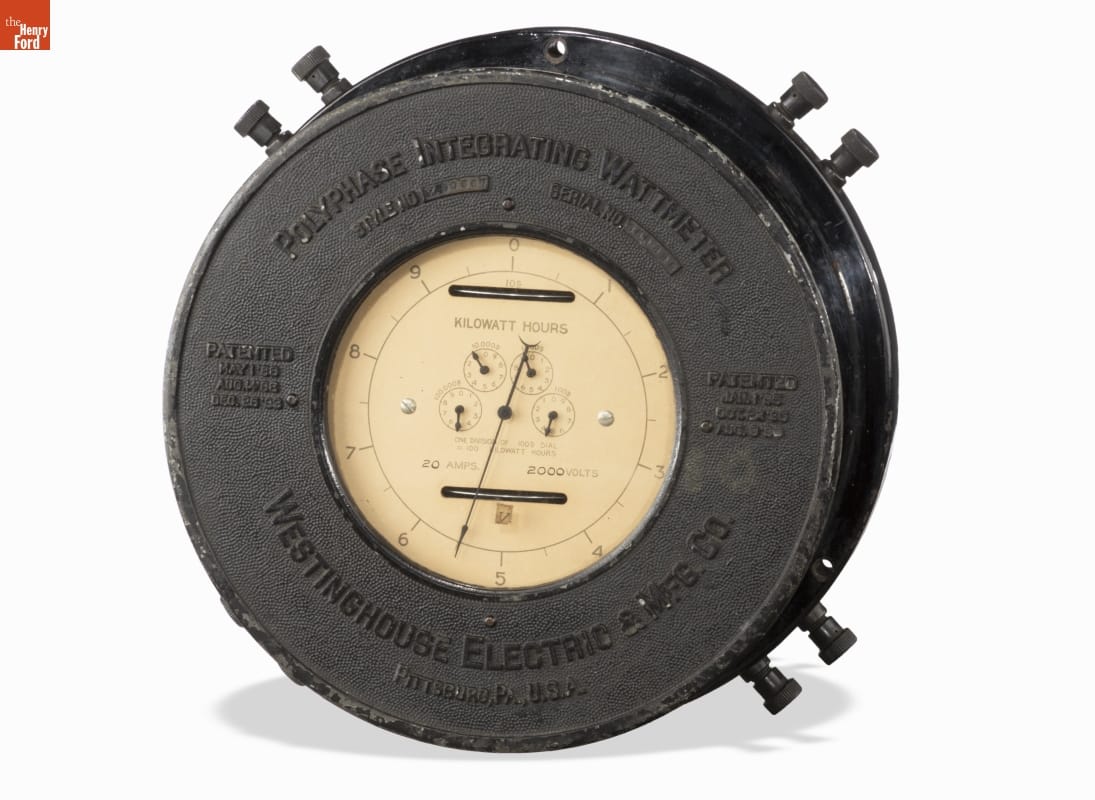
- 1906-1911
- Collections - Artifact
Westinghouse Type C Switchboard Wattmeter, 1906-1911
- Fort Wayne Type W Wattmeter, circa 1905 - In the late 1800s, companies that supplied electricity to consumers needed a way to measure how much customers used -- and then charge them accordingly. Inventive electrical engineers developed various methods to measure electric power. Induction meters that employed magnetic fields to rotate a disc or cylinder to register energy usage would become the standard. Continued improvements made these wattmeters more compact and reliable.
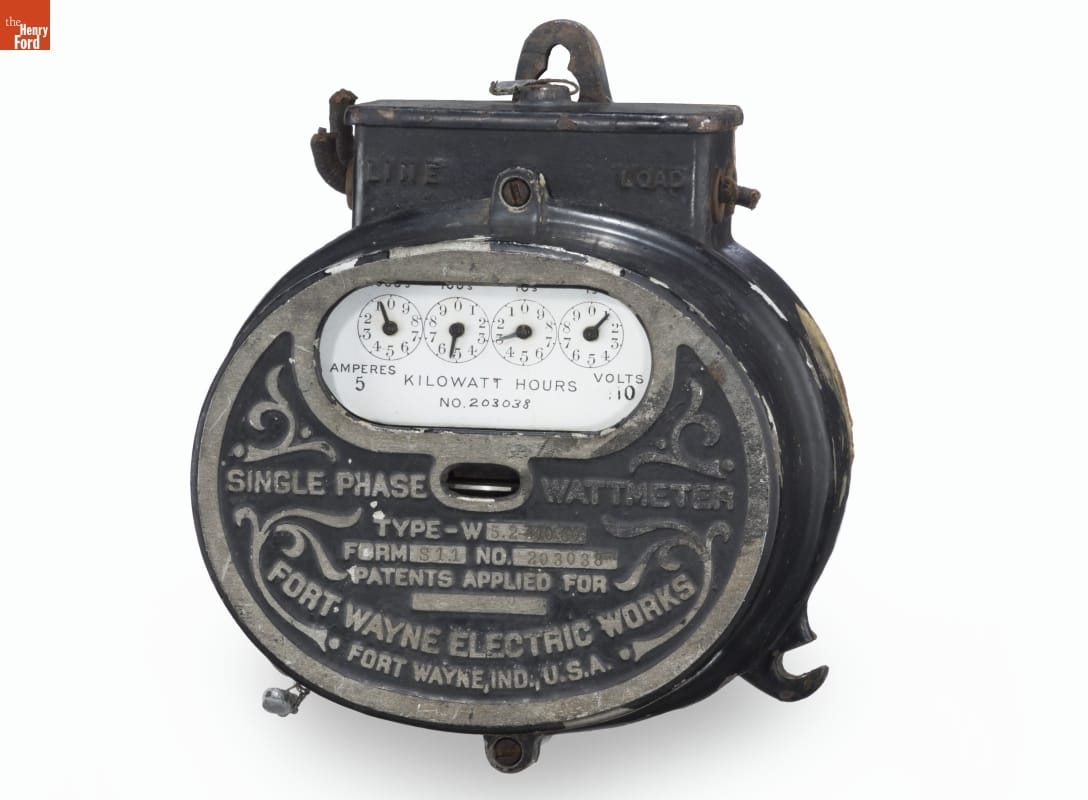
- circa 1905
- Collections - Artifact
Fort Wayne Type W Wattmeter, circa 1905
In the late 1800s, companies that supplied electricity to consumers needed a way to measure how much customers used -- and then charge them accordingly. Inventive electrical engineers developed various methods to measure electric power. Induction meters that employed magnetic fields to rotate a disc or cylinder to register energy usage would become the standard. Continued improvements made these wattmeters more compact and reliable.
- Seth Thomas Clock Company Clock Used with a Maryland Meter Works Gas Complaint Meter, circa 1920 -
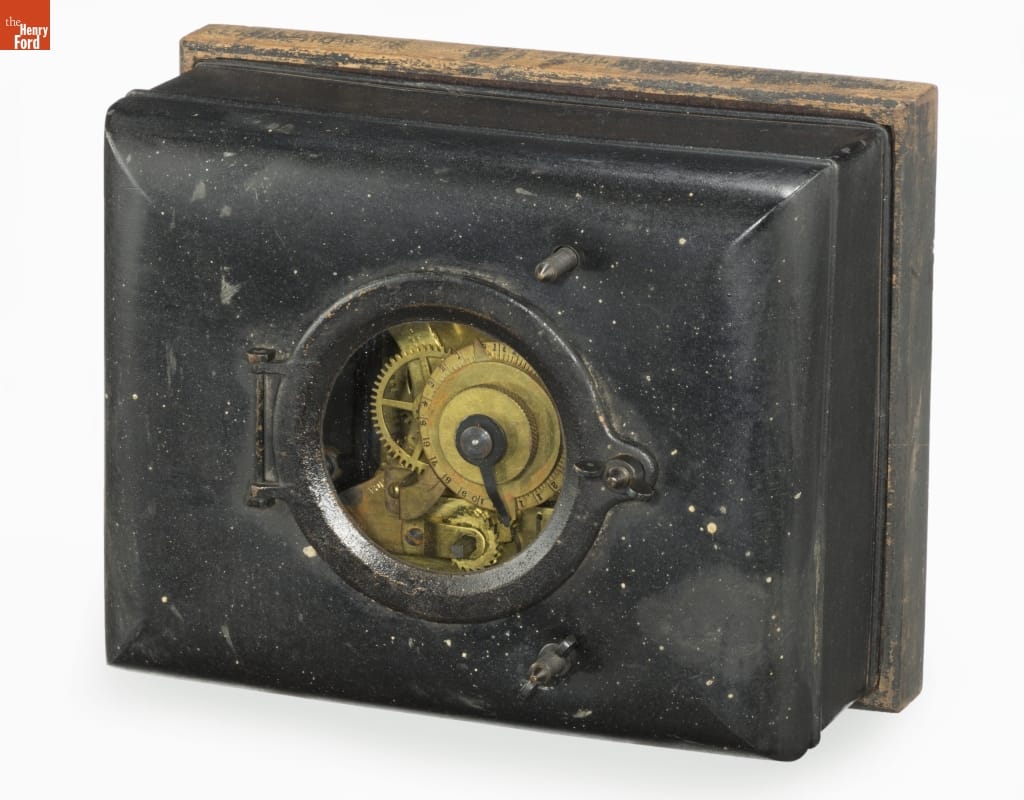
- circa 1920
- Collections - Artifact
Seth Thomas Clock Company Clock Used with a Maryland Meter Works Gas Complaint Meter, circa 1920
- Fort Wayne Type K Wattmeter, 1899-1901 - In the late 1800s, companies that supplied electricity to consumers needed a way to measure how much customers used -- and then charge them accordingly. Inventive electrical engineers developed various methods to measure electric power. Induction meters that employed magnetic fields to rotate a disc or cylinder to register energy usage would become the standard. Continued improvements made these wattmeters more compact and reliable.
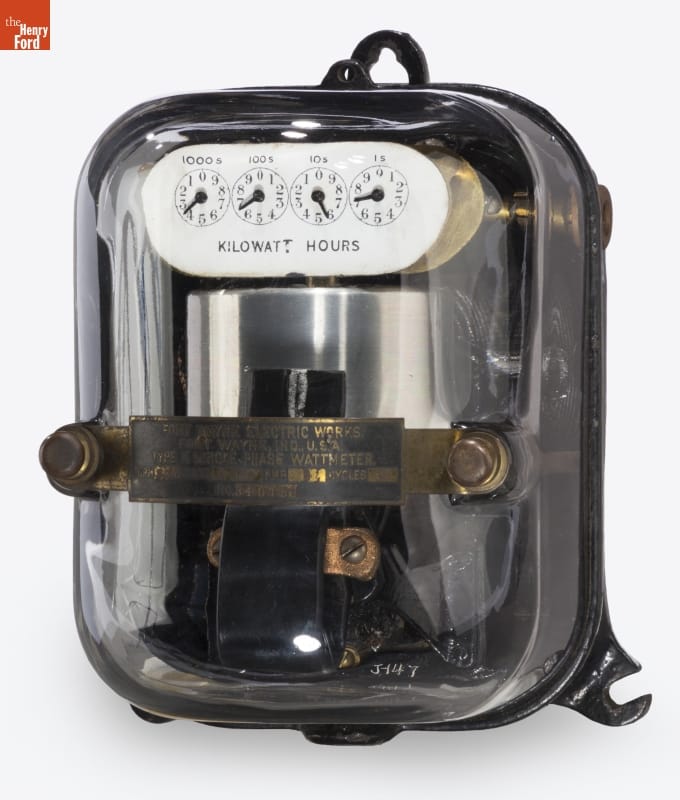
- 1899-1901
- Collections - Artifact
Fort Wayne Type K Wattmeter, 1899-1901
In the late 1800s, companies that supplied electricity to consumers needed a way to measure how much customers used -- and then charge them accordingly. Inventive electrical engineers developed various methods to measure electric power. Induction meters that employed magnetic fields to rotate a disc or cylinder to register energy usage would become the standard. Continued improvements made these wattmeters more compact and reliable.
- Fort Wayne Type K Switchboard Wattmeter, 1899-1910 -
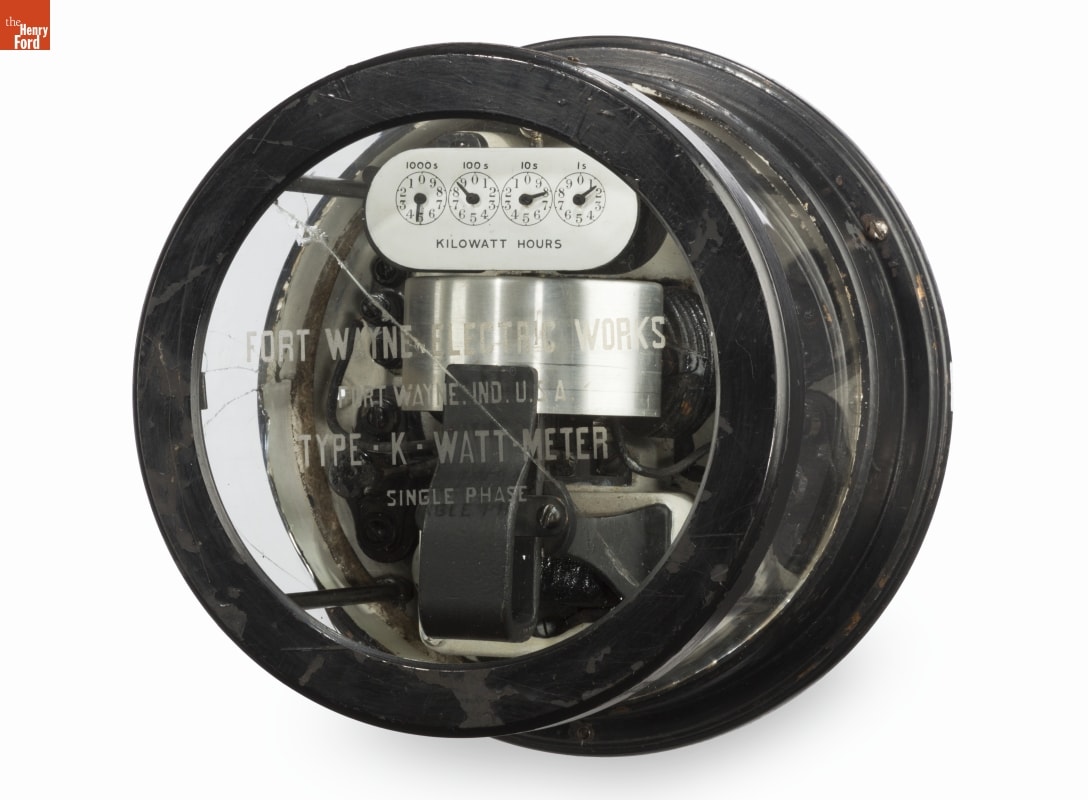
- 1899-1910
- Collections - Artifact
Fort Wayne Type K Switchboard Wattmeter, 1899-1910
- Slattery Induction System Meter, 1888-1892 -
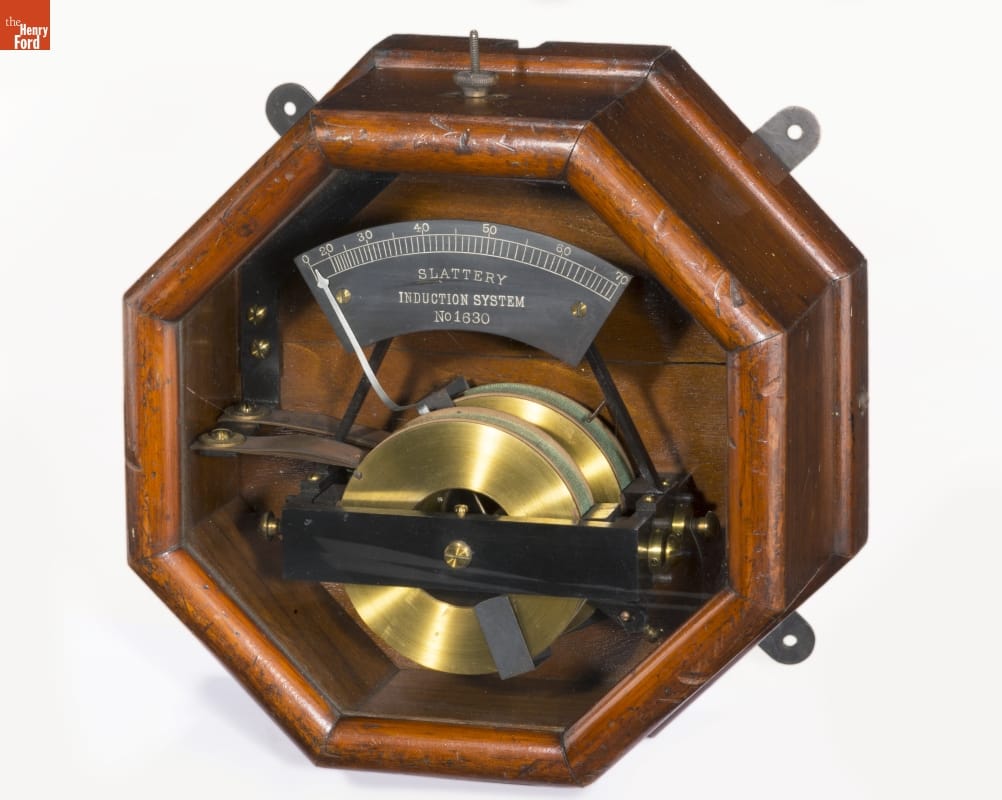
- 1888-1892
- Collections - Artifact
Slattery Induction System Meter, 1888-1892
- Westinghouse Type B Prepayment Wattmeter, 1909-1910 -
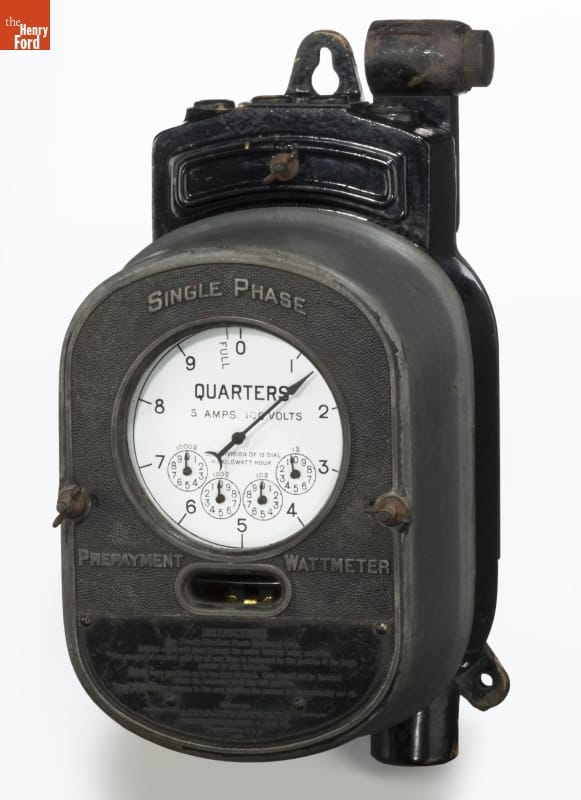
- 1909-1910
- Collections - Artifact
Westinghouse Type B Prepayment Wattmeter, 1909-1910