
Search
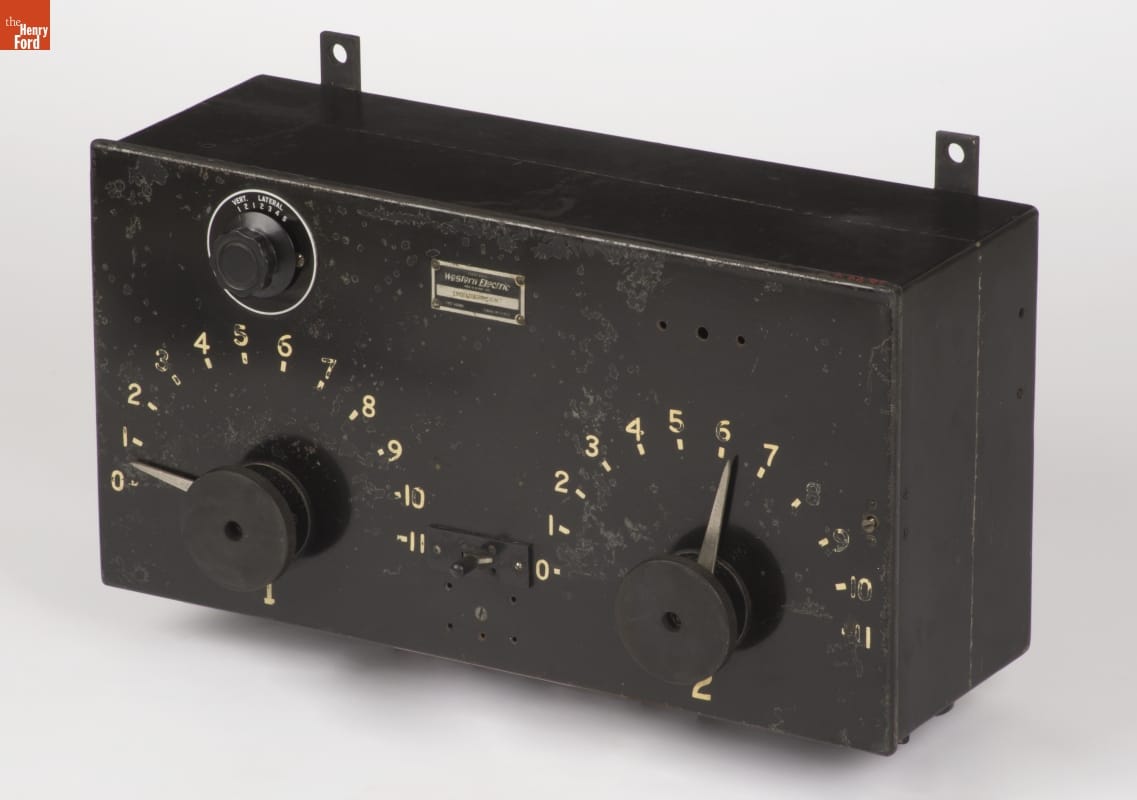
- Western Electric Volume Control Box, Used at Radio Station WKBN, Youngstown, Ohio, 1931-1937 -
- 1931-1935
- Collections - Artifact
Western Electric Volume Control Box, Used at Radio Station WKBN, Youngstown, Ohio, 1931-1937
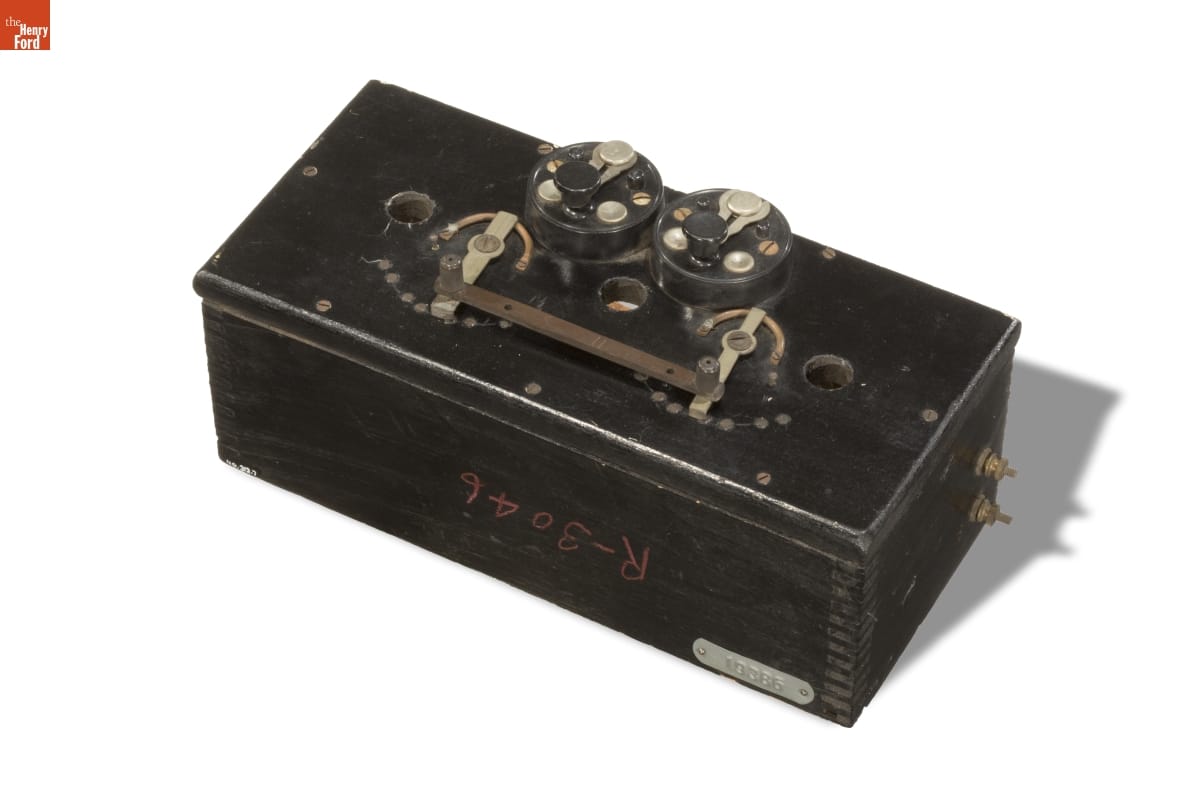
- Homemade Audion Control Box, Used by Charles Apgar, 1915 - In 1915, amateur radio operator Charles Apgar detected coded messages being transmitted by German employees at Sayville Wireless Station, New Jersey. Apgar invented a device to capture these messages onto Edison wax cylinders--the earliest recordings of radio signals. National security was a major concern due to WWI, and Apgar's efforts convinced the U.S. government to seize the Sayville station.
- 1915
- Collections - Artifact
Homemade Audion Control Box, Used by Charles Apgar, 1915
In 1915, amateur radio operator Charles Apgar detected coded messages being transmitted by German employees at Sayville Wireless Station, New Jersey. Apgar invented a device to capture these messages onto Edison wax cylinders--the earliest recordings of radio signals. National security was a major concern due to WWI, and Apgar's efforts convinced the U.S. government to seize the Sayville station.
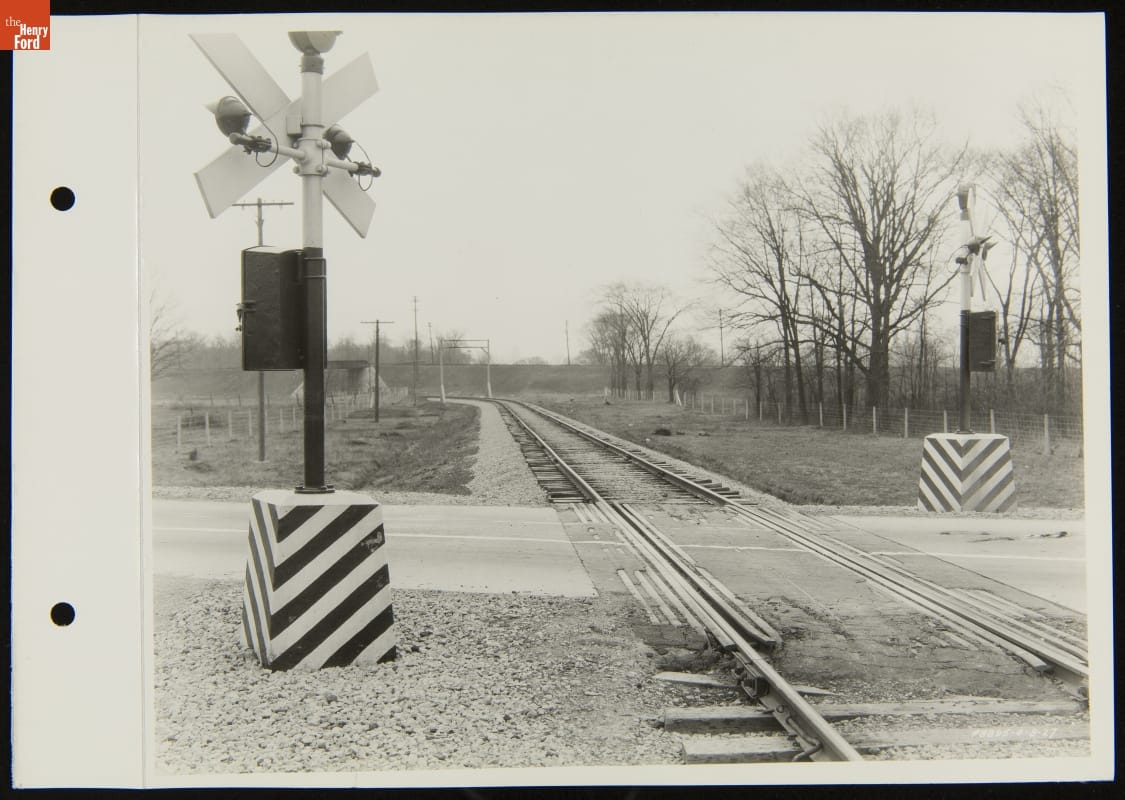
- Railroad Crossing, Detroit, Toledo, and Ironton Railroad, April 1927 - Henry Ford owned and operated the Detroit, Toledo & Ironton Railroad from 1920 to 1929. He spent $15 million improving the railroad and its structures. Many grade crossings, where the railroad intersected with public roads, received flashing lights or other warning devices. Ford also experimented with new road surfaces within crossings. Several were paved with concrete.
- April 08, 1927
- Collections - Artifact
Railroad Crossing, Detroit, Toledo, and Ironton Railroad, April 1927
Henry Ford owned and operated the Detroit, Toledo & Ironton Railroad from 1920 to 1929. He spent $15 million improving the railroad and its structures. Many grade crossings, where the railroad intersected with public roads, received flashing lights or other warning devices. Ford also experimented with new road surfaces within crossings. Several were paved with concrete.
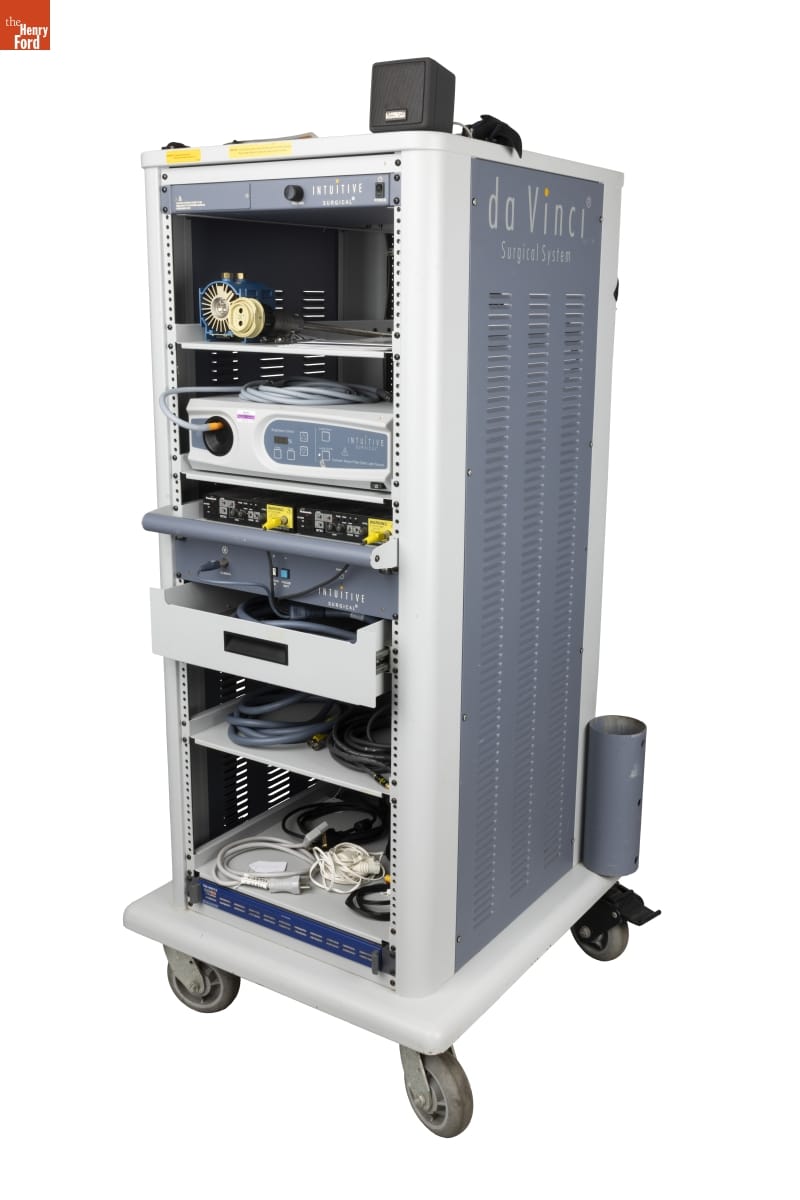
- da Vinci Surgical System Vision Imaging Cart, Used at Henry Ford Hospital, 2000 -
- 2000
- Collections - Artifact
da Vinci Surgical System Vision Imaging Cart, Used at Henry Ford Hospital, 2000
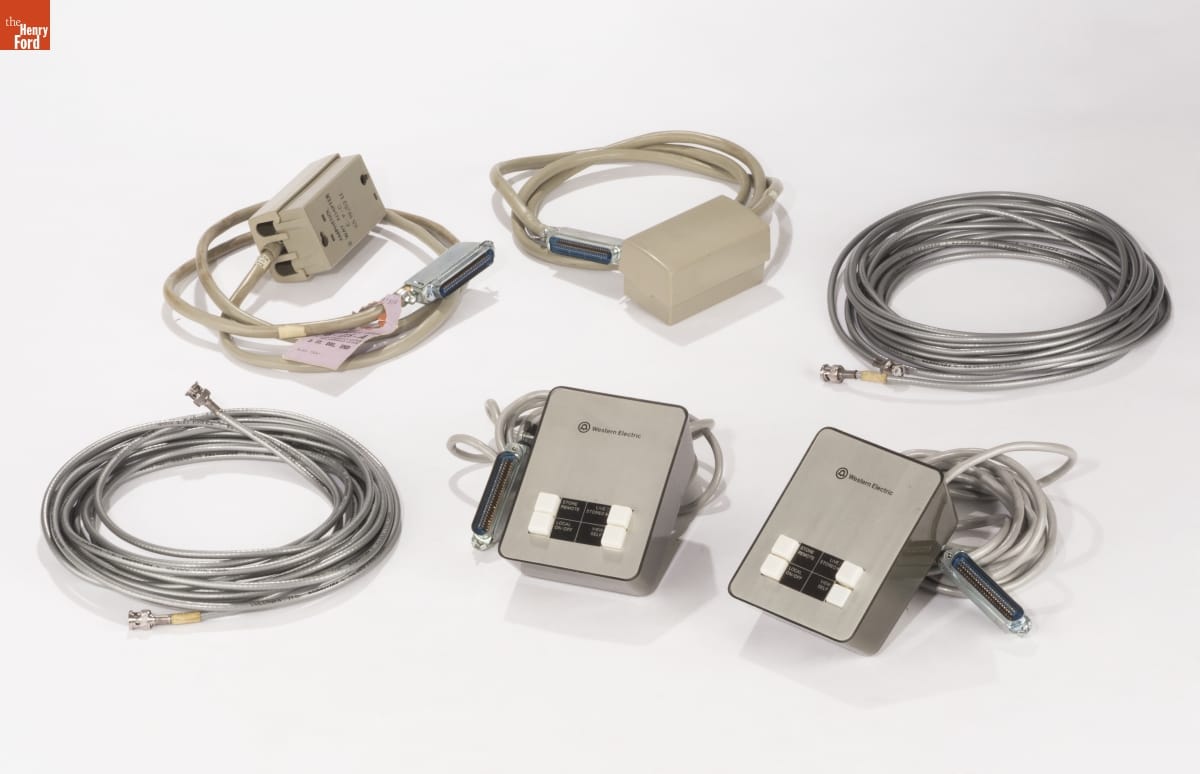
- Western Electric Control Boxes and Amphenol 3-Way Adapters, circa 1975 -
- circa 1975
- Collections - Artifact
Western Electric Control Boxes and Amphenol 3-Way Adapters, circa 1975
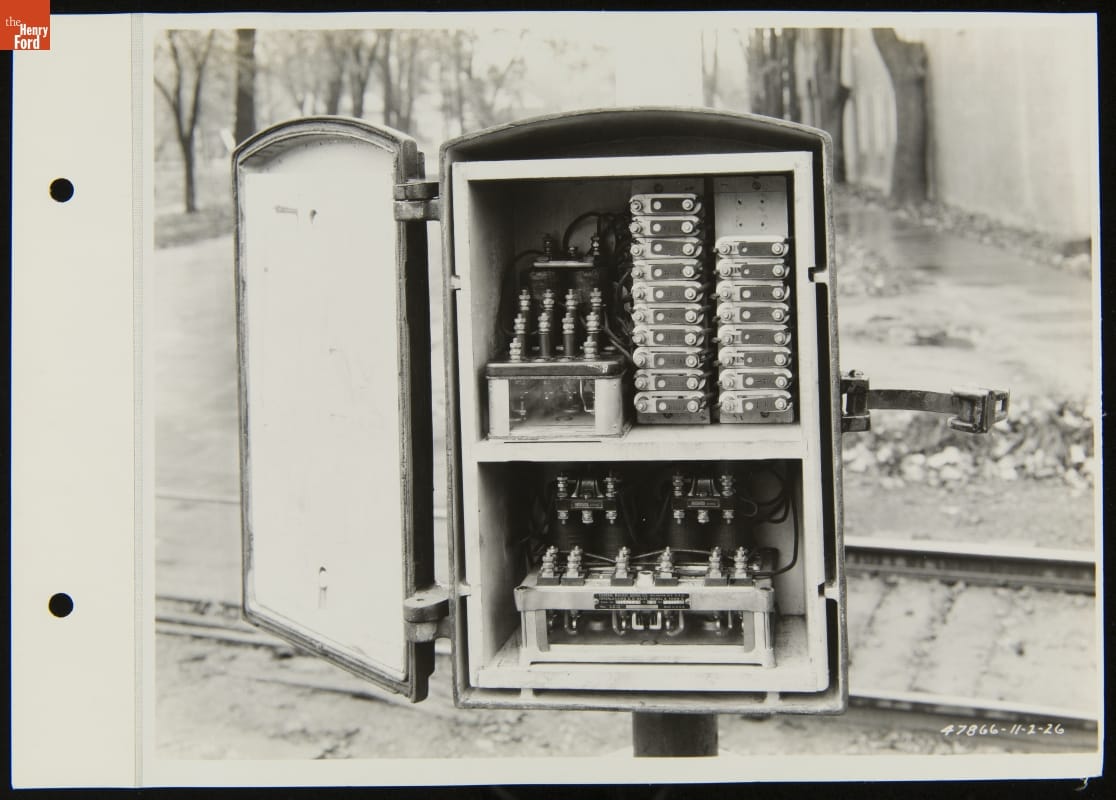
- Railroad Crossing Signal Light Control Box, Detroit, Toledo & Ironton Railroad, November 1926 - Automatic railroad crossing signals are controlled through an electrical relay in the railroad track. A low-voltage electric current is sent between the two rails via a series of relays like the ones in this photo. When a train approaches, the current runs through the train's metal wheels and axles instead of the relays. This "short circuit" activates the crossing signal.
- November 02, 1926
- Collections - Artifact
Railroad Crossing Signal Light Control Box, Detroit, Toledo & Ironton Railroad, November 1926
Automatic railroad crossing signals are controlled through an electrical relay in the railroad track. A low-voltage electric current is sent between the two rails via a series of relays like the ones in this photo. When a train approaches, the current runs through the train's metal wheels and axles instead of the relays. This "short circuit" activates the crossing signal.
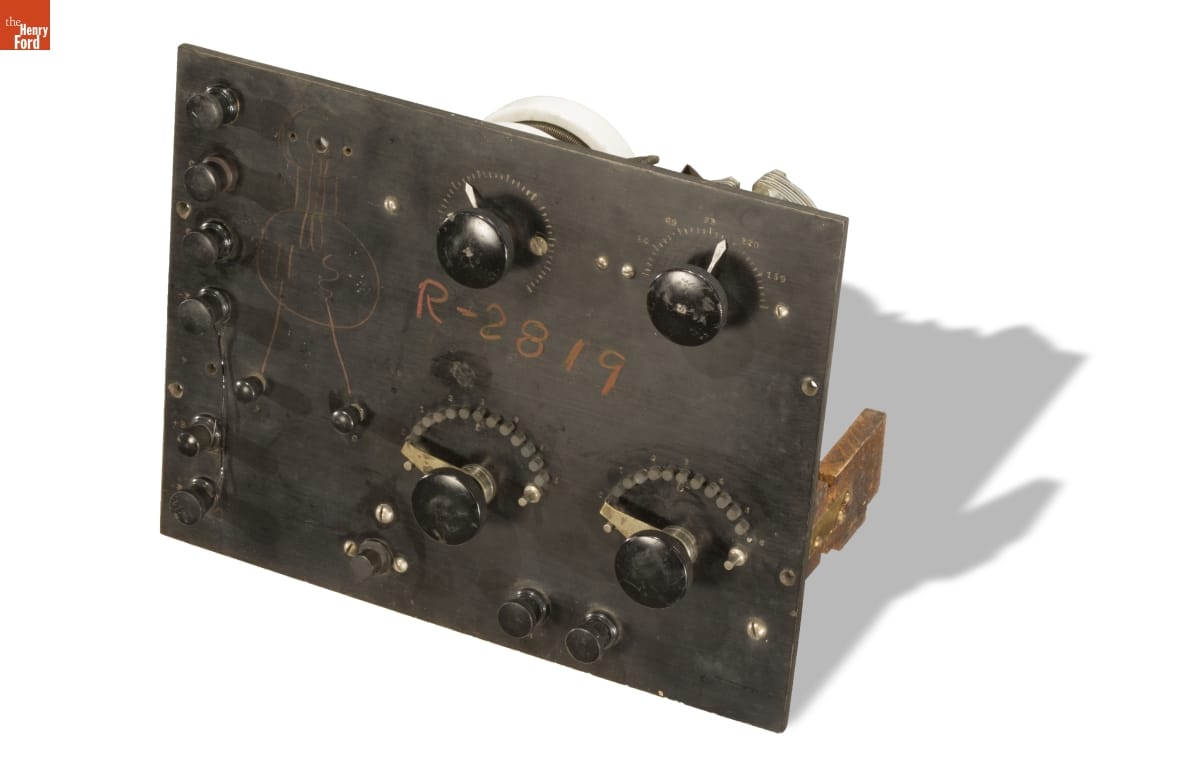
- Homemade Audion Control Box, circa 1910 -
- circa 1910
- Collections - Artifact
Homemade Audion Control Box, circa 1910
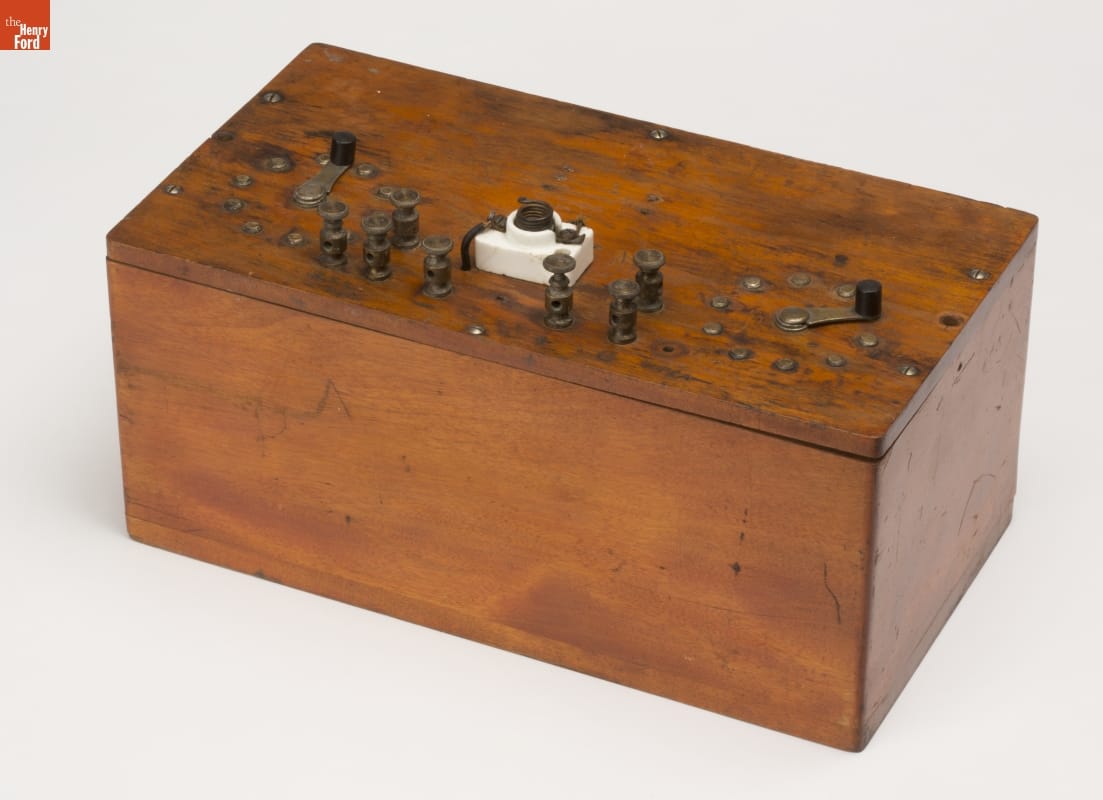
- Audion Control Box, Used in Hammond Radio Research Laboratory, circa 1910 - John Hays Hammond, Jr., was largely responsible for launching the field of radio control. In 1926, he built a medieval-inspired castle in Gloucester, Massachusetts. This site served as his home and research laboratory. With over 400 patents to his name, Hammond developed ideas for radio control, autopilot function, and targeted missile detonation. This device was used in Hammond's laboratory.
- circa 1916
- Collections - Artifact
Audion Control Box, Used in Hammond Radio Research Laboratory, circa 1910
John Hays Hammond, Jr., was largely responsible for launching the field of radio control. In 1926, he built a medieval-inspired castle in Gloucester, Massachusetts. This site served as his home and research laboratory. With over 400 patents to his name, Hammond developed ideas for radio control, autopilot function, and targeted missile detonation. This device was used in Hammond's laboratory.
- Radio Control Panel, Model UT-697, circa 1925 -
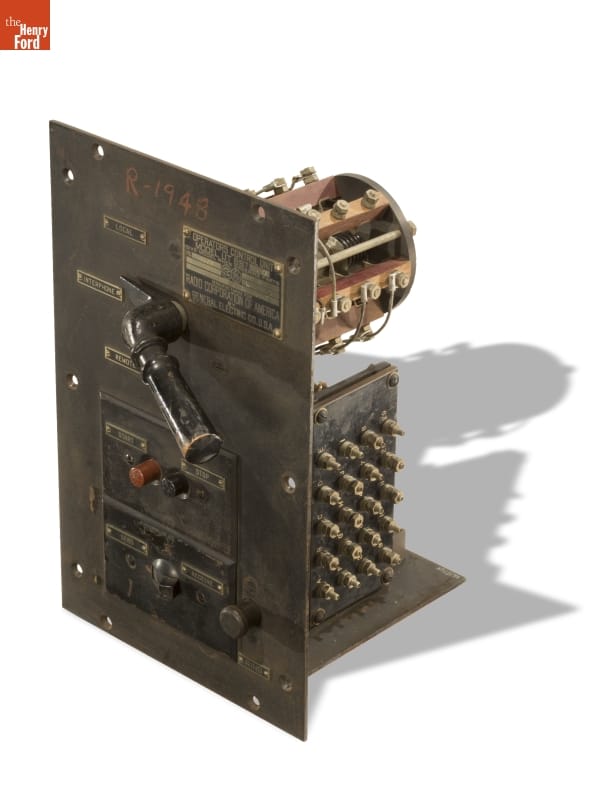
- circa 1925
- Collections - Artifact
Radio Control Panel, Model UT-697, circa 1925