
Search
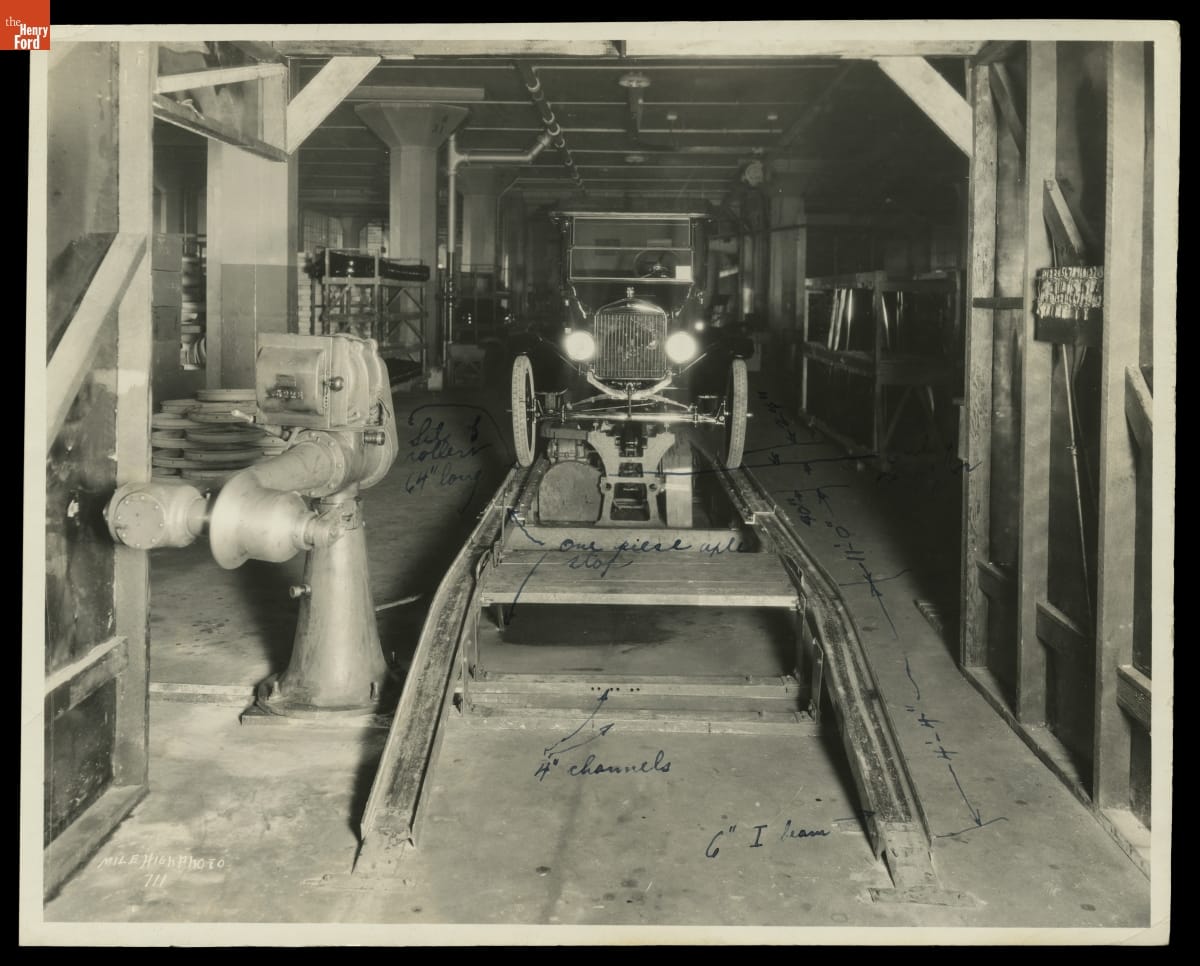
- Ford Model T on Assembly Line Conveyor, 1926-1927 - Starting in the early 1910s, Ford Motor Company opened domestic assembly plants throughout the United States. These plants allowed the company to better serve its customers, with facilities located in most major American cities. Ford opened this multi-story plant in Denver, Colorado, in 1914. Production at the plant ceased in 1933.
- 1926-1927
- Collections - Artifact
Ford Model T on Assembly Line Conveyor, 1926-1927
Starting in the early 1910s, Ford Motor Company opened domestic assembly plants throughout the United States. These plants allowed the company to better serve its customers, with facilities located in most major American cities. Ford opened this multi-story plant in Denver, Colorado, in 1914. Production at the plant ceased in 1933.
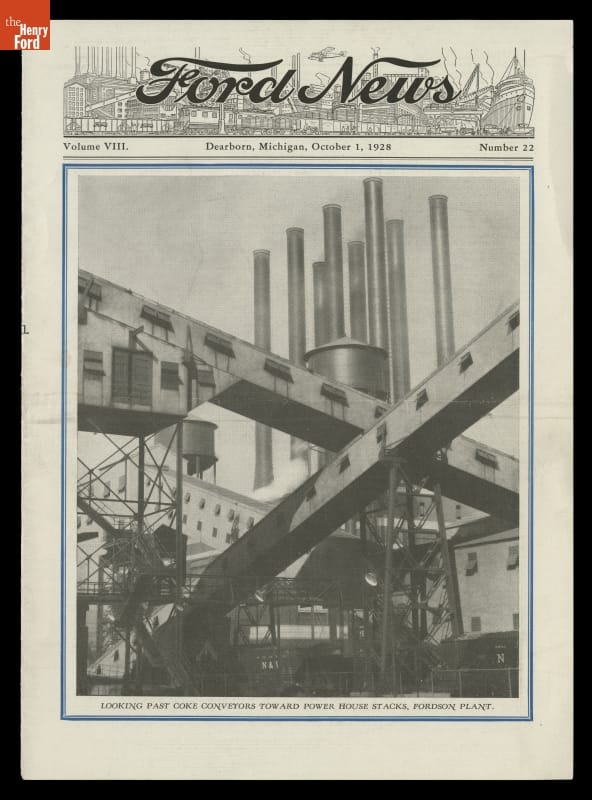
- "Ford News," October 1, 1928 - Ford Motor Company published <em>Ford News</em> from 1920 to 1942. The magazine kept employees and dealers informed on the automaker's products and activities. Each issue contained general-interest stories as well. Editors described the publication as "holding at heart the interests of the Company and employee, a digest of events in the Ford world."
- October 01, 1928
- Collections - Artifact
"Ford News," October 1, 1928
Ford Motor Company published Ford News from 1920 to 1942. The magazine kept employees and dealers informed on the automaker's products and activities. Each issue contained general-interest stories as well. Editors described the publication as "holding at heart the interests of the Company and employee, a digest of events in the Ford world."
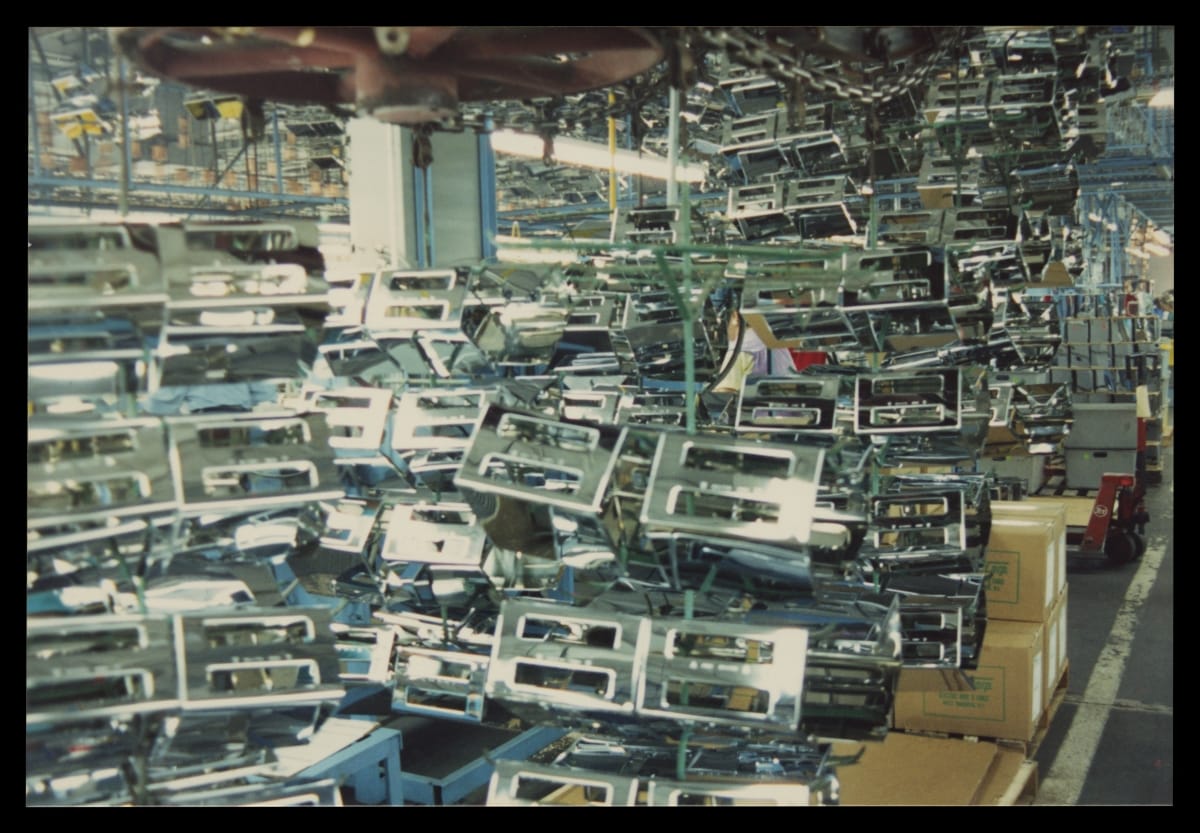
- Toaster Parts on a Conveyor Belt at the Factory, circa 2000 -
- circa 2000
- Collections - Artifact
Toaster Parts on a Conveyor Belt at the Factory, circa 2000
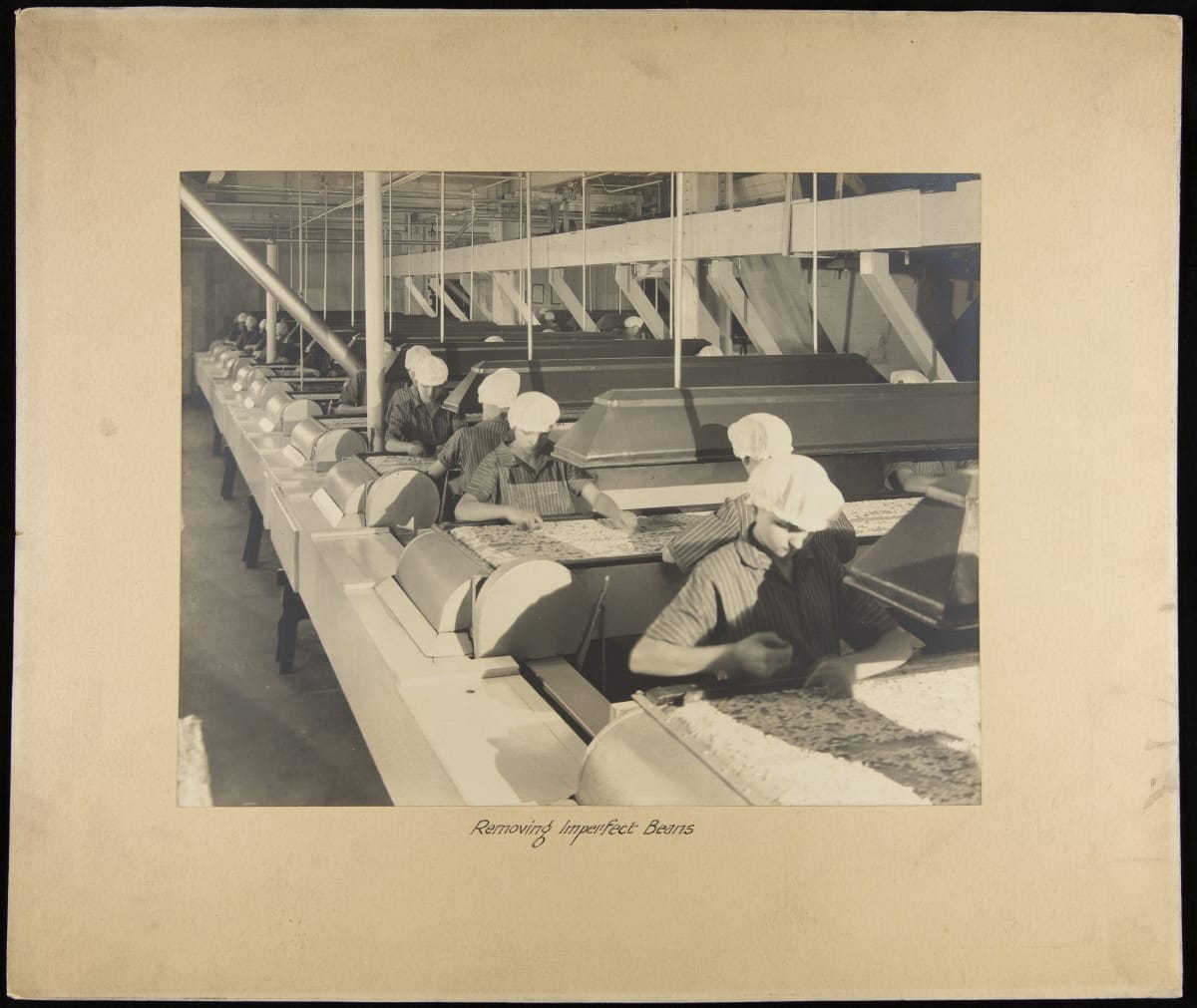
- H. J. Heinz Company, Removing Imperfect Beans, Pittsburgh, Pennsylvania, circa 1920 - Before complete mechanization of the manufacturing process, many tasks at the Heinz factory were done by hand. The H.J. Heinz Company documented the many departments of the manufacturing process through photographs. This photograph shows female employees thoroughly inspecting the beans and removing any with imperfections, before being used in baked bean products.
- circa 1920
- Collections - Artifact
H. J. Heinz Company, Removing Imperfect Beans, Pittsburgh, Pennsylvania, circa 1920
Before complete mechanization of the manufacturing process, many tasks at the Heinz factory were done by hand. The H.J. Heinz Company documented the many departments of the manufacturing process through photographs. This photograph shows female employees thoroughly inspecting the beans and removing any with imperfections, before being used in baked bean products.
- Monorail Conveyor in Ford Motor Company Highland Park Plant Machine Shop, 1914 - Ford Motor Company's assembly methods depended on the fluid movement of materials to workers. At its Highland Park plant, the company used an overhead monorail conveyor to carry parts around the factory. Each electrically powered car was driven by an operator riding in the cab. More than a mile and a half of track ran throughout the factory complex.

- 1914
- Collections - Artifact
Monorail Conveyor in Ford Motor Company Highland Park Plant Machine Shop, 1914
Ford Motor Company's assembly methods depended on the fluid movement of materials to workers. At its Highland Park plant, the company used an overhead monorail conveyor to carry parts around the factory. Each electrically powered car was driven by an operator riding in the cab. More than a mile and a half of track ran throughout the factory complex.
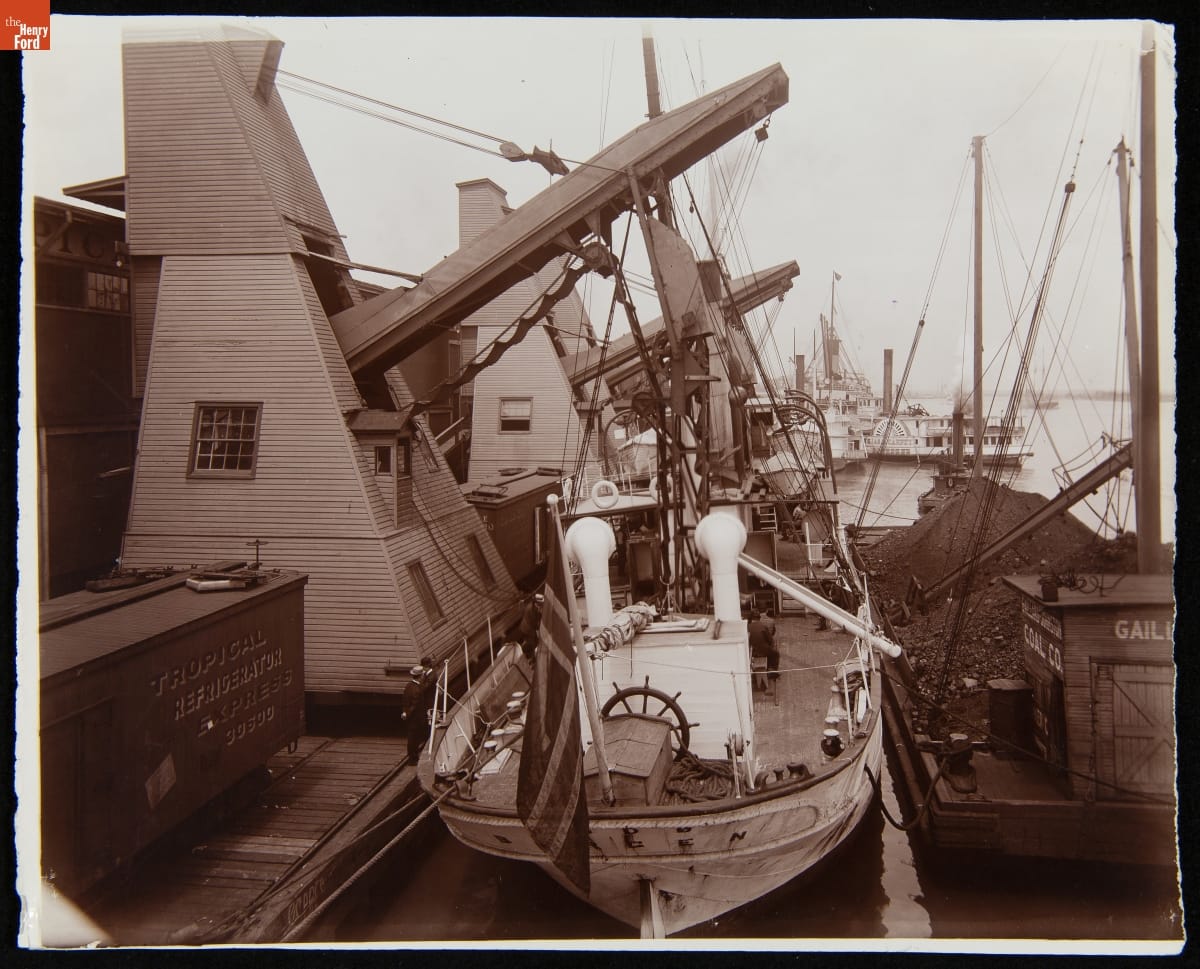
- Unloading a Banana Steamer by Machinery, Mobile, Alabama, 1900-1910 - Bananas raised on Central American plantations traveled to North American grocery stores via a transportation system controlled by competing fruit companies and their government allies. Ships hauled the commodity to U.S. ports in the Gulf of Mexico, including Mobile, Alabama. Conveyor belts moved stalks of bananas, each weighing around 86 pounds, from the ship's hold into refrigerated railcars, visible next to the ship.
- 1900-1910
- Collections - Artifact
Unloading a Banana Steamer by Machinery, Mobile, Alabama, 1900-1910
Bananas raised on Central American plantations traveled to North American grocery stores via a transportation system controlled by competing fruit companies and their government allies. Ships hauled the commodity to U.S. ports in the Gulf of Mexico, including Mobile, Alabama. Conveyor belts moved stalks of bananas, each weighing around 86 pounds, from the ship's hold into refrigerated railcars, visible next to the ship.
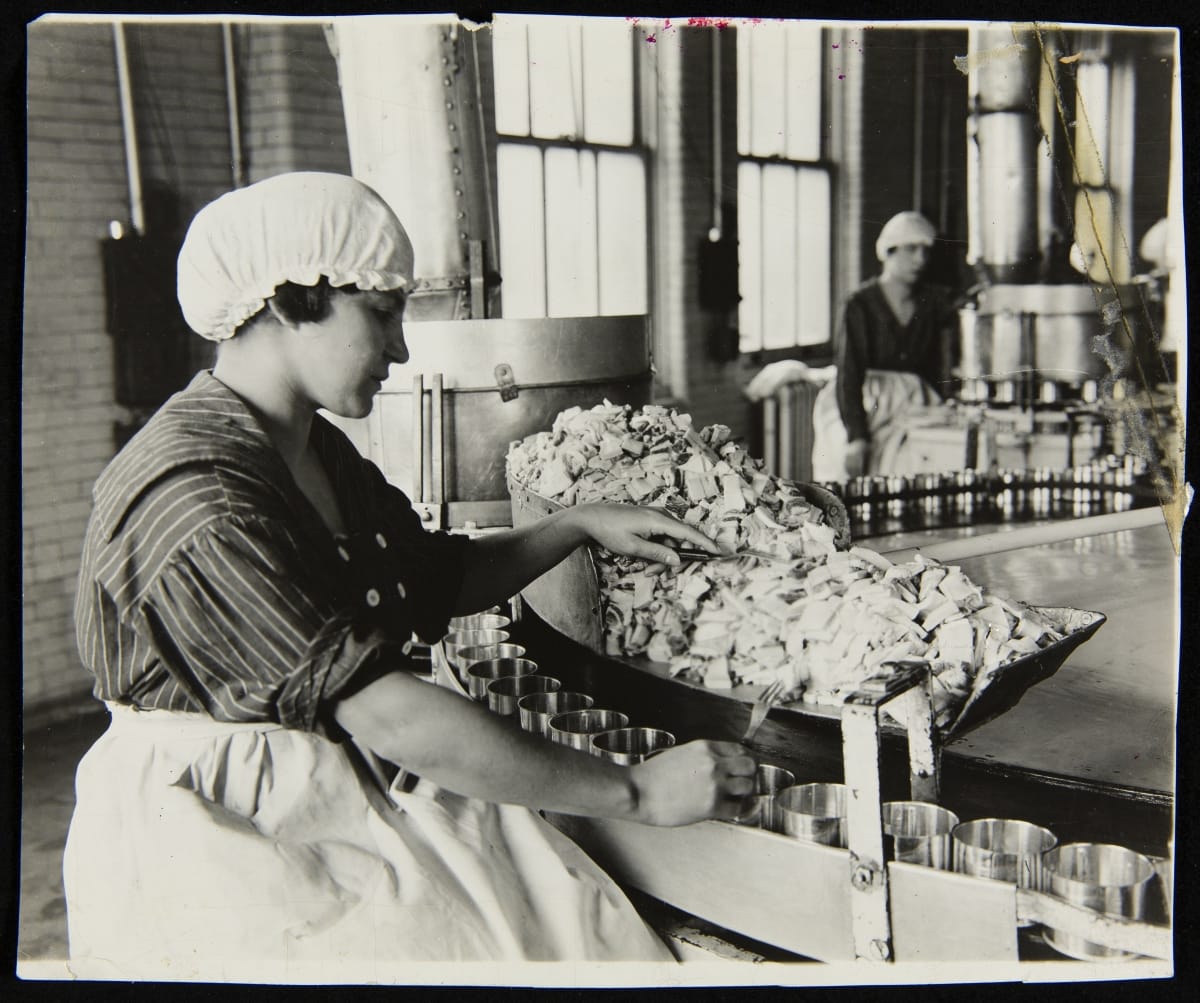
- Employee Placing Pork into Cans, H. J. Heinz Company, Pittsburgh, Pennsylvania, circa 1915 - Before complete mechanization of the manufacturing process, many tasks at the Heinz factory were done by hand. The H. J. Heinz Company documented the many departments of the manufacturing process through photographs. This photograph shows an employee placing a hand-picked piece of pork into cans for baked bean products.
- circa 1915
- Collections - Artifact
Employee Placing Pork into Cans, H. J. Heinz Company, Pittsburgh, Pennsylvania, circa 1915
Before complete mechanization of the manufacturing process, many tasks at the Heinz factory were done by hand. The H. J. Heinz Company documented the many departments of the manufacturing process through photographs. This photograph shows an employee placing a hand-picked piece of pork into cans for baked bean products.
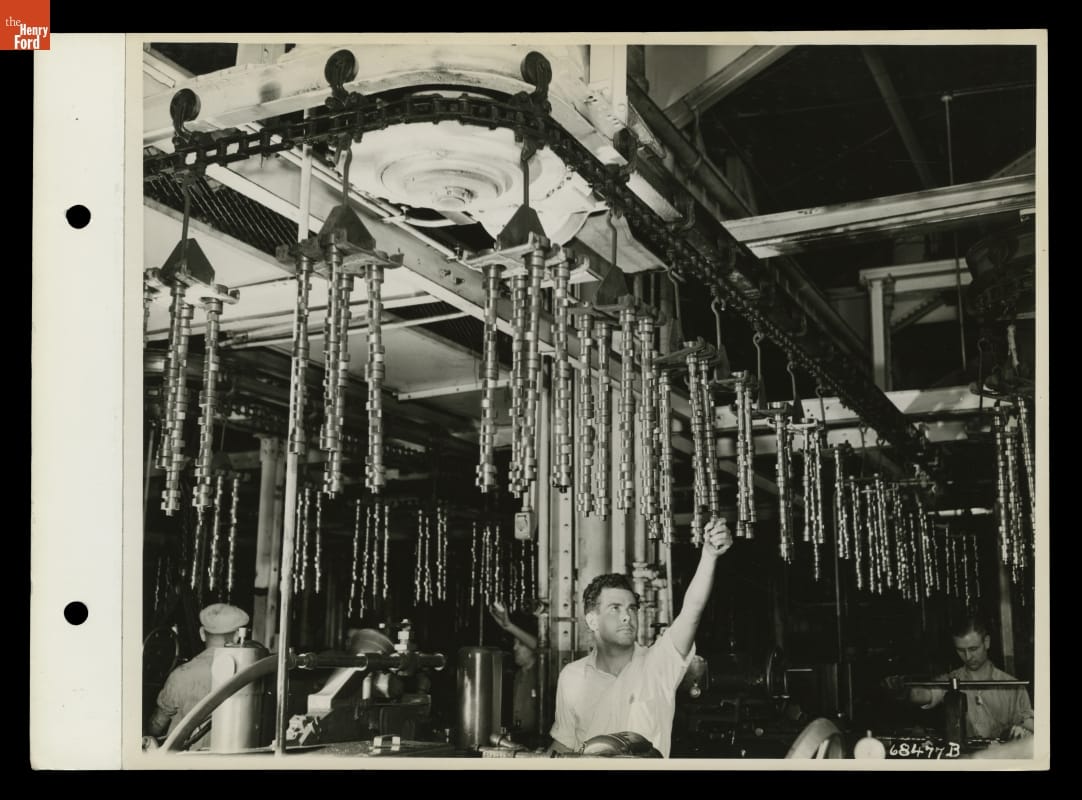
- Overhead Conveyors with Camshafts, Assembly Line at Ford Rouge Plant Motor Building, 1937 -
- June 30, 1937
- Collections - Artifact
Overhead Conveyors with Camshafts, Assembly Line at Ford Rouge Plant Motor Building, 1937
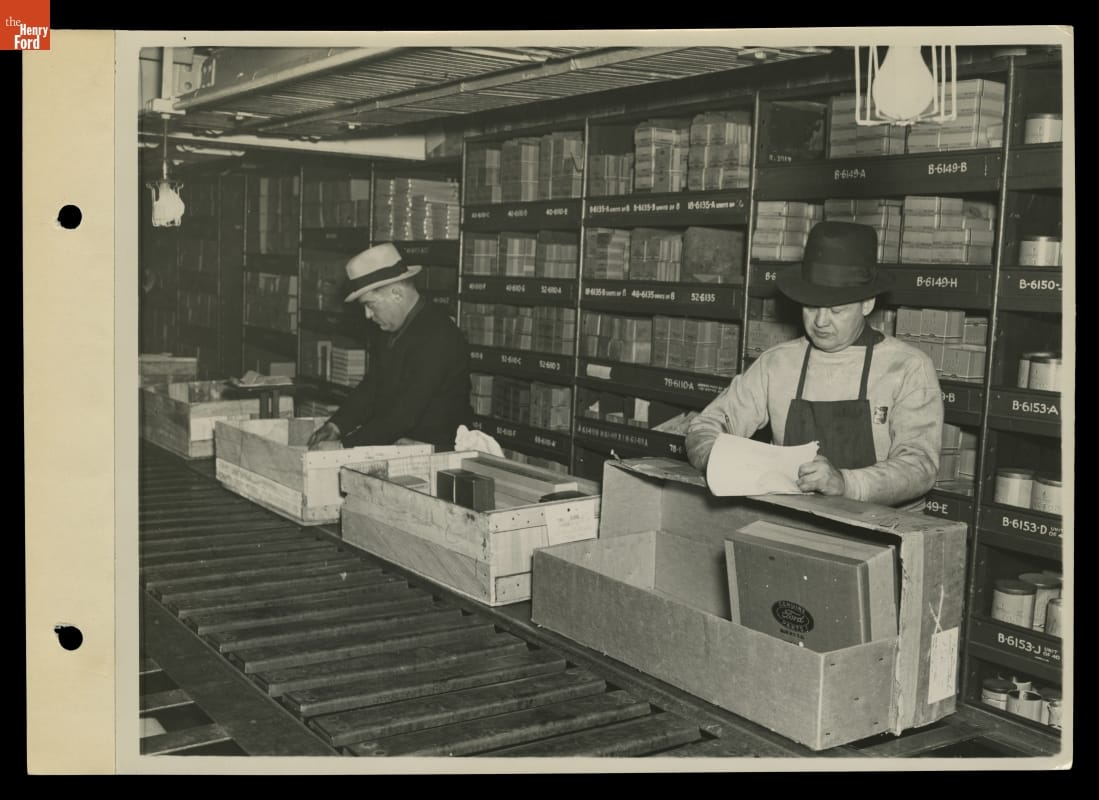
- Workers Filling Orders to Supply Automobile Parts on Assembly Line at Ford Rouge Plant, 1937 -
- December 24, 1937
- Collections - Artifact
Workers Filling Orders to Supply Automobile Parts on Assembly Line at Ford Rouge Plant, 1937
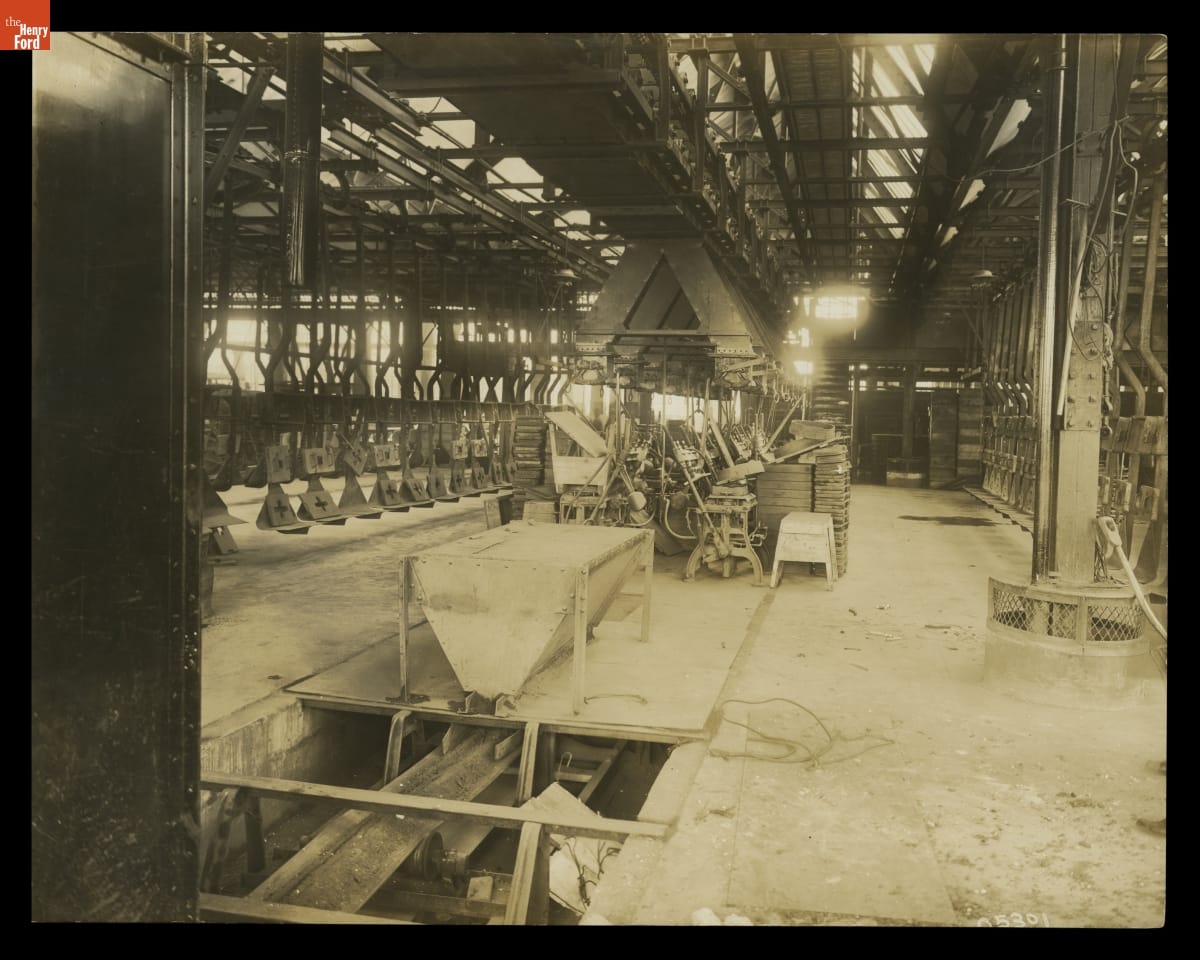
- Molding Machines and Conveyors in Foundry at Ford Motor Company Highland Park Plant, circa 1910 -
- circa 1910
- Collections - Artifact
Molding Machines and Conveyors in Foundry at Ford Motor Company Highland Park Plant, circa 1910