
Search
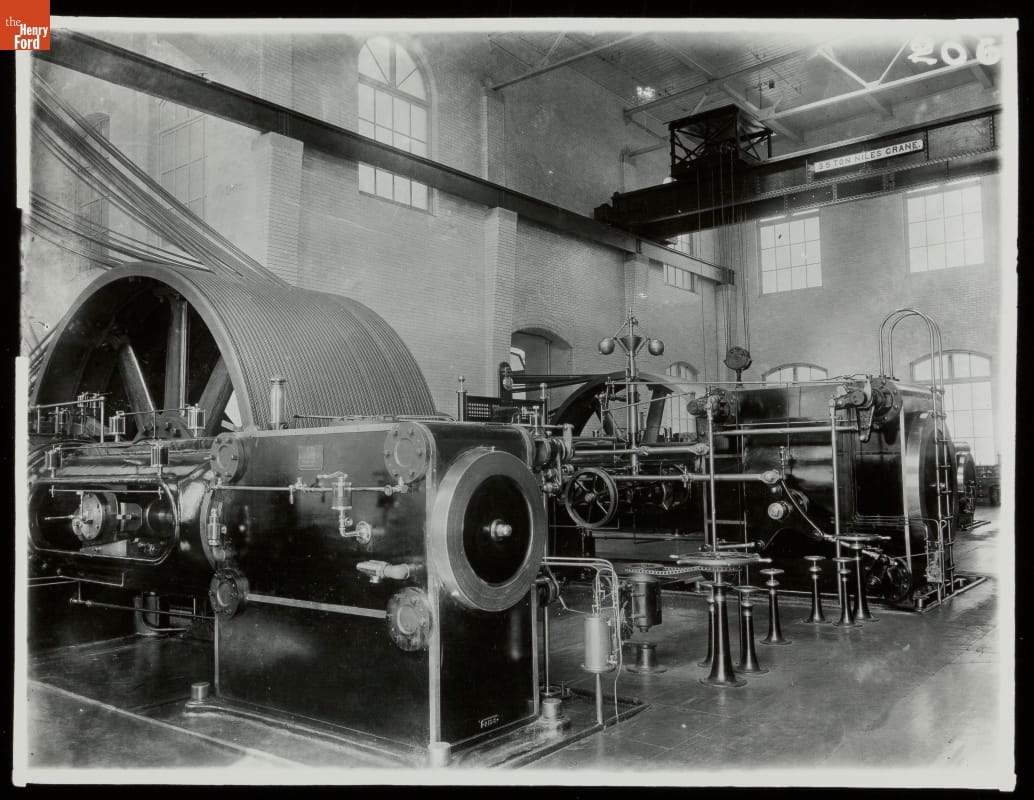
- Sharp Compound Engine at Manomet Textile Mill, New Bedford, Massachusetts, 1912 - As a center for American textile manufacture, New Bedford, Massachusetts, was driven by steam. Factories housed huge steam engines that powered generators to create the electricity needed to run mill machinery. This engine room powered Manomet Textile Mill, just one of the nearly 70 textile mills operating in New Bedford around the turn of the 20th century.
- February 01, 1912
- Collections - Artifact
Sharp Compound Engine at Manomet Textile Mill, New Bedford, Massachusetts, 1912
As a center for American textile manufacture, New Bedford, Massachusetts, was driven by steam. Factories housed huge steam engines that powered generators to create the electricity needed to run mill machinery. This engine room powered Manomet Textile Mill, just one of the nearly 70 textile mills operating in New Bedford around the turn of the 20th century.
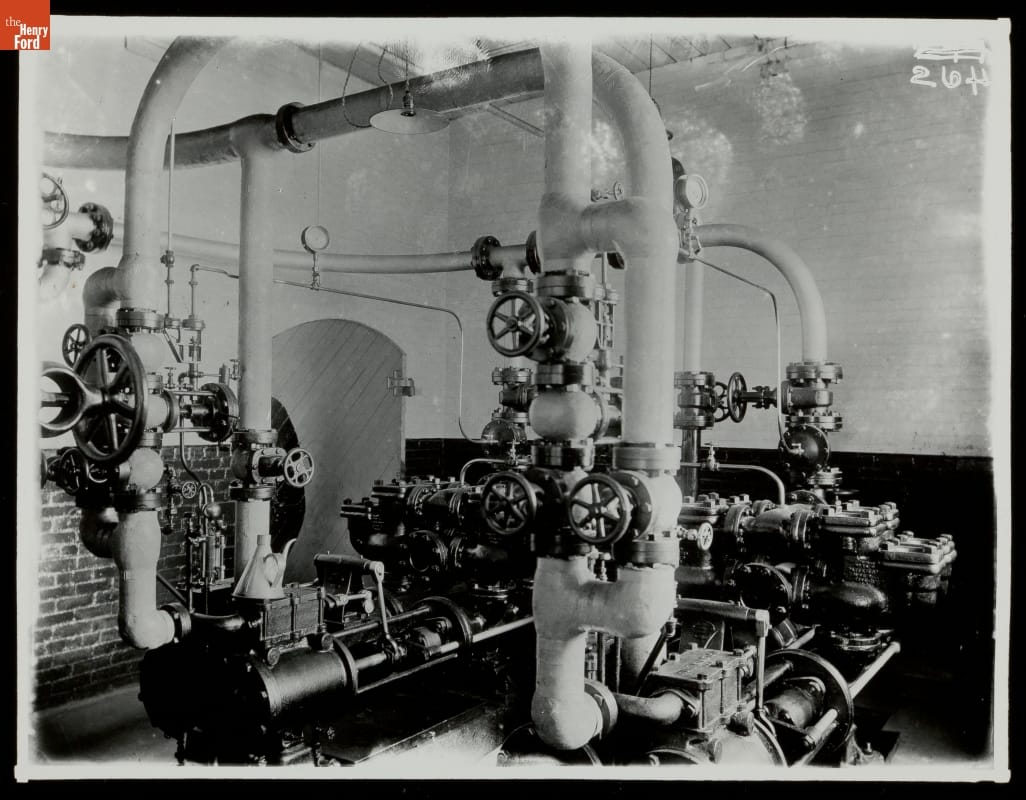
- Engine Room at Manomet Textile Mill, New Bedford, Massachusetts, 1912. - As a center for American textile manufacture, New Bedford, Massachusetts, was driven by steam. Factories housed huge steam engines that powered generators to create the electricity needed to run mill machinery. This engine room powered Manomet Textile Mill, just one of the nearly 70 textile mills operating in New Bedford around the turn of the 20th century.
- February 01, 1912
- Collections - Artifact
Engine Room at Manomet Textile Mill, New Bedford, Massachusetts, 1912.
As a center for American textile manufacture, New Bedford, Massachusetts, was driven by steam. Factories housed huge steam engines that powered generators to create the electricity needed to run mill machinery. This engine room powered Manomet Textile Mill, just one of the nearly 70 textile mills operating in New Bedford around the turn of the 20th century.
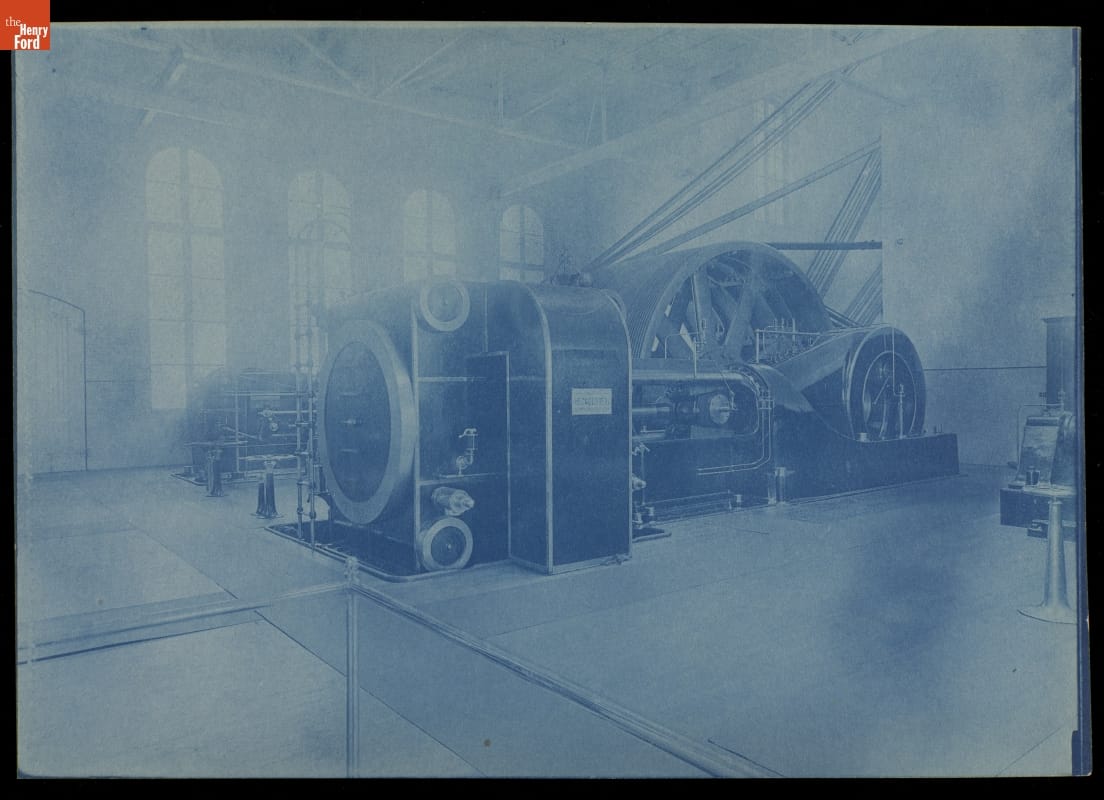
- C. & G. Cooper Steam Engine at Manomet Textile Mill, New Bedford, Massachusetts, 1912 - As a center for American textile manufacture, New Bedford, Massachusetts, was driven by steam. Factories housed huge steam engines that powered generators to create the electricity needed to run mill machinery. This engine room powered Manomet Textile Mill, just one of the nearly 70 textile mills operating in New Bedford around the turn of the 20th century.
- February 01, 1912
- Collections - Artifact
C. & G. Cooper Steam Engine at Manomet Textile Mill, New Bedford, Massachusetts, 1912
As a center for American textile manufacture, New Bedford, Massachusetts, was driven by steam. Factories housed huge steam engines that powered generators to create the electricity needed to run mill machinery. This engine room powered Manomet Textile Mill, just one of the nearly 70 textile mills operating in New Bedford around the turn of the 20th century.
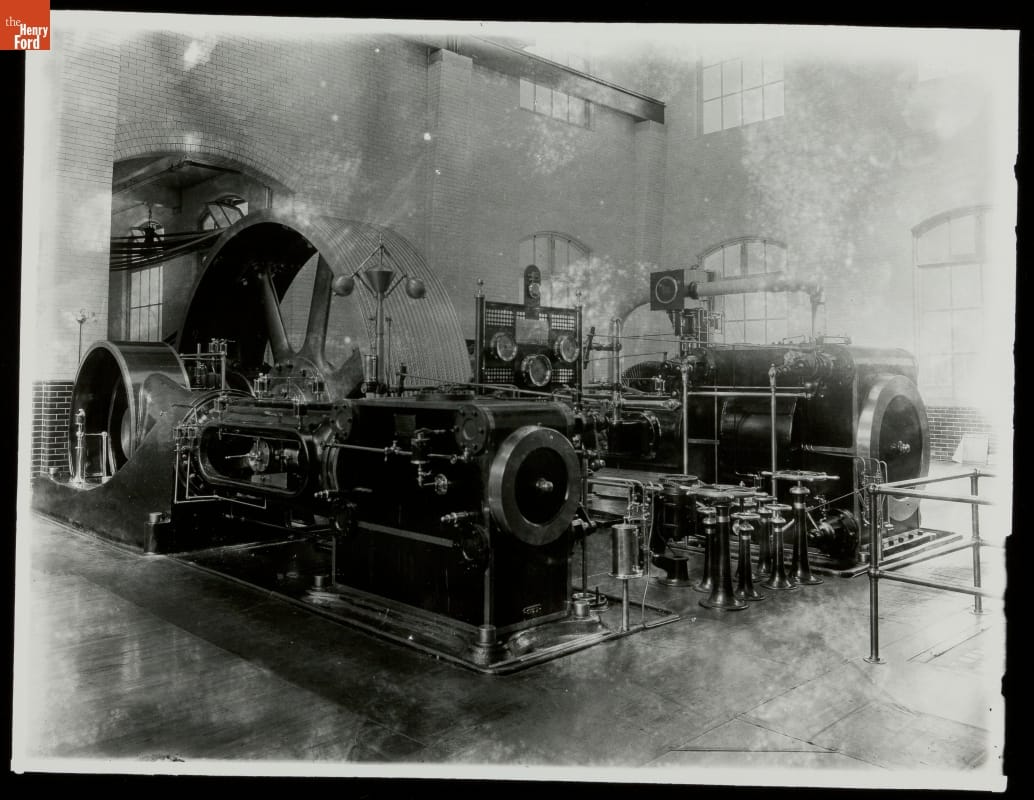
- Compound Engine at Manomet Textile Mill, New Bedford, Massachusetts, 1912 - As a center for American textile manufacture, New Bedford, Massachusetts, was driven by steam. Factories housed huge steam engines that powered generators to create the electricity needed to run mill machinery. This engine room powered Manomet Textile Mill, just one of the nearly 70 textile mills operating in New Bedford around the turn of the 20th century.
- February 01, 1912
- Collections - Artifact
Compound Engine at Manomet Textile Mill, New Bedford, Massachusetts, 1912
As a center for American textile manufacture, New Bedford, Massachusetts, was driven by steam. Factories housed huge steam engines that powered generators to create the electricity needed to run mill machinery. This engine room powered Manomet Textile Mill, just one of the nearly 70 textile mills operating in New Bedford around the turn of the 20th century.
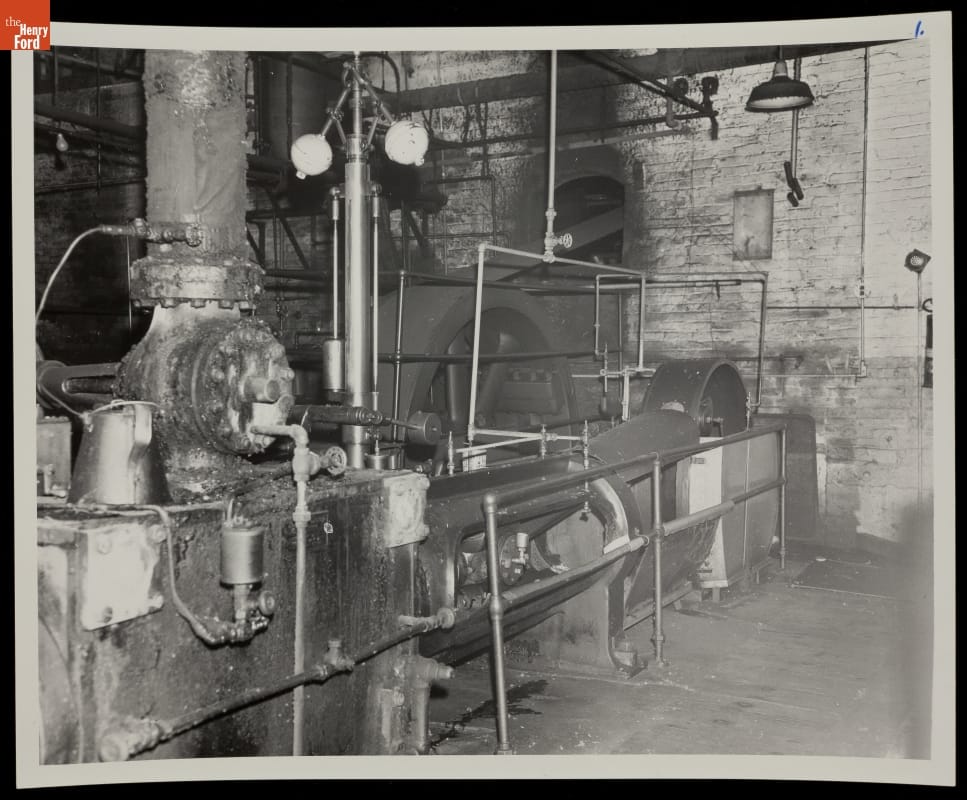
- Steam Engine Housed in Engine Room, Ohio, circa 1912 - By the late 1800s, steam powered most American factories. Steam engines like this one in Ohio generated factory power well into the 20th century. From here, a system of belts, pulleys, and shafts conveyed the energy to machines. In this photograph, a large belt connected to the flywheel runs into the factory through the engine room wall.
- circa 1912
- Collections - Artifact
Steam Engine Housed in Engine Room, Ohio, circa 1912
By the late 1800s, steam powered most American factories. Steam engines like this one in Ohio generated factory power well into the 20th century. From here, a system of belts, pulleys, and shafts conveyed the energy to machines. In this photograph, a large belt connected to the flywheel runs into the factory through the engine room wall.
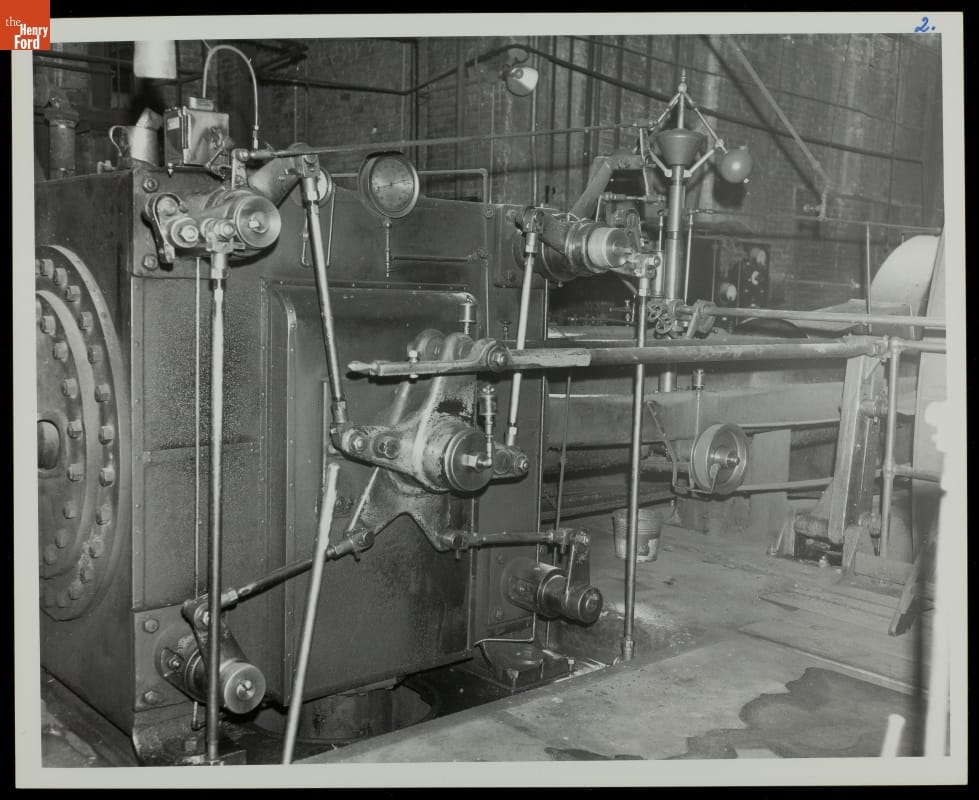
- Detail View of Front of Steam Engine, circa 1912 - By the late 1800s, steam powered most American factories. Steam engines like this one in Ohio generated factory power well into the 20th century. A system of belts, pulleys, and shafts conveyed energy from the engine room to factory machines.
- circa 1912
- Collections - Artifact
Detail View of Front of Steam Engine, circa 1912
By the late 1800s, steam powered most American factories. Steam engines like this one in Ohio generated factory power well into the 20th century. A system of belts, pulleys, and shafts conveyed energy from the engine room to factory machines.
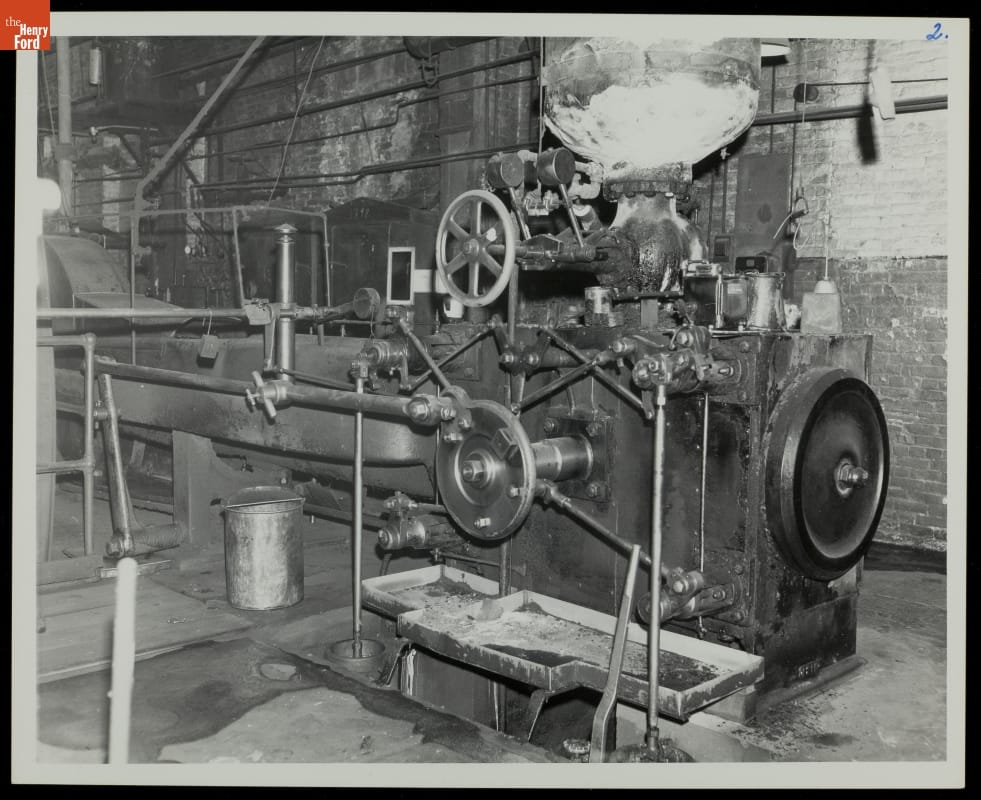
- Detail View of Steam Engine in Engine Room, Ohio, circa 1912 - Steam powered most American factories by the late 1800s, and steam engines generated power in engine rooms like this one in Ohio well into the 20th century. From here, a system of belts, pulleys, and shafts conveyed the energy to factory machines.
- circa 1912
- Collections - Artifact
Detail View of Steam Engine in Engine Room, Ohio, circa 1912
Steam powered most American factories by the late 1800s, and steam engines generated power in engine rooms like this one in Ohio well into the 20th century. From here, a system of belts, pulleys, and shafts conveyed the energy to factory machines.
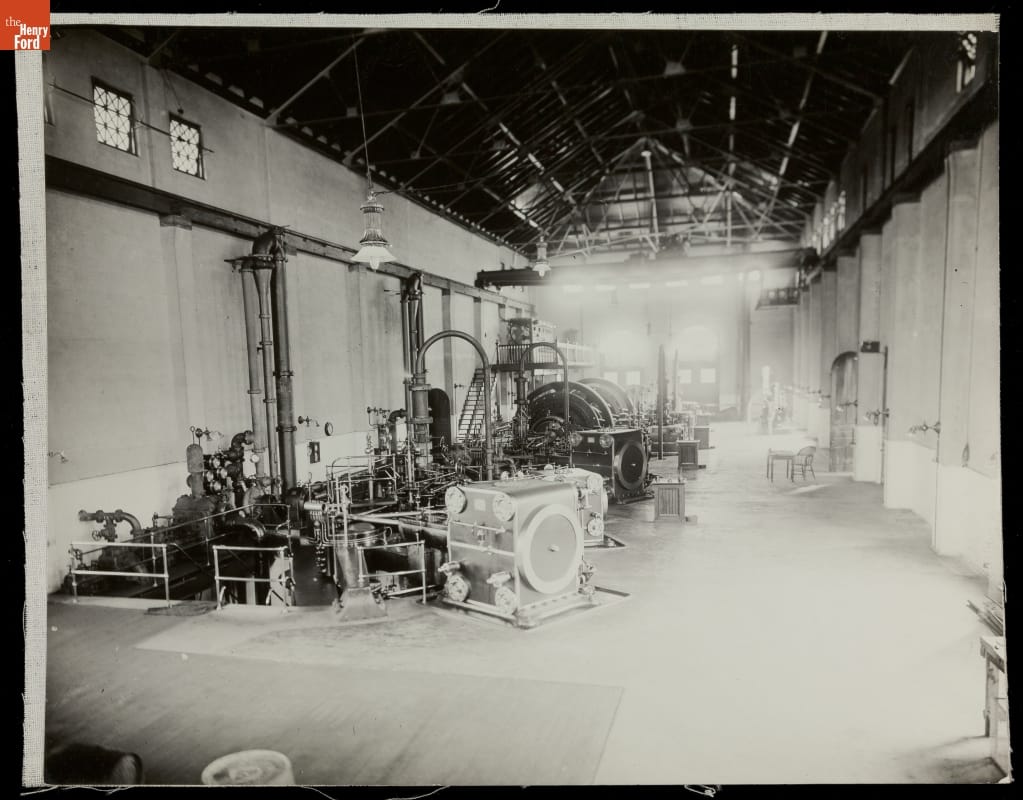
- Engine Room of Unknown Factory, circa 1912 - Steam powered most American factories by the late 1800s, and steam engines generated power in engine rooms like this well into the 20th century. From here, a system of belts, pulleys, and shafts conveyed the energy to factory machines.
- circa 1912
- Collections - Artifact
Engine Room of Unknown Factory, circa 1912
Steam powered most American factories by the late 1800s, and steam engines generated power in engine rooms like this well into the 20th century. From here, a system of belts, pulleys, and shafts conveyed the energy to factory machines.
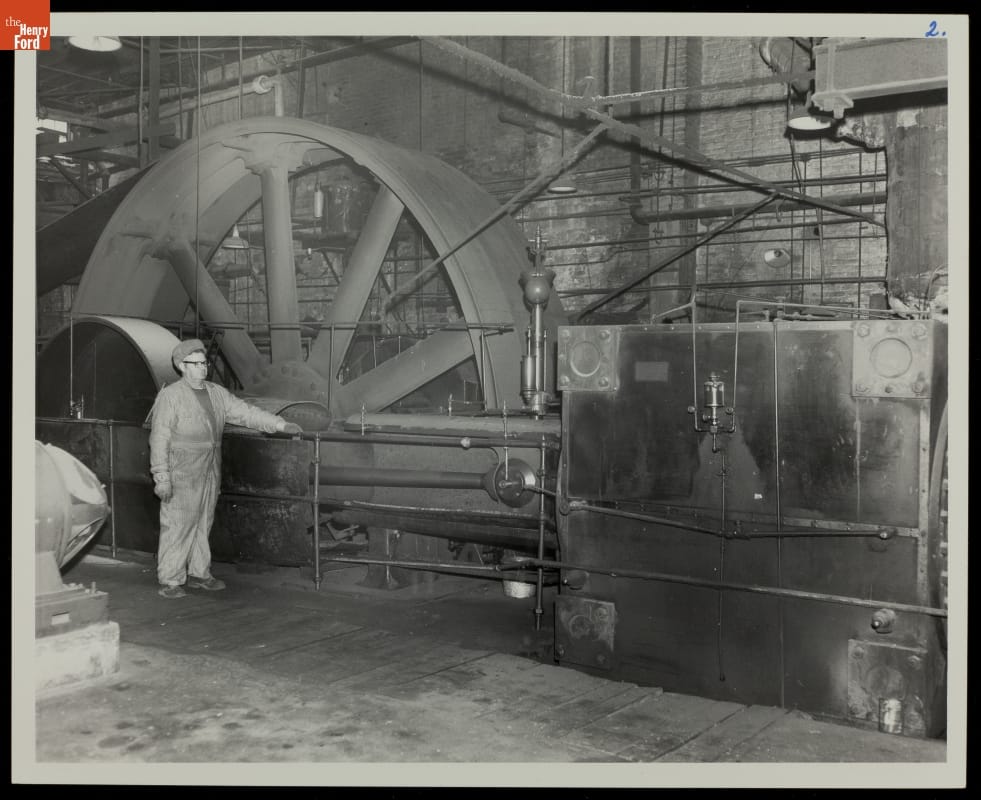
- Machine Operator Standing with Steam Engine in Engine Room, Ohio circa 1950 - Failure to care for a factory's steam engine could shut down plant operations. Factories hired skilled mechanics and purchased specialized tools to keep engines running smoothly and reliably. This Ohio machinist maintained a large stationary steam engine along with the system of belts, pulleys, and shafts that conveyed its power to factory machines.
- circa 1950
- Collections - Artifact
Machine Operator Standing with Steam Engine in Engine Room, Ohio circa 1950
Failure to care for a factory's steam engine could shut down plant operations. Factories hired skilled mechanics and purchased specialized tools to keep engines running smoothly and reliably. This Ohio machinist maintained a large stationary steam engine along with the system of belts, pulleys, and shafts that conveyed its power to factory machines.
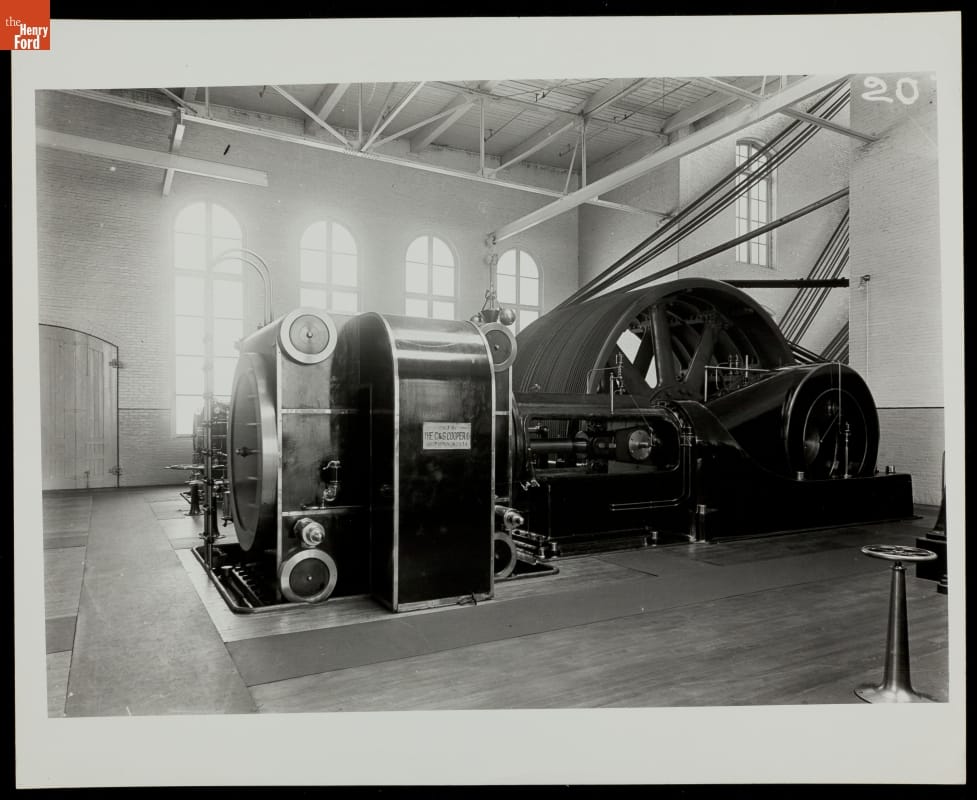
- C. & G. Cooper Steam Engine at Manomet Textile Mill, New Bedford, Massachusetts, 1912 - As a center for American textile manufacture, New Bedford, Massachusetts, was driven by steam. Factories housed huge steam engines that powered generators to create the electricity needed to run mill machinery. This engine room powered Manomet Textile Mill, just one of the nearly 70 textile mills operating in New Bedford around the turn of the 20th century.
- February 01, 1912
- Collections - Artifact
C. & G. Cooper Steam Engine at Manomet Textile Mill, New Bedford, Massachusetts, 1912
As a center for American textile manufacture, New Bedford, Massachusetts, was driven by steam. Factories housed huge steam engines that powered generators to create the electricity needed to run mill machinery. This engine room powered Manomet Textile Mill, just one of the nearly 70 textile mills operating in New Bedford around the turn of the 20th century.