
Search
- Picking Cotton, Georgia, 1887 -
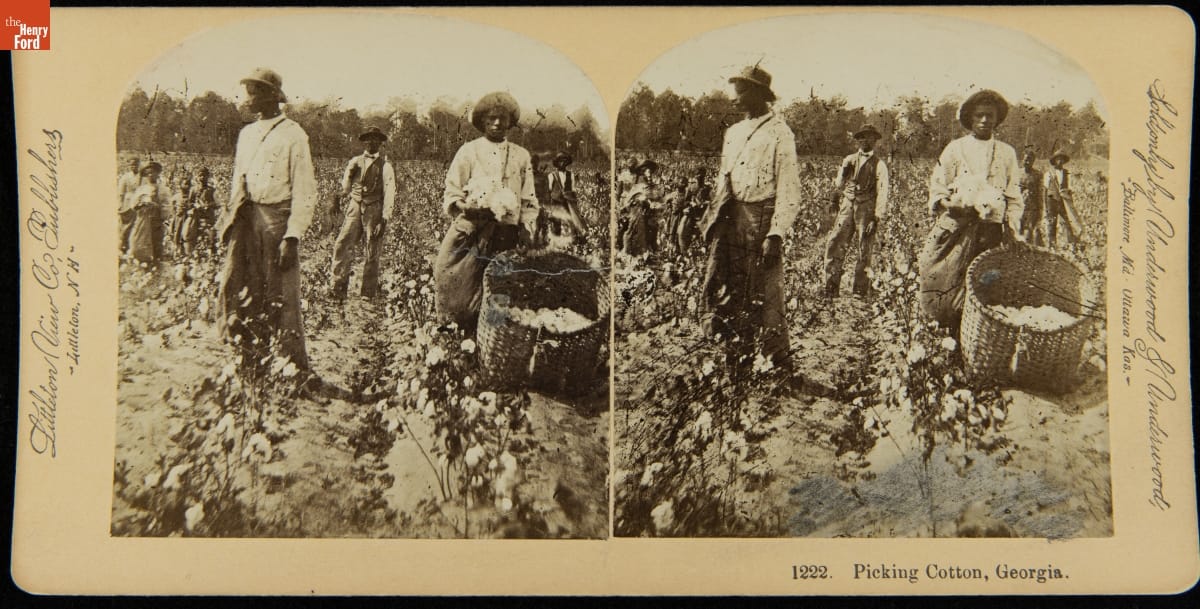
- 1887
- Collections - Artifact
Picking Cotton, Georgia, 1887
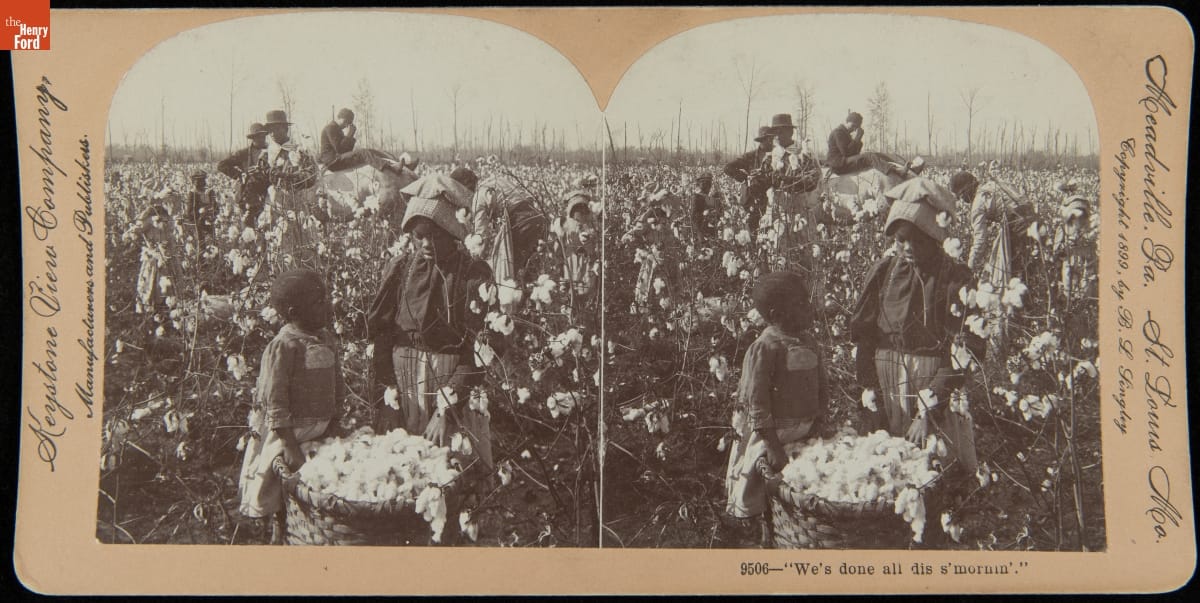
- "We's done all dis s'mornin'," 1899 - This stereograph features children with a full basket of cotton, the cash crop dominating southern agriculture at the time. The caption, in dialect, implied that these children were uneducated. Its translation into six languages conveyed that impression internationally. In reality, cotton pickers earned low wages (one penny per pound) and their impoverished condition undermined access to adequate education.
- 1899
- Collections - Artifact
"We's done all dis s'mornin'," 1899
This stereograph features children with a full basket of cotton, the cash crop dominating southern agriculture at the time. The caption, in dialect, implied that these children were uneducated. Its translation into six languages conveyed that impression internationally. In reality, cotton pickers earned low wages (one penny per pound) and their impoverished condition undermined access to adequate education.
- Peter Cousins with Rust Cotton Picker in Henry Ford Museum, 1995 -

- February 13, 1995
- Collections - Artifact
Peter Cousins with Rust Cotton Picker in Henry Ford Museum, 1995
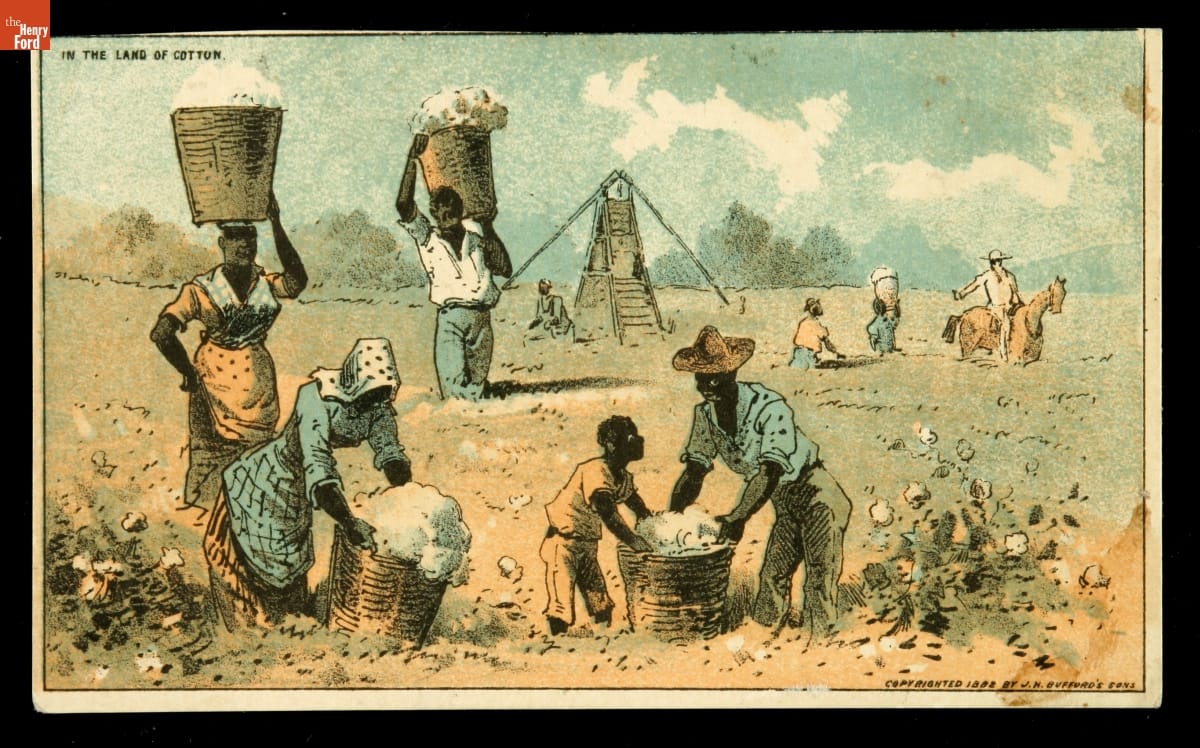
- Trade Card for Wilmot Clothing Co., "In the Land of Cotton," 1882 - Late 19th century trade cards contain colorful illustrations and promotional text to sell products. They also reflect the prejudices of the time. This card for a clothing company depicts African Americans picking cotton. To the white consumer, this image subtly reinforced their romanticized view of race relations -- one where benevolent whites ruled and blacks "knew their place."
- 1882
- Collections - Artifact
Trade Card for Wilmot Clothing Co., "In the Land of Cotton," 1882
Late 19th century trade cards contain colorful illustrations and promotional text to sell products. They also reflect the prejudices of the time. This card for a clothing company depicts African Americans picking cotton. To the white consumer, this image subtly reinforced their romanticized view of race relations -- one where benevolent whites ruled and blacks "knew their place."
- Picking Cotton, Louisiana, 1883-1900 -
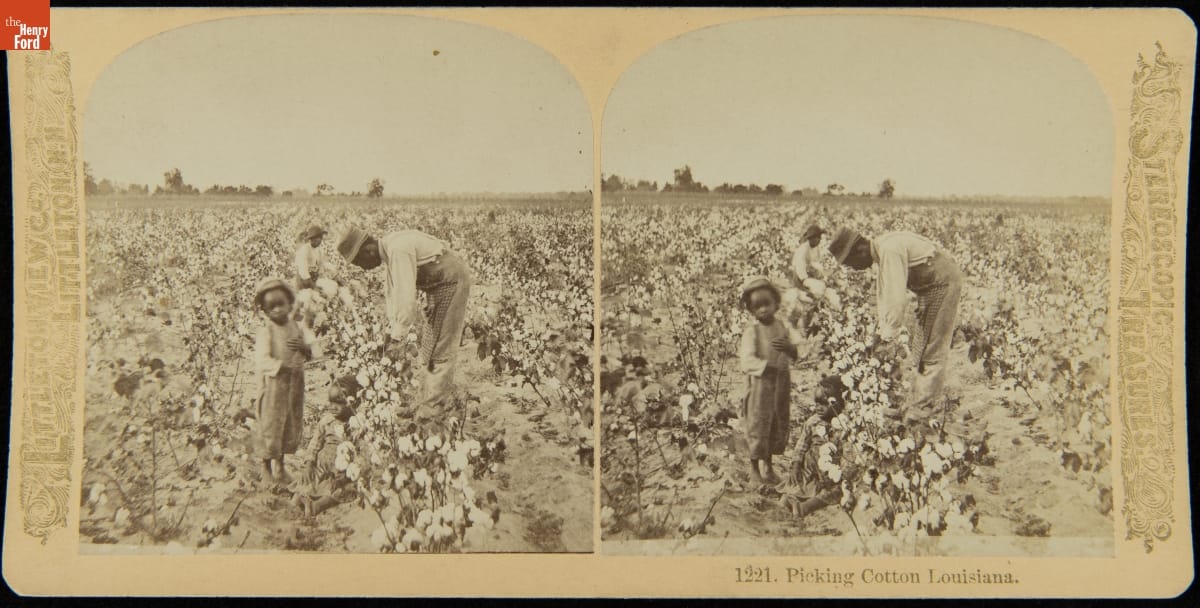
- 1883-1900
- Collections - Artifact
Picking Cotton, Louisiana, 1883-1900
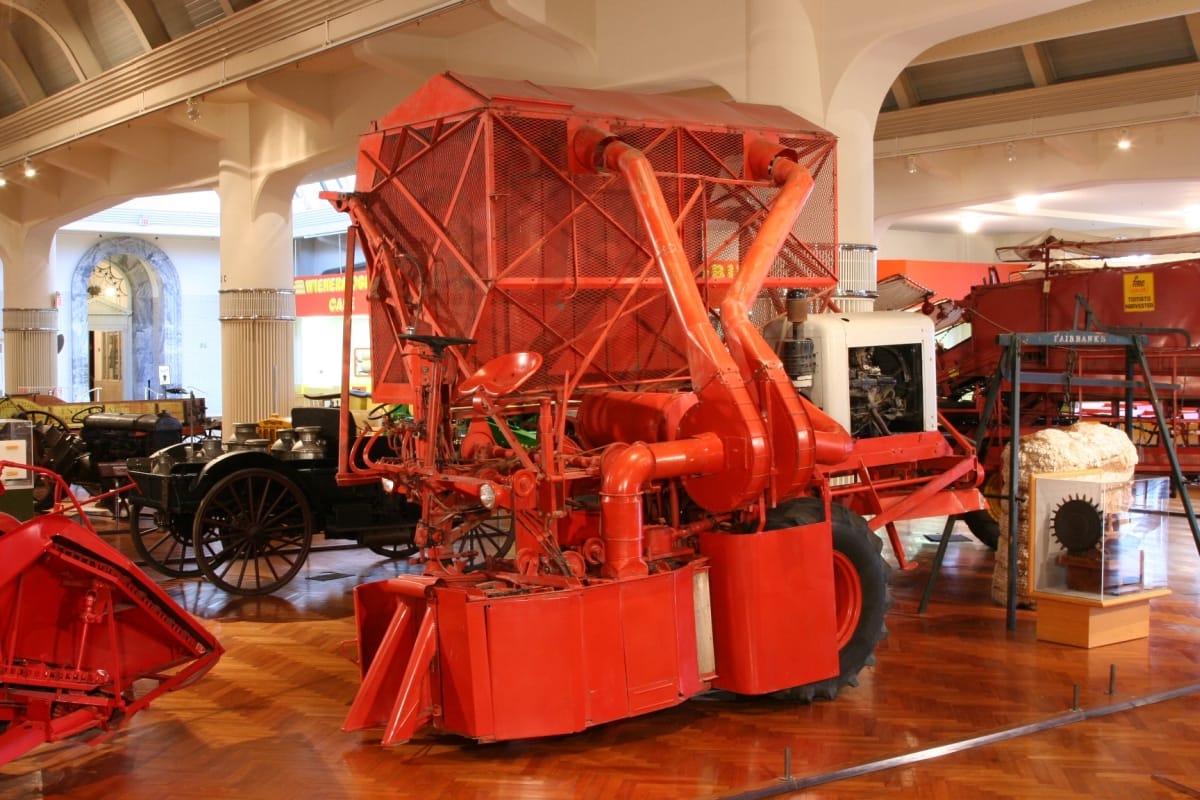
- Self-Propelled Cotton Picker, 1950 - This is the first commercially successful self-propelled cotton picker. The inventor, John Rust, worked for decades to develop a machine that would end the back-breaking labor of picking cotton that he experienced in his youth. The machine reduced the labor required to pick cotton by 80%, contributing to the Great Migration from the rural south to northern cities in the 1950s.
- 1950
- Collections - Artifact
Self-Propelled Cotton Picker, 1950
This is the first commercially successful self-propelled cotton picker. The inventor, John Rust, worked for decades to develop a machine that would end the back-breaking labor of picking cotton that he experienced in his youth. The machine reduced the labor required to pick cotton by 80%, contributing to the Great Migration from the rural south to northern cities in the 1950s.
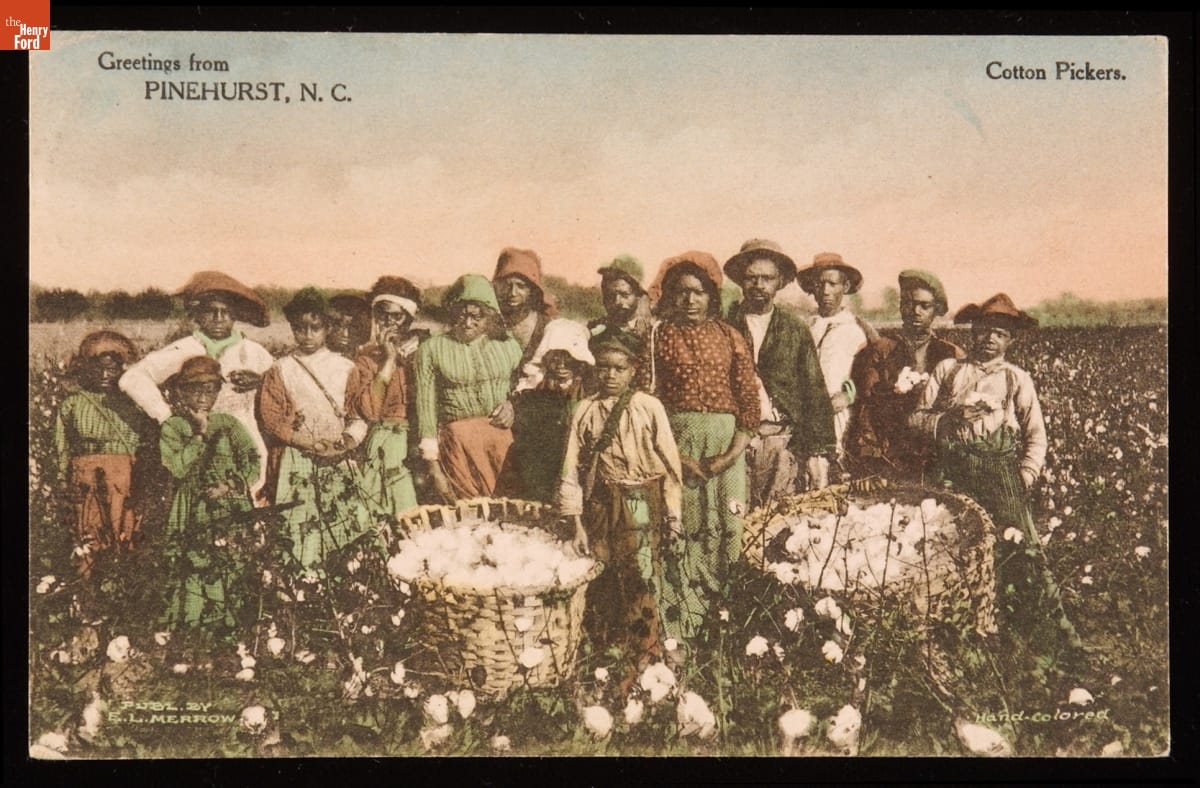
- Postcard, "Cotton Pickers. Greetings from Pinehurst, North Carolina," circa 1917 - During the late 19th and into the mid-20th century, most white Americans continued to view African Americans as inferior, second-class citizens. This postcard from 1917 confirmed to many whites the lack of African-American advancement. These depictions found in many everyday materials and purchased by whites continually tied African Americans to economic and social subservience.
- circa 1917
- Collections - Artifact
Postcard, "Cotton Pickers. Greetings from Pinehurst, North Carolina," circa 1917
During the late 19th and into the mid-20th century, most white Americans continued to view African Americans as inferior, second-class citizens. This postcard from 1917 confirmed to many whites the lack of African-American advancement. These depictions found in many everyday materials and purchased by whites continually tied African Americans to economic and social subservience.
- Ben Pearson Cotton Picker Sign, 1975 -
- 1975
- Collections - Artifact
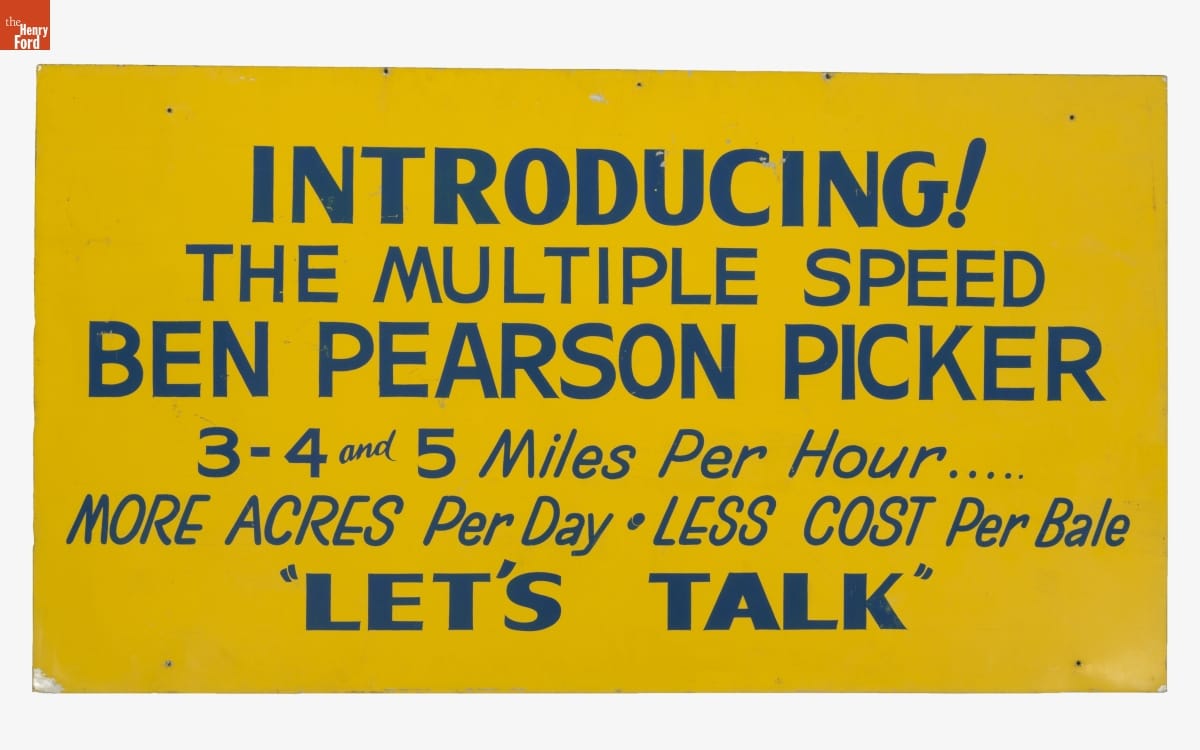
Ben Pearson Cotton Picker Sign, 1975
- Rust Cotton Picker, circa 1975 -
- circa 1975
- Collections - Artifact
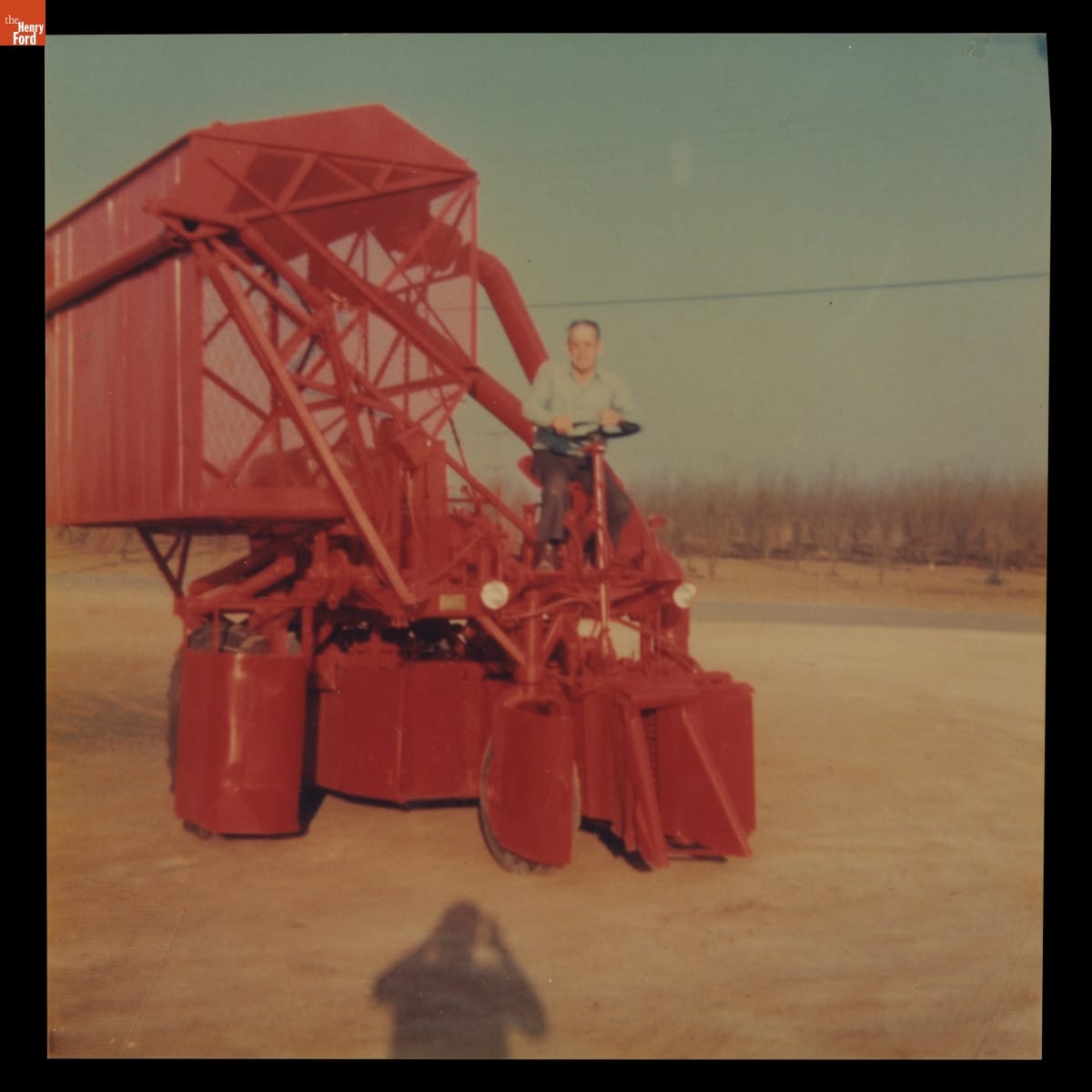
Rust Cotton Picker, circa 1975
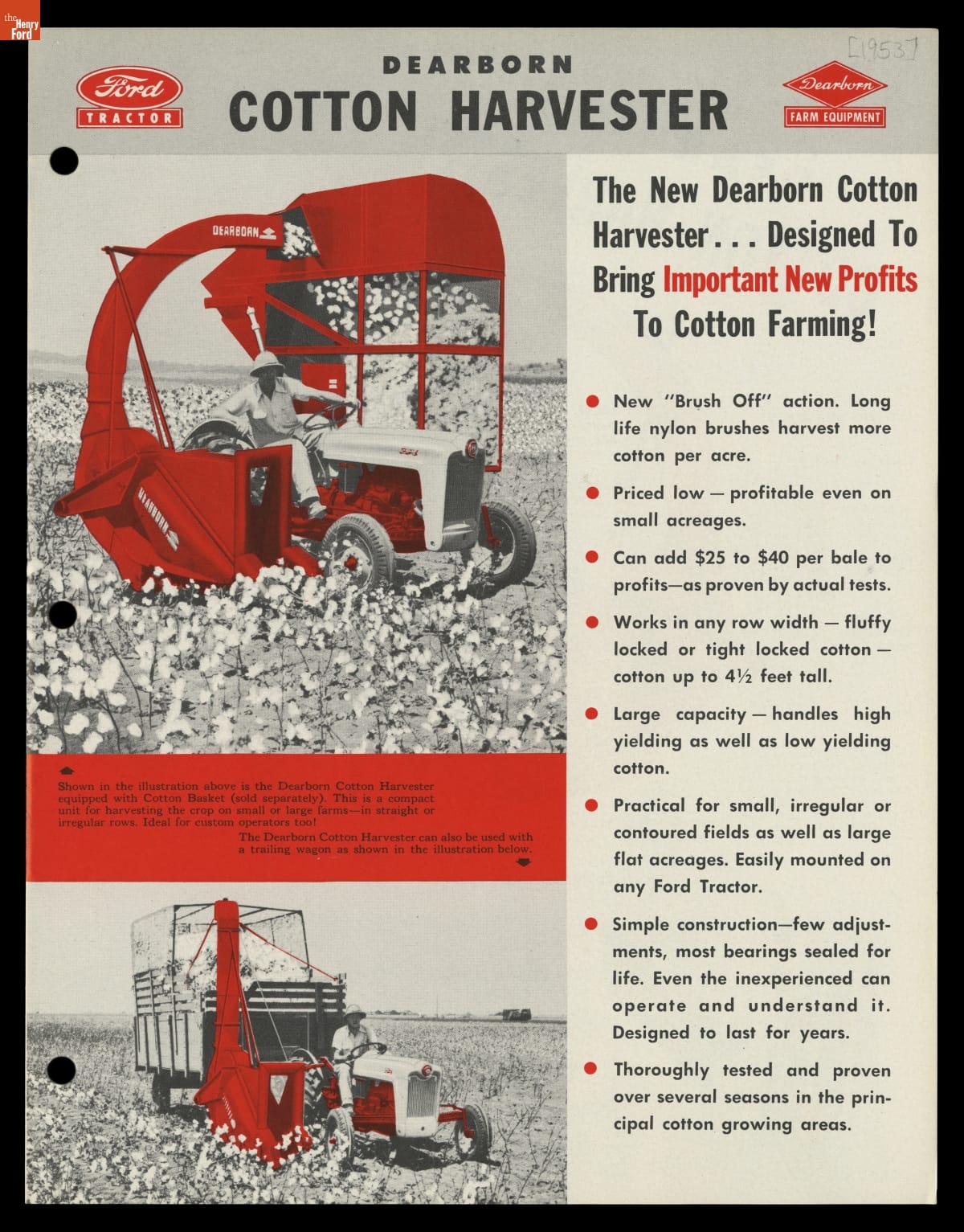
- Brochure, "Dearborn Cotton Harvester for Use with Ford Tractor," 1953 -
- 1953
- Collections - Artifact
Brochure, "Dearborn Cotton Harvester for Use with Ford Tractor," 1953