
Search
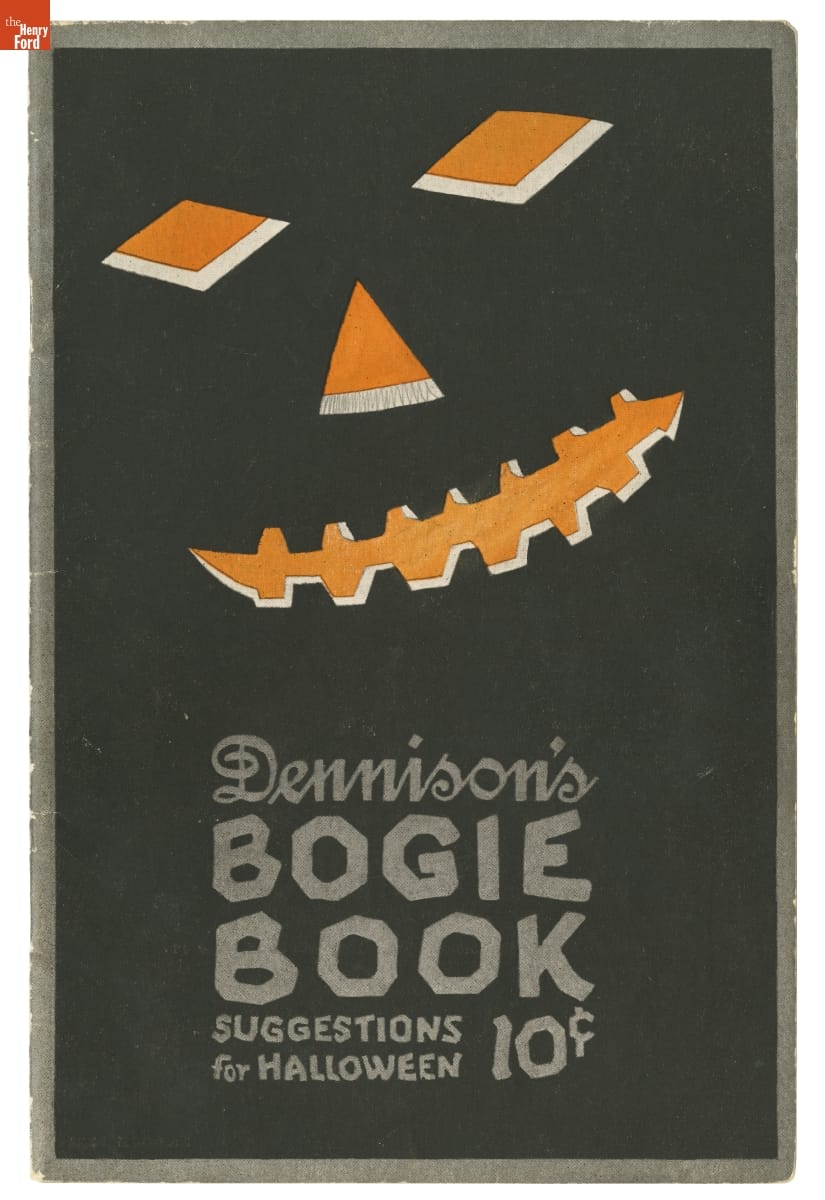
- Dennison's Bogie Book: Suggestions for Halloween, 1922 - While Halloween's origins were rooted in superstition and fortune telling, by the 1910s, Americans of all ages celebrated the holiday as a night of innocent fun. The Dennison Manufacturing Co. of Framingham, Massachusetts, published Halloween "Bogie" books from 1912 to 1935. Halloween revelers could find an array of ideas for party activities, costumes, and decorations using the company's paper products.
- 1922
- Collections - Artifact
Dennison's Bogie Book: Suggestions for Halloween, 1922
While Halloween's origins were rooted in superstition and fortune telling, by the 1910s, Americans of all ages celebrated the holiday as a night of innocent fun. The Dennison Manufacturing Co. of Framingham, Massachusetts, published Halloween "Bogie" books from 1912 to 1935. Halloween revelers could find an array of ideas for party activities, costumes, and decorations using the company's paper products.
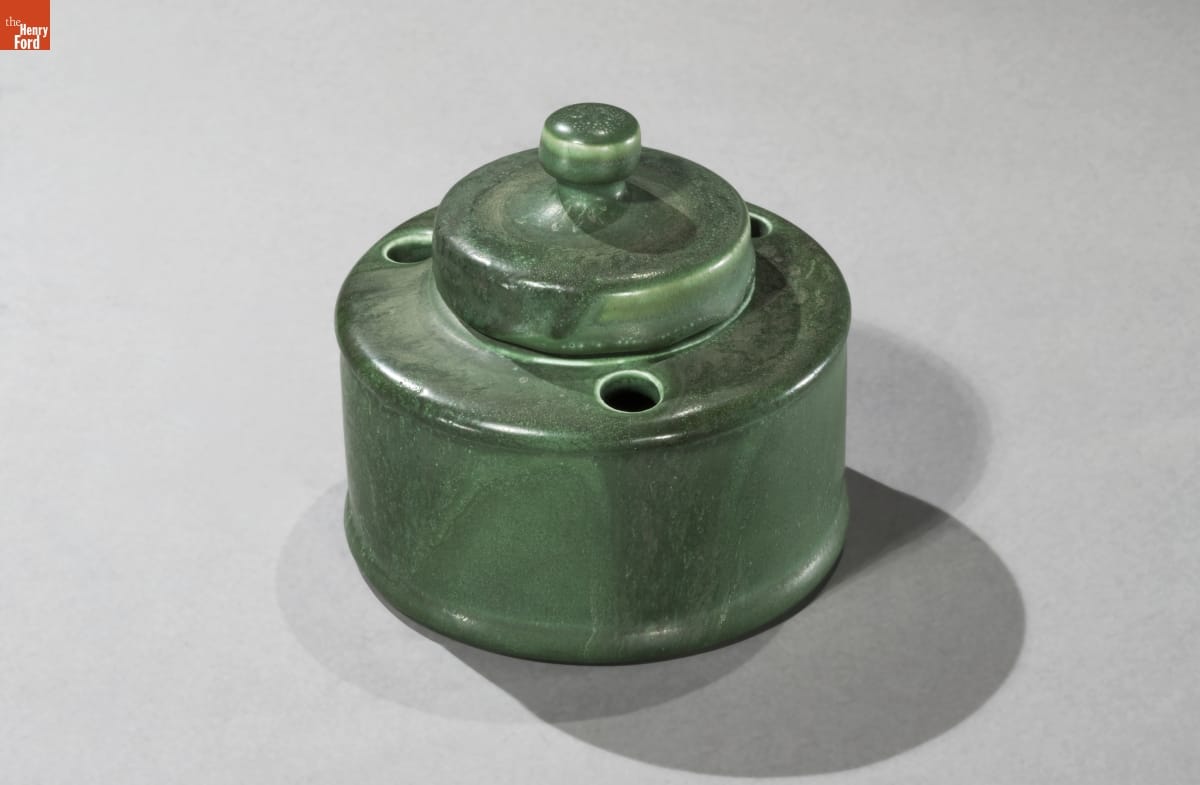
- Inkwell, 1904-1917 - Cadman Robertson joined Hampshire Pottery in 1904 and began developing decorative household items covered with an attractive thick brown, red, blue, or green glaze. The Keene, New Hampshire, company continued to produce similar wares for a few years after Robertson's sudden death in 1914. The company was sold in 1917 and focused on making commercial China for restaurants and hotels. The factory closed in 1923.
- 1904-1917
- Collections - Artifact
Inkwell, 1904-1917
Cadman Robertson joined Hampshire Pottery in 1904 and began developing decorative household items covered with an attractive thick brown, red, blue, or green glaze. The Keene, New Hampshire, company continued to produce similar wares for a few years after Robertson's sudden death in 1914. The company was sold in 1917 and focused on making commercial China for restaurants and hotels. The factory closed in 1923.
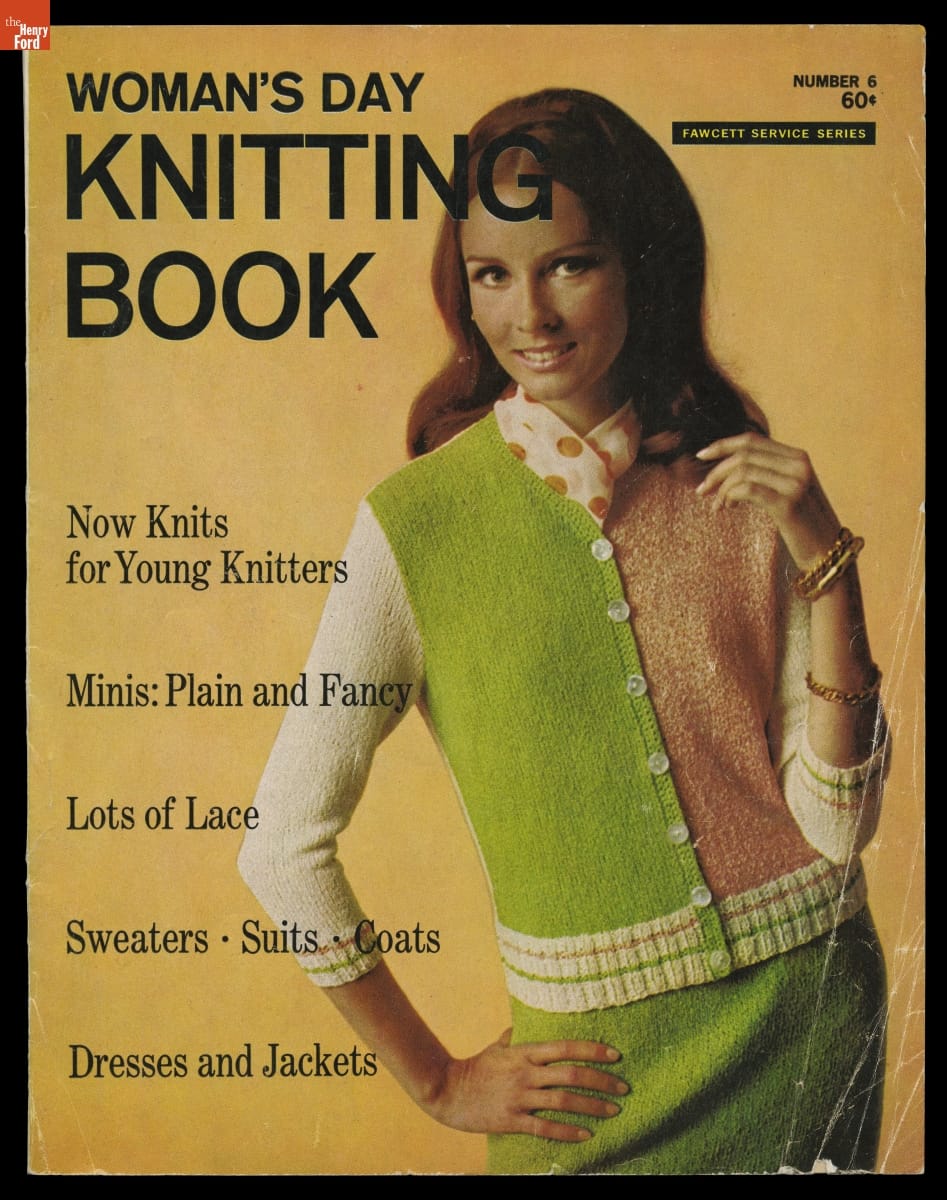
- Woman's Day Knitting Book, 1967 -
- 1967
- Collections - Artifact
Woman's Day Knitting Book, 1967
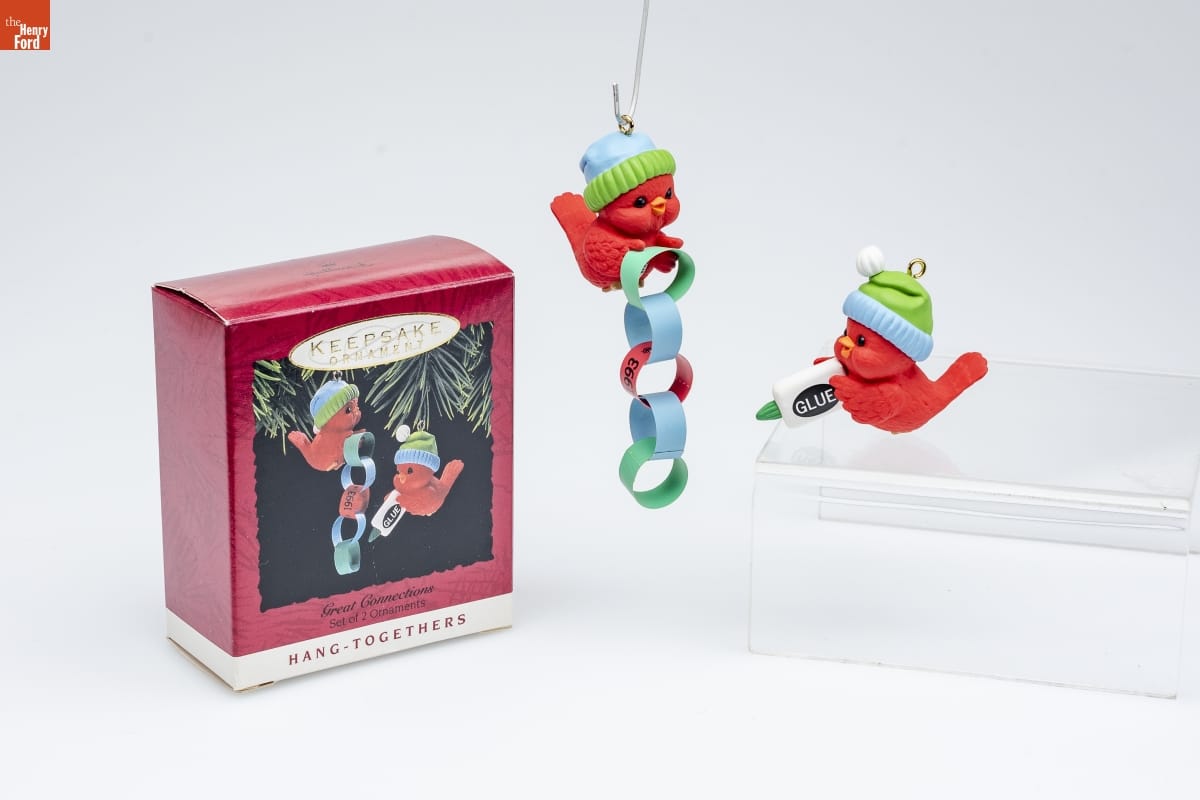
- Hallmark "Great Connections" Christmas Ornament, 1993 - Already known for greeting cards, Hallmark introduced a line of Christmas ornaments in 1973. The company's annual release of an increasing array of ornaments revolutionized Christmas decorating, appealing to customers' interest in marking memories and milestones as well as expressing one's personality and unique tastes.
- 1993
- Collections - Artifact
Hallmark "Great Connections" Christmas Ornament, 1993
Already known for greeting cards, Hallmark introduced a line of Christmas ornaments in 1973. The company's annual release of an increasing array of ornaments revolutionized Christmas decorating, appealing to customers' interest in marking memories and milestones as well as expressing one's personality and unique tastes.
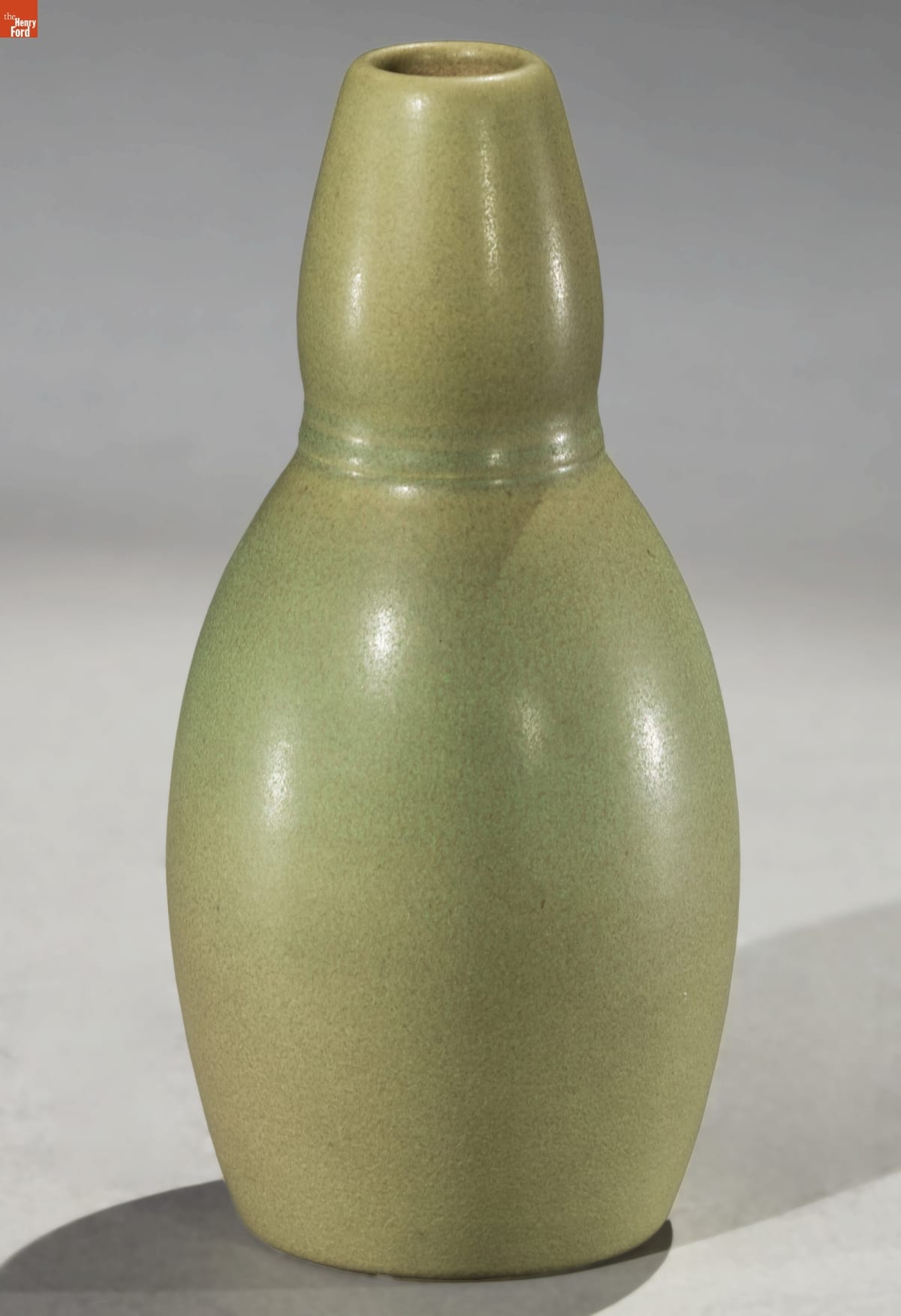
- Vase, 1902 -
- 1902
- Collections - Artifact
Vase, 1902
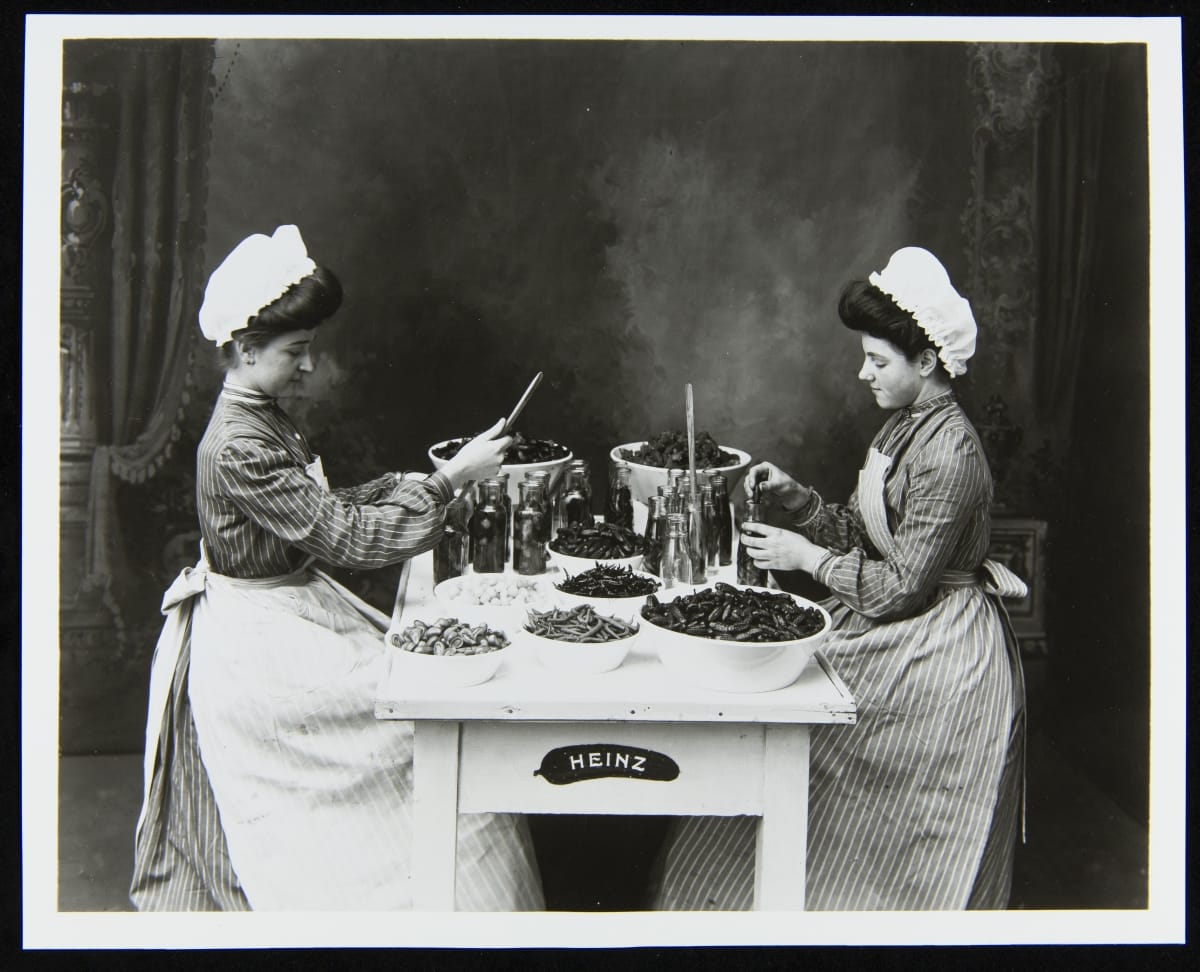
- "Heinz Girls" Filling Pickle Jars by Hand, H. J. Heinz Company, circa 1900 - Before the Heinz name was synonymous with ketchup, the H. J. Heinz Company was known for its many varieties of pickles. Every day Heinz's team of female employees, referred to as "Heinz Girls," meticulously packed pickle jars. Different sized pickles were placed in uniquely sized jars which required fluted wands to accurately pack the pickles into their specific arrangements.
- circa 1900
- Collections - Artifact
"Heinz Girls" Filling Pickle Jars by Hand, H. J. Heinz Company, circa 1900
Before the Heinz name was synonymous with ketchup, the H. J. Heinz Company was known for its many varieties of pickles. Every day Heinz's team of female employees, referred to as "Heinz Girls," meticulously packed pickle jars. Different sized pickles were placed in uniquely sized jars which required fluted wands to accurately pack the pickles into their specific arrangements.
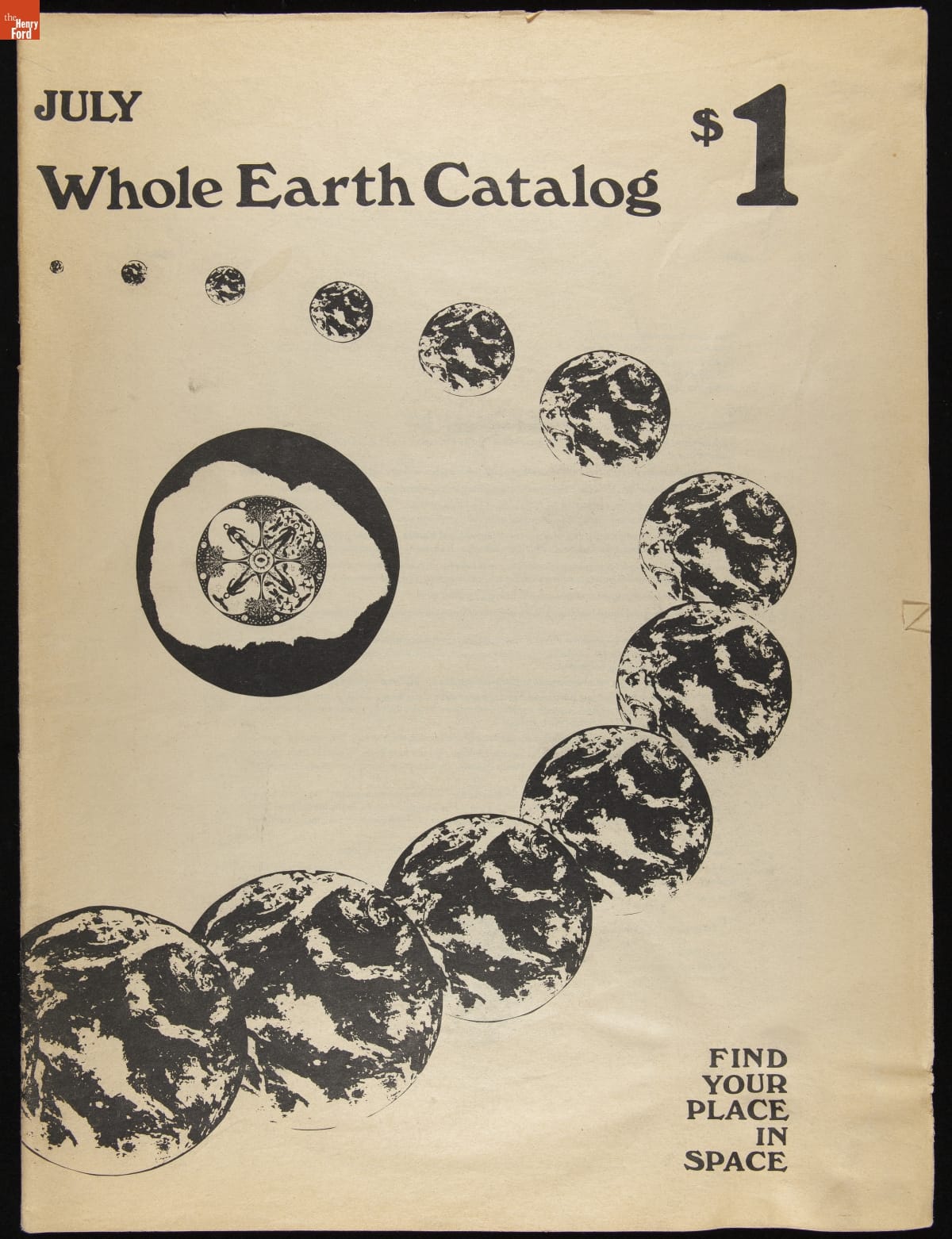
- Whole Earth Catalog: Find Your Place in Space, July 1970 - Biologist Steward Brand founded the Whole Earth Catalog in 1968, to connect counterculture and back-to-the-land communities with innovators in the fields of technology, design, and architecture. The cover of each edition, like this from July 1970, featured images of earth taken from outer space. Brand believed showing this would change people's perceptions of their responsibility for the globe.
- July 01, 1970
- Collections - Artifact
Whole Earth Catalog: Find Your Place in Space, July 1970
Biologist Steward Brand founded the Whole Earth Catalog in 1968, to connect counterculture and back-to-the-land communities with innovators in the fields of technology, design, and architecture. The cover of each edition, like this from July 1970, featured images of earth taken from outer space. Brand believed showing this would change people's perceptions of their responsibility for the globe.
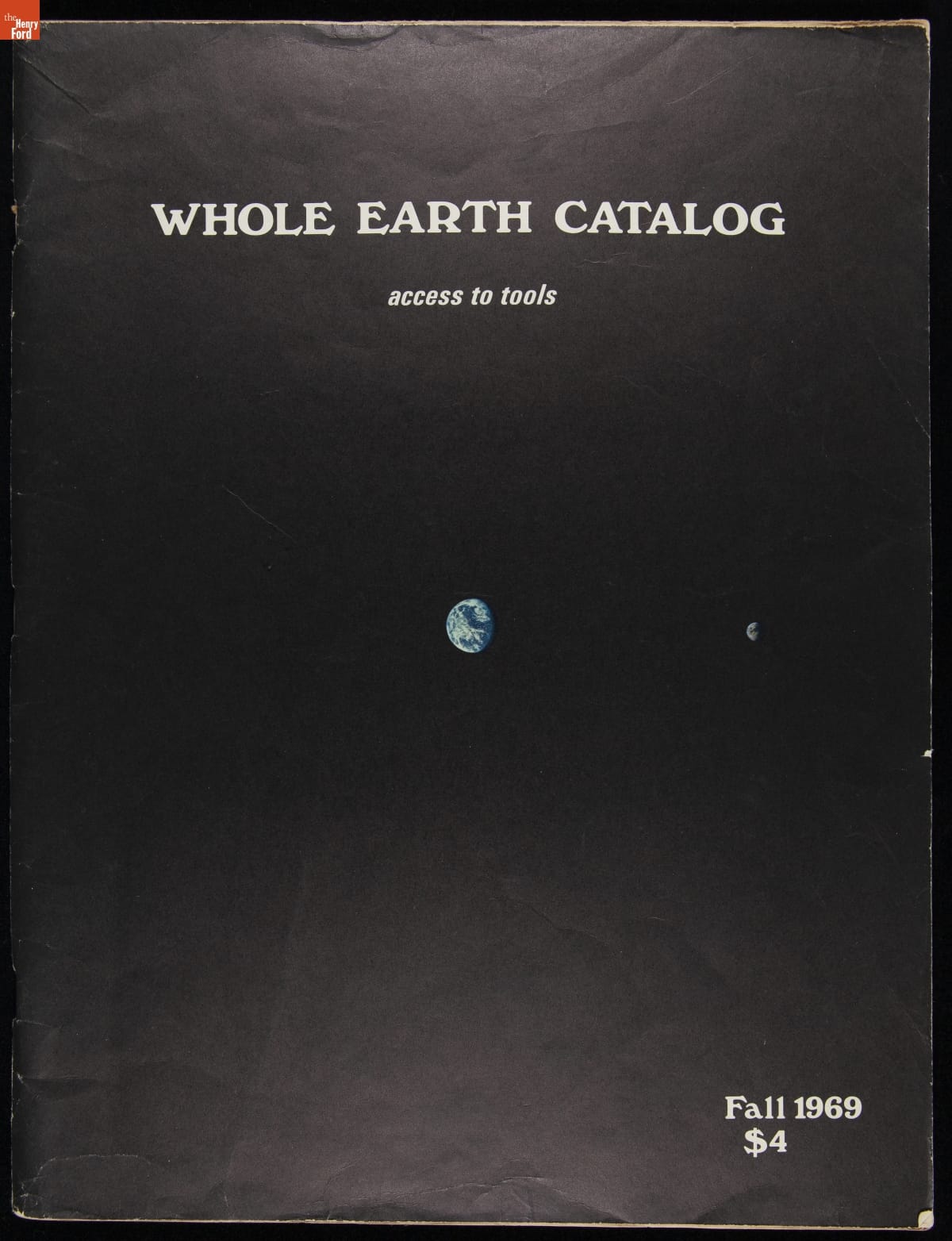
- Whole Earth Catalog: Access to Tools, Fall 1969 - Biologist Steward Brand founded the Whole Earth Catalog in 1968, to connect counterculture and back-to-the-land communities with innovators in the fields of technology, design, and architecture. The cover of each edition, like this from Fall 1969, featured images of earth taken from outer space. Brand believed showing this would change people's perceptions of their responsibility for the globe.
- 1969
- Collections - Artifact
Whole Earth Catalog: Access to Tools, Fall 1969
Biologist Steward Brand founded the Whole Earth Catalog in 1968, to connect counterculture and back-to-the-land communities with innovators in the fields of technology, design, and architecture. The cover of each edition, like this from Fall 1969, featured images of earth taken from outer space. Brand believed showing this would change people's perceptions of their responsibility for the globe.
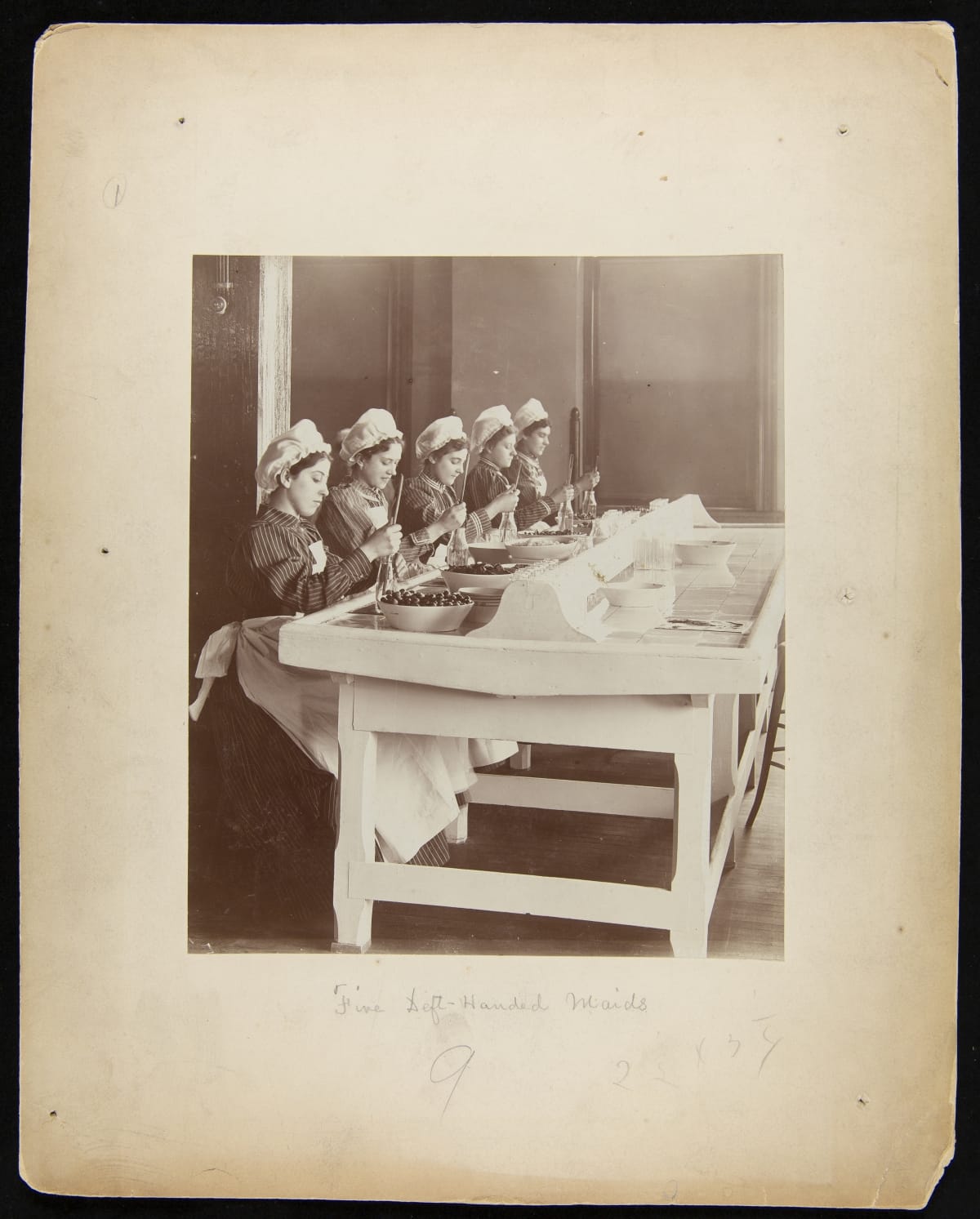
- Employees Filling Bottles, H. J. Heinz Company Main Plant, Pittsburgh, Pennsylvania, circa 1900 - Before the Heinz name was synonymous with ketchup, the H. J. Heinz Company was known for its many varieties of pickles. Every day Heinz's team of female employees, referred to as "Heinz Girls," meticulously packed pickle jars. Different sized pickles were placed in uniquely sized jars which required fluted wands to accurately pack the pickles into their specific arrangements.
- circa 1900
- Collections - Artifact
Employees Filling Bottles, H. J. Heinz Company Main Plant, Pittsburgh, Pennsylvania, circa 1900
Before the Heinz name was synonymous with ketchup, the H. J. Heinz Company was known for its many varieties of pickles. Every day Heinz's team of female employees, referred to as "Heinz Girls," meticulously packed pickle jars. Different sized pickles were placed in uniquely sized jars which required fluted wands to accurately pack the pickles into their specific arrangements.
- Vase, 1906-1916 -
- 1906-1916
- Collections - Artifact
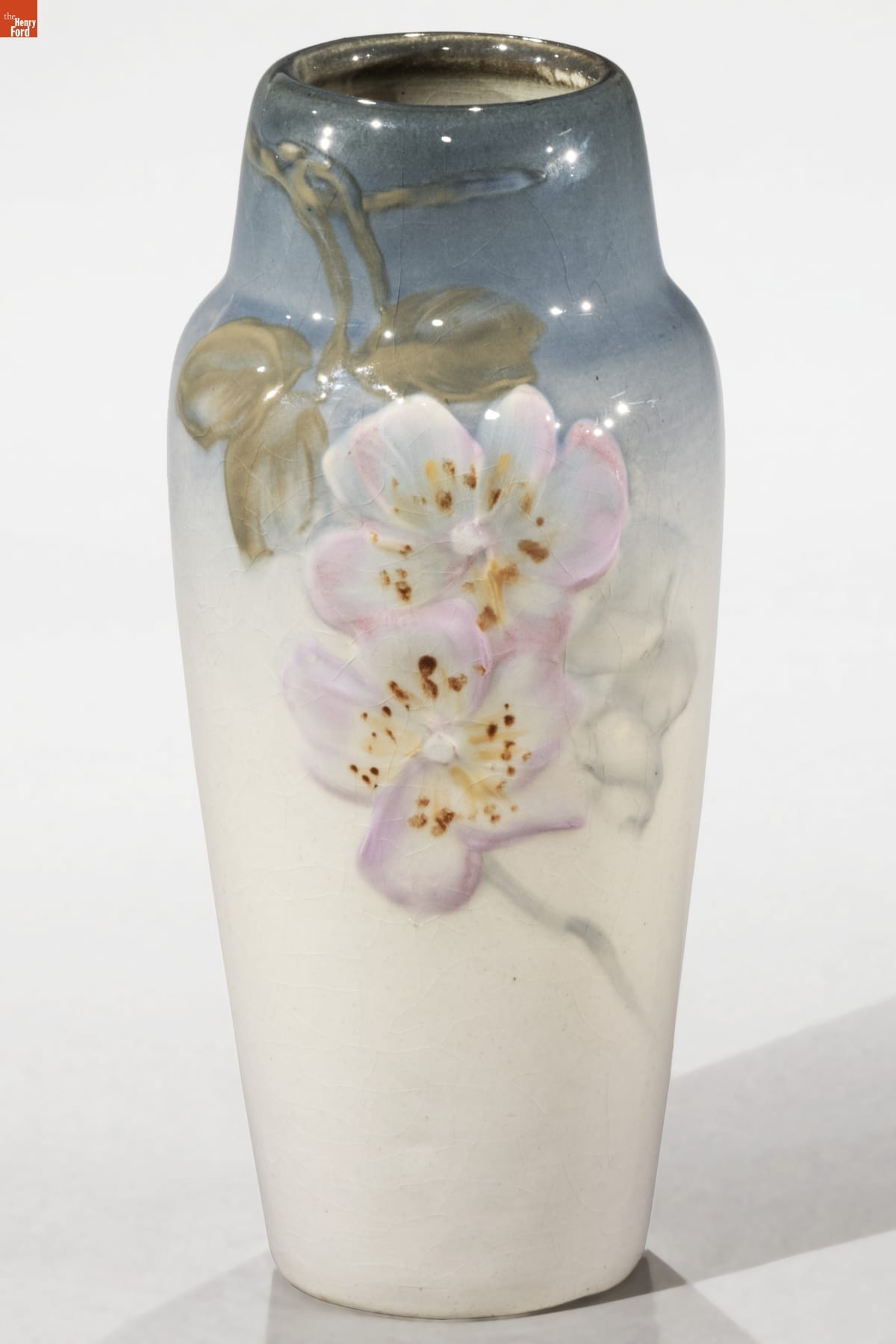
Vase, 1906-1916