
Search
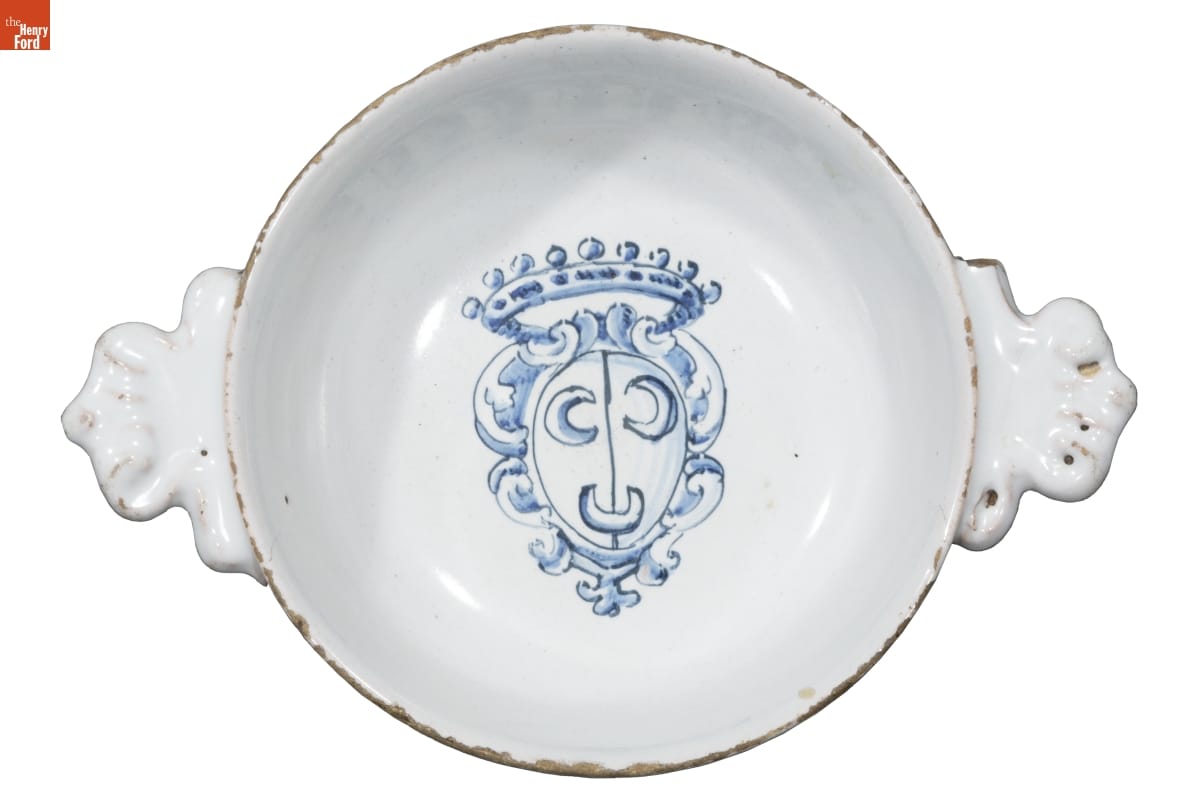
- Porringer, 1700-1730 - Porringers have many uses. They could be used to mix or serve food. People ate meals or drank wine, beer, or other beverages from porringers. These small bowls have a flat decorative handle--sometimes two; and were made from silver, pewter, cast iron, or like this one, ceramic. These versatile bowls served the needs of many 18th- and 19th-century households.
- circa 1720
- Collections - Artifact
Porringer, 1700-1730
Porringers have many uses. They could be used to mix or serve food. People ate meals or drank wine, beer, or other beverages from porringers. These small bowls have a flat decorative handle--sometimes two; and were made from silver, pewter, cast iron, or like this one, ceramic. These versatile bowls served the needs of many 18th- and 19th-century households.
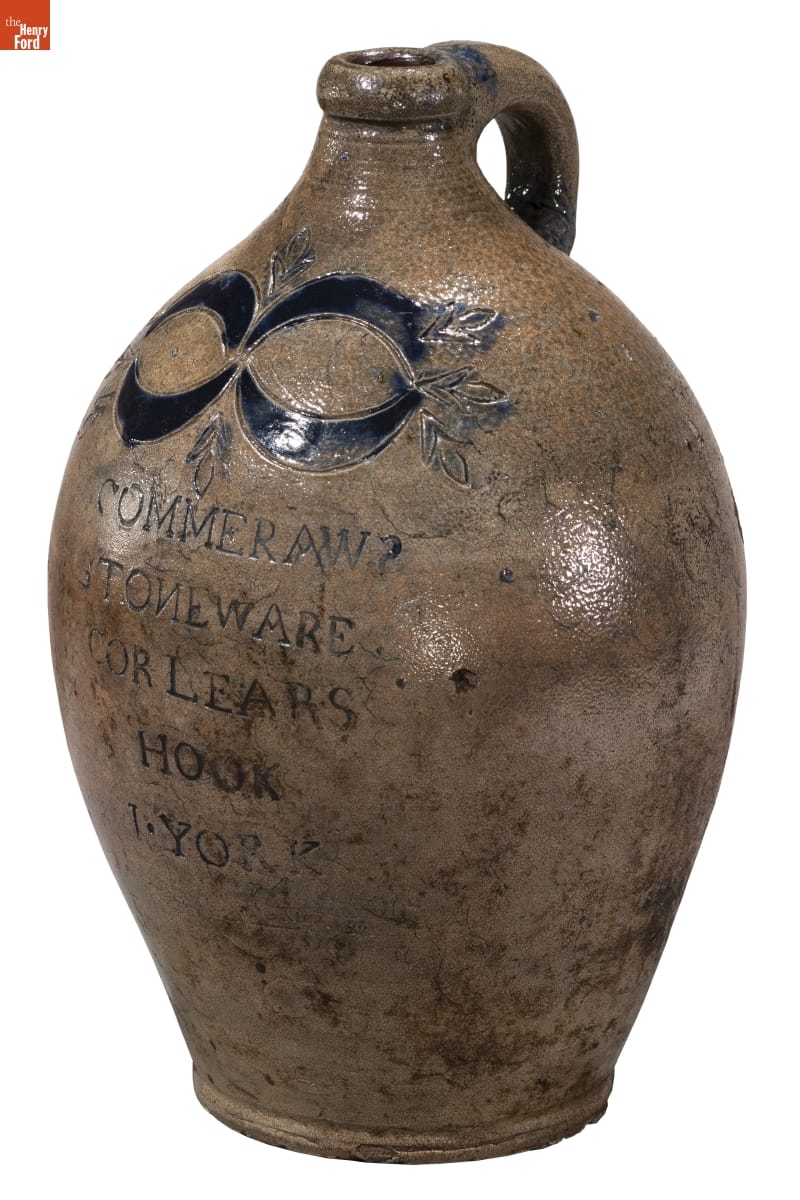
- Jug, 1797-1819 - Thomas Commeraw, a free African American potter and entrepreneur, produced salt-glazed stoneware in the Corlears Hook neighborhood of New York City from 1791 to 1819. These stoneware jars and crocks were durable and helped preserve food for storage in cool cellars and ice houses. Commeraw's distinctive stoneware typically contains cobalt blue swags and tassel decoration.
- 1797-1819
- Collections - Artifact
Jug, 1797-1819
Thomas Commeraw, a free African American potter and entrepreneur, produced salt-glazed stoneware in the Corlears Hook neighborhood of New York City from 1791 to 1819. These stoneware jars and crocks were durable and helped preserve food for storage in cool cellars and ice houses. Commeraw's distinctive stoneware typically contains cobalt blue swags and tassel decoration.
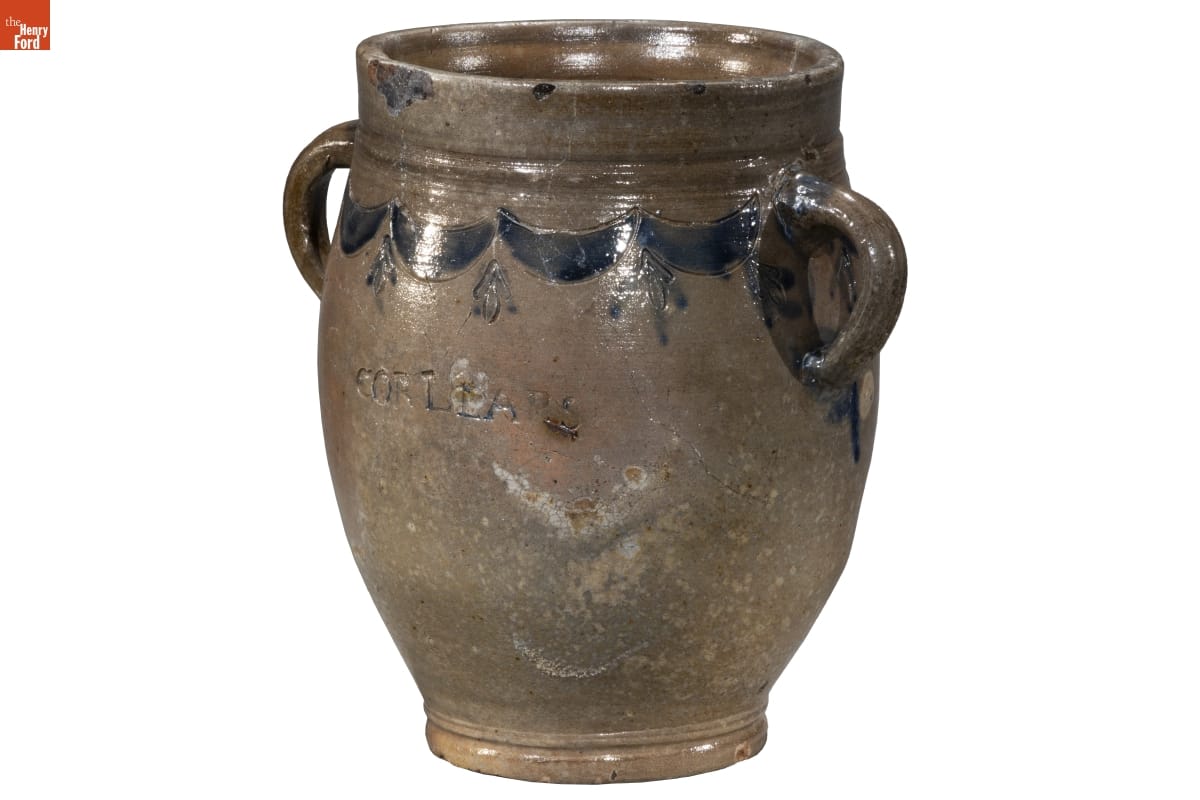
- Jar, 1797-1819 - Thomas Commeraw, a free African American potter and entrepreneur, produced salt-glazed stoneware in the Corlears Hook neighborhood of New York City from 1791 to 1819. These stoneware jars and crocks were durable and helped preserve food for storage in cool cellars and ice houses. Commeraw's distinctive stoneware typically contains cobalt blue swags and tassel decoration.
- 1797-1819
- Collections - Artifact
Jar, 1797-1819
Thomas Commeraw, a free African American potter and entrepreneur, produced salt-glazed stoneware in the Corlears Hook neighborhood of New York City from 1791 to 1819. These stoneware jars and crocks were durable and helped preserve food for storage in cool cellars and ice houses. Commeraw's distinctive stoneware typically contains cobalt blue swags and tassel decoration.
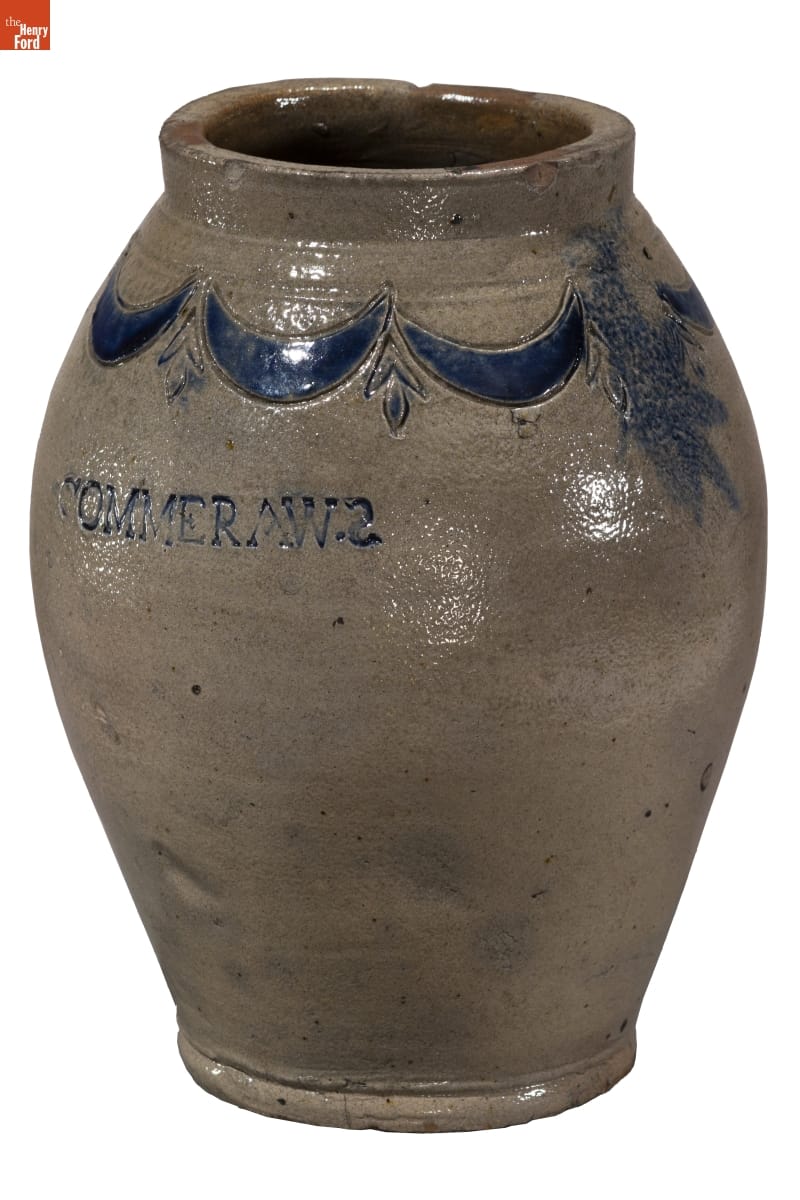
- Jar, 1797-1819 - Thomas Commeraw, a free African American potter and entrepreneur, produced salt-glazed stoneware in the Corlears Hook neighborhood of New York City from 1791 to 1819. These stoneware jars and crocks were durable and helped preserve food for storage in cool cellars and ice houses. Commeraw's distinctive stoneware typically contains cobalt blue swags and tassel decoration.
- 1797-1819
- Collections - Artifact
Jar, 1797-1819
Thomas Commeraw, a free African American potter and entrepreneur, produced salt-glazed stoneware in the Corlears Hook neighborhood of New York City from 1791 to 1819. These stoneware jars and crocks were durable and helped preserve food for storage in cool cellars and ice houses. Commeraw's distinctive stoneware typically contains cobalt blue swags and tassel decoration.