
Search
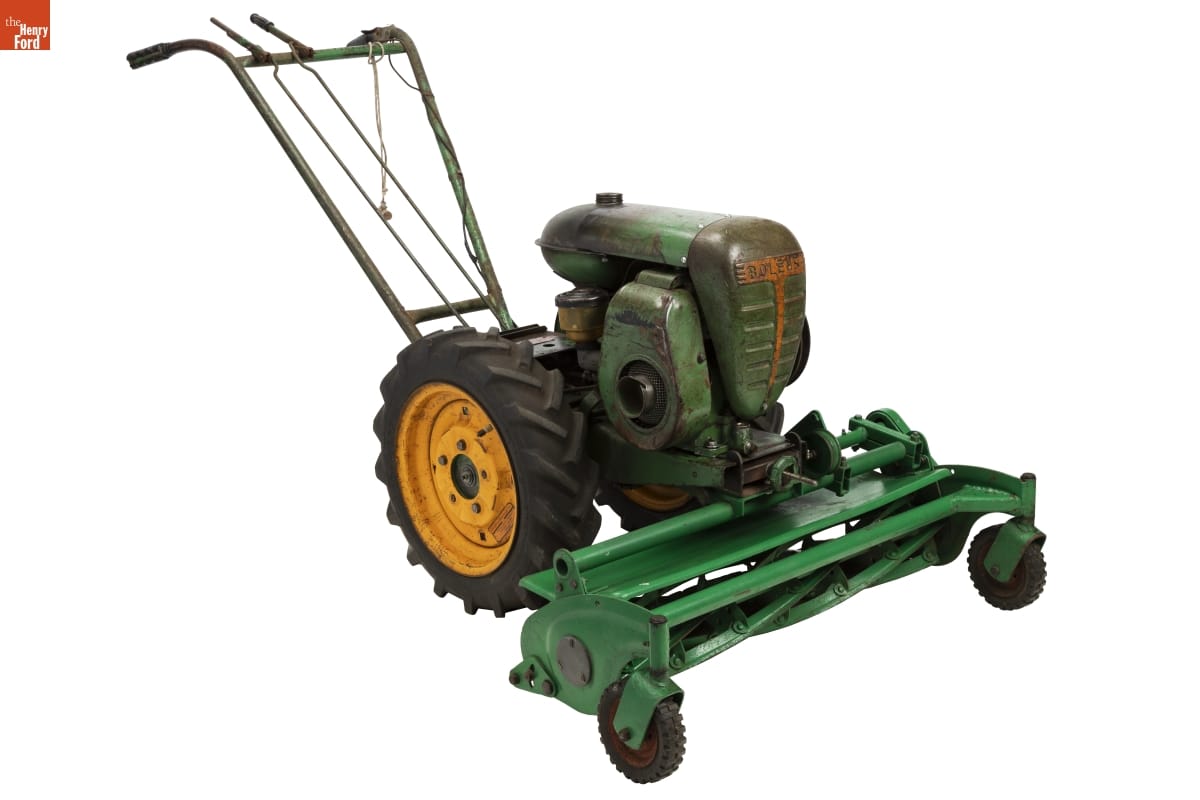
- Bolens Huski Power-How "Deluxe" Type 12 BB01 Walk-Behind Garden Tractor with Attachments, 1950 -
- 1950
- Collections - Artifact
Bolens Huski Power-How "Deluxe" Type 12 BB01 Walk-Behind Garden Tractor with Attachments, 1950
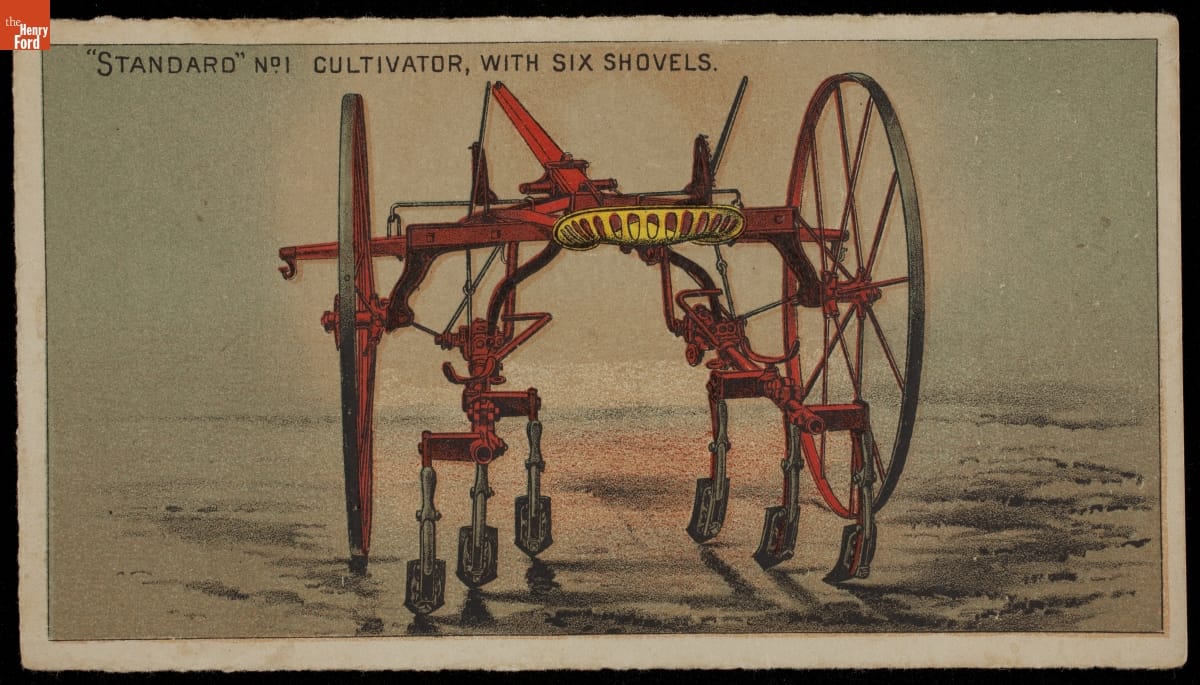
- Trade Card for the "Standard" Cultivator, 1870-1900 - In the last third of the nineteenth century, an unprecedented variety of consumer goods and services flooded the American market. Advertisers, armed with new methods of color printing, bombarded potential customers with trade cards. Americans enjoyed and often saved the vibrant little advertisements found in product packages or distributed by local merchants. Many survive as historical records of commercialism in the United States.
- 1870-1900
- Collections - Artifact
Trade Card for the "Standard" Cultivator, 1870-1900
In the last third of the nineteenth century, an unprecedented variety of consumer goods and services flooded the American market. Advertisers, armed with new methods of color printing, bombarded potential customers with trade cards. Americans enjoyed and often saved the vibrant little advertisements found in product packages or distributed by local merchants. Many survive as historical records of commercialism in the United States.
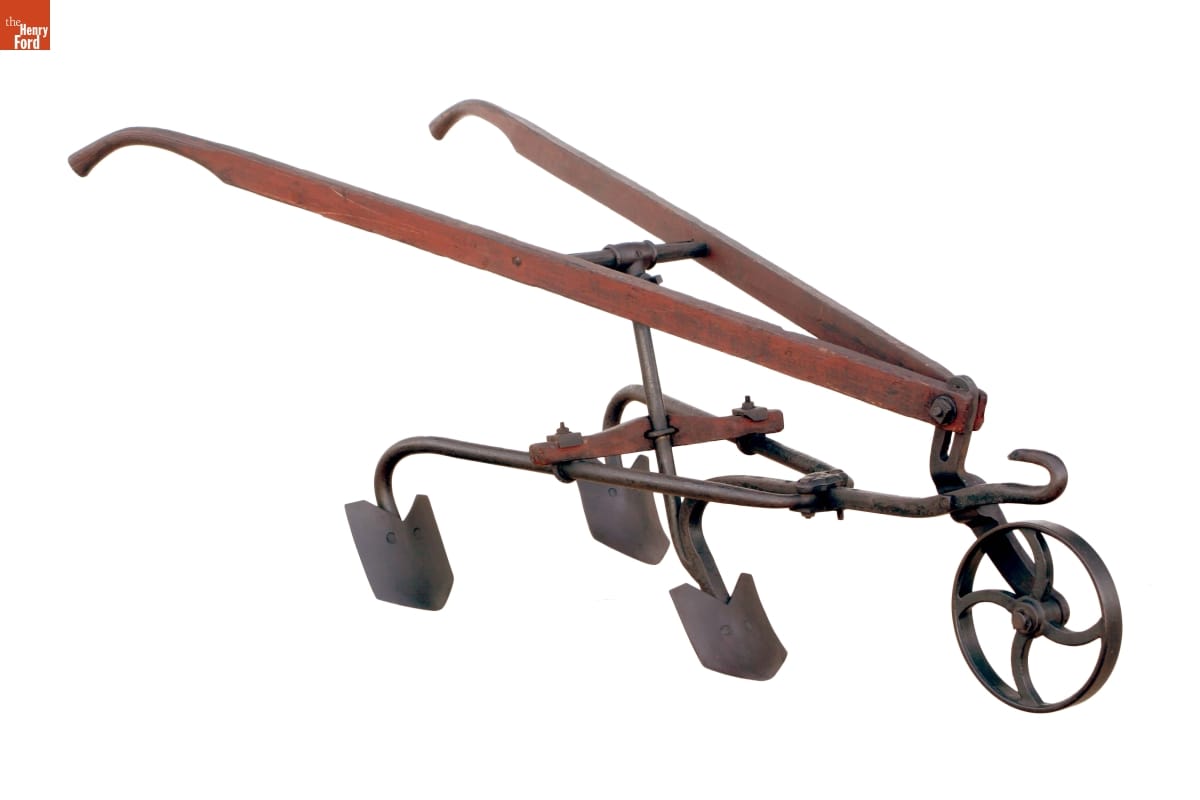
- Cultivator, circa 1873 -
- circa 1873
- Collections - Artifact
Cultivator, circa 1873
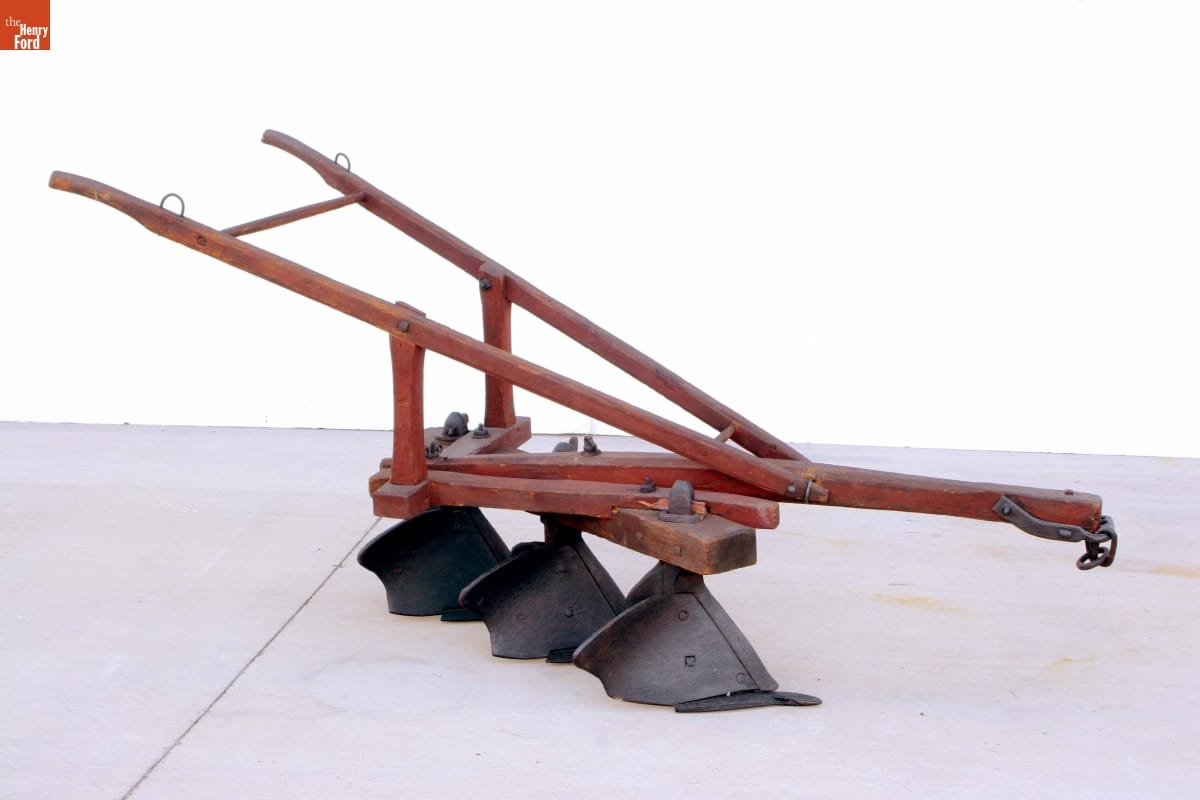
- Three-Shovel Cultivator, circa 1850 -
- circa 1850
- Collections - Artifact
Three-Shovel Cultivator, circa 1850
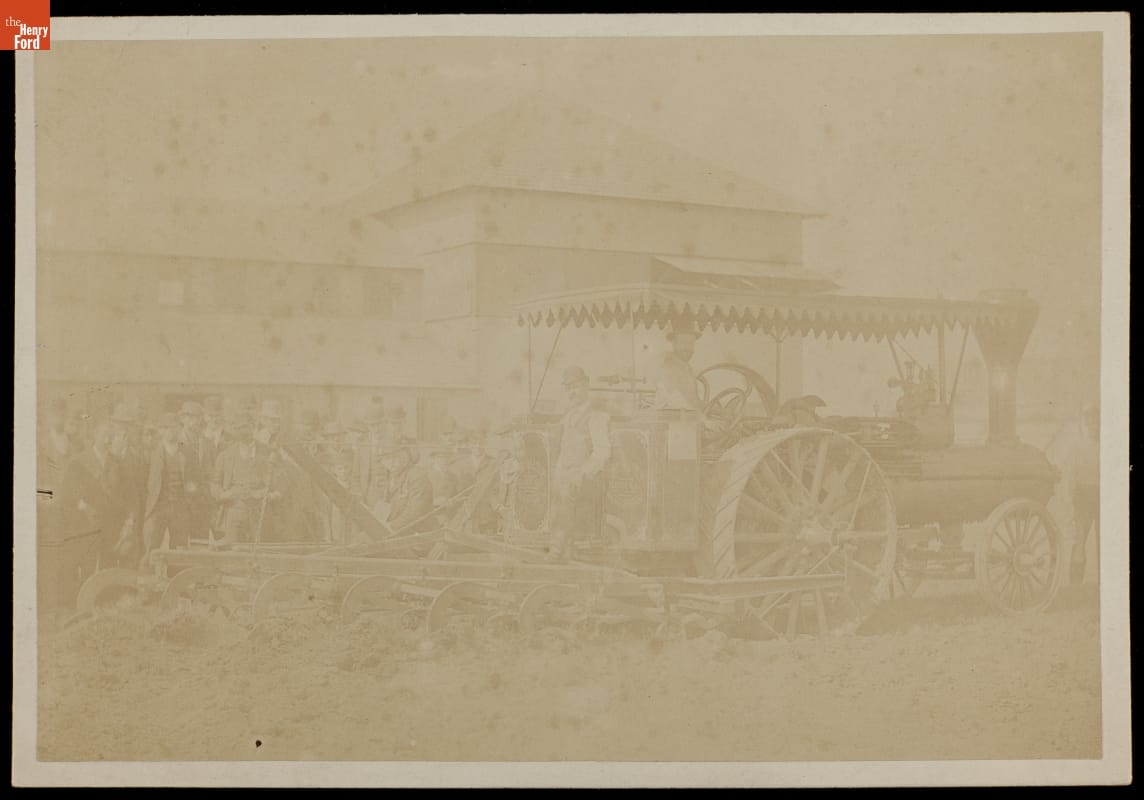
- Engineer and Fireman aboard Traction Engine, Pulling Cultivator, circa 1895 - Some agricultural steam engines had to be hauled from farm to farm by teams of horses. Some - like the one pictured here - moved under their own power. This self-propelled traction engine hauls a cultivator. The hardwearing duo brought welcome aid to farmers, uprooting weeds and aerating soil to create a smooth, loose seedbed.
- circa 1895
- Collections - Artifact
Engineer and Fireman aboard Traction Engine, Pulling Cultivator, circa 1895
Some agricultural steam engines had to be hauled from farm to farm by teams of horses. Some - like the one pictured here - moved under their own power. This self-propelled traction engine hauls a cultivator. The hardwearing duo brought welcome aid to farmers, uprooting weeds and aerating soil to create a smooth, loose seedbed.
- Spring-Tooth Weeder, circa 1900 -
- circa 1900
- Collections - Artifact
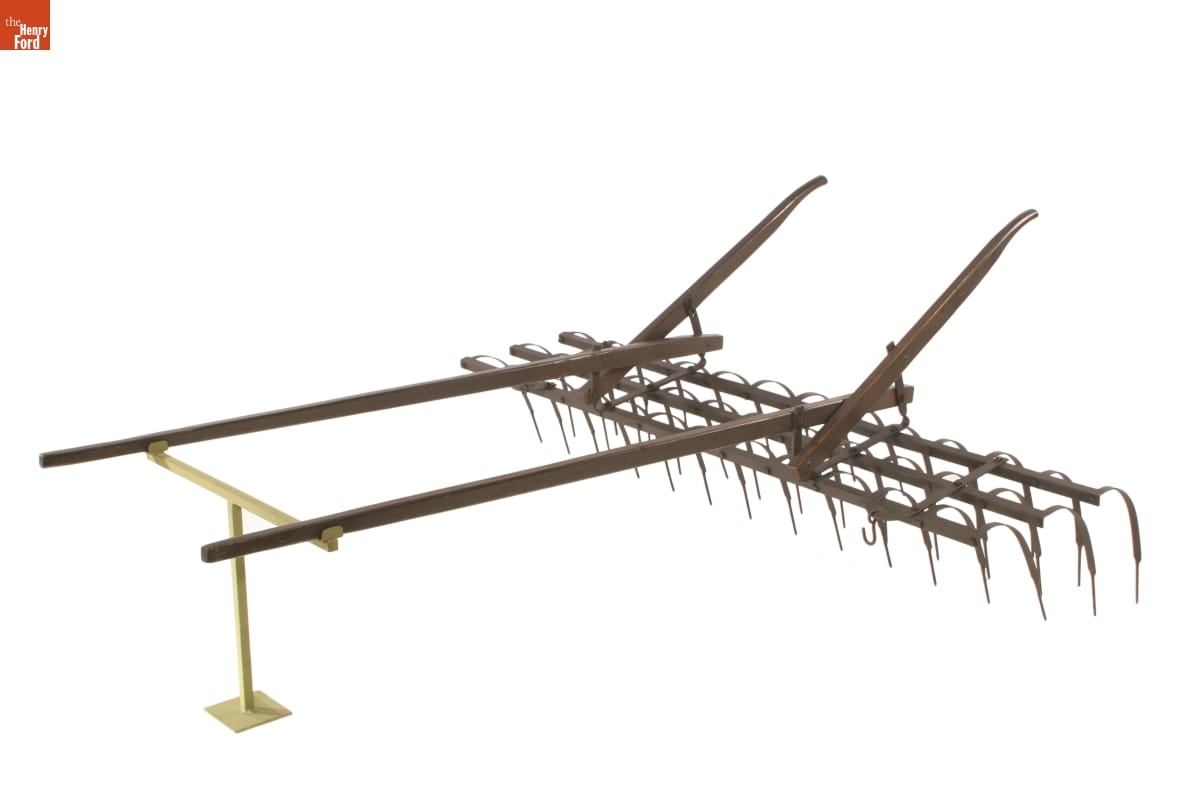
Spring-Tooth Weeder, circa 1900
- Donaldson Brothers Cultivator, circa 1900 -
- circa 1900
- Collections - Artifact
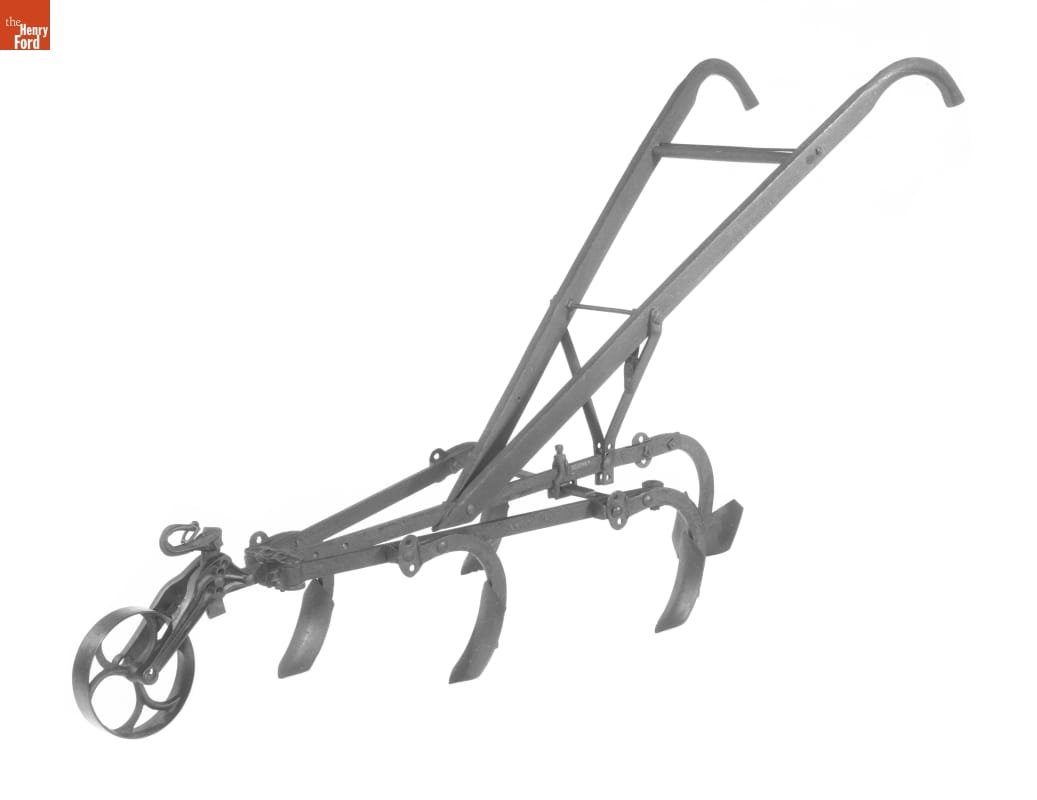
Donaldson Brothers Cultivator, circa 1900
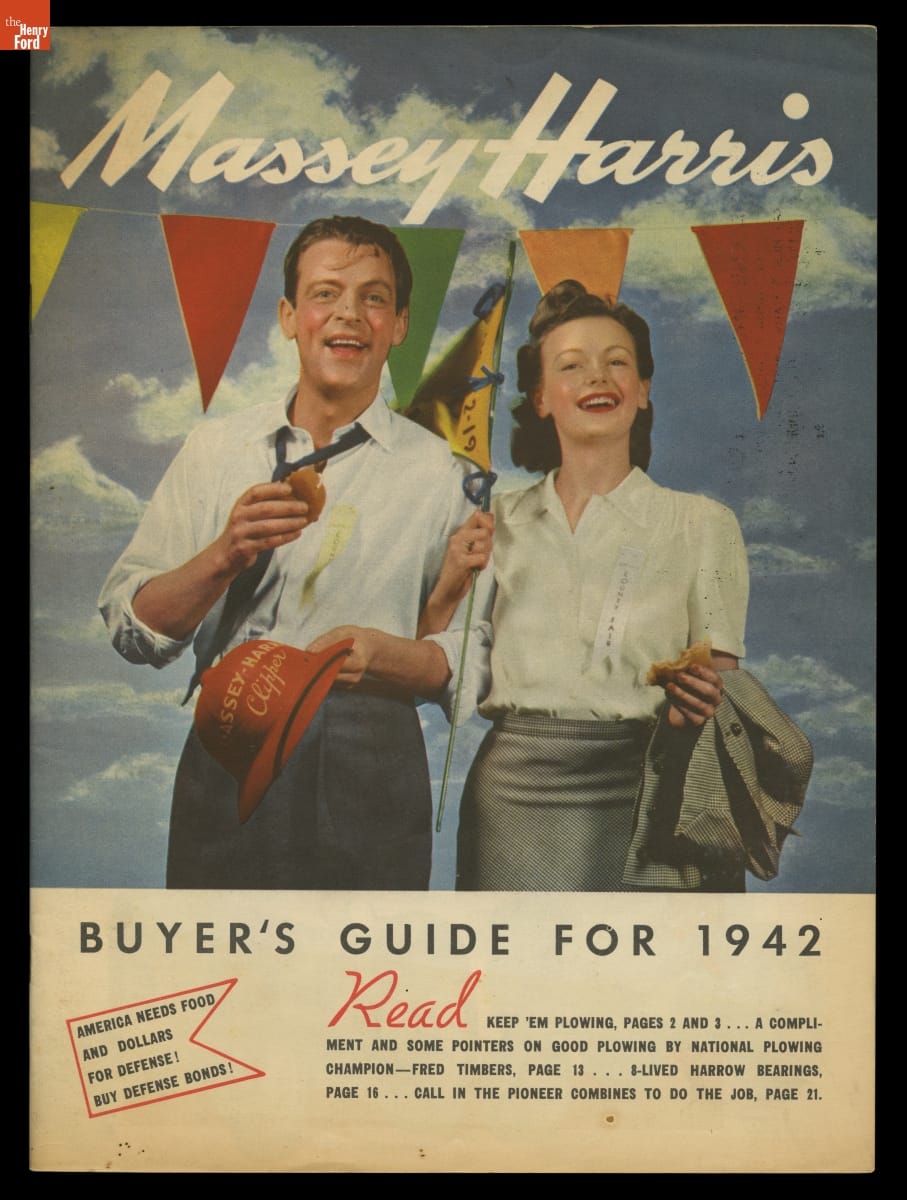
- Massey-Harris Buyer's Guide for 1942 - It took hundreds of years to perfect machinery that could combine the three major steps of harvesting grain: reaping, or cutting the crop; threshing to loosen the grain from the chaff; and disposing of the straw while retaining the grain. Massey-Harris introduced practical self-propelled "combines" in 1938. One driver could operate them, reducing the need for hired help during the labor shortages of World War II.
- 1942
- Collections - Artifact
Massey-Harris Buyer's Guide for 1942
It took hundreds of years to perfect machinery that could combine the three major steps of harvesting grain: reaping, or cutting the crop; threshing to loosen the grain from the chaff; and disposing of the straw while retaining the grain. Massey-Harris introduced practical self-propelled "combines" in 1938. One driver could operate them, reducing the need for hired help during the labor shortages of World War II.
- Ford-Ferguson 9N Tractor Cultivating Grapes, September 9, 1940 -
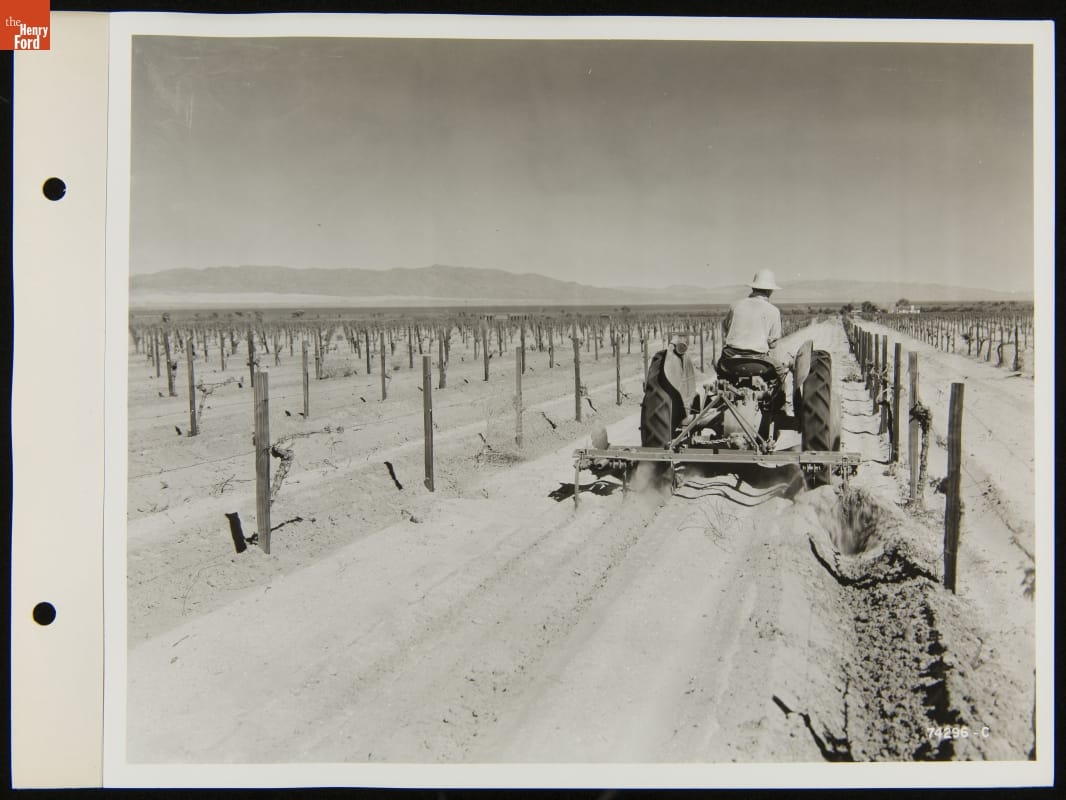
- September 09, 1940
- Collections - Artifact
Ford-Ferguson 9N Tractor Cultivating Grapes, September 9, 1940
- Ford-Ferguson 9N Tractor Cultivating Grapes, September 9, 1940 -
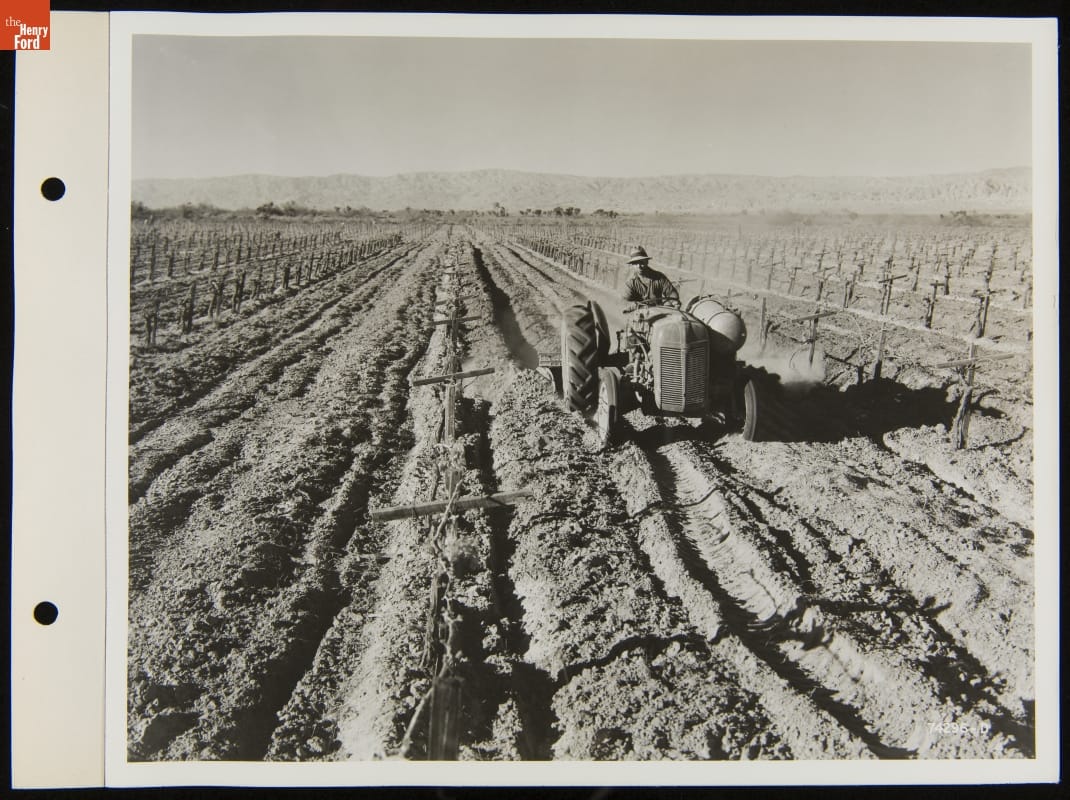
- September 09, 1940
- Collections - Artifact
Ford-Ferguson 9N Tractor Cultivating Grapes, September 9, 1940