
Search
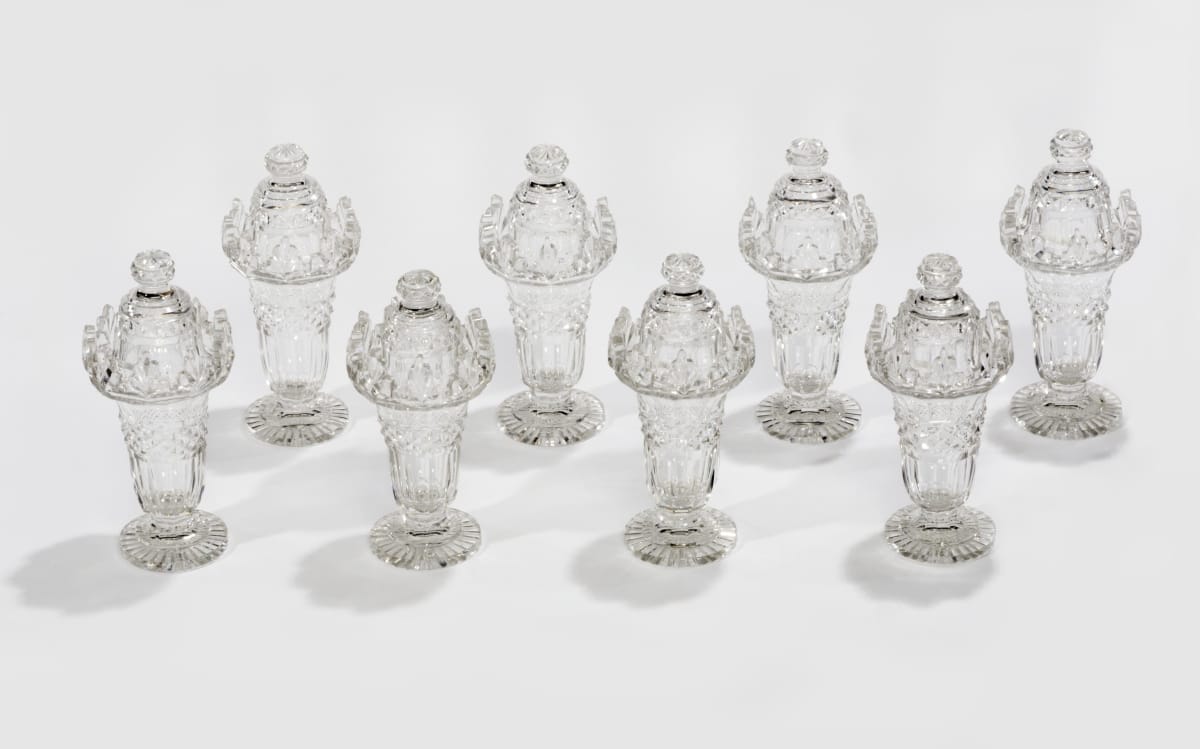
- Custard Cups, 1790-1810 - In the early 18th century, glassmakers in England and Ireland created exquisite translucent cut glassware known as Anglo-Irish glass. Beginning in the 1780s, Anglo-Irish glassmakers found a ready market in America -- now independent from Britain. Americans loved the dazzling interplay of candlelight and glass in their homes, which showed that Americans could attain interiors as fashionable as those in London.
- 1790-1810
- Collections - Artifact
Custard Cups, 1790-1810
In the early 18th century, glassmakers in England and Ireland created exquisite translucent cut glassware known as Anglo-Irish glass. Beginning in the 1780s, Anglo-Irish glassmakers found a ready market in America -- now independent from Britain. Americans loved the dazzling interplay of candlelight and glass in their homes, which showed that Americans could attain interiors as fashionable as those in London.
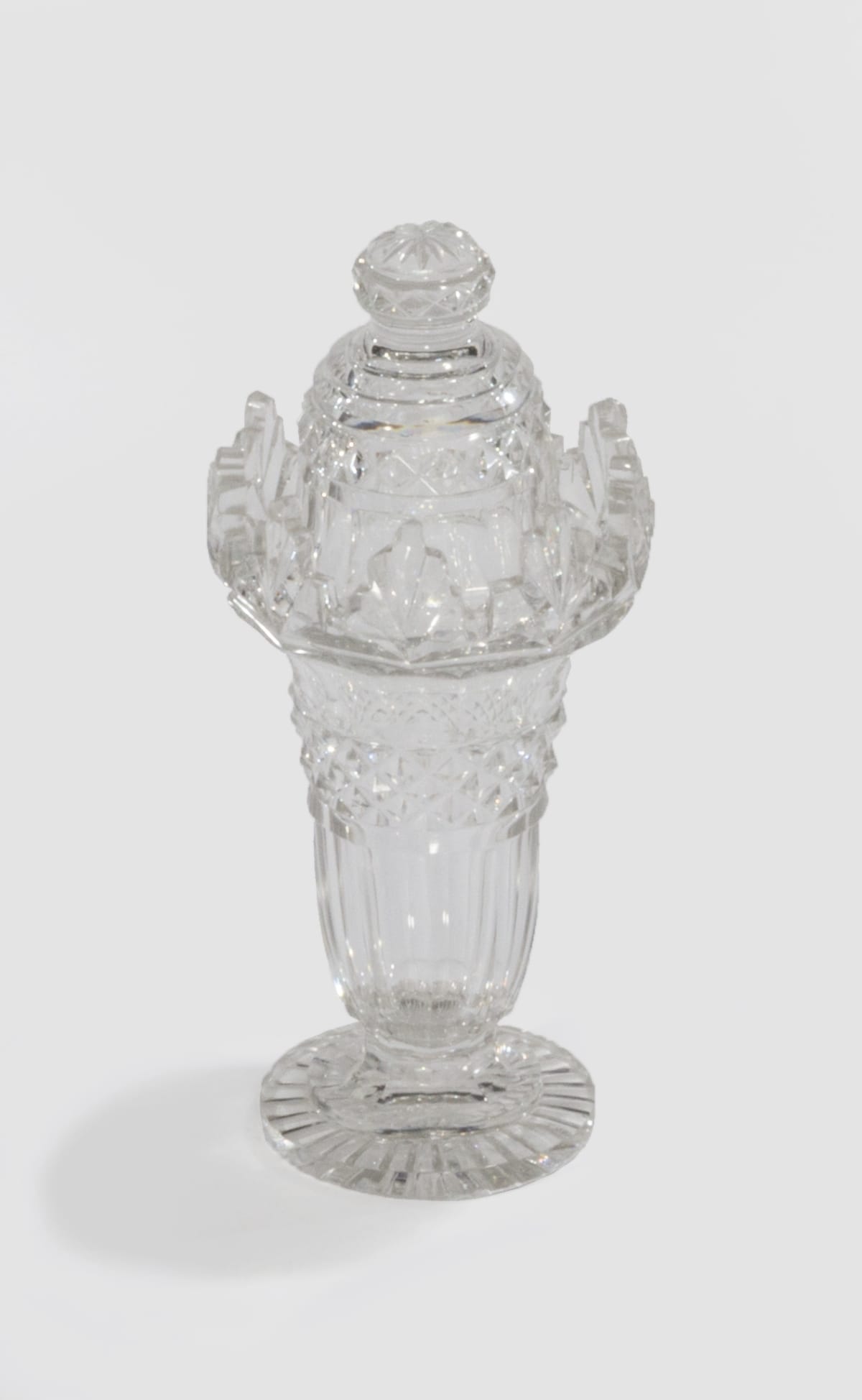
- Custard Cup, 1790-1810 - In the early 18th century, glassmakers in England and Ireland created exquisite translucent cut glassware known as Anglo-Irish glass. Beginning in the 1780s, Anglo-Irish glassmakers found a ready market in America -- now independent from Britain. Americans loved the dazzling interplay of candlelight and glass in their homes, which showed that Americans could attain interiors as fashionable as those in London.
- 1790-1810
- Collections - Artifact
Custard Cup, 1790-1810
In the early 18th century, glassmakers in England and Ireland created exquisite translucent cut glassware known as Anglo-Irish glass. Beginning in the 1780s, Anglo-Irish glassmakers found a ready market in America -- now independent from Britain. Americans loved the dazzling interplay of candlelight and glass in their homes, which showed that Americans could attain interiors as fashionable as those in London.
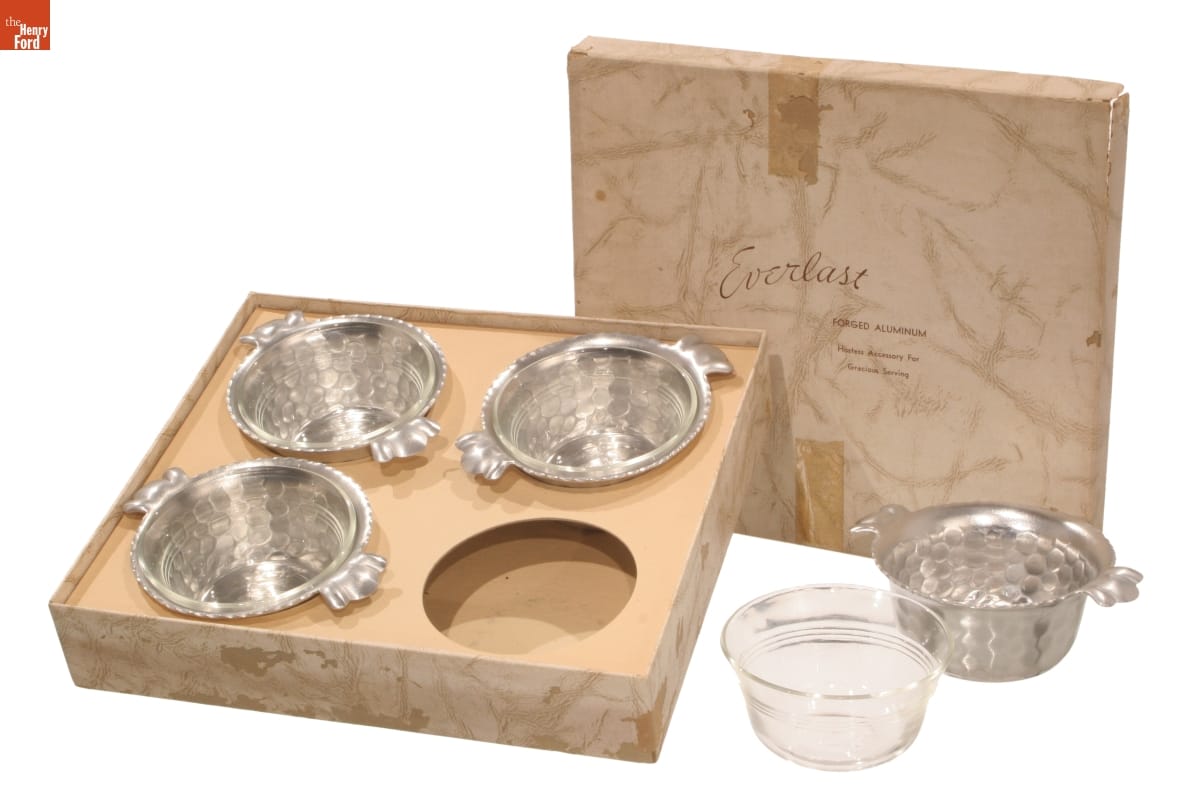
- Everlast "Forged" Custard Cups, 1947-1960 - In 1932, Louis Schnitzer and Nathan Gelfman formed Everlast Metal Products Corporation, producing high-quality, hand-forged aluminum giftware. In an era of growing uniformity via factory production, the "made by hand" aspect of these products held an aesthetic appeal for consumers. In 1933, Everlast introduced its first product line, "Forged Giftware" featuring Colonial Revival inspired designs.
- 1947-1960
- Collections - Artifact
Everlast "Forged" Custard Cups, 1947-1960
In 1932, Louis Schnitzer and Nathan Gelfman formed Everlast Metal Products Corporation, producing high-quality, hand-forged aluminum giftware. In an era of growing uniformity via factory production, the "made by hand" aspect of these products held an aesthetic appeal for consumers. In 1933, Everlast introduced its first product line, "Forged Giftware" featuring Colonial Revival inspired designs.
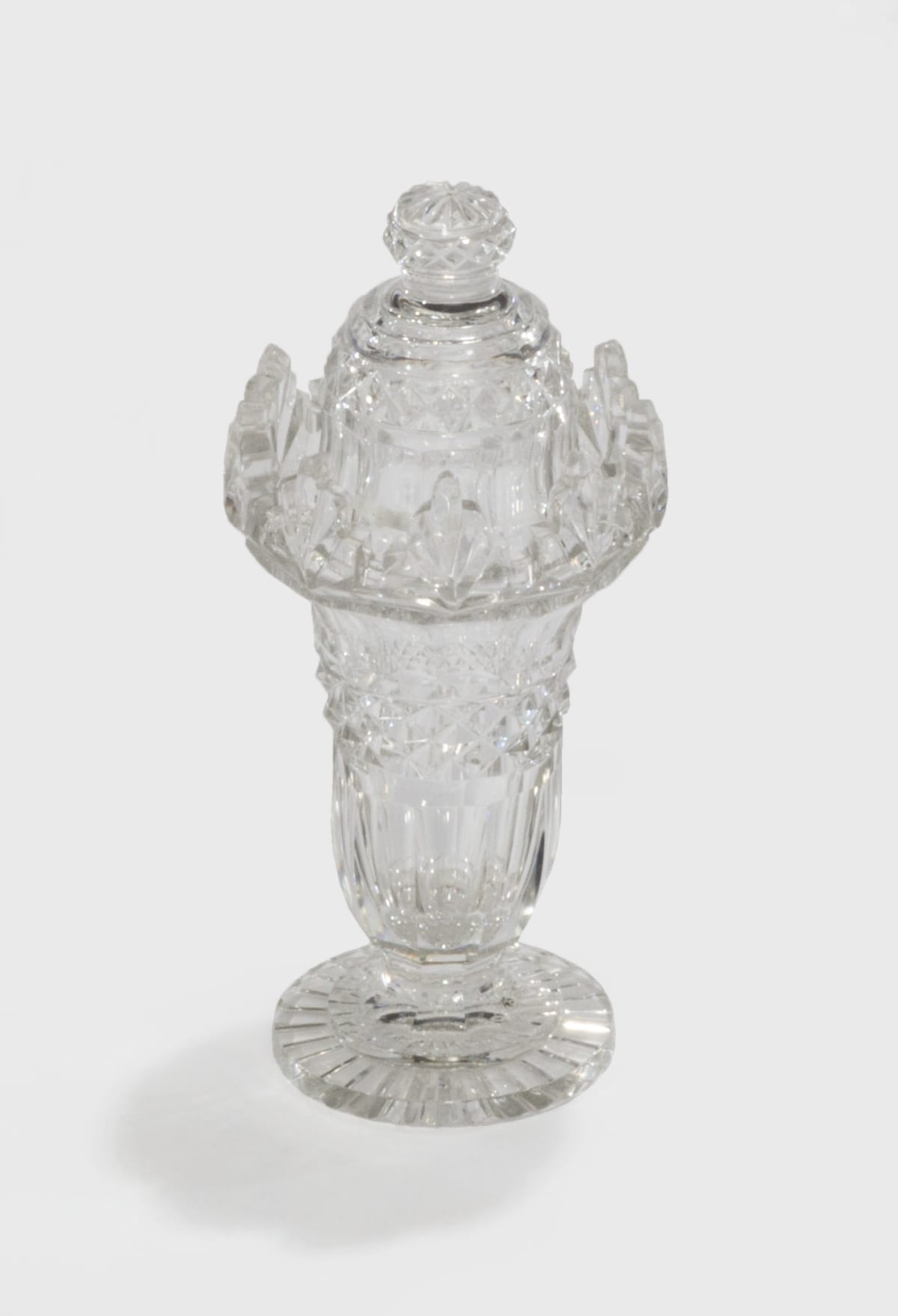
- Custard Cup, 1790-1810 - In the early 18th century, glassmakers in England and Ireland created exquisite translucent cut glassware known as Anglo-Irish glass. Beginning in the 1780s, Anglo-Irish glassmakers found a ready market in America -- now independent from Britain. Americans loved the dazzling interplay of candlelight and glass in their homes, which showed that Americans could attain interiors as fashionable as those in London.
- 1790-1810
- Collections - Artifact
Custard Cup, 1790-1810
In the early 18th century, glassmakers in England and Ireland created exquisite translucent cut glassware known as Anglo-Irish glass. Beginning in the 1780s, Anglo-Irish glassmakers found a ready market in America -- now independent from Britain. Americans loved the dazzling interplay of candlelight and glass in their homes, which showed that Americans could attain interiors as fashionable as those in London.
- Custard Mold, 1700-1735 -
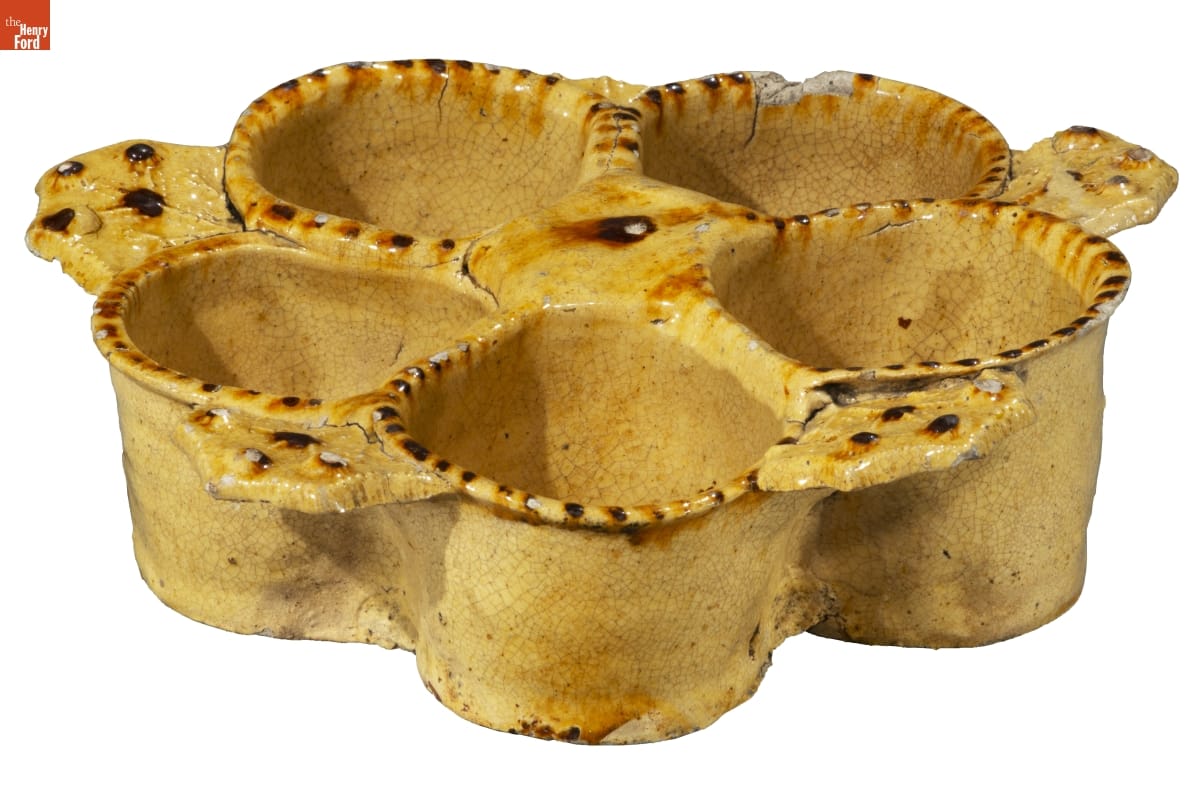
- 1700-1735
- Collections - Artifact
Custard Mold, 1700-1735