
Search
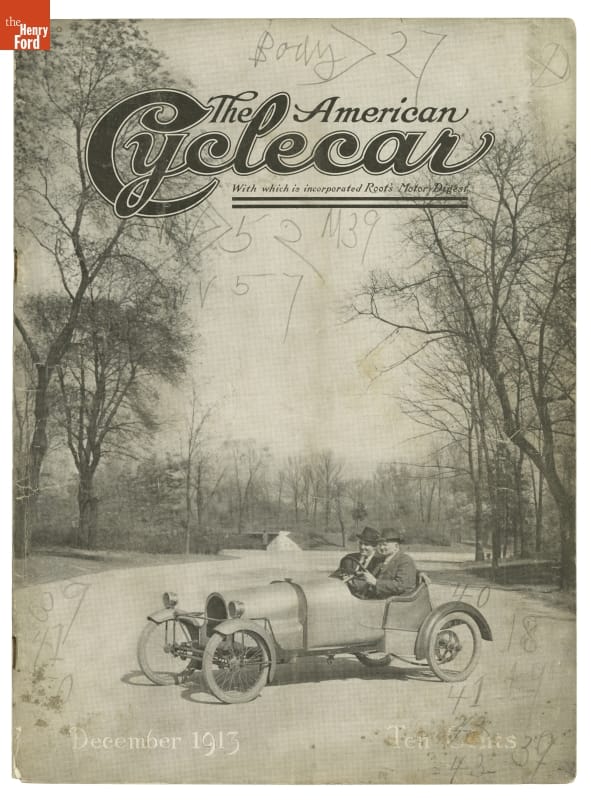
- "American Cyclecar" Magazine for December 1913 - <EM>The American Cyclecar</EM> magazine catered to motorists devoted to this type of small car. A cyclecar was a slim, lightweight, and economical vehicle usually powered by a one- or two-cylinder engine. In the mid-1910s, at the height of the cyclecar fad in America, proponents could learn about the vehicle by reading this and other similar magazines and journals.
- December 01, 1913
- Collections - Artifact
"American Cyclecar" Magazine for December 1913
The American Cyclecar magazine catered to motorists devoted to this type of small car. A cyclecar was a slim, lightweight, and economical vehicle usually powered by a one- or two-cylinder engine. In the mid-1910s, at the height of the cyclecar fad in America, proponents could learn about the vehicle by reading this and other similar magazines and journals.
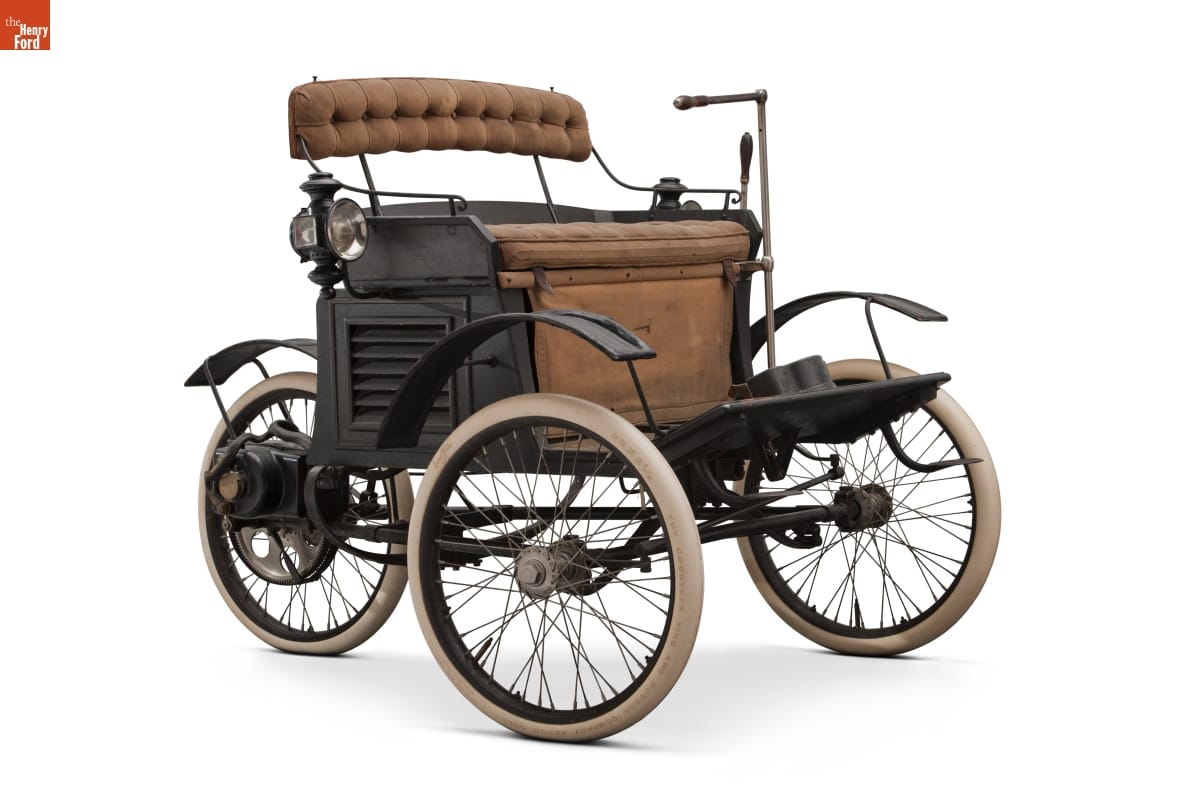
- 1896 Riker Electric Tricycle - Auto pioneer A.L. Riker built this electric tricycle in Brooklyn, New York, in 1896. Its tubular steel frame, wire wheels, and pneumatic tires are adapted from bicycle practice. Lead-acid batteries are under the seat, and a 40-volt, one-horsepower electric motor powered the rear wheel. Although quite successful at building electric vehicles, Riker sold his company in 1900 and became chief engineer of Locomobile, a builder of high-quality internal combustion powered cars.
- 1896
- Collections - Artifact
1896 Riker Electric Tricycle
Auto pioneer A.L. Riker built this electric tricycle in Brooklyn, New York, in 1896. Its tubular steel frame, wire wheels, and pneumatic tires are adapted from bicycle practice. Lead-acid batteries are under the seat, and a 40-volt, one-horsepower electric motor powered the rear wheel. Although quite successful at building electric vehicles, Riker sold his company in 1900 and became chief engineer of Locomobile, a builder of high-quality internal combustion powered cars.
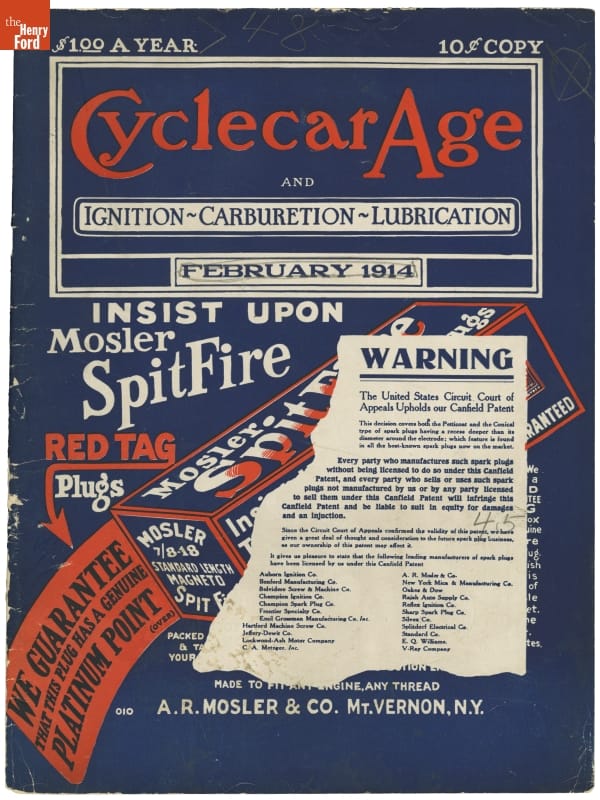
- "Cyclecar Age" Magazine for February, 1914 - In 1912, a new European fad took America by storm: the cyclecar -- slim, light, cheap, with a motorcycle engine. Its popularity spawned several magazines, like <EM>Cyclecar Age</EM>, that were dedicated to the vehicle. In this February 1914 issue, publishers have a cyclecar speak for itself as to why people should try one.
- February 01, 1914
- Collections - Artifact
"Cyclecar Age" Magazine for February, 1914
In 1912, a new European fad took America by storm: the cyclecar -- slim, light, cheap, with a motorcycle engine. Its popularity spawned several magazines, like Cyclecar Age, that were dedicated to the vehicle. In this February 1914 issue, publishers have a cyclecar speak for itself as to why people should try one.
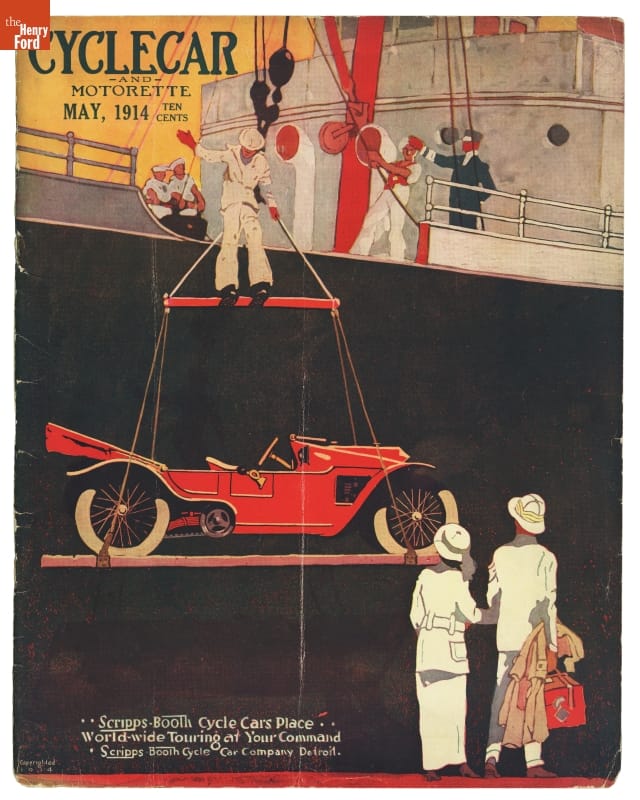
- "Cyclecar and Motorette" Magazine for May 1914 - This magazine for Scripps-Booth owners showed how easy it was to explore exotic lands in a tiny cyclecar -- a slim, light, cheap vehicle with a motorcycle engine.
- May 01, 1914
- Collections - Artifact
"Cyclecar and Motorette" Magazine for May 1914
This magazine for Scripps-Booth owners showed how easy it was to explore exotic lands in a tiny cyclecar -- a slim, light, cheap vehicle with a motorcycle engine.
- "Woods Mobilette--Model No. 2--Excels," 1913 - Car brochures have evolved from straightforward product catalogues into polished creative sales tools. Their quality paper, rich color, inventive formats, and sophisticated graphic design all contribute to a buyer's developing impression of a car in a showroom. Advertising might entice people to a dealership, but brochures extend and deepen the relationship between vehicle and potential buyer.

- 1913
- Collections - Artifact
"Woods Mobilette--Model No. 2--Excels," 1913
Car brochures have evolved from straightforward product catalogues into polished creative sales tools. Their quality paper, rich color, inventive formats, and sophisticated graphic design all contribute to a buyer's developing impression of a car in a showroom. Advertising might entice people to a dealership, but brochures extend and deepen the relationship between vehicle and potential buyer.
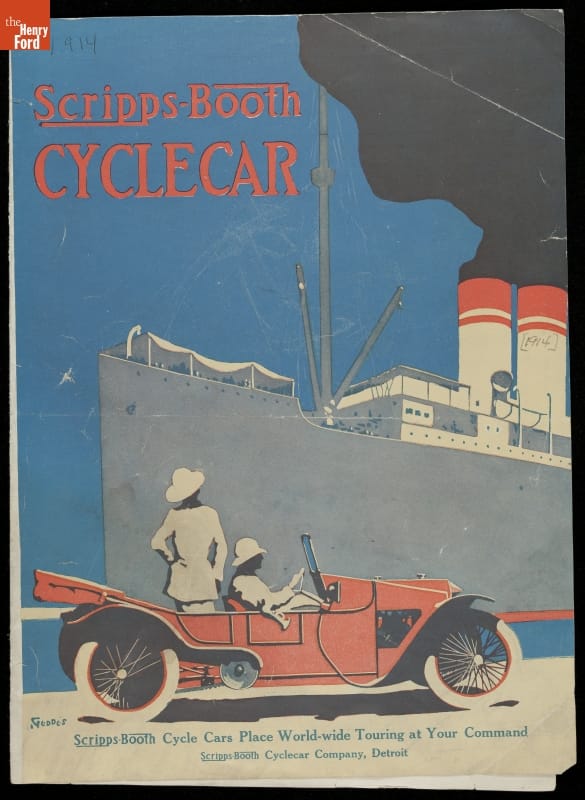
- 1914 Scripps-Booth Cyclecar Sales Brochure - Formed in 1912 by James Scripps Booth, heir to a newspaper publishing fortune, the Scripps-Booth company produced a variety of unusual vehicles. While its smaller two-cylinder cyclecars were well built, the company's larger four-cylinder automobiles developed a reputation for poor reliability and earned derisive nicknames like "Slips-Loose." Scripps-Booth ultimately became a part of General Motors, which closed the brand in 1922.
- 1914
- Collections - Artifact
1914 Scripps-Booth Cyclecar Sales Brochure
Formed in 1912 by James Scripps Booth, heir to a newspaper publishing fortune, the Scripps-Booth company produced a variety of unusual vehicles. While its smaller two-cylinder cyclecars were well built, the company's larger four-cylinder automobiles developed a reputation for poor reliability and earned derisive nicknames like "Slips-Loose." Scripps-Booth ultimately became a part of General Motors, which closed the brand in 1922.
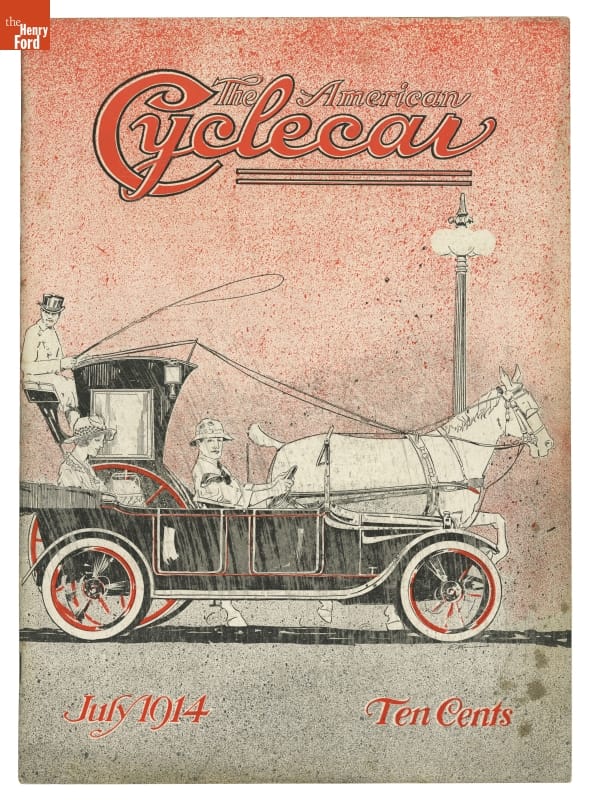
- "The American Cyclecar" Magazine for July 1914 - <EM>The American Cyclecar</EM> magazine catered to motorists devoted to this type of small car. A cyclecar was a slim, lightweight, and economical vehicle usually powered by a one- or two-cylinder engine. In the mid-1910s, at the height of the cyclecar fad in America, proponents could learn about the vehicle by reading this and other similar magazines and journals.
- July 01, 1914
- Collections - Artifact
"The American Cyclecar" Magazine for July 1914
The American Cyclecar magazine catered to motorists devoted to this type of small car. A cyclecar was a slim, lightweight, and economical vehicle usually powered by a one- or two-cylinder engine. In the mid-1910s, at the height of the cyclecar fad in America, proponents could learn about the vehicle by reading this and other similar magazines and journals.
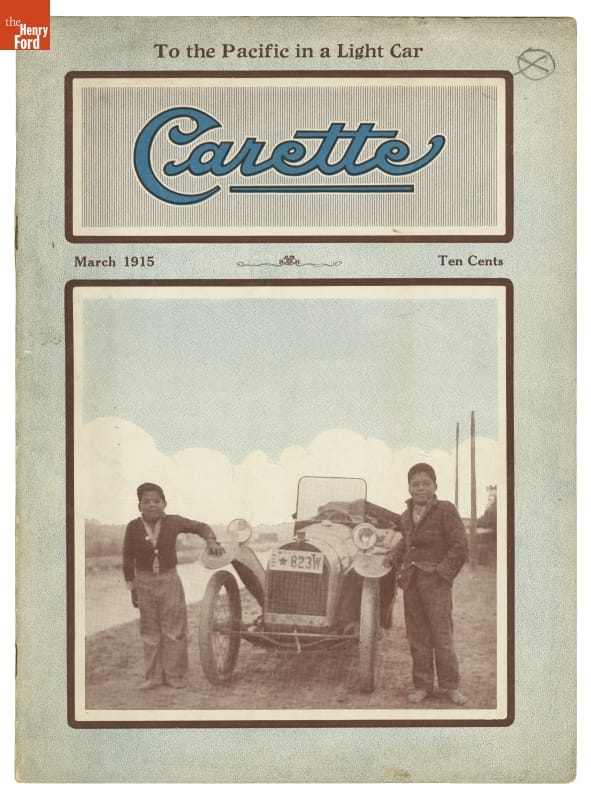
- Carette Magazine for March 1915 - Proponents of cyclecars could find articles, information, and advertisements about these small cars in <EM>Carette</EM> magazine. A cyclecar was a slim, lightweight, and economical vehicle usually powered by a one- or two-cylinder engine. The cyclecar fad in America lasted for only a few years in the mid-1910s.
- March 01, 1915
- Collections - Artifact
Carette Magazine for March 1915
Proponents of cyclecars could find articles, information, and advertisements about these small cars in Carette magazine. A cyclecar was a slim, lightweight, and economical vehicle usually powered by a one- or two-cylinder engine. The cyclecar fad in America lasted for only a few years in the mid-1910s.
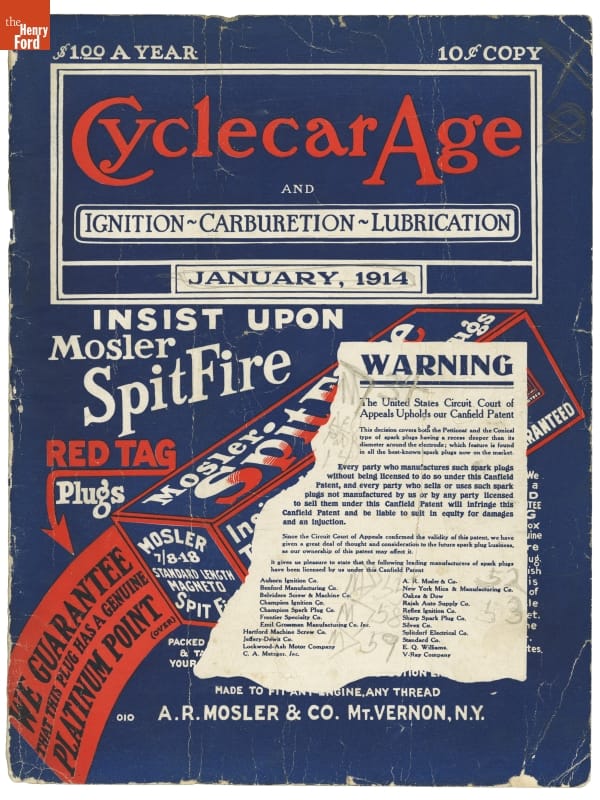
- "Cyclecar Age" Magazine for January 1914 - Cyclecars became so popular in the mid-1910s that there were magazines dedicated to them. The January 1914 issue of <EM>Cyclecar Age</EM> features several cartoons about the popular vehicle.
- January 01, 1914
- Collections - Artifact
"Cyclecar Age" Magazine for January 1914
Cyclecars became so popular in the mid-1910s that there were magazines dedicated to them. The January 1914 issue of Cyclecar Age features several cartoons about the popular vehicle.
- 1913 Scripps-Booth Rocket Cyclecar Prototype - In 1912, a new European fad took America by storm: the cyclecar -- slim, light, cheap, with a motorcycle engine. By 1914, Americans could choose from over 80 home-grown versions. Most were poorly built and rattled to pieces on America's rough, unpaved roads. And by 1917, a durable five-passenger Ford Model T cost $25 less than this Scripps-Booth. The cyclecar fad was over.
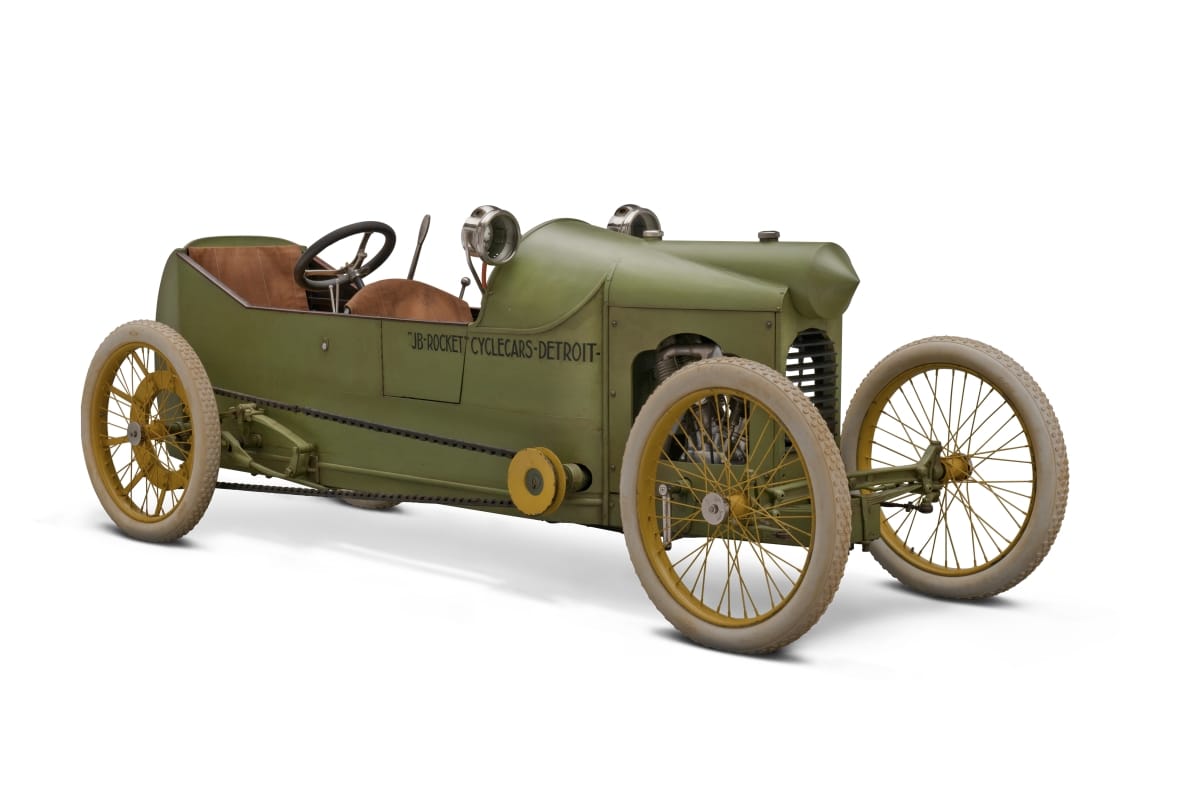
- 1913
- Collections - Artifact
1913 Scripps-Booth Rocket Cyclecar Prototype
In 1912, a new European fad took America by storm: the cyclecar -- slim, light, cheap, with a motorcycle engine. By 1914, Americans could choose from over 80 home-grown versions. Most were poorly built and rattled to pieces on America's rough, unpaved roads. And by 1917, a durable five-passenger Ford Model T cost $25 less than this Scripps-Booth. The cyclecar fad was over.