
Search
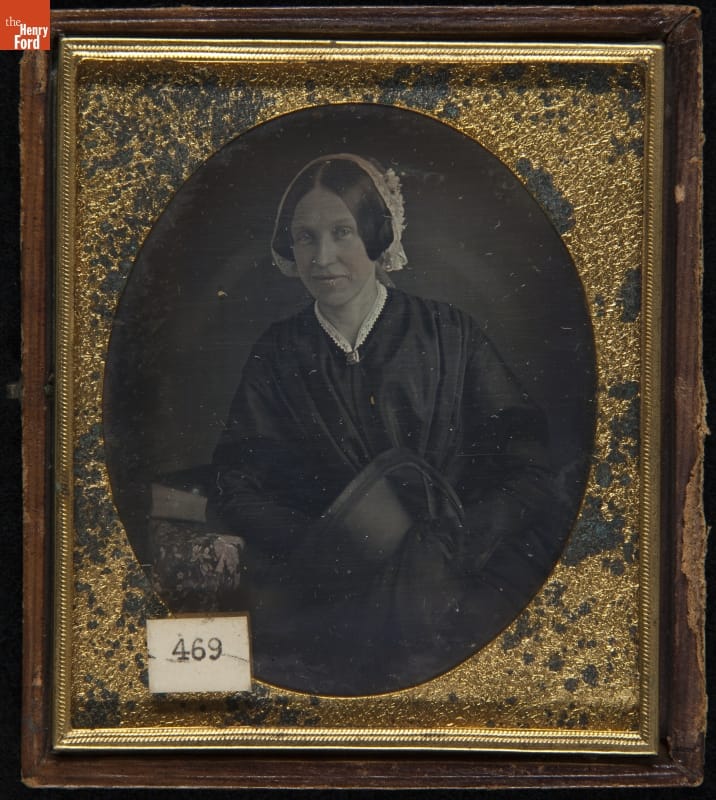
- Portrait of a Woman, circa 1855 - The daguerreotype, popular in the early 1840s-late 1850s, was the first form of photography available to the public. Sheets of silver-plated copper--polished to a mirror finish--were bathed in photosensitive vapors, and exposed in cameras. In formal studios and traveling booths, photographers created affordable portraits. For the first time, people saw their likenesses--fixed permanently in time and place.
- circa 1850
- Collections - Artifact
Portrait of a Woman, circa 1855
The daguerreotype, popular in the early 1840s-late 1850s, was the first form of photography available to the public. Sheets of silver-plated copper--polished to a mirror finish--were bathed in photosensitive vapors, and exposed in cameras. In formal studios and traveling booths, photographers created affordable portraits. For the first time, people saw their likenesses--fixed permanently in time and place.
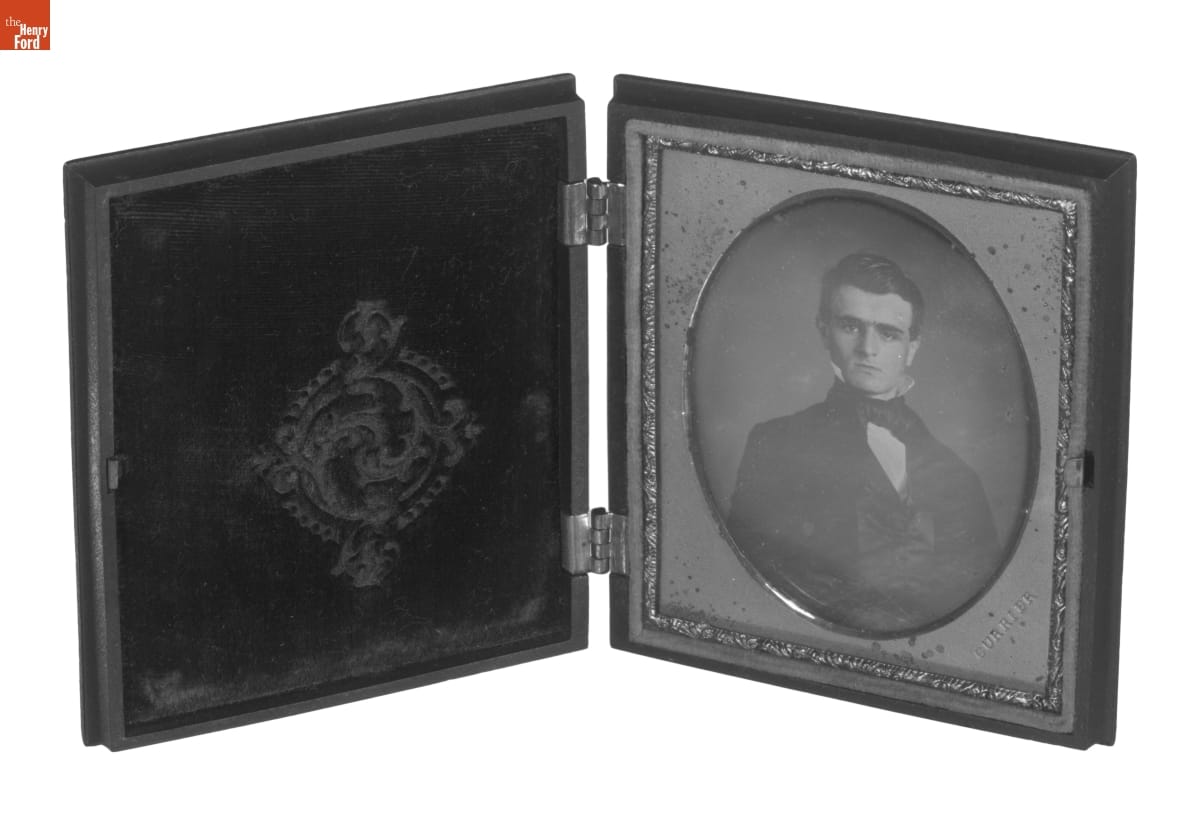
- Seated Man Wearing a Satin Vest, a Daguerreotype in a Union Case, 1858-1866 -
- 1858-1866
- Collections - Artifact
Seated Man Wearing a Satin Vest, a Daguerreotype in a Union Case, 1858-1866
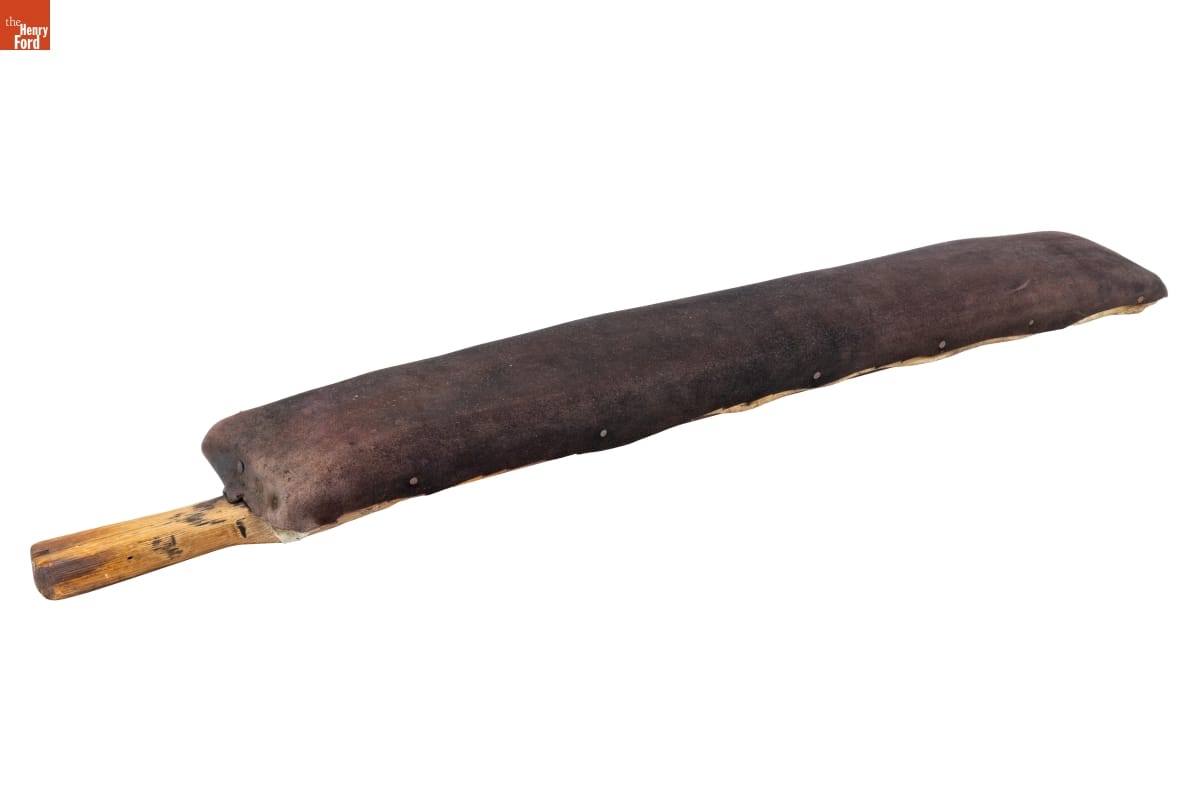
- Buff Stick -
- Collections - Artifact
Buff Stick
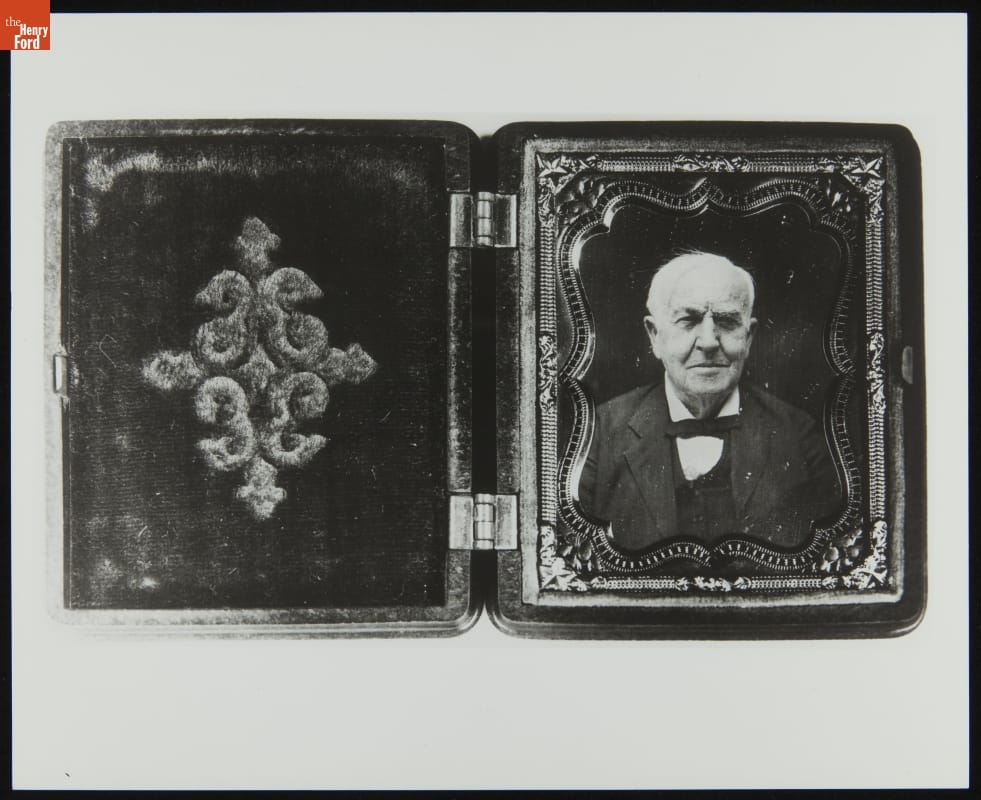
- Daguerreotype Portrait of Thomas Edison in the Greenfield Village Tintype Studio, 1930 -
- December 04, 1930
- Collections - Artifact
Daguerreotype Portrait of Thomas Edison in the Greenfield Village Tintype Studio, 1930
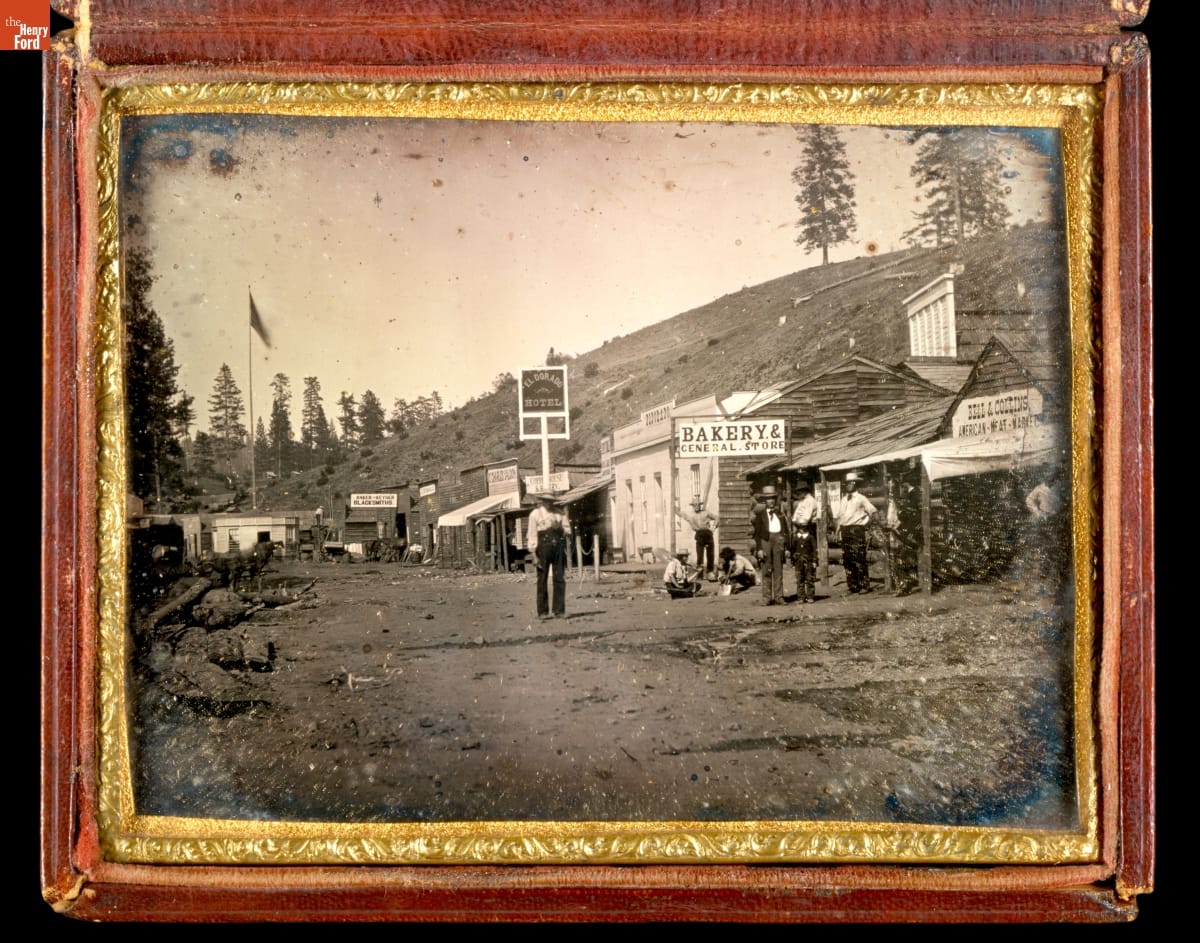
- Street Scene of a California Gold Mining Town, about 1850 - Placerville, a California gold-mining town, is the subject of this daguerreotype from about 1850. The two men panning for gold on the street are posing, but the buildings -- including hotel, general store, saloon, and "Legal Coin in Exchange for Dust" shop -- offer an authentic view of daily life for gold-seekers and merchants during the California Gold Rush.
- circa 1850
- Collections - Artifact
Street Scene of a California Gold Mining Town, about 1850
Placerville, a California gold-mining town, is the subject of this daguerreotype from about 1850. The two men panning for gold on the street are posing, but the buildings -- including hotel, general store, saloon, and "Legal Coin in Exchange for Dust" shop -- offer an authentic view of daily life for gold-seekers and merchants during the California Gold Rush.
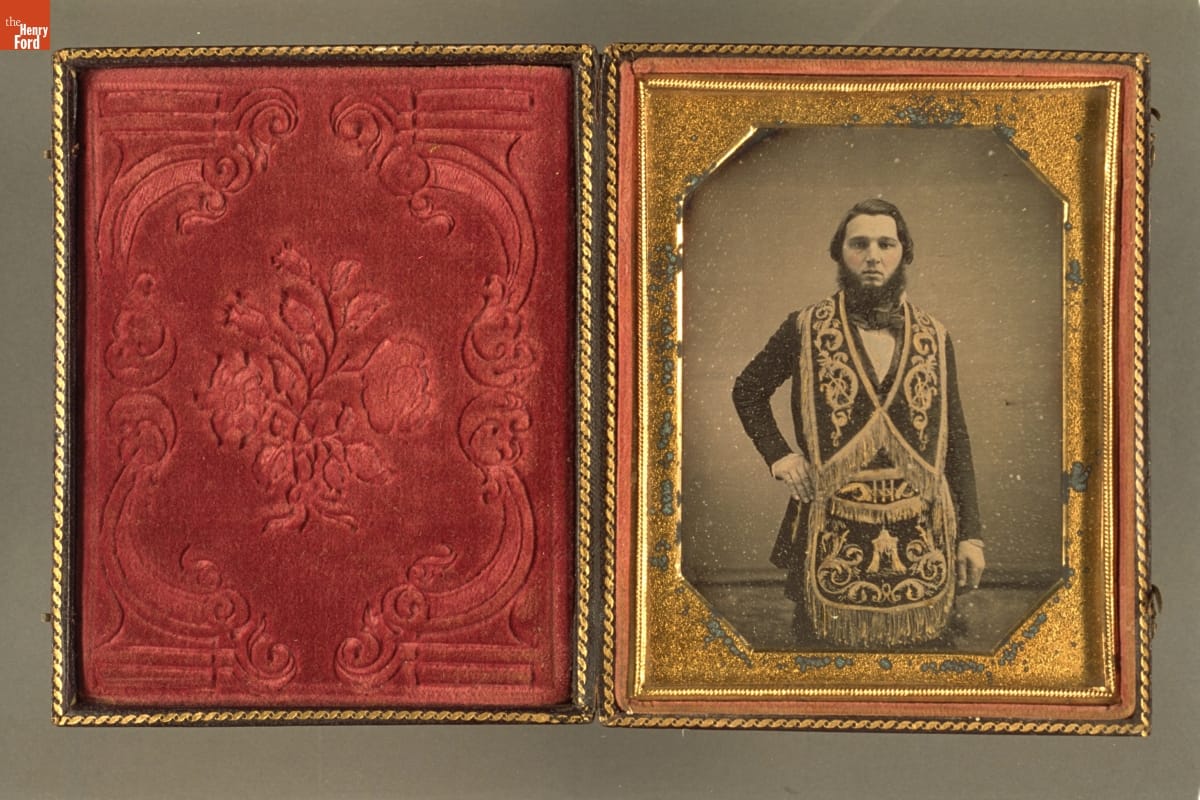
- Member of the Independent Order of Odd Fellows, circa 1850 - The daguerreotype, popular in the early 1840s-late 1850s, was the first form of photography available to the public. Sheets of silver-plated copper--polished to a mirror finish--were bathed in photosensitive vapors, and exposed in cameras. In formal studios and traveling booths, photographers created affordable portraits. For the first time, people saw their likenesses--fixed permanently in time and place.
- circa 1850
- Collections - Artifact
Member of the Independent Order of Odd Fellows, circa 1850
The daguerreotype, popular in the early 1840s-late 1850s, was the first form of photography available to the public. Sheets of silver-plated copper--polished to a mirror finish--were bathed in photosensitive vapors, and exposed in cameras. In formal studios and traveling booths, photographers created affordable portraits. For the first time, people saw their likenesses--fixed permanently in time and place.
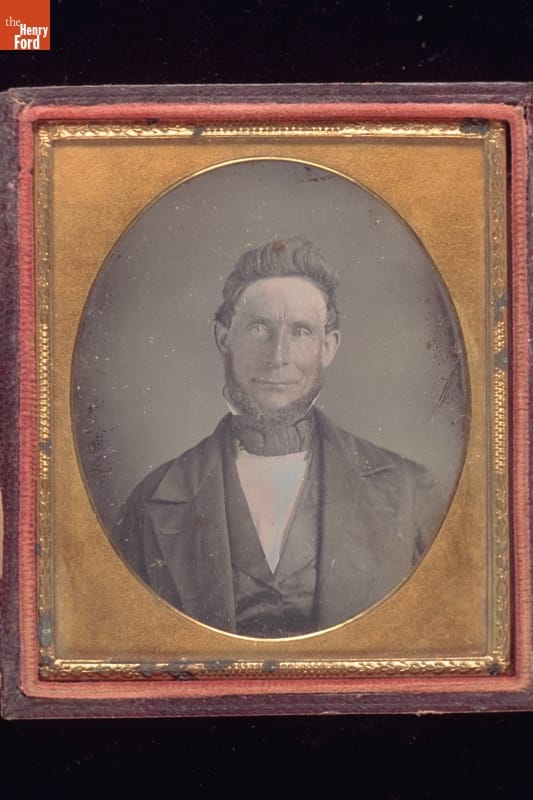
- Portrait of Leo Adler, Wisconsin, 1860 - The daguerreotype, popular in the early 1840s-late 1850s, was the first form of photography available to the public. Sheets of silver-plated copper--polished to a mirror finish--were bathed in photosensitive vapors, and exposed in cameras. In formal studios and traveling booths, photographers created affordable portraits. For the first time, people saw their likenesses--fixed permanently in time and place.
- 1860
- Collections - Artifact
Portrait of Leo Adler, Wisconsin, 1860
The daguerreotype, popular in the early 1840s-late 1850s, was the first form of photography available to the public. Sheets of silver-plated copper--polished to a mirror finish--were bathed in photosensitive vapors, and exposed in cameras. In formal studios and traveling booths, photographers created affordable portraits. For the first time, people saw their likenesses--fixed permanently in time and place.
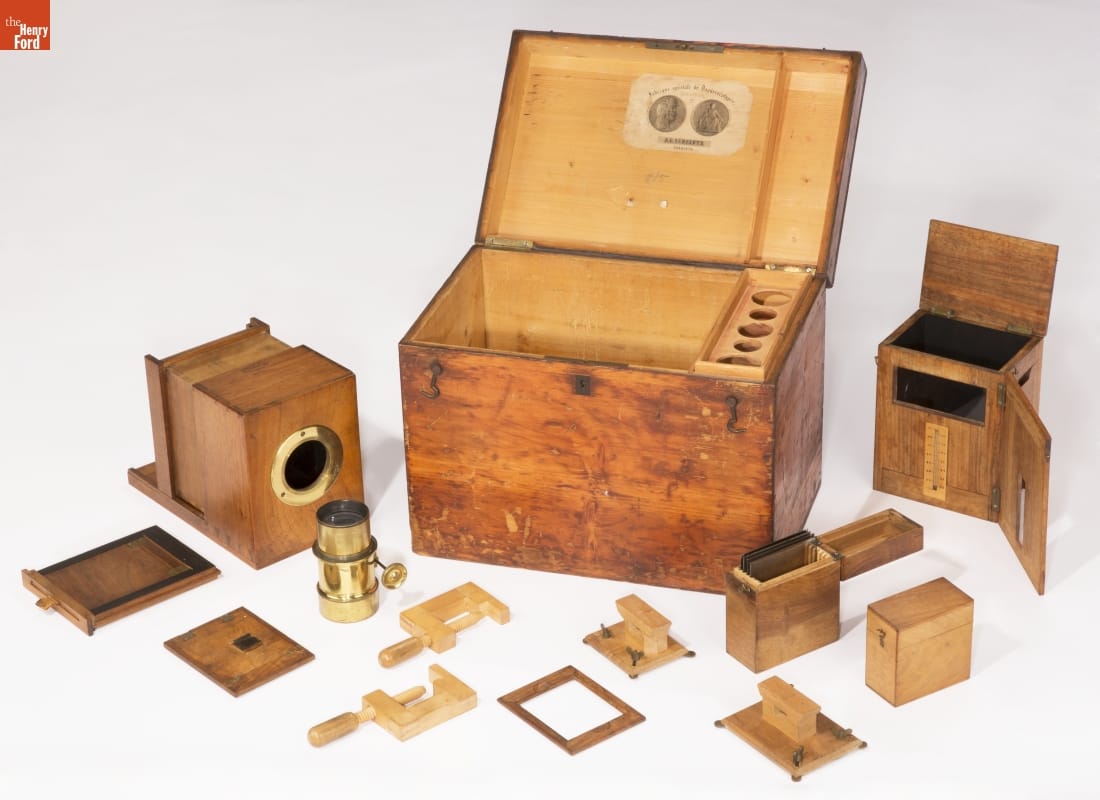
- Daguerreotype View Camera and Accessories, 1850 -
- 1850
- Collections - Artifact
Daguerreotype View Camera and Accessories, 1850
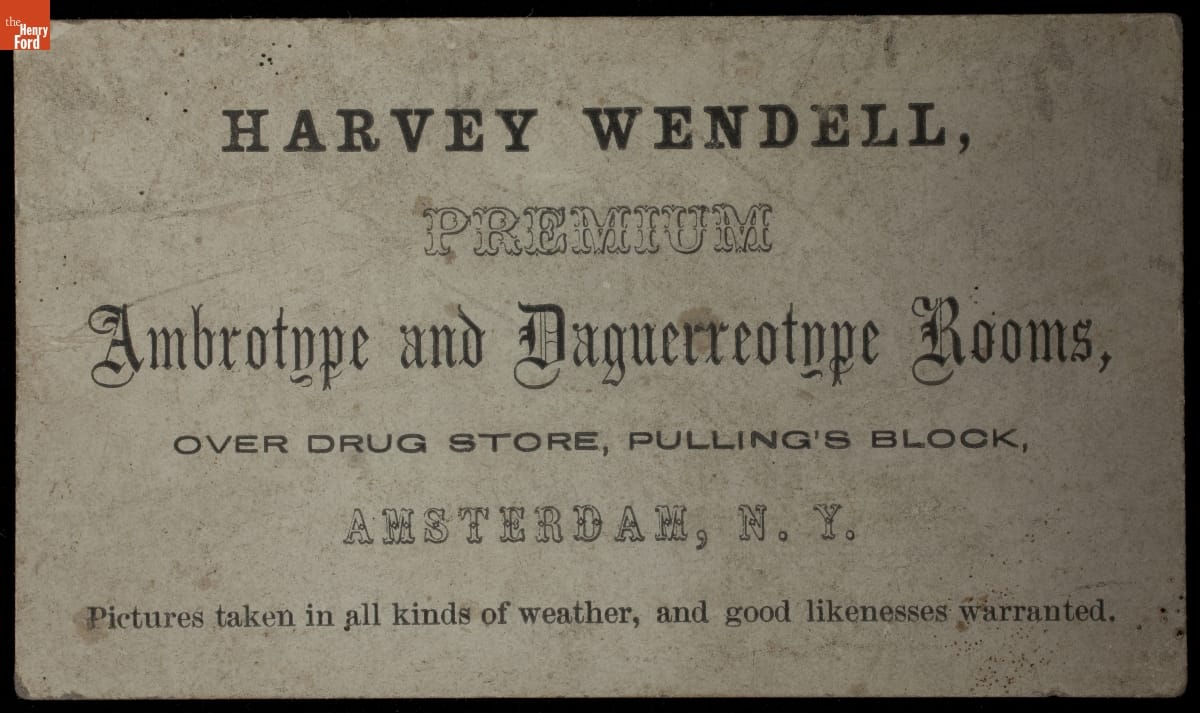
- Trade Card for Harvey Wendell, Ambrotype and Daguerreotype Rooms, 1855-1870 - In the last third of the nineteenth century, an unprecedented variety of consumer goods and services flooded the American market. Advertisers bombarded potential customers with trade cards. Americans often saved the informative little advertisements found in product packages or distributed by local merchants. Many survive as historical records of commercialism in the United States.
- 1855-1870
- Collections - Artifact
Trade Card for Harvey Wendell, Ambrotype and Daguerreotype Rooms, 1855-1870
In the last third of the nineteenth century, an unprecedented variety of consumer goods and services flooded the American market. Advertisers bombarded potential customers with trade cards. Americans often saved the informative little advertisements found in product packages or distributed by local merchants. Many survive as historical records of commercialism in the United States.
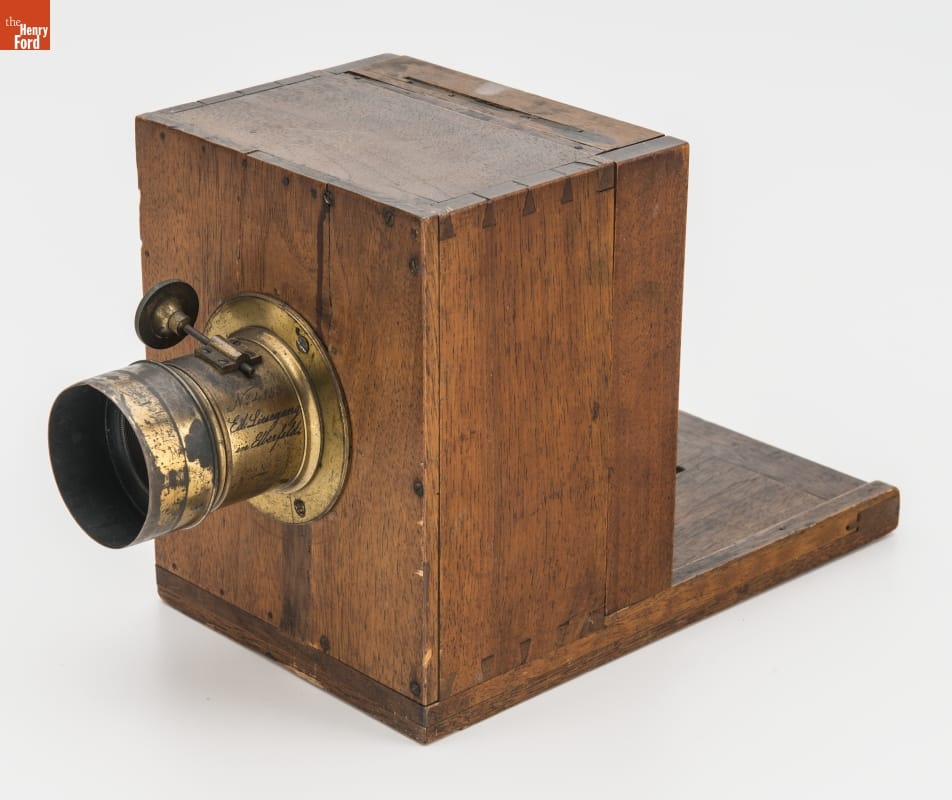
- Daguerreotype Camera with Liesegang Lens, 1855-1870 -
- 1855-1870
- Collections - Artifact
Daguerreotype Camera with Liesegang Lens, 1855-1870