
Search
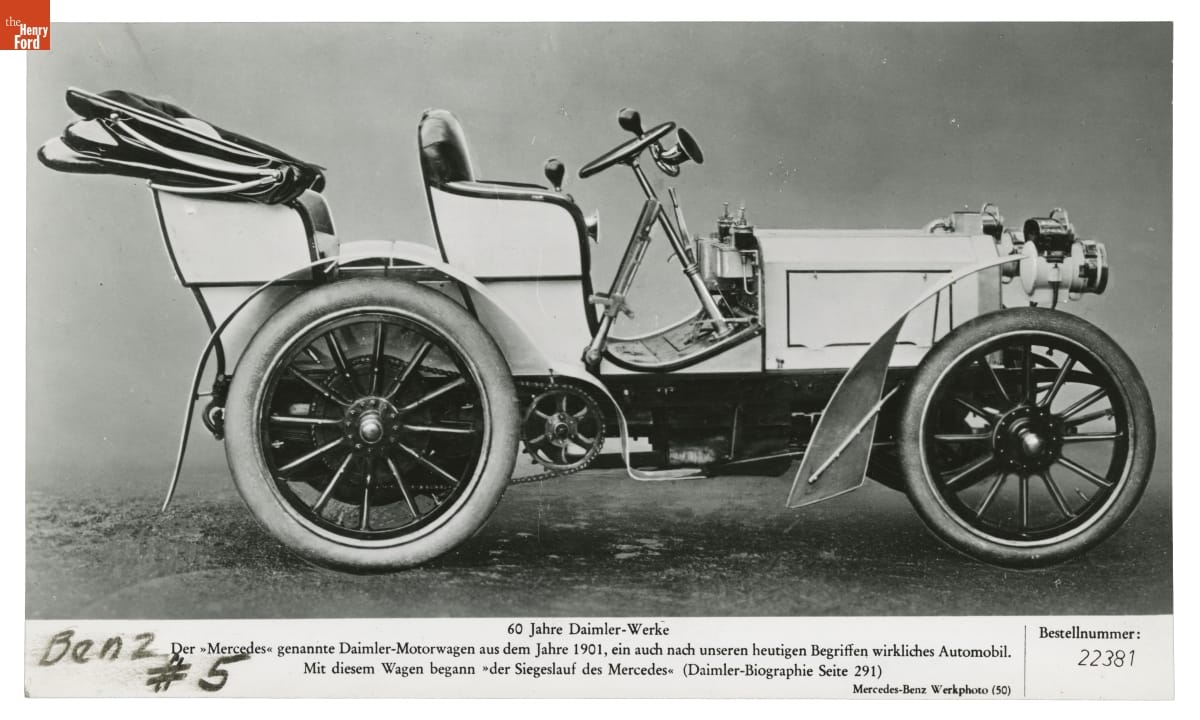
- 1901 Mercedes-Benz Number 5, circa 1955 - The 1901 Mercedes, built by the German firm Daimler, was one of the first automobiles with the engine up front rather than under the seat. That gave more room for bigger engines and also allowed the chassis to be lowered for easier entry and better road holding. It set the pattern for future cars.
- 1901
- Collections - Artifact
1901 Mercedes-Benz Number 5, circa 1955
The 1901 Mercedes, built by the German firm Daimler, was one of the first automobiles with the engine up front rather than under the seat. That gave more room for bigger engines and also allowed the chassis to be lowered for easier entry and better road holding. It set the pattern for future cars.
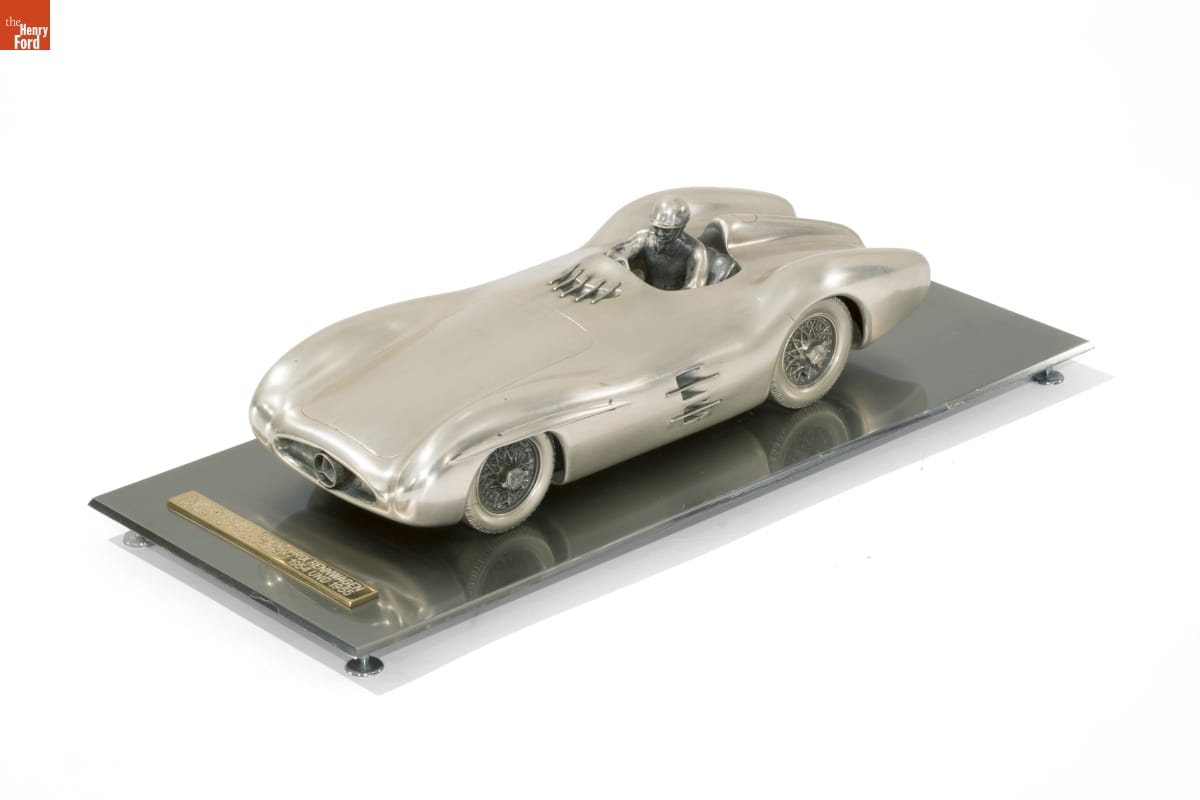
- Scale Model of a 1954-1955 Mercedes Benz Grand Prix Rennwagen - Mercedes-Benz competed in the 1954 and 1955 Formula One seasons with the W196 race car. With drivers Juan Manuel Fangio and Stirling Moss, the car won 9 of the 12 races it entered and helped Fangio earn the World Drivers' Championship in both seasons. Mercedes-Benz built the W196 in both closed- and open-wheel forms. This model represents the closed-wheel version.
- 1954-1955
- Collections - Artifact
Scale Model of a 1954-1955 Mercedes Benz Grand Prix Rennwagen
Mercedes-Benz competed in the 1954 and 1955 Formula One seasons with the W196 race car. With drivers Juan Manuel Fangio and Stirling Moss, the car won 9 of the 12 races it entered and helped Fangio earn the World Drivers' Championship in both seasons. Mercedes-Benz built the W196 in both closed- and open-wheel forms. This model represents the closed-wheel version.
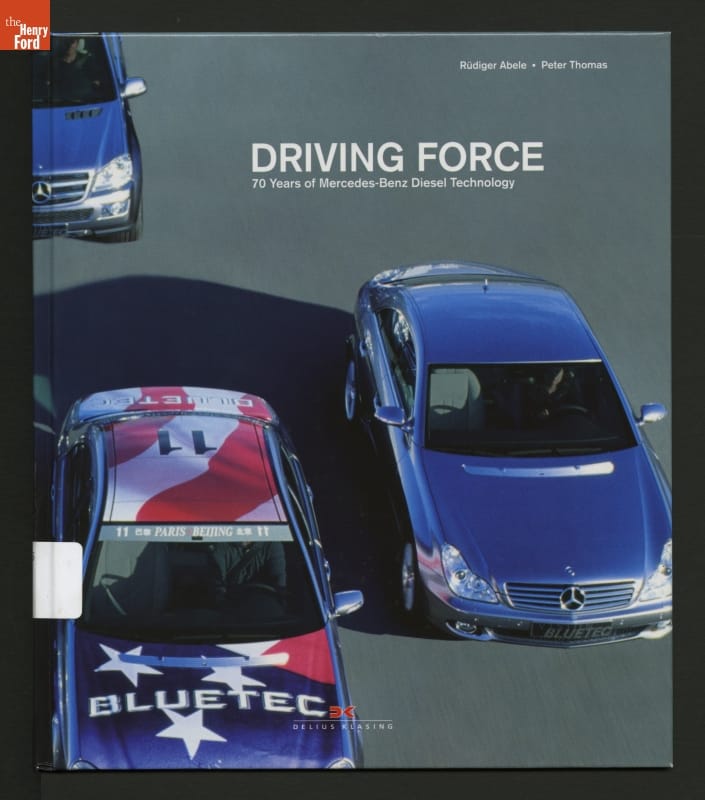
- "Driving Force, 70 Years of Mercedes-Benz Diesel Technology" 2007 - This book offers a short history of Mercedes-Benz's diesel vehicles. Mercedes-Benz built the world's first diesel passenger car in 1936.
- 2007
- Collections - Artifact
"Driving Force, 70 Years of Mercedes-Benz Diesel Technology" 2007
This book offers a short history of Mercedes-Benz's diesel vehicles. Mercedes-Benz built the world's first diesel passenger car in 1936.
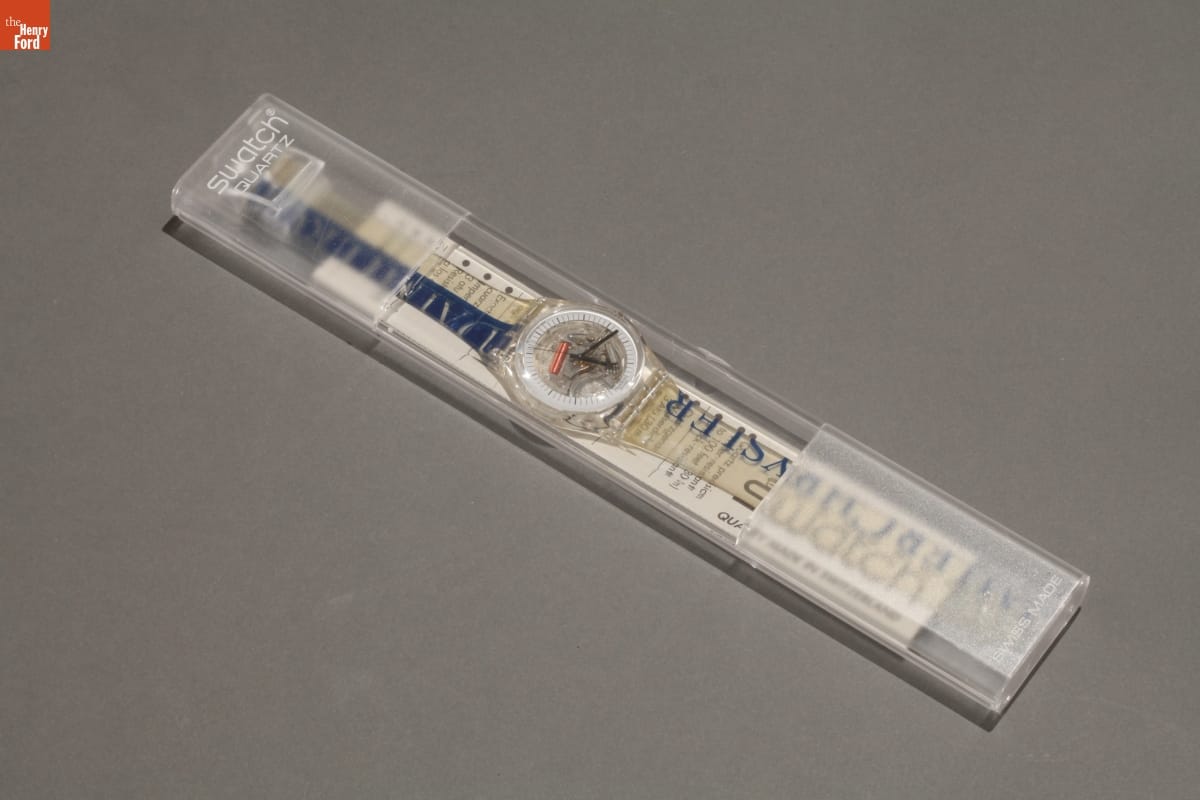
- DaimlerChrysler Promotional Watch, 1998-2007 - Promotional giveaways can place advertising messages deeper into people's lives than billboards or magazine ads. The power of branding -- coupled with consumer brand loyalty -- has also led to the creation of promotional items designed for sale to the public. DaimlerChrysler AG celebrated its 1998 merger with this company giveaway made by Swatch.
- 1998-2007
- Collections - Artifact
DaimlerChrysler Promotional Watch, 1998-2007
Promotional giveaways can place advertising messages deeper into people's lives than billboards or magazine ads. The power of branding -- coupled with consumer brand loyalty -- has also led to the creation of promotional items designed for sale to the public. DaimlerChrysler AG celebrated its 1998 merger with this company giveaway made by Swatch.
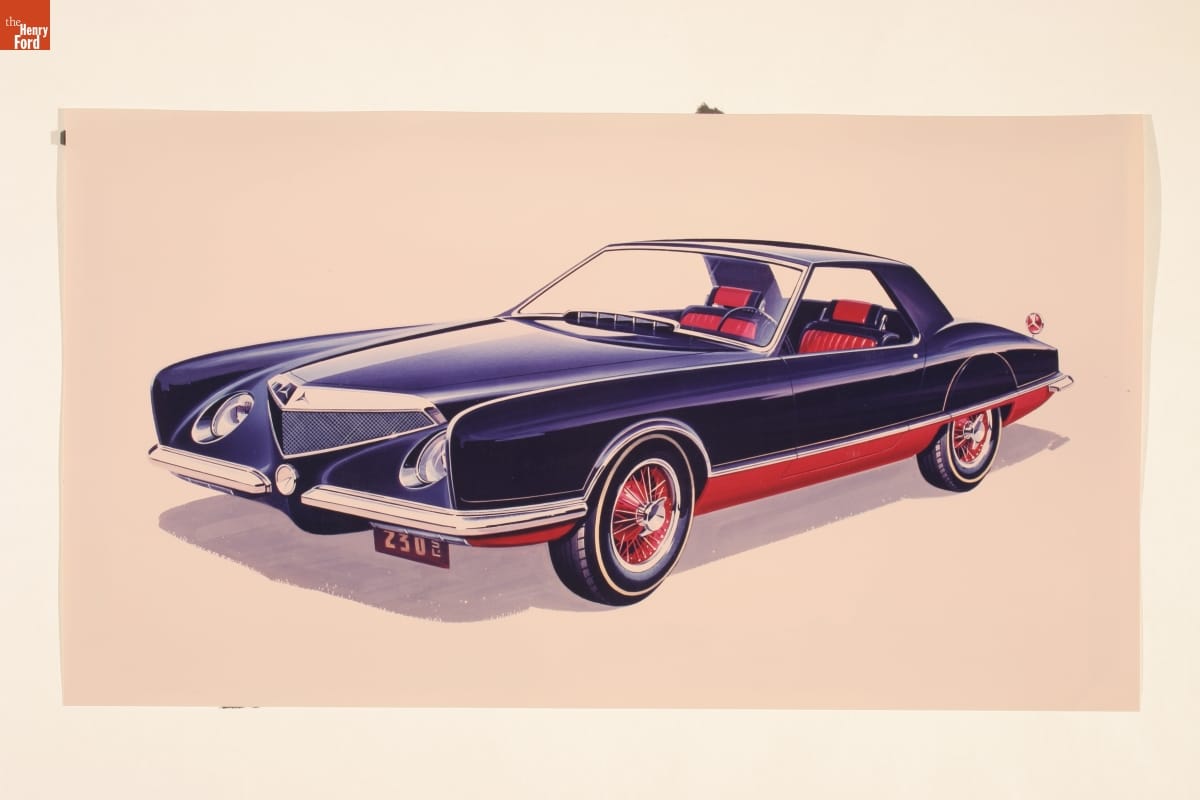
- Proposal for the Mercedes 230SL Concept Car, 1966-1967 - Virgil Exner's long career in automotive design included work with General Motors, Raymond Loewy Associates, and Studebaker. He is best remembered for his work at Chrysler, where he headed design from 1953 to 1961. Following his retirement from Chrysler, Exner created this design proposal for the Mercedes 230SL.
- 1966-1967
- Collections - Artifact
Proposal for the Mercedes 230SL Concept Car, 1966-1967
Virgil Exner's long career in automotive design included work with General Motors, Raymond Loewy Associates, and Studebaker. He is best remembered for his work at Chrysler, where he headed design from 1953 to 1961. Following his retirement from Chrysler, Exner created this design proposal for the Mercedes 230SL.
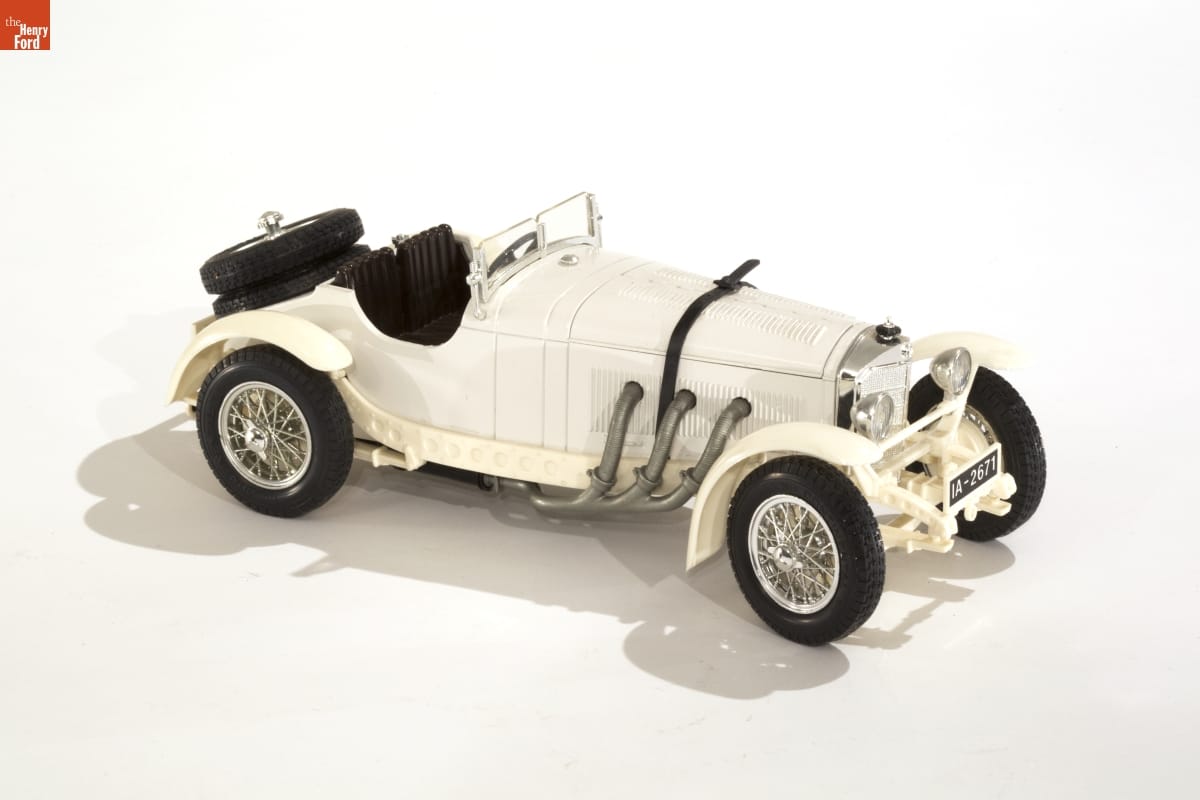
- Scale Model of a Mercedes SSK Race Car, 1950-1970 - Germany's Mercedes-Benz produced the SSK -- "Super Sport Kurz" -- roadster from 1928 to 1932. "Kurz" is German for "short" -- a reference to the car's shortened wheelbase that made it well suited to racing. The SSK's supercharged seven-liter, six-cylinder engine produced some 200 horsepower and gave the car a top speed close to 120 miles per hour.
- 1950-1970
- Collections - Artifact
Scale Model of a Mercedes SSK Race Car, 1950-1970
Germany's Mercedes-Benz produced the SSK -- "Super Sport Kurz" -- roadster from 1928 to 1932. "Kurz" is German for "short" -- a reference to the car's shortened wheelbase that made it well suited to racing. The SSK's supercharged seven-liter, six-cylinder engine produced some 200 horsepower and gave the car a top speed close to 120 miles per hour.