
Search
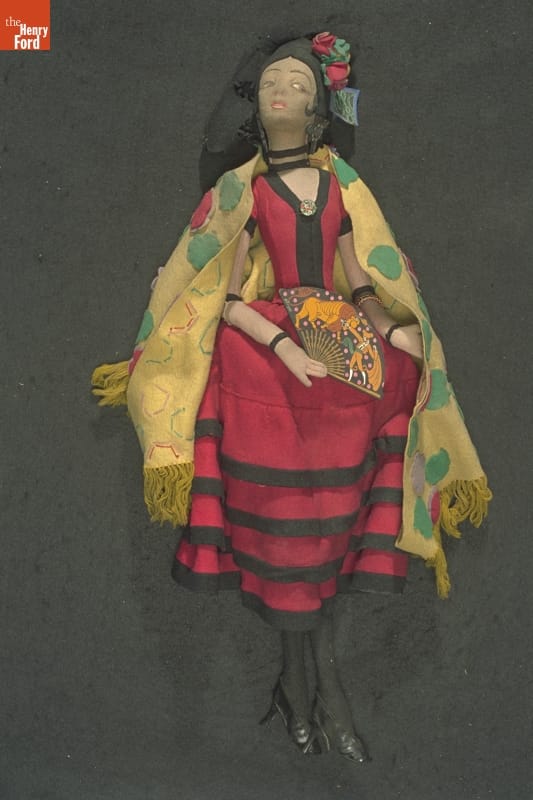
- Spanish Dancer Cloth Doll, 1920-1935 -
- 1920-1935
- Collections - Artifact
Spanish Dancer Cloth Doll, 1920-1935
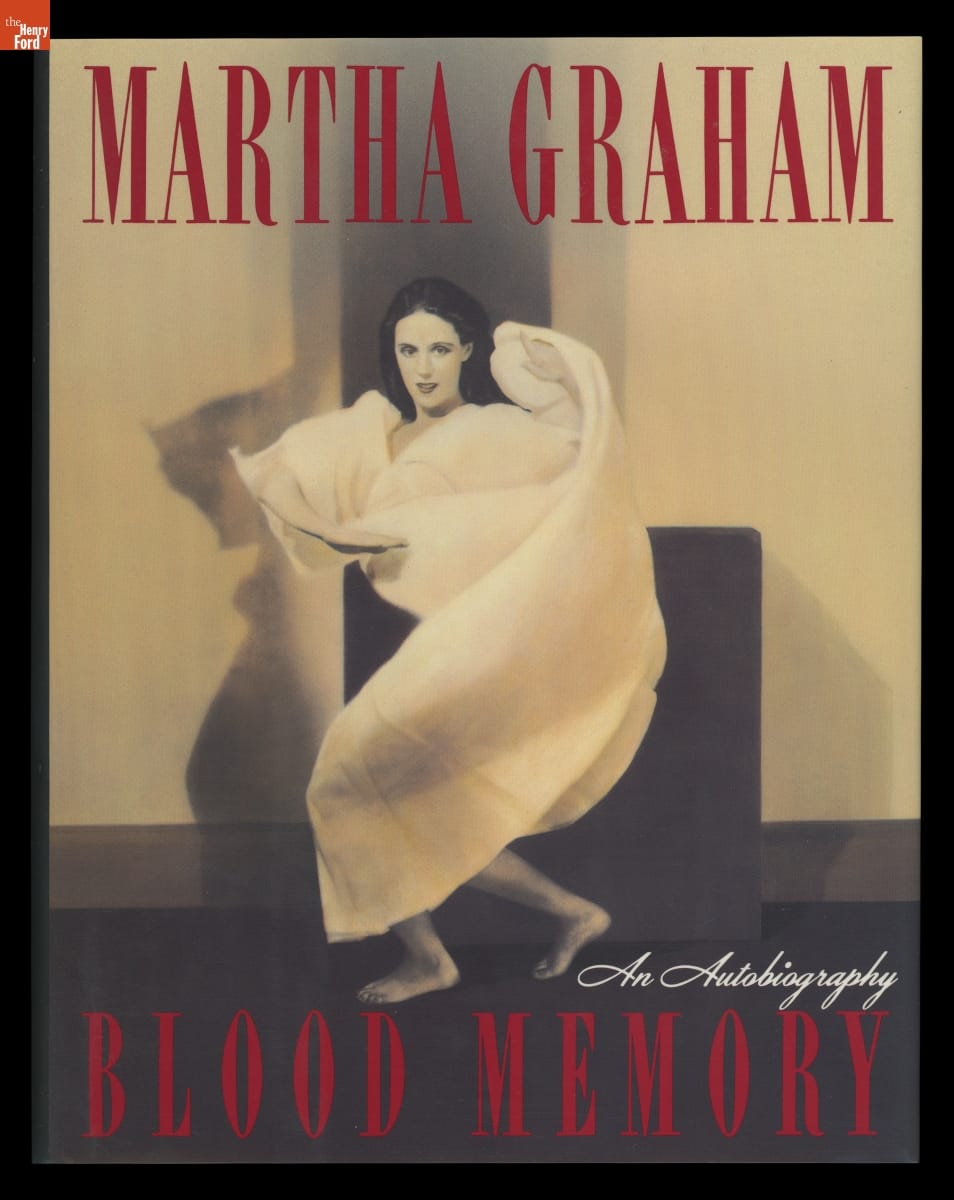
- "Blood Memory: An Autobiography," 1991 -
- 1991
- Collections - Artifact
"Blood Memory: An Autobiography," 1991
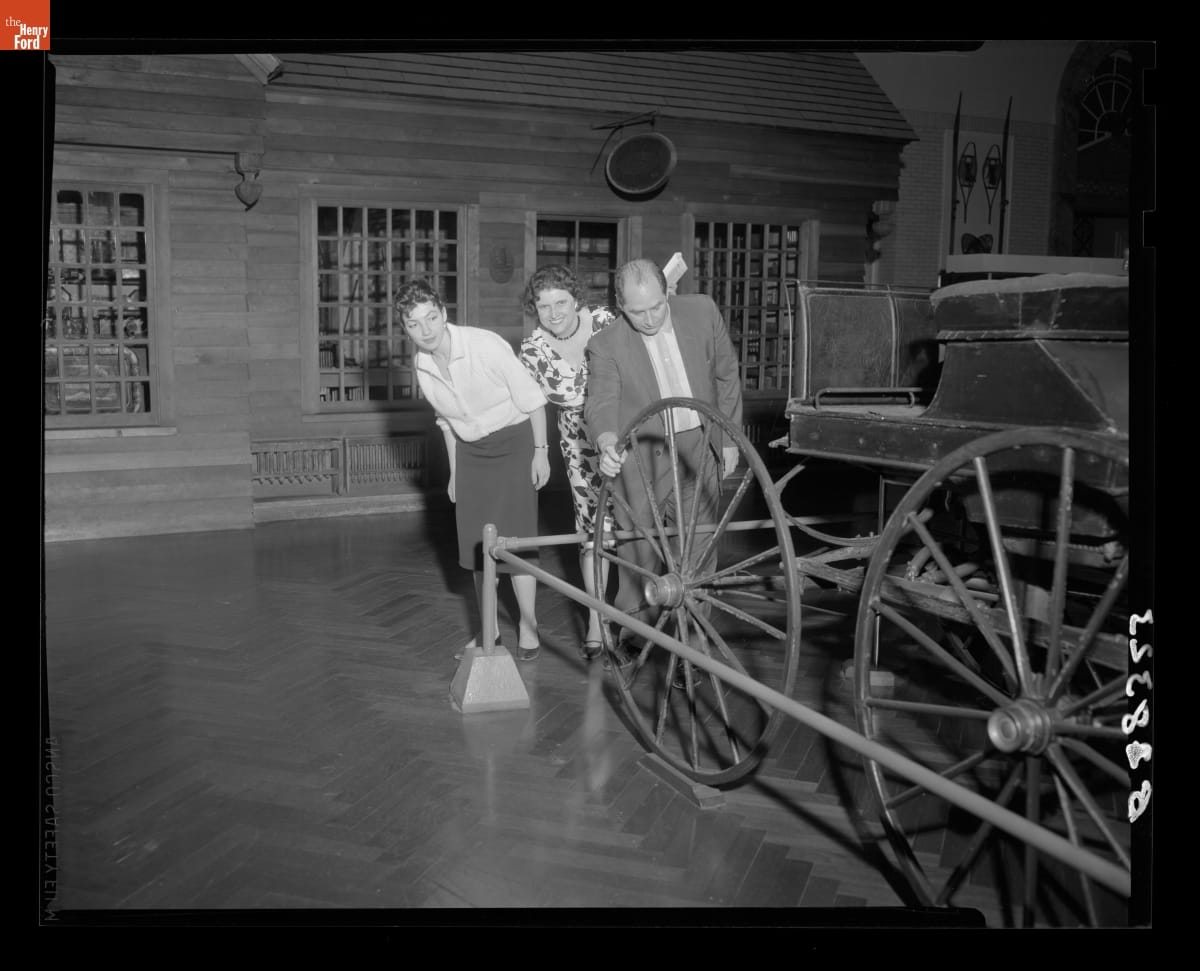
- Guide Marie Hamilton with Igor Moiseyev and a Member of the Moiseyev Dance Company, June 1, 1961 - The parents of Marie Hamilton (1922-1991) fled Russia, moving to Bulgaria, where Maria was born. The following year, the family moved to the US and settled in Detroit. Marie became a part-time guide at the Henry Ford Museum and Greenfield Village in 1952. Twelve years later, she worked full-time, conducting VIP tours for foreign dignitaries (she spoke fluent Russian) and supervising other guides.
- June 01, 1961
- Collections - Artifact
Guide Marie Hamilton with Igor Moiseyev and a Member of the Moiseyev Dance Company, June 1, 1961
The parents of Marie Hamilton (1922-1991) fled Russia, moving to Bulgaria, where Maria was born. The following year, the family moved to the US and settled in Detroit. Marie became a part-time guide at the Henry Ford Museum and Greenfield Village in 1952. Twelve years later, she worked full-time, conducting VIP tours for foreign dignitaries (she spoke fluent Russian) and supervising other guides.
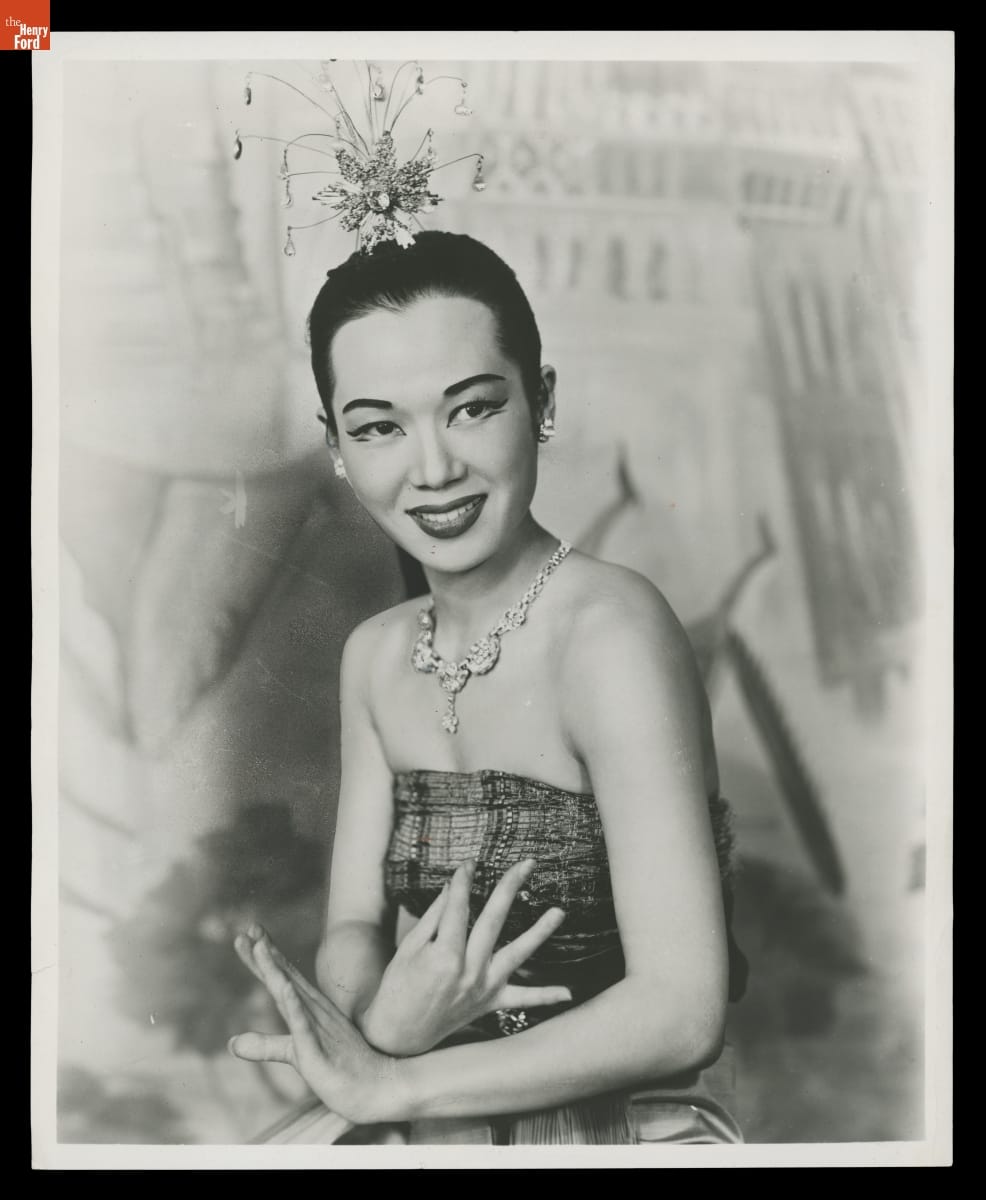
- Michiko Iseri, Choreographer and Dancer in Rodgers & Hammerstein's "The King and I," 1955 - American-born Michiko Iseri (1923-2024) studied traditional Asian dance from an early age. Interned in a relocation camp with others of Japanese ancestry during World War II and released in 1944, Iseri moved to New York and continued teaching. Iseri is remembered as a featured dancer and choreographer in Rodgers and Hammerstein's musical <em>The King and I</em> in the 1950s, bringing greater authenticity to the production.
- 1955
- Collections - Artifact
Michiko Iseri, Choreographer and Dancer in Rodgers & Hammerstein's "The King and I," 1955
American-born Michiko Iseri (1923-2024) studied traditional Asian dance from an early age. Interned in a relocation camp with others of Japanese ancestry during World War II and released in 1944, Iseri moved to New York and continued teaching. Iseri is remembered as a featured dancer and choreographer in Rodgers and Hammerstein's musical The King and I in the 1950s, bringing greater authenticity to the production.
- Performers on Stage of Ford Symphony Gardens, Century of Progress International Exposition, Chicago, Illinois, 1934 - Ford Motor Company poured resources into the largest, most talked-about exhibition at Chicago's Century of Progress Exposition in 1934. The installation included Ford Symphony Gardens, an outdoor bandshell where fairgoers could relax and enjoy free performances. These concerts and plays broadened Ford's corporate presence at the fair and provided bonus advertising.
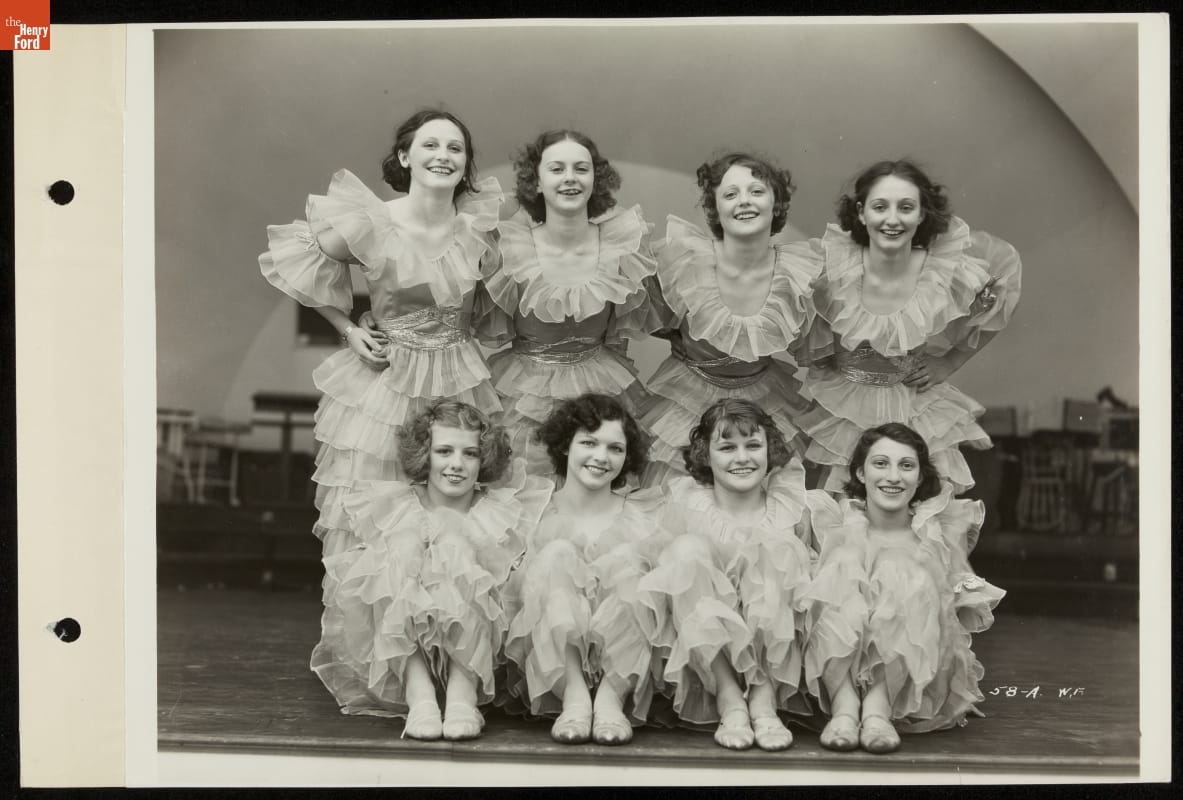
- 1934
- Collections - Artifact
Performers on Stage of Ford Symphony Gardens, Century of Progress International Exposition, Chicago, Illinois, 1934
Ford Motor Company poured resources into the largest, most talked-about exhibition at Chicago's Century of Progress Exposition in 1934. The installation included Ford Symphony Gardens, an outdoor bandshell where fairgoers could relax and enjoy free performances. These concerts and plays broadened Ford's corporate presence at the fair and provided bonus advertising.
- Ballet Dancer, Anne Wiman, Atop Chassis Fountain, Ford Exposition, New York World's Fair, 1940 - During the 1940 New York World's Fair, visitors to the Ford Exposition's newly constructed theatre could enjoy a Technicolor film, an automobile style show, and a humorous performance by the American Ballet Caravan. This photograph shows a scene from "A Thousand Times Neigh," which told the story of the automobile from the viewpoint of a dancing horse named Dobbin.
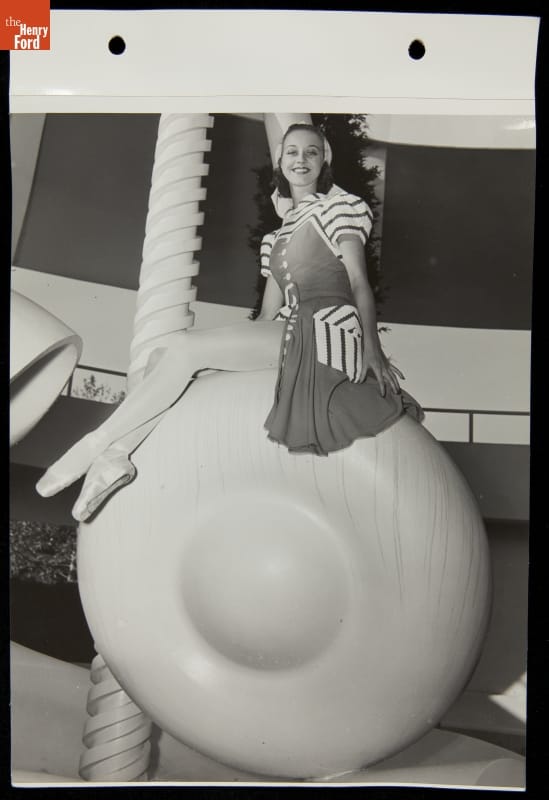
- June 26, 1940
- Collections - Artifact
Ballet Dancer, Anne Wiman, Atop Chassis Fountain, Ford Exposition, New York World's Fair, 1940
During the 1940 New York World's Fair, visitors to the Ford Exposition's newly constructed theatre could enjoy a Technicolor film, an automobile style show, and a humorous performance by the American Ballet Caravan. This photograph shows a scene from "A Thousand Times Neigh," which told the story of the automobile from the viewpoint of a dancing horse named Dobbin.
- Dancer Preparing for "A Thousand Times Neigh," American Ballet Caravan, Ford Exposition, New York World's Fair, 1940 - During the 1940 New York World's Fair, visitors to the Ford Exposition's newly constructed theatre could enjoy a Technicolor film, an automobile style show, and a humorous ballet. Here, a dancer from the American Ballet Caravan prepares for a performance of "A Thousand Times Neigh," which told the story of the automobile from the viewpoint of a dancing horse named Dobbin.
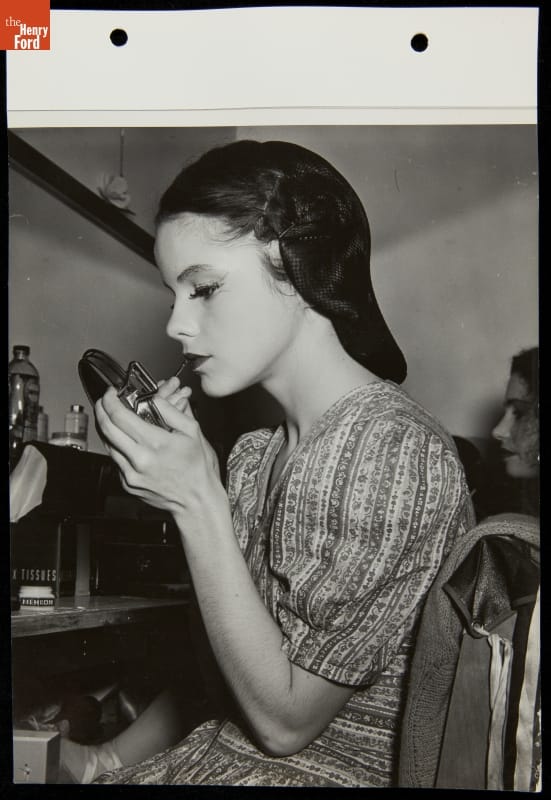
- June 03, 1940
- Collections - Artifact
Dancer Preparing for "A Thousand Times Neigh," American Ballet Caravan, Ford Exposition, New York World's Fair, 1940
During the 1940 New York World's Fair, visitors to the Ford Exposition's newly constructed theatre could enjoy a Technicolor film, an automobile style show, and a humorous ballet. Here, a dancer from the American Ballet Caravan prepares for a performance of "A Thousand Times Neigh," which told the story of the automobile from the viewpoint of a dancing horse named Dobbin.
- "Kennedy Center Stagebill," February 1977 -
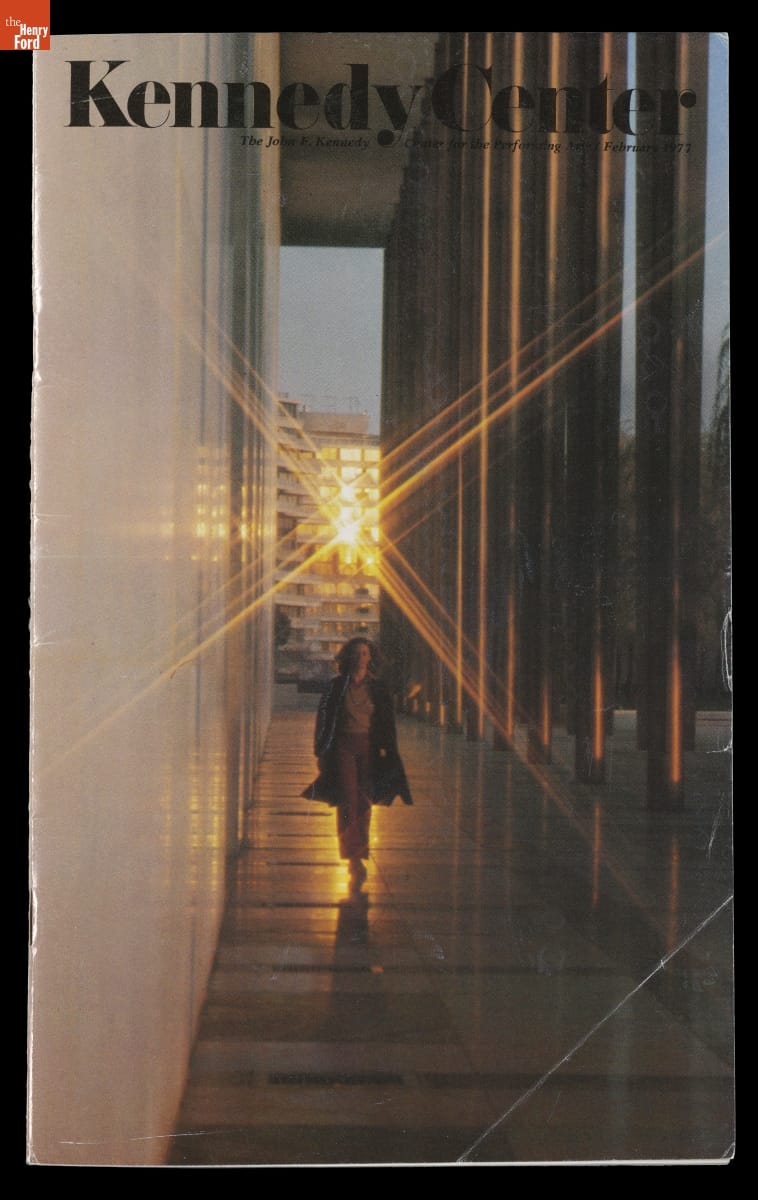
- February 01, 1977
- Collections - Artifact
"Kennedy Center Stagebill," February 1977
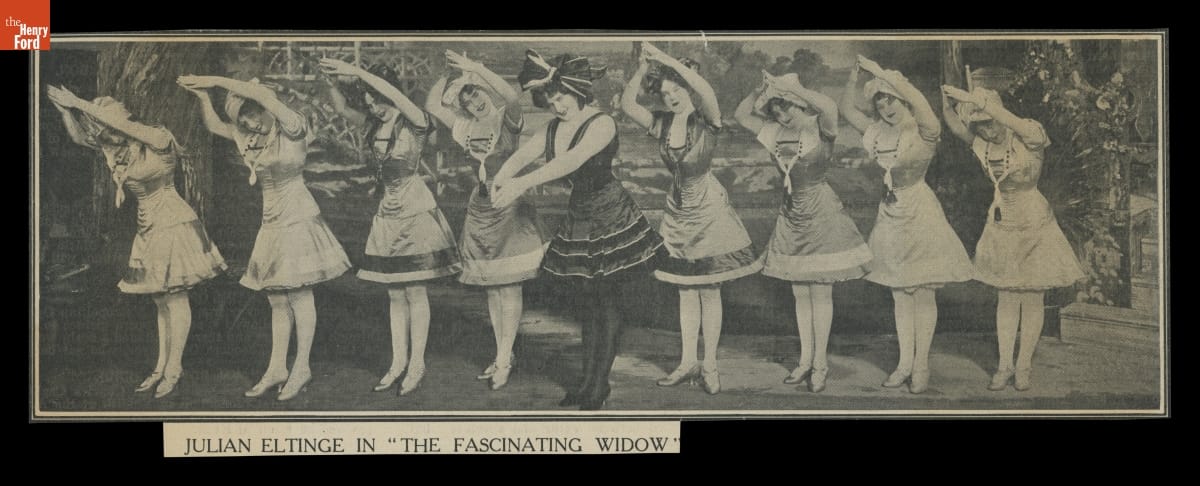
- Julian Eltinge in "The Fascinating Widow", circa 1911 - Vaudeville performer Julian Eltinge was the most famous and highly paid female impersonator of the early 20th century. He embodied gaudy elegance, wore glamourous gowns, and perfected female mannerisms. His most well-known show -- <em>The Fascinating Widow</em> -- opened on Broadway in 1910. He would go on to appear in several Hollywood films, in addition to his continued stage performances.
- circa 1911
- Collections - Artifact
Julian Eltinge in "The Fascinating Widow", circa 1911
Vaudeville performer Julian Eltinge was the most famous and highly paid female impersonator of the early 20th century. He embodied gaudy elegance, wore glamourous gowns, and perfected female mannerisms. His most well-known show -- The Fascinating Widow -- opened on Broadway in 1910. He would go on to appear in several Hollywood films, in addition to his continued stage performances.
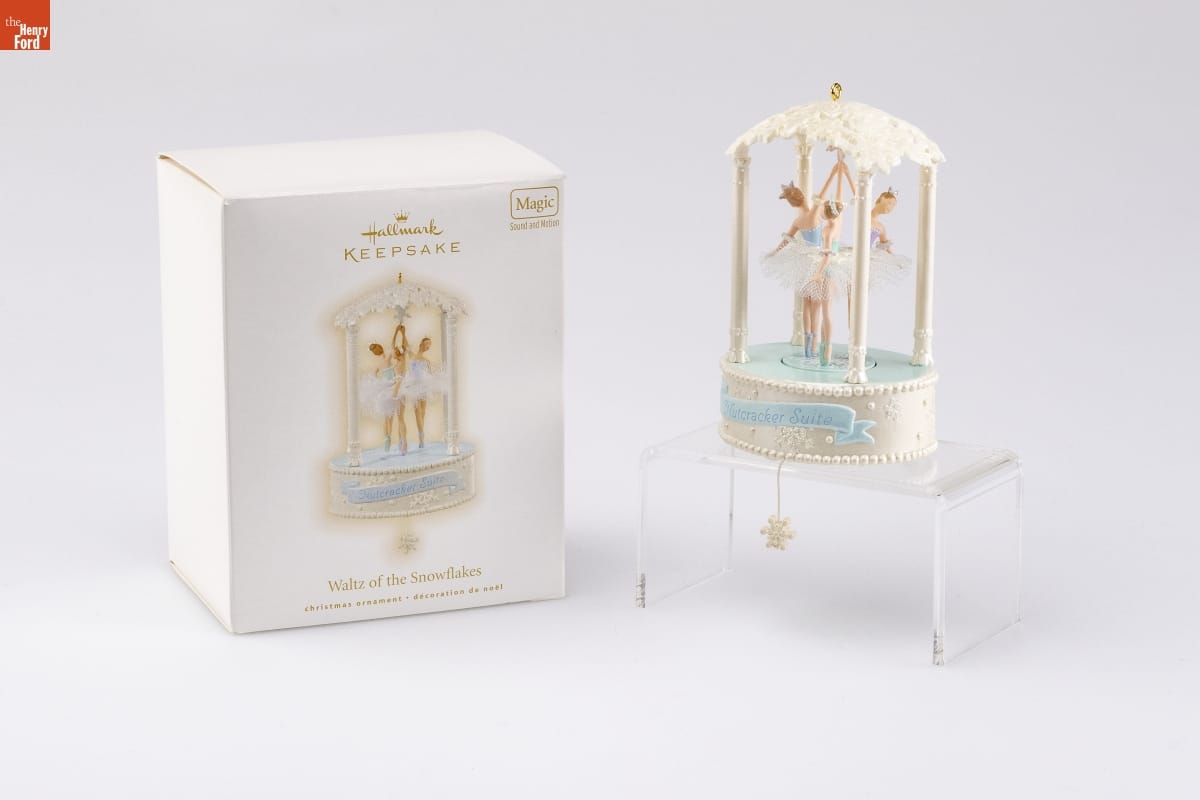
- Hallmark "Waltz of the Snowflakes" Christmas Ornament, 2009 - Already known for greeting cards, Hallmark introduced a line of Christmas ornaments in 1973. The company's annual release of an increasing array of ornaments revolutionized Christmas decorating, appealing to customers' interest in marking memories and milestones as well as expressing one's personality and unique tastes.
- 2009
- Collections - Artifact
Hallmark "Waltz of the Snowflakes" Christmas Ornament, 2009
Already known for greeting cards, Hallmark introduced a line of Christmas ornaments in 1973. The company's annual release of an increasing array of ornaments revolutionized Christmas decorating, appealing to customers' interest in marking memories and milestones as well as expressing one's personality and unique tastes.