
Search
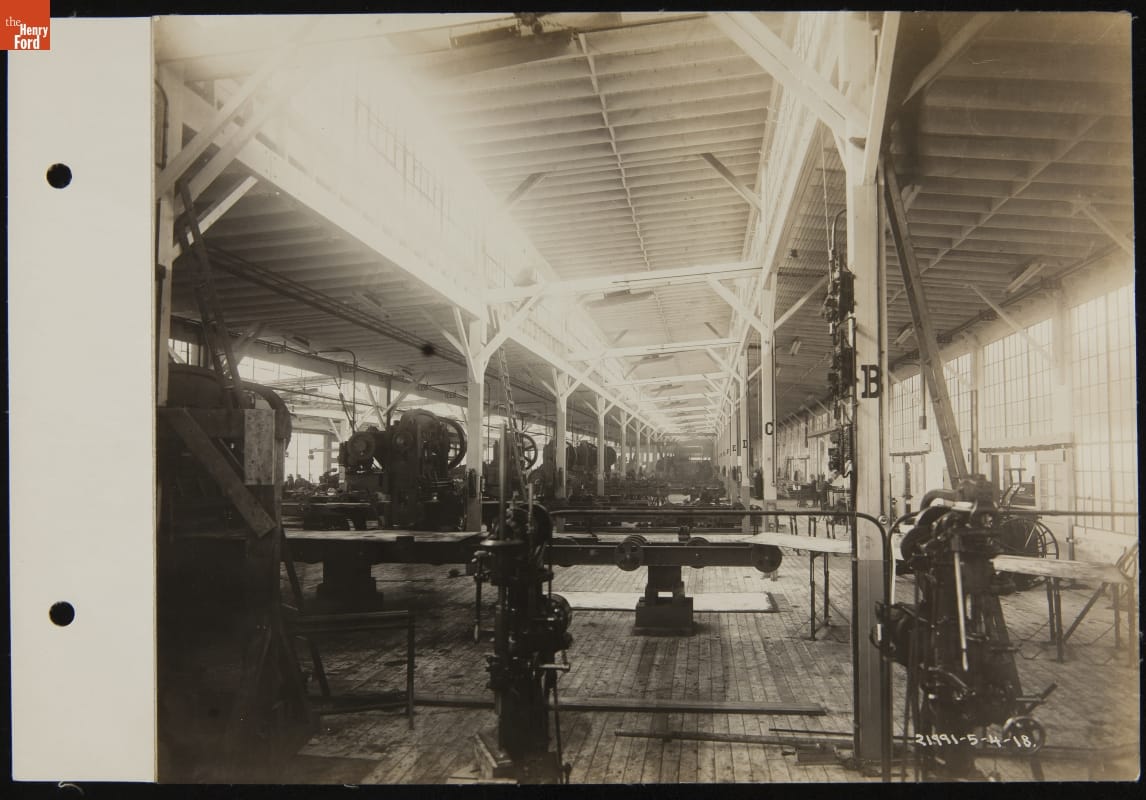
- Shipyard Interior "A" Building Showing Line of Bliss Multiple Press - Equipment sat ready in the newly finished Building A at Ford Motor Company's Rouge factory in 1918. Specialized machines like these were essential to Ford's mass production methods. These machines were first used to build Eagle anti-submarine boats during World War I. Ford produced 60 of the boats between May 1918 and October 1919.
- May 04, 1918
- Collections - Artifact
Shipyard Interior "A" Building Showing Line of Bliss Multiple Press
Equipment sat ready in the newly finished Building A at Ford Motor Company's Rouge factory in 1918. Specialized machines like these were essential to Ford's mass production methods. These machines were first used to build Eagle anti-submarine boats during World War I. Ford produced 60 of the boats between May 1918 and October 1919.
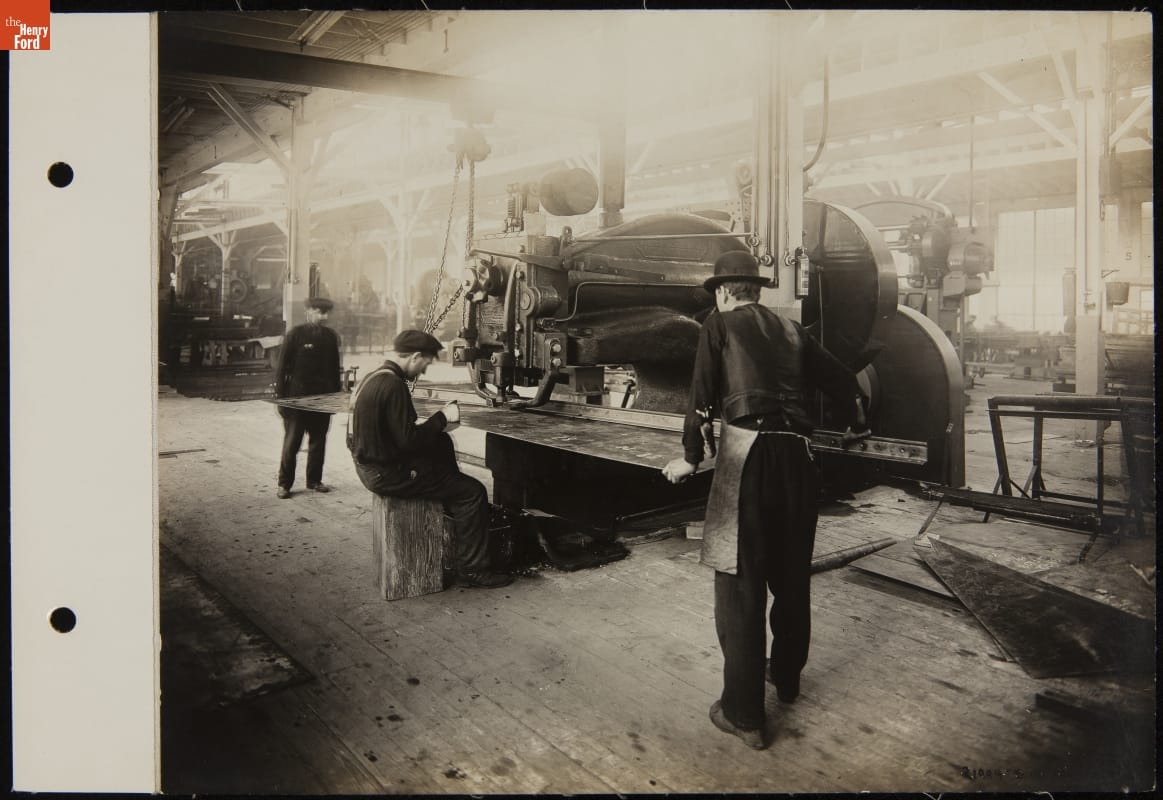
- Rouge Plant Construction - The first vehicles built at Ford Motor Company's Rouge factory weren't automobiles but boats. These Eagle boats were designed to challenge German submarines during World War I, but they saw only limited action before the armistice. Here workers prepare a section of sheet steel for use in an Eagle boat. Sixty Eagles were produced between May 1918 and October 1919.
- May 04, 1918
- Collections - Artifact
Rouge Plant Construction
The first vehicles built at Ford Motor Company's Rouge factory weren't automobiles but boats. These Eagle boats were designed to challenge German submarines during World War I, but they saw only limited action before the armistice. Here workers prepare a section of sheet steel for use in an Eagle boat. Sixty Eagles were produced between May 1918 and October 1919.
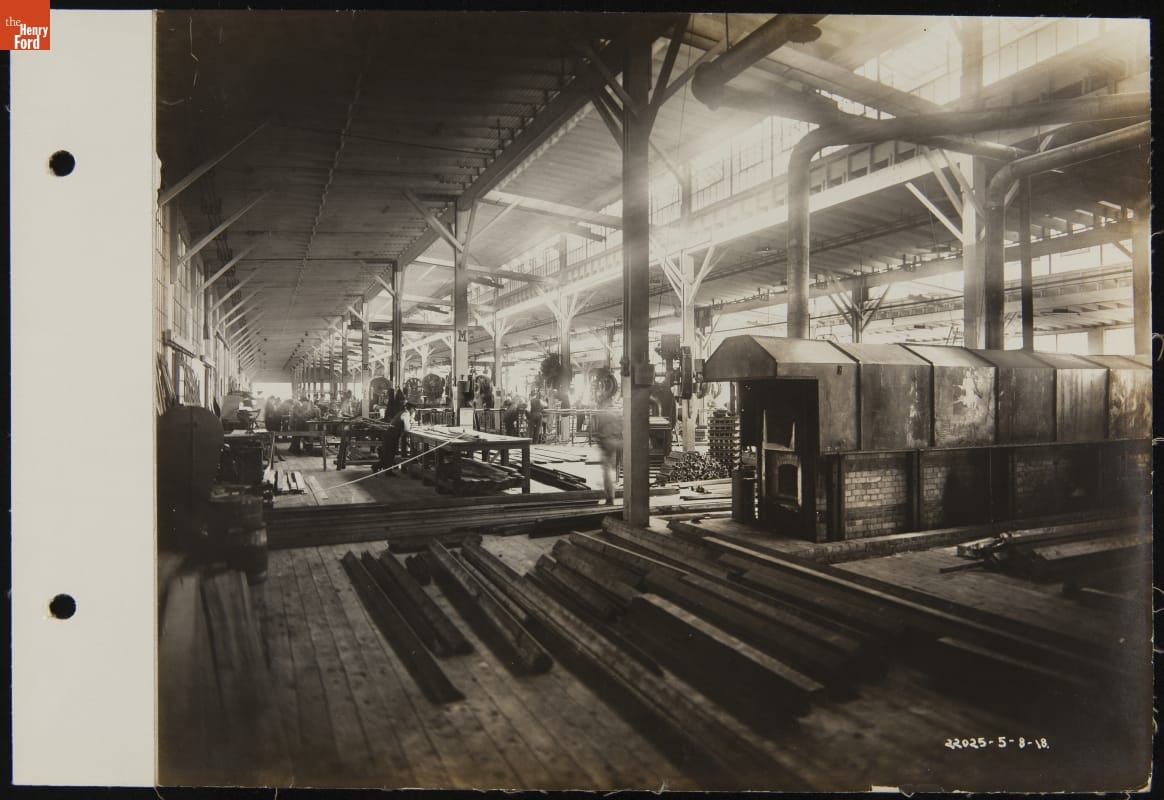
- Rouge Plant Construction - Equipment sat ready in the newly finished Building A at Ford Motor Company's Rouge factory in 1918. Specialized machines like these were essential to Ford's mass production methods. These machines were first used to build Eagle anti-submarine boats during World War I. Ford produced 60 of the boats between May 1918 and October 1919.
- May 08, 1918
- Collections - Artifact
Rouge Plant Construction
Equipment sat ready in the newly finished Building A at Ford Motor Company's Rouge factory in 1918. Specialized machines like these were essential to Ford's mass production methods. These machines were first used to build Eagle anti-submarine boats during World War I. Ford produced 60 of the boats between May 1918 and October 1919.
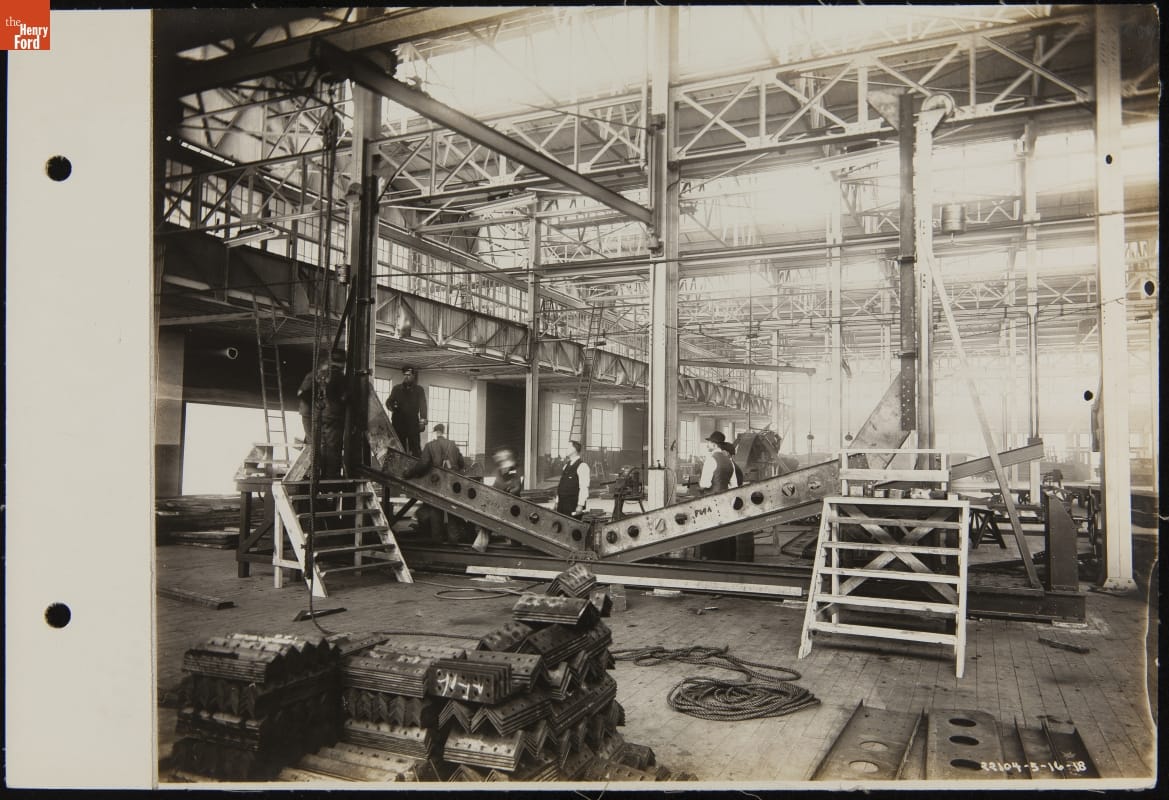
- Rouge Plant Construction - The first vehicles built at Ford Motor Company's Rouge factory weren't automobiles but boats. These Eagle boats were designed to challenge German submarines during World War I, but they saw only limited action before the armistice. Workers laid the first Eagle's keel on May 7, 1918. Sixty boats were completed when production ended in October 1919.
- May 16, 1918
- Collections - Artifact
Rouge Plant Construction
The first vehicles built at Ford Motor Company's Rouge factory weren't automobiles but boats. These Eagle boats were designed to challenge German submarines during World War I, but they saw only limited action before the armistice. Workers laid the first Eagle's keel on May 7, 1918. Sixty boats were completed when production ended in October 1919.
- Rouge Plant Construction - The first vehicles built at Ford Motor Company's Rouge factory weren't automobiles but boats. These Eagle boats were designed to challenge German submarines during World War I, but they saw only limited action before the armistice. Workers laid the first Eagle's keel on May 7, 1918. Sixty boats were completed when production ended in October 1919.
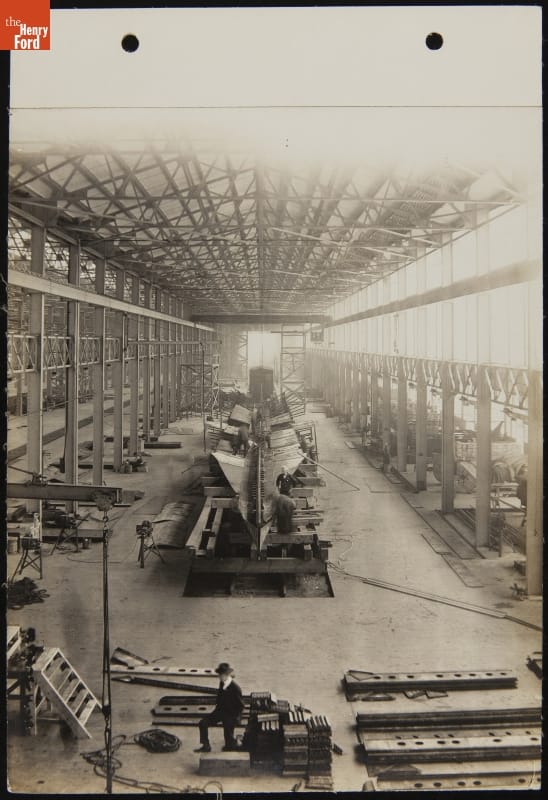
- May 16, 1918
- Collections - Artifact
Rouge Plant Construction
The first vehicles built at Ford Motor Company's Rouge factory weren't automobiles but boats. These Eagle boats were designed to challenge German submarines during World War I, but they saw only limited action before the armistice. Workers laid the first Eagle's keel on May 7, 1918. Sixty boats were completed when production ended in October 1919.
- Rouge Plant Construction - The first vehicles built at Ford Motor Company's Rouge factory weren't automobiles but boats. These Eagle boats were designed to challenge German submarines during World War I, but they saw only limited action before the armistice. Workers laid the first Eagle's keel on May 7, 1918. Sixty boats were completed when production ended in October 1919.
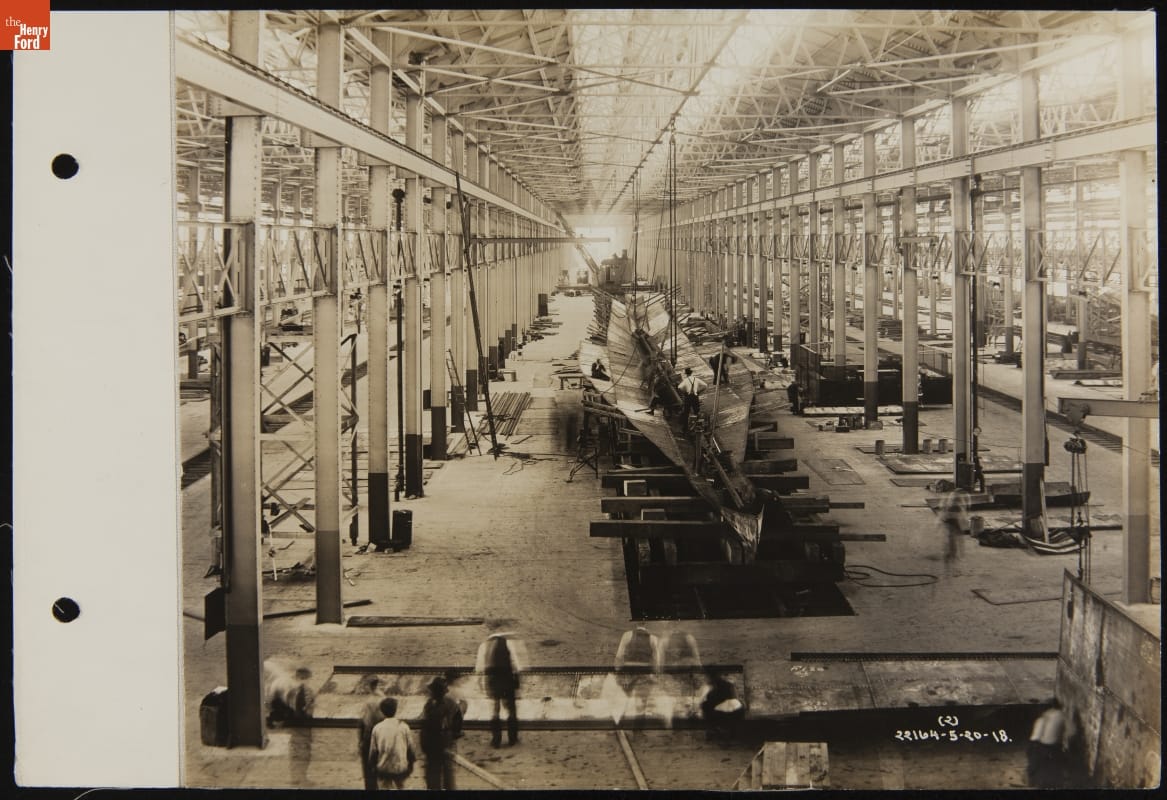
- May 20, 1918
- Collections - Artifact
Rouge Plant Construction
The first vehicles built at Ford Motor Company's Rouge factory weren't automobiles but boats. These Eagle boats were designed to challenge German submarines during World War I, but they saw only limited action before the armistice. Workers laid the first Eagle's keel on May 7, 1918. Sixty boats were completed when production ended in October 1919.
- Rouge Plant Construction - The first vehicles built at Ford Motor Company's Rouge factory weren't automobiles but boats. These Eagle boats were designed to challenge German submarines during World War I, but they saw only limited action before the armistice. Workers laid the first Eagle's keel on May 7, 1918. Sixty boats were completed when production ended in October 1919.
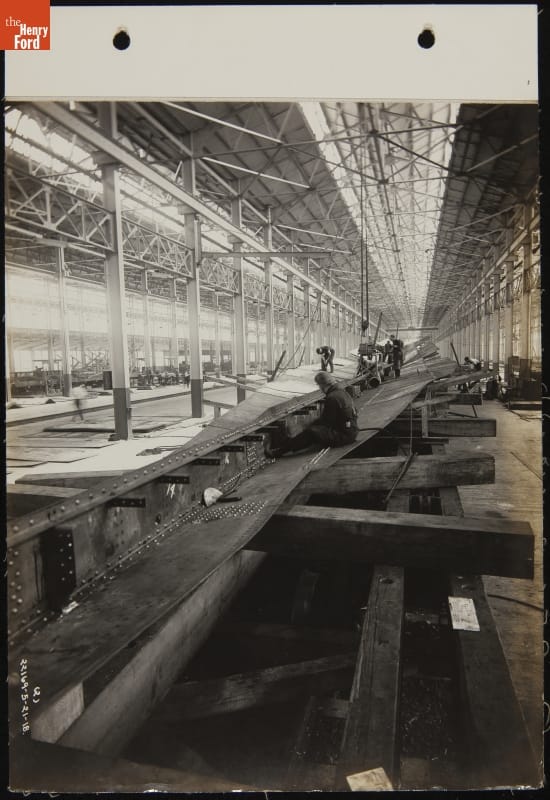
- May 21, 1918
- Collections - Artifact
Rouge Plant Construction
The first vehicles built at Ford Motor Company's Rouge factory weren't automobiles but boats. These Eagle boats were designed to challenge German submarines during World War I, but they saw only limited action before the armistice. Workers laid the first Eagle's keel on May 7, 1918. Sixty boats were completed when production ended in October 1919.
- Chevrolet Service Parts Plant Construction - Construction is underway at Chevrolet's Service Parts Division plant in Saginaw, Michigan, in this 1941 photo. This new building was designed by Albert Kahn, among the most influential industrial architects of the early 20th century. Kahn's airy reinforced concrete structures were popular with automakers. He also counted Packard, Ford, Hudson, and Dodge Brothers among his clients.
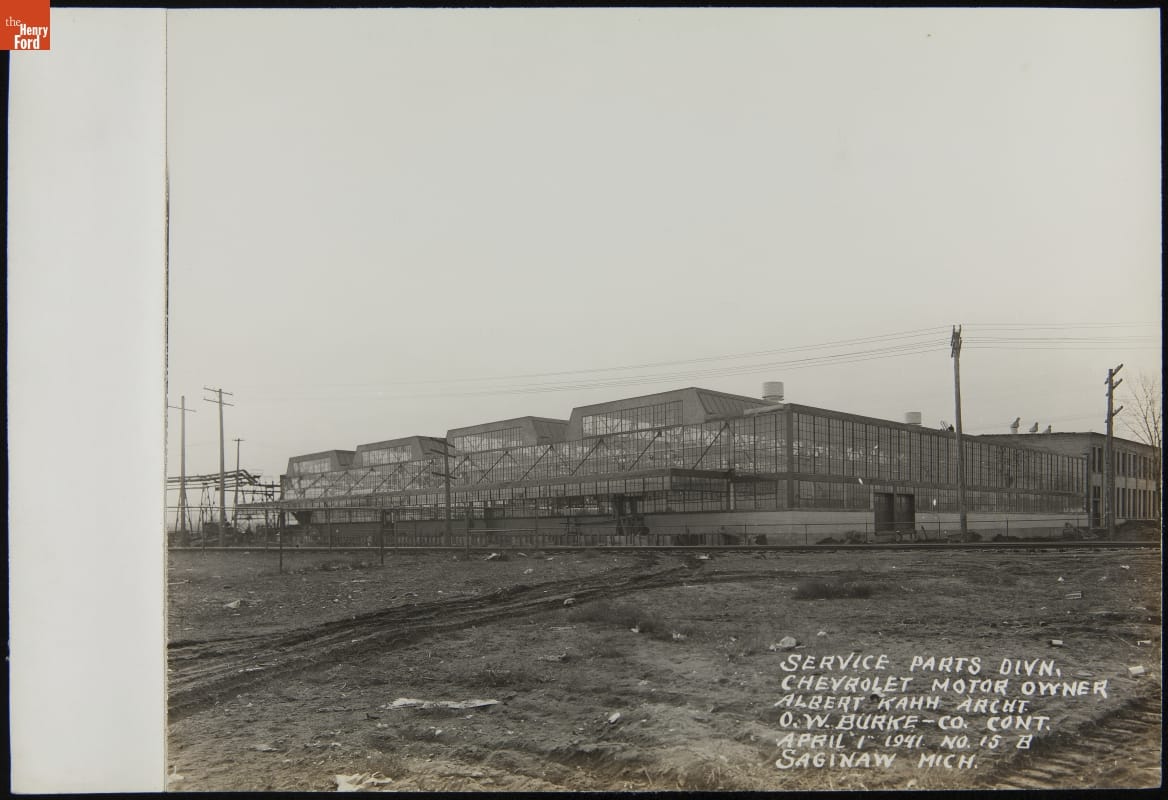
- April 01, 1941
- Collections - Artifact
Chevrolet Service Parts Plant Construction
Construction is underway at Chevrolet's Service Parts Division plant in Saginaw, Michigan, in this 1941 photo. This new building was designed by Albert Kahn, among the most influential industrial architects of the early 20th century. Kahn's airy reinforced concrete structures were popular with automakers. He also counted Packard, Ford, Hudson, and Dodge Brothers among his clients.
- Chevrolet Service Parts Plant Construction - Construction is underway at Chevrolet's Service Parts Division plant in Saginaw, Michigan, in this 1941 photo. This new building was designed by Albert Kahn, among the most influential industrial architects of the early 20th century. Kahn's airy reinforced concrete structures were popular with automakers. He also counted Packard, Ford, Hudson, and Dodge Brothers among his clients.
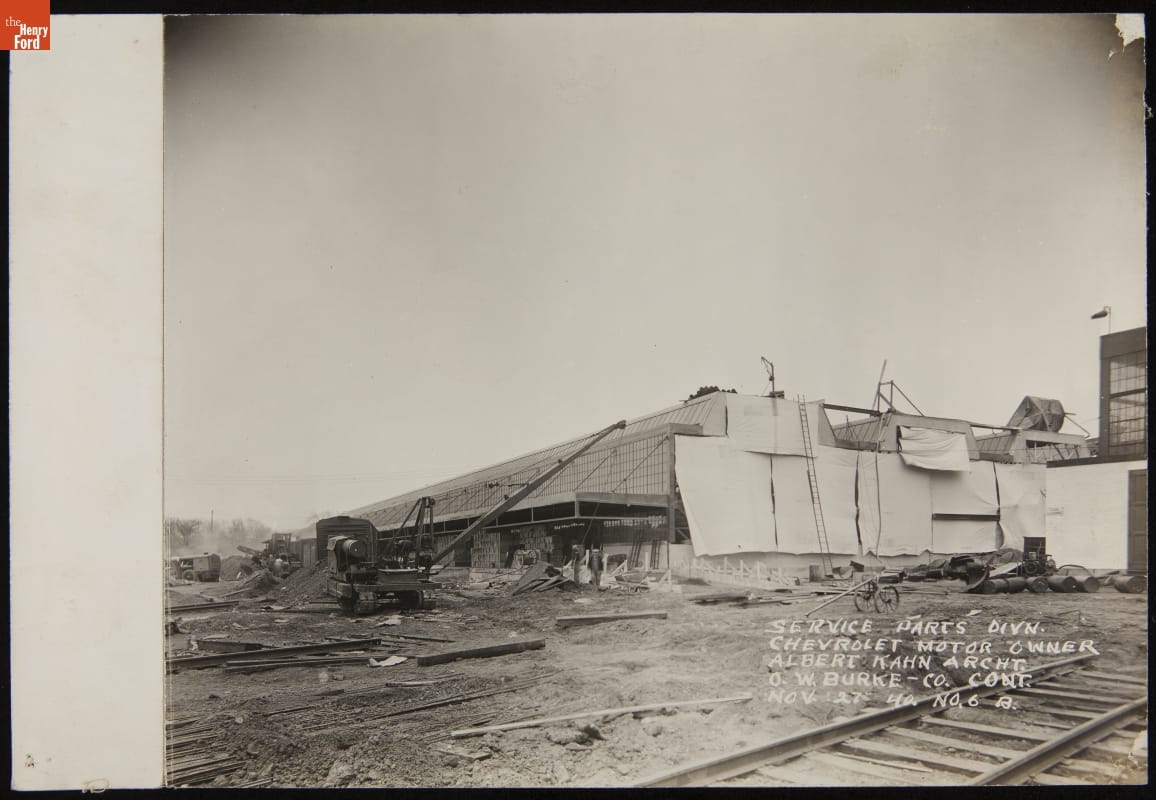
- November 27, 1940
- Collections - Artifact
Chevrolet Service Parts Plant Construction
Construction is underway at Chevrolet's Service Parts Division plant in Saginaw, Michigan, in this 1941 photo. This new building was designed by Albert Kahn, among the most influential industrial architects of the early 20th century. Kahn's airy reinforced concrete structures were popular with automakers. He also counted Packard, Ford, Hudson, and Dodge Brothers among his clients.
- Chevrolet Service Parts Plant Construction - Construction is underway at Chevrolet's Service Parts Division plant in Saginaw, Michigan, in this 1941 photo. This new building was designed by Albert Kahn, among the most influential industrial architects of the early 20th century. Kahn's airy reinforced concrete structures were popular with automakers. He also counted Packard, Ford, Hudson, and Dodge Brothers among his clients.
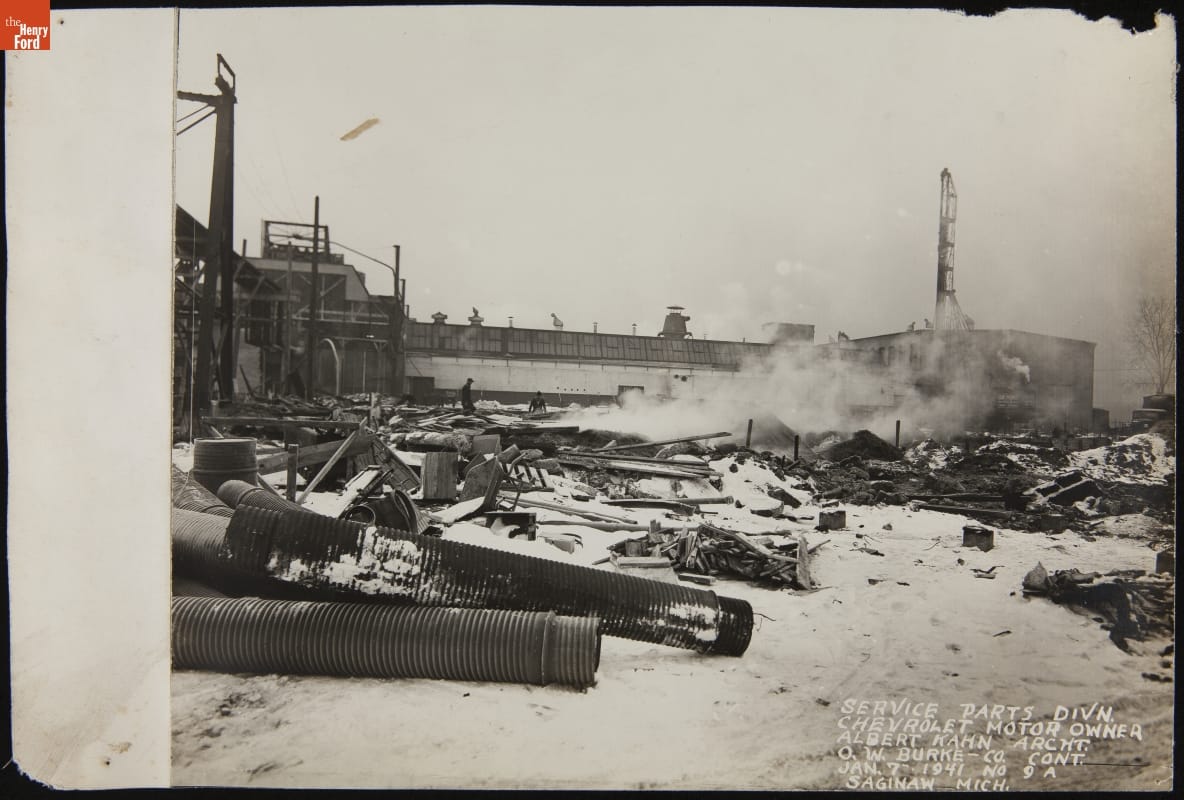
- January 07, 1941
- Collections - Artifact
Chevrolet Service Parts Plant Construction
Construction is underway at Chevrolet's Service Parts Division plant in Saginaw, Michigan, in this 1941 photo. This new building was designed by Albert Kahn, among the most influential industrial architects of the early 20th century. Kahn's airy reinforced concrete structures were popular with automakers. He also counted Packard, Ford, Hudson, and Dodge Brothers among his clients.