
Search
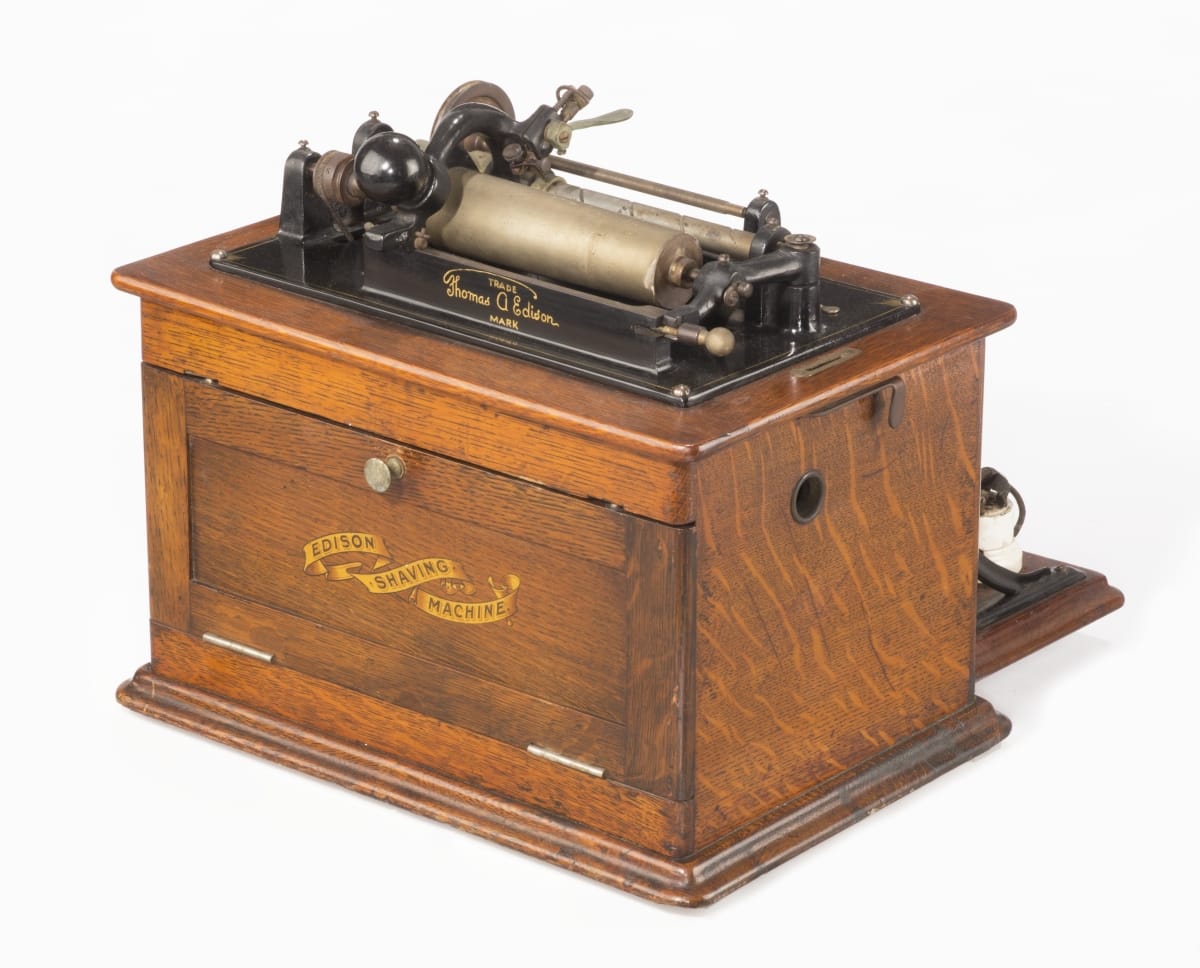
- Cylinder Shaving Machine, circa 1907 - Dictaphones and Ediphones were sound recording devices largely used for oral dictation in business settings. In this scenario, wax cylinder recordings were passed to a secretary, who listened to the recording with a playback-only transcriber and then typed up notes. A shaving machine, such as this one, scraped the previously inscribed layer away allowing a wax cylinder to be reused over 100 times.
- circa 1907
- Collections - Artifact
Cylinder Shaving Machine, circa 1907
Dictaphones and Ediphones were sound recording devices largely used for oral dictation in business settings. In this scenario, wax cylinder recordings were passed to a secretary, who listened to the recording with a playback-only transcriber and then typed up notes. A shaving machine, such as this one, scraped the previously inscribed layer away allowing a wax cylinder to be reused over 100 times.
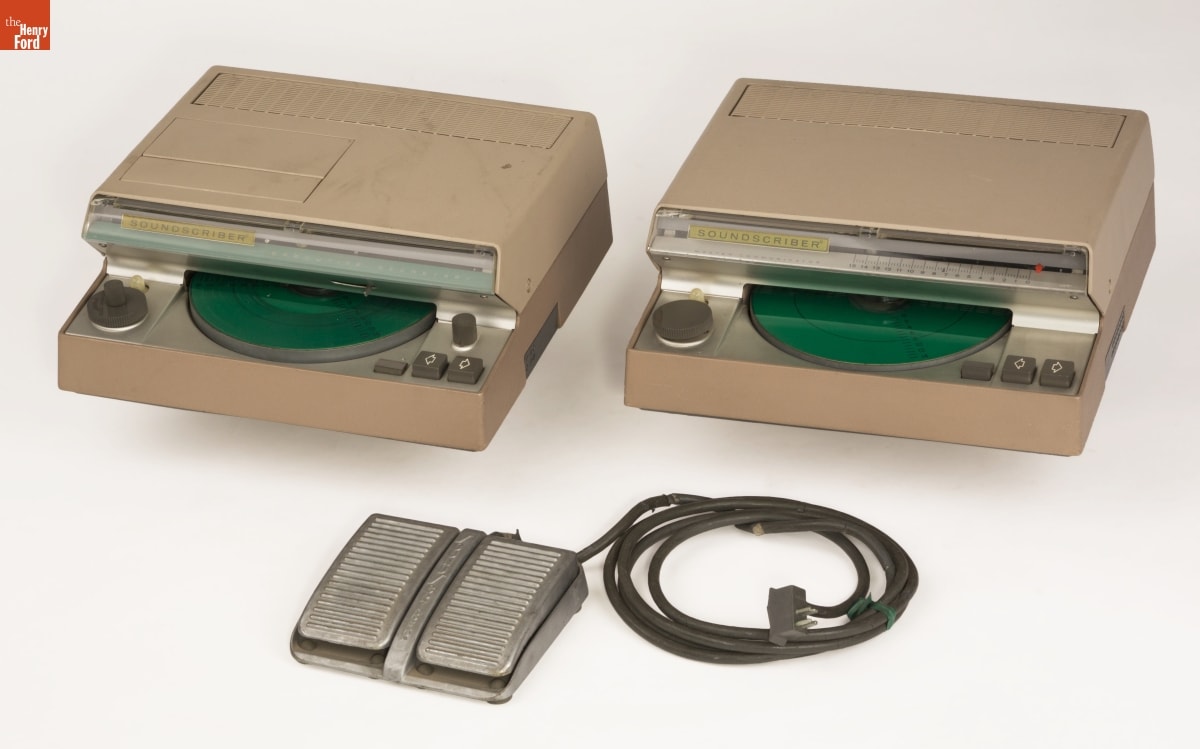
- Soundscriber Dictation System, 1960-1965 -
- 1960-1965
- Collections - Artifact
Soundscriber Dictation System, 1960-1965
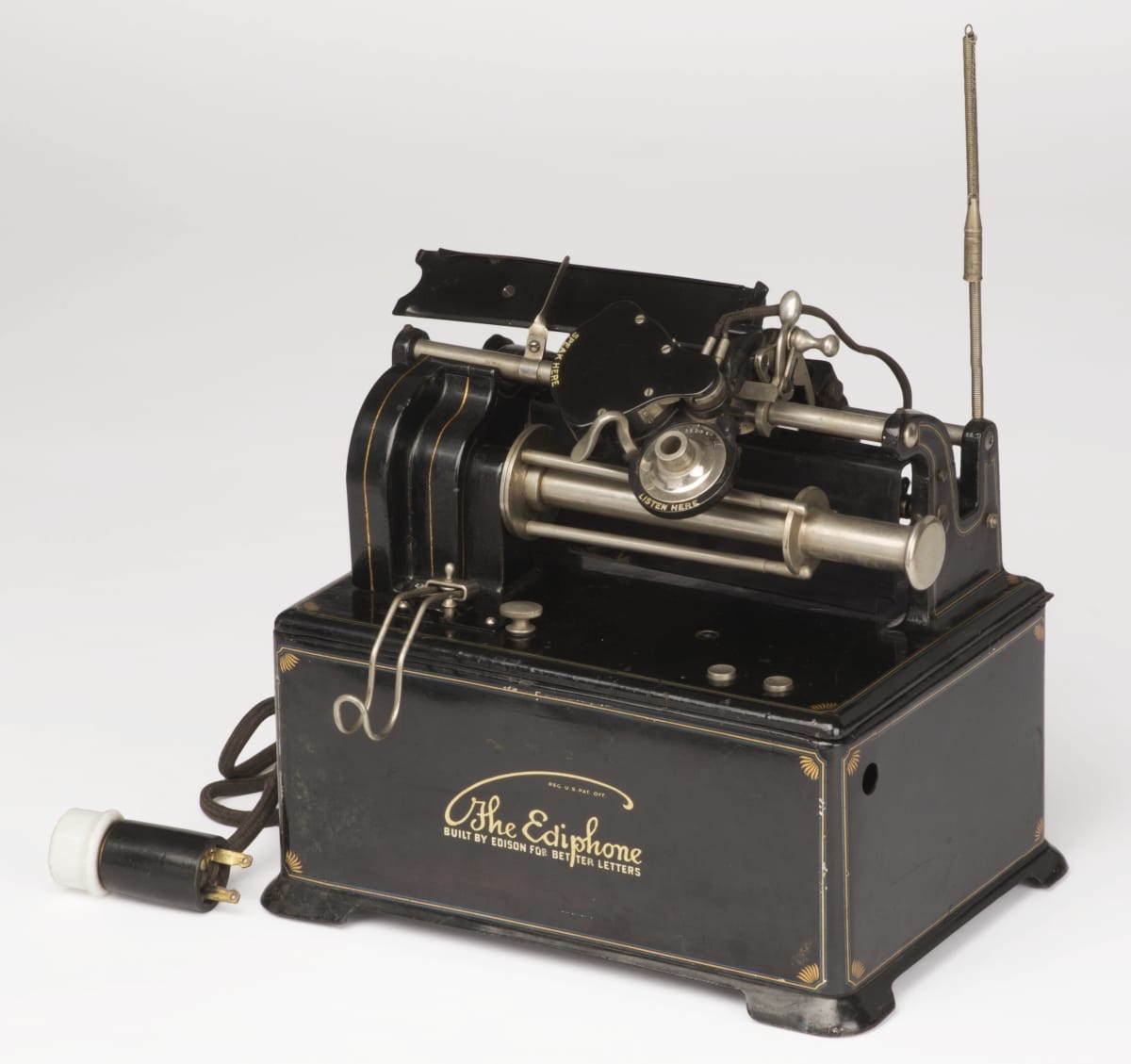
- Ediphone, 1917-1925 - Dictaphones and Ediphones were sound recording devices used for efficient oral dictation in business settings. When Edison invented the phonograph, one proposed use was "dictation without the aid of stenographers." Its tinfoil playback medium lacked quality, however. Alexander Graham Bell's Graphophone (later, Dictaphone) improved the phonograph by using wax cylinders for superior playback; cylinders were also used in the competing Ediphone.
- 1917-1925
- Collections - Artifact
Ediphone, 1917-1925
Dictaphones and Ediphones were sound recording devices used for efficient oral dictation in business settings. When Edison invented the phonograph, one proposed use was "dictation without the aid of stenographers." Its tinfoil playback medium lacked quality, however. Alexander Graham Bell's Graphophone (later, Dictaphone) improved the phonograph by using wax cylinders for superior playback; cylinders were also used in the competing Ediphone.
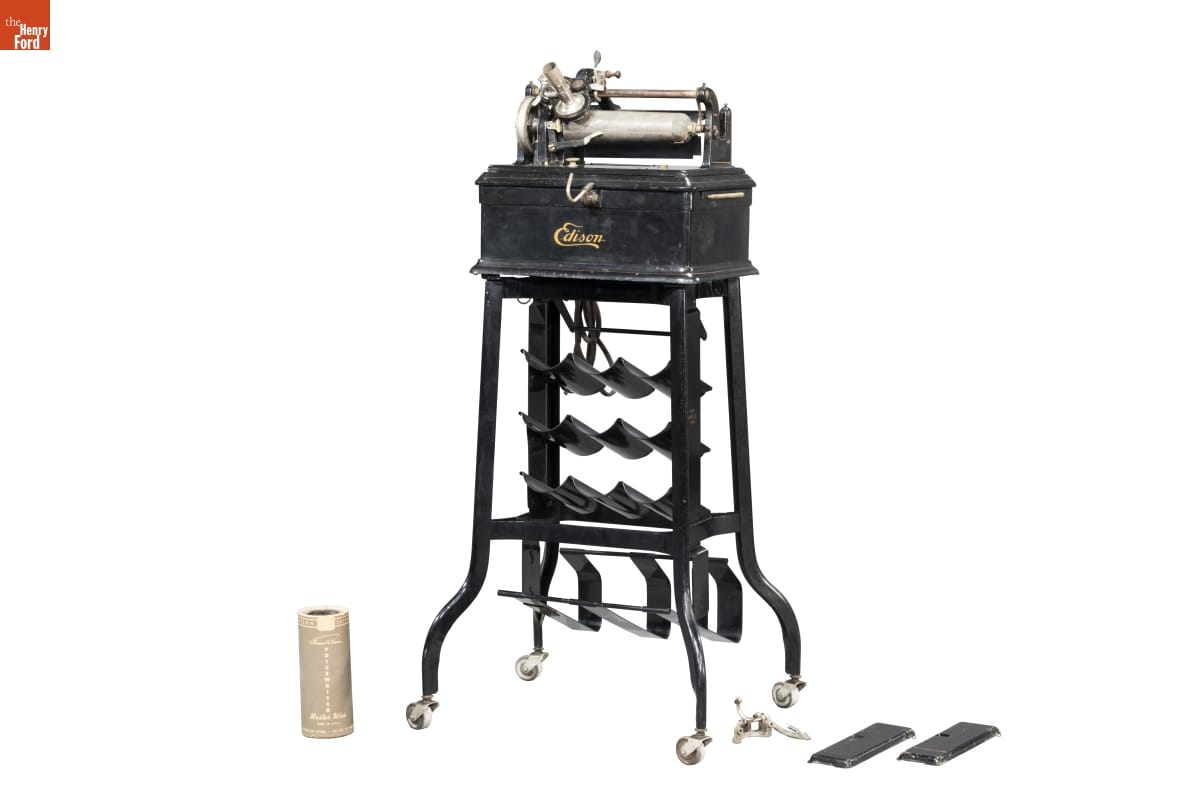
- Edison Business Phonograph, circa 1912 - Dictaphones and Ediphones were sound recording devices used for efficient oral dictation in business settings. When Edison invented the phonograph, one proposed use was "dictation without the aid of stenographers." Its tinfoil playback medium lacked quality, however. Alexander Graham Bell's Graphophone (later, Dictaphone) improved the phonograph by using wax cylinders for superior playback; cylinders were also used in the competing Ediphone.
- circa 1912
- Collections - Artifact
Edison Business Phonograph, circa 1912
Dictaphones and Ediphones were sound recording devices used for efficient oral dictation in business settings. When Edison invented the phonograph, one proposed use was "dictation without the aid of stenographers." Its tinfoil playback medium lacked quality, however. Alexander Graham Bell's Graphophone (later, Dictaphone) improved the phonograph by using wax cylinders for superior playback; cylinders were also used in the competing Ediphone.
- Ediphone Voicewriter, 1930-1950 - Dictaphones and Ediphones were sound recording devices used for efficient oral dictation in business settings. When Edison invented the phonograph, one proposed use was "dictation without the aid of stenographers." Its tinfoil playback medium lacked quality, however. Alexander Graham Bell's Graphophone (later, Dictaphone) improved the phonograph by using wax cylinders for superior playback; cylinders were also used in the competing Ediphone.
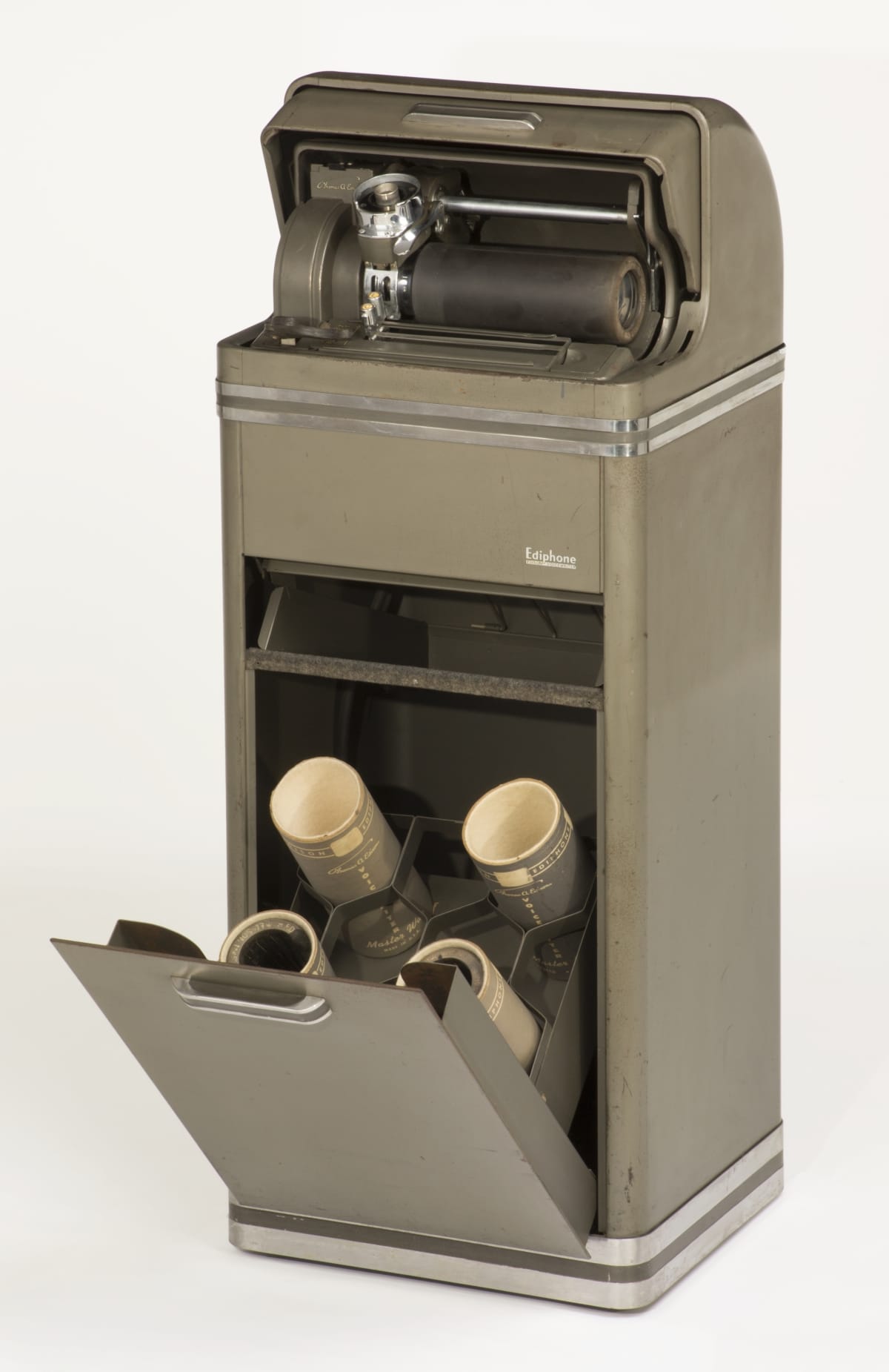
- 1930-1950
- Collections - Artifact
Ediphone Voicewriter, 1930-1950
Dictaphones and Ediphones were sound recording devices used for efficient oral dictation in business settings. When Edison invented the phonograph, one proposed use was "dictation without the aid of stenographers." Its tinfoil playback medium lacked quality, however. Alexander Graham Bell's Graphophone (later, Dictaphone) improved the phonograph by using wax cylinders for superior playback; cylinders were also used in the competing Ediphone.
- Pro-technic Ediphone, 1930-1940 - Dictaphones and Ediphones were sound recording devices used for efficient oral dictation in business settings. When Edison invented the phonograph, one proposed use was "dictation without the aid of stenographers." Its tinfoil playback medium lacked quality, however. Alexander Graham Bell's Graphophone (later, Dictaphone) improved the phonograph by using wax cylinders for superior playback; cylinders were also used in the competing Ediphone.
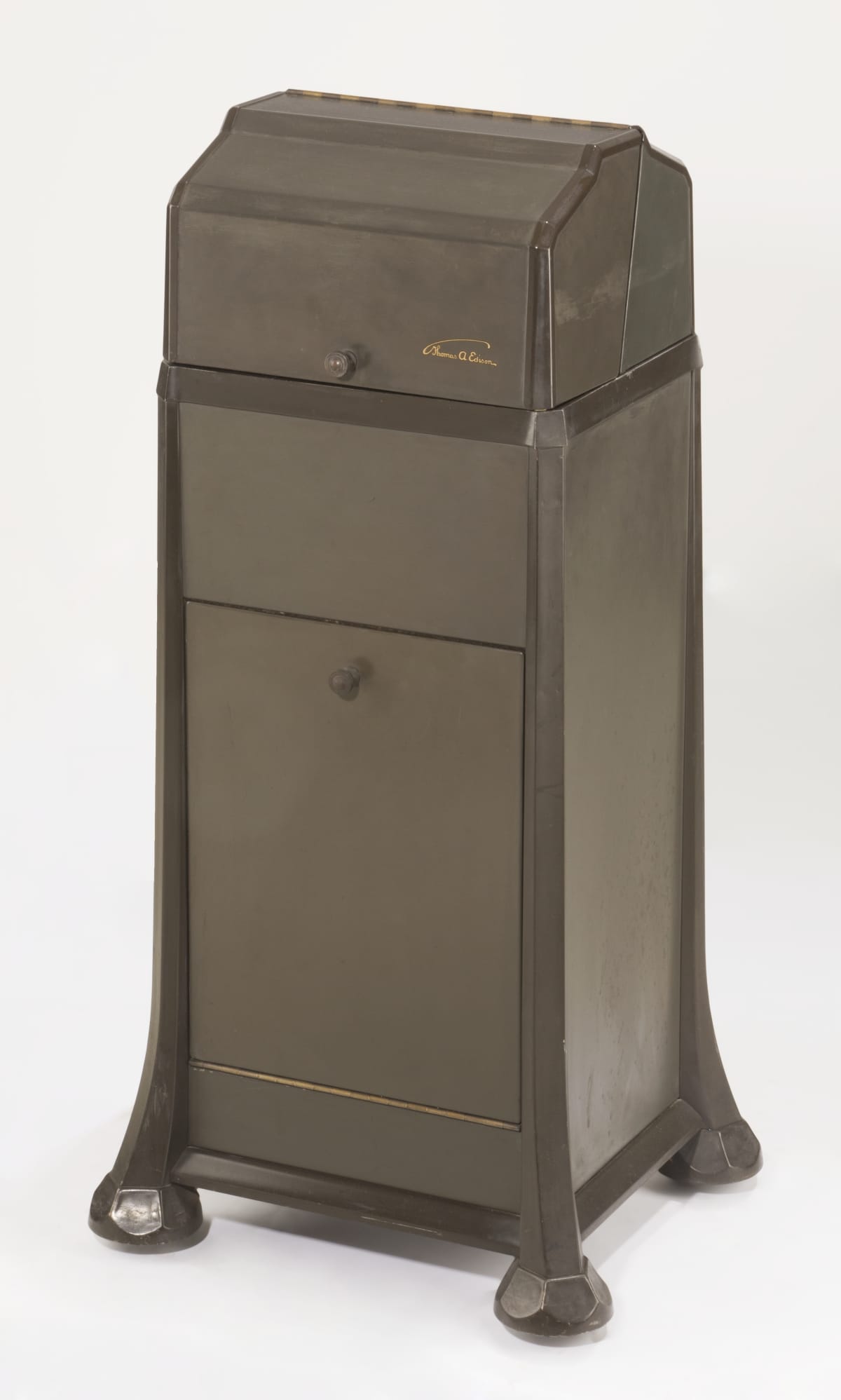
- 1930-1940
- Collections - Artifact
Pro-technic Ediphone, 1930-1940
Dictaphones and Ediphones were sound recording devices used for efficient oral dictation in business settings. When Edison invented the phonograph, one proposed use was "dictation without the aid of stenographers." Its tinfoil playback medium lacked quality, however. Alexander Graham Bell's Graphophone (later, Dictaphone) improved the phonograph by using wax cylinders for superior playback; cylinders were also used in the competing Ediphone.
- Edisonic Voicewriter Headphones, Model 3, circa 1960 -
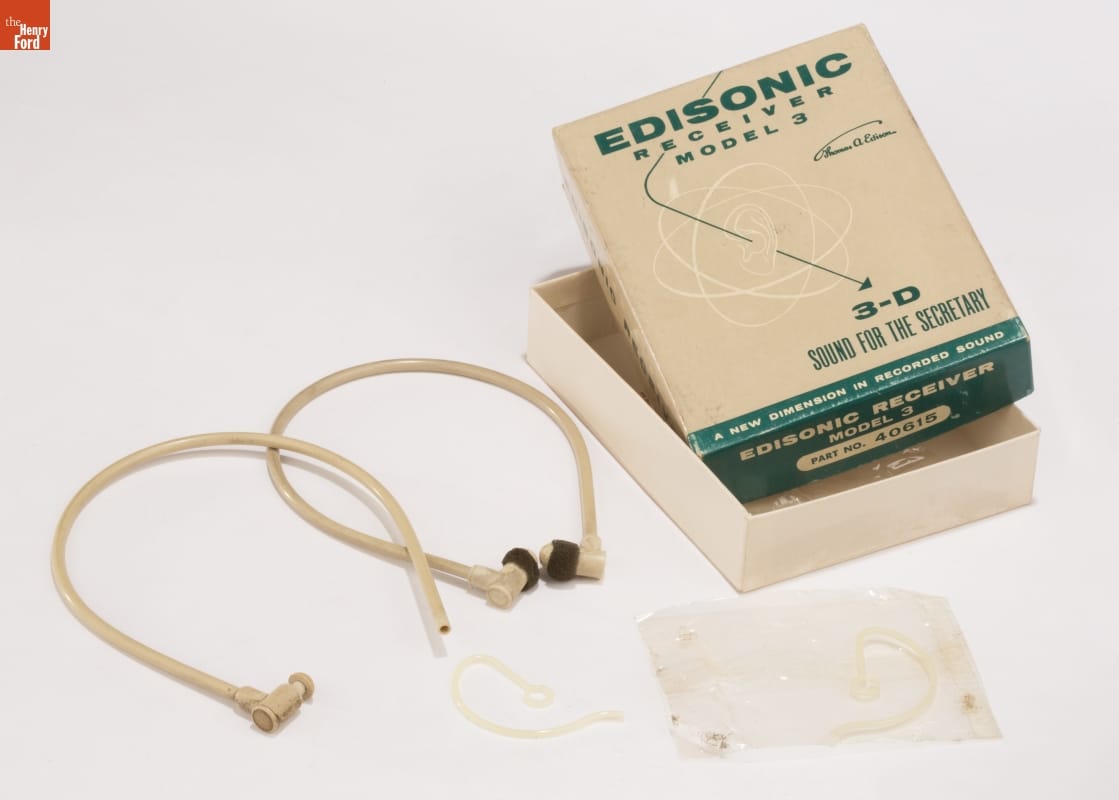
- circa 1960
- Collections - Artifact
Edisonic Voicewriter Headphones, Model 3, circa 1960
- Ediphone Wax Cylinder Holder, 1910-1940 - Dictaphones and Ediphones were sound recording devices used for efficient oral dictation in business settings. From the late 1800s and well into the 1900s, these office machines used wax cylinders to record dictation. A storage rack, such as this one, kept the cylinders safe and organized.
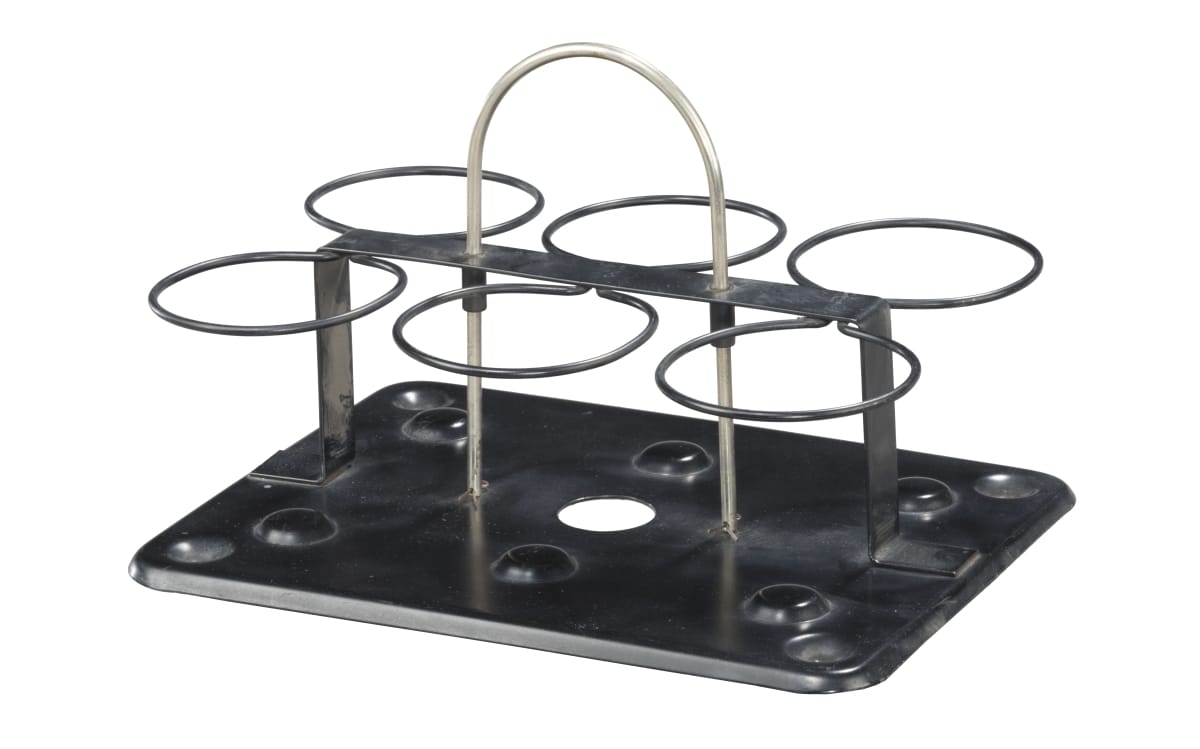
- 1910-1940
- Collections - Artifact
Ediphone Wax Cylinder Holder, 1910-1940
Dictaphones and Ediphones were sound recording devices used for efficient oral dictation in business settings. From the late 1800s and well into the 1900s, these office machines used wax cylinders to record dictation. A storage rack, such as this one, kept the cylinders safe and organized.
- Ediphone Wax Cylinder Holder, 1910-1940 - Dictaphones and Ediphones were sound recording devices used for efficient oral dictation in business settings. From the late 1800s and well into the 1900s, these office machines used wax cylinders to record dictation. A storage rack, such as this one, kept the cylinders safe and organized.
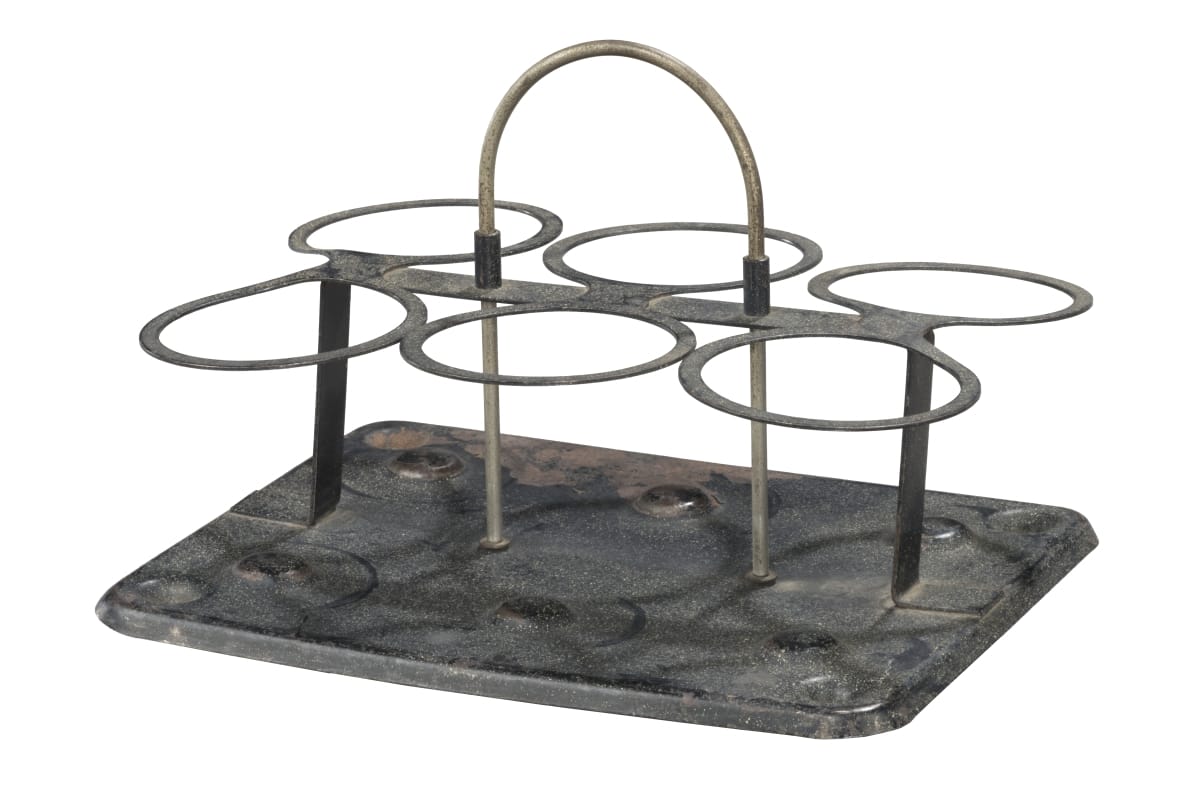
- 1910-1940
- Collections - Artifact
Ediphone Wax Cylinder Holder, 1910-1940
Dictaphones and Ediphones were sound recording devices used for efficient oral dictation in business settings. From the late 1800s and well into the 1900s, these office machines used wax cylinders to record dictation. A storage rack, such as this one, kept the cylinders safe and organized.
- Ediphone Wax Cylinder Holder, 1910-1940 - Dictaphones and Ediphones were sound recording devices used for efficient oral dictation in business settings. From the late 1800s and well into the 1900s, these office machines used wax cylinders to record dictation. A storage rack, such as this one, kept the cylinders safe and organized.
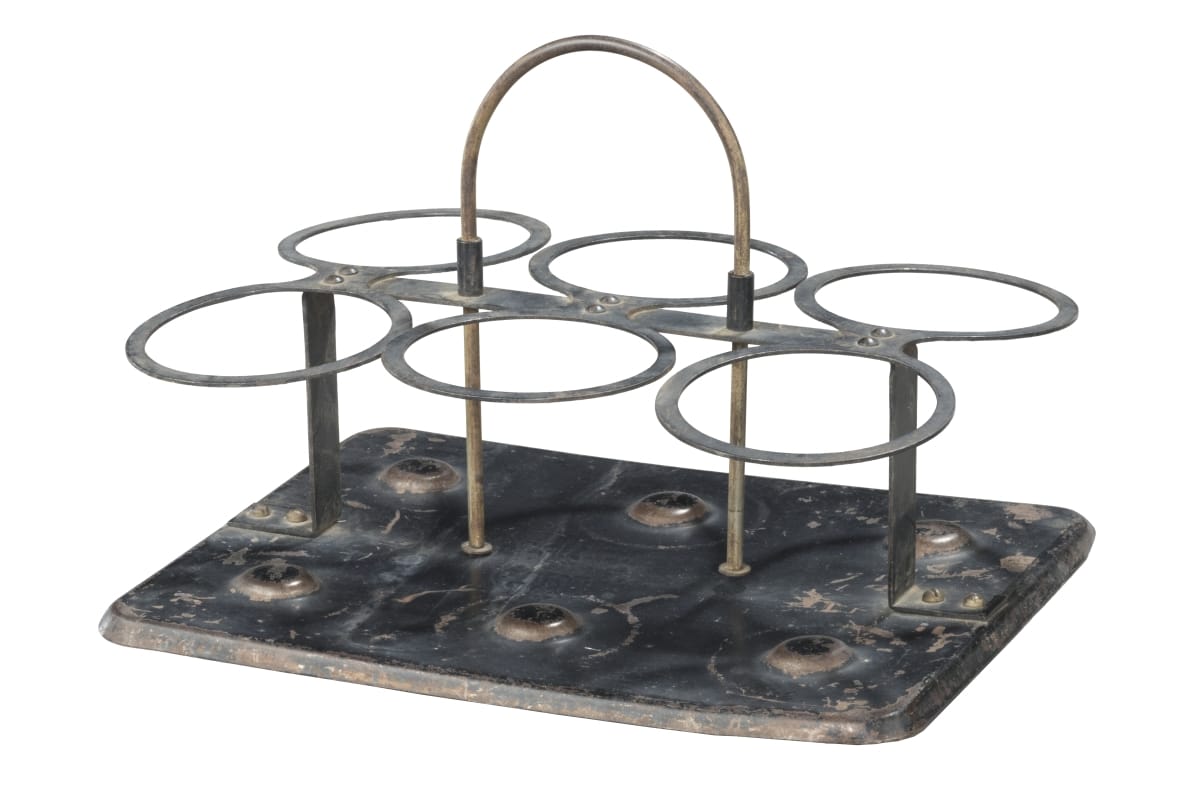
- 1910-1940
- Collections - Artifact
Ediphone Wax Cylinder Holder, 1910-1940
Dictaphones and Ediphones were sound recording devices used for efficient oral dictation in business settings. From the late 1800s and well into the 1900s, these office machines used wax cylinders to record dictation. A storage rack, such as this one, kept the cylinders safe and organized.