
Search
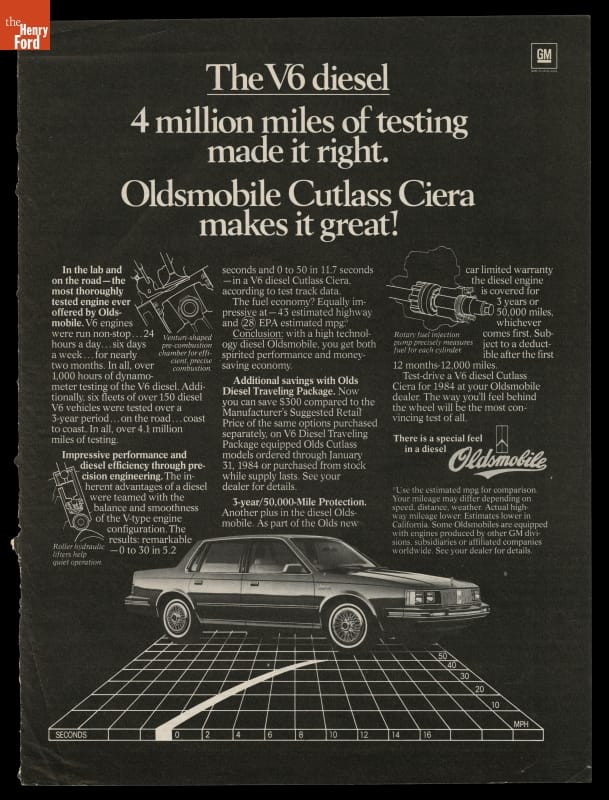
- Oldsmobile Cutlass Ciera Ad, "The V6 Diesel," 1984 - As the price of gasoline climbed in the 1970s, Oldsmobile introduced a diesel-fueled V-8 engine for 1978. Four years later, a V-6 joined the lineup. Although Oldsmobile sold more than 300,000 diesel cars in 1981, the engines earned a reputation for unreliability. That, combined with falling gas prices and stricter emissions standards, ended Oldsmobile's diesels in 1985.
- 1984
- Collections - Artifact
Oldsmobile Cutlass Ciera Ad, "The V6 Diesel," 1984
As the price of gasoline climbed in the 1970s, Oldsmobile introduced a diesel-fueled V-8 engine for 1978. Four years later, a V-6 joined the lineup. Although Oldsmobile sold more than 300,000 diesel cars in 1981, the engines earned a reputation for unreliability. That, combined with falling gas prices and stricter emissions standards, ended Oldsmobile's diesels in 1985.
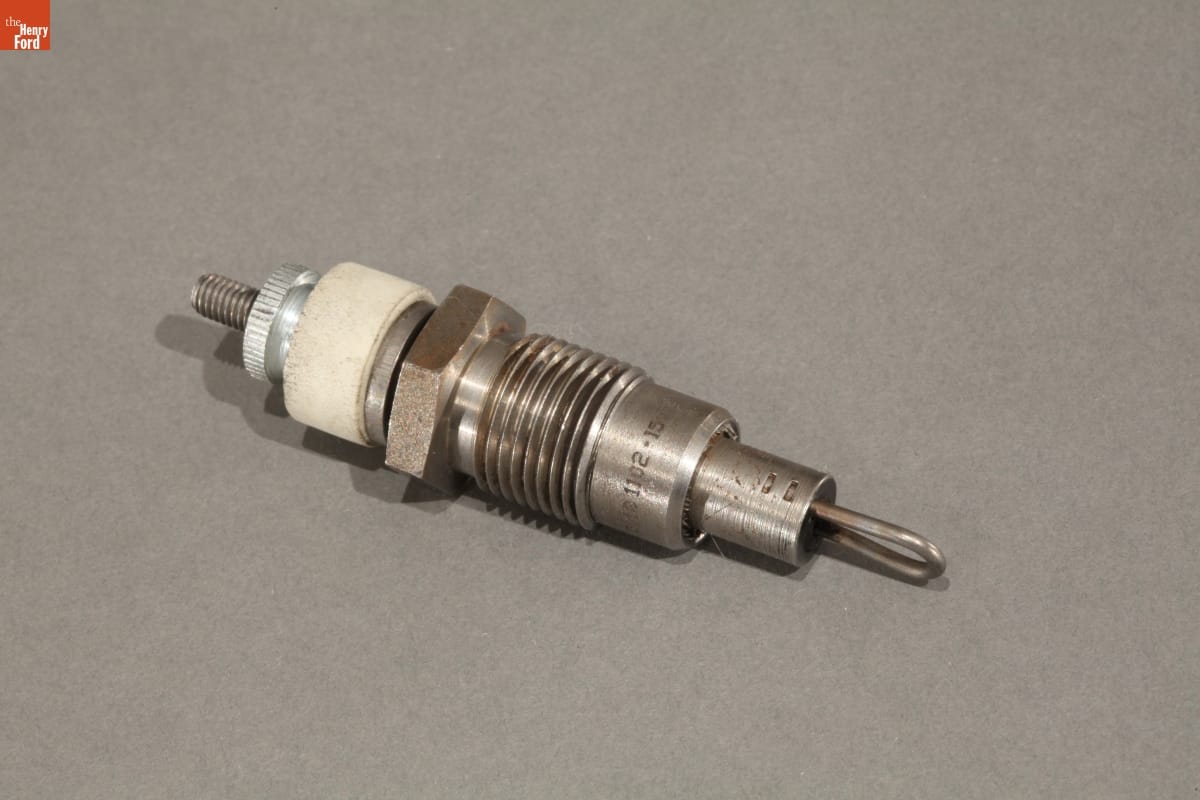
- Glow Plug, 1975-1985 - Diesel engines use highly compressed hot air to ignite fuel. In cold weather, this compression process may not heat the air sufficiently to ignite the fuel and start the engine. A glow plug helps raise the combustion chamber's air temperature. The glow plug seen here is from a 1980s Mercedes.
- 1975-1985
- Collections - Artifact
Glow Plug, 1975-1985
Diesel engines use highly compressed hot air to ignite fuel. In cold weather, this compression process may not heat the air sufficiently to ignite the fuel and start the engine. A glow plug helps raise the combustion chamber's air temperature. The glow plug seen here is from a 1980s Mercedes.
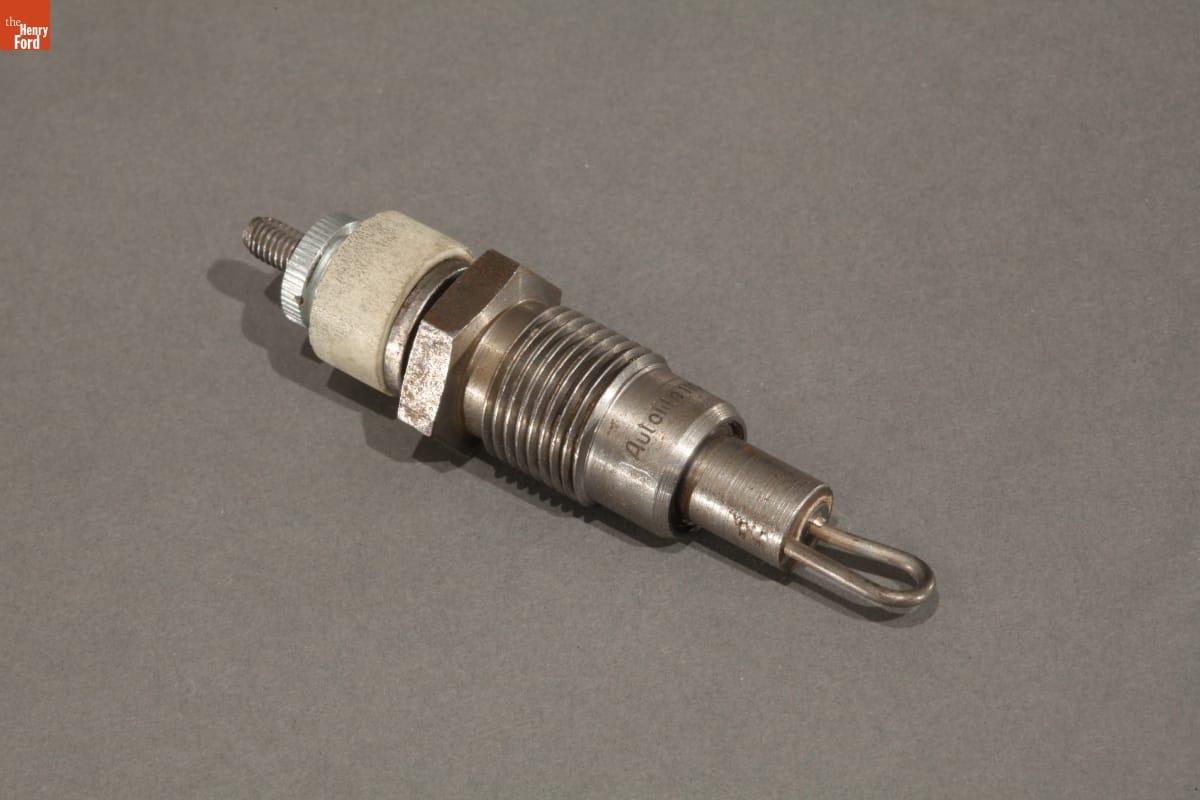
- Glow Plug, 1975-1985 - Diesel engines use highly compressed hot air to ignite fuel. In cold weather, this compression process may not heat the air sufficiently to ignite the fuel and start the engine. A glow plug helps raise the combustion chamber's air temperature. The glow plug seen here is from a 1980s Mercedes.
- 1975-1985
- Collections - Artifact
Glow Plug, 1975-1985
Diesel engines use highly compressed hot air to ignite fuel. In cold weather, this compression process may not heat the air sufficiently to ignite the fuel and start the engine. A glow plug helps raise the combustion chamber's air temperature. The glow plug seen here is from a 1980s Mercedes.
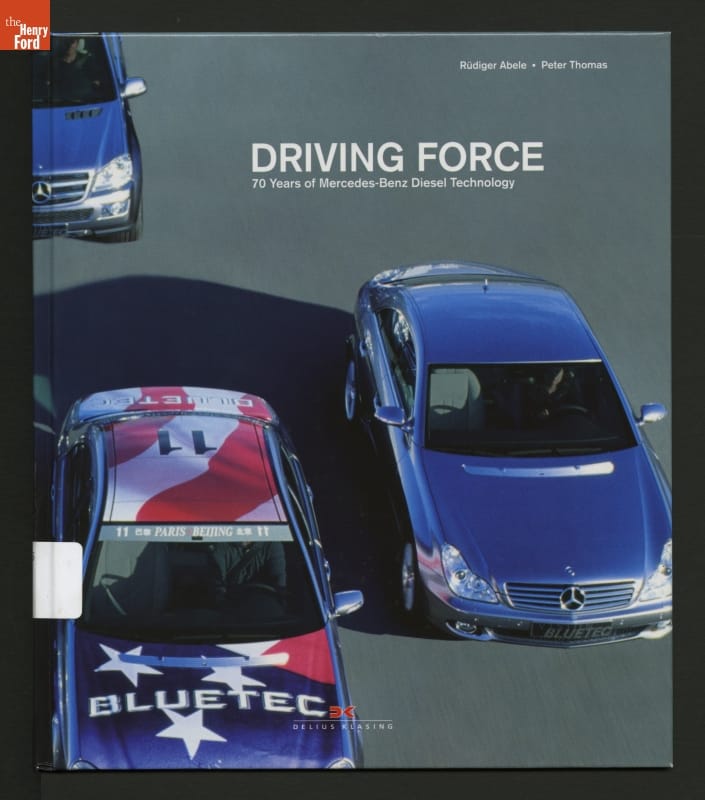
- "Driving Force, 70 Years of Mercedes-Benz Diesel Technology" 2007 - This book offers a short history of Mercedes-Benz's diesel vehicles. Mercedes-Benz built the world's first diesel passenger car in 1936.
- 2007
- Collections - Artifact
"Driving Force, 70 Years of Mercedes-Benz Diesel Technology" 2007
This book offers a short history of Mercedes-Benz's diesel vehicles. Mercedes-Benz built the world's first diesel passenger car in 1936.
- 1977 Volkswagen Sales Brochure, "VW Breaks the 50 MPG Barrier" - As Americans turned to more energy-efficient cars than the American auto companies were turning out, they found that the Volkswagen Rabbit -- a small front-wheel-drive replacement for the VW Beetle available to Americans by the mid-1970s -- delivered superb fuel economy. Specifically, it was the diesel-powered Rabbit that averaged 52 mpg on the highway (and 39 mpg in the city).
- 1977
- Collections - Artifact
1977 Volkswagen Sales Brochure, "VW Breaks the 50 MPG Barrier"
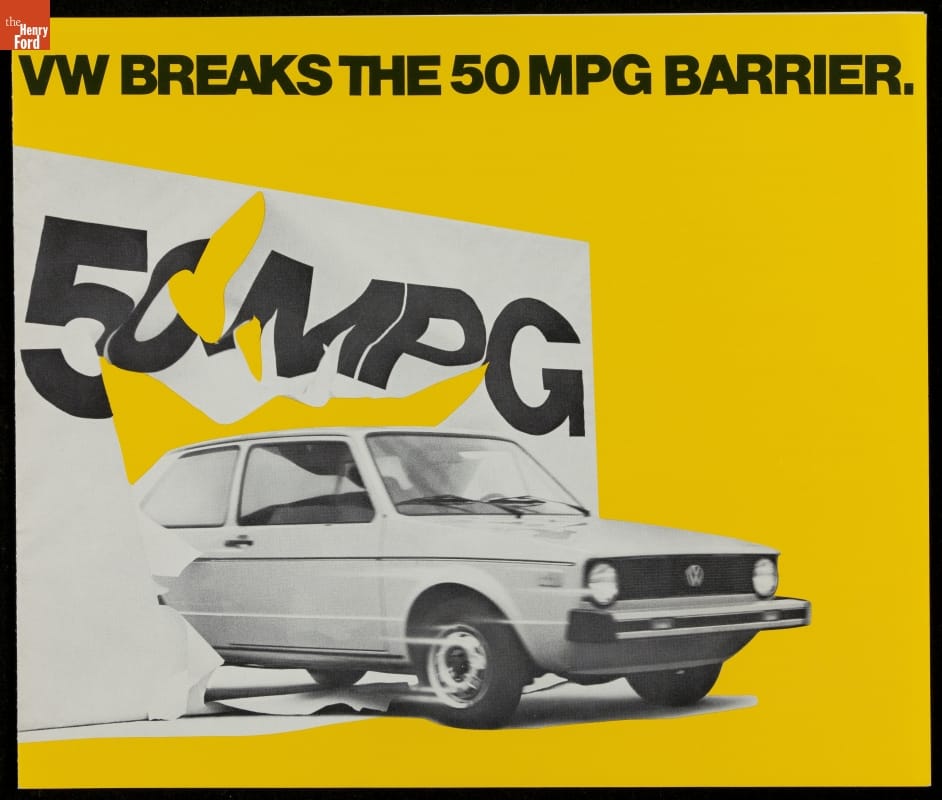
As Americans turned to more energy-efficient cars than the American auto companies were turning out, they found that the Volkswagen Rabbit -- a small front-wheel-drive replacement for the VW Beetle available to Americans by the mid-1970s -- delivered superb fuel economy. Specifically, it was the diesel-powered Rabbit that averaged 52 mpg on the highway (and 39 mpg in the city).
- Glow Plug, 1975-1985 - Diesel engines use highly compressed hot air to ignite fuel. In cold weather, this compression process may not heat the air sufficiently to ignite the fuel and start the engine. A glow plug helps raise the combustion chamber's air temperature. The glow plug seen here is from a 1980s Mercedes.
- 1975-1985
- Collections - Artifact
Glow Plug, 1975-1985
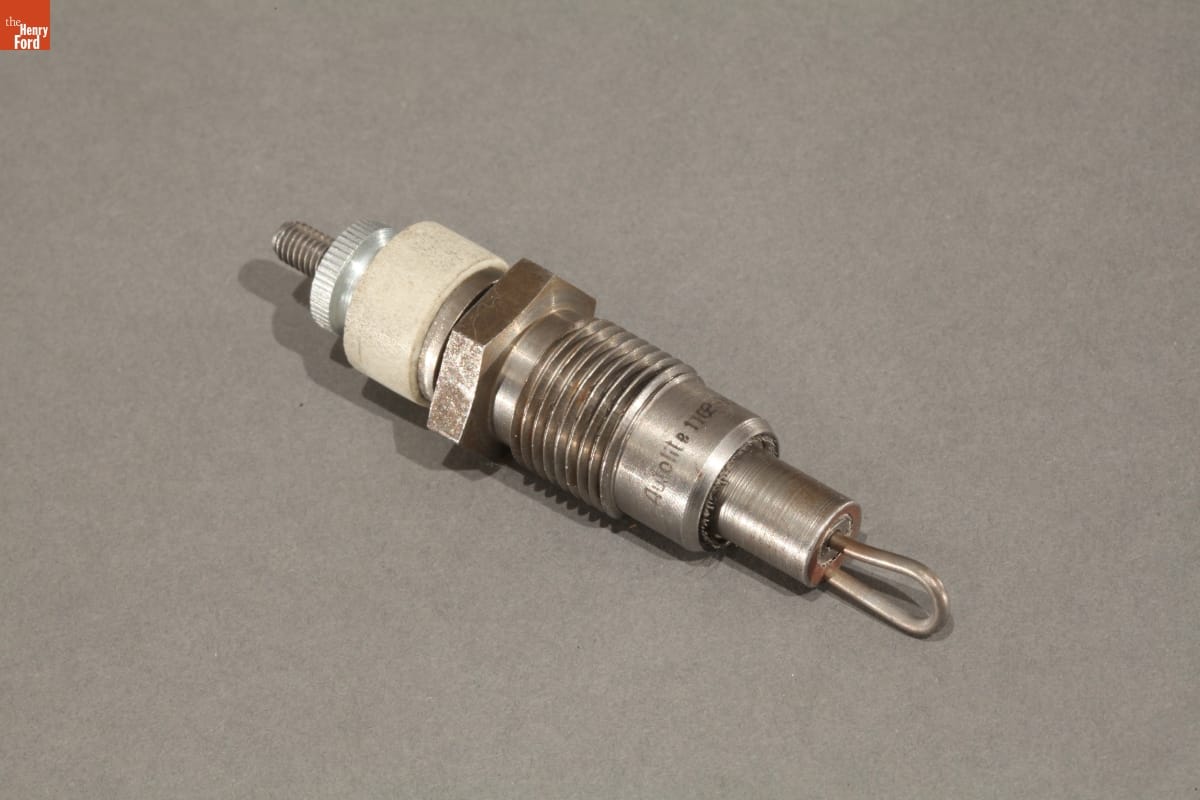
Diesel engines use highly compressed hot air to ignite fuel. In cold weather, this compression process may not heat the air sufficiently to ignite the fuel and start the engine. A glow plug helps raise the combustion chamber's air temperature. The glow plug seen here is from a 1980s Mercedes.
- Glow Plug, 1975-1985 - Diesel engines use highly compressed hot air to ignite fuel. In cold weather, this compression process may not heat the air sufficiently to ignite the fuel and start the engine. A glow plug helps raise the combustion chamber's air temperature. The glow plug seen here is from a 1980s Mercedes.
- 1975-1985
- Collections - Artifact
Glow Plug, 1975-1985
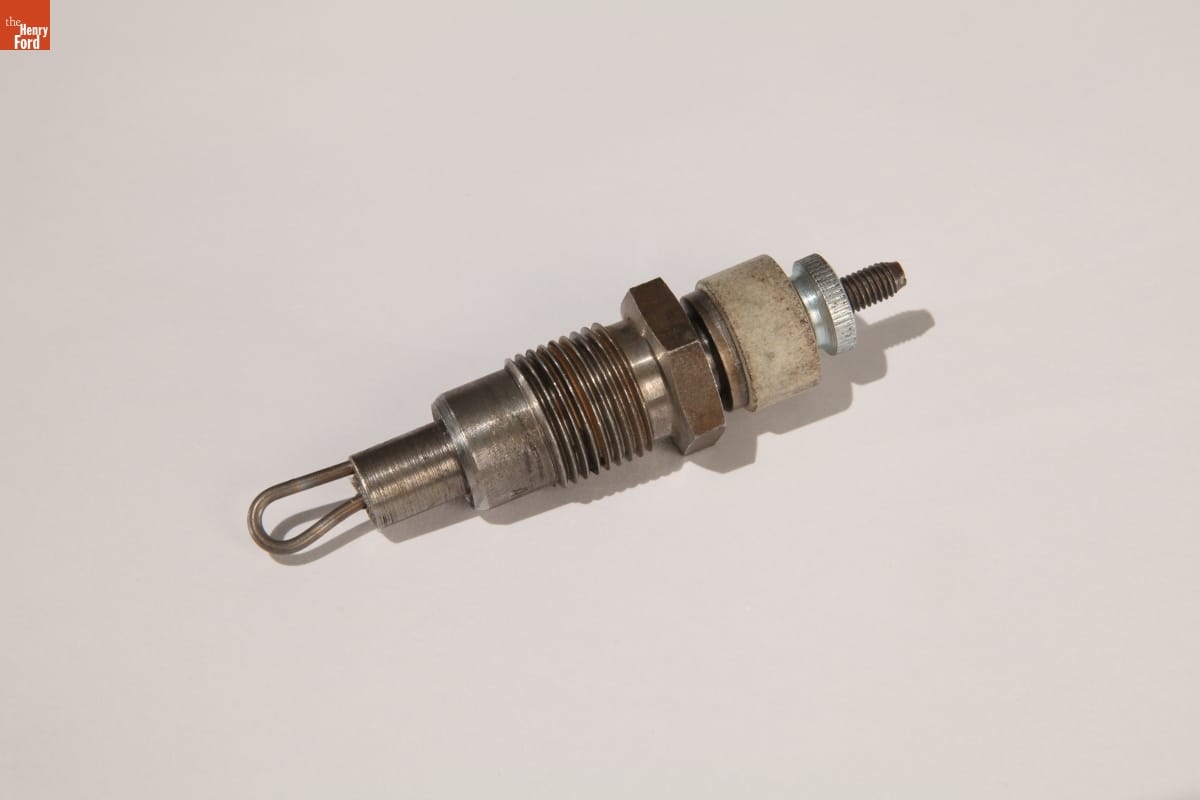
Diesel engines use highly compressed hot air to ignite fuel. In cold weather, this compression process may not heat the air sufficiently to ignite the fuel and start the engine. A glow plug helps raise the combustion chamber's air temperature. The glow plug seen here is from a 1980s Mercedes.