
Search
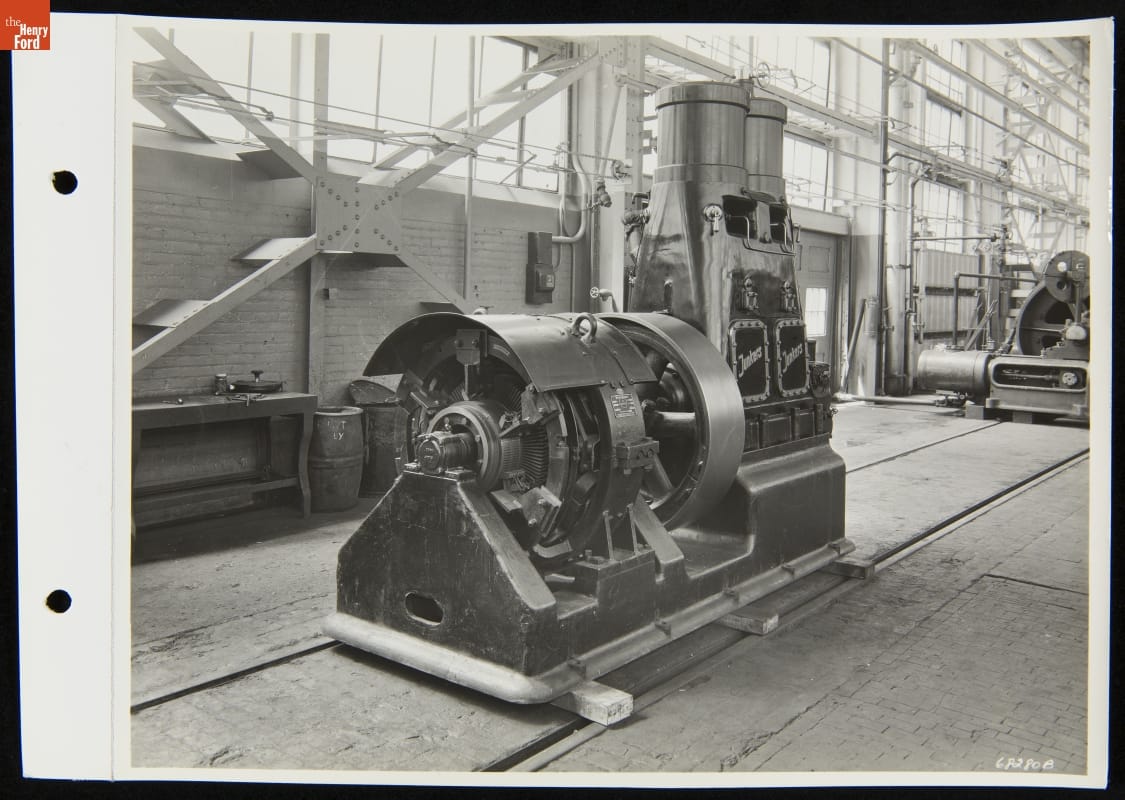
- Junkers Diesel Engine at the Locomotive Shop, Ford Rouge Plant, 1937 - Ford Motor Company's Rouge plant included a locomotive shop that employed as many as 475 people. These skilled workers maintained the Rouge's steam and diesel-electric locomotives, along with other heavy equipment. They also maintained locomotives of the Henry Ford-owned Detroit, Toledo & Ironton Railroad, and they restored locomotives for Mr. Ford's Edison Institute museum.
- May 10, 1937
- Collections - Artifact
Junkers Diesel Engine at the Locomotive Shop, Ford Rouge Plant, 1937
Ford Motor Company's Rouge plant included a locomotive shop that employed as many as 475 people. These skilled workers maintained the Rouge's steam and diesel-electric locomotives, along with other heavy equipment. They also maintained locomotives of the Henry Ford-owned Detroit, Toledo & Ironton Railroad, and they restored locomotives for Mr. Ford's Edison Institute museum.
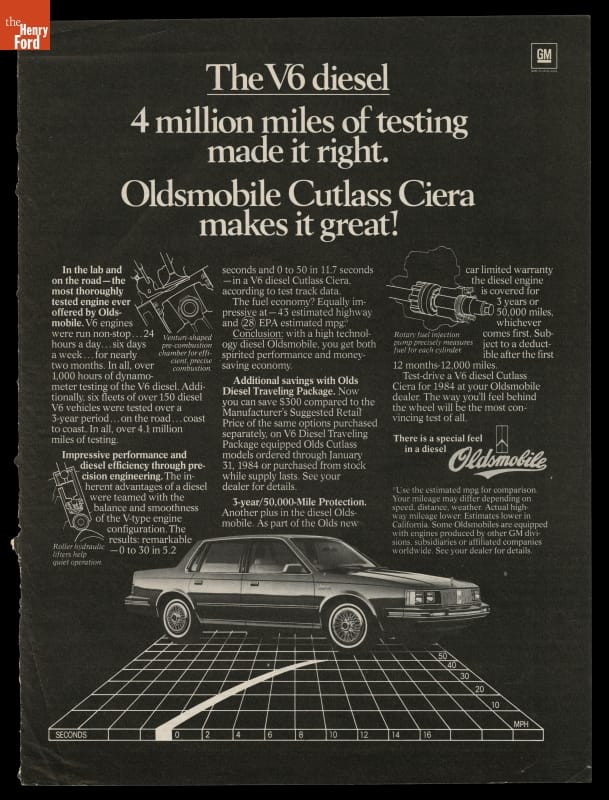
- Oldsmobile Cutlass Ciera Ad, "The V6 Diesel," 1984 - As the price of gasoline climbed in the 1970s, Oldsmobile introduced a diesel-fueled V-8 engine for 1978. Four years later, a V-6 joined the lineup. Although Oldsmobile sold more than 300,000 diesel cars in 1981, the engines earned a reputation for unreliability. That, combined with falling gas prices and stricter emissions standards, ended Oldsmobile's diesels in 1985.
- 1984
- Collections - Artifact
Oldsmobile Cutlass Ciera Ad, "The V6 Diesel," 1984
As the price of gasoline climbed in the 1970s, Oldsmobile introduced a diesel-fueled V-8 engine for 1978. Four years later, a V-6 joined the lineup. Although Oldsmobile sold more than 300,000 diesel cars in 1981, the engines earned a reputation for unreliability. That, combined with falling gas prices and stricter emissions standards, ended Oldsmobile's diesels in 1985.
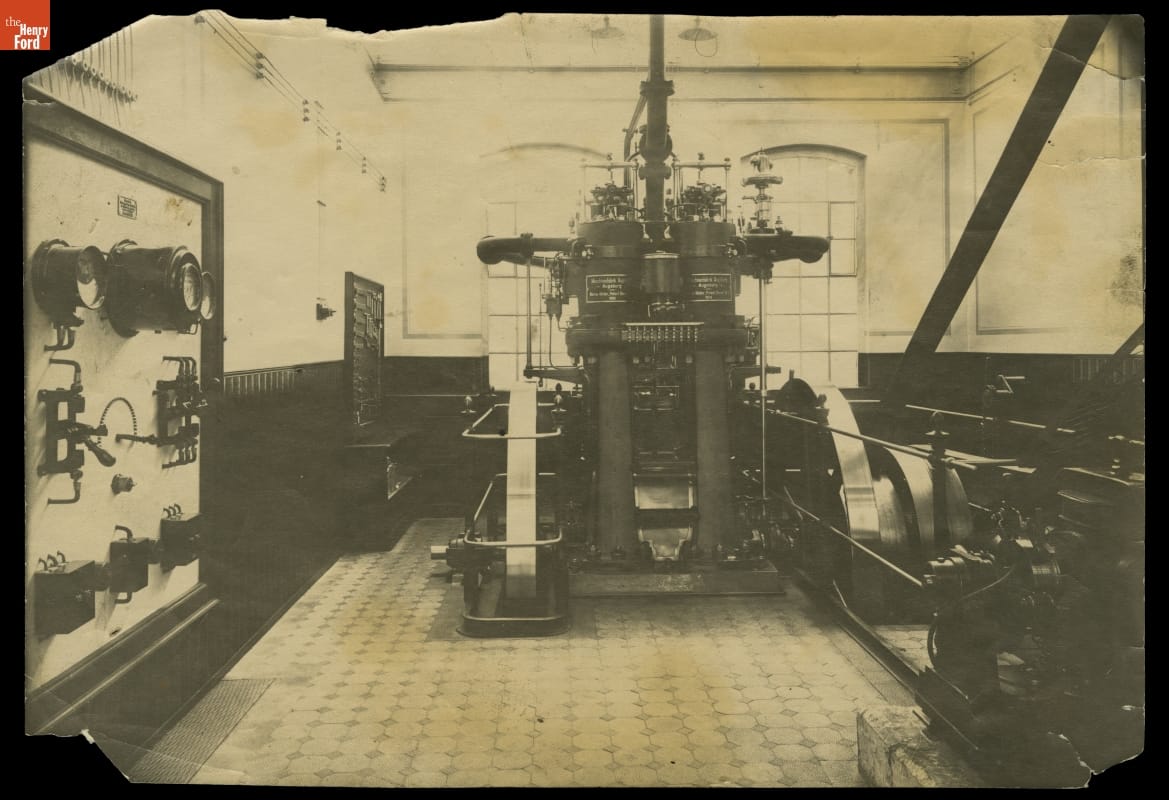
- Diesel Engine, Pforzheim, Germany, 1898 - This photograph shows one of the earliest commercially produced diesel engines. Built in 1898 by Maschinenfabrik-Augsburg AG, a supporter of Rudolf Diesel and his engine, it was installed at a tool manufacturing company in Pforzheim, Germany. Agents for Henry Ford located and purchased the engine in 1929. The engine remains an important part of the museum's collection.
- 1898
- Collections - Artifact
Diesel Engine, Pforzheim, Germany, 1898
This photograph shows one of the earliest commercially produced diesel engines. Built in 1898 by Maschinenfabrik-Augsburg AG, a supporter of Rudolf Diesel and his engine, it was installed at a tool manufacturing company in Pforzheim, Germany. Agents for Henry Ford located and purchased the engine in 1929. The engine remains an important part of the museum's collection.
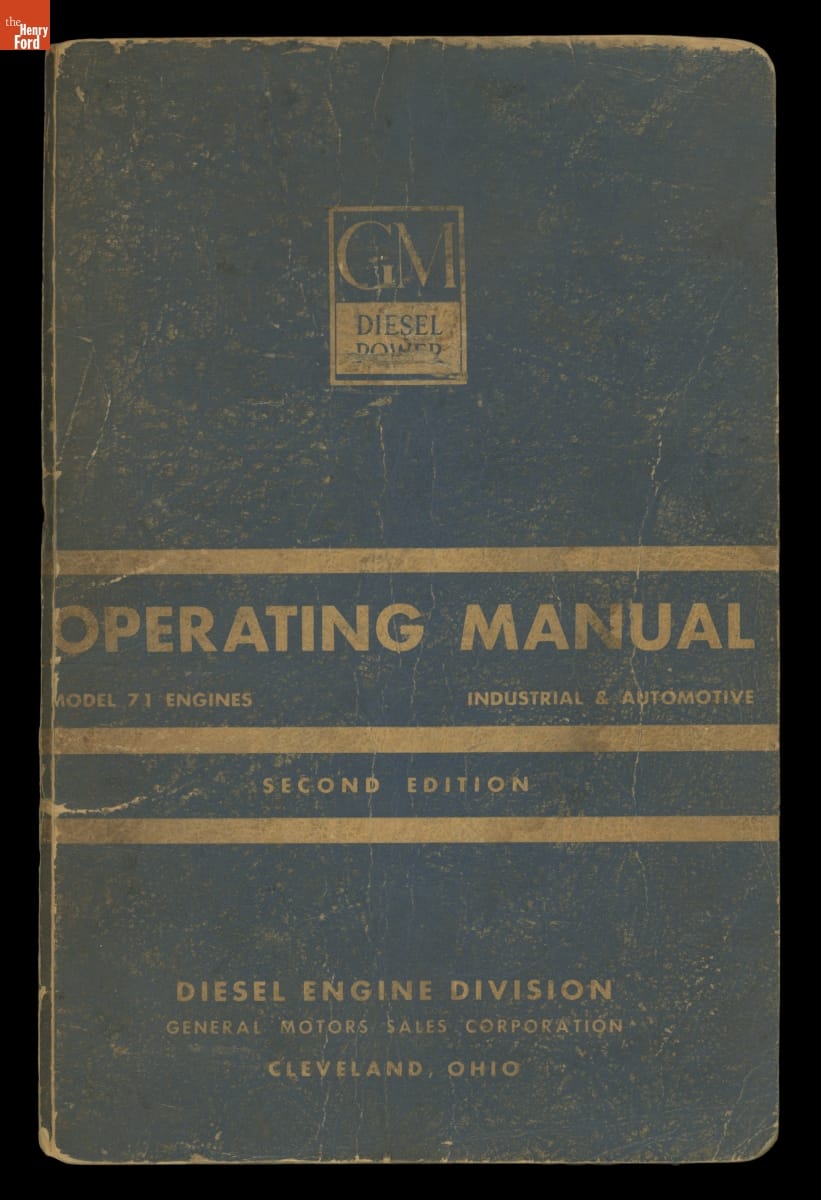
- "Two-Cycle Diesel Engines, Model 71, Description and Operating Manual," 1939 - Introduced in 1938, the two-stroke Detroit Diesel Series 71 engine powered a wide range of equipment including trucks, buses, farm tractors, and stationary generators. The unit was available in two-, three-, four-, six-, eight-, twelve-, sixteen-, and twenty-four-cylinder versions. This operating manual provided detailed instructions and diagrams for running, adjusting, and maintaining Series 71 engines.
- 1939
- Collections - Artifact
"Two-Cycle Diesel Engines, Model 71, Description and Operating Manual," 1939
Introduced in 1938, the two-stroke Detroit Diesel Series 71 engine powered a wide range of equipment including trucks, buses, farm tractors, and stationary generators. The unit was available in two-, three-, four-, six-, eight-, twelve-, sixteen-, and twenty-four-cylinder versions. This operating manual provided detailed instructions and diagrams for running, adjusting, and maintaining Series 71 engines.
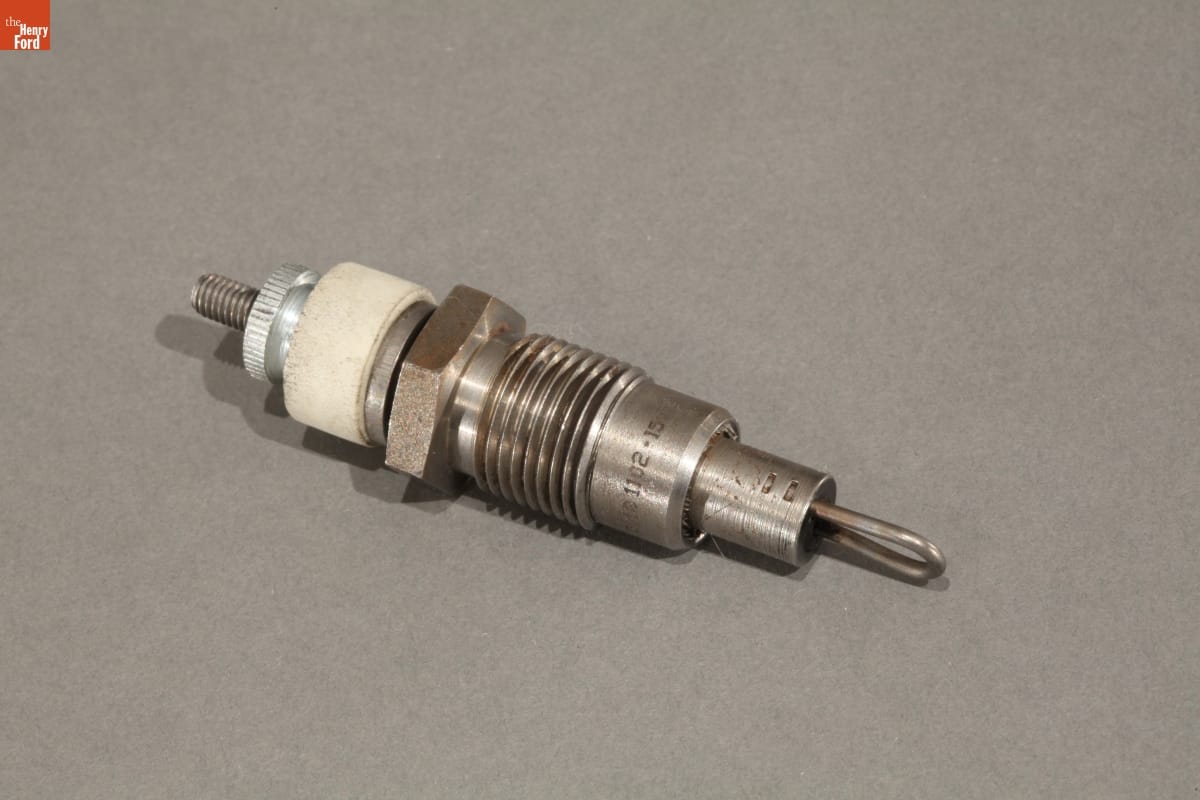
- Glow Plug, 1975-1985 - Diesel engines use highly compressed hot air to ignite fuel. In cold weather, this compression process may not heat the air sufficiently to ignite the fuel and start the engine. A glow plug helps raise the combustion chamber's air temperature. The glow plug seen here is from a 1980s Mercedes.
- 1975-1985
- Collections - Artifact
Glow Plug, 1975-1985
Diesel engines use highly compressed hot air to ignite fuel. In cold weather, this compression process may not heat the air sufficiently to ignite the fuel and start the engine. A glow plug helps raise the combustion chamber's air temperature. The glow plug seen here is from a 1980s Mercedes.
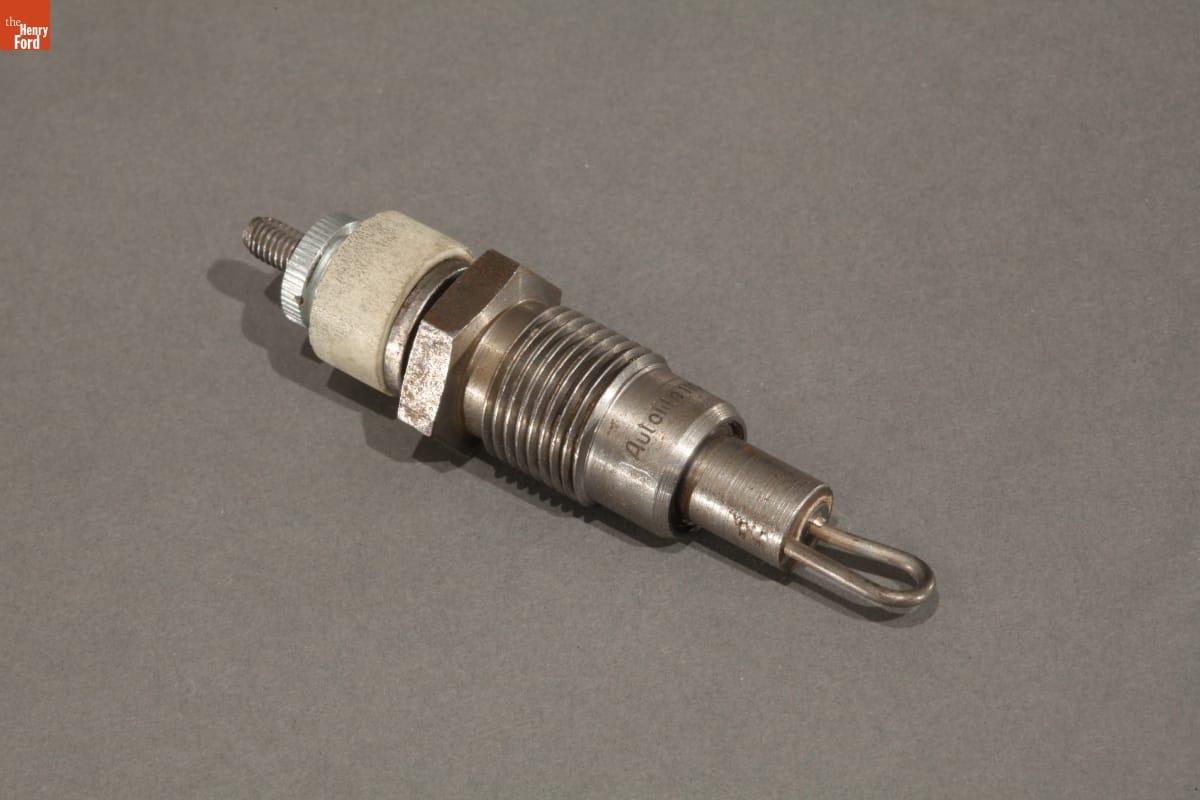
- Glow Plug, 1975-1985 - Diesel engines use highly compressed hot air to ignite fuel. In cold weather, this compression process may not heat the air sufficiently to ignite the fuel and start the engine. A glow plug helps raise the combustion chamber's air temperature. The glow plug seen here is from a 1980s Mercedes.
- 1975-1985
- Collections - Artifact
Glow Plug, 1975-1985
Diesel engines use highly compressed hot air to ignite fuel. In cold weather, this compression process may not heat the air sufficiently to ignite the fuel and start the engine. A glow plug helps raise the combustion chamber's air temperature. The glow plug seen here is from a 1980s Mercedes.
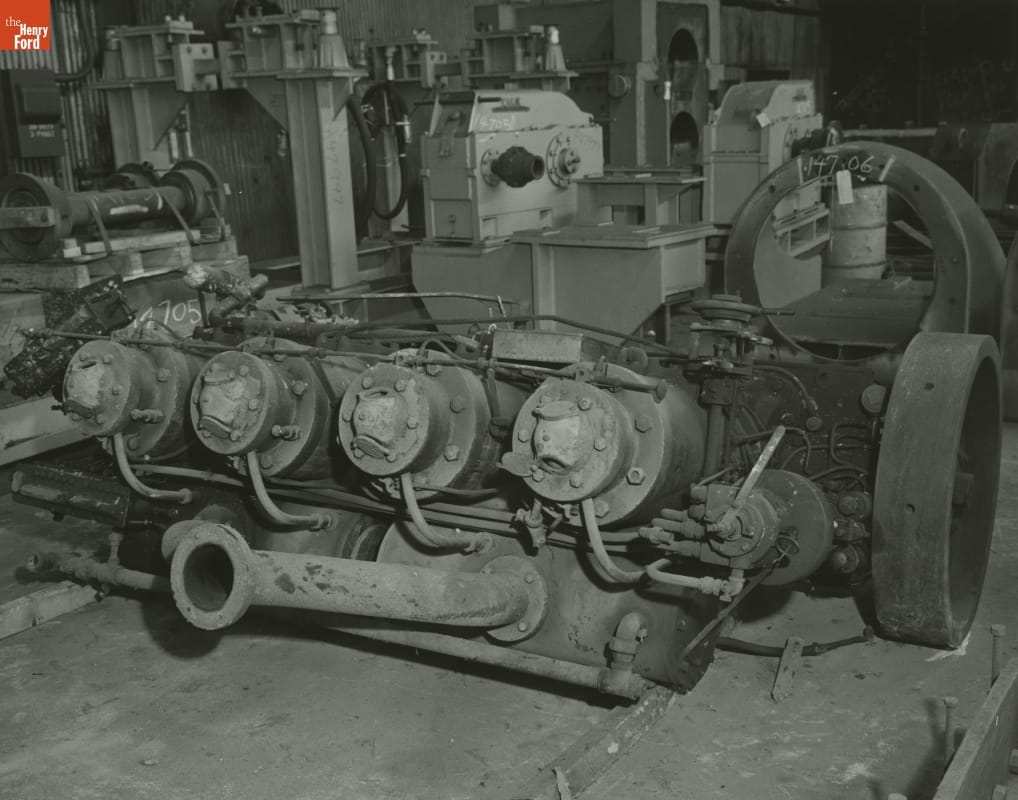
- Kahlenberg 4-Cylinder Marine Diesel Engine, 1927 - Kahlenberg of Two Rivers, Wisconsin, built steam and gasoline marine engines before focusing on hot-bulb semi-diesel engines in the 1920s. This early four-cylinder example was purchased by United Fisheries of Sandusky, Ohio, in 1929 and likely used in a small commercial fishing tug. These engines were more efficient and reliable than steam power and were widely adopted on the Great Lakes.
- 1927
- Collections - Artifact
Kahlenberg 4-Cylinder Marine Diesel Engine, 1927
Kahlenberg of Two Rivers, Wisconsin, built steam and gasoline marine engines before focusing on hot-bulb semi-diesel engines in the 1920s. This early four-cylinder example was purchased by United Fisheries of Sandusky, Ohio, in 1929 and likely used in a small commercial fishing tug. These engines were more efficient and reliable than steam power and were widely adopted on the Great Lakes.
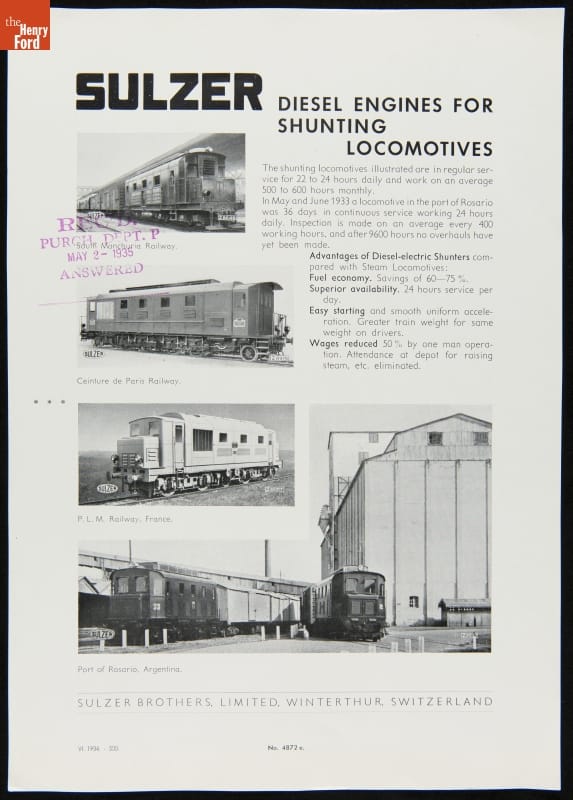
- Sulzer Brothers Limited Advertising Flier, 1934, "Sulzer Diesel Engines For Shunting Locomotives" - Swiss manufacturer Sulzer Brothers praised the diesel-electric locomotive's advantages in this 1934 advertisement. In addition to the listed benefits, diesel-electrics were gentler on railroad track because they lacked the reciprocating pistons and rods used on steam locomotives. Also, multiple diesel-electric units could be hooked together and operated by a single crew, making it easy to add horsepower to a heavy train.
- 1934
- Collections - Artifact
Sulzer Brothers Limited Advertising Flier, 1934, "Sulzer Diesel Engines For Shunting Locomotives"
Swiss manufacturer Sulzer Brothers praised the diesel-electric locomotive's advantages in this 1934 advertisement. In addition to the listed benefits, diesel-electrics were gentler on railroad track because they lacked the reciprocating pistons and rods used on steam locomotives. Also, multiple diesel-electric units could be hooked together and operated by a single crew, making it easy to add horsepower to a heavy train.
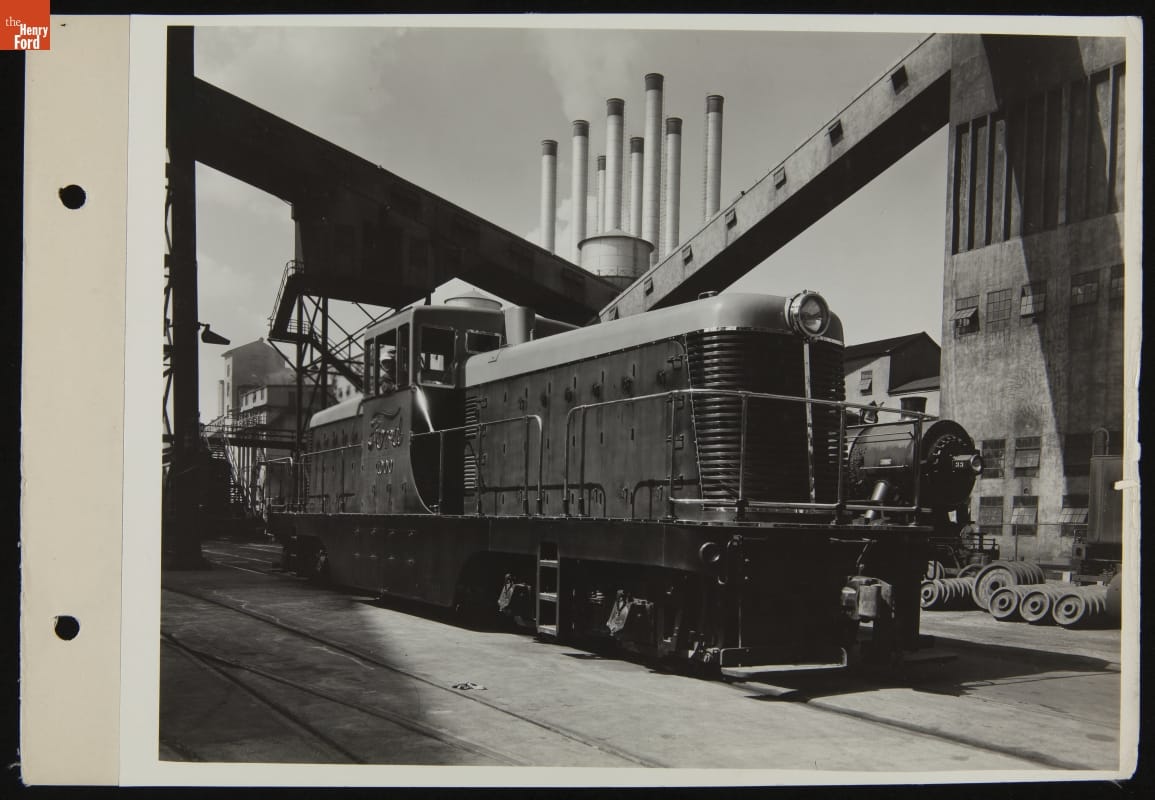
- Ford Diesel Locomotive, Ford Rouge Plant, September 1938 - Some 100 miles of railroad track covered the grounds of Ford Motor Company's Rouge plant. The automaker maintained its own fleet of locomotives to move incoming railcars loaded with raw materials, and outgoing railcars filled with finished parts and automobiles, around the complex. Additionally, specialized tank cars ferried molten iron from the factory's blast furnaces to its foundry.
- September 07, 1938
- Collections - Artifact
Ford Diesel Locomotive, Ford Rouge Plant, September 1938
Some 100 miles of railroad track covered the grounds of Ford Motor Company's Rouge plant. The automaker maintained its own fleet of locomotives to move incoming railcars loaded with raw materials, and outgoing railcars filled with finished parts and automobiles, around the complex. Additionally, specialized tank cars ferried molten iron from the factory's blast furnaces to its foundry.
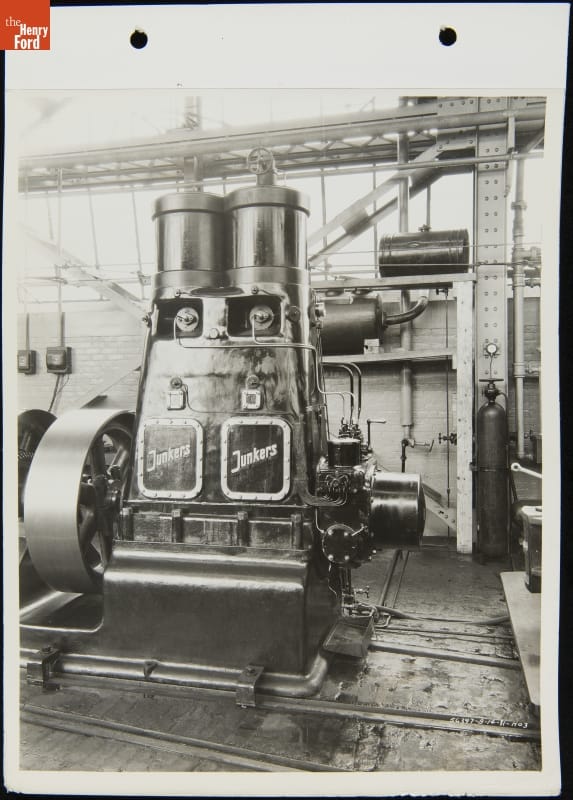
- Junkers Diesel Engine at the Locomotive Shop, Ford Rouge Plant, 1931 - Ford Motor Company's Rouge plant included a locomotive shop that employed as many as 475 people. These skilled workers maintained the Rouge's steam and diesel-electric locomotives, along with other heavy equipment. They also maintained locomotives of the Henry Ford-owned Detroit, Toledo & Ironton Railroad, and they restored locomotives for Mr. Ford's Edison Institute museum.
- August 14, 1931
- Collections - Artifact
Junkers Diesel Engine at the Locomotive Shop, Ford Rouge Plant, 1931
Ford Motor Company's Rouge plant included a locomotive shop that employed as many as 475 people. These skilled workers maintained the Rouge's steam and diesel-electric locomotives, along with other heavy equipment. They also maintained locomotives of the Henry Ford-owned Detroit, Toledo & Ironton Railroad, and they restored locomotives for Mr. Ford's Edison Institute museum.