
Search
- Interior of Wright Cycle Shop in Dayton, Ohio, 1936 - Before moving the Wright Cycle Shop from Dayton, Ohio, to Greenfield Village in November 1936, Henry Ford's agents found and took detailed photographs of the building's interior. These photos helped the team reassemble the structure in Dearborn, Michigan. Orville Wright and Charlie Taylor, the mechanic who built the engine for the 1903 Flyer, also assisted to ensure the reconstruction's accuracy.
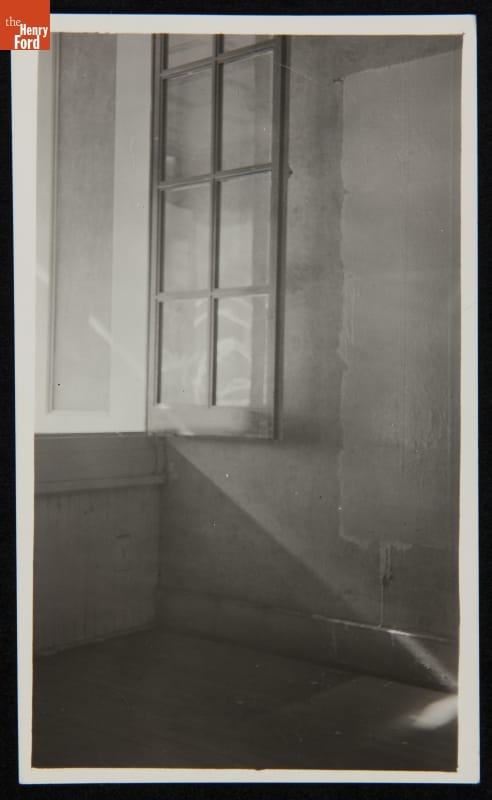
- 1936
- Collections - Artifact
Interior of Wright Cycle Shop in Dayton, Ohio, 1936
Before moving the Wright Cycle Shop from Dayton, Ohio, to Greenfield Village in November 1936, Henry Ford's agents found and took detailed photographs of the building's interior. These photos helped the team reassemble the structure in Dearborn, Michigan. Orville Wright and Charlie Taylor, the mechanic who built the engine for the 1903 Flyer, also assisted to ensure the reconstruction's accuracy.
- Interior of Wright Cycle Shop in Dayton, Ohio, 1936 - Before moving the Wright Cycle Shop from Dayton, Ohio, to Greenfield Village in November 1936, Henry Ford's agents found and took detailed photographs of the building's interior. These photos helped the team reassemble the structure in Dearborn, Michigan. Orville Wright and Charlie Taylor, the mechanic who built the engine for the 1903 Flyer, also assisted to ensure the reconstruction's accuracy.
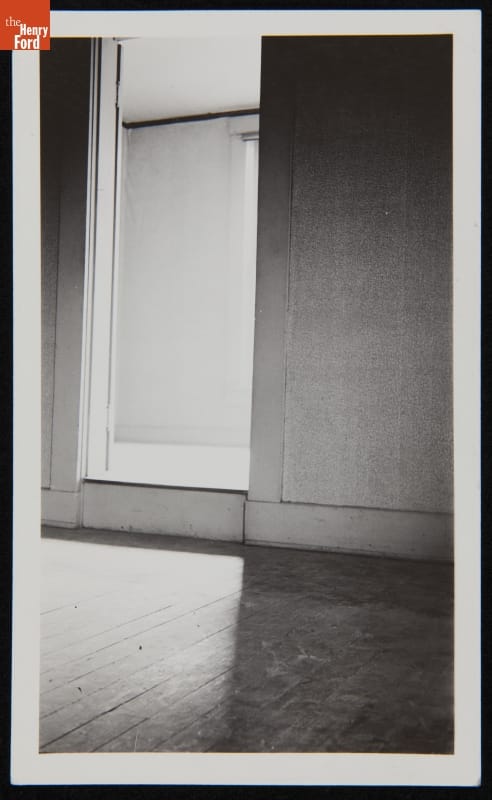
- 1936
- Collections - Artifact
Interior of Wright Cycle Shop in Dayton, Ohio, 1936
Before moving the Wright Cycle Shop from Dayton, Ohio, to Greenfield Village in November 1936, Henry Ford's agents found and took detailed photographs of the building's interior. These photos helped the team reassemble the structure in Dearborn, Michigan. Orville Wright and Charlie Taylor, the mechanic who built the engine for the 1903 Flyer, also assisted to ensure the reconstruction's accuracy.
- Interior of Wright Cycle Shop in Dayton, Ohio, 1936 - Before moving the Wright Cycle Shop from Dayton, Ohio, to Greenfield Village in November 1936, Henry Ford's agents found and took detailed photographs of the building's interior. These photos helped the team reassemble the structure in Dearborn, Michigan. Orville Wright and Charlie Taylor, the mechanic who built the engine for the 1903 Flyer, also assisted to ensure the reconstruction's accuracy.
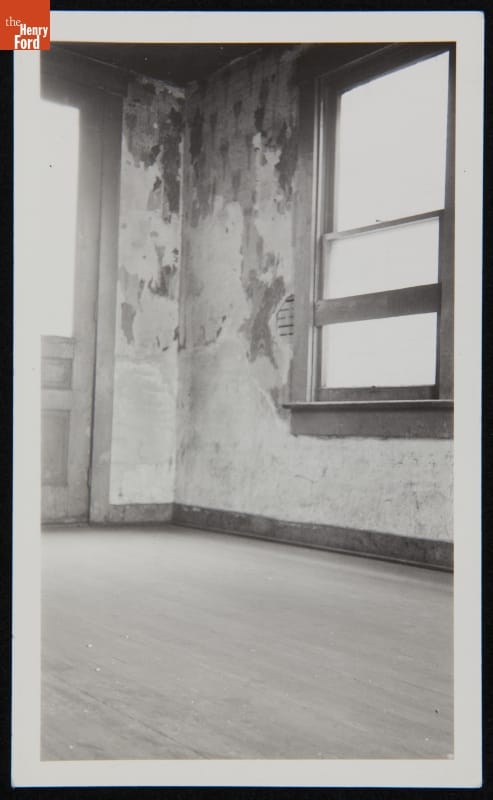
- 1936
- Collections - Artifact
Interior of Wright Cycle Shop in Dayton, Ohio, 1936
Before moving the Wright Cycle Shop from Dayton, Ohio, to Greenfield Village in November 1936, Henry Ford's agents found and took detailed photographs of the building's interior. These photos helped the team reassemble the structure in Dearborn, Michigan. Orville Wright and Charlie Taylor, the mechanic who built the engine for the 1903 Flyer, also assisted to ensure the reconstruction's accuracy.
- Interior of Wright Cycle Shop in Dayton, Ohio, 1936 - Before moving the Wright Cycle Shop from Dayton, Ohio, to Greenfield Village in November 1936, Henry Ford's agents found and took detailed photographs of the building's interior. These photos helped the team reassemble the structure in Dearborn, Michigan. Orville Wright and Charlie Taylor, the mechanic who built the engine for the 1903 Flyer, also assisted to ensure the reconstruction's accuracy.
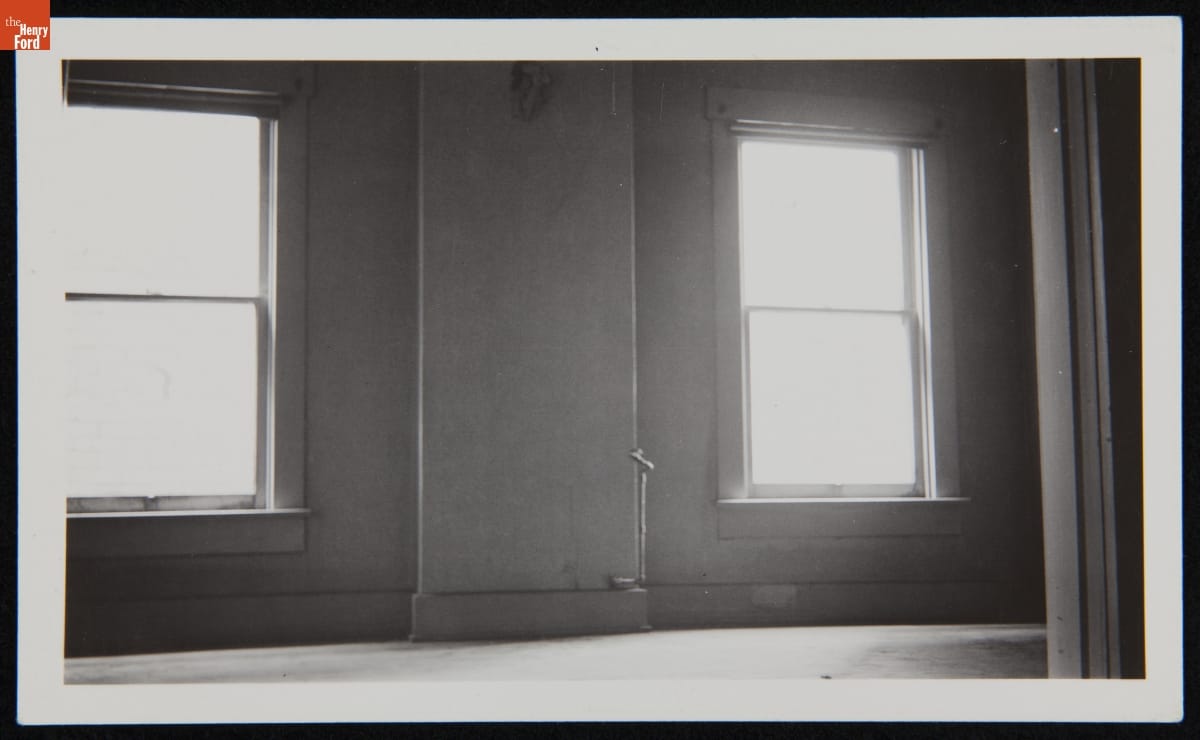
- 1936
- Collections - Artifact
Interior of Wright Cycle Shop in Dayton, Ohio, 1936
Before moving the Wright Cycle Shop from Dayton, Ohio, to Greenfield Village in November 1936, Henry Ford's agents found and took detailed photographs of the building's interior. These photos helped the team reassemble the structure in Dearborn, Michigan. Orville Wright and Charlie Taylor, the mechanic who built the engine for the 1903 Flyer, also assisted to ensure the reconstruction's accuracy.
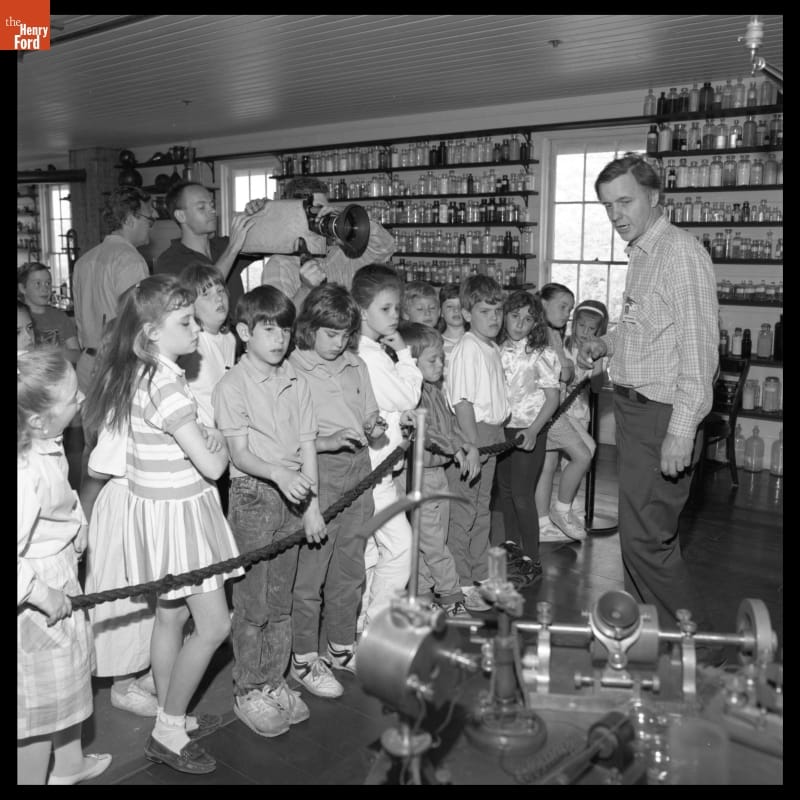
- Filming ABC-TV's World of Discovery at Menlo Park Laboratory in Greenfield Village, May 22, 1989 - In May 1989, ABC television crews filmed segments of <EM>World of Discovery - Inventors: Out of their Minds</EM> at the Henry Ford Museum and Greenfield Village. The show linked the experiences of late 20th-century inventors with Thomas Edison's innovative work. In one of the program's final segments, museum curator John Bowditch explains Edison's greatest invention -- the research laboratory -- to a group of students.
- May 22, 1989
- Collections - Artifact
Filming ABC-TV's World of Discovery at Menlo Park Laboratory in Greenfield Village, May 22, 1989
In May 1989, ABC television crews filmed segments of World of Discovery - Inventors: Out of their Minds at the Henry Ford Museum and Greenfield Village. The show linked the experiences of late 20th-century inventors with Thomas Edison's innovative work. In one of the program's final segments, museum curator John Bowditch explains Edison's greatest invention -- the research laboratory -- to a group of students.
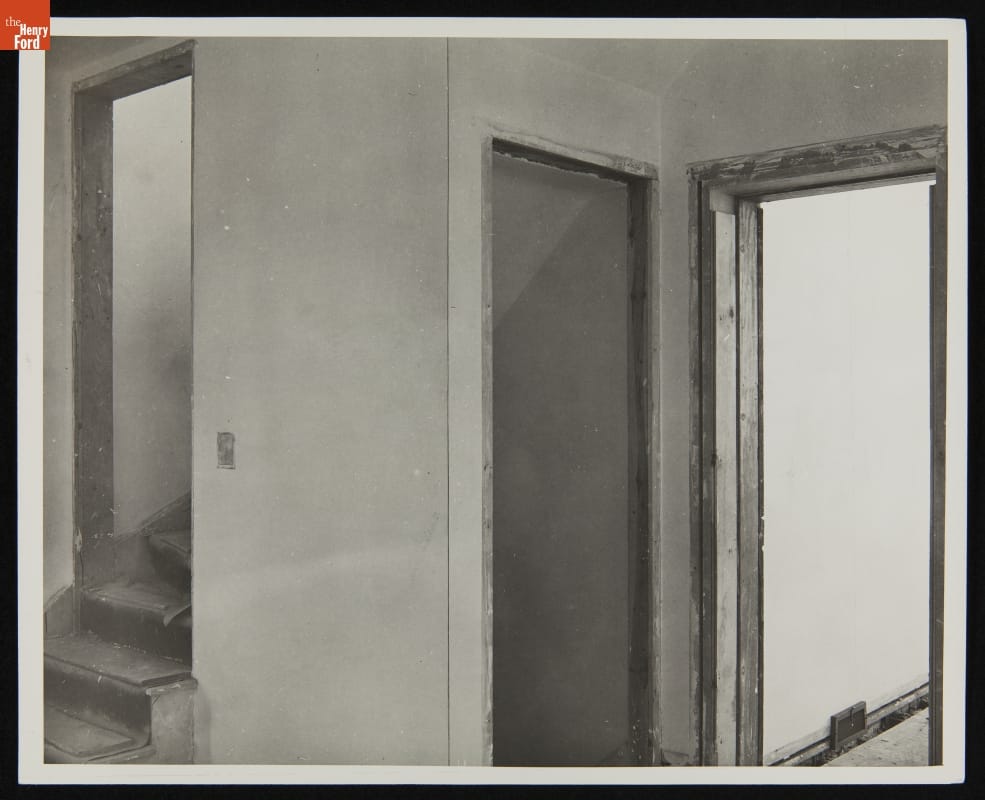
- Interior of Wright Cycle Shop in Dayton, Ohio, 1936 - Before moving the Wright Cycle Shop from Dayton, Ohio, to Greenfield Village in November 1936, Henry Ford's agents found and took detailed photographs of the building's interior. These photos helped the team reassemble the structure in Dearborn, Michigan. Orville Wright and Charlie Taylor, the mechanic who built the engine for the 1903 Flyer, also assisted to ensure the reconstruction's accuracy.
- 1936
- Collections - Artifact
Interior of Wright Cycle Shop in Dayton, Ohio, 1936
Before moving the Wright Cycle Shop from Dayton, Ohio, to Greenfield Village in November 1936, Henry Ford's agents found and took detailed photographs of the building's interior. These photos helped the team reassemble the structure in Dearborn, Michigan. Orville Wright and Charlie Taylor, the mechanic who built the engine for the 1903 Flyer, also assisted to ensure the reconstruction's accuracy.
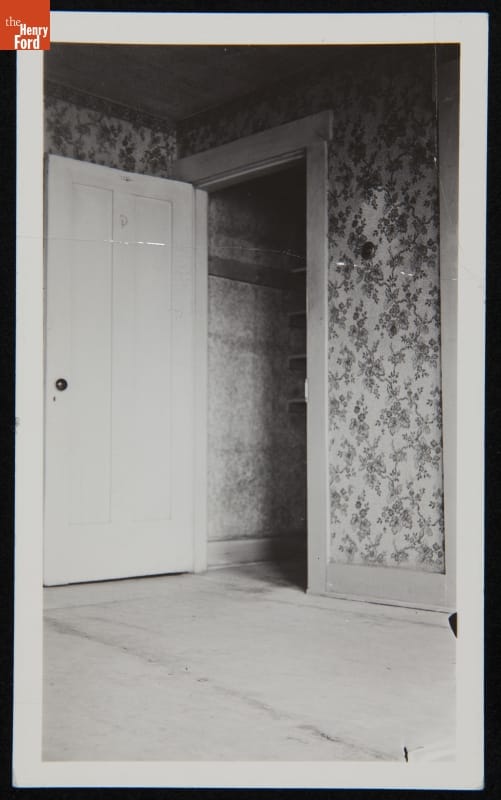
- Interior of Wright Cycle Shop in Dayton, Ohio, 1936 - Before moving the Wright Cycle Shop from Dayton, Ohio, to Greenfield Village in November 1936, Henry Ford's agents found and took detailed photographs of the building's interior. These photos helped the team reassemble the structure in Dearborn, Michigan. Orville Wright and Charlie Taylor, the mechanic who built the engine for the 1903 Flyer, also assisted to ensure the reconstruction's accuracy.
- 1936
- Collections - Artifact
Interior of Wright Cycle Shop in Dayton, Ohio, 1936
Before moving the Wright Cycle Shop from Dayton, Ohio, to Greenfield Village in November 1936, Henry Ford's agents found and took detailed photographs of the building's interior. These photos helped the team reassemble the structure in Dearborn, Michigan. Orville Wright and Charlie Taylor, the mechanic who built the engine for the 1903 Flyer, also assisted to ensure the reconstruction's accuracy.
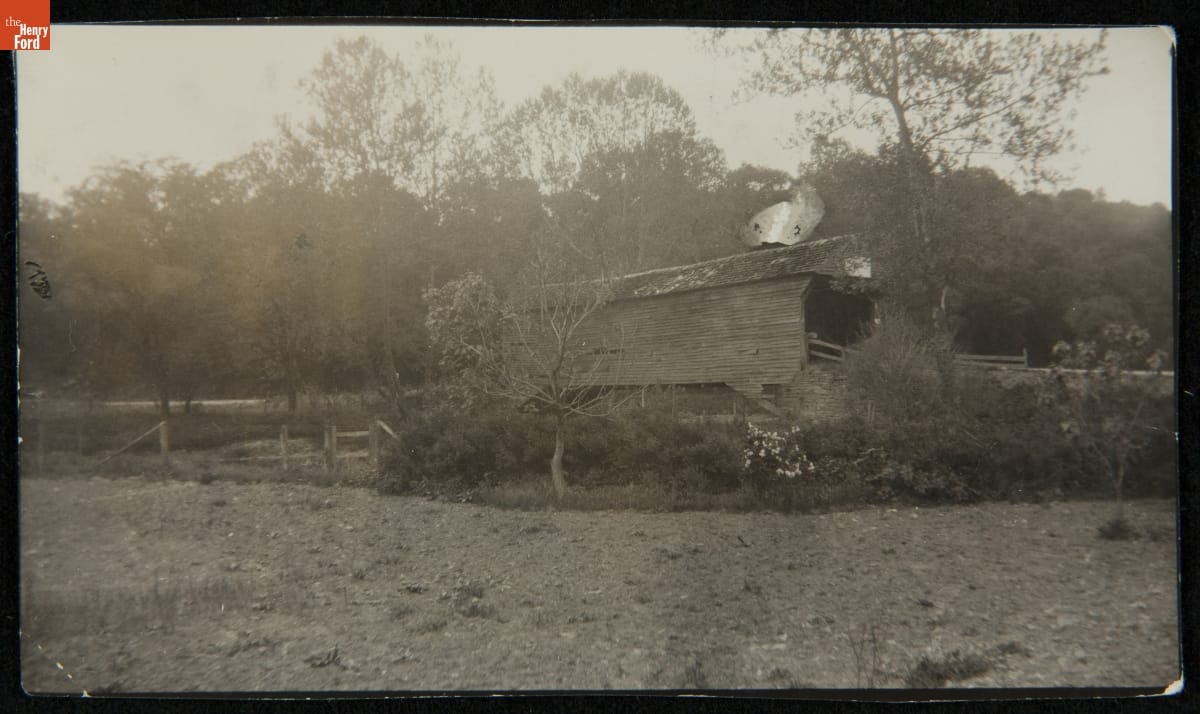
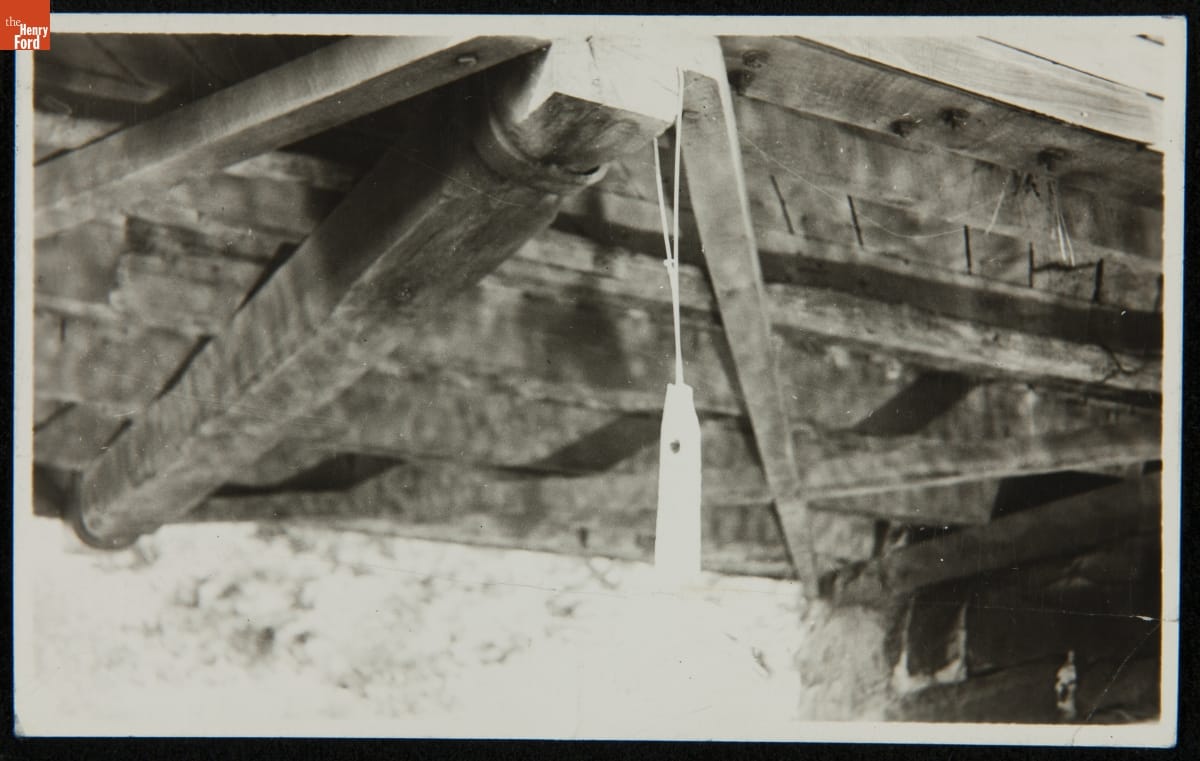
- Documentary Photograph of Ackley Covered Bridge at West Finley, Pennsylvania, before Relocation to Greenfield Village, 1937 - The Ackley Covered Bridge, built in 1832 on land owned by Joshua Ackley, spanned a branch of Wheeling Creek in southwestern Pennsylvania. By the mid 1930s the wooden bridge had outlived its usefulness and was slated for demolition. Descendants of the Ackley family purchased the bridge and offered it to Henry Ford. Ford sent his employees to document the structure before its relocation to Greenfield Village.
- November 01, 1937
- Collections - Artifact
Documentary Photograph of Ackley Covered Bridge at West Finley, Pennsylvania, before Relocation to Greenfield Village, 1937
The Ackley Covered Bridge, built in 1832 on land owned by Joshua Ackley, spanned a branch of Wheeling Creek in southwestern Pennsylvania. By the mid 1930s the wooden bridge had outlived its usefulness and was slated for demolition. Descendants of the Ackley family purchased the bridge and offered it to Henry Ford. Ford sent his employees to document the structure before its relocation to Greenfield Village.
- Documentary Photograph of Ackley Covered Bridge at West Finley, Pennsylvania, before Relocation to Greenfield Village, 1937 - The Ackley Covered Bridge, built in 1832 on land owned by Joshua Ackley, spanned a branch of Wheeling Creek in southwestern Pennsylvania. By the mid 1930s the wooden bridge had outlived its usefulness and was slated for demolition. Descendants of the Ackley family purchased the bridge and offered it to Henry Ford. Ford sent his employees to document the structure before its relocation to Greenfield Village.
- November 01, 1937
- Collections - Artifact
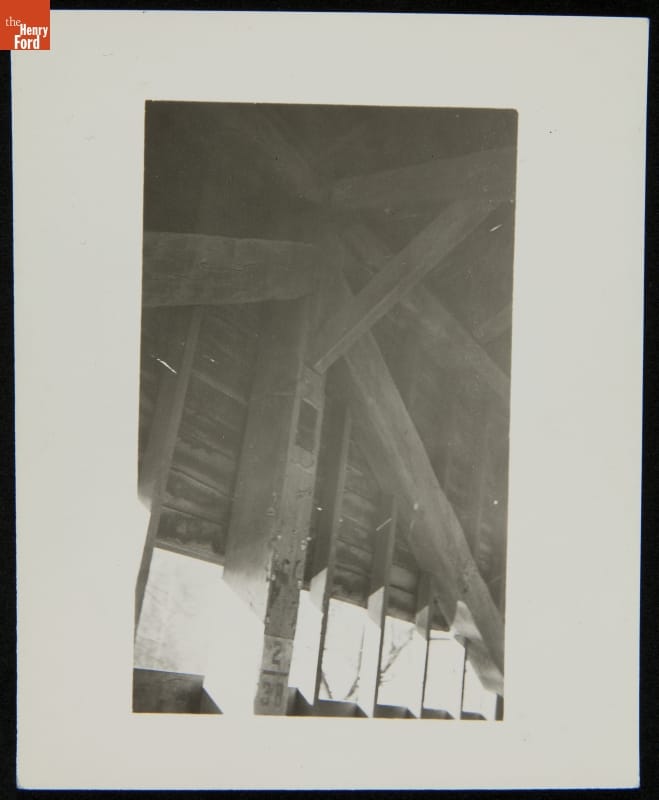
Documentary Photograph of Ackley Covered Bridge at West Finley, Pennsylvania, before Relocation to Greenfield Village, 1937
The Ackley Covered Bridge, built in 1832 on land owned by Joshua Ackley, spanned a branch of Wheeling Creek in southwestern Pennsylvania. By the mid 1930s the wooden bridge had outlived its usefulness and was slated for demolition. Descendants of the Ackley family purchased the bridge and offered it to Henry Ford. Ford sent his employees to document the structure before its relocation to Greenfield Village.
- Documentary Photograph of Ackley Covered Bridge at West Finley, Pennsylvania, before Relocation to Greenfield Village, 1937 - The Ackley Covered Bridge, built in 1832 on land owned by Joshua Ackley, spanned a branch of Wheeling Creek in southwestern Pennsylvania. By the mid 1930s the wooden bridge had outlived its usefulness and was slated for demolition. Descendants of the Ackley family purchased the bridge and offered it to Henry Ford. Ford sent his employees to document the structure before its relocation to Greenfield Village.
- November 01, 1937
- Collections - Artifact
Documentary Photograph of Ackley Covered Bridge at West Finley, Pennsylvania, before Relocation to Greenfield Village, 1937
The Ackley Covered Bridge, built in 1832 on land owned by Joshua Ackley, spanned a branch of Wheeling Creek in southwestern Pennsylvania. By the mid 1930s the wooden bridge had outlived its usefulness and was slated for demolition. Descendants of the Ackley family purchased the bridge and offered it to Henry Ford. Ford sent his employees to document the structure before its relocation to Greenfield Village.