
Search
- Dodge Brothers Automobile Emblem, circa 1925 - After several years as suppliers to Ford Motor Company, brothers John and Horace Dodge formed their own automobile company in 1914. They selected a logo with two interlocking triangles to represent the brothers' close collaboration. Although their logo resembles the Jewish Star of David, John and Horace Dodge were Presbyterians. Chrysler purchased the Dodge Brothers company in 1928.
- circa 1925
- Collections - Artifact
Dodge Brothers Automobile Emblem, circa 1925
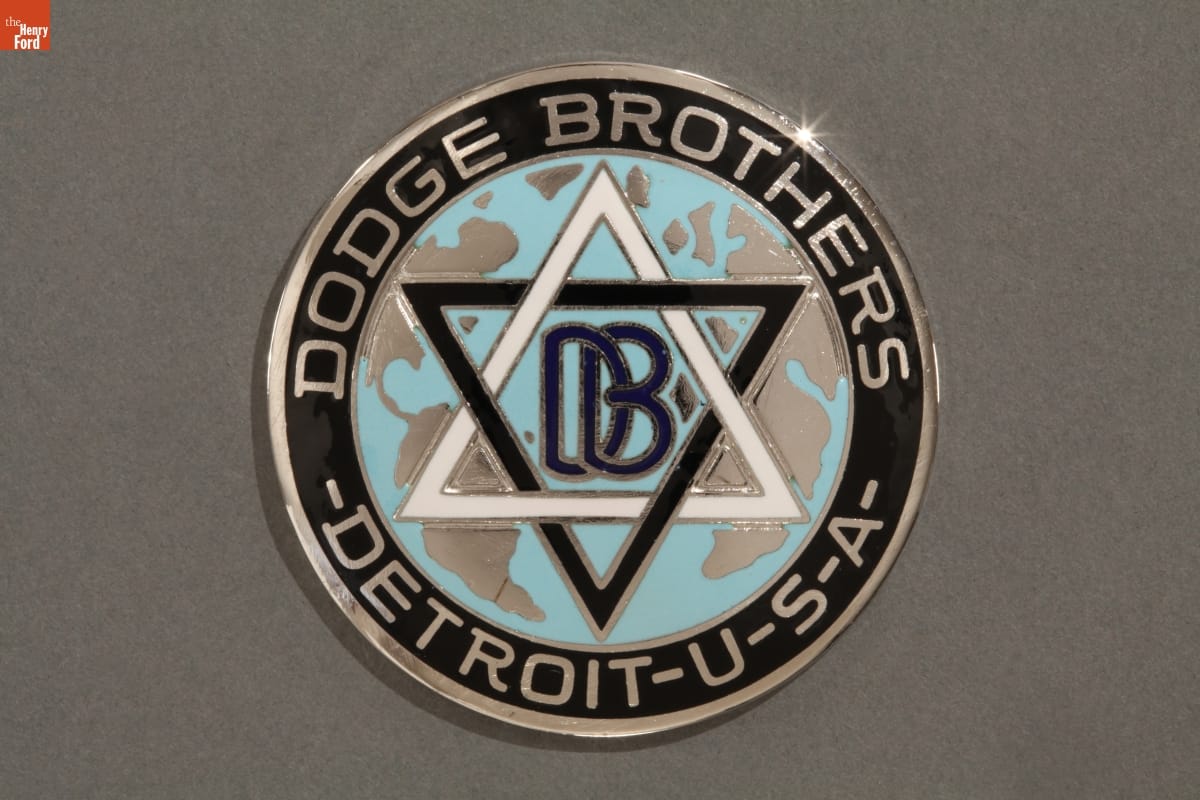
After several years as suppliers to Ford Motor Company, brothers John and Horace Dodge formed their own automobile company in 1914. They selected a logo with two interlocking triangles to represent the brothers' close collaboration. Although their logo resembles the Jewish Star of David, John and Horace Dodge were Presbyterians. Chrysler purchased the Dodge Brothers company in 1928.
- 1926 Dodge Brothers Advertisement, "Dodge Brothers Special Coach" - Dodge Brothers introduced its all-steel auto bodies -- the industry's first -- for 1923. This 1926 advertisement promotes the company's two-door Special Coach. Dodge Brothers' upmarket Special line included nickeled bumpers and radiators, steel disc wheels, and a motometer radiator cap, among other features. The Special Coach started at $1,135.
- November 01, 1925
- Collections - Artifact
1926 Dodge Brothers Advertisement, "Dodge Brothers Special Coach"
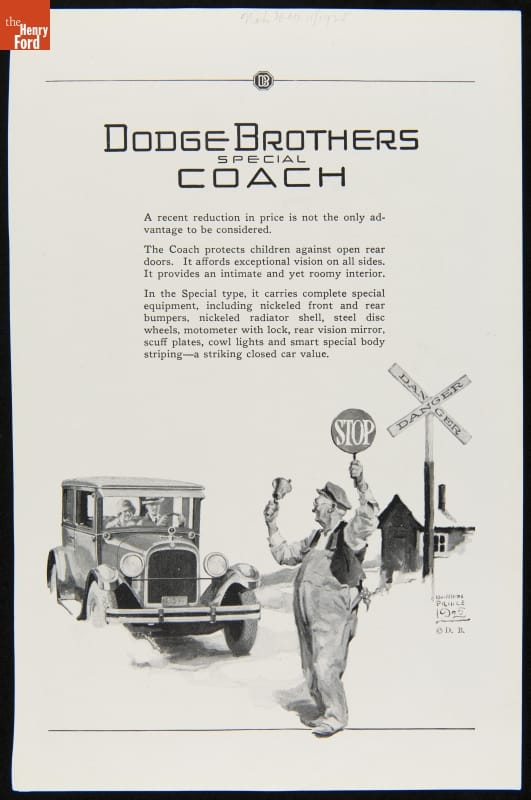
Dodge Brothers introduced its all-steel auto bodies -- the industry's first -- for 1923. This 1926 advertisement promotes the company's two-door Special Coach. Dodge Brothers' upmarket Special line included nickeled bumpers and radiators, steel disc wheels, and a motometer radiator cap, among other features. The Special Coach started at $1,135.
- Chrysler Corporation Advertisement, "Out of a Test-Tube Came a Billion-Dollar Industry," October 1936 - In this 1936 advertisement, Chrysler Corporation suggested that behind each of its vehicles was "something far more important than the materials from which the car is made." The ad made a comparison to British chemist William Henry Perkin who, in 1856, discovered a synthetic dye. Perkin recognized something special in his dye, just as Chrysler drivers did in their automobiles.
- October 12, 1936
- Collections - Artifact
Chrysler Corporation Advertisement, "Out of a Test-Tube Came a Billion-Dollar Industry," October 1936
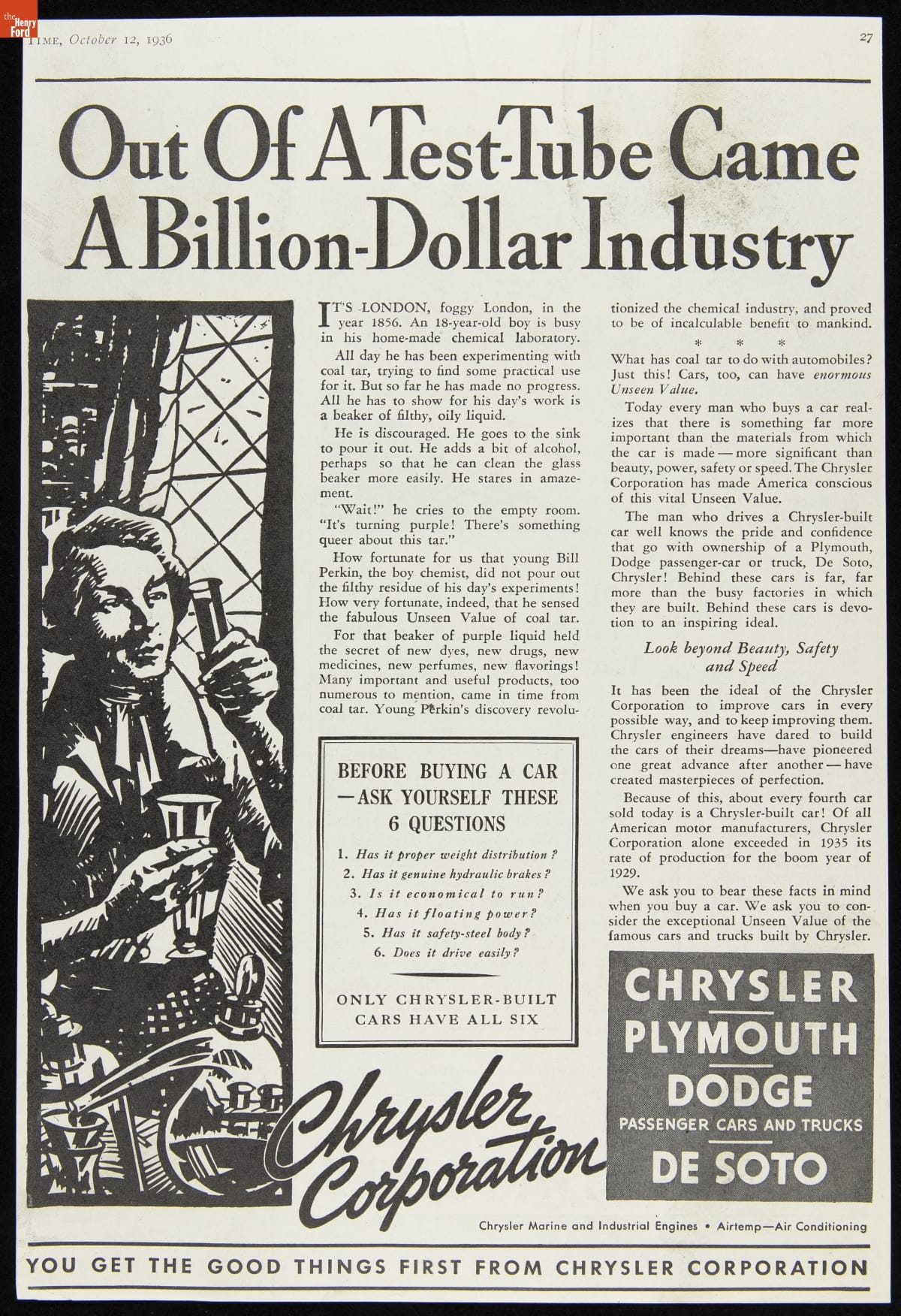
In this 1936 advertisement, Chrysler Corporation suggested that behind each of its vehicles was "something far more important than the materials from which the car is made." The ad made a comparison to British chemist William Henry Perkin who, in 1856, discovered a synthetic dye. Perkin recognized something special in his dye, just as Chrysler drivers did in their automobiles.
- Today as Yesterday Cars Run their Best on the Best Gasoline, circa 1952 - This advertisement for Ethyl antiknock gasoline additive features historic vehicles from Browniekar, Auburn, and Dodge. The main image shows a 1914 Dodge touring car being used at a rally for women's suffrage. The automobile served as a mobile podium and billboard for American women who fought for the vote in the early 20th century.
- 1953
- Collections - Artifact
Today as Yesterday Cars Run their Best on the Best Gasoline, circa 1952
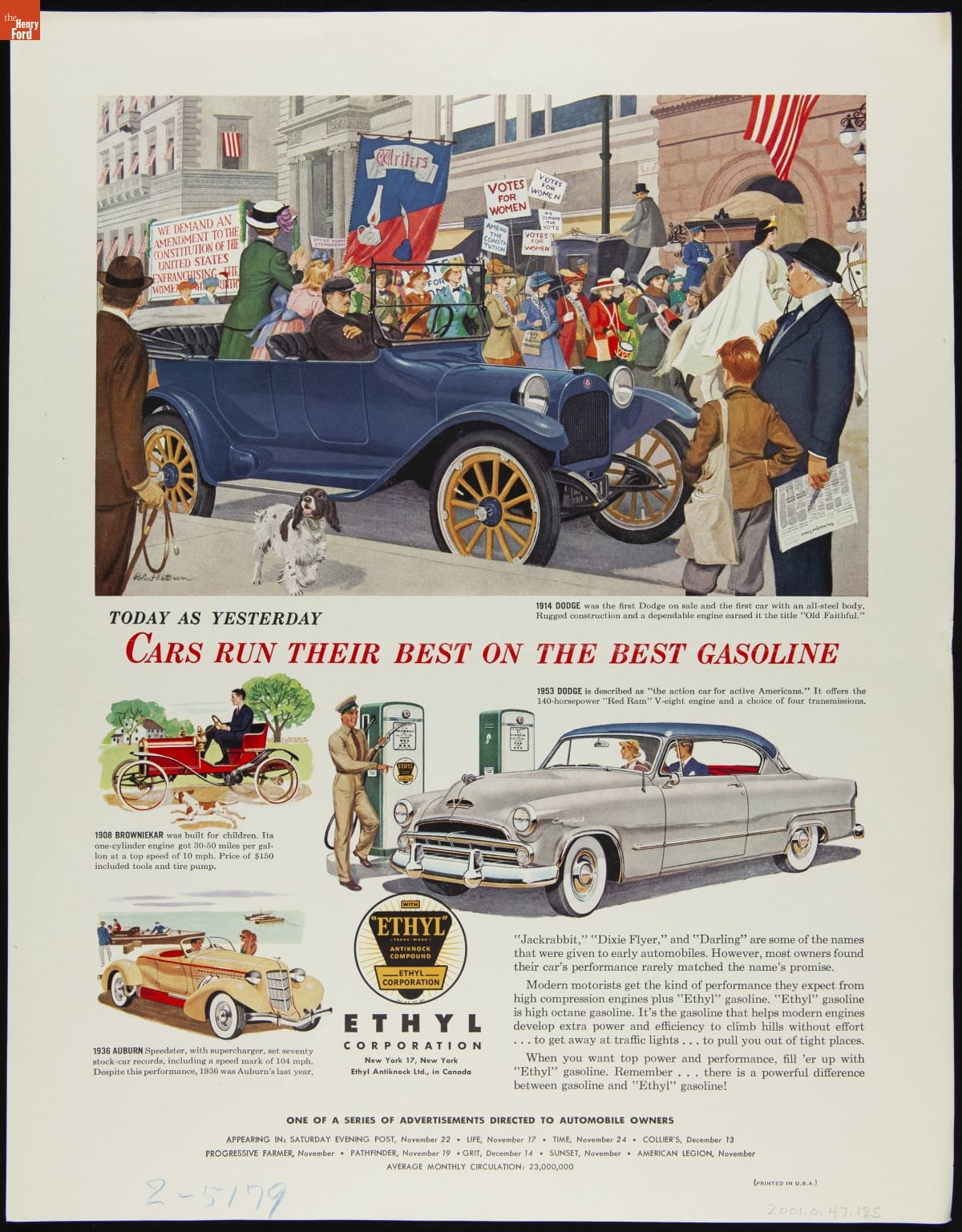
This advertisement for Ethyl antiknock gasoline additive features historic vehicles from Browniekar, Auburn, and Dodge. The main image shows a 1914 Dodge touring car being used at a rally for women's suffrage. The automobile served as a mobile podium and billboard for American women who fought for the vote in the early 20th century.
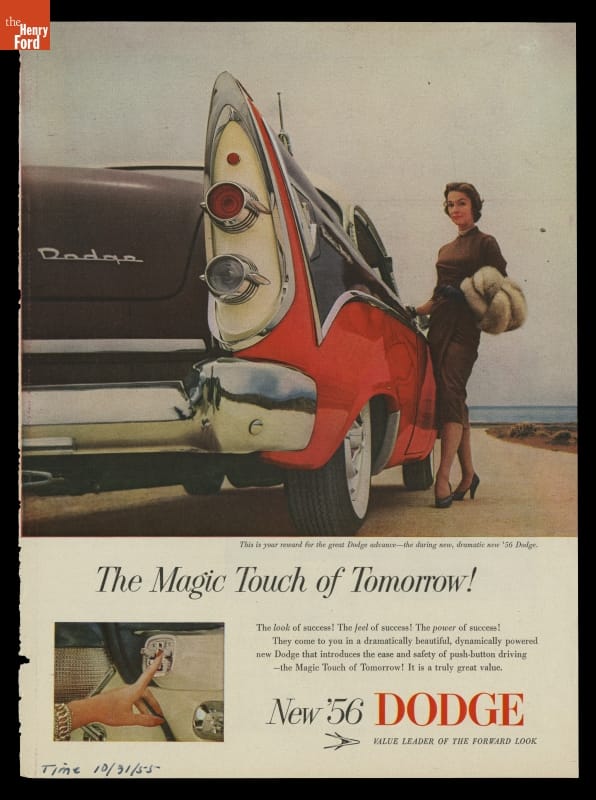
- Advertisement for Push-Button Driving, "New '56 Dodge, the Magic Touch of Tomorrow!" 1956 - The automobile is a paradox -- a practical tool that plays host to both human needs and fantasies. Like car consumers, automotive ads seem to land somewhere between fantasy and reality, emotions and rationality. Many ads incorporate apparent opposites: fantasy can sell practicality, and vice versa. Sometimes the car has disappeared completely -- an emotional appeal prompts us to complete the ad.
- October 31, 1955
- Collections - Artifact
Advertisement for Push-Button Driving, "New '56 Dodge, the Magic Touch of Tomorrow!" 1956
The automobile is a paradox -- a practical tool that plays host to both human needs and fantasies. Like car consumers, automotive ads seem to land somewhere between fantasy and reality, emotions and rationality. Many ads incorporate apparent opposites: fantasy can sell practicality, and vice versa. Sometimes the car has disappeared completely -- an emotional appeal prompts us to complete the ad.
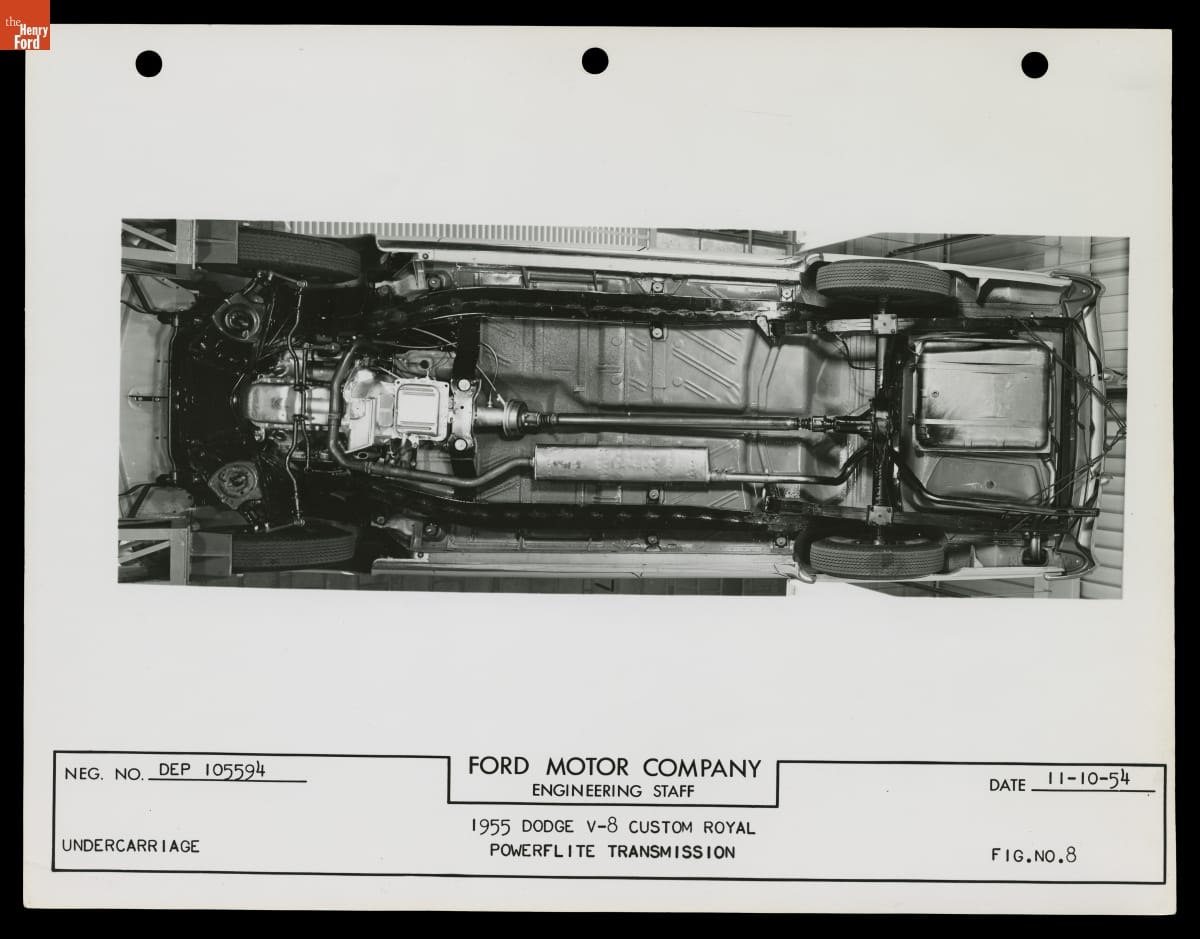
- 1955 Dodge V-8 Custom Royal Powerflite Transmission, November 1954 - Automakers routinely purchased samples of their competitors' vehicles to evaluate features and technologies. Ford Motor Company bought this 1955 Dodge Custom Royal in part to study its two-speed PowerFlite automatic transmission, introduced the previous model year. Chrysler brands replaced the PowerFlite with the three-speed TorqueFlite automatic transmission starting in the 1957 model year.
- November 10, 1954
- Collections - Artifact
1955 Dodge V-8 Custom Royal Powerflite Transmission, November 1954
Automakers routinely purchased samples of their competitors' vehicles to evaluate features and technologies. Ford Motor Company bought this 1955 Dodge Custom Royal in part to study its two-speed PowerFlite automatic transmission, introduced the previous model year. Chrysler brands replaced the PowerFlite with the three-speed TorqueFlite automatic transmission starting in the 1957 model year.
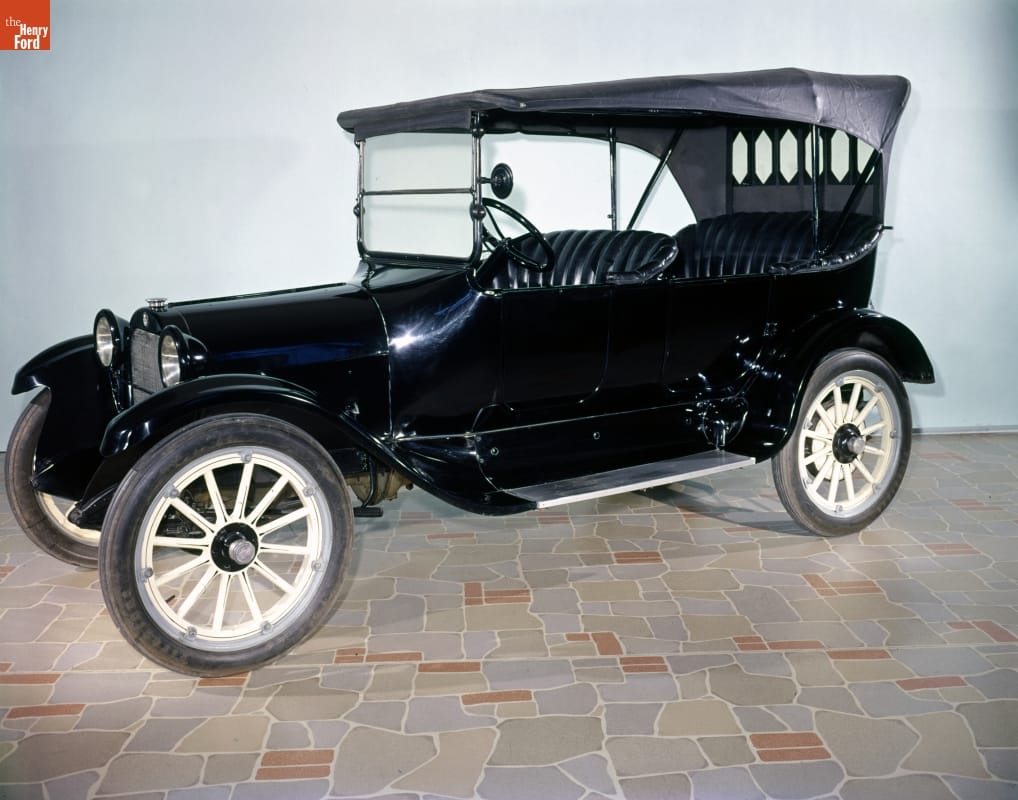
- 1918 Dodge Brothers Touring Car - After years of supplying engines and components to Ford Motor Company, brothers John and Horace Dodge introduced their own automobile in 1914. Their design didn't change much in its first years, but modifications weren't necessary. The all-steel body, sliding-gear transmission and electric starter made the Dodge Brothers one of the most durable and reliable cars on the market.
- 1918
- Collections - Artifact
1918 Dodge Brothers Touring Car
After years of supplying engines and components to Ford Motor Company, brothers John and Horace Dodge introduced their own automobile in 1914. Their design didn't change much in its first years, but modifications weren't necessary. The all-steel body, sliding-gear transmission and electric starter made the Dodge Brothers one of the most durable and reliable cars on the market.
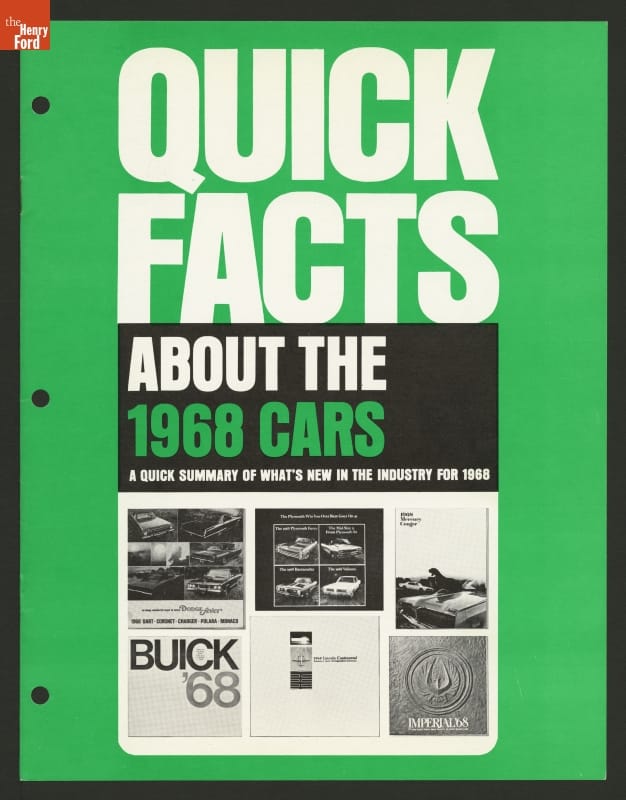
- Ford Sales Brochure, "Quick Facts about the 1968 Cars" - Car brochures have evolved from straightforward product catalogues into polished creative sales tools. Their quality paper, rich color, inventive formats, and sophisticated graphic design all contribute to a buyer's developing impression of a car in a showroom. Advertising might entice people to a dealership, but brochures extend and deepen the relationship between vehicle and potential buyer.
- 1968
- Collections - Artifact
Ford Sales Brochure, "Quick Facts about the 1968 Cars"
Car brochures have evolved from straightforward product catalogues into polished creative sales tools. Their quality paper, rich color, inventive formats, and sophisticated graphic design all contribute to a buyer's developing impression of a car in a showroom. Advertising might entice people to a dealership, but brochures extend and deepen the relationship between vehicle and potential buyer.
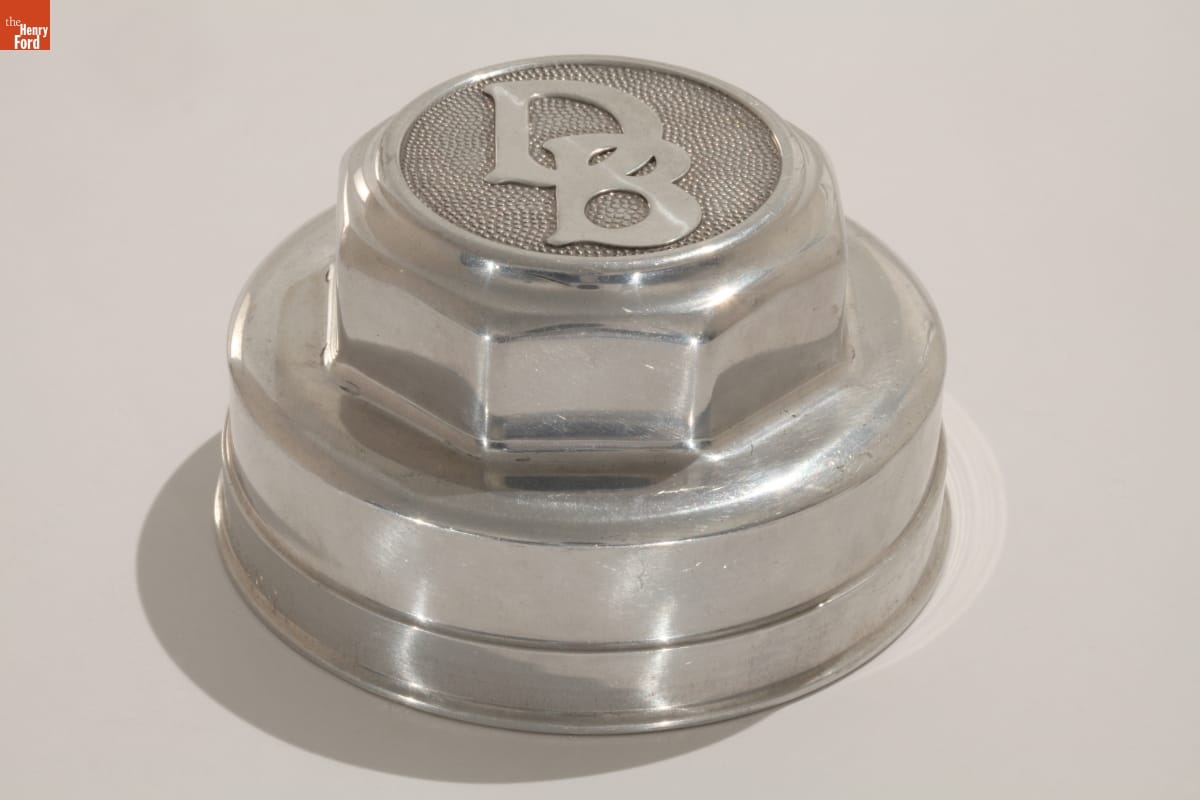
- Dodge Brothers Hubcap, 1918-1928 - Early automobile wheels had a central hub with a greased wheel bearing. Hub caps kept grease in and dust out. As wheels evolved and hubcaps became functionally unnecessary, they remained important to both manufacturers -- who branded wheel covers with maker names or logos -- and consumers -- who identified with hubcaps as statements about their cars and themselves.
- 1918-1928
- Collections - Artifact
Dodge Brothers Hubcap, 1918-1928
Early automobile wheels had a central hub with a greased wheel bearing. Hub caps kept grease in and dust out. As wheels evolved and hubcaps became functionally unnecessary, they remained important to both manufacturers -- who branded wheel covers with maker names or logos -- and consumers -- who identified with hubcaps as statements about their cars and themselves.
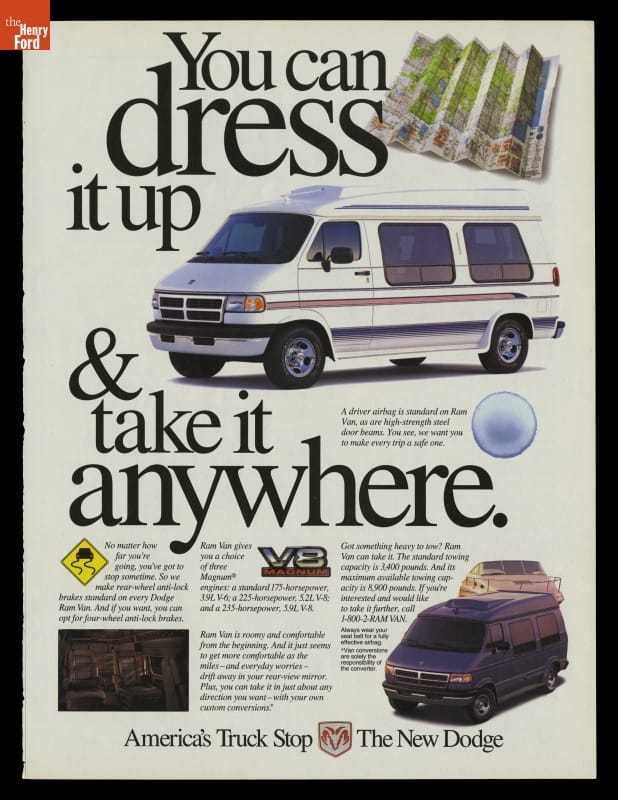
- Dodge Ram Van, "You Can Dress It Up & Take It Anywhere," 1997 - The automobile is a paradox -- a practical tool that plays host to both human needs and fantasies. Like car consumers, automotive ads seem to land somewhere between fantasy and reality, emotions and rationality. Many ads incorporate apparent opposites: fantasy can sell practicality, and vice versa. Sometimes the car has disappeared completely -- an emotional appeal prompts us to complete the ad.
- 1997
- Collections - Artifact
Dodge Ram Van, "You Can Dress It Up & Take It Anywhere," 1997
The automobile is a paradox -- a practical tool that plays host to both human needs and fantasies. Like car consumers, automotive ads seem to land somewhere between fantasy and reality, emotions and rationality. Many ads incorporate apparent opposites: fantasy can sell practicality, and vice versa. Sometimes the car has disappeared completely -- an emotional appeal prompts us to complete the ad.