
Search
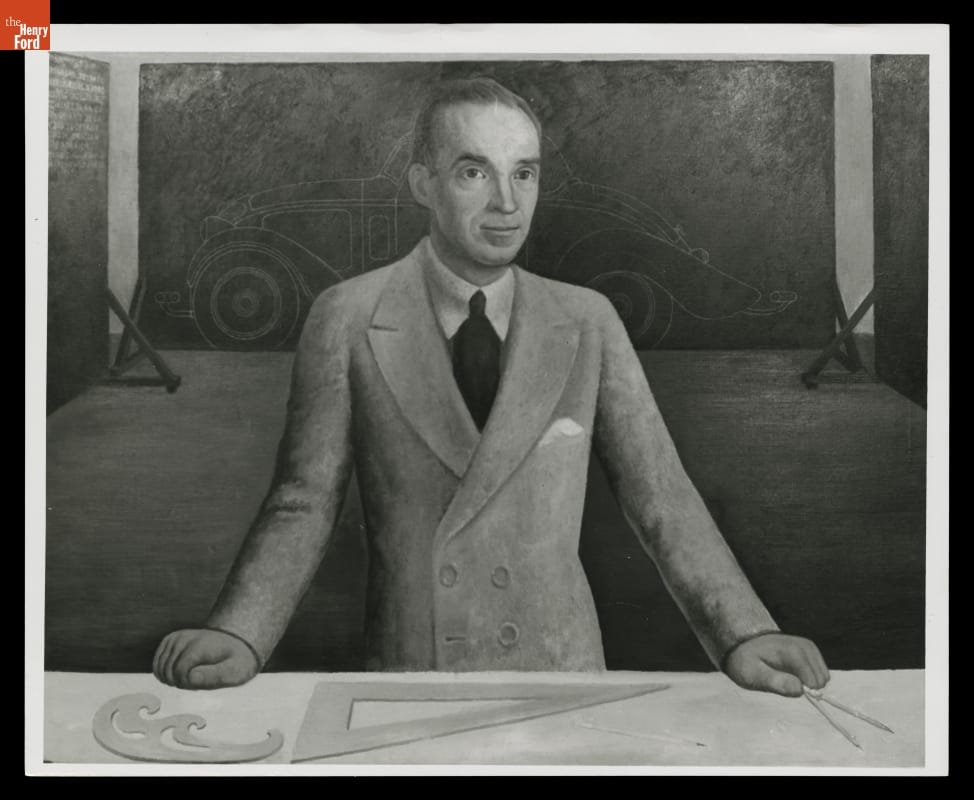
- Oil Portrait of Edsel Ford by Diego Rivera, 1932 - Partway through work on his <EM>Detroit Industry</EM> murals at the Detroit Institute of Arts, Diego Rivera took a break to paint a portrait of the frescoes' primary sponsor, Edsel Ford. Rather than posing Ford in his office, Rivera chose a more appropriate setting: an automotive design studio. The portrait depicts Ford as strong and confident in his preferred environment.
- 1932
- Collections - Artifact
Oil Portrait of Edsel Ford by Diego Rivera, 1932
Partway through work on his Detroit Industry murals at the Detroit Institute of Arts, Diego Rivera took a break to paint a portrait of the frescoes' primary sponsor, Edsel Ford. Rather than posing Ford in his office, Rivera chose a more appropriate setting: an automotive design studio. The portrait depicts Ford as strong and confident in his preferred environment.
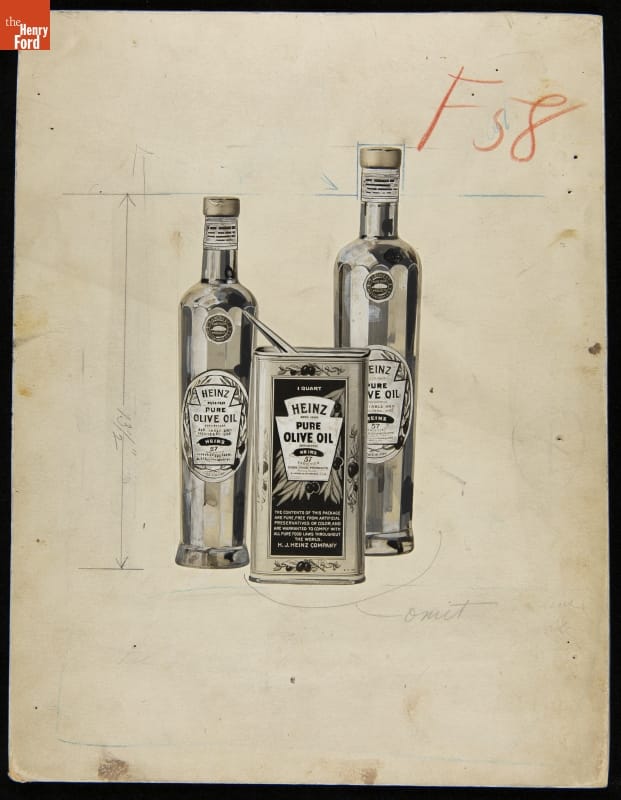
- Drawing of Heinz Olive Oil Containers, circa 1925 - The H.J. Heinz Company employed ambitious and comprehensive advertising strategies to meet consumers at home, in stores, and everywhere in between. Drawings, illustrations and modified photographs of Heinz products were often used for advertising and in publications. This advertising layout represents a step in the marketing process where the size and arrangement are taken into consideration before the final advertisement is created.
- circa 1925
- Collections - Artifact
Drawing of Heinz Olive Oil Containers, circa 1925
The H.J. Heinz Company employed ambitious and comprehensive advertising strategies to meet consumers at home, in stores, and everywhere in between. Drawings, illustrations and modified photographs of Heinz products were often used for advertising and in publications. This advertising layout represents a step in the marketing process where the size and arrangement are taken into consideration before the final advertisement is created.
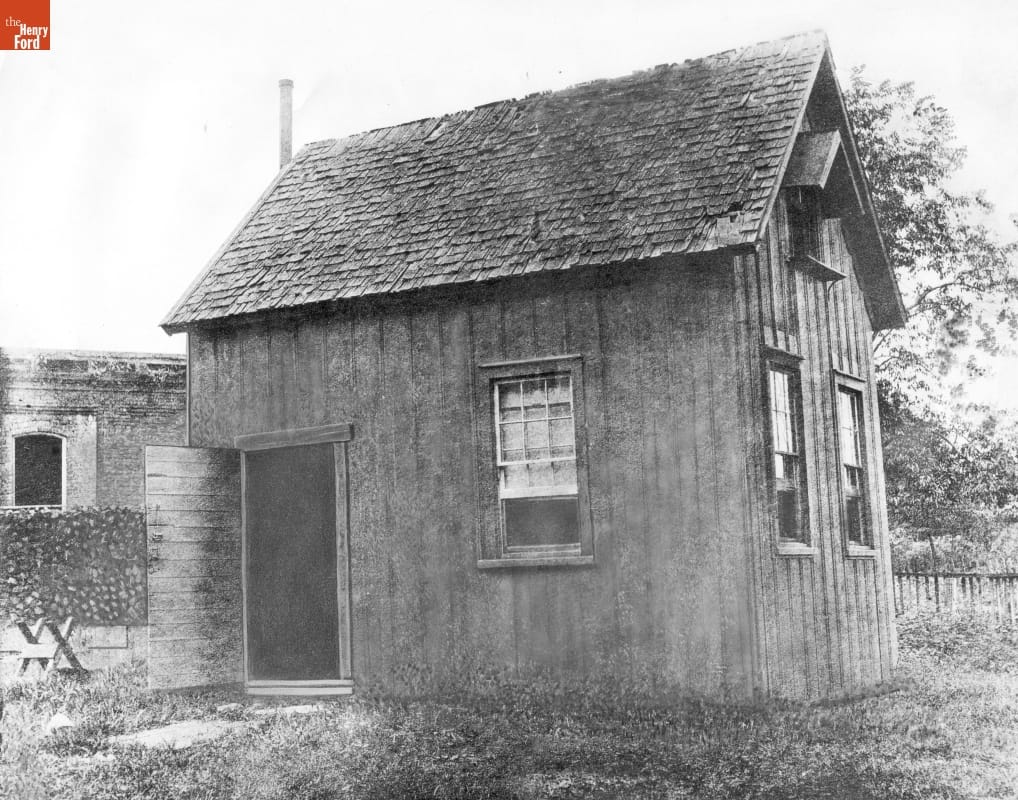
- Menlo Park Laboratory Glass House, Menlo Park, New Jersey, 1878-1886 - Originally built as a photographic studio and drafting room, the glassblowing shop was fundamental to Edison's enterprise. Edison's incandescent lighting experiments ensured that the laboratory had a voracious appetite for glass -- not only for bulbs but also for associated apparatus such as vacuum pumps. Ludwig Boehm, the laboratory's first master glassblower, worked here -- and lodged in the attic space.
- 1878-1886
- Collections - Artifact
Menlo Park Laboratory Glass House, Menlo Park, New Jersey, 1878-1886
Originally built as a photographic studio and drafting room, the glassblowing shop was fundamental to Edison's enterprise. Edison's incandescent lighting experiments ensured that the laboratory had a voracious appetite for glass -- not only for bulbs but also for associated apparatus such as vacuum pumps. Ludwig Boehm, the laboratory's first master glassblower, worked here -- and lodged in the attic space.
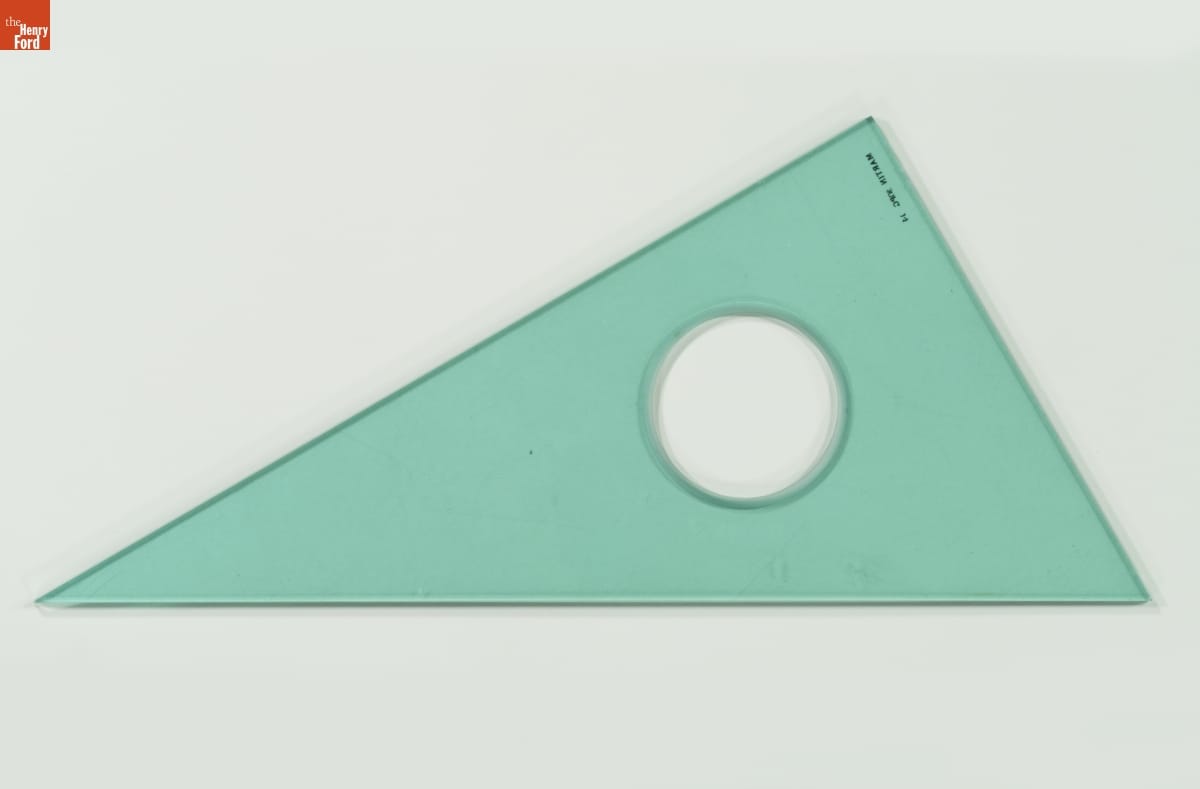
- 90 Degree Drafting Triangle, 1941-1947 -
- 1941-1947
- Collections - Artifact
90 Degree Drafting Triangle, 1941-1947
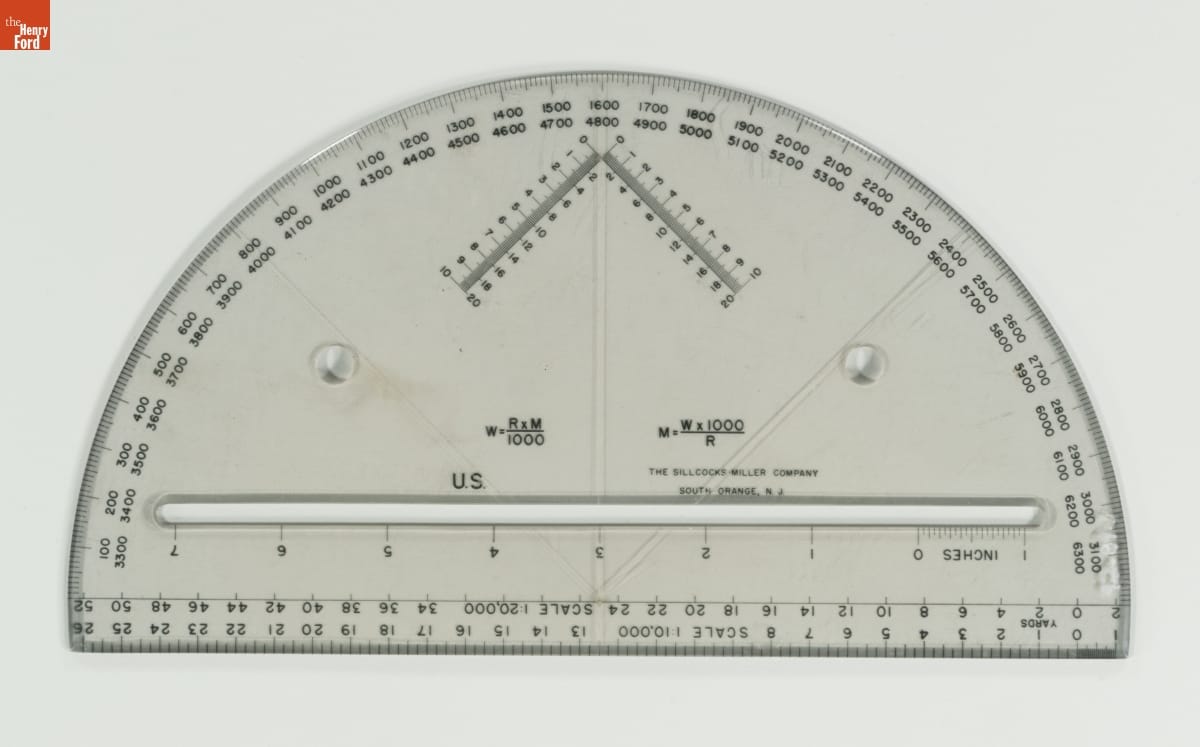
- Protractor, 1941-1947 -
- 1941-1947
- Collections - Artifact
Protractor, 1941-1947
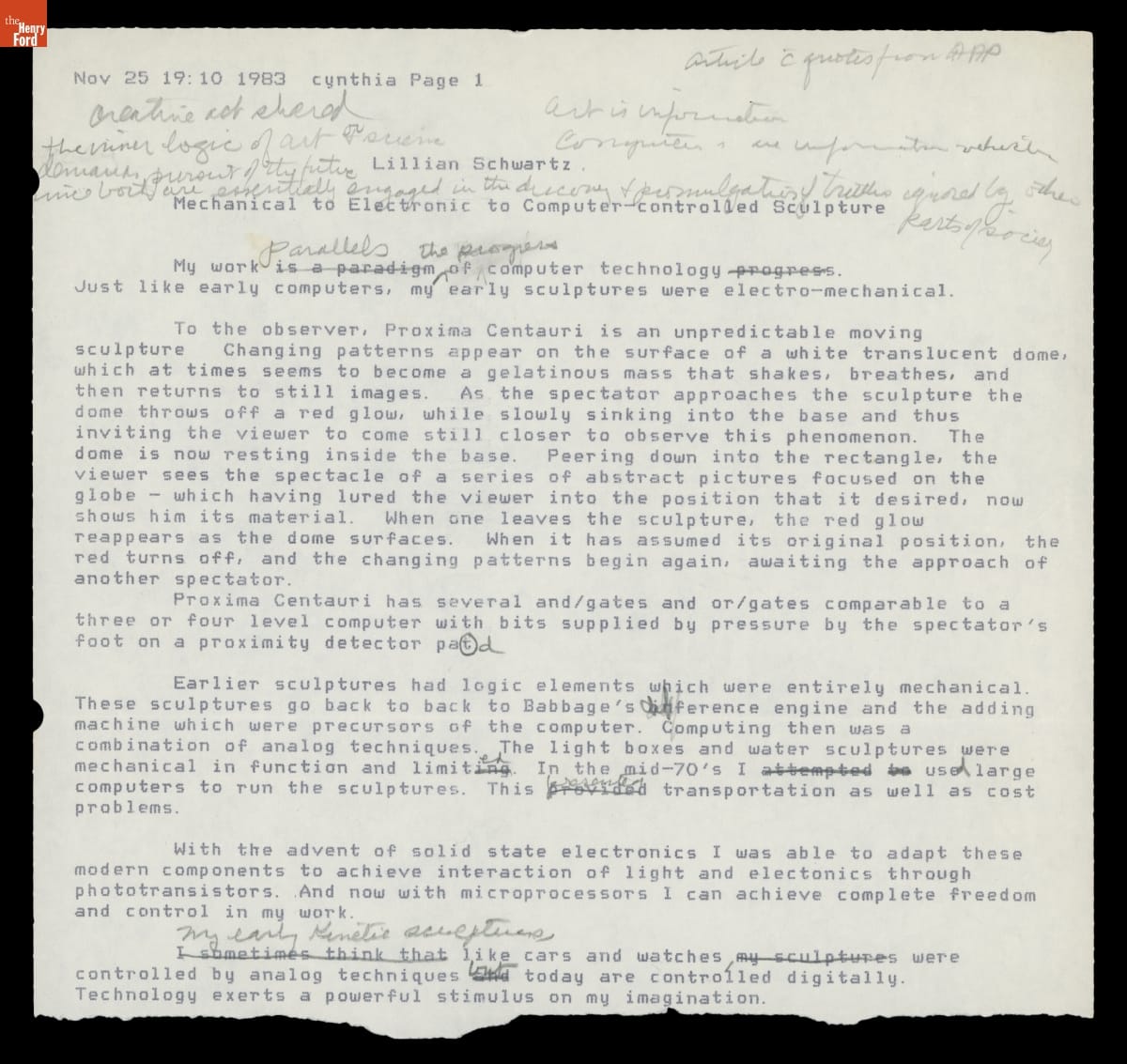
- "Mechanical to Electronic to Computer-controlled Sculpture," November 1983 - Lillian Schwartz is a pioneer of computer-generated art. From 1969-2002, she was a "resident visitor" at Bell Laboratories, producing groundbreaking films, videos, and multimedia works. The Schwartz Collection spans Lillian's childhood into her late career, documenting an expansive mindset, mastery over traditional and experimental mediums alike--and above all--an ability to create inspirational connections between science, art, and technology.
- November 01, 1983
- Collections - Artifact
"Mechanical to Electronic to Computer-controlled Sculpture," November 1983
Lillian Schwartz is a pioneer of computer-generated art. From 1969-2002, she was a "resident visitor" at Bell Laboratories, producing groundbreaking films, videos, and multimedia works. The Schwartz Collection spans Lillian's childhood into her late career, documenting an expansive mindset, mastery over traditional and experimental mediums alike--and above all--an ability to create inspirational connections between science, art, and technology.
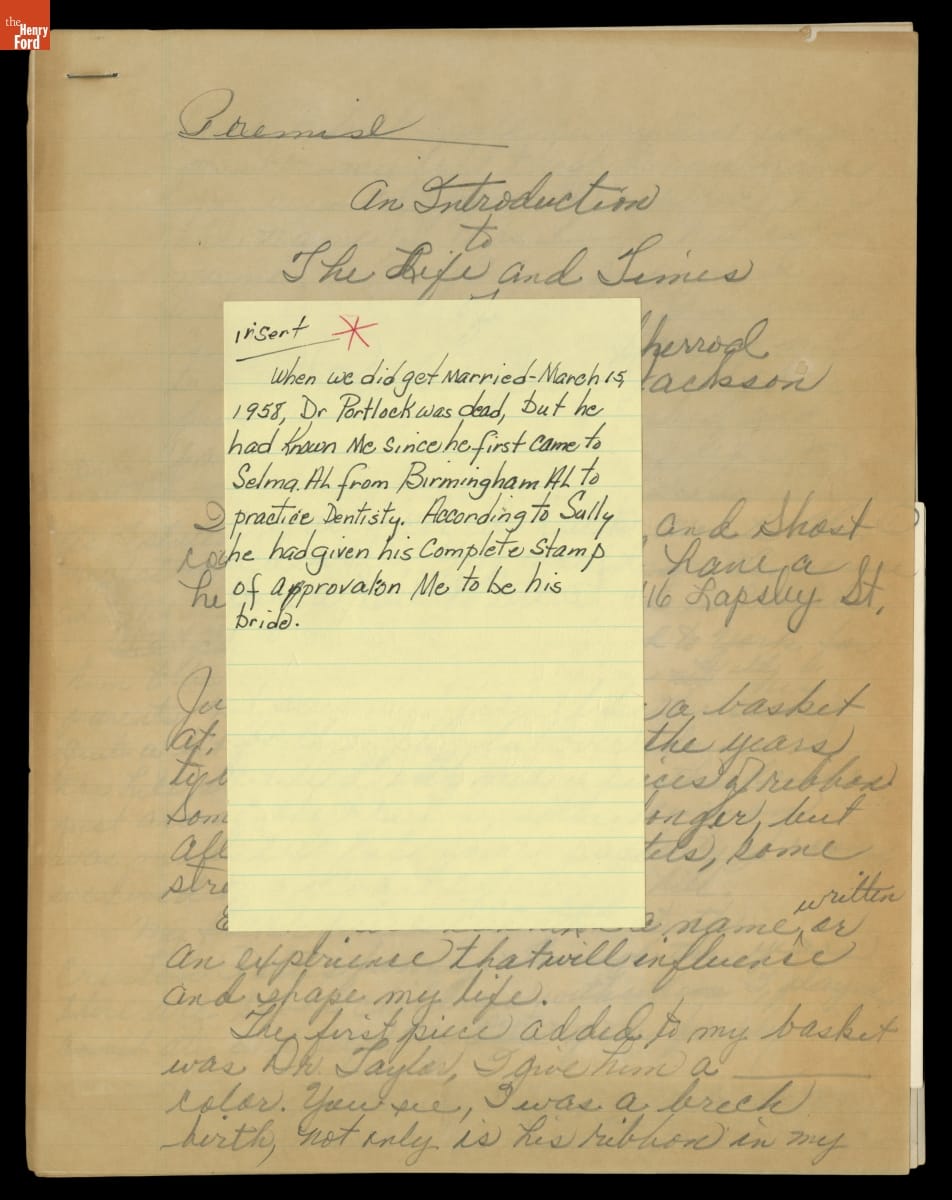
- "Premise: An Introduction to The Life and Times of Richie Jean Jackson" -
- Collections - Artifact
"Premise: An Introduction to The Life and Times of Richie Jean Jackson"
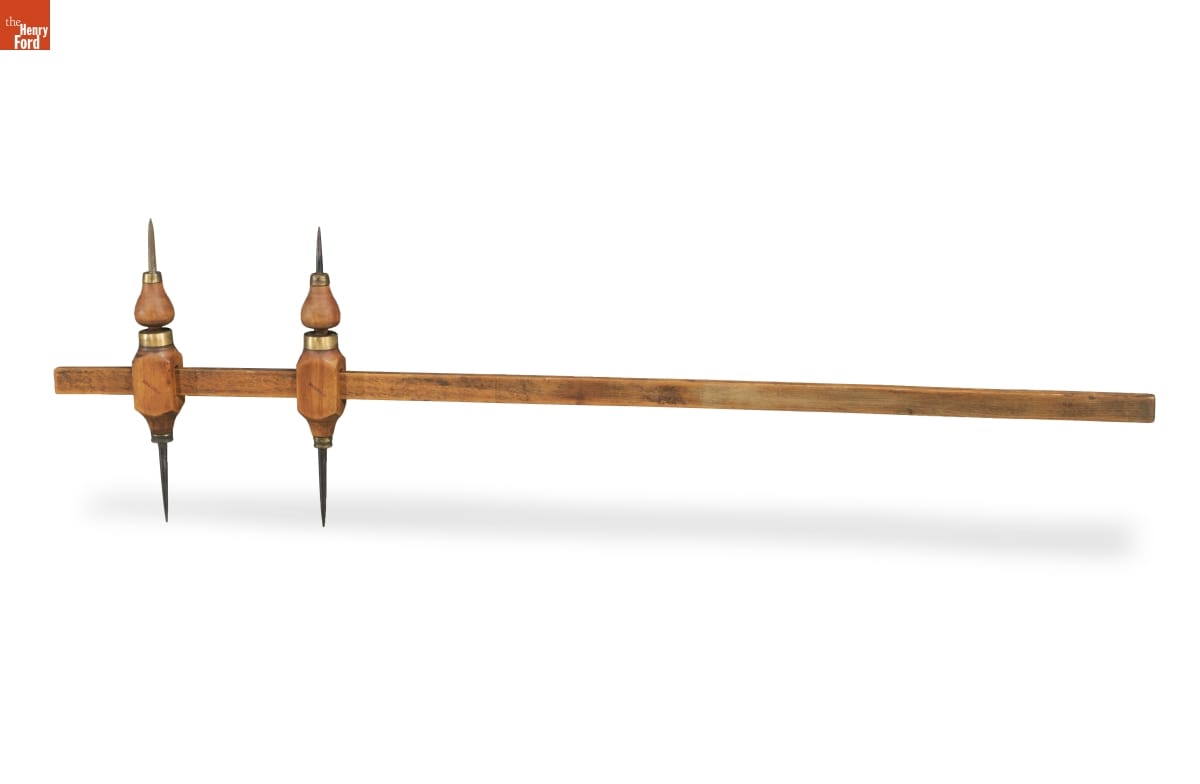
- J. Hersh Beam Compass -
- Collections - Artifact
J. Hersh Beam Compass
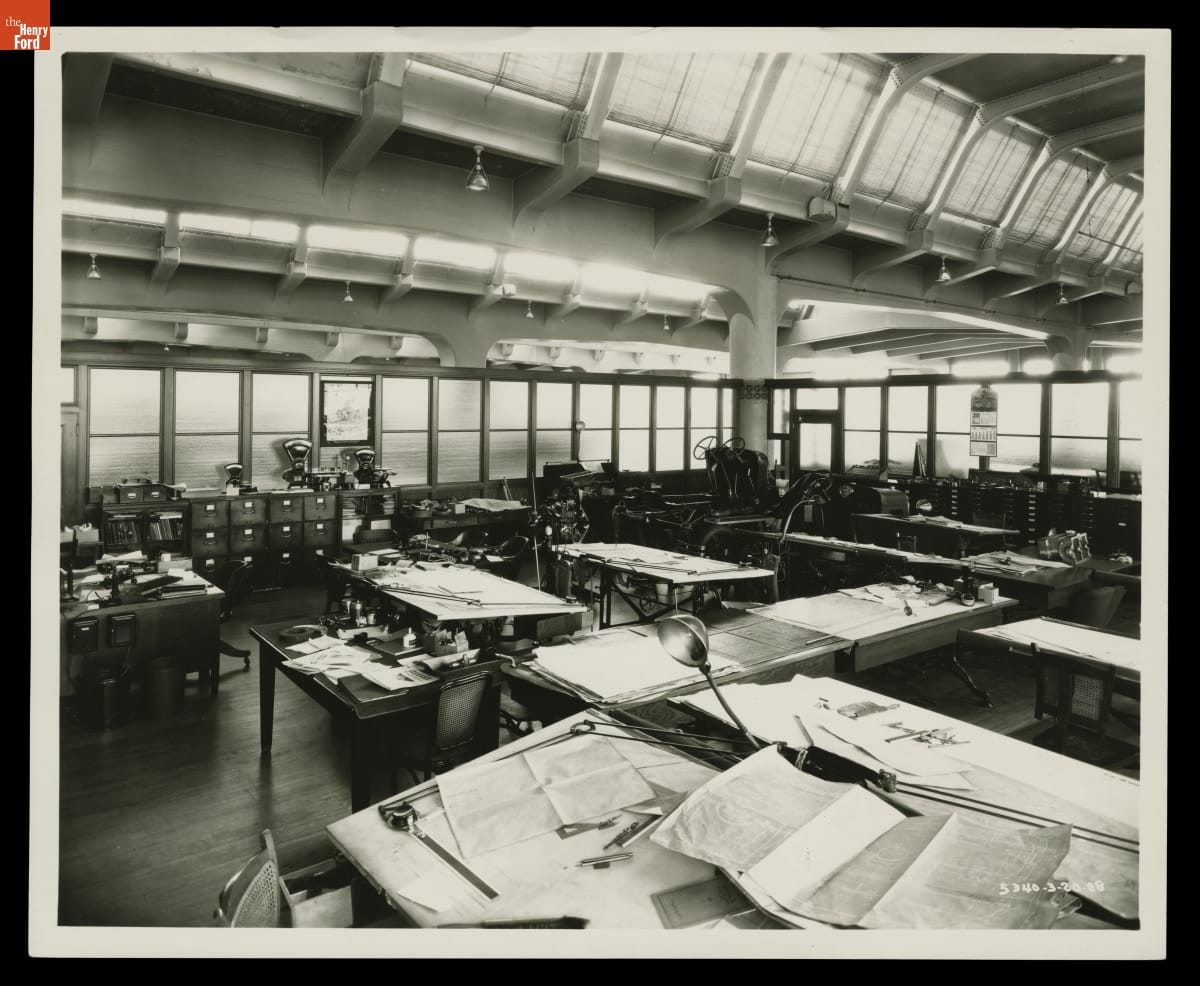
- Ford Motor Company Engineering Laboratory Drafting Room, Dearborn, Michigan, 1928 - Built in 1923-1924, the Ford Engineering Laboratory in Dearborn, Michigan, housed the automaker's tool design, production engineering and experimental engineering research departments. Henry Ford had an office there and, throughout his lifetime, the lab was the true heart of Ford Motor Company. The facility was expanded and remodeled several times over the years.
- March 20, 1928
- Collections - Artifact
Ford Motor Company Engineering Laboratory Drafting Room, Dearborn, Michigan, 1928
Built in 1923-1924, the Ford Engineering Laboratory in Dearborn, Michigan, housed the automaker's tool design, production engineering and experimental engineering research departments. Henry Ford had an office there and, throughout his lifetime, the lab was the true heart of Ford Motor Company. The facility was expanded and remodeled several times over the years.
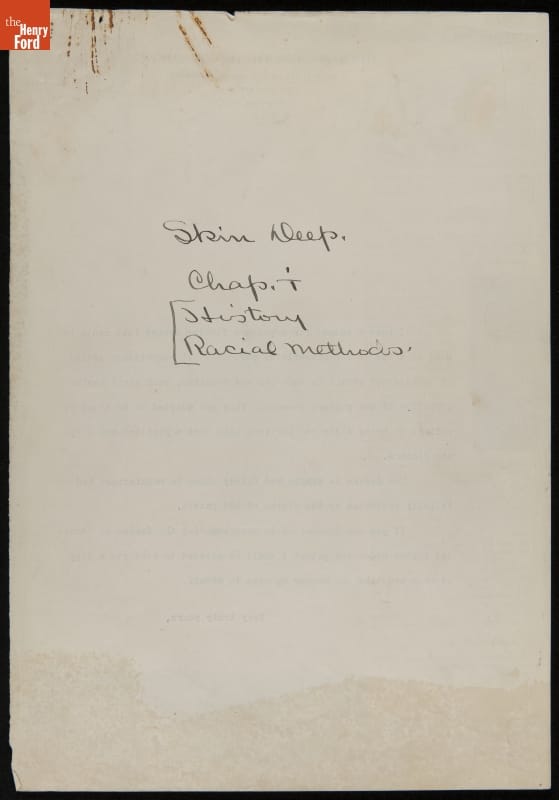
- Manuscript for the Book "Skin Deep," circa 1926 - Tattoos communicate stories. Their content ranges from deeply personal and traditional--to regrettable and frivolous. In the early 1900s, "Professor" Waters apprenticed as a tattoo artist in carnivals and New York's Bowery District. He ran a successful supply shop in Detroit (1918-1939), patenting the standard "two-coil" tattoo machine in 1929. Designs from his flash sheets continue to inspire tattooists today.
- circa 1926
- Collections - Artifact
Manuscript for the Book "Skin Deep," circa 1926
Tattoos communicate stories. Their content ranges from deeply personal and traditional--to regrettable and frivolous. In the early 1900s, "Professor" Waters apprenticed as a tattoo artist in carnivals and New York's Bowery District. He ran a successful supply shop in Detroit (1918-1939), patenting the standard "two-coil" tattoo machine in 1929. Designs from his flash sheets continue to inspire tattooists today.