
Search
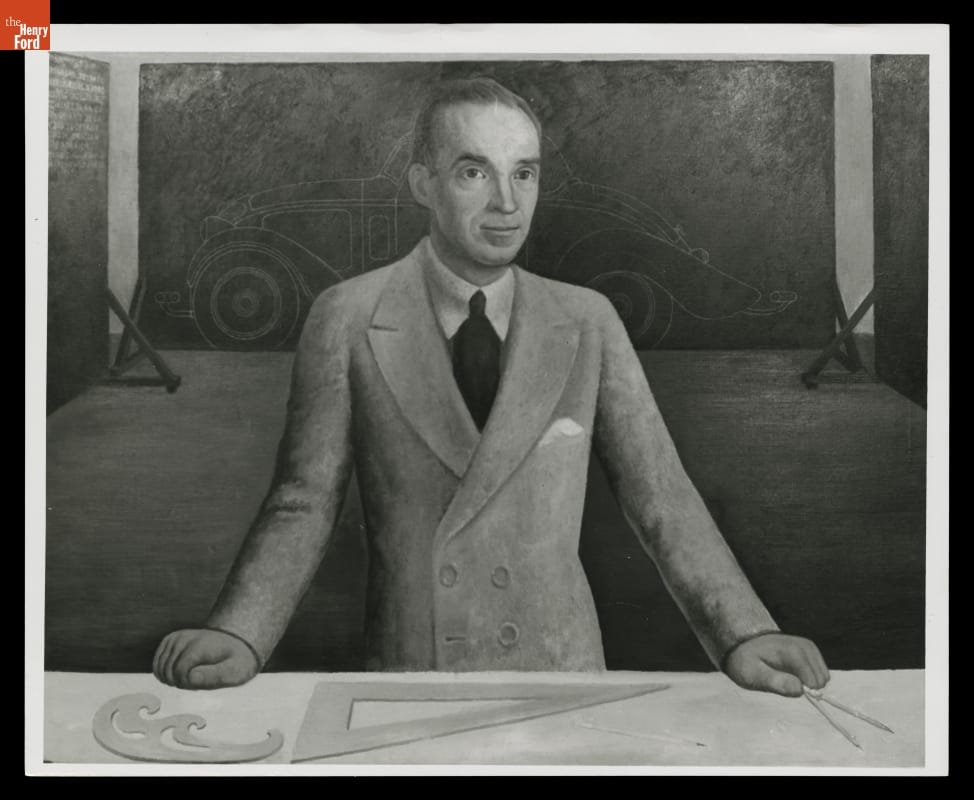
- Oil Portrait of Edsel Ford by Diego Rivera, 1932 - Partway through work on his <EM>Detroit Industry</EM> murals at the Detroit Institute of Arts, Diego Rivera took a break to paint a portrait of the frescoes' primary sponsor, Edsel Ford. Rather than posing Ford in his office, Rivera chose a more appropriate setting: an automotive design studio. The portrait depicts Ford as strong and confident in his preferred environment.
- 1932
- Collections - Artifact
Oil Portrait of Edsel Ford by Diego Rivera, 1932
Partway through work on his Detroit Industry murals at the Detroit Institute of Arts, Diego Rivera took a break to paint a portrait of the frescoes' primary sponsor, Edsel Ford. Rather than posing Ford in his office, Rivera chose a more appropriate setting: an automotive design studio. The portrait depicts Ford as strong and confident in his preferred environment.
- 90 Degree Drafting Triangle, 1941-1947 -
- 1941-1947
- Collections - Artifact
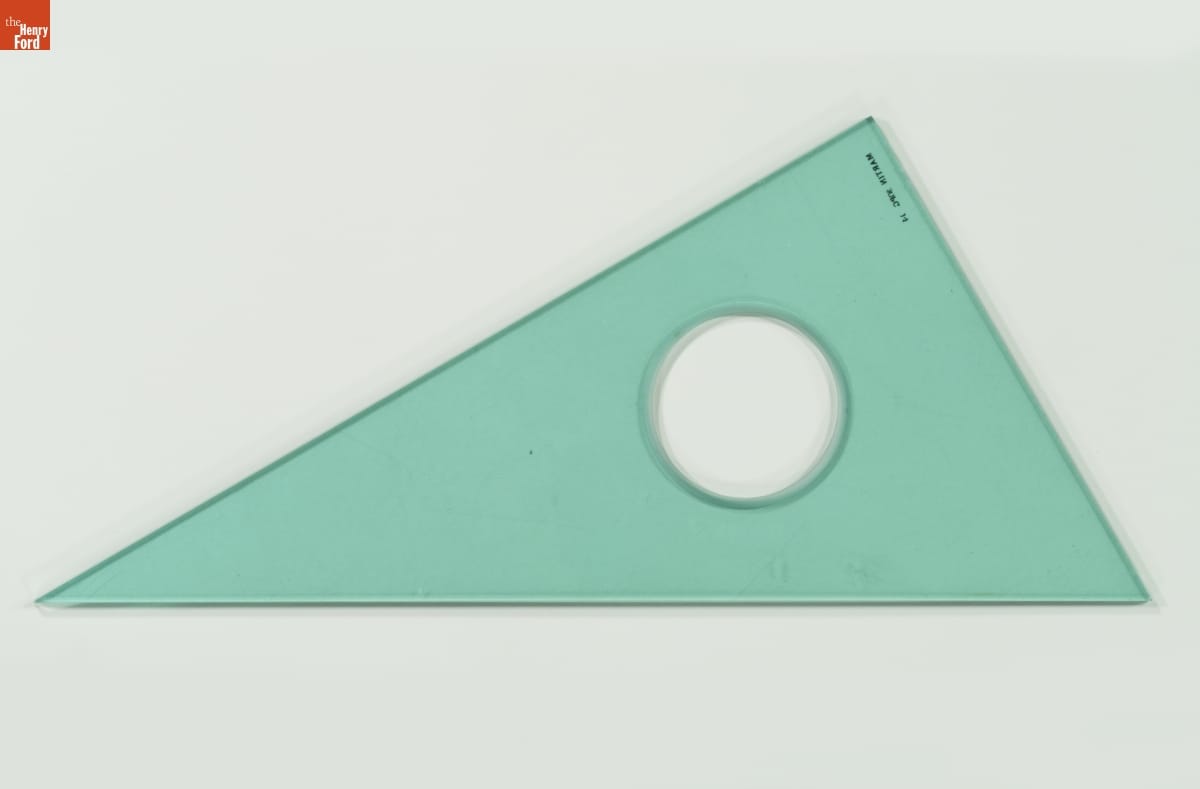
90 Degree Drafting Triangle, 1941-1947
- Protractor, 1941-1947 -
- 1941-1947
- Collections - Artifact
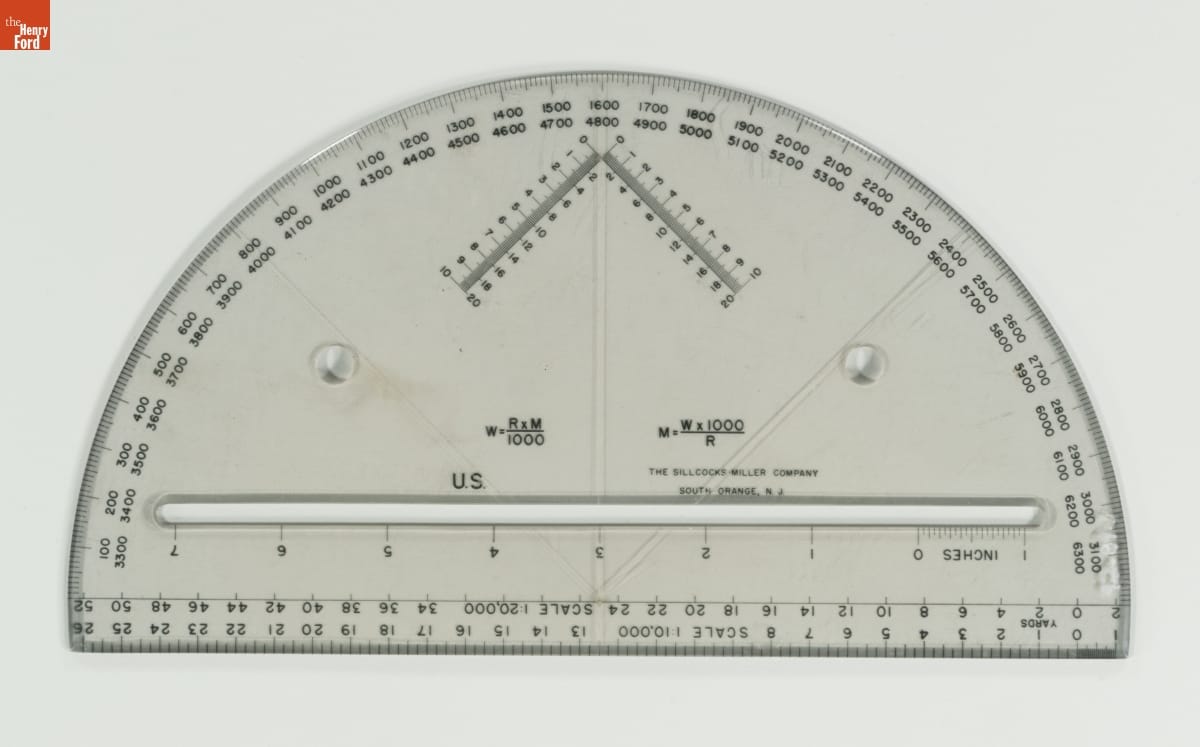
Protractor, 1941-1947
- J. Hersh Beam Compass -
- Collections - Artifact
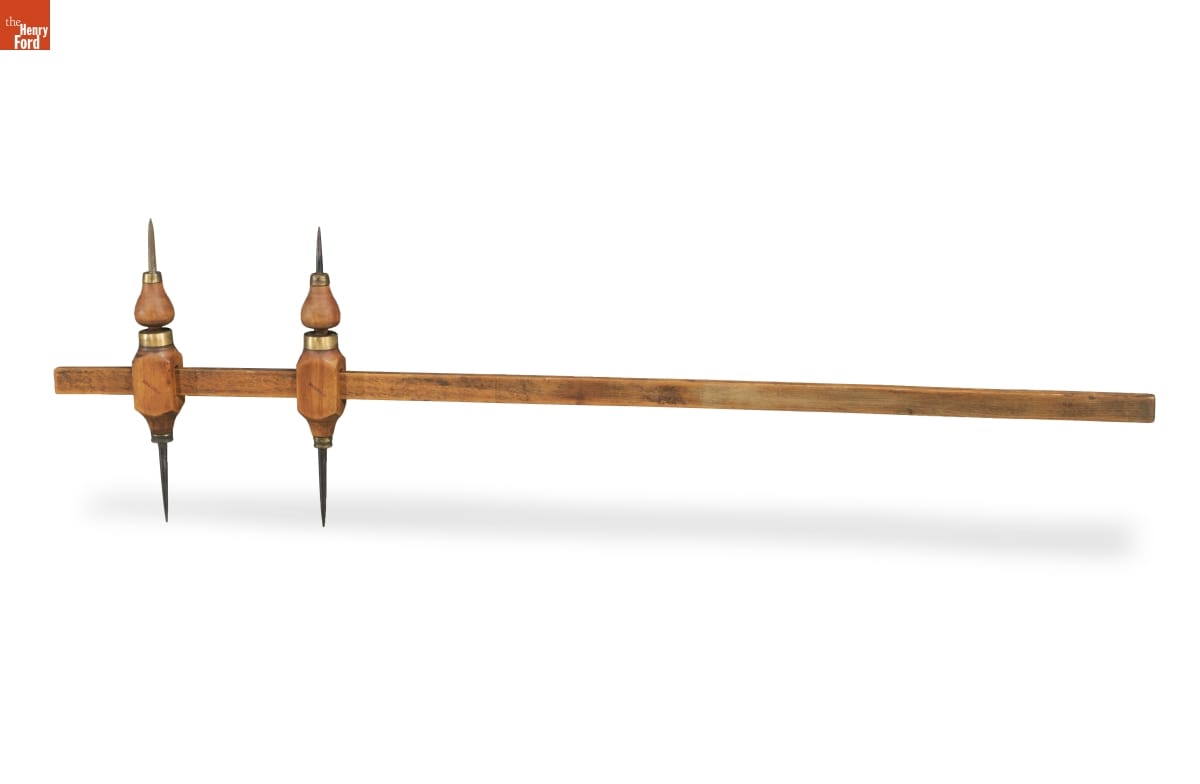
J. Hersh Beam Compass
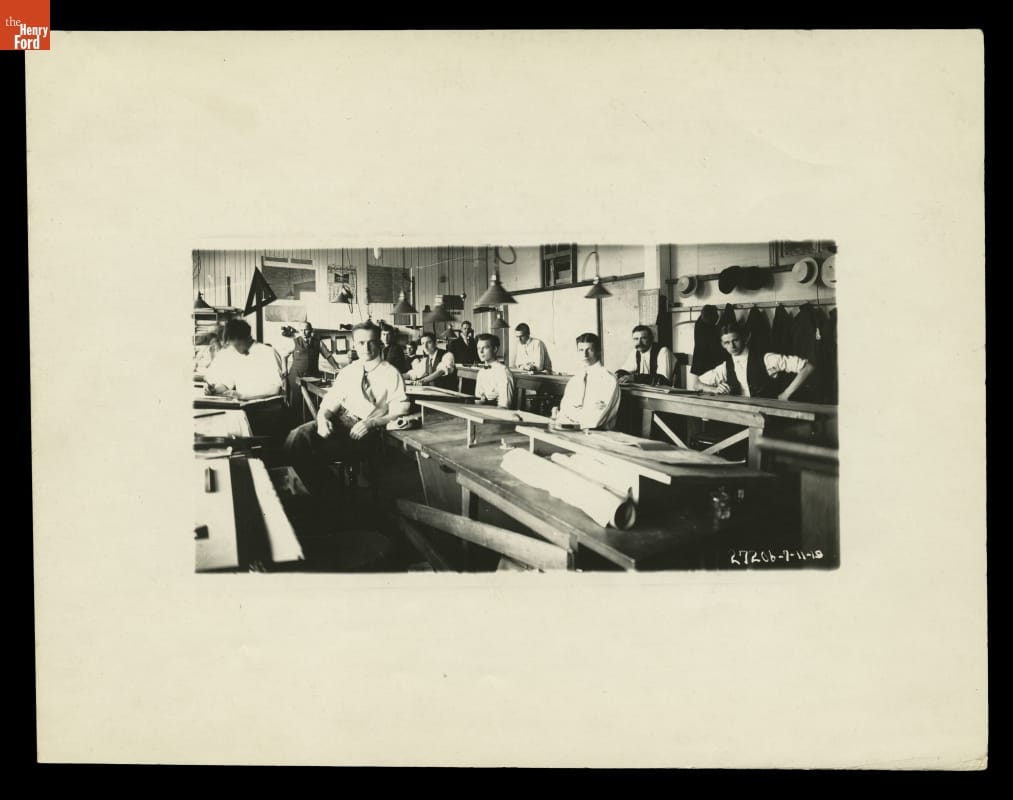
- Eugene Farkas with other Engineers and Designers in a Drafting Room at the Ford Piquette Plant, 1908 - Eugene Farkas was born in Hungary and immigrated to the United States in 1906. Farkas, a trained engineer, joined Ford Motor Company briefly in 1907-1908, and then returned as head of Ford's experimental drafting room in 1913. Farkas worked on tractors, experimental engines, the Model A chassis, and B-24 bombers in a long career that ended with his retirement in 1947.
- 1908
- Collections - Artifact
Eugene Farkas with other Engineers and Designers in a Drafting Room at the Ford Piquette Plant, 1908
Eugene Farkas was born in Hungary and immigrated to the United States in 1906. Farkas, a trained engineer, joined Ford Motor Company briefly in 1907-1908, and then returned as head of Ford's experimental drafting room in 1913. Farkas worked on tractors, experimental engines, the Model A chassis, and B-24 bombers in a long career that ended with his retirement in 1947.
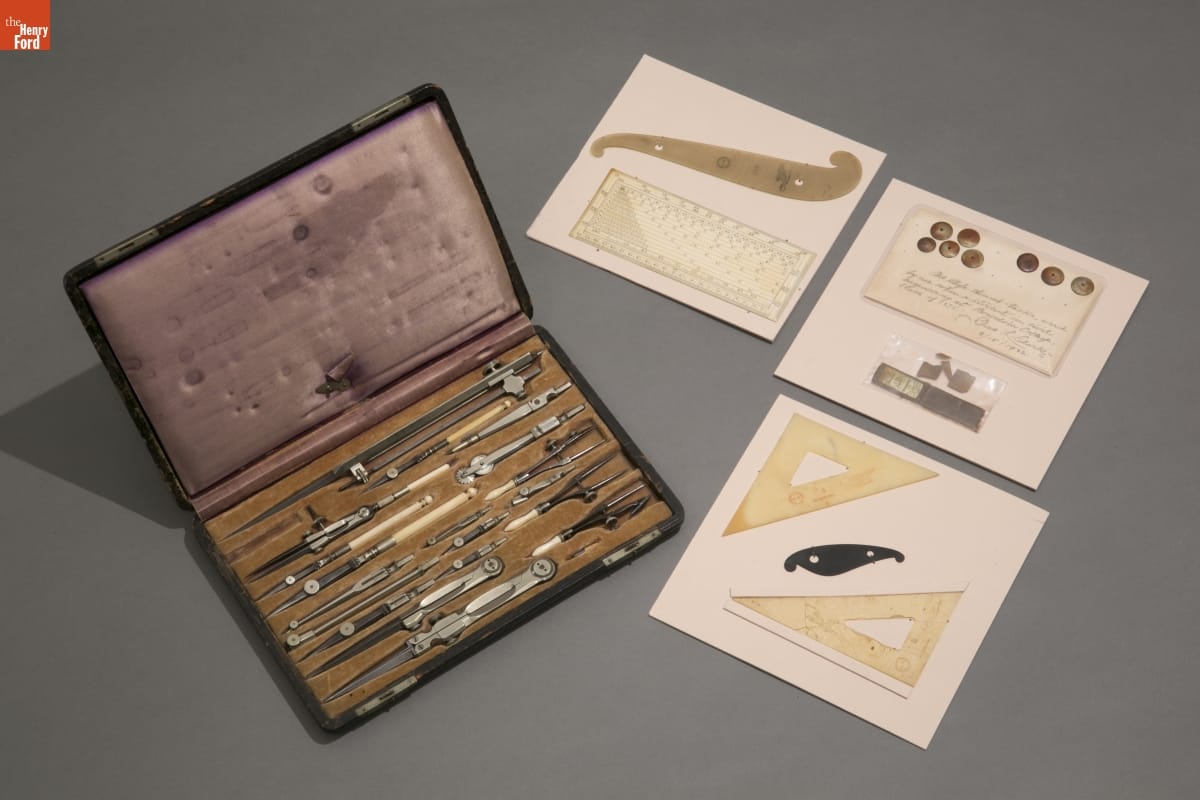
- Set of Drafting Tools Used by Charles Lorenzo Clarke, While Working for Thomas Edison -
- 1872-1931
- Collections - Artifact
Set of Drafting Tools Used by Charles Lorenzo Clarke, While Working for Thomas Edison
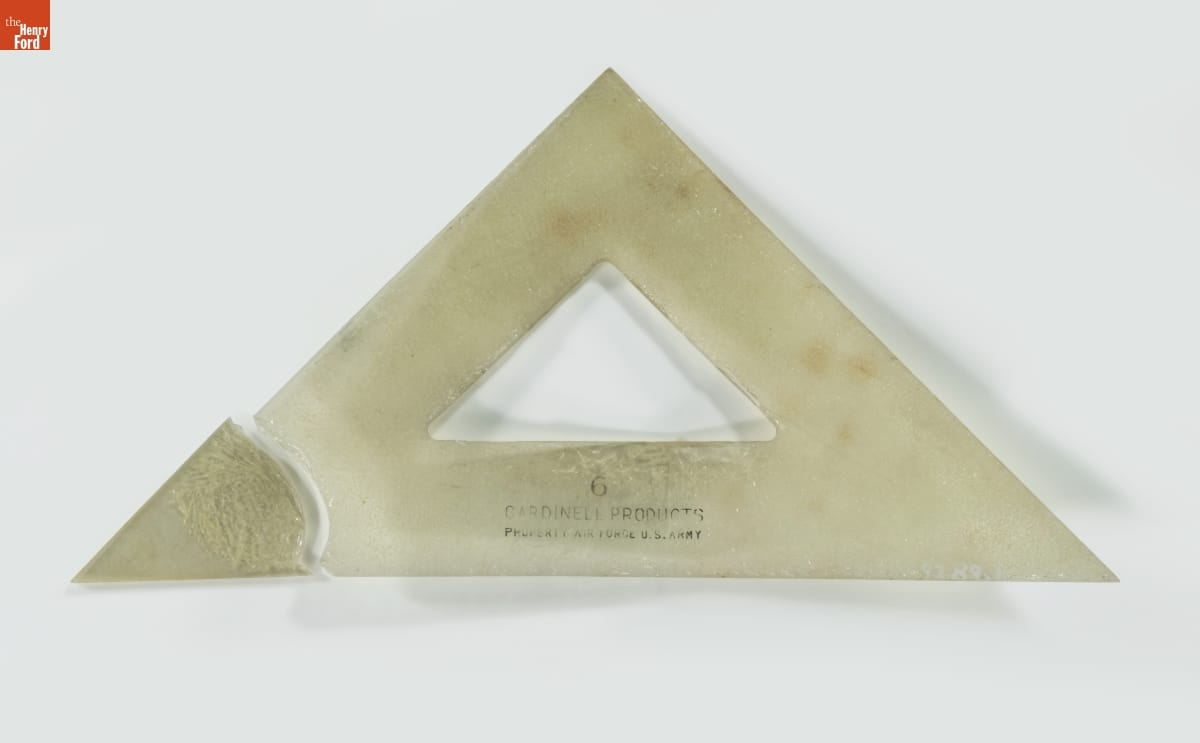
- 30 Degree Drafting Triangle, 1941-1947 -
- 1941-1947
- Collections - Artifact
30 Degree Drafting Triangle, 1941-1947
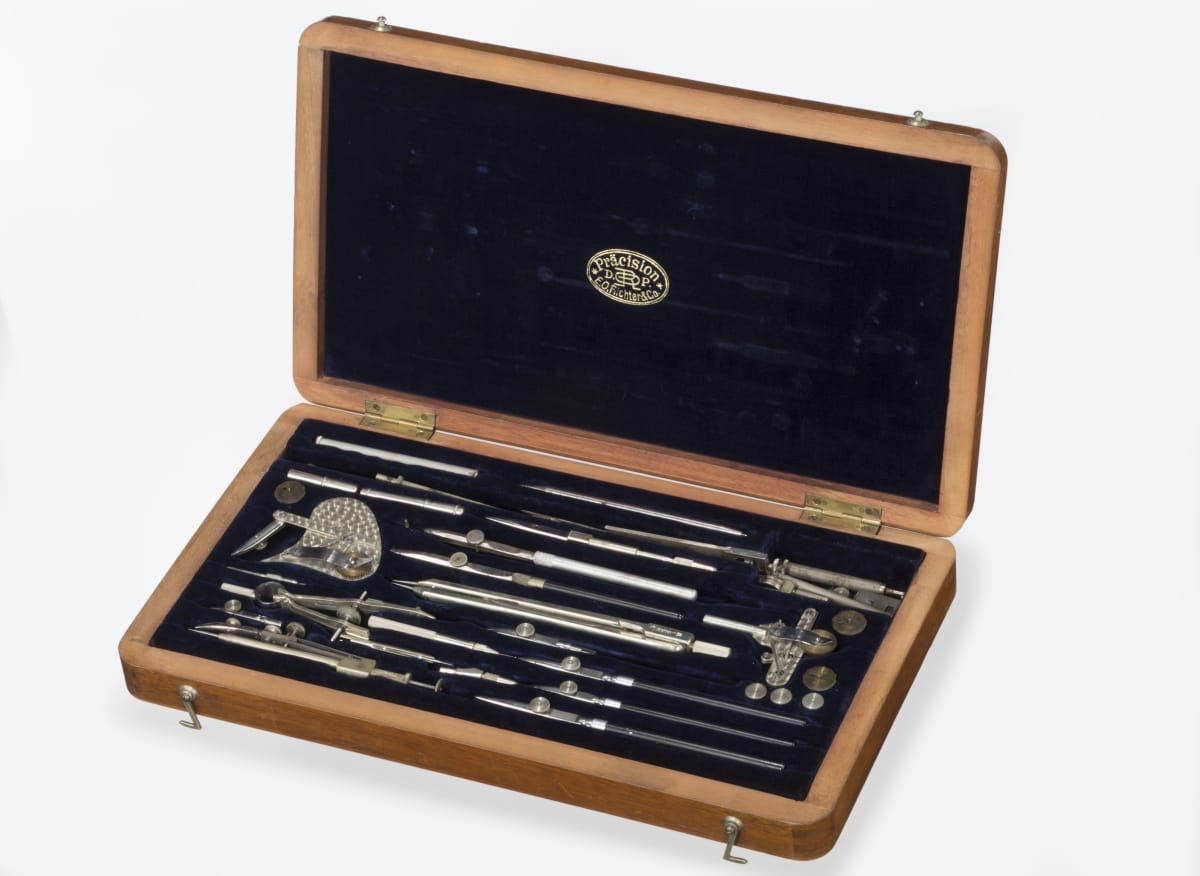
- Set of "Pracision" Drafting Tools, Used by Leo Goossen, 1925-1941 - Leo Goossen ranks among the most influential engine designers in American auto racing history. Goossen engines, built first with Harry Miller and then with Fred Offenhauser, dominated the Indianapolis 500 for the better part of 50 years. Goossen used these drafting tools while creating or refining many of his designs.
- 1925-1945
- Collections - Artifact
Set of "Pracision" Drafting Tools, Used by Leo Goossen, 1925-1941
Leo Goossen ranks among the most influential engine designers in American auto racing history. Goossen engines, built first with Harry Miller and then with Fred Offenhauser, dominated the Indianapolis 500 for the better part of 50 years. Goossen used these drafting tools while creating or refining many of his designs.
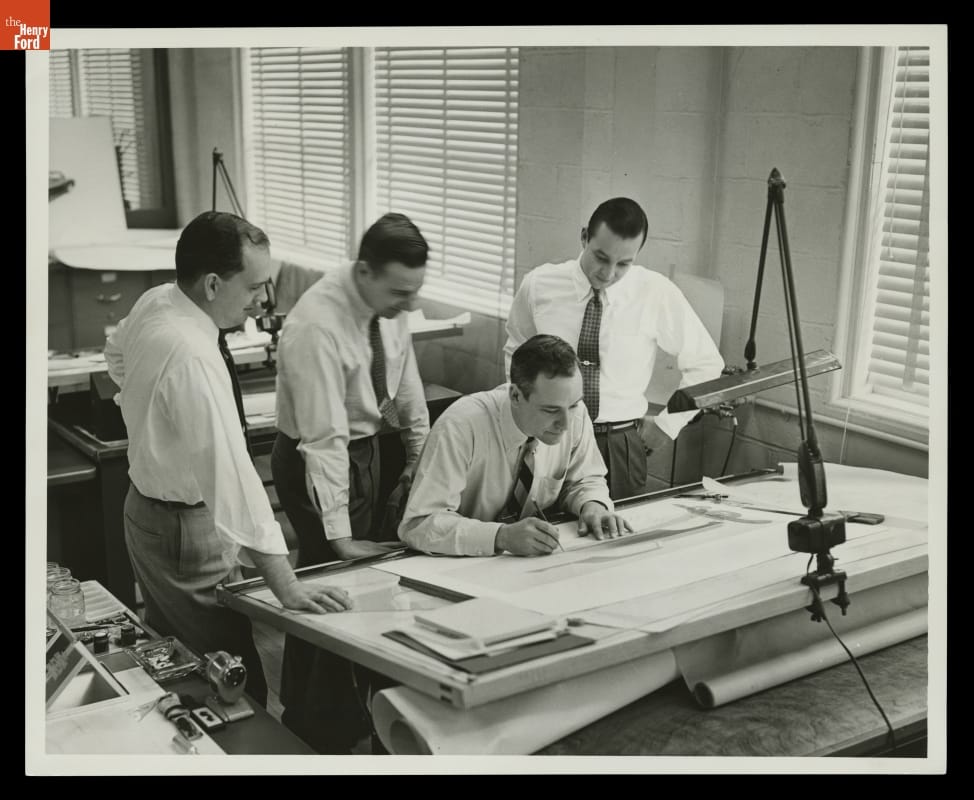
- William Clay Ford (at right) with Robert Thomas, Harley F. Copp, and John Reinhart, Designing the Continental Mark II, February, 1953 - William Clay Ford (1925-2014) was Henry Ford's grandson and the youngest of Edsel and Eleanor Clay Ford's four children. In 1952, William headed a group that designed an elegant new edition of the classic Lincoln Continental that had been developed under his father Edsel's direction. Here, William (right) is one of three onlookers viewing chief stylist John M. Reinhart's renderings.
- February 01, 1953
- Collections - Artifact
William Clay Ford (at right) with Robert Thomas, Harley F. Copp, and John Reinhart, Designing the Continental Mark II, February, 1953
William Clay Ford (1925-2014) was Henry Ford's grandson and the youngest of Edsel and Eleanor Clay Ford's four children. In 1952, William headed a group that designed an elegant new edition of the classic Lincoln Continental that had been developed under his father Edsel's direction. Here, William (right) is one of three onlookers viewing chief stylist John M. Reinhart's renderings.
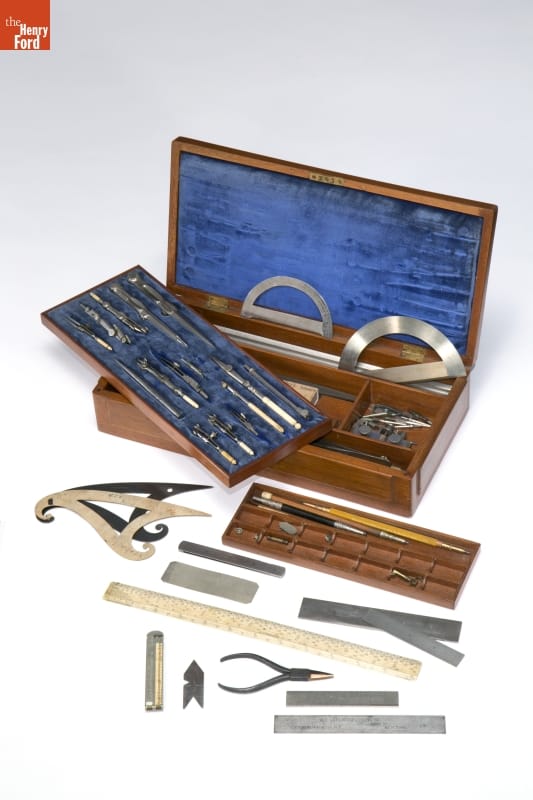
- Set of Drafting Tools Used by Gardiner C. Sims, 1865-1910 -
- 1865-1910
- Collections - Artifact
Set of Drafting Tools Used by Gardiner C. Sims, 1865-1910